This Valley in British Columbia Is Home to Canada’s First UNESCO Creative City of Gastronomy

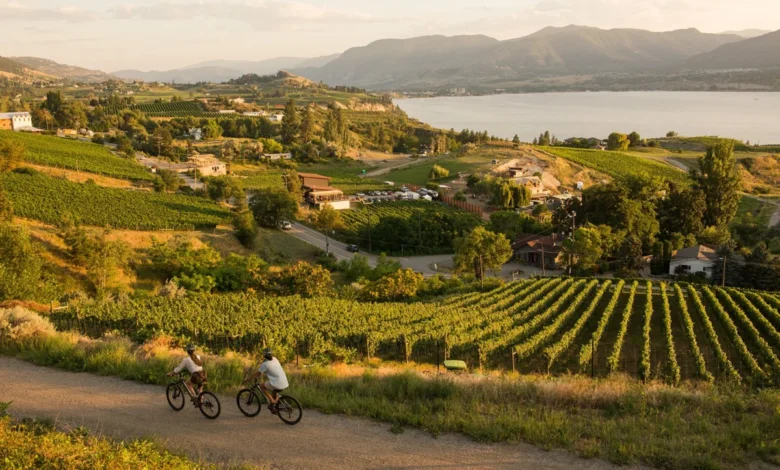
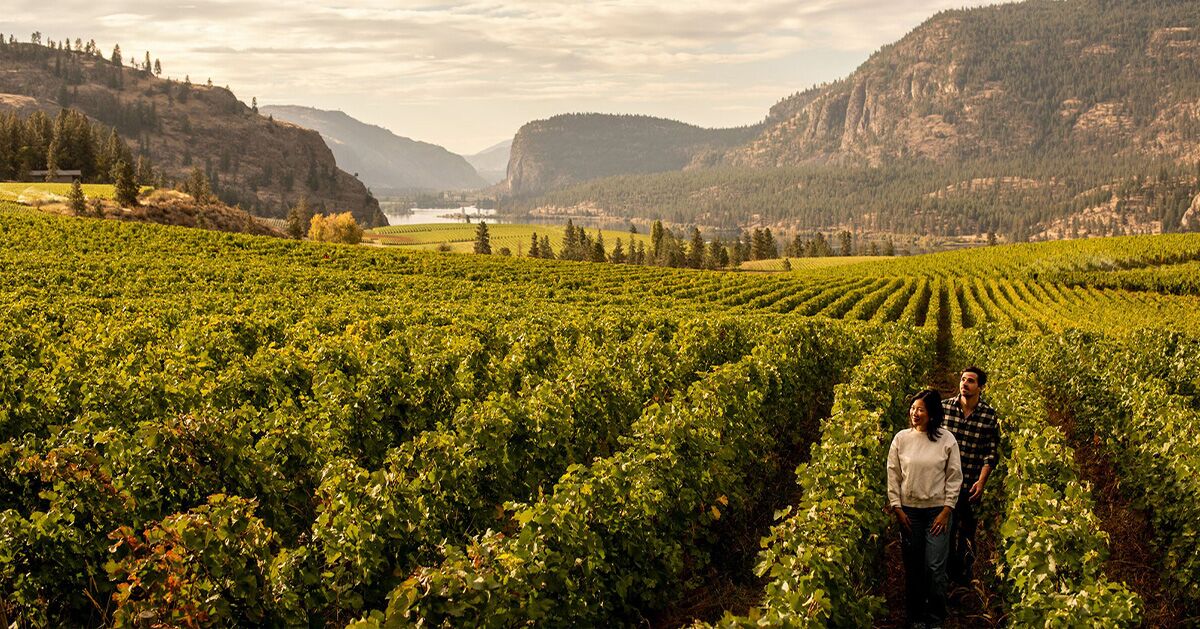
The Okanagan Valley is home to more than 200 wineries and over 60 distinct grape varieties. This viticultural success is driven by the region’s unique microclimate, characterized by hot, arid summers and a prolonged growing season that extends well into the autumn months. The geological foundation of the valley—defined by glacier-formed lakes and the remnants of extinct volcanoes—provides a diverse range of soil types that allow for high-quality production of Pinot Noir, Riesling, Gamay Noir, and Chardonnay.
The Evolution of the Okanagan Wine Industry
The transformation of the Okanagan into a major wine-producing region is a relatively recent phenomenon. While the first commercial vineyard was planted by Father Charles Pandosy in 1859, the modern industry did not gain significant momentum until the 1990s. Following the 1988 Canada-United States Free Trade Agreement, the industry underwent a "pull-and-replant" program, where government-subsidized farmers replaced hybrid grapes with high-quality Vitis vinifera varieties.
Today, the industry generates approximately $2.8 billion annually for the British Columbia economy. Beyond the economic figures, the valley represents a critical intersection of sustainable agriculture and tourism. Chefs like Neil Taylor of Home Block Restaurant at CedarCreek Estate Winery have championed a hyper-local sourcing model, utilizing everything from estate-grown honey to poultry flocks and regional produce from areas like Armstrong. This integration of estate-driven cuisine and oenology is the primary catalyst for the valley’s international acclaim.
Day 1: Kelowna and the East Kelowna Slopes
The journey begins at Kelowna International Airport (YLW), the gateway to the valley. Upon departing the airport, travelers typically proceed south toward the Okanagan Lake bridge. The first major stop is the Boucherie Road wine trail in West Kelowna. Here, institutions like Quails’ Gate Estate Winery—which has been operational since 1999—set the standard for the farm-to-fork movement. Their menus reflect the broader regional shift toward sustainable sourcing, emphasizing West Coast seafood and produce from local farmers.
By the afternoon, travelers are encouraged to engage professional transit services to navigate the East Kelowna Slopes. This specific sub-region is essential for understanding the local terroir, as it features high-elevation vineyards and some of the oldest Riesling vines in the province at Tantalus Vineyards. The evening concludes in downtown Kelowna, where the dining scene reflects a sophisticated blend of global influence and local sourcing. At restaurants like Waterfront Wines, the emphasis is placed on a curated "wine library," featuring over 300 labels that allow diners to experience the vertical and horizontal nuances of Okanagan vintages.
Day 2: Infrastructure and Active Tourism in Penticton
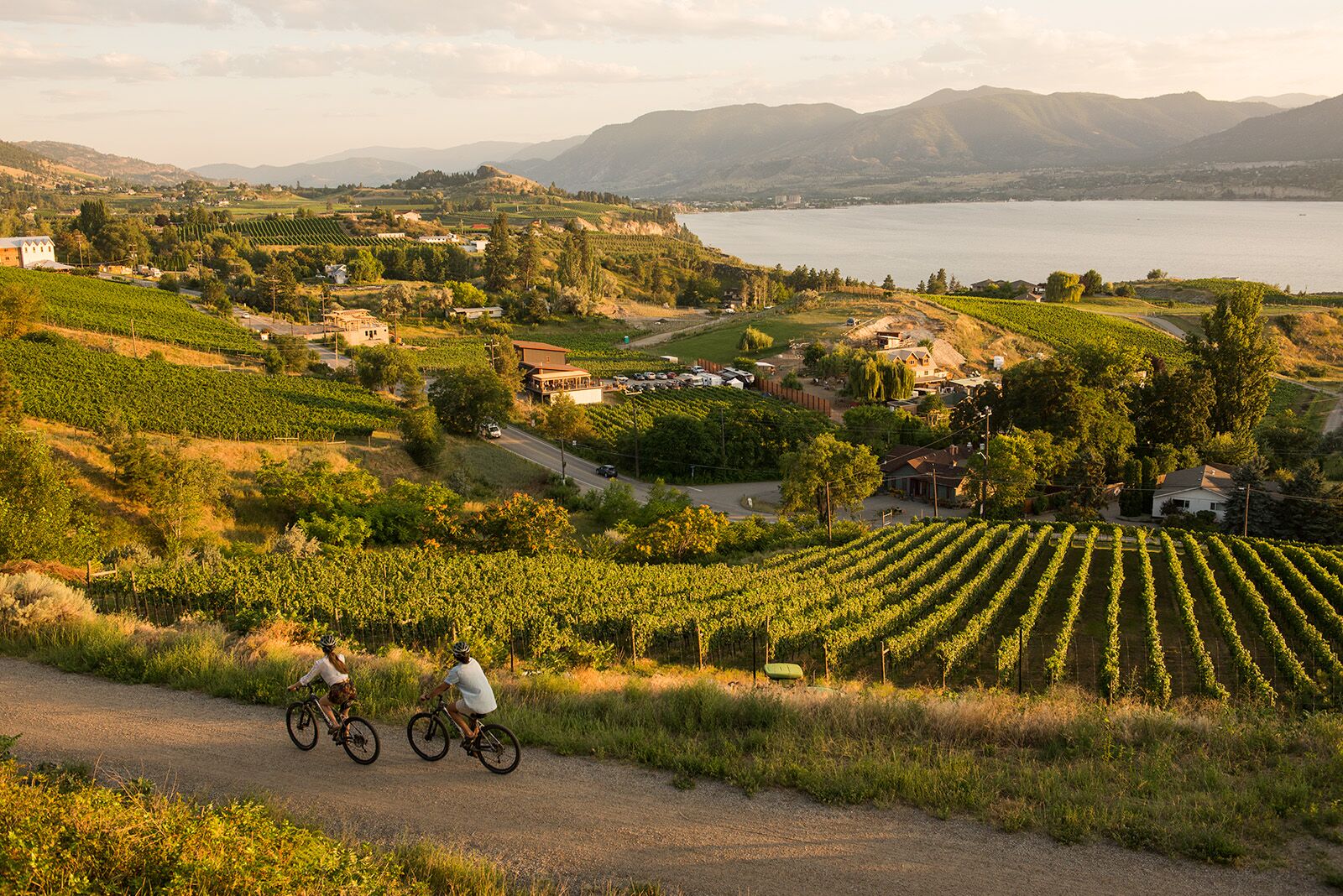
The second day transitions toward the southern interior, focusing on the infrastructure of the Kettle Valley Rail Trail. This path, which utilizes the former railway corridors of the Canadian Pacific Railway, represents one of the most successful examples of adaptive reuse of industrial space in Canada. Decommissioned in the 1970s, the trail now provides a vital link for cyclists to access the Naramata Bench, a sub-appellation famous for its unique geological composition and high-density winery concentration.
For those traveling this route, the experience is underscored by the physical geography of the region. The trail passes over massive timber trestles and through granite tunnels, offering a vantage point of the lake that is inaccessible by vehicle. The rise of e-bike rentals in the Penticton area has made this terrain accessible to a broader demographic, significantly increasing the volume of agritourism in the late summer and autumn.

The regional tourism board notes that the period following Labor Day is the most critical for the industry. Known as "harvest season," it provides a window of optimal climate and a reduction in the peak-summer visitor surge. This allows for a more intimate interaction between the producers and the consumer. The integration of leisure activities, such as floating saunas at the Penticton Lakeside Resort, complements the high-intensity agricultural activity happening in the surrounding fields, creating a balanced itinerary for the modern traveler.
Day 3: Indigenous Heritage and the Desert Ecosystem
The southern terminus of the valley presents a stark environmental shift. As one travels toward Osoyoos, the landscape transitions into Canada’s only true semi-arid desert. This ecosystem is home to the Osoyoos Indian Band, a community of the Syilx Okanagan Nation. Their management of the land provides a profound contrast to the European-style viticulture found elsewhere in the valley.
The Nk’Mip Desert Cultural Centre serves as the centerpiece for understanding the history of the Syilx people. The facility acts as an interpretive bridge, using immersive technology and traditional landscape management practices to explain the relationship between the Indigenous population and the desert environment.
The economic model of the Osoyoos Indian Band is unique; they own and operate Nk’Mip Cellars, the first Indigenous-owned and -operated winery in North America. The culinary offerings here, particularly at their Sweetgrass restaurant, highlight the integration of traditional Indigenous ingredients—such as Saskatoon berries and fry bread—with contemporary viticulture. This demonstrates a deliberate effort to preserve cultural heritage while participating in the competitive global wine market.
Economic and Environmental Implications
The growth of the Okanagan Valley is not without its challenges. Water management and climate change remain the two primary concerns for regional planners and vintners. The 2021 "Heat Dome" event and subsequent shifts in seasonal precipitation patterns have forced producers to adopt more resilient viticultural techniques. Research institutions, such as the Summerland Research and Development Centre, are actively working on drought-resistant vine clones and improved irrigation efficiency to ensure the long-term viability of the sector.
Furthermore, the "Valleys & Vineyards" branding initiative, supported by provincial tourism bodies, has successfully transitioned the region from a seasonal summer beach destination to a year-round agritourism hub. The fall harvest period is now the cornerstone of this economic strategy. By encouraging longer stays, the region has seen an increase in per-visitor spending, which has in turn fueled further investment in high-end culinary infrastructure.
Summary of Regional Impact
The Okanagan Valley stands as a case study for the successful integration of heritage, agriculture, and high-end tourism. By focusing on "honest food"—a term used by local chefs to describe the transparent sourcing of ingredients—the region has managed to distinguish itself from more established wine regions like Napa Valley or Bordeaux. The valley does not rely on mass-market production; rather, it thrives on the boutique nature of its vineyards and the accessibility of its producers.
For the traveler, the three-day road trip from Kelowna to Osoyoos offers a comprehensive view of this evolution. From the historical Riesling vines of the north to the desert-floor production of the south, the route captures a region in the midst of its prime. As Canada’s first UNESCO Creative City of Gastronomy, Kelowna serves as the anchor for a valley that continues to refine its identity, ensuring that its cultural and agricultural legacies remain as sustainable as the land they occupy. The current growth trajectory suggests that the Okanagan will continue to be a primary focus for international viticultural interest for the foreseeable future.