The river systems of Sabah, Malaysia, have long served as the lifeblood of Borneo’s coastal ecosystems, yet a specific segment of the tourism industry near Kota Kinabalu is redefining the balance between wildlife observation and environmental immersion. While the majority of visitors to the state capital gravitate toward the bustling waterfront for sunset views, an increasing number of eco-conscious travelers are venturing approximately 60 to 90 minutes outside the urban center to explore the mangrove-lined tributaries. These excursions, commonly referred to as proboscis monkey and firefly river cruises, offer a dual-phase experience that transitions from the observation of endemic primates in the late afternoon to a synchronized display of bioluminescent insects after nightfall.
The significance of these cruises extends beyond mere sightseeing; they represent a critical intersection of Sabah’s tourism economy and its conservation efforts. By utilizing slow-moving vessels and local guides who possess intimate knowledge of the riparian landscape, these tours provide a sustainable revenue stream for rural communities while fostering an appreciation for the fragile mangrove habitats that protect Borneo’s shorelines.
Geographic Context and Biodiversity Significance
The cruises typically take place in regions such as the Klias Peninsula, Weston, or the Garama River. These areas are characterized by extensive mangrove forests, which serve as essential nurseries for marine life and natural barriers against coastal erosion. For the scientific community, these wetlands are of paramount importance because they host the proboscis monkey (Nasalis larvatus), a species endemic to the island of Borneo and currently classified as endangered by the International Union for Conservation of Nature (IUCN).
Mangroves in Sabah are not merely a backdrop for photography; they are complex ecosystems that support a high density of biodiversity. The trees themselves, primarily from the Rhizophora and Avicennia genera, have adapted to thrive in saline, oxygen-poor soils. Their tangled root systems provide the necessary infrastructure for a variety of species, including long-tailed macaques, silvered leaf monkeys, various kingfishers, and the nocturnal fireflies that dominate the evening landscape.
Chronology of the River Cruise Experience
The standard operational timeline for a Kota Kinabalu river cruise follows a structured sequence designed to maximize wildlife visibility and atmospheric transitions.
Phase I: Urban Departure and Rural Transition
The journey begins in the early afternoon, typically between 1:30 PM and 2:30 PM, with pickups from major hotels in Kota Kinabalu. The transit period serves as a physical and psychological transition as the high-rise architecture of the city gives way to the stilted houses and palm plantations of the Sabah countryside. By the time visitors reach the river jetties around 4:00 PM, the air temperature begins to stabilize, and the humidity of the forest becomes more pronounced.
Phase II: The Afternoon Wildlife Search
Upon boarding small, open-air boats, the cruise commences. The primary objective of this phase is the sighting of the proboscis monkey. Unlike more aggressive primate species, proboscis monkeys are shy and tend to congregate in the upper canopy of trees lining the riverbanks as the sun begins to set. Guides navigate the waters at low speeds to minimize acoustic disturbance, allowing passengers to observe the monkeys’ unique social structures and feeding habits.
Phase III: The Sunset and Cultural Integration
As the sun approaches the horizon, the boat often returns to a central lodge or jetty. This period is marked by a traditional Malaysian dinner, featuring local flavors such as chicken satay, sambal-based dishes, and tropical fruits. This segment of the tour provides a vital economic link, as many of the meals are prepared by residents of nearby villages, integrating local culinary heritage into the tourism package.
Phase IV: The Nocturnal Firefly Display
The final phase occurs after total darkness has fallen. The boats return to the river, but the focus shifts from the canopy to the lower branches of the mangrove trees. This is when the fireflies (Lampyridae) begin their synchronized flashing. The phenomenon is often described by observers as "breathing trees," where thousands of insects pulse with light in a rhythmic pattern, a behavior used primarily for mating and communication.
The Proboscis Monkey: An Endemic Highlight
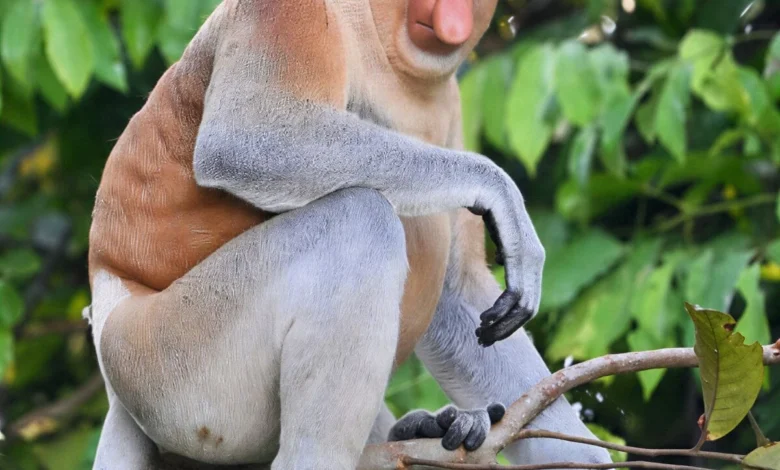
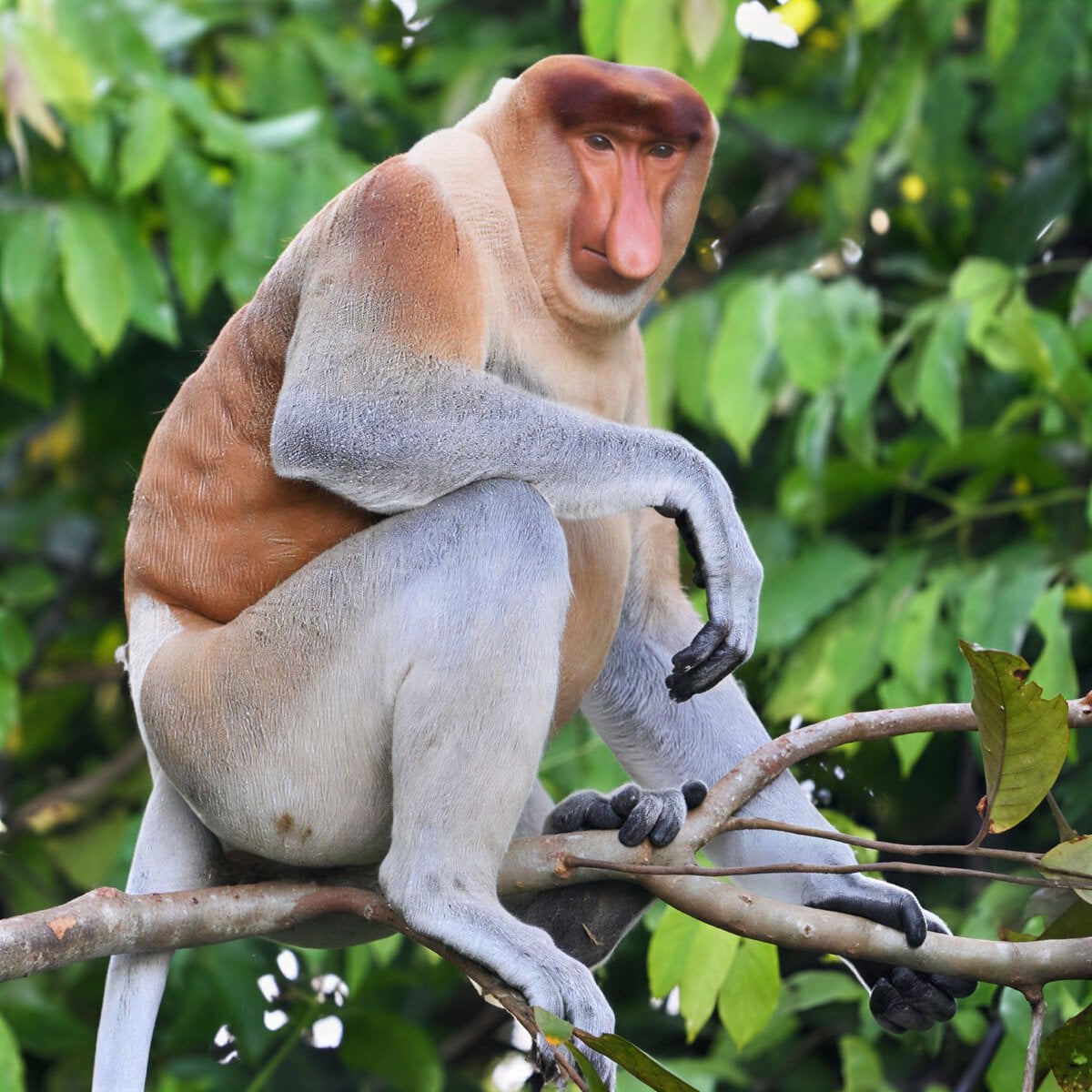
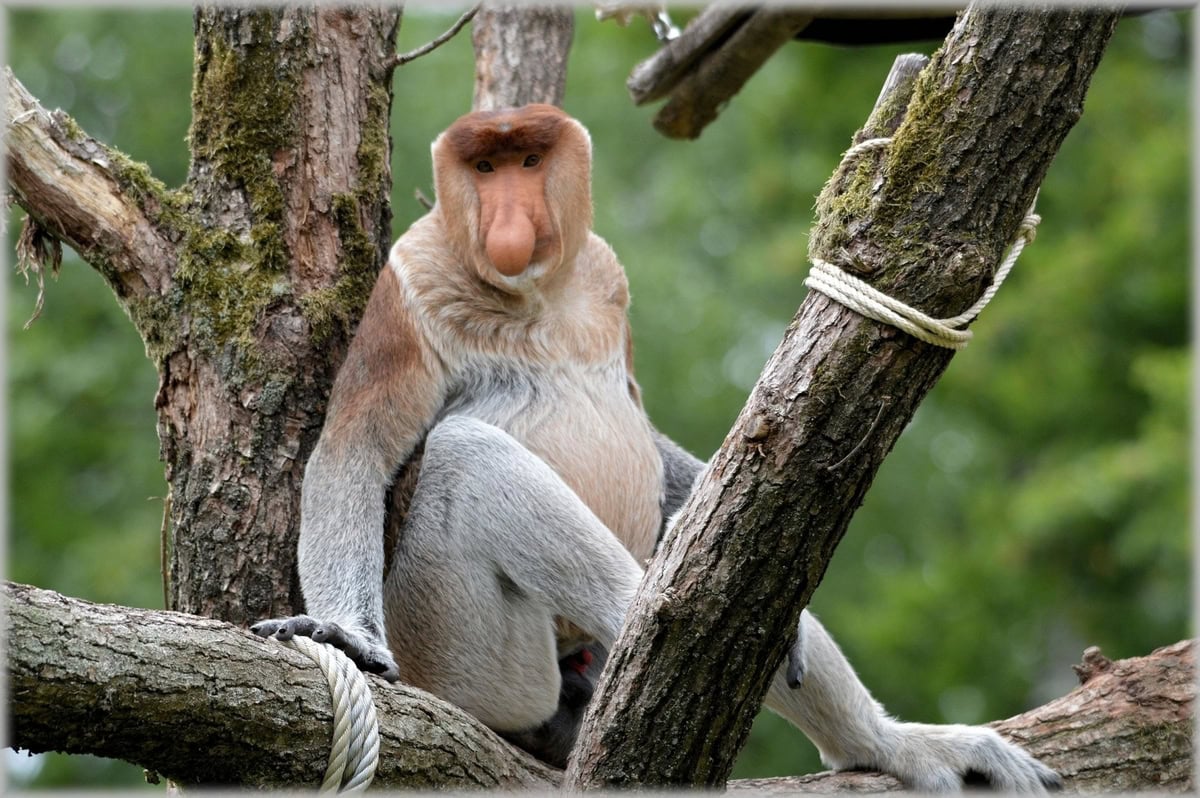
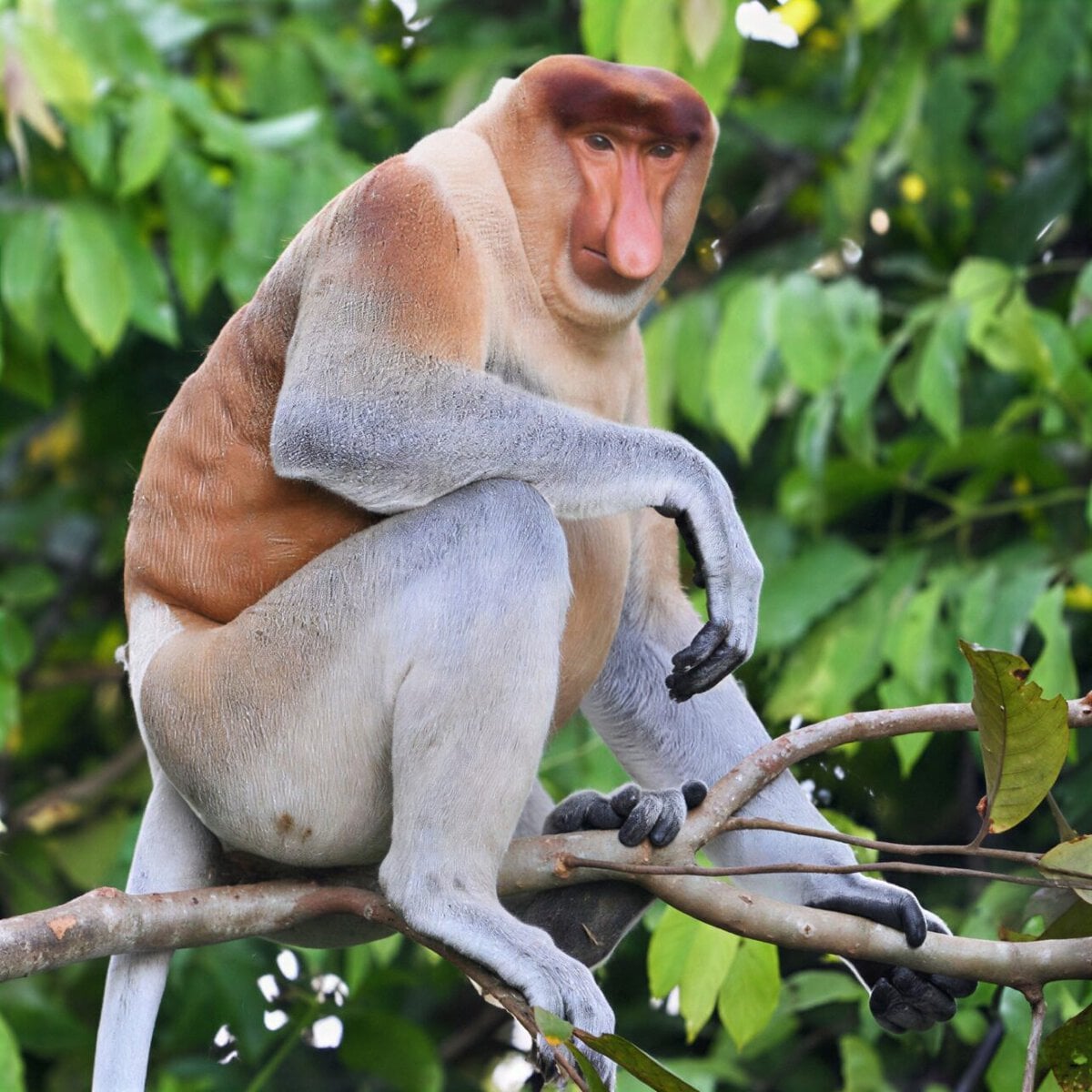
The proboscis monkey is the undeniable star of the daytime cruise. Recognizable by its pendulous nose—which, in males, can exceed 10 centimeters in length—and its pot-bellied appearance, the species is uniquely adapted to the mangrove environment. Their digestive systems are specialized to ferment the cellulose in mangrove leaves, a food source that is toxic to many other animals.
Data from wildlife surveys in Sabah suggest that while populations in some areas are stabilizing due to protected status, habitat loss remains a primary threat. Tourism, when managed correctly, provides a financial incentive for the preservation of these riverine corridors. During the cruise, guides often share insights into the monkeys’ behavior, such as their remarkable swimming abilities; proboscis monkeys have been known to swim across wide rivers to escape predators or find new foraging grounds.
The Science of Bioluminescence: Fireflies of Sabah
The evening portion of the cruise focuses on a different biological marvel. The fireflies found in Sabah’s mangroves are part of a genus that is known for "synchronous flashing." Unlike fireflies in many other parts of the world that flash independently, these insects align their light pulses through a process of biological entrainment.
This display is highly sensitive to environmental factors. Heavy rainfall can cause fireflies to retreat into the deeper foliage, while light pollution from nearby developments can disrupt their mating signals. The quiet, dark environment of the river cruise is essential for both the insects’ survival and the quality of the visitor experience. Guides frequently advise passengers to disable camera flashes and dim mobile phone screens, as artificial light can interfere with the fireflies’ natural rhythms.
Socio-Economic Impact and Local Involvement
The river cruise industry is a significant contributor to the rural economy of Sabah. In areas like the Klias Peninsula, the transition from traditional fishing or agriculture to eco-tourism has provided new employment opportunities.
- Employment: Local residents serve as boat captains, wildlife spotters, and catering staff.
- Education: Many guides are former residents who have been trained in environmental conservation, allowing them to communicate the importance of the ecosystem to international visitors.
- Infrastructure: The demand for these tours has led to improved road access and jetty facilities in previously isolated areas.
A term often used by locals in Sabah is aramaiti, a Kadazandusun word that encapsulates the spirit of gathering and enjoying a moment together. This philosophy is frequently cited by guides as the "correct" way to experience the river—encouraging visitors to put down their digital devices and engage directly with the stillness and natural beauty of the environment.
Practical Considerations for Travelers
For those planning to participate in a river cruise, several logistical factors are essential for a successful outing:
- Environmental Preparation: Given the tropical climate, light and breathable clothing is recommended. However, as the cruise extends into the evening, a light jacket may be necessary for the return boat ride.
- Insect Protection: While the fireflies are a highlight, the mangrove environment is also home to mosquitoes. The use of insect repellent is a standard recommendation, though visitors are encouraged to apply it before boarding the boat to avoid spraying chemicals near the water.
- Photography Constraints: Capturing images of fireflies requires high-end equipment with low-light capabilities. Most consumer-grade smartphones are unable to document the bioluminescence effectively. Consequently, the "unphotographed mangrove" becomes a memory-centric experience rather than a digital one.
Analysis of Implications and Future Outlook
The continued success of the Kota Kinabalu river cruises depends heavily on the maintenance of the mangrove ecosystem. As Sabah continues to develop, the pressure from agriculture (particularly oil palm expansion) and infrastructure projects remains a concern for conservationists.
However, the "slow travel" movement—which prioritizes depth of experience over the quantity of sights—is well-served by these cruises. By offering an experience that cannot be easily replicated or "summarized" in a single social media post, the mangrove tours of Sabah provide a template for sustainable tourism. They demonstrate that the most valuable travel experiences are often those that require patience, silence, and a willingness to follow the rhythm of the natural world.
The "mangrove nobody photographs" is not a failure of marketing, but rather a testament to the fact that some of the world’s most profound natural displays remain resistant to digital capture. For the state of Sabah, these rivers represent a sustainable path forward, where the protection of the proboscis monkey and the firefly is inextricably linked to the prosperity of the people who live alongside them.