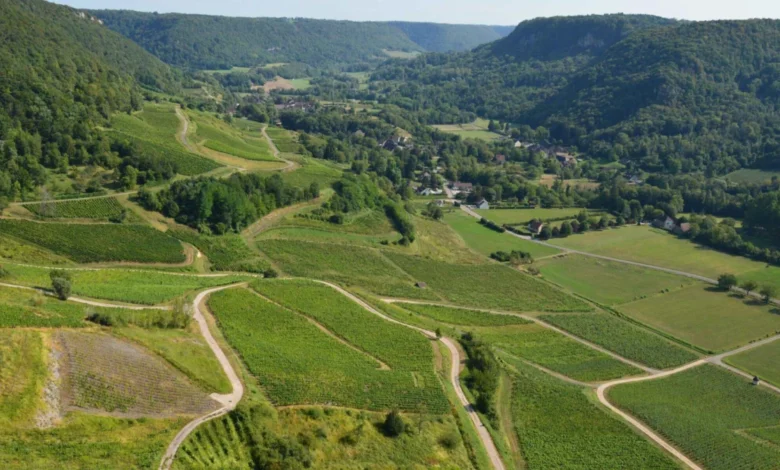
The Champagne region of France, situated approximately 90 miles northeast of Paris, represents far more than a source of celebratory libations; it is a meticulously regulated viticultural landscape where geological history, stringent legal protections, and centuries of artisanal refinement converge. While the global market often associates the name with high-end festivities and luxury branding, the reality of the region is rooted in a complex interplay of cool-climate viticulture and a unique soil composition known as terroir. As international demand for sparkling wine continues to fluctuate amidst shifting economic climates, the Champagne region remains a primary driver of the French agricultural economy and a cornerstone of global luxury exports.
The Geographical and Geological Foundations of Terroir
The distinctiveness of Champagne begins with its position at the northernmost limit of viable viticulture. The region’s cool continental climate presents significant challenges to grape growers, including late spring frosts and high rainfall. However, these environmental stressors are precisely what produce the high acidity levels essential for the longevity and freshness of sparkling wine. The slow ripening process allows for the development of delicate aromatic precursors that are often lost in warmer climates.
At the heart of this terroir is the region’s subsoil, characterized by deep layers of Cretaceous chalk. Approximately 70 million years ago, this area was a prehistoric sea, leaving behind deposits of belemnite fossils and granules of calcium carbonate. This porous chalk acts as a natural thermostat and hydrologist; it absorbs solar heat during the day and releases it at night, while its sponge-like consistency retains water during droughts and provides superior drainage during heavy rains. This specific geological profile is found primarily in the five main sub-regions: the Montagne de Reims, the Vallée de la Marne, the Côte des Blancs, the Côte de Sézanne, and the Aube (Côte des Bar).
A Chronology of Innovation and Regulation
The evolution of Champagne from a thin, still red wine favored by French royalty to the effervescent luxury product of today is marked by several pivotal historical milestones:
- 17th Century: Contrary to popular myth, Dom Pérignon did not "invent" bubbles; in fact, he initially worked to eliminate them, as they were seen as a winemaking flaw. However, his contributions to blending (assemblage) and the use of stronger English glass and cork closures laid the foundation for quality sparkling production.
- 1816: Madame Clicquot Ponsardin, the "Grande Dame" of Champagne, revolutionized the industry by inventing the riddling table (pupitre). This allowed for the removal of sediment (yeast) from the bottle, resulting in a clear, sediment-free liquid that appealed to the international elite.
- 1911: The Champagne Riots occurred as growers fought for legal recognition of their grapes and protested against the use of fruit from outside the region. This led to the formal delimitation of the Champagne zone.
- 1927-1936: The establishment of the Appellation d’Origine Contrôlée (AOC) laws strictly defined the production methods, grape varieties (primarily Chardonnay, Pinot Noir, and Meunier), and geographical boundaries allowed to use the name "Champagne."
- 2015: UNESCO officially recognized the "Champagne Hillsides, Houses and Cellars" as a World Heritage site, cementing the region’s status as a site of universal cultural value.
The Technical Art of the Méthode Champenoise
The production of Champagne is governed by the Méthode Traditionnelle, a labor-intensive process that differentiates it from cheaper sparkling wines produced via the tank (Charmat) method. After the initial fermentation, the wine is bottled with a mixture of sugar and yeast (liqueur de tirage) to induce a secondary fermentation within the bottle. This process creates the carbon dioxide that becomes the wine’s signature "fine bead" or bubbles.

Critically, the wine must age "on the lees" (spent yeast cells) for a minimum of 15 months for non-vintage bottles and three years for vintage releases. This aging process imparts complex flavors of brioche, toast, and roasted nuts through a chemical reaction known as yeast autolysis. High-end prestige cuvées, such as Louis Roederer’s Cristal or Moët & Chandon’s Dom Pérignon, often age for seven to ten years before being released to the market.
Economic Significance and Global Market Data
The Champagne industry is a vital pillar of French trade. According to data from the Comité Interprofessionnel du Vin de Champagne (CIVC), the region exported approximately 299 million bottles in 2023. While volume has seen a slight decline from the post-pandemic surge of 2022, the total value of shipments has remained historically high, exceeding €6 billion.
The United States remains the top export market by value, followed by the United Kingdom and Japan. Industry analysts note a growing trend toward "premiumization," where consumers are opting for higher-quality, more expensive bottles even if they purchase them less frequently. Additionally, the rise of "Grower Champagne"—wines produced by the same farmers who grow the grapes, rather than large commercial houses—has introduced a new level of diversity and transparency to the market, appealing to a younger, more terroir-focused demographic.

The Cultural Landscape: Reims, Épernay, and Beyond
For those visiting the region, the experience is divided between the urban grandeur of the major "capitals" and the rustic charm of the vineyard-covered hillsides.
Reims: The City of Kings
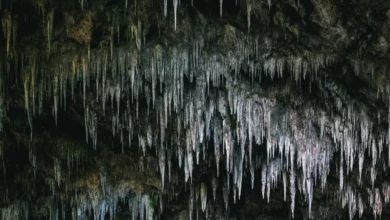
Reims serves as the commercial hub of the region and is home to the Notre-Dame de Reims Cathedral, where French kings were historically crowned. Beneath the city streets lies a network of "crayères"—ancient Roman chalk quarries that now serve as aging cellars for famous houses like Taittinger, Veuve Clicquot, and Pommery. These subterranean tunnels maintain a constant temperature of 10°C (50°F), providing the perfect environment for slow maturation.
Épernay: The Avenue de Champagne
Located south of Reims, Épernay is famous for the Avenue de Champagne, often described as the most expensive street in the world. This is not due to the architecture above ground, but rather the hundreds of millions of dollars worth of inventory stored in the 110 kilometers of cellars beneath the pavement. This avenue houses the headquarters of Moët & Chandon, Perrier-Jouët, and Pol Roger.

Troyes and the Aube
Further south lies Troyes, the historic capital of the Champagne province. Known for its well-preserved timber-framed houses and medieval streets, it serves as the gateway to the Côte des Bar. This sub-region was historically overlooked but has recently gained acclaim for its Pinot Noir-dominant blends and innovative small-scale producers.
Gastronomy and Regional Integration
Champagne is increasingly viewed by sommeliers as a versatile "food wine" rather than just an aperitif. The region’s culinary traditions are designed to complement the wine’s high acidity and effervescence. Local specialties include:
- Chaource and Langres: Pungent, creamy cheeses that provide a rich contrast to the sharp bubbles of a Blanc de Blancs (100% Chardonnay).
- Boudin Blanc de Rethel: A delicate white sausage that pairs excellently with the structure of a Blanc de Noirs (100% Pinot Noir or Meunier).
- Biscuits Roses de Reims: These crisp, pink ladyfinger-style biscuits are traditionally dipped into a glass of Champagne, designed to absorb the wine without crumbling.
Future Challenges: Climate Change and Sustainability
As the region looks toward the future, it faces the existential threat of climate change. Rising global temperatures have led to earlier harvests and lower acidity levels in the grapes. In response, the CIVC has authorized the experimental planting of new grape varieties, such as Voltis, which are more resistant to fungal diseases and climate fluctuations.

Furthermore, the region has committed to ambitious sustainability goals. By 2030, the Champagne industry aims to have 100% of its vineyard area under environmental certification. Efforts include reducing the weight of glass bottles to lower carbon footprints during shipping and eliminating the use of herbicides.
Conclusion
A journey through Champagne reveals a region that is simultaneously a bastion of tradition and a laboratory for modern viticultural science. From the silent, chalky depths of the Roman-era cellars in Reims to the cutting-edge sustainable practices in the Aube, Champagne continues to define the pinnacle of sparkling wine. For the traveler and the connoisseur alike, understanding the region is an exercise in appreciating how a specific patch of earth, protected by law and nurtured by history, can produce a product that remains the universal symbol of excellence. Through careful planning and an appreciation for both the "Grandes Marques" and the independent growers, visitors can witness firsthand the enduring legacy of France’s most celebrated terroir.