A New Variation on Broad Peak Draws Comparisons to a Historic Solo Ascent Amidst Ongoing Summit Attempts

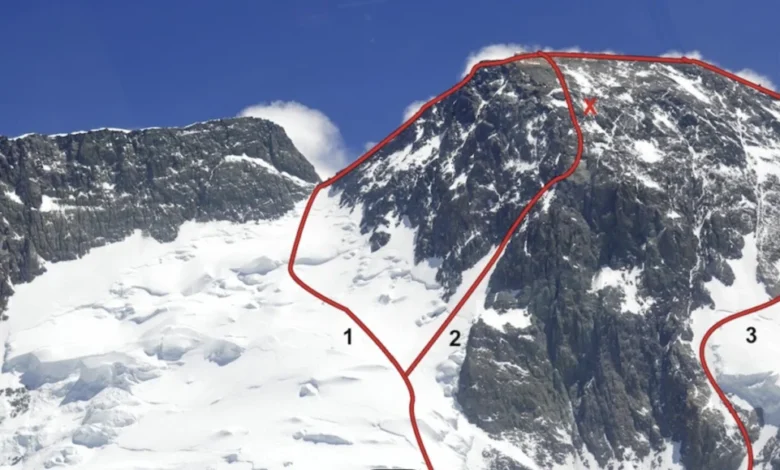
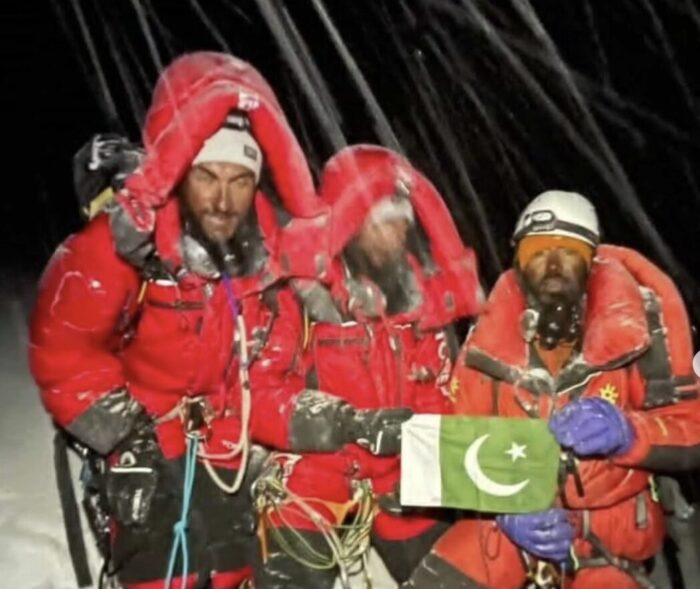
The current climbing season on Broad Peak, the world’s 12th highest mountain, has seen the first successful summits led by a Pakistani team from Karakorum Expeditions, joined by Argentine climber Juan Pablo Toro. This group, achieving the season’s inaugural ascents on July 19, utilized a variation route that their leader, Mirza Ali, has named the "Mirza Ali Legacy Route," touting it as both faster and safer. However, this claim has quickly ignited a discussion within the international mountaineering community, with many experts suggesting a striking resemblance between the newly proclaimed route and the line pioneered by Mexican alpinist Carlos Carsolio during his remarkable solo, oxygen-free ascent in 1994. Esteemed Brazilian chronicler Rodrigo Granzotto, among others, posits that the path taken by the Pakistani team largely corresponds to the upper section of Carsolio’s historic route, a line that was also reportedly utilized by an Iranian expedition in 2013.
Broad Peak, standing at 8,051 meters (26,414 feet) above sea level, is an imposing massif in the Karakoram range, straddling the border between Pakistan and China. Known as K3 to early surveyors, it is often overshadowed by its more formidable neighbor, K2, but presents its own formidable challenges, including a notoriously long and exposed summit ridge, complex route-finding, and multiple false summits that can test even the most experienced climbers. The mountain was first successfully ascended on June 9, 1957, by an Austrian team comprising Hermann Buhl, Kurt Diemberger, Marcus Schmuck, and Fritz Wintersteller, without the use of supplemental oxygen or high-altitude porters. Since then, numerous routes and variations have been explored, though the "Normal Route," typically following the West-Northwest ridge, remains the most frequently attempted.
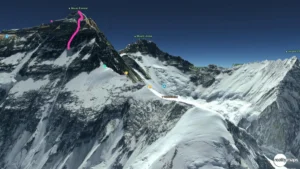
The announcement of the "Mirza Ali Legacy Route" by Karakorum Expeditions, accompanied by a topographical map in their press release, has prompted a critical review by mountaineering historians and enthusiasts. The visual evidence, when overlaid with historical records, particularly maps from previous expeditions, strongly suggests a significant overlap with the route established by Carlos Carsolio over three decades ago. This debate underscores a recurring theme in high-altitude mountaineering: the precise attribution and naming of new routes, especially in an era where satellite imagery and detailed expedition reports allow for more thorough historical verification.
The Enduring Legacy of Carlos Carsolio’s 1994 Solo Ascent
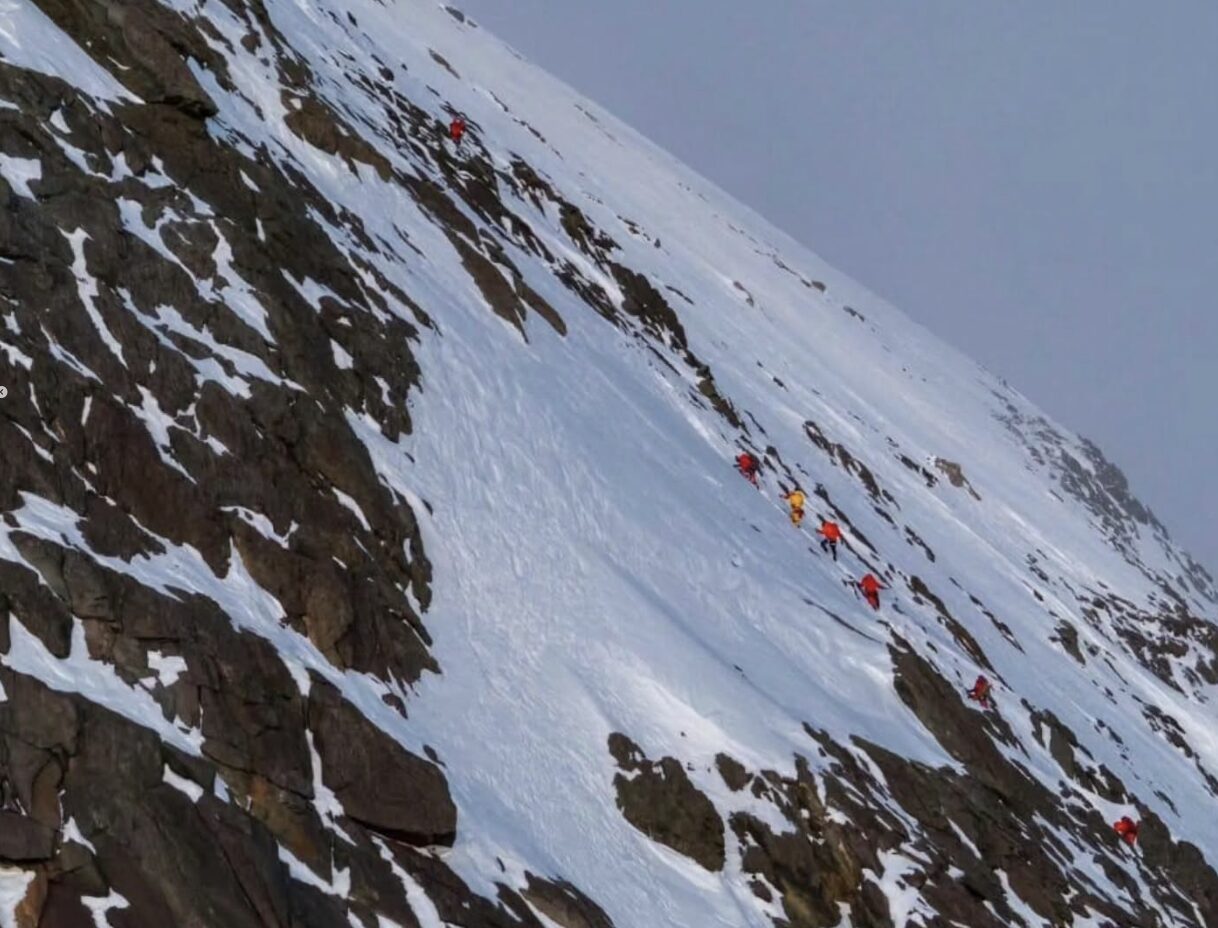
Carlos Carsolio’s 1994 solo ascent of Broad Peak stands as a monumental achievement in the annals of high-altitude climbing, a feat he has frequently described as the "apex" of his climbing career and his personal "work of art." Undertaking the climb alone and without the aid of supplemental oxygen, Carsolio navigated the formidable slopes of Broad Peak with unparalleled skill and courage. In his detailed report for the American Alpine Journal, he vividly recounted the demanding terrain he encountered, describing a challenging mix of snow, ice, and several vertical rock pitches that led him to within mere meters of Broad Peak’s foresummit. From this point, he pressed onward to conquer the main summit, solidifying his reputation as one of the world’s elite mountaineers.
Carsolio, a celebrated Mexican climber, was known for his audacious style and pioneering spirit. By 1996, he had become the fourth person in history to summit all 14 of the world’s 8,000-meter peaks, and the second to do so without supplemental oxygen. His Broad Peak solo ascent, in particular, exemplified his philosophy of minimalist, self-reliant climbing. While he did not publish a detailed topographical map of his exact route at the time, his descriptive account provided sufficient clues for future climbers to understand the innovative line he had taken. The absence of a formal topo in his initial report is not uncommon for climbs of that era, where comprehensive mapping tools were less accessible than today. However, the significance of his route was such that subsequent expeditions would take note and attempt to retrace his audacious path.
Tracing the Lines: Historical Context and Verification
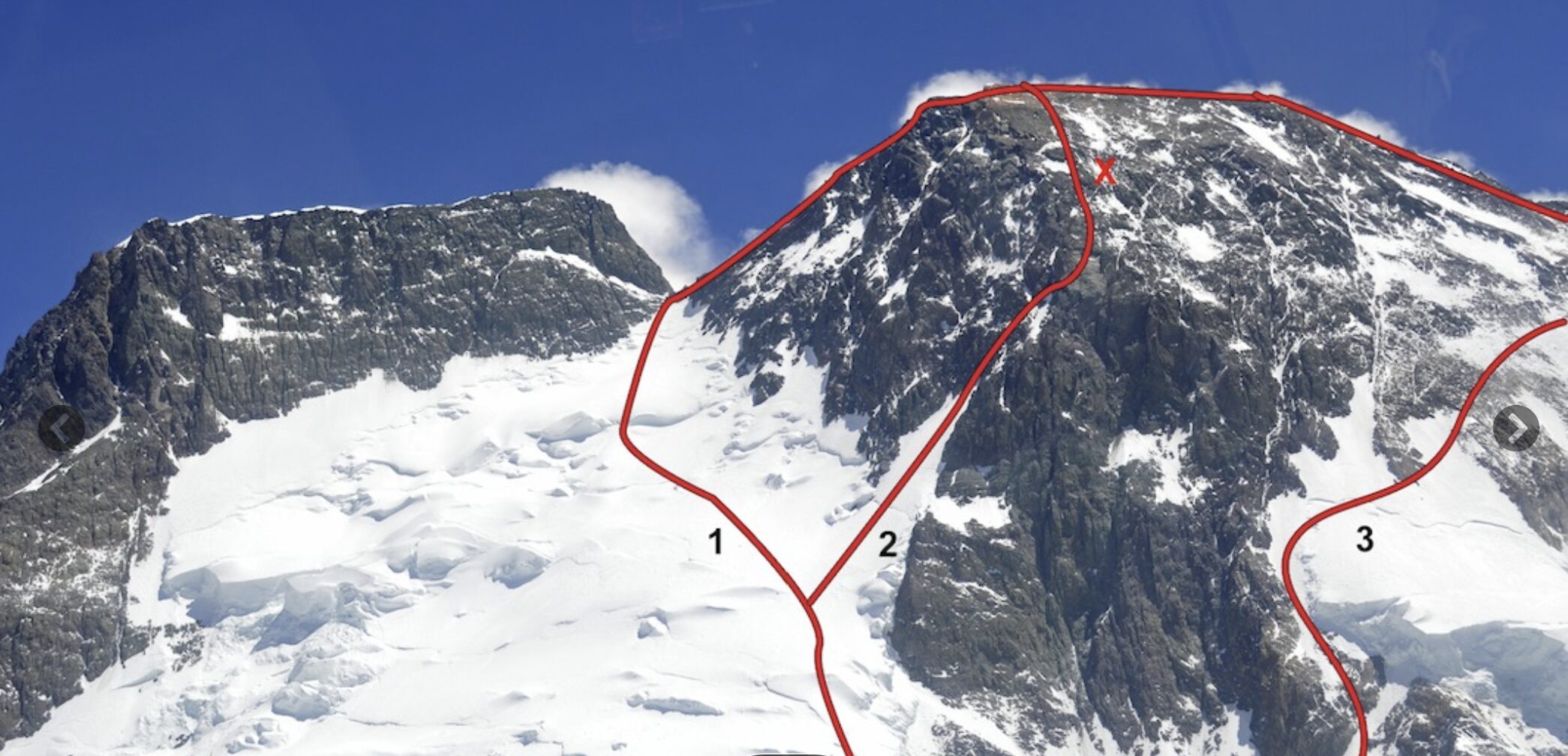
The challenge of verifying and attributing routes in the vast, often unmarked landscapes of the Karakoram is a complex one. However, the mountaineering community benefits from a growing body of detailed reports, photographs, and, increasingly, GPS tracks. In the case of Broad Peak, a crucial piece of historical documentation emerged from an Iranian team’s expedition in 2013. This team, in their report for the American Alpine Journal, provided a comprehensive map of Broad Peak’s summit area, meticulously charting various routes, including the Normal Route, their own variation, and, significantly, Carlos Carsolio’s 1994 solo line.
The Iranian team’s journey itself adds another layer to the narrative. They initially attempted to summit via what they believed to be Carsolio’s route. Tragically, during this first attempt, one of their members perished. Following this profound loss, the team, demonstrating remarkable resilience, re-evaluated their strategy and ultimately achieved a successful summit via a different variation situated further to the east. Their subsequent detailed mapping, published in the AAJ, served as an invaluable resource, clarifying the intricate network of paths on Broad Peak’s upper reaches and providing a definitive visual representation of Carsolio’s line, based on their research and on-the-ground observations. This map clearly delineates the "West-Southwest spur" as Carsolio’s 1994 route, a line they also noted was repeated by another Iranian team in 2009.
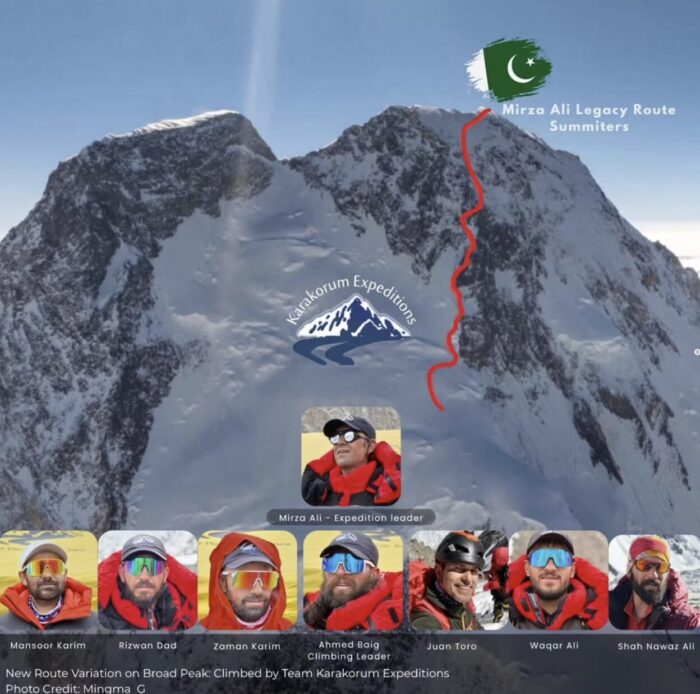
Comparing the newly released "Mirza Ali Legacy Route" topo with the Iranian team’s historical map reveals striking similarities, particularly in the upper sections of the mountain. This overlap is the crux of the current discussion, raising questions about the criteria for naming a "new" route versus acknowledging a variation or a repeat of an existing line. In mountaineering, a truly new route typically implies a significant, previously unclimbed section of the mountain. Variations, while often technically demanding and impressive, are generally understood as deviations from an established route that eventually rejoin it or take a slightly different, but historically recognized, path to the summit. The community’s response highlights the importance of rigorous research and historical accuracy in celebrating climbing achievements. The attempt by Explorersweb to contact both Carlos Carsolio and Mirza Ali for their respective comments underscores the ongoing effort to gather all perspectives and clarify the facts surrounding this ascent.
The Current Broad Peak Season: Perseverance and Ambition
Beyond the discussion of route originality, the recent summits on Broad Peak mark a significant milestone for the 2026 Karakoram climbing season. The successful ascent on July 19 was achieved by the Karakorum Expeditions team, which included a number of Pakistani climbers, and Juan Pablo Toro of Argentina. Details from David Klein, a Hungarian climber also on the mountain, shed further light on the summit push. Klein, notable for attempting his climb without a personal porter or supplemental oxygen, followed the main group for an arduous 19 hours. Despite his remarkable effort, he ultimately had to retreat, approximately 50 to 70 meters below the actual summit block, a decision reflective of the extreme challenges posed by 8,000-meter peaks.
Klein’s account offers insight into the composition and methods of the summiting group. He observed that four of the twelve members of the Pakistani team reached the true summit. Specifically, two rope fixers utilized supplemental oxygen, while Juan Pablo Toro achieved his no-oxygen ascent with the support of a high-altitude porter who was using oxygen. This combination of climbing styles and support systems is common on commercial expeditions to 8,000-meter peaks, reflecting a range of personal preferences, physiological capabilities, and safety protocols.
Despite his retreat, David Klein’s resolve remains unshaken. He has returned to Base Camp but is not ready to depart the mountain. Communicating with his home team, he has expressed his intention to attempt another summit push should a favorable weather window present itself. His determination exemplifies the profound commitment and often multi-attempt nature of high-altitude mountaineering.
Klein is not alone in his ambition. The Broad Peak Base Camp remains a hive of activity, with several other formidable teams poised for their own summit bids. The Moving Mountains team, featuring Pakistani climber Sohail Sakhi and his client, Mallory Geis of the UK, is well-acclimatized. They have strategically cached a tent and essential gear at Camp 3, indicating their readiness for a rapid summit push as soon as weather conditions permit. Sohail Sakhi, a prominent local climber, has been advocating for changes in how Karakoram expeditions are organized, emphasizing local expertise and sustainable practices. Mallory Geis, known for her no-oxygen attempts on Pakistan’s 8,000-meter peaks, adds another layer of intrigue to their upcoming attempt.
Furthermore, the Imagine Nepal team, a major player in high-altitude logistics, also has climbers targeting Broad Peak. Some members of this team are reportedly considering Broad Peak as a precursor to attempts on the more challenging K2, a strategic approach often employed by climbers seeking to maximize their acclimatization and climbing opportunities within a single season. The presence of multiple strong teams, combined with the unpredictable nature of Karakoram weather, sets the stage for what promises to be an eventful continuation of the Broad Peak climbing season. Climbers will be closely monitoring forecasts, assessing conditions, and waiting for the opportune moment to launch their bids for the coveted summit.
Broader Implications for High-Altitude Mountaineering
The discussion surrounding the "Mirza Ali Legacy Route" extends beyond the specific details of this particular ascent, touching upon several broader implications for the world of high-altitude mountaineering. Firstly, it highlights the increasing professionalism and capabilities of local expedition companies, such as Karakorum Expeditions. Pakistani climbers and high-altitude porters are gaining greater recognition for their indispensable roles in the success of expeditions, often working in the most dangerous conditions to ensure the safety and success of their clients. The growing prominence of these local professionals is a positive development, contributing to the local economy and fostering a new generation of skilled alpinists.
Secondly, the incident underscores the ethical considerations inherent in route naming and the attribution of credit in mountaineering. In an activity deeply rooted in exploration and first ascents, the accurate historical record is paramount. Claiming a new route without due diligence regarding previous ascents can inadvertently diminish the achievements of those who pioneered the path. This necessitates a more rigorous process of verification, perhaps through an international body or a widely accepted community standard for route registration, especially as remote areas become more accessible and climbing history becomes more detailed.
Thirdly, the claim of a "faster and safer" route, while potentially true for the specific conditions encountered by the Karakorum Expeditions team, invites scrutiny. Safety in high-altitude mountaineering is multifaceted, influenced by weather, snow conditions, team experience, and individual acclimatization. Any assertion of a universally "safer" route must be tempered with the understanding of the dynamic environment of an 8,000-meter peak. Such claims, while perhaps intended to promote a particular line, can also set expectations that may not apply to all climbers or all conditions.
Finally, the competitive nature of 8,000-meter climbing, with teams vying for summits and recognition, inevitably leads to situations where historical context becomes a point of contention. While the spirit of mountaineering emphasizes personal challenge and exploration, the public-facing aspect often involves reporting, documentation, and the pursuit of records. This dynamic necessitates transparency and a commitment to factual accuracy from all involved parties. As the Karakoram season progresses, the conversations sparked by this "new variation" on Broad Peak will undoubtedly contribute to ongoing dialogues within the global climbing community about ethics, history, and the true spirit of high-altitude adventure. The allure of Broad Peak, whether for seasoned veterans or those seeking their first 8,000-meter summit, continues to draw climbers to its majestic, yet challenging, slopes, ensuring that its stories, both new and old, continue to unfold.