Exploring Alaska’s Wild Frontier: Unforgettable Encounters Aboard a Standard Cruise

Alaska, a land of unparalleled grandeur, spans an immense 586,000 square miles, punctuated by over a dozen national parks and preserves, and inhabited by fewer than 750,000 people. This vast expanse ensures that nearly any exploration of the state will lead to encounters with landscapes predominantly shaped and occupied by its abundant wildlife. While boutique expedition cruises often market exclusive, intimate wildlife experiences at premium prices, typically upwards of $15,000 per person, a standard cruise ship sailing offers a remarkably similar, if not equally profound, immersion into Alaska’s natural wonders for a significantly lower investment. This accessibility was a key takeaway from a recent week-long journey at sea during the opening of Alaska’s cruise season in May 2026.
The Allure of the Last Frontier: Geography, Population, and Tourism
Alaska’s sheer scale is difficult to comprehend. To put its size into perspective, it is more than twice the size of Texas and constitutes roughly one-fifth of the entire United States landmass. Despite its colossal dimensions, it remains the least densely populated state, with an average of just 1.3 residents per square mile. This demographic reality underscores why the state is often referred to as "The Last Frontier" – a place where wilderness reigns supreme and human footprints are comparatively rare. The state’s diverse geography encompasses towering mountain ranges, including Denali (formerly Mount McKinley), North America’s highest peak, extensive glaciers, dense boreal forests, and thousands of miles of rugged coastline.
Tourism is a cornerstone of Alaska’s economy, particularly cruise tourism, which brings millions of visitors to the state annually, primarily during the May-September season. The industry generates billions of dollars in economic activity and supports tens of thousands of jobs, ranging from cruise ship crews and port workers to local guides, small business owners, and artists in coastal communities. For many, a cruise offers the most practical and comfortable way to experience the remote beauty of Southeast Alaska’s Inside Passage, navigating fjords and channels inaccessible by road.
Seasonal Shifts in Wildlife Spectacle: A Chronology of Encounters
The timing of an Alaskan cruise significantly influences the types of wildlife encounters one might experience. A previous voyage in late September 2022, towards the tail end of the cruising season, offered distinct observations compared to the recent May 2026 trip. While both journeys shared the characteristic cool and often rainy weather, the dominant species observed varied considerably. The fall of 2022 was marked by thousands of sea otters and bald eagles, drawn by the prolific salmon runs. In contrast, the spring 2026 season unveiled an abundance of orcas, humpback whales, and, surprisingly, numerous Rufous hummingbirds. This seasonal variation underscores the dynamic nature of Alaska’s ecosystems and the migratory patterns of its inhabitants. Essential equipment for any Alaskan wildlife observer includes a high-quality pair of binoculars and a reliable camera, items proven invaluable for spotting and documenting these elusive creatures from a distance.
Icy Strait Point: A Gateway to Orca Encounters and Tlingit Heritage
Among the most exhilarating wildlife sightings of the 2026 trip occurred at Icy Strait Point, an Indigenous-owned cruise ship destination situated near Hoonah, Alaska. This unique destination, developed and managed by the Huna Totem Corporation on behalf of the Huna Tlingit people, offers a blend of adventure activities and cultural immersion. Beyond thrilling options like hiking, ziplining, and scenic cable car rides, the most sought-after experience is often the whale and marine mammal cruise.
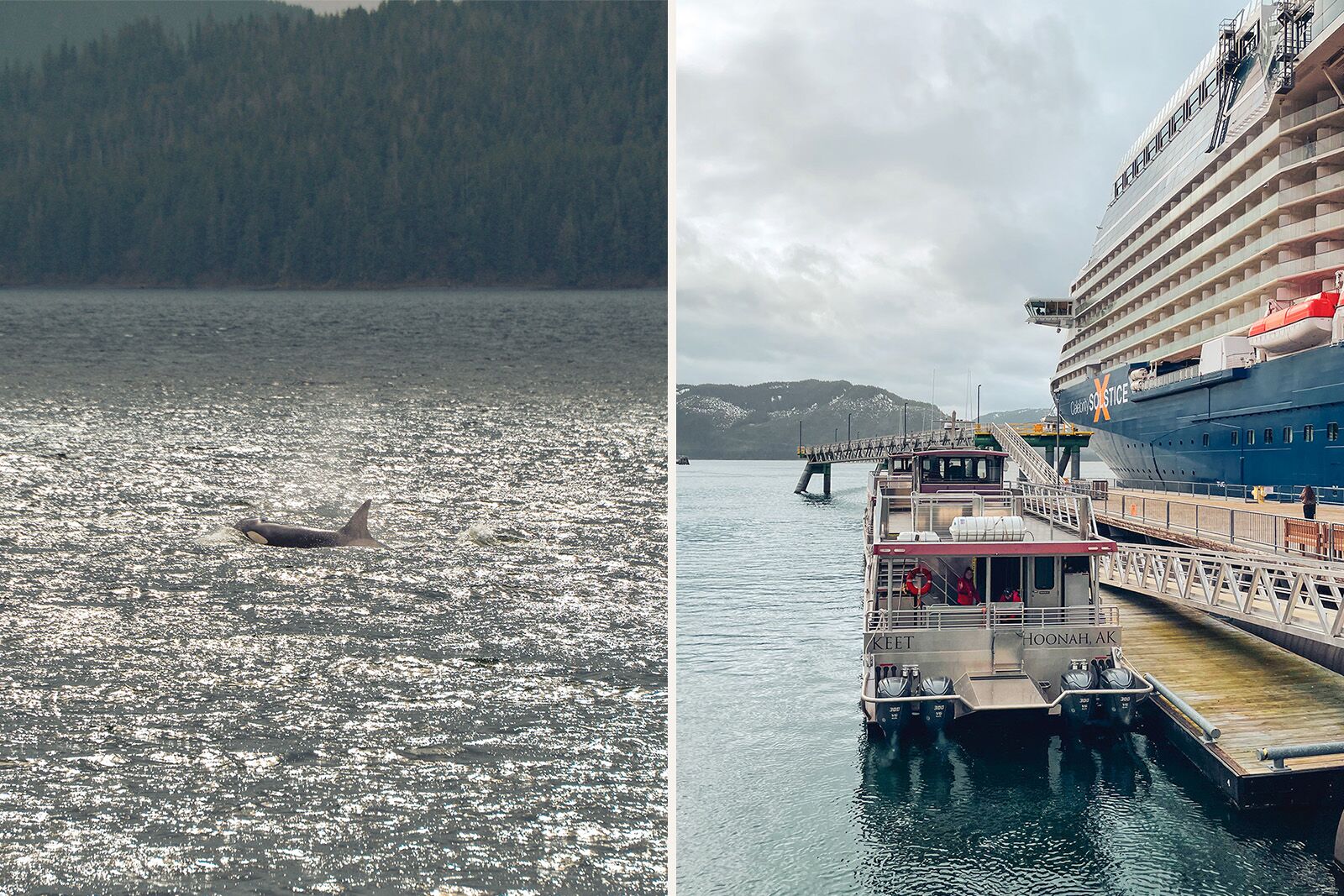
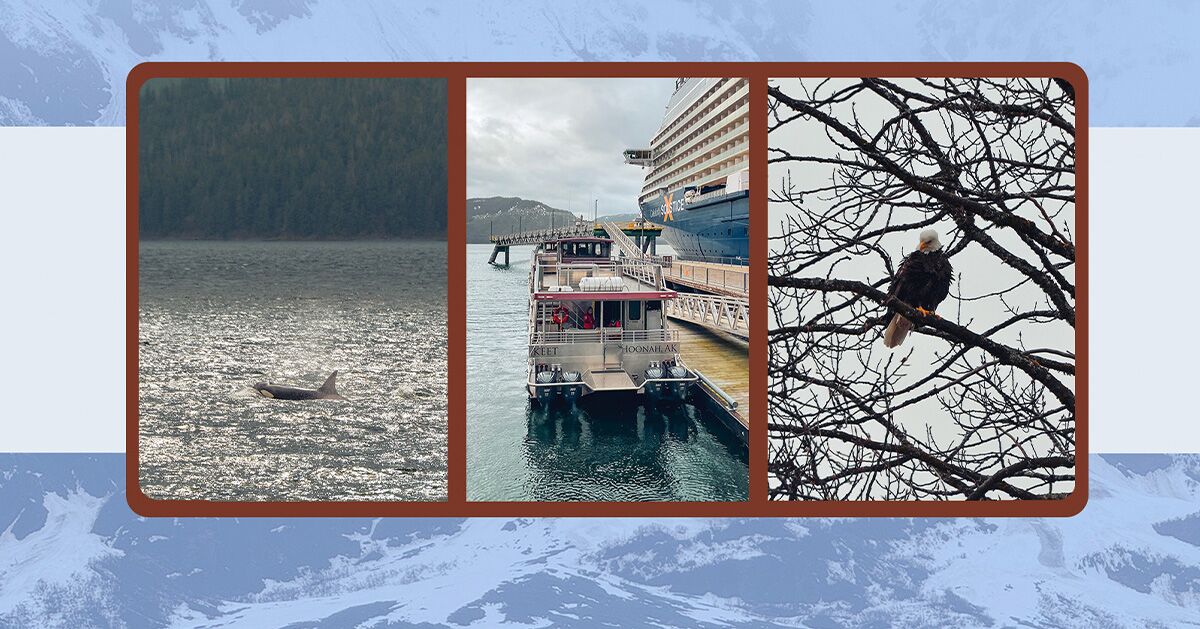
During our 2.5-hour excursion, while no guarantees of sightings were made by the knowledgeable captain and naturalists – a standard practice reflecting the unpredictability of wildlife – there was an air of optimism. A pod of orcas had recently been sighted in the area, and the vessel itself, named Keet (the Tlingit word for orca), seemed to carry a fortunate omen. Within ten minutes of navigating the tranquil waters of Port Frederick Fjord, known in Tlingit as Komtok Hon, a small transient pod of orcas was spotted.
Orcas, or Orcinus orca, are often mistakenly called "killer whales," but they are, in fact, the largest members of the dolphin family. Their distinctive dorsal fins are key to identification: adult males possess striking triangular fins that can reach up to six feet in height, while females and juveniles exhibit smaller, more curved fins. The pod observed comprised an adult male, an adult female, and a juvenile, each identifiable by these characteristics. For two captivating hours, the vessel maintained a respectful distance, allowing passengers to witness the grace and power of these magnificent creatures in their natural habitat, a testament to responsible wildlife tourism practices. The naturalists on board provided insightful commentary on orca behavior, social structures, and their critical role as apex predators in the marine ecosystem, enriching the viewing experience with scientific context.
Hubbard Glacier: A Symphony of Ice and Arctic Life
The journey continued towards Hubbard Glacier, a monumental natural wonder located within Wrangell-St. Elias National Park and Preserve. Despite its designation as one of the least visited national parks by land due to its remote and rugged terrain, Wrangell-St. Elias is a magnet for cruise ships, primarily because it hosts North America’s largest tidewater glacier. This park, a UNESCO World Heritage site, is a vast expanse of mountains and glaciers, encompassing 13.2 million acres, larger than Switzerland, and a testament to the raw power of nature.
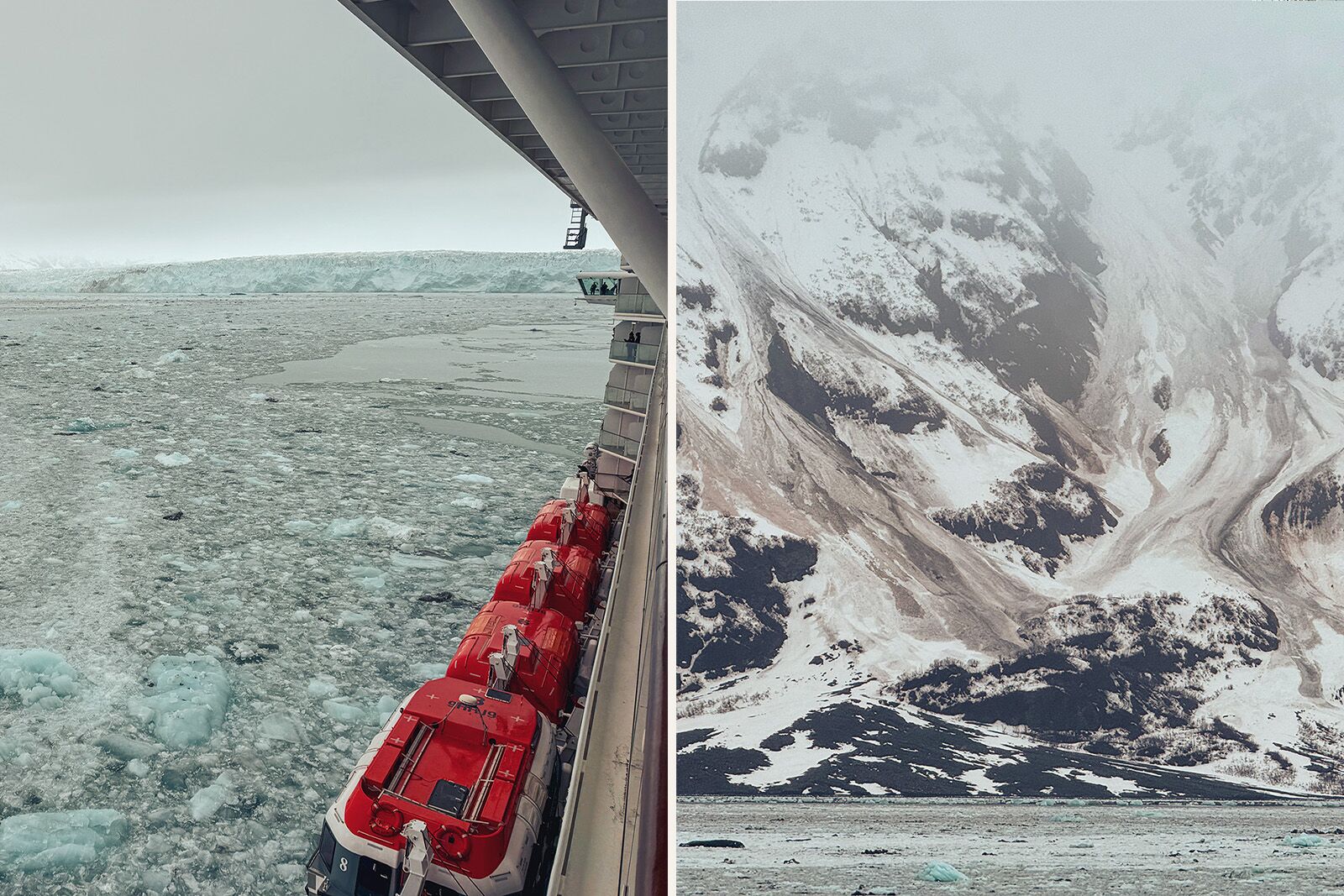
Sailing up Yakutat Bay towards Hubbard Glacier, the weather typically presented challenges, with pouring rain, dense fog, and low temperatures being common phenomena in this glacial region. However, these conditions, while demanding, fail to diminish the awe-inspiring spectacle. Proper gear – a waterproof parka, woolen hat, and thick mittens – renders the cold manageable, while the comfort of a covered balcony cabin offers a sheltered vantage point for continuous observation.
The ice itself becomes the protagonist of this segment of the journey. Hubbard Glacier, often referred to as the "Galloping Glacier" due to its rapid advance, is a colossal 76 miles long and seven miles wide at its terminus. Its immense scale and constant movement create a unique sensory experience. The subtle cracks and groans of the ice accompany the ship’s advance, building anticipation for the dramatic event of glacial calving – when massive chunks of ice break away and crash into the bay. These colossal ice floes, sometimes flipping dramatically, create thunderous roars and powerful waves, an unforgettable display that momentarily eclipses any discomfort from the elements.
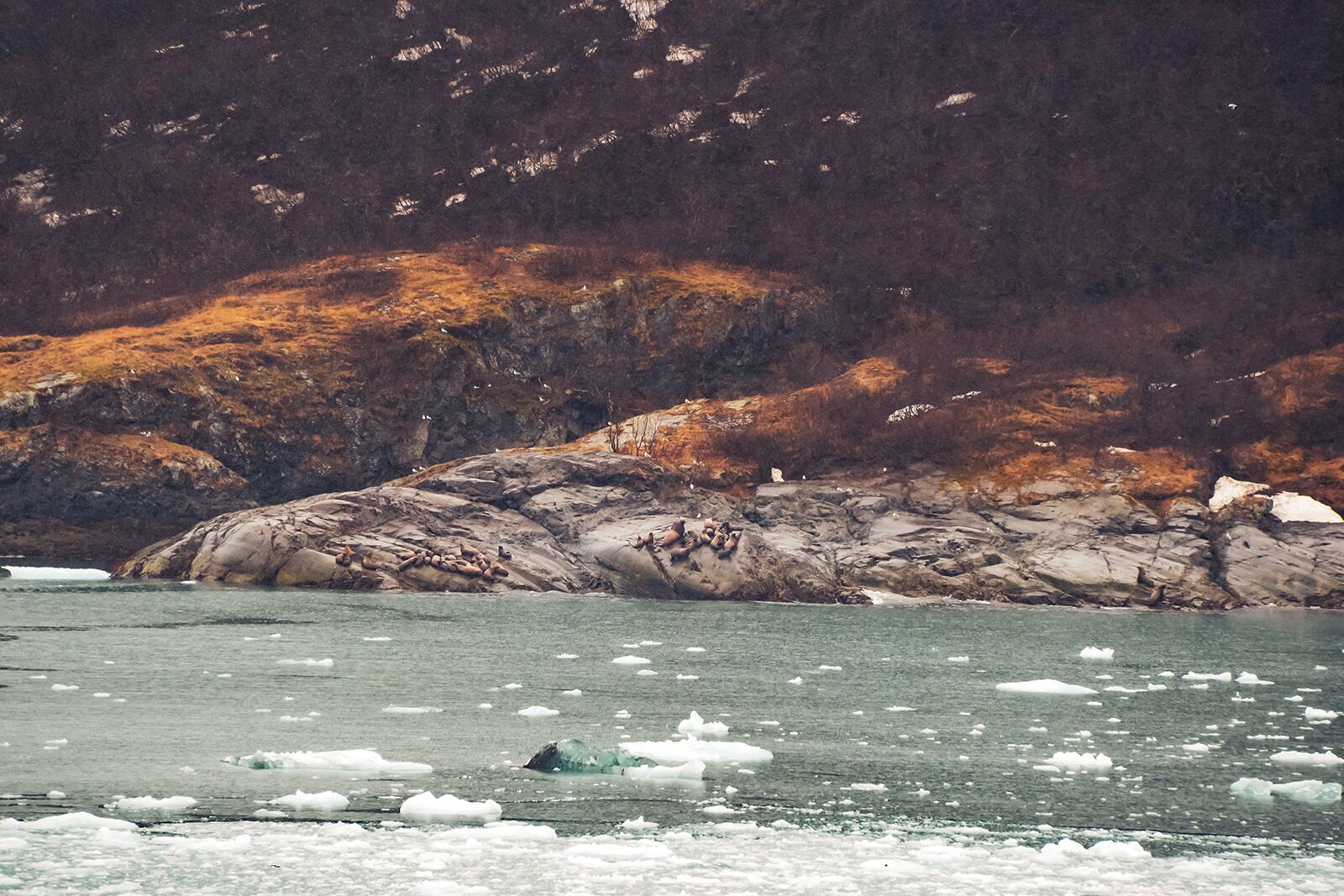
Beyond the glacial marvel, Hubbard Glacier is also a vibrant hub for wildlife. Binoculars prove indispensable here, revealing details otherwise lost in the vastness. Observations included several harbor seals (Phoca vitulina), a solitary sea otter (Enhydra lutris), and, surprisingly, a resilient Rufous hummingbird (Selasphorus rufus), its iridescent red throat a stark contrast against the prevailing gray skies. The highlight, however, was a colony of dozens of Steller sea lions (Eumetopias jubatus) resting on a rocky peninsula. Their loud barks provided an auditory clue to their presence, but their camouflage against the rocky, distant landscape made them challenging to spot. Once located, the striking sexual dimorphism was evident, with the much larger males, nearly three times the size of females, easily distinguishable within the colony. It is important to note the conservation status of these animals: the Western Steller sea lion population is listed as endangered under the IUCN Red List, while the Eastern population is considered near threatened, highlighting the delicate balance of this pristine environment.
Ketchikan: Eagles, Totems, and Terrestrial Wonders
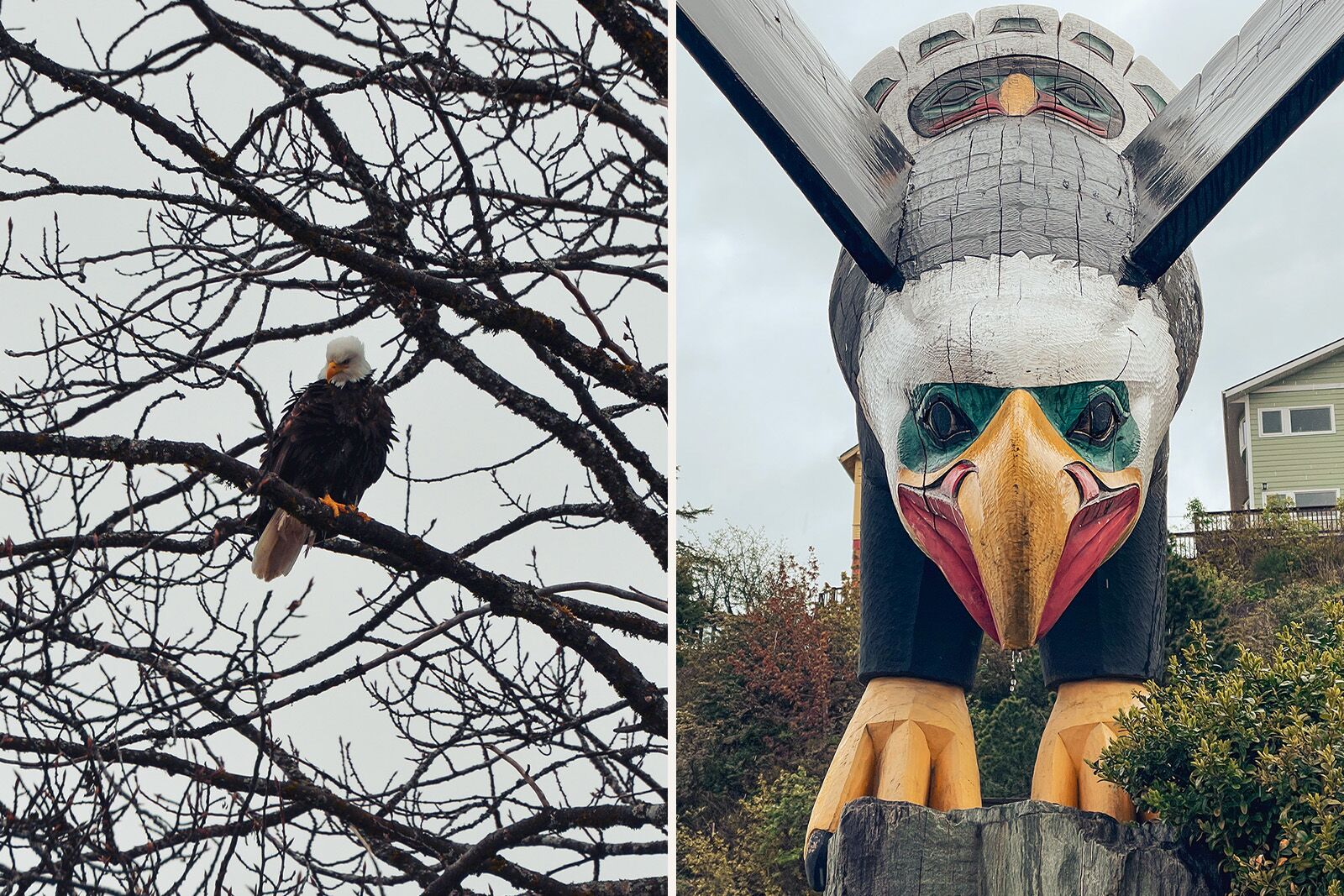
Ketchikan, often dubbed the "Salmon Capital of the World," serves as another pivotal stop on an Alaskan cruise itinerary. This coastal town is also a prime location for observing bald eagles, the national bird of the United States. Alaska boasts an estimated 70,000 bald eagles, a population exceeding that of any other state. Their primary diet of fish naturally draws them to the coastlines, making them a common sight for cruisers. While the salmon run, typically from May through September, sees them congregate in the dozens in Ketchikan, diligent observers can spot them throughout Southeast Alaska.
A previous sighting at Icy Strait Point included a lone bald eagle and its nest, a massive structure that can measure up to eight feet across, the largest of any bird in North America. These majestic birds hold profound cultural significance for the Indigenous Tlingit people, frequently appearing in their art, folklore, and spiritual narratives. The Totem Heritage Center in Ketchikan offers a deep dive into this cultural connection, showcasing traditional carvings of eagles and other important figures by Tlingit, Haida, and Tsimshian artists, thereby preserving and celebrating their rich artistic legacy.
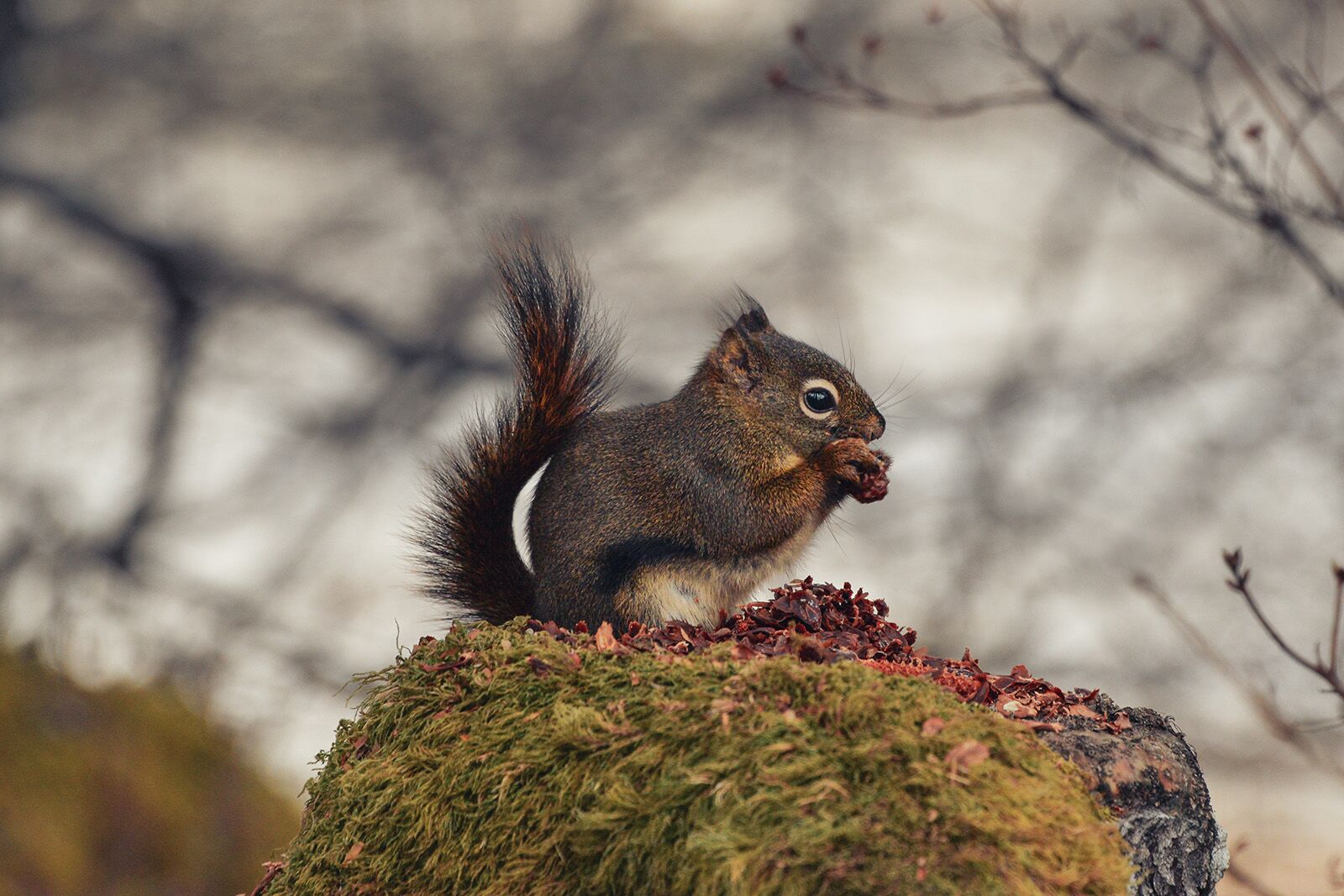
While the "headline" animals often steal the show, Alaska’s smaller creatures are equally deserving of attention. During a forest hike near Ketchikan, a red squirrel (Tamiasciurus hudsonicus) offered a delightful interlude. Perched on a tree stump, it meticulously chewed on a pine cone, a common behavior. The tell-tale pile of discarded scales at the stump’s base indicated its established "dining spot." These agile creatures are found across much of Alaska, playing a vital role in forest ecosystems by dispersing seeds.
Concluding Encounters: Giants of the Land and Sea
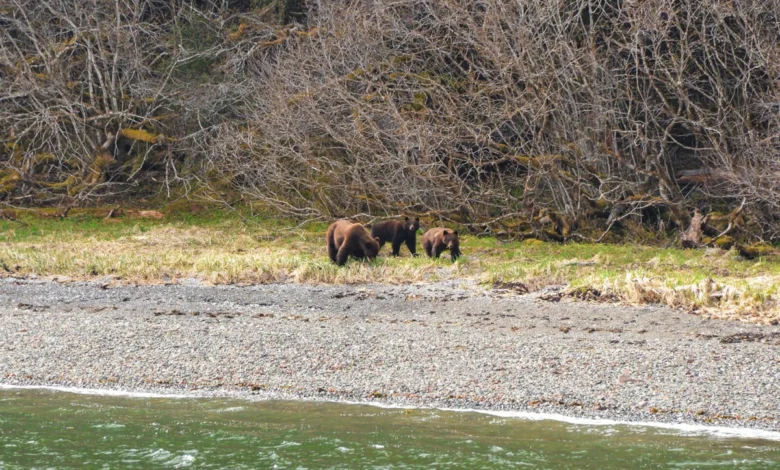
The final leg of the whale and marine mammals tour in Icy Strait Point delivered another memorable sighting: three coastal brown bears – a mother and her two cubs – grazing peacefully along the beach. The boat maintained a respectful and safe distance, preventing any disturbance to the animals. Coastal brown bears (Ursus arctos) are genetically identical to grizzly bears but are distinguished by their diet and habitat; coastal bears primarily subsist on marine resources like salmon and clams, which contribute to their typically larger size, while grizzlies forage more inland for berries and terrestrial prey. Their prominent shoulder humps and immense size are characteristic features. Responsible viewing guidelines dictate strict distances to ensure the safety of both humans and bears.
The waters of Alaska are also a summer sanctuary for humpback whales (Megaptera novaeangliae). These magnificent marine mammals undertake epic migrations from their breeding grounds in warmer waters off Hawaii, Mexico, and Japan, arriving in Alaska in early spring to feed throughout the summer and fall. Much like the human cruisers, they spend the warmer months in these nutrient-rich waters. Humpbacks are relatively easy to spot, even from afar, thanks to the distinctive plumes of water they exhale at the surface. Another reliable indicator is their "fluking" behavior, where they raise their massive tails (flukes) out of the water before diving deep. Hundreds of humpbacks were sighted during the seven-day journey, some at a distance, others closer, each encounter a source of wonder. The Inside Passage, the intricate maritime route stretching from northern Washington state to Southeast Alaska, is particularly renowned for its high concentrations of humpback whales, making it an essential itinerary for any whale-watching enthusiast.
Rounding out the diverse marine fauna, harbor seals (Phoca vitulina) with their endearing round heads, long whiskers, and sleek, torpedo-shaped bodies, are among Alaska’s most charming residents. Their curious nature often brings them close to human activity, increasing the odds of a sighting. One particular harbor seal near Ketchikan’s Creek Street, seemingly accustomed to the throngs of tourists, delighted onlookers by popping its head out of the water, observing the human visitors with equal curiosity.
Broader Implications: Economic Impact, Environmental Stewardship, and Future Outlook
The thriving Alaskan cruise industry, while offering unparalleled access to remote wilderness, also carries significant economic and environmental implications. Economically, it is a vital engine for local communities, providing direct employment and supporting a myriad of ancillary businesses, from souvenir shops and restaurants to tour operators and transportation services. The influx of visitors injects crucial revenue into small towns that might otherwise struggle.
However, the environmental footprint of large cruise ships is a topic of ongoing discussion and concern. Issues such as waste management, air emissions, noise pollution, and the potential disturbance to marine life necessitate stringent regulations and continuous oversight. In response, many cruise lines have invested in cleaner technologies, improved waste disposal systems, and implemented stricter environmental policies. Local governments and conservation organizations actively work to promote sustainable tourism practices, ensuring that the pristine Alaskan environment remains protected for future generations. Naturalists on board cruises play a crucial role in educating passengers about the delicate ecosystems and the importance of responsible wildlife viewing, adhering to guidelines that minimize impact and respect animal habitats.
Furthermore, the growing emphasis on Indigenous-owned tourism, as exemplified by destinations like Icy Strait Point, represents a positive trend towards economic self-determination and the preservation of cultural heritage. These initiatives ensure that the benefits of tourism are shared more equitably with the communities whose ancestral lands and waters are being visited.
As Alaska continues to draw travelers seeking extraordinary wildlife encounters and breathtaking natural beauty, the balance between economic prosperity and environmental stewardship remains paramount. A standard cruise offers a compelling and cost-effective pathway to experience this balance, demonstrating that profound encounters with the wild heart of Alaska are within reach for a broad spectrum of travelers, fostering appreciation and support for the conservation of this irreplaceable natural treasure.