Madrid: A Comprehensive Look at Spain’s Dynamic Capital and Premier European Destination


As the vibrant heart of Spain, Madrid stands as a sprawling metropolis home to approximately 3.3 million residents within its municipal limits, and a metropolitan area exceeding 6.7 million, solidifying its position as the country’s largest city and a pivotal European capital. Annually, Madrid welcomes over 10 million international visitors, drawn by its captivating blend of historic grandeur, architectural splendor, a globally renowned culinary scene, and an energetic nightlife that pulsates until dawn. The city’s unique rhythm, characterized by late dinners and even later festivities, invites an immersive cultural experience, revealing a rich tapestry of traditions and modernity that consistently ranks it among Europe’s top travel destinations.
Cultural Cornerstone: The Art Walk and UNESCO’s "Landscape of Light"
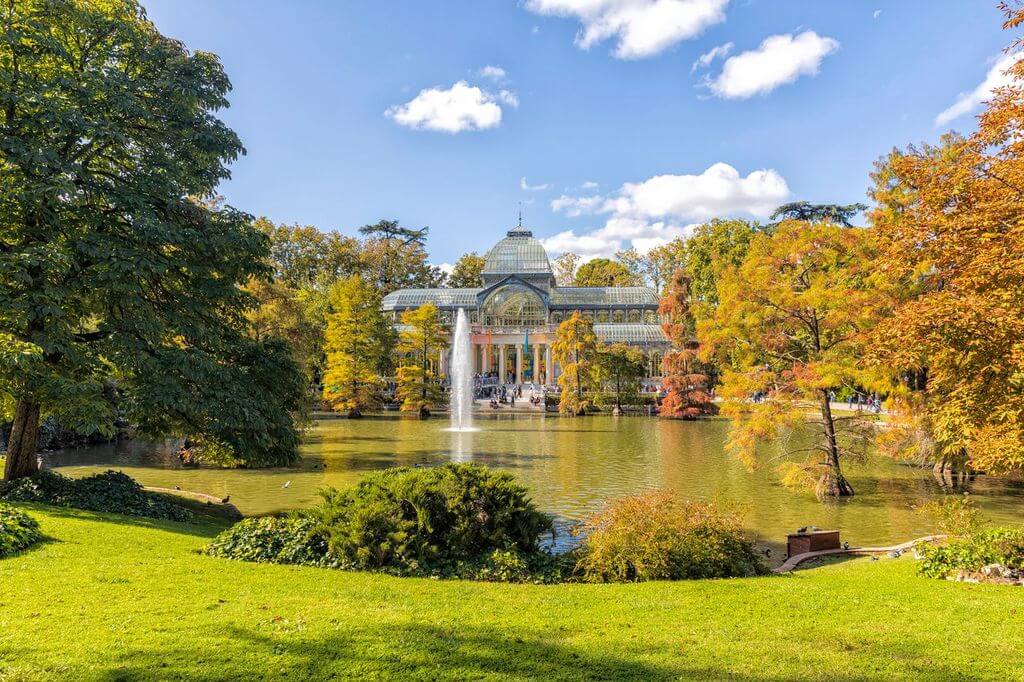
Madrid’s cultural preeminence is perhaps best exemplified by its "Art Walk" (Paseo del Arte), a prestigious axis recognized as a UNESCO World Heritage site in 2021. This designation, known as the "Paisaje de la Luz" (Landscape of Light), encompasses the elegant Paseo del Prado boulevard, the iconic El Retiro Park, and the surrounding Jerónimos neighborhood, celebrating their unique convergence of culture, science, and nature. This area alone boasts over 40 monuments and historic buildings, making it one of the city’s most picturesque and historically significant districts.
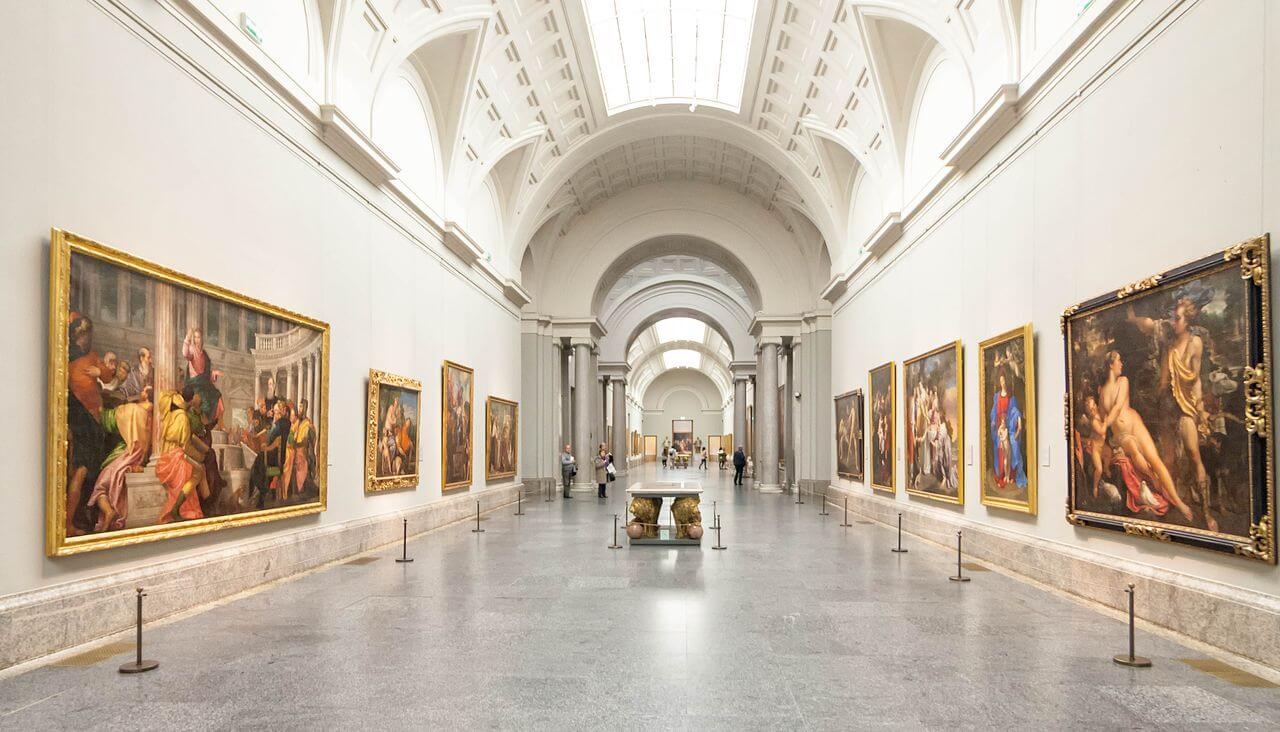
At the heart of this cultural corridor lies the Prado Museum, a global institution and one of the finest art museums worldwide. Founded in 1819 as a museum of paintings and sculptures, it houses an unparalleled collection of European art from the 12th to the early 20th centuries, primarily focusing on Spanish masters such as El Greco, Diego Velázquez, and Francisco Goya. Its vast halls also showcase masterpieces by Rubens, Hieronymus Bosch, Titian, Botticelli, and Caravaggio, offering visitors a profound journey through art history. The sheer scale and quality of its collection necessitate several hours for a comprehensive visit, underscoring its status as Madrid’s indispensable museum.
A mere ten-minute stroll along the tree-lined Paseo del Prado leads to the Thyssen-Bornemisza Museum. This former private collection, now a public institution, offers a complementary perspective, bridging the gap between the classical works of the Prado and the contemporary pieces at the Reina Sofía. Its comprehensive collection spans eight centuries of Western art, from the Renaissance and Baroque to Impressionism, Post-Impressionism, and Pop Art, presenting a unique educational trajectory through art movements.
The journey culminates at the Reina Sofía National Art Center Museum, dedicated to 20th-century Spanish art. Here, visitors encounter pivotal works by modern masters including Pablo Picasso, Joan Miró, Wassily Kandinsky, Salvador Dalí, and Francis Bacon. The museum’s undeniable centerpiece is Picasso’s monumental 1937 oil painting, Guernica, a searing indictment of war and violence. This iconic work, depicting the bombing of Guernica during the Spanish Civil War, remains one of the most powerful anti-war statements in art history, deeply resonating with global audiences.
Beyond these titans, Madrid also cherishes its "House Museums," former private palaces meticulously preserved to reflect the intimate atmospheres of their original owners. A notable example is the Sorolla Museum, the sun-drenched former residence of Joaquín Sorolla, "the painter of light." Following extensive architectural renovations, this often-understated museum is slated to reopen in 2026, promising a refreshed presentation of its stunning gardens and vibrant Mediterranean canvases. Other cultural gems include the Museum of Romanticism, offering a glimpse into 19th-century Spanish life, and the Lázaro Galdiano Museum, which houses a diverse private collection featuring works by Goya, Murillo, Velázquez, El Greco, and Bosch within a magnificent neo-Renaissance mansion.
Journey Through History: Habsburg Legacy and Royal Grandeur
Day two of a comprehensive Madrid exploration delves into the city’s historic core, often referred to as "Habsburg Madrid" (Madrid de los Austrias). This district retains the medieval and Renaissance layout shaped during the reigns of the Habsburg monarchs (16th-17th centuries), a period of immense imperial power and cultural flourishing for Spain.
The journey typically commences at Puerta del Sol, a bustling public square that serves as a symbolic and literal center of Spain. Here, visitors can find the "Kilometer Zero" plaque, marking the official starting point for all of Spain’s national highways, solidifying its status as the nation’s geographic heart. Nearby stands the iconic "Bear and the Strawberry Tree" (El Oso y el Madroño) statue, a beloved symbol derived from Madrid’s coat of arms, representing the city’s connection to its natural surroundings. Puerta del Sol is not only a tourist magnet but also a focal point for national celebrations, particularly the New Year’s Eve countdown.
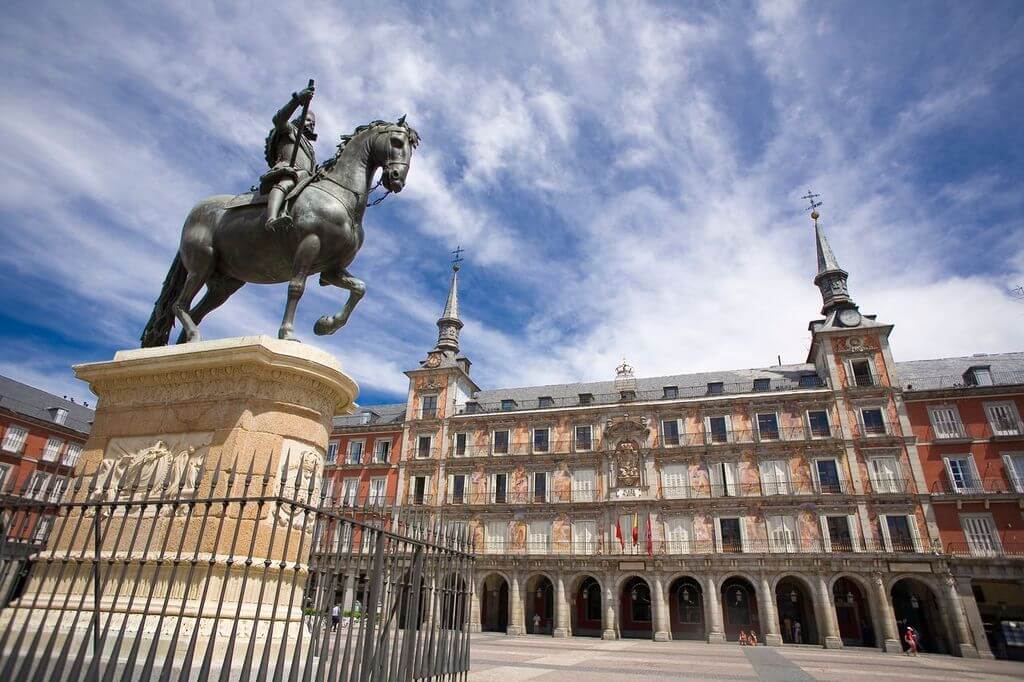
From Puerta del Sol, a short walk leads to the majestic Plaza Mayor. Conceived in the early 17th century during Philip III’s reign, this grand arcaded square has historically served as the city’s primary public space, witnessing a dramatic array of events from bullfights, markets, and theatrical performances to public executions and royal proclamations. Today, it remains a vibrant hub, encircled by cafés, restaurants, and shops, offering a picturesque setting for people-watching and cultural events.
The exploration of royal heritage continues at the Royal Palace of Madrid, the official residence of the Spanish Royal Family, although it is now primarily used for state ceremonies. As the largest royal palace in Western Europe, this Baroque masterpiece, built in the 18th century after a fire destroyed the former Alcázar, boasts over 3,400 lavishly decorated rooms. Its interiors are a repository of Spanish history and art, featuring works by masters such as Caravaggio, Juan de Flandes, and Francisco Goya. Visitors can tour the grand stairway, opulent staterooms, and the Royal Armory, which houses an impressive collection of medieval weapons and armor, offering a profound insight into Spain’s imperial past.
Adjacent to the Royal Palace stands the Almudena Cathedral. Unlike many ancient European cathedrals, its construction began relatively late in the 19th century and was only completed and consecrated by Pope John Paul II in 1993. Its Neo-Classical exterior was designed to harmonize with the neighboring palace, while its interior showcases a striking blend of Neo-Gothic and contemporary styles. The cathedral also features a Neo-Romanesque crypt with over 400 columns, and its dome offers panoramic views across the city, including the Royal Palace and the Casa de Campo.
A Culinary Tapestry: From Traditional Markets to Modern Gastronomy
Madrid is widely celebrated as a paradise for food enthusiasts, a city where culinary traditions meet innovative gastronomic trends. Its vibrant food scene is a cornerstone of the Madrilenian lifestyle, inviting both locals and visitors to indulge in a diverse array of flavors.
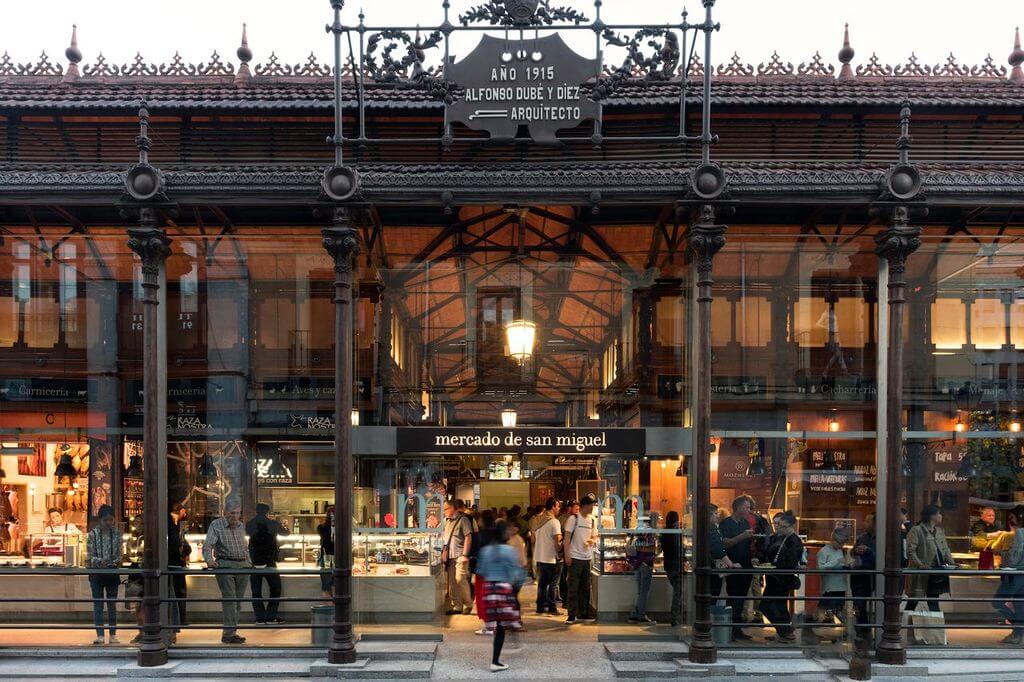
A starting point for any culinary journey is the city’s iconic gastronomic markets. The glass-walled Mercado de San Miguel, situated near Plaza Mayor, has transformed from a traditional market into a gourmet tapas haven. It is particularly popular with the after-work crowd, offering an array of high-quality Spanish delicacies, from fresh seafood to artisanal cheeses and traditional Iberian hams. Beyond this central attraction, local favorites such as Mercado de San Antón in the Chueca district and Mercado de Vallehermoso provide a deeper dive into regional flavors, offering fresh produce alongside specialized food stalls and eateries. These markets exemplify Madrid’s evolving culinary landscape, preserving local traditions while embracing modern gastronomic concepts.
For an authentic taste of Madrid’s history, a visit to Sobrino de Botín is essential. Recognized by Guinness World Records as the world’s oldest continuously operating restaurant, founded in 1725, it was a favored haunt of Ernest Hemingway. The restaurant is celebrated for its traditional Castilian cuisine, particularly its succulent roast suckling pig (cochinillo asado) and roasted lamb. For a more casual yet equally immersive experience, "tapas crawling" through the historic streets of neighborhoods like La Latina or Barrio de las Letras allows visitors to sample an array of small dishes, moving from one bar to another, embodying the social heart of Spanish dining.
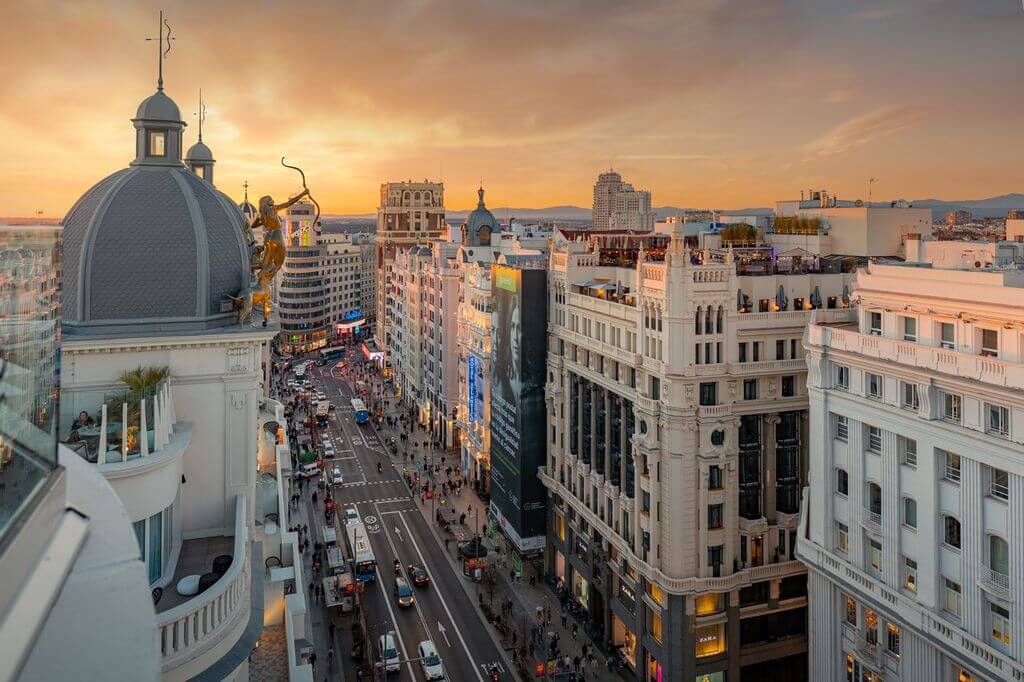
As evening descends, Madrid’s world-class rooftop bars on Gran Vía offer spectacular urban vistas. Venues such as The Roof at Picalagartos and RIU 360º Sky Bar provide signature cocktails and dining experiences with breathtaking 360-degree views of the city skyline, symbolizing Madrid’s dynamic urban appeal. Furthermore, Madrid has emerged as one of Europe’s leading hubs for plant-based cuisine, boasting a vibrant vegetarian and vegan scene, particularly in neighborhoods like Malasaña. This growth reflects the city’s adaptability and its commitment to diverse culinary identities, offering plant-based versions of traditional Spanish dishes that cater to a global audience.
Beyond the City Limits: Madrid’s UNESCO Day Trips
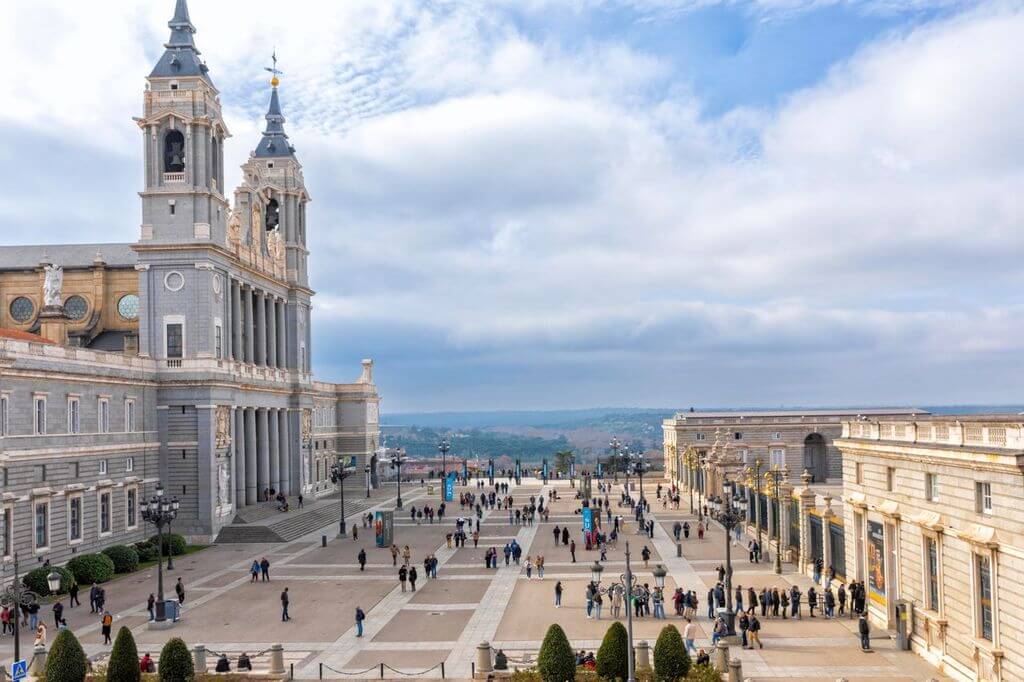
Madrid’s strategic location in the center of Spain offers convenient access to several UNESCO World Heritage sites, providing enriching day trip opportunities that extend the cultural exploration beyond the capital.
Approximately an hour’s drive or train ride northwest of Madrid lies the Royal Monastery of San Lorenzo de El Escorial. This monumental complex, commissioned by King Philip II in the 16th century, served as a monastery, royal palace, basilica, library, and pantheon for Spanish monarchs. Its austere yet grand granite architecture, a hallmark of the Herrerian style, reflects the Counter-Reformation ideals and the immense power of the Spanish Empire. El Escorial is not merely a historical site but a profound symbol of Spain’s golden age, blending religious devotion with imperial ambition.
Another captivating destination is the Royal Palace and Gardens of Aranjuez, a World Heritage Cultural Landscape situated an hour south of Madrid. Originally a hunting lodge, it was transformed into a lavish spring residence for the Spanish monarchy, starting under Philip II. The palace showcases a blend of Renaissance and Baroque architectural styles, with opulent rooms adorned with tapestries, porcelain, and intricate decorations. The expansive and meticulously maintained gardens, featuring fountains, sculptures, and diverse flora, offer a serene contrast to the palace’s grandeur, rivaling the beauty of Versailles and illustrating the Spanish royal family’s appreciation for natural beauty and leisure.
Lastly, the historic university city of Alcalá de Henares, just 45 minutes by car or train from Madrid, holds its own UNESCO World Heritage status. Famed as the birthplace of Miguel de Cervantes, the author of Don Quixote, Alcalá de Henares offers a perfectly preserved glimpse into the Spanish Golden Age (1492–1659). Its historic university, one of Europe’s oldest and most influential, played a crucial role in the development of the Spanish language and culture, making the city a significant center of learning and intellectual thought. Visitors can explore Cervantes’ birthplace museum, the university’s historic rectorate, and its charming medieval streets.
Discovering Madrid’s Unseen Charms: Hidden Monasteries and Urban Oases
For those seeking to delve deeper into Madrid’s less-explored facets, the city offers "off-the-beaten-path" treasures that reveal intimate layers of its history and urban character.
The Monastery of Las Descalzas Reales provides a unique insight into the lives of aristocratic women during Spain’s Golden Age. Founded in 1559 by Joanna of Austria, sister of Philip II, this cloistered convent became a refuge for royal and noble women who often brought their dowries and extensive art collections with them. Over centuries, this practice transformed the monastery into a veritable treasure trove of religious art, tapestries, and relics, showcasing a blend of piety and immense wealth behind its austere walls. Tours offer a rare glimpse into this secluded world.
Similarly, the Royal Monastery of La Encarnación, founded in 1611 by Queen Margaret of Austria, wife of Philip III, served as a significant royal convent. While its exterior is characterized by a restrained Baroque style, the interior is lavishly decorated with ornate chapels, vibrant frescoes, and a rich collection of religious sculptures and paintings. The monastery also houses several notable relics, including a vial believed to contain the blood of Saint Januarius. As an active convent, parts of it remain cloistered, adding to its mystique and historical authenticity.
To conclude a comprehensive visit with a local touch, the vast Casa de Campo park offers Madrid’s largest public green space. Spanning approximately 1,700 hectares (6.5 square miles), this urban park, converted from former royal hunting grounds in 1931, provides a vital green lung for the city. It features an artificial lake, extensive walking and cycling paths, a zoo, and an amusement park. Lakeside terraces offer serene dining experiences with unrivaled views of the Royal Palace and Almudena Cathedral across the Madrid skyline, providing a picturesque farewell to the city.
Madrid’s Enduring Appeal and Future Outlook
Madrid’s multifaceted appeal, often overshadowed by coastal destinations like Barcelona, continues to grow, attracting a diverse range of visitors with its rich cultural heritage, dynamic lifestyle, and economic significance. The city’s commitment to preserving its historical sites while embracing modern developments, coupled with its vibrant culinary and nightlife scenes, ensures a compelling experience for every traveler.
Tourism contributes significantly to Madrid’s economy, supporting numerous businesses and jobs. The city’s strategic focus includes enhancing accessibility, promoting sustainable tourism practices, and continuously enriching its cultural offerings. From its world-class museums and UNESCO-recognized landscapes to its historic plazas and innovative gastronomic markets, Madrid consistently demonstrates its capacity to evolve while staying true to its deeply rooted Spanish identity. Cultural experts and city officials alike emphasize Madrid’s unique blend of tradition and modernity, positioning it as a competitive and increasingly popular global destination that promises discovery and delight for decades to come.
Related posts: