The Evolution of Polar Tourism and the Professionalization of Travel Journalism in the Arctic Regions

The global travel industry is witnessing a significant shift in how remote destinations are documented and experienced, as seasoned travel journalists and digital content creators increasingly transition into professional expedition roles. This professionalization reflects a broader trend within the "experience economy," where travelers prioritize expert-led, educational journeys over traditional sightseeing. A primary example of this transition is observed in the career trajectory of Liz Carlson, a prominent travel writer who has pivoted from digital influence to professional expedition guiding and polar travel consulting. By spending approximately half of each year at sea in the Arctic and Antarctic, Carlson represents a new breed of travel professional who combines storytelling with specialized maritime and field expertise. This evolution comes at a critical time for the polar regions, which are facing unprecedented environmental changes and a surge in interest from a global demographic seeking authentic engagement with the world’s most inaccessible frontiers.
The Operational Realities of Arctic Expedition Tourism
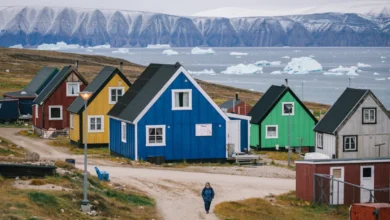
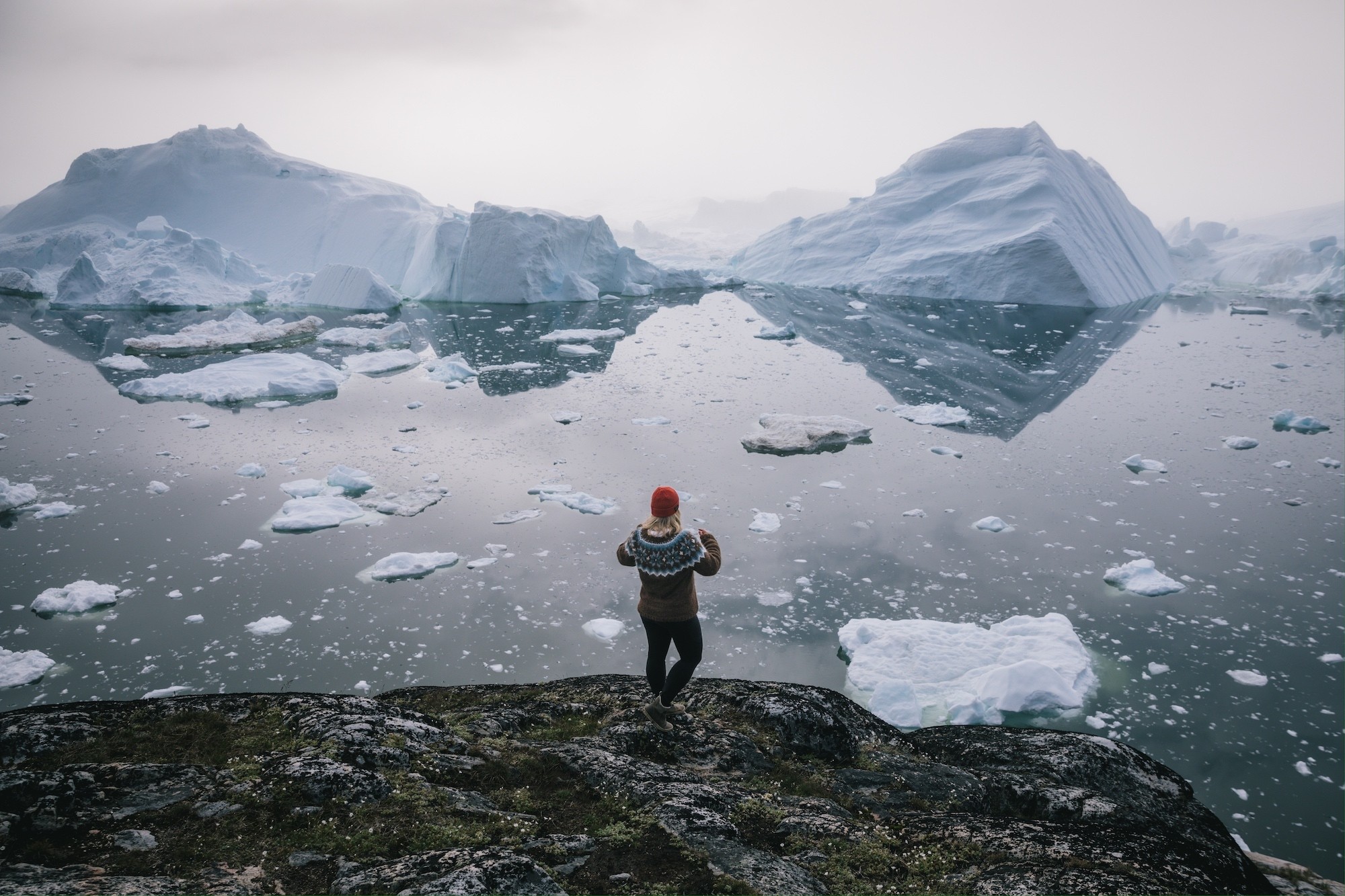
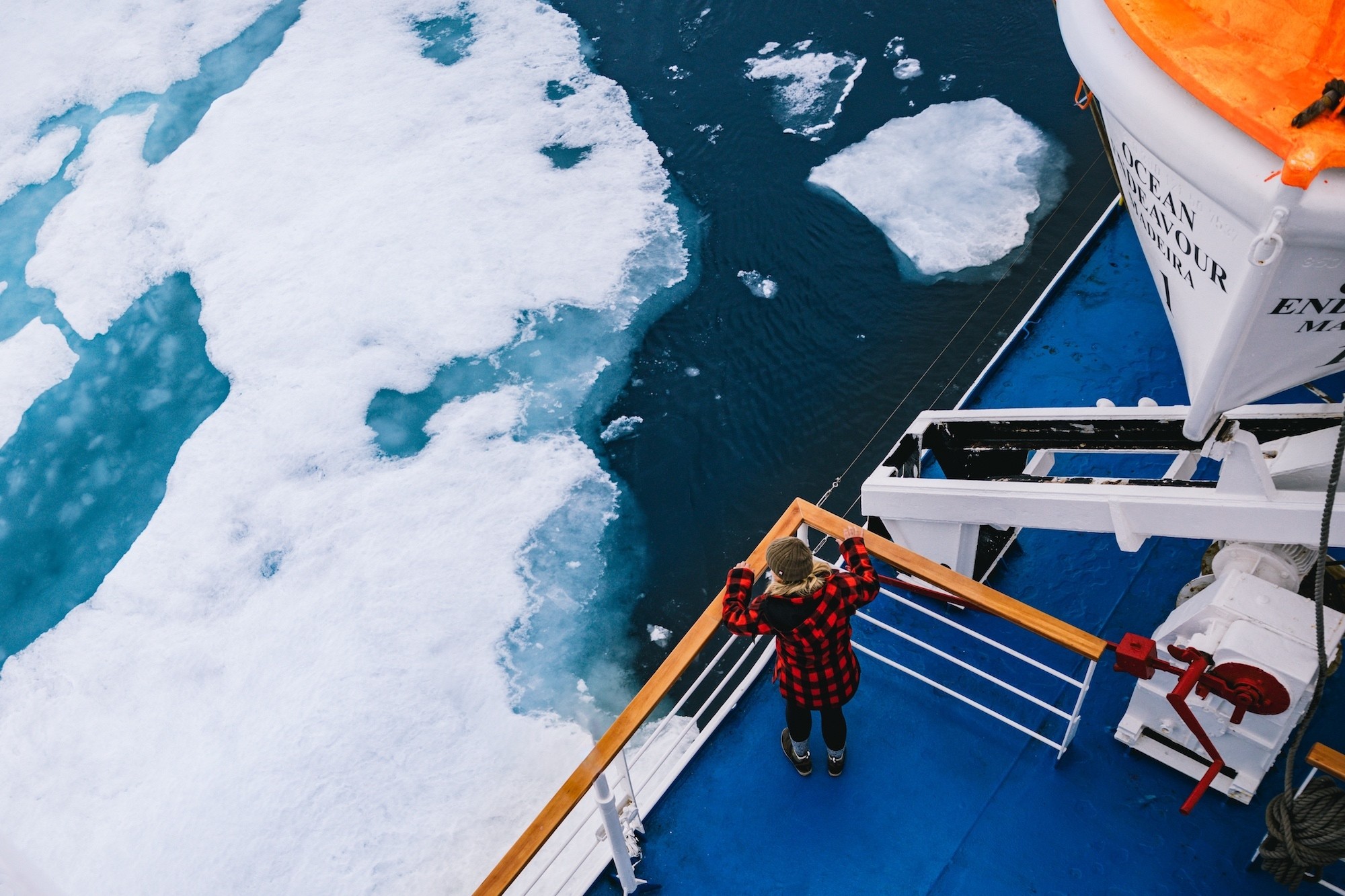
The Arctic remains one of the most logistically challenging environments for global tourism. Unlike traditional terrestrial destinations, the high latitudes are governed by the seasonal ebb and flow of sea ice, which restricts maritime access to a narrow window during the summer months. For the remainder of the year, the region is effectively locked away by ice, making expedition ships the most efficient and often the only viable means of transport for non-residents. Within these remote corridors, infrastructure is minimal; travel between isolated settlements typically requires small aircraft, boats, or snowmobiles, depending on the season.
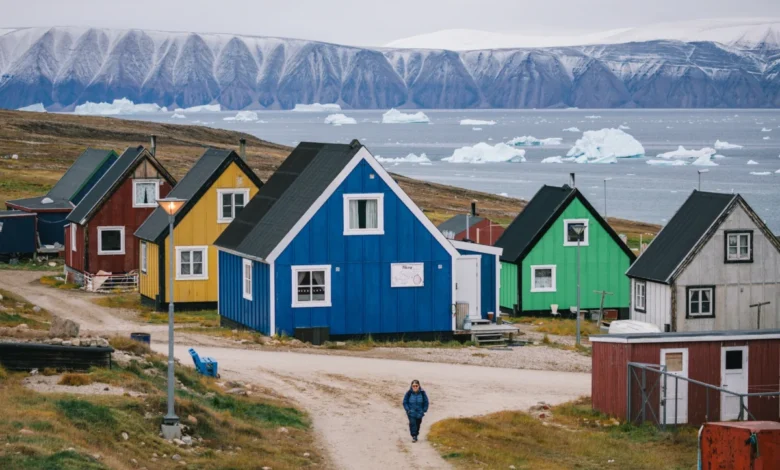
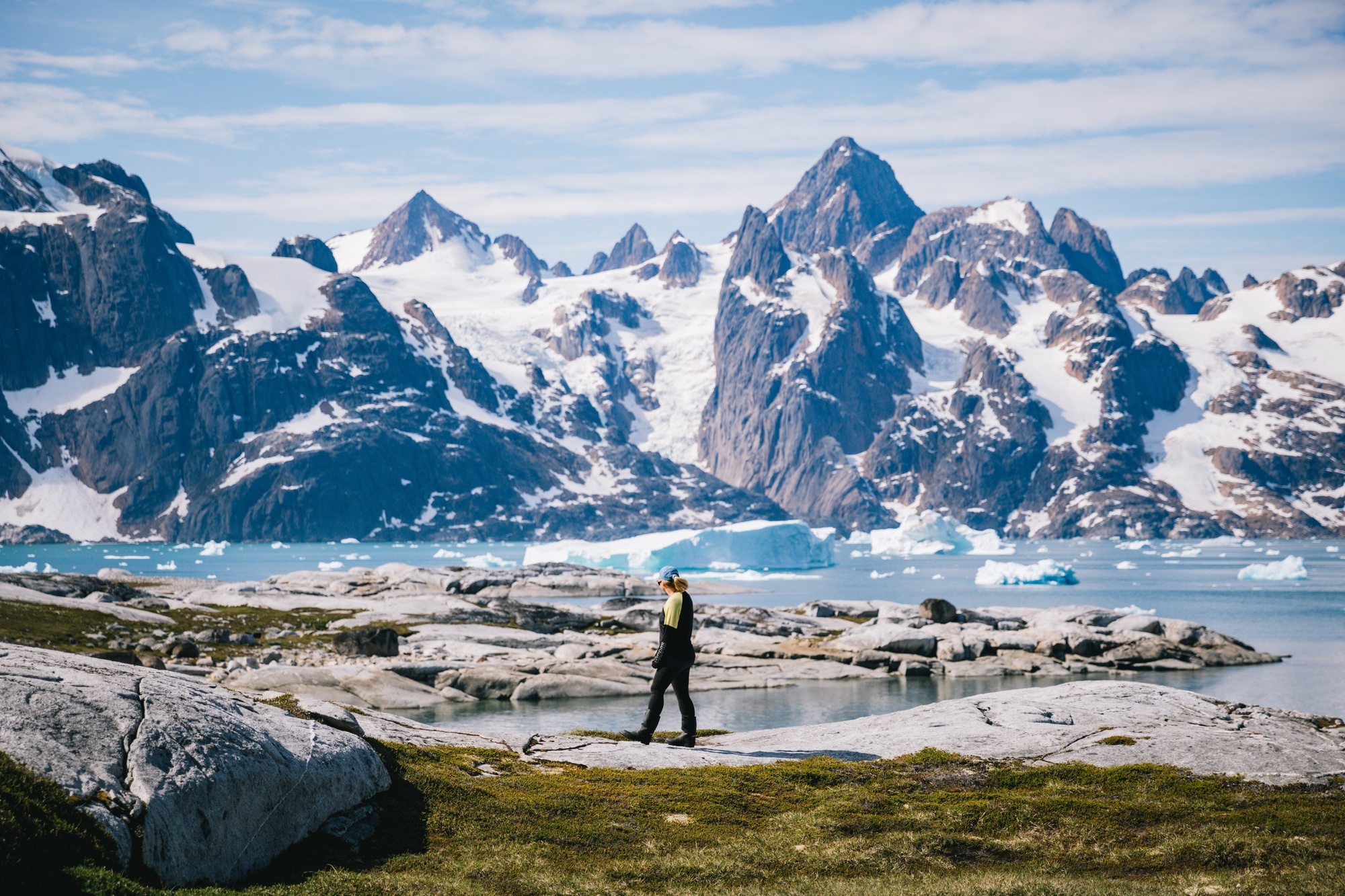
Professional expedition companies, such as Adventure Canada, have developed specialized models to navigate these constraints. These operations rely on ice-strengthened vessels capable of navigating the fragmented ice floes of the Northwest Passage and the fjords of Greenland. The role of the expedition guide in this context has expanded beyond mere logistics. Guides are now expected to serve as naturalists, historians, and safety officers. For instance, guiding in the Arctic requires rigorous protocols for polar bear safety, Zodiac boat operations, and cultural sensitivity when visiting indigenous Inuit communities. The integration of experienced communicators into these teams allows expedition operators to bridge the gap between technical maritime operations and the educational needs of the passengers.
A Chronology of Industry Transformation and Career Pivots
The shift from general travel journalism to specialized polar guiding often follows a distinct chronological pattern, mirrored by the broader changes in the media landscape. In the decade leading up to 2020, the "influencer" model dominated travel marketing, characterized by high-volume content production and a focus on aesthetic appeal. However, the global pandemic served as a catalyst for a significant reassessment of this model.
By 2021 and 2022, many industry veterans reported a sense of "influencer fatigue" or disillusionment with the competitive nature of digital algorithms. This period saw a marked move toward "slow travel" and vocational depth. For professionals like Carlson, the post-pandemic era necessitated a move away from the "hustle" of content creation toward more stable, community-oriented roles. This led to the pursuit of formal qualifications in expedition guiding, a role that demands physical stamina and deep regional knowledge.
In 2024, this transition has culminated in a hybrid professional model. Experts are no longer just visiting these regions to write about them; they are actively managing the guest experience. Current seasons in the Arctic, spanning from the Canadian High Arctic to the coastlines of Greenland, now feature journalists-turned-guides who facilitate wildlife sightings—including polar bears, beluga whales, and narwhals—while simultaneously documenting the region’s history and environmental challenges.
Supporting Data: The Growth of Polar Travel
Data from the Association of Arctic Expedition Cruise Operators (AECO) and the International Association of Antarctica Tour Operators (IAATO) indicate a steady rise in interest in polar voyages. While the numbers remain small compared to mass-market cruising, the economic impact per passenger is significantly higher.
Key industry statistics highlight several trends:
- Repeat Clientele: Operators like Adventure Canada report that nearly 50% of passengers on any given voyage are returning travelers. This level of brand loyalty is attributed to the "family-style" atmosphere of small-ship expeditions, which often feature multi-generational ownership and long-tenured staff.
- Economic Diversification: Expedition tourism provides a vital source of income for remote Arctic communities. Visits to these areas often include the purchase of local Inuit art and the employment of local guides, which helps sustain traditional economies.
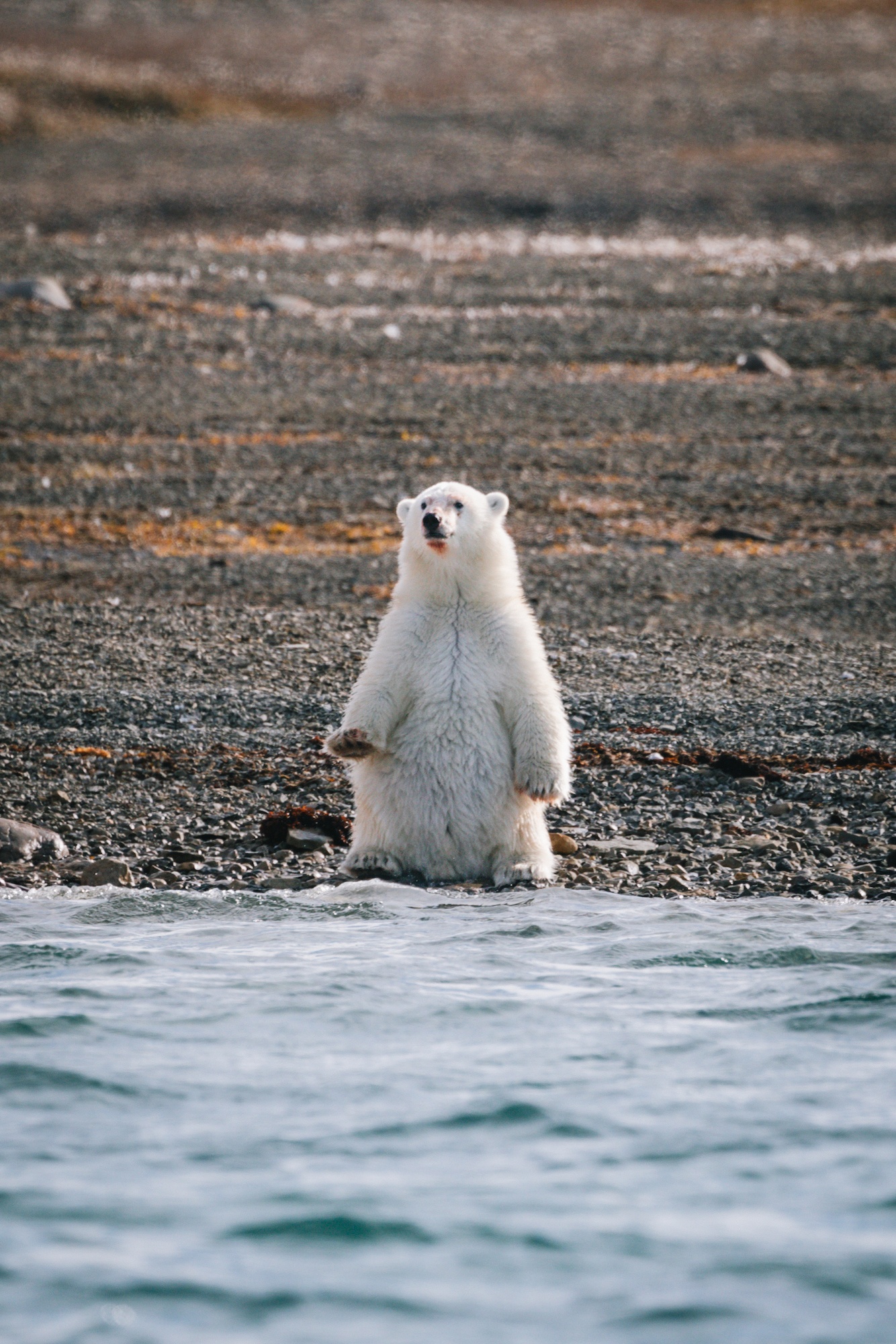
- Wildlife Density: Observations recorded during the 2023 season included high frequencies of polar bear sightings, including rare footage of maternal groups. These sightings are critical for ongoing citizen science projects that track animal health and migration patterns in the face of receding sea ice.
Historical Context and Cultural Integration
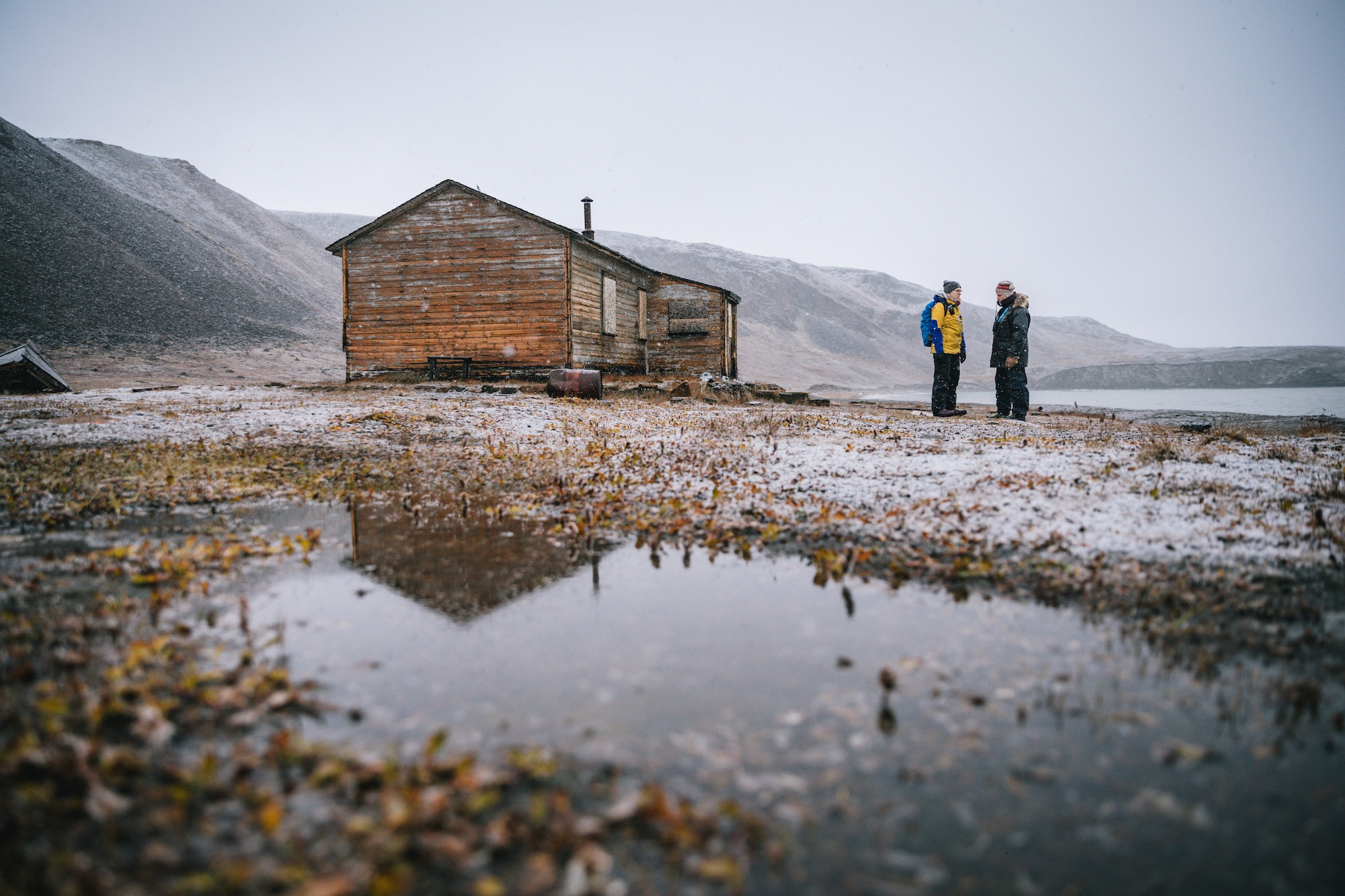
Modern Arctic travel is deeply intertwined with the history of polar exploration and the enduring presence of the Inuit people. Contemporary expeditions frequently follow the routes of historical figures, such as Sir John Franklin, whose lost expedition of 1845 remains one of the great mysteries of the North. Sites like Beechey Island, where three members of the Franklin expedition are buried, serve as somber reminders of the region’s formidable nature.

However, the industry is increasingly moving away from a purely Eurocentric view of exploration. Modern itineraries prioritize visits to northern communities where travelers are welcomed with traditional performances and insights into modern Inuit life. This cultural exchange is a cornerstone of the "ambassador" model of tourism. The theory, supported by many environmental educators, suggests that individuals who witness the Arctic’s beauty and vulnerability firsthand are more likely to become lifelong advocates for its protection.
The Professional Shift to Travel Consulting and Referrals
A significant development in the professionalization of travel journalism is the emergence of the journalist-consultant. Recognizing that polar travel is a significant financial investment—often costing tens of thousands of dollars—prospective travelers are increasingly seeking advice from experts with on-the-ground experience rather than traditional travel agencies.
This has led to a new revenue model where experienced guides and writers act as intermediaries. By offering referral services, these professionals can provide personalized recommendations on which ships, routes, and seasons best suit a traveler’s specific interests, whether they are focused on Inuit art, photography, or historical sites. This model offers several benefits:
- Transparency: Consultants are often open about their commission-based structures, which allows them to maintain a degree of creative independence from the "influencer" world.
- Expertise-Led Sales: Recommendations are based on thousands of hours spent in the field, ensuring that travelers have realistic expectations of wildlife sightings and weather conditions.
- Enhanced Creativity: By diversifying their income through consulting and guiding, travel writers are freed from the pressure of constant social media engagement, allowing for more profound and meaningful long-form storytelling.
Analysis of Broader Impacts and Environmental Implications
The transformation of the polar travel industry has far-reaching implications for environmental conservation. The Arctic is warming at a rate nearly four times faster than the global average, a phenomenon known as Arctic amplification. As sea ice diminishes, the region becomes more accessible to shipping and tourism, creating a complex tension between economic opportunity and environmental preservation.
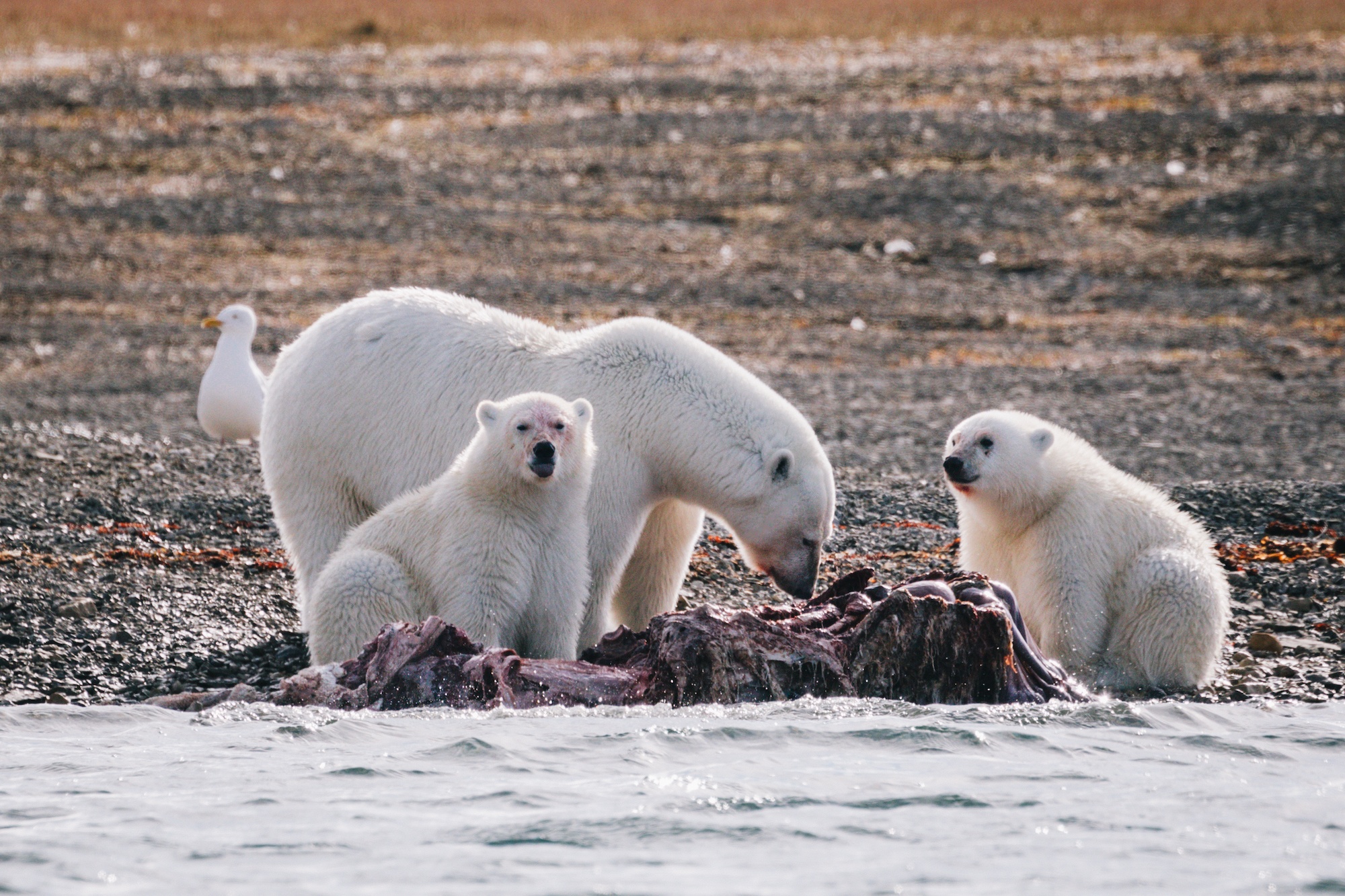
The presence of professional communicators on expedition ships serves as a vital link in the dissemination of climate data. When a guide documents a mother polar bear and her cubs feeding on a beluga whale, or the calving of a massive glacier in Greenland, that information reaches a global audience through their established platforms. This real-time reporting from the front lines of climate change provides a human element to abstract scientific data.
Furthermore, the industry’s shift toward smaller, more specialized vessels reduces the physical footprint on fragile ecosystems. The emphasis on "leaving no trace" and adhering to strict AECO guidelines ensures that tourism does not disrupt the very wildlife and landscapes that people travel to see.
Future Outlook for Polar Expedition Professionals
As the 2024 summer season progresses across Canada and Greenland, the role of the expedition guide-journalist is expected to become even more entrenched. The demand for "transformative travel"—trips that change a person’s perspective or contribute to a cause—shows no signs of waning. Professionals who can navigate the complexities of the Arctic while telling its story with nuance and authority will remain the backbone of this sector.
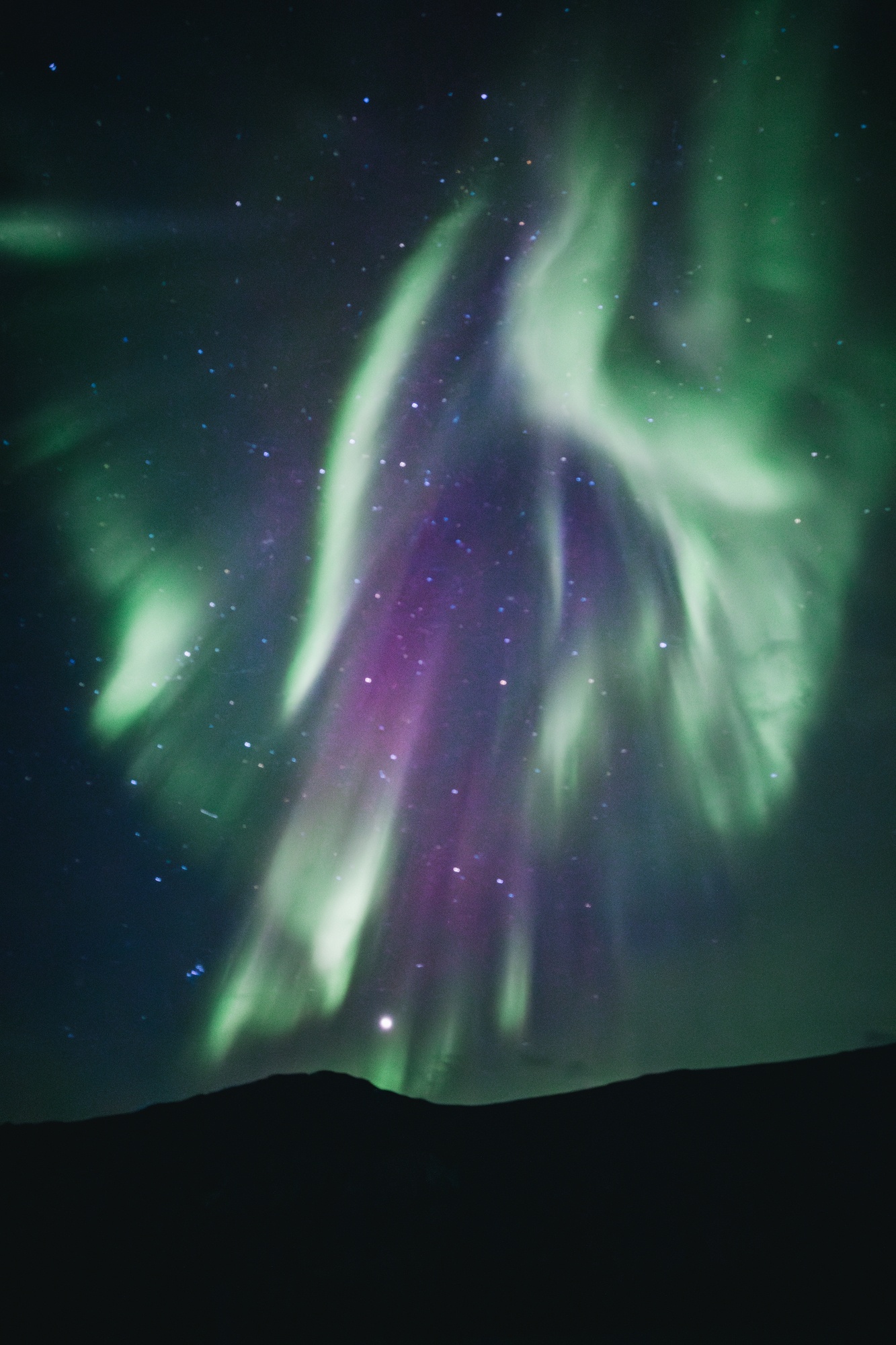
The move from "selling a lifestyle" to "facilitating an experience" marks a maturing of the travel media industry. For those working in the field, the fulfillment derived from guiding a Zodiac around a skyscraper-sized iceberg or witnessing the aurora borealis over the Greenland ice sheet far outweighs the transient rewards of digital fame. This professional pivot suggests that the future of travel journalism lies not in the quantity of content produced, but in the depth of the expertise and the authenticity of the connection to the destination. Through this lens, the Arctic is not just a backdrop for photography; it is a classroom, a community, and a critical ecosystem that requires dedicated, professional stewards to share its wonders with the world.