Exploring the Intersection of History and Adventure: The Enduring Legacy of LARC! Tours in the Town of 1770


The Town of 1770, a coastal village situated on the northern tip of the Discovery Coast in Queensland, Australia, represents a unique confluence of maritime history, indigenous heritage, and specialized adventure tourism. Located approximately 490 kilometers north of Brisbane and 120 kilometers south of Gladstone, this settlement serves as a gateway to the Southern Great Barrier Reef and holds a distinct position in Australian history as the site of Lieutenant James Cook’s second landing on the continent. In the modern era, the town’s geographical isolation and rugged terrain have necessitated innovative methods of exploration, most notably through the operation of LARC! Tours—an amphibious vehicle service that has become a cornerstone of the regional tourism economy and a primary vehicle for historical education.
Historical Context: The Birthplace of Queensland
The nomenclature of the Town of 1770 is a direct reference to May 24, 1770, when the HMS Endeavour, under the command of James Cook, anchored in the bay. This event marked the first time a European explorer set foot on what is now known as Queensland soil. For over two centuries, the area has maintained a landscape that remains remarkably similar to the environment encountered by Cook’s crew. However, the history of the region extends significantly further back, as the Gooreng Gooreng indigenous people have served as the traditional custodians of the land for thousands of years. The preservation of this dual history—European maritime exploration and deep-rooted Indigenous heritage—forms the narrative backbone of the region’s identity.
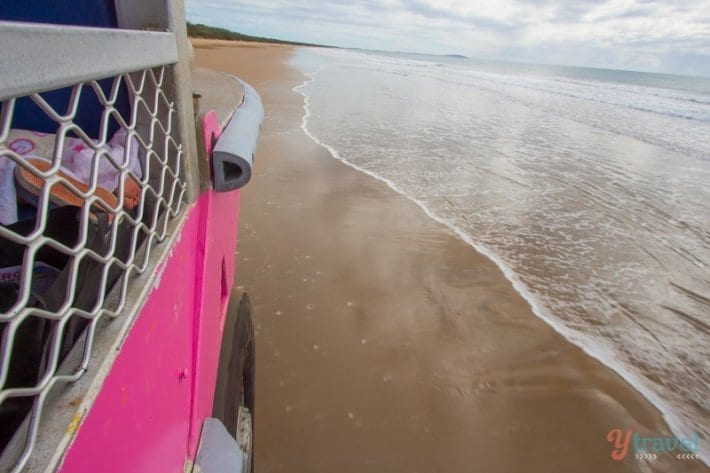
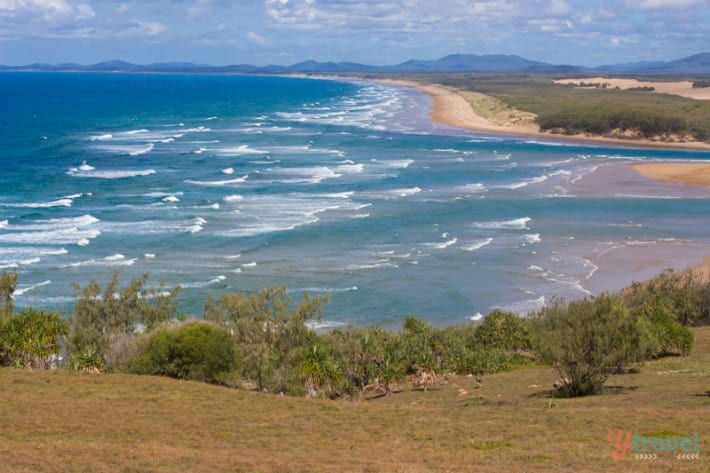
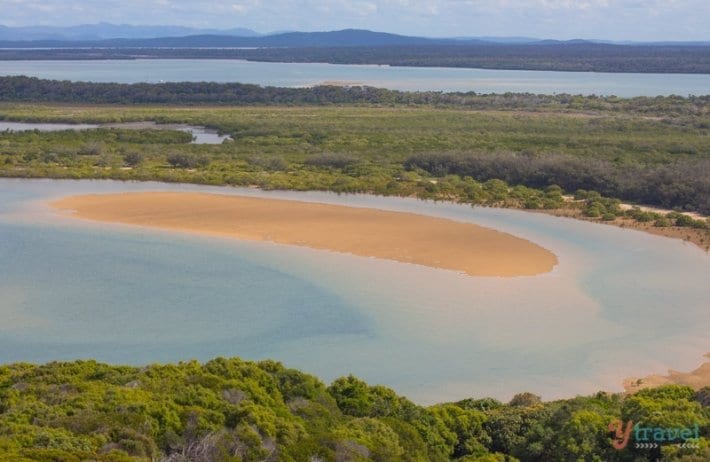
In the late 20th century, the Town of 1770 and its neighbor, Agnes Water, transitioned from quiet fishing outposts into destinations for eco-tourism. Despite this growth, large sections of the coastline remain inaccessible by conventional transport. The Eurimbula National Park and the surrounding estuaries of Bustard Bay are characterized by mangrove-fringed waterways, shifting sandbars, and dense coastal scrub, creating a logistical challenge for visitors wishing to witness the area’s natural landmarks.
The LARC: From Military Logistics to Tourism Icon
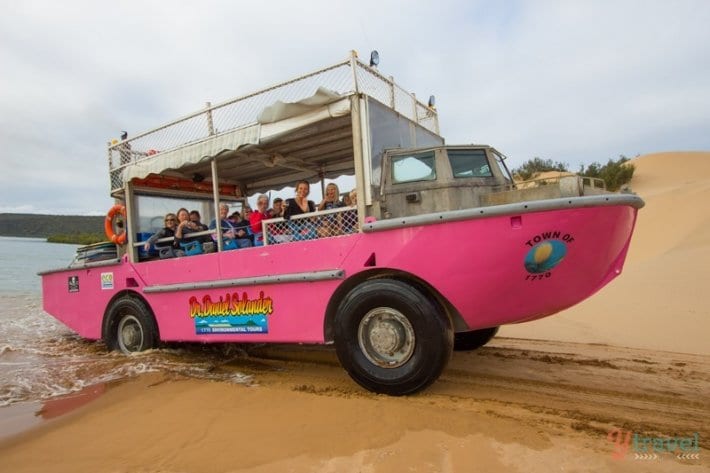
To navigate this complex environment, tourism operators turned to specialized military hardware. The LARC (Lighter, Amphibious, Resupply, Cargo) is a vessel originally designed by the United States in the mid-20th century for military resupply operations. These amphibious vehicles were engineered to transport cargo and troops from ships at sea directly across beaches and into rugged inland terrain.
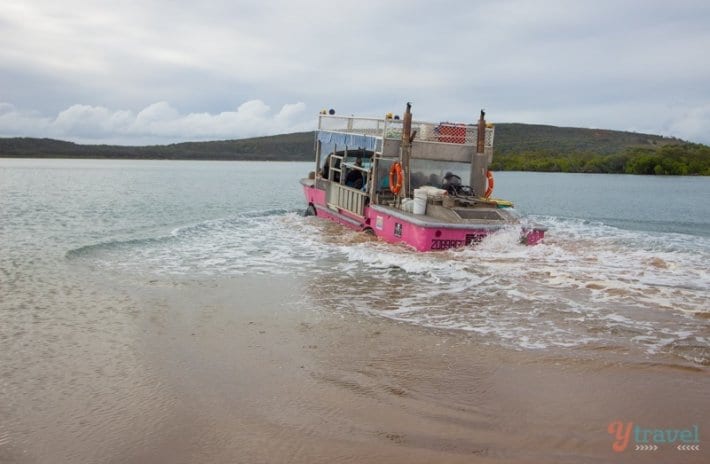
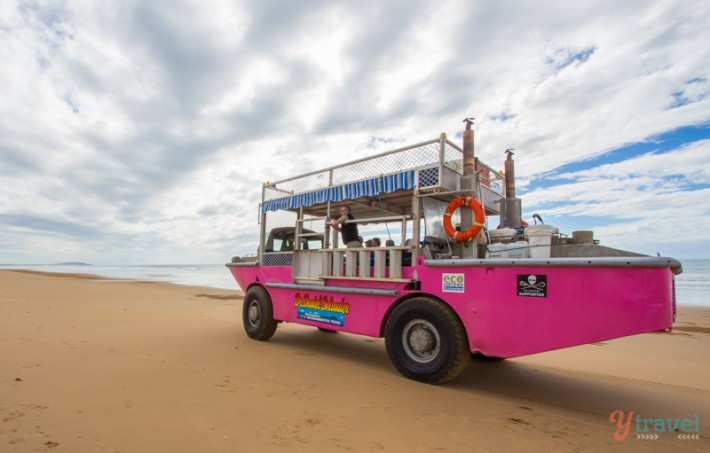
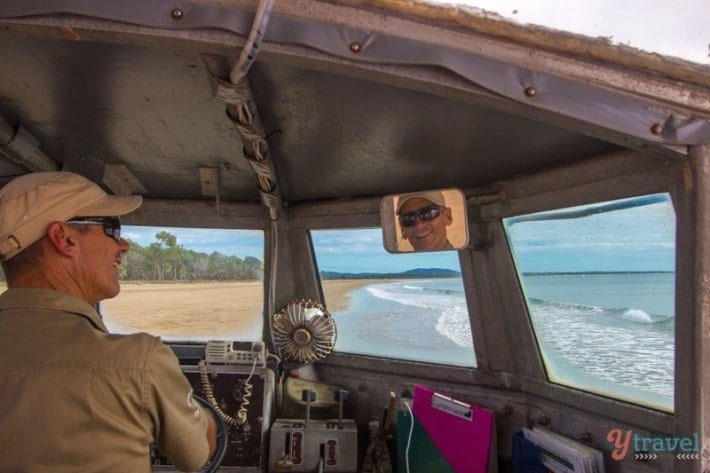
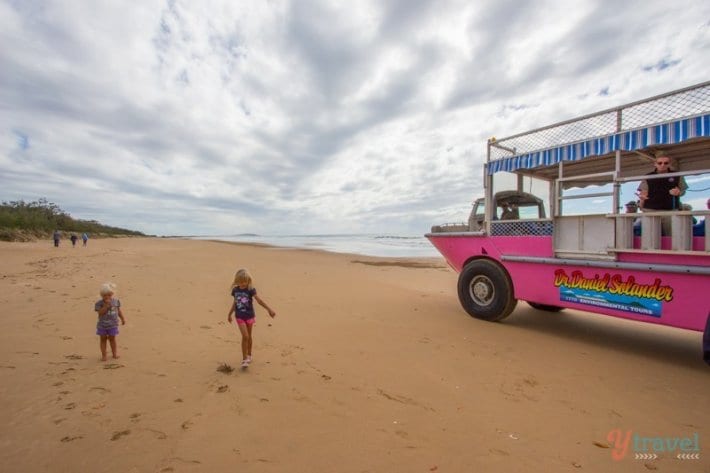
The LARC-V models utilized in the Town of 1770 are aluminum-hulled vehicles capable of transitioning seamlessly from water to land. Measuring approximately 11 meters in length and 3 meters in width, the vehicles are powered by diesel engines and utilize large, low-pressure tires to navigate soft sand and tidal flats without becoming bogged. The decision to paint these former military workhorses in a vibrant pink hue was a strategic branding move by the Mergard family, who have owned and operated 1770 LARC! Tours for over two decades. Under the leadership of founder and skipper Neil Mergard, the operation has evolved from a novelty attraction into an essential infrastructure for regional heritage preservation.
Chronology of the Paradise Tour: A Deep Dive into the Discovery Coast
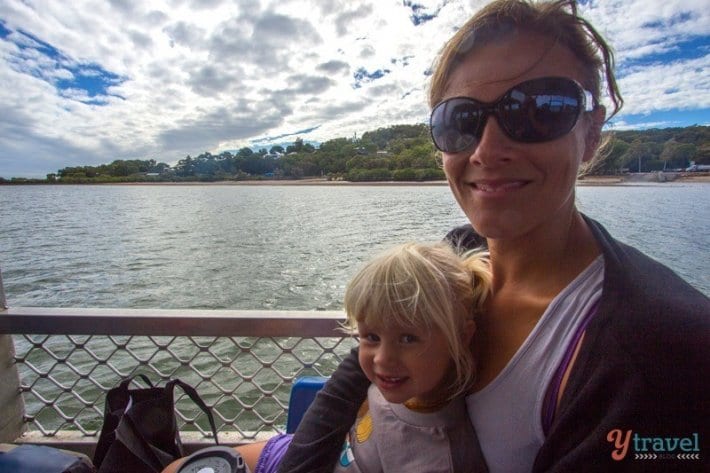
The flagship offering of the LARC fleet is the "Paradise Tour," a full-day excursion that covers approximately 80 kilometers of coastline, much of which is inaccessible by standard four-wheel-drive vehicles or conventional boats. The journey begins at the 1770 Marina, where the vehicle enters the waters of Round Hill Creek.
Phase I: Bustard Bay and Eurimbula National Park
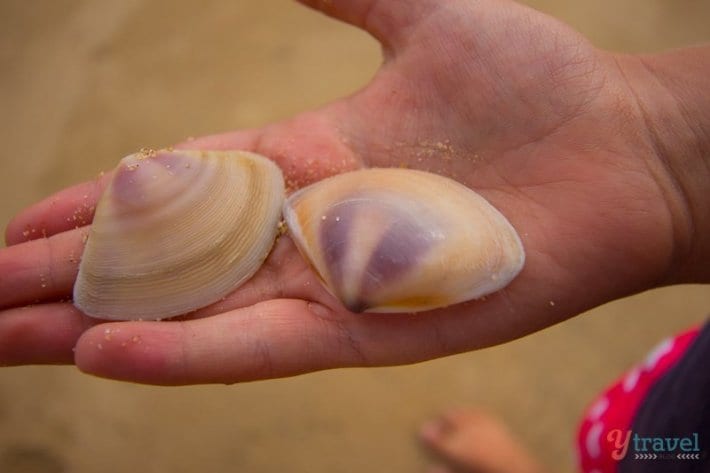
The initial leg of the journey traverses Bustard Bay, a vast stretch of coastline that forms part of the Eurimbula National Park. The park is a critical habitat for diverse avian species and marine life. During low tide, the LARC navigates around vast sandbanks inhabited by thousands of soldier crabs (Mictyris longicarpus), which march in synchronized formations. The tour provides an observational platform for wildlife such as pelicans, brown kites, and various species of crabs, emphasizing the ecological importance of the Southern Great Barrier Reef’s coastal fringes.
Phase II: The Bustard Head Lightstation
A primary objective of the excursion is the Bustard Head Lightstation, Queensland’s first coastal lighthouse, established in 1868. Standing 16 meters tall, the lighthouse was built to guide ships through the treacherous waters of the Gladstone region. The station is notable not only for its maritime utility but for its somber history, often referred to as the "Lighthouse of Tragedy."

The site’s history is marked by a series of unfortunate events involving former lightkeepers and their families, including mysterious deaths, drownings, and shipwrecks. One of the most documented cases is that of Kate Gibson, whose 19th-century death remains a subject of historical debate and local lore. In the late 1980s, when the lighthouse was automated, the site fell into disrepair and was targeted by vandals.

The restoration of the lightstation is largely credited to the efforts of former lightkeeper Stuart Buchanan and the Bustard Head Lighthouse Association. Through a partnership with 1770 LARC! Tours, the site was restored to its former glory, and a museum was established in the lightkeeper’s cottage. Today, the LARC! Tours provide the only public access to this heritage-listed site, offering a rare look at the isolated lifestyle of early maritime navigators.
Phase III: Middle Island and Environmental Recreation
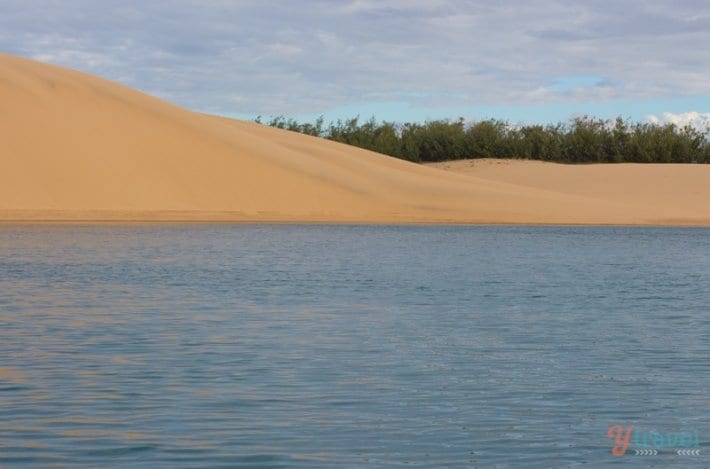
Following the historical exploration of the headland, the tour moves to Middle Island, located across Jenny Lind Creek. This segment of the journey highlights the geological diversity of the region. Behind the coastal vegetation lie 35-meter-high sand dunes. These dunes serve as a site for sandboarding, a recreational activity that allows visitors to engage directly with the landscape. The tour concludes with a transit through four tidal creeks, where the amphibious nature of the LARC is fully utilized to return to the Town of 1770 during the sunset hours.
Supporting Data and Regional Economic Impact
Tourism is a vital component of the Gladstone Region’s economy. According to data from Tourism and Events Queensland, the Southern Great Barrier Reef region attracts over 2 million visitors annually, contributing significantly to the state’s Gross Regional Product. Adventure and eco-tourism are the fastest-growing sectors within this demographic.

The 1770 LARC! Tours represent a significant portion of the "things-to-do" economy in the Agnes Water and 1770 area. By providing access to the Bustard Head Lightstation, the operator supports the maintenance of heritage assets that might otherwise be neglected due to their remote locations. Furthermore, the tours employ local guides and skippers, fostering a community-driven approach to environmental stewardship and historical storytelling.
Educational and Conservation Implications
Beyond its role as a tourist attraction, the LARC operation serves an educational function. The commentary provided during the tours incorporates elements of geology, maritime engineering, and colonial history. By bringing visitors to the Eurimbula National Park, the tours raise awareness regarding the fragility of coastal ecosystems.
The management of the tours must balance high-volume visitation with environmental protection. The use of LARCs is considered a relatively low-impact method of traversing tidal flats compared to multiple smaller 4WD vehicles, which can cause significant erosion and damage to nesting sites. The operators work in conjunction with Queensland Parks and Wildlife Services to ensure that the "Leave No Trace" principle is upheld during stops at Middle Island and Bustard Head.

Broader Perspectives and Future Outlook
The longevity of the LARC tours—spanning over 20 years—reflects a successful model of niche tourism. While other regions have attempted amphibious tours, the specific historical and geographical context of the Town of 1770 provides a unique value proposition. Industry analysts suggest that the future of regional tourism in Australia lies in "experiential travel"—where tourists seek deep engagement with history and nature rather than passive sightseeing.

As the Town of 1770 continues to develop, the challenge will be maintaining the "untouched" feel that makes the area a "paradise" for explorers. The LARC! Tours remain a vital link between the town’s modern infrastructure and its rugged, historical past. For the Gladstone region, these bright pink vessels are more than just transport; they are mobile classrooms and symbols of a community’s dedication to preserving the birthplace of its state.

In conclusion, the 1770 LARC! Tours represent a sophisticated integration of historical preservation, environmental education, and mechanical ingenuity. By leveraging the unique capabilities of amphibious military technology, the operators have ensured that the stories of Captain Cook, the Gooreng Gooreng people, and the tragic lightkeepers of Bustard Head remain accessible to future generations, reinforcing the Town of 1770’s status as a premier destination for Australian heritage tourism.
Related posts: