Navigating the Complexity of Solo Female Travel in India Through Guided Women-Only Expeditions

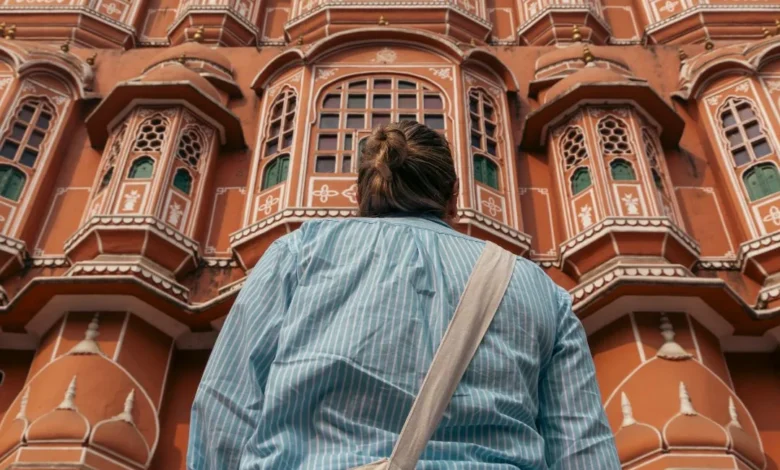
The landscape of international tourism in South Asia is undergoing a significant transformation as more female travelers seek immersive, culturally sensitive experiences that balance independence with safety. This trend is exemplified by the recent journey of a Seattle-based traveler named Liz, who participated in a Women’s Expedition through Rajasthan, India. Her experience highlights the critical role of professional local leadership in navigating the socio-cultural intricacies of the Indian subcontinent, particularly for women traveling from Western nations. As India continues to bolster its position as a global tourism hub, the rise of gender-specific expeditions offers a unique lens through which to view the challenges and rewards of exploring one of the world’s most populous and diverse nations.
The Socio-Cultural Context of Tourism in Modern India
India’s tourism sector has seen a robust recovery in the post-pandemic era, with the Ministry of Tourism reporting a significant uptick in Foreign Tourist Arrivals (FTAs). However, the perception of India among North American and European travelers remains a study in contrasts. While celebrated for its architectural marvels and spiritual heritage, the country is often associated with logistical complexities, ranging from erratic urban traffic to the overwhelming sensory input of its metropolitan centers.
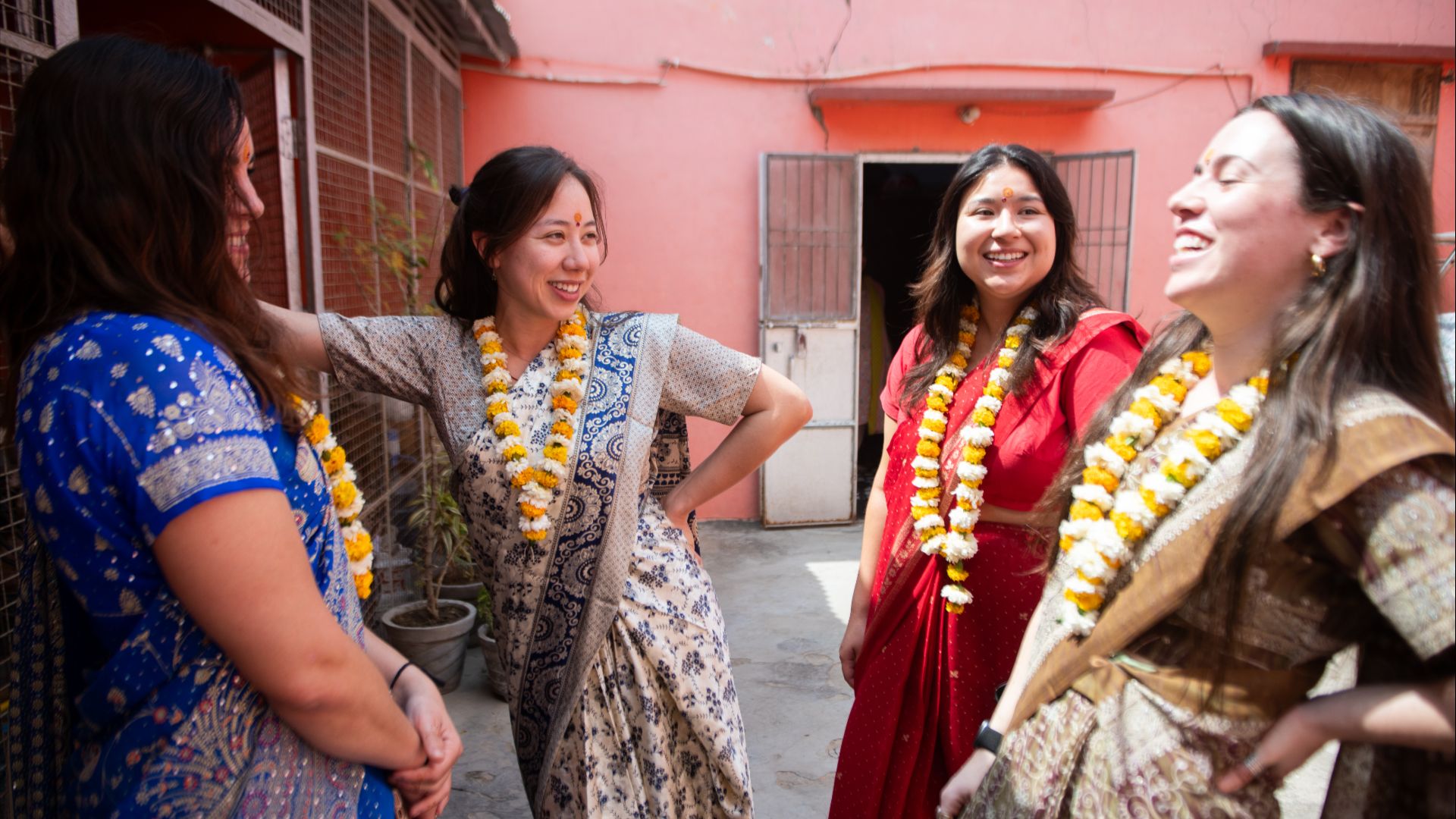
For solo female travelers, these perceptions are often amplified by international media narratives regarding safety. Statistics from various travel safety indices suggest that while India faces challenges typical of developing nations, the reality of travel for women is often more nuanced than portrayed. This gap between perception and reality has created a burgeoning market for "Women’s Expeditions"—group tours led by local female experts designed to provide a secure environment while fostering deep cultural immersion.
Case Study: The Rajasthan Women’s Expedition
Liz’s journey began in Delhi, a city with an estimated metropolitan population exceeding 33 million. Landing during the lead-up to Diwali, the Hindu festival of lights, she was immediately confronted with the "culture shock" that many first-time visitors describe. The transition from the structured environment of the Pacific Northwest to the rhythmic chaos of Delhi’s streets—characterized by a constant flow of rickshaws, pedestrians, and celebratory festivities—serves as the primary hurdle for many international visitors.
The expedition, organized by Intrepid Travel, focused on the northern state of Rajasthan, a region renowned for its royal history and desert landscapes. The group was led by Parul, a local female guide whose role extended far beyond traditional itinerary management. Parul served as a translator, cultural decoder, and safety expert, illustrating a growing professional niche for Indian women in the tourism industry.

The Role of Local Leadership in Mitigating Culture Shock
A central theme of the expedition was the "mental load" of navigation. In a country where social norms, bargaining practices, and even crossing the road follow unwritten rules, the presence of a local leader allows travelers to shift from a state of hyper-vigilance to one of observation.
One of the primary challenges identified by participants was the phenomenon of "curiosity staring." For many Western women, being the subject of open observation or frequent requests for photographs (selfies) can be disconcerting. Parul’s role involved explaining the cultural context behind this attention—often rooted in genuine curiosity rather than hostility—while simultaneously teaching the group how to set firm personal boundaries. This cultural decoding is essential in preventing misunderstandings that can mar the travel experience.
Chronology of the Expedition: From Urban Chaos to Desert Serenity
The itinerary followed a logical progression designed to build the participants’ confidence over a two-week period.
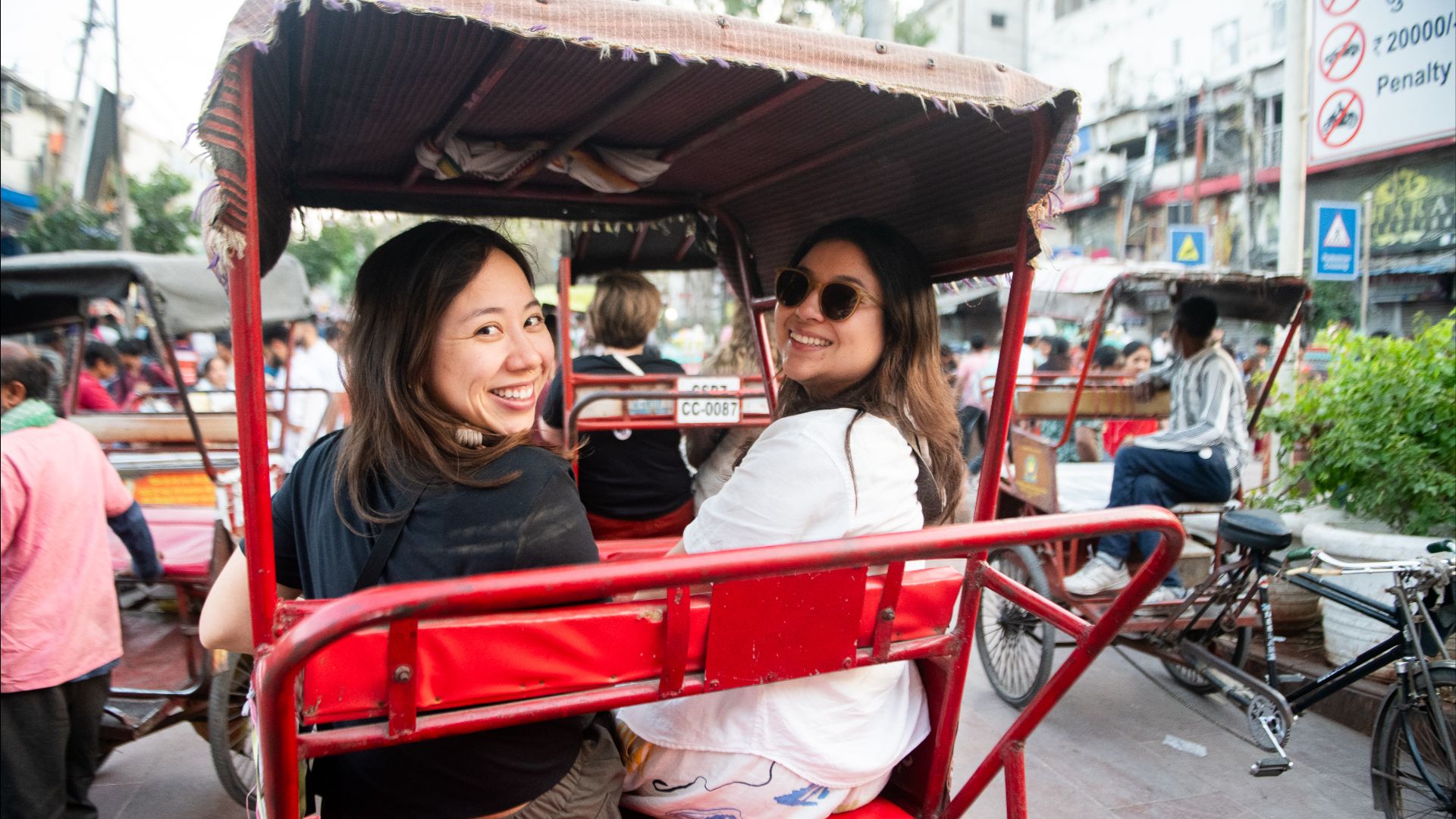
- Arrival and Orientation (Delhi): The initial days focused on acclimatization. Participants learned to navigate the Delhi Metro and the ubiquitous cycle-rickshaws. The timing coincided with Diwali, providing a high-intensity introduction to Indian celebrations, though it necessitated flexible scheduling due to massive traffic congestion and road closures.
- The Princely Cities (Jaipur and Jodhpur): Moving into Rajasthan, the group engaged in "experience-based" tourism. In Jaipur, they witnessed the integration of traditional crafts with modern female empowerment through interactions with local women-led cooperatives. In Jodhpur, the "Blue City," the focus shifted to historical architecture and the art of bargaining in traditional markets—a skill Parul helped the travelers refine from a place of apology to one of cultural participation.
- Rural Immersion and the Thar Desert: To contrast the urban intensity, the expedition moved into the countryside. This segment included staying at heritage properties and camping under the stars in the Thar Desert. Such experiences highlight the geographical diversity of India, moving from the world’s most crowded streets to the silence of the dunes within a few days’ travel.
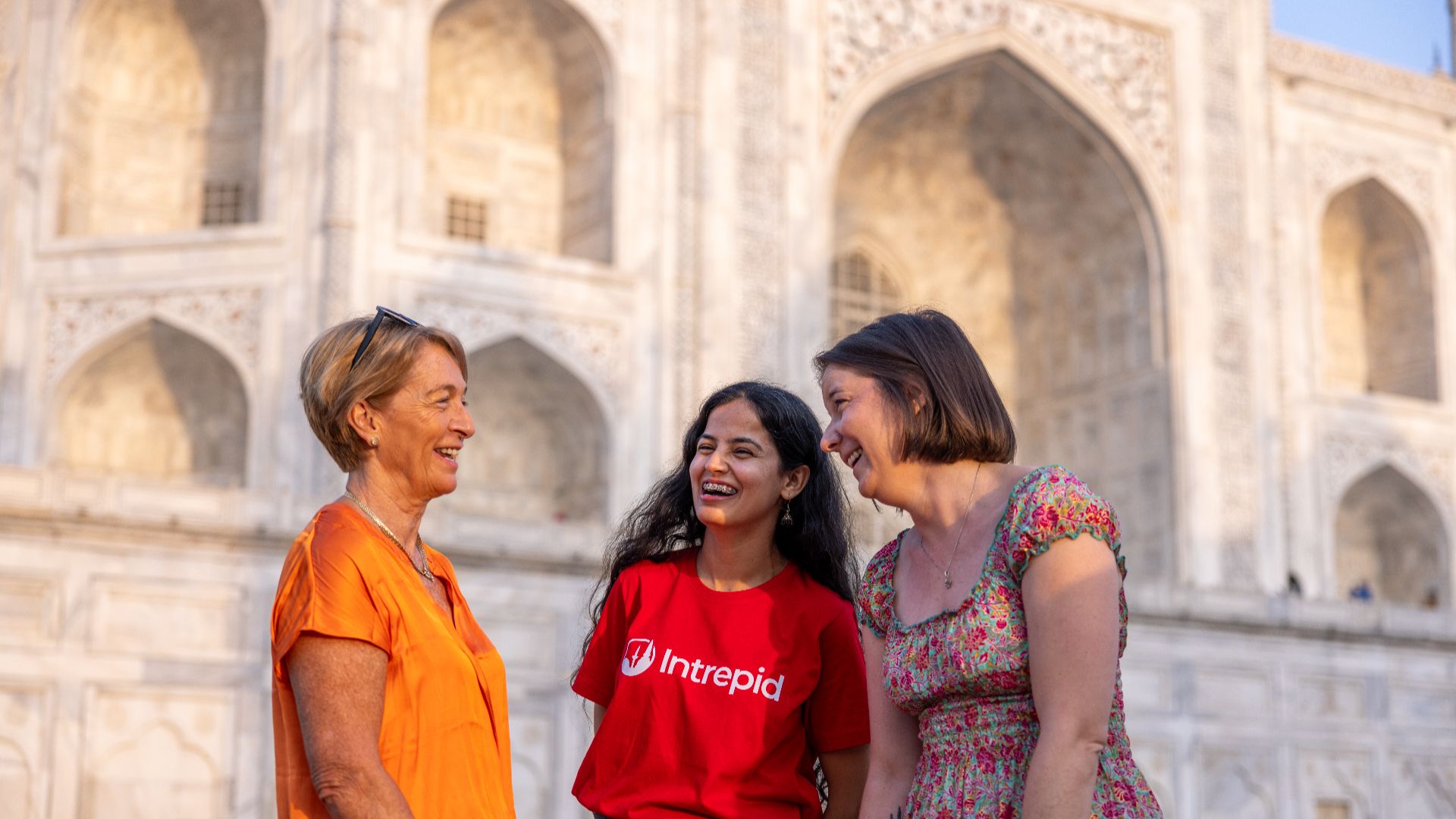
- The Iconic Conclusion (Agra): The trip concluded with a visit to the Taj Mahal. By this stage, participants who were initially hesitant to leave their hotel rooms were reported to be navigating train stations and public spaces with significantly increased autonomy.
Supporting Data: The Growth of Women-Only Travel
Market research indicates that the "Women-Only" travel segment has grown by over 230% in the last decade. Several factors contribute to this trend:
- Safety in Numbers: Group travel provides a physical and psychological safety net.
- Shared Perspectives: Women-only groups often prioritize different types of interactions, such as visiting local homes, engaging in traditional crafts, and discussing gender roles within the host country.
- Empowerment: According to Intrepid Travel, these expeditions often employ local women as guides, providing them with economic independence and a platform to represent their culture.
In India, the "Women’s Expedition" model also addresses specific logistical needs, such as the use of women-only carriages on the Indian Railways—the world’s fourth-largest rail network. These carriages offer a space for female travelers to interact with local women in a comfortable setting, facilitating the kind of cross-cultural dialogue that is often missing from standard tours.
Culinary Diplomacy and Regional Diversity
A significant portion of the enrichment in Liz’s journey came from a structured introduction to Indian cuisine, which varies dramatically by geography. The expedition served to debunk the Western monolithic view of "Indian food."
- North Indian Influence: In Rajasthan and Delhi, the group explored Mughal-influenced dishes, characterized by the use of dairy, tandoors (clay ovens), and wheat-based breads like naan and paratha.
- Regional Specialties: Participants were introduced to mirchi vada (chili fritters) in Jodhpur, illustrating how climate and local produce dictate regional heat levels and flavors.
- Cross-Regional Education: Even while in the North, the leader introduced the group to South Indian staples like dosas (fermented rice crepes) to explain the linguistic and culinary divide between the Indo-Aryan North and the Dravidian South.
This "culinary diplomacy" is a vital tool for local guides to explain history, religion, and trade routes. For instance, the use of specific spices often relates back to the ancient spice trade that brought European powers to Indian shores.
Broader Impact and Implications for the Tourism Industry
The success of such expeditions has broader implications for how India is marketed to the world. It suggests that the future of high-value tourism lies in "slow travel" and "guided independence." By providing a framework of safety and expertise, tour operators can open up regions that were previously deemed too "difficult" for the average solo traveler.
Furthermore, these trips have a direct economic impact on local communities. By visiting family-owned homes for dinner or purchasing from women’s cooperatives, the tourist dollar is distributed more equitably, supporting the "Vocal for Local" initiative promoted by the Indian government.

The transformation of the participants themselves is perhaps the most notable outcome. The shift from "reeling with culture shock" to "climbing into rickshaws without hesitation" reflects a successful transfer of cultural literacy. As Liz noted, the most enduring memories were not just the monuments like the Taj Mahal, but the "everyday moments"—playing cards on long train rides, making pakoras with a village collective, and watching fireworks from a rooftop in Jaipur.
Conclusion
The journey of travelers like Liz underscores a fundamental truth about modern tourism: a country as complex as India is not a place to be "figured out" in a single visit, but rather a place to be experienced through the guidance of those who live there. The rise of Women’s Expeditions represents a sophisticated evolution in travel, one that prioritizes safety, cultural depth, and female empowerment. For the global tourism industry, this model provides a blueprint for making challenging destinations accessible, ensuring that the warmth and diversity of India can be shared with a broader, more confident audience of international travelers. Through the lens of local leaders like Parul, the "unexpected" becomes the highlight, and the "overwhelming" becomes an opportunity for growth.