Navigating the Strait: A Comprehensive Guide to Ferry Travel to Morocco from Europe

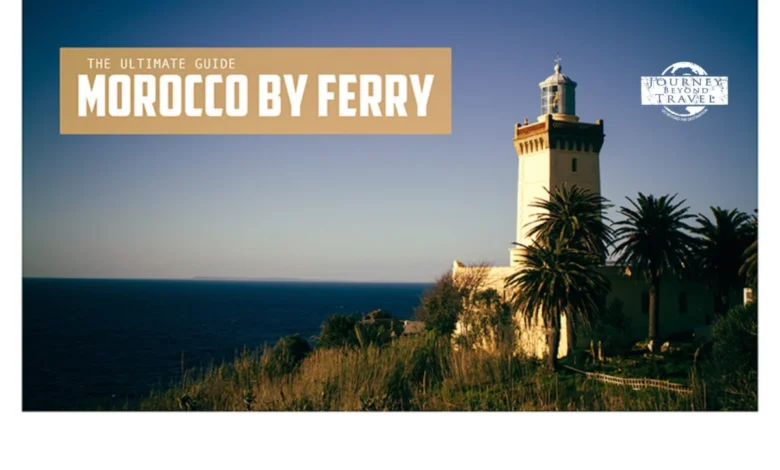
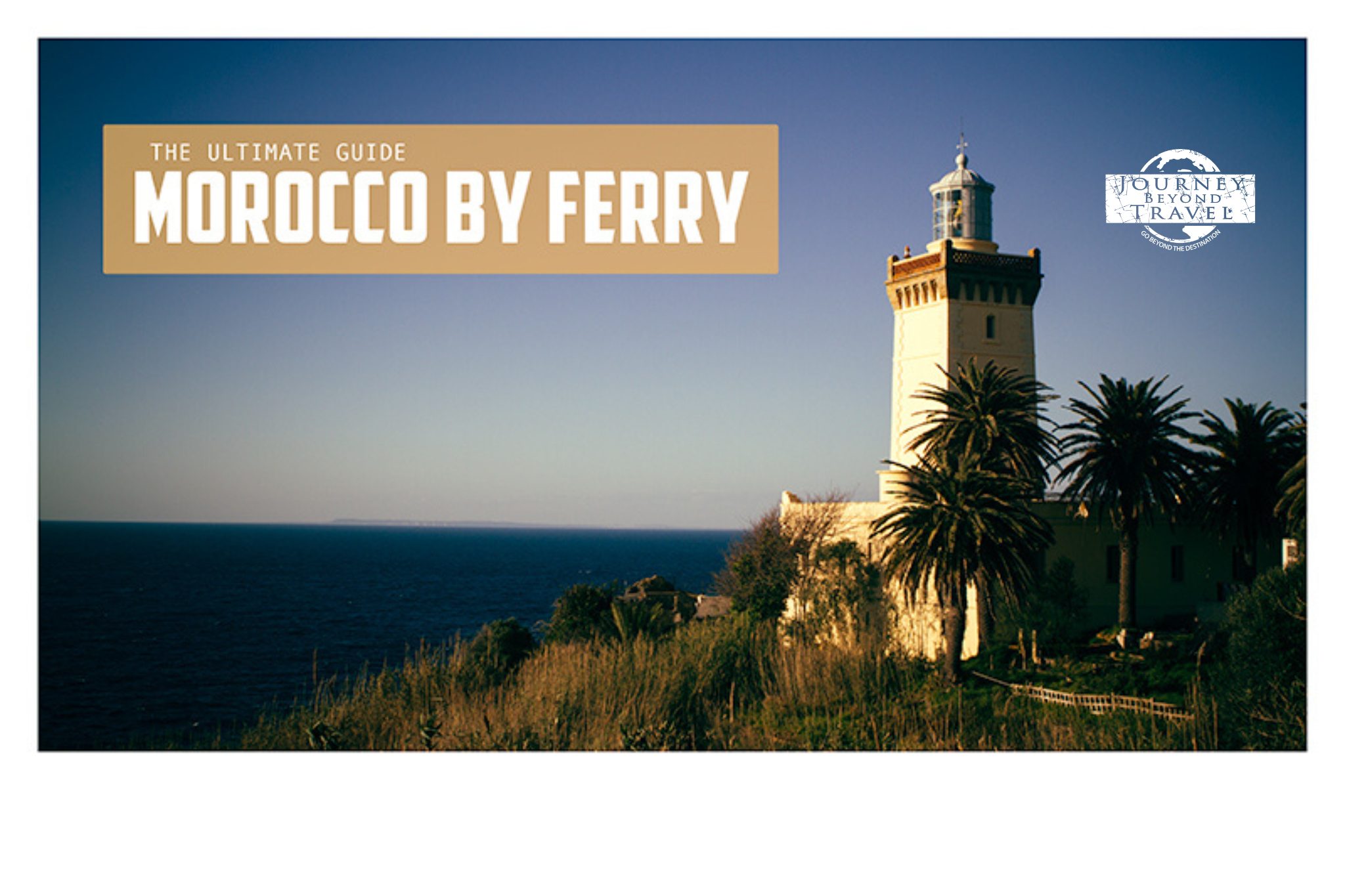
While air travel offers a swift gateway to Morocco’s vibrant culture and diverse landscapes, an alternative, more immersive journey awaits those choosing the sea: ferry travel. This mode of transport, often overlooked in favor of flights, presents a compelling blend of practical advantages and unique experiences, connecting the European continent directly to Morocco’s northern shores. From the bustling ports of Spain to the longer voyages originating in France and Italy, ferries offer travelers unparalleled flexibility, particularly for those keen on exploring Morocco with their own vehicle or unburdened by restrictive airline baggage allowances. This comprehensive guide delves into the specifics of ferry routes, port logistics, onboard experiences, and the broader implications of maritime travel to Morocco.
Historical and Geographic Significance: The Gateway to Africa
The Strait of Gibraltar, a narrow waterway separating Europe from Africa, has historically been a pivotal nexus for trade, culture, and migration. For millennia, it has served as a bridge rather than a barrier, fostering deep-rooted connections between the Iberian Peninsula and North Africa. Today, this rich history is mirrored in the constant flow of commercial and passenger ferries that traverse its waters, making it one of the busiest shipping lanes globally. This geographical proximity underpins the efficiency and frequency of ferry services, particularly from Spain, which stands as the most accessible European embarkation point for Morocco. The allure of crossing this historic strait, witnessing the convergence of two continents, adds a layer of adventure to the practicalities of travel, offering scenic vistas that aircraft cannot provide.
Morocco’s Northern Gateways: A Network of Ports
Morocco’s extensive northern coastline is dotted with port cities, each serving as a vital entry point for maritime travelers. The primary destinations for European ferries are Tangier (specifically Tangier Ville and Tangier Med) and Nador. Additionally, the Spanish enclaves of Ceuta and Melilla, situated on the North African coast, function as convenient auxiliary entry points into Morocco, albeit requiring a short overland transfer across a border.
- Tangier Ville: Located directly within the bustling city of Tangier, Tangier Ville port offers immediate access to the city’s medina and urban attractions. This makes it an ideal choice for foot passengers and those prioritizing proximity to urban centers upon disembarkation.
- Tangier Med: Situated approximately 30-45 kilometers east of Tangier city, Tangier Med is a large, modern commercial and industrial port. It is predominantly designed to handle heavy freight and high volumes of vehicle traffic. While further from the city center, its state-of-the-art facilities and high departure frequency make it the preferred option for travelers bringing their cars. Efficient taxi and bus services connect Tangier Med to Tangier city and other major Moroccan destinations.
- Nador: Located further east, Nador serves as a significant port for travelers heading to Morocco’s oriental regions. It is particularly popular for those originating from Almeria in Spain or Sete in France, providing direct access to the Rif mountains and the eastern plains.
- Ceuta (Spanish Enclave): While not Moroccan territory, Ceuta offers frequent ferry connections from Algeciras, Spain. Upon arrival, travelers can easily cross the border into Morocco, typically via taxi, to reach nearby cities like Tetouan or Tangier.
- Melilla (Spanish Enclave): Similar to Ceuta, Melilla is another Spanish enclave with regular ferry services, primarily from Malaga and Almeria. From Melilla, travelers can cross into Nador, making it a viable entry point for eastern Morocco.
Upon disembarking at any of these ports, travelers have various options for onward travel. Those without a car can utilize Morocco’s robust intercity bus and train networks, with major stations conveniently located in or near port cities like Tangier and Nador. Taxis are readily available at all ports, providing quick transfers to nearby towns or direct connections to bus/train hubs. For those arriving in Ceuta or Melilla, taxis are the primary means to reach the Moroccan border and subsequent local transport. The Moroccan national railway (ONCF) and numerous private bus companies (such as CTM) offer extensive routes connecting the north to the imperial cities and beyond.
The Spanish Connection: High-Frequency Crossings and Diverse Routes
Spain, due to its geographical proximity, offers the most frequent and diverse ferry services to Morocco. Numerous departure points cater to different traveler needs and preferences, from short, rapid crossings to longer, overnight voyages.
- Tarifa to Tangier Ville: This route is celebrated for being the shortest crossing, typically taking just one hour. It lands passengers directly in Tangier city center, a short walk from the medina, making it ideal for foot passengers seeking immediate immersion. Following FRS’s strategic shift in 2025 (after its acquisition by DFDS in 2023), Balearia and Africa Morocco Link (AML) have stepped up to ensure this vital route remains exceptionally well-served, with 10-14 daily sailings. This continuity underscores the route’s importance for rapid transit.
- Route: Tarifa-Tangier Ville
- Length of Trip: 1 hour
- No. of Ferries: 10-14 daily
- Ferry Companies: Balearia, AML
- Average Price: €30-€50 (foot passenger, one-way)
- Algeciras to Tangier Med: For travelers bringing a vehicle, or those prioritizing maximum departure frequency, the Algeciras-Tangier Med route is often the preferred choice. While Tangier Med is a commercial port requiring a 30-45 minute transfer to Tangier city, the sheer volume of sailings (15+ daily) ensures flexibility. Major operators like DFDS (formerly FRS on this route), Balearia, Naviera Armas, and AML provide comprehensive service.
- Route: Algeciras-Tangier Med
- Length of Trip: 1.5 hours
- No. of Ferries: 15+ daily
- Ferry Companies: DFDS, Balearia, Naviera Armas, AML
- Average Price: €40-€150 (varies greatly with vehicle and cabin inclusion)
- Algeciras to Ceuta: Another frequent crossing from Algeciras leads to the Spanish enclave of Ceuta. This 1-hour journey is served by multiple operators and offers an alternative entry point for those willing to undertake a short border crossing into Morocco.
- Route: Algeciras-Ceuta
- Length of Trip: 1 hour
- No. of Ferries: 15-19 daily
- Ferry Companies: Balearia, DFDS, Naviera Armas
- Average Price: €38-€150 (varies with vehicle)
- Malaga to Melilla: For travelers aiming for eastern Morocco, the route from Malaga to the Spanish enclave of Melilla is a viable option. This longer journey, approximately 6 hours, typically has one daily sailing, with 7-10 weekly departures, primarily operated by Balearia.
- Route: Malaga-Melilla
- Length of Trip: 6 hours
- No. of Ferries: 1 daily / 7-10 weekly
- Ferry Companies: Balearia
- Average Price: €53-€91
- Almeria to Nador: Directly connecting mainland Spain to Morocco’s oriental region, the Almeria-Nador route is popular for those bypassing the western ports. With journey times ranging from 6 to 9 hours and 7-14 weekly sailings, it offers flexibility. Balearia and Naviera Armas are key operators.
- Route: Almeria-Nador
- Length of Trip: 6-9 hours
- No. of Ferries: 7-14 weekly
- Ferry Companies: Balearia, Naviera Armas
- Average Price: €70-€90
- Barcelona to Tangier Med: For travelers originating from northeastern Spain or further afield in Europe, the Barcelona-Tangier Med route provides a direct, albeit significantly longer, maritime link. Spanning 28-36 hours, this route is served by Grandi Navi Veloci (GNV) with 2-5 weekly departures, offering a more cruise-like experience for those with time to spare.
- Route: Barcelona-Tangier Med
- Length of Trip: 28-36 hours
- No. of Ferries: 2-5 weekly
- Ferry Companies: Grandi Navi Veloci
- Average Price: From €90 (foot passenger)
Beyond Spain: French and Italian Maritime Links
For travelers starting their European journey further afield, France and Italy offer direct ferry services to Morocco, providing a scenic and unhurried alternative to flying. These longer routes transform the journey into an integral part of the travel experience, often equipped with more extensive onboard amenities.
- Sete (France) to Tangier Med/Nador: Located near Marseille, Sete serves as France’s primary port for Moroccan-bound ferries. Grandi Navi Veloci (GNV) operates these routes, with up to 4 weekly departures in high season, decreasing to roughly one every four days off-season. The journey to Tangier Med can take 35-48 hours, while to Nador it’s 24-29 hours. These voyages are ideal for those who enjoy extended time at sea and are traveling from central or southern France.
- Route: Sete-Tangier Med
- Length of Trip: 35-48 hours
- No. of Ferries: Up to 4 weekly
- Ferry Companies: Grandi Navi Veloci
- Average Price: From €90 (up to €300+ for cabins)
- Route: Sete-Nador
- Length of Trip: 24-29 hours
- No. of Ferries: Up to 4 weekly
- Ferry Companies: Grandi Navi Veloci
- Average Price: From €90
- Italy to Tangier Med: For the ultimate Mediterranean maritime adventure, ferries depart from Italy. Genoa is a year-round hub, offering 2-3 weekly services to Tangier Med, with journey times ranging from 48 to 54 hours. In summer months (June-August), Civitavecchia (near Rome) provides an additional seasonal link, with one weekly departure taking 53-55 hours. These multi-day voyages, primarily operated by GNV, cater to travelers seeking a leisurely crossing, often equipped with cabins and various onboard facilities. Direct Livorno-Tangier service appears to have been discontinued or significantly reduced, with Civitavecchia filling the seasonal gap.
- Route: Genoa-Tangier Med
- Length of Trip: 48-54 hours
- No. of Ferries: 2-3 weekly
- Ferry Companies: Grandi Navi Veloci
- Average Price: From €89 (up to €500+ peak season for cabins)
- Route: Civitavecchia-Tangier Med
- Length of Trip: 53-55 hours
- No. of Ferries: 1 weekly, summer only (Jun-Aug)
- Ferry Companies: Grandi Navi Veloci
- Average Price: From €110
Navigating the Journey: Practicalities and Onboard Experience
Ferry travel to Morocco offers distinct advantages over air travel. The most significant is the ability to bring one’s own vehicle, enabling a self-driven exploration of Morocco without the constraints and costs of car rentals. Furthermore, baggage restrictions are considerably more lenient, allowing travelers to pack more extensively for longer trips or specific activities.
However, the experience varies significantly depending on the route and operator. Shorter crossings, like Tarifa-Tangier Ville, are often on fast ferries with limited amenities, focusing on quick transit. Longer routes from France, Italy, or Barcelona, resemble mini-cruises, equipped with a wider array of facilities including private cabins, restaurants, cafes, shops, and sometimes even entertainment options. Travelers on these longer journeys often find the passage itself a relaxing part of their holiday.
Booking and Preparation:
It is highly advisable to book ferry tickets in advance, especially if traveling with a vehicle, during peak summer months (June-August), or during major holidays like Eid, when demand surges. Off-season travel (September-May) generally offers more flexibility for last-minute bookings. Prices can fluctuate wildly based on season, booking lead time, and cabin/vehicle inclusion. Always confirm directly with the ferry operator for the most accurate pricing and schedule.
Documentation and Onboard Formalities:
Most Western travelers (including US, UK, and EU passport holders) do not require a visa for stays under 90 days in Morocco, regardless of entry method. However, it is crucial to verify specific requirements based on nationality before travel. For those bringing a vehicle, valid registration, insurance (often requiring an international green card), and a driving license are essential. Many longer ferry routes offer the convenience of completing Moroccan immigration formalities onboard, saving time upon disembarkation. Passengers are typically required to present their passport and a completed disembarkation card to an immigration officer during the voyage.
Expectations and Challenges:
While the benefits are clear, ferry travel is not without its potential drawbacks. Long hours or even days at sea can be monotonous for some, and onboard amenities, while present, may not meet everyone’s expectations for entertainment. Punctuality can sometimes be an issue, particularly for longer routes or during adverse weather conditions, which could impact onward travel plans. Furthermore, during peak seasons, ports can become heavily congested, leading to delays in boarding and disembarkation. Despite these challenges, many find the unhurried pace and unique perspective of a sea journey to be a rewarding start to their Moroccan adventure.
The Broader Impact: Tourism, Economy, and Environment
Ferry travel plays a crucial, albeit often understated, role in Morocco’s tourism economy. It provides a vital conduit for European tourists, particularly those from Spain, who contribute significantly to regional economies in northern Morocco. The ability to bring personal vehicles encourages longer stays and broader exploration of the country, fostering economic activity beyond the main tourist hubs. Local transport operators, hospitality businesses, and service providers in port cities directly benefit from the influx of ferry passengers.
From an environmental perspective, while maritime transport contributes to emissions, ongoing efforts by ferry operators and regulators aim to reduce the ecological footprint. This includes investments in more fuel-efficient vessels, shore power connections to reduce idling emissions in port, and initiatives to minimize waste and promote sustainable practices onboard. As global awareness of climate change grows, the ferry industry is increasingly looking towards greener technologies and operational methods. Moroccan tourism authorities consistently underscore the strategic importance of maritime connections, recognizing their role in diversifying tourism markets and supporting regional development.
Challenges and Future Outlook
The ferry industry serving Morocco faces ongoing challenges, including fluctuating fuel prices, the need for continuous infrastructure upgrades at ports, and maintaining competitiveness against air travel. The recent changes in operator presence on key routes, such as the Tarifa-Tangier Ville crossing, highlight the dynamic nature of the market and the importance of robust competition to ensure service quality and availability.
Looking ahead, the future of ferry travel to Morocco is likely to see continued investment in larger, more modern vessels offering enhanced passenger comfort and vehicle capacity. Digitalization of booking processes, port operations, and onboard services will further streamline the travel experience. The growing trend of overland travel and sustainable tourism may also bolster the appeal of ferries as a more environmentally conscious choice compared to short-haul flights, particularly for those embarking on longer European road trips that extend into North Africa.
Planning Your Moroccan Adventure
Choosing to travel to Morocco by ferry is a decision that balances practicality with the desire for a distinct travel experience. For those prioritizing the freedom of a self-driven exploration and the convenience of relaxed baggage rules, departing from Tarifa or Algeciras offers the most direct and frequent connections. Sea lovers and those embarking on extensive European journeys will find the longer voyages from Barcelona, France, and Italy to be a memorable extension of their holiday. Knowing what awaits upon docking, from onward transport options to customs procedures, ensures a smoother transition into the captivating embrace of Morocco.
FAQ: Ferry Travel to Morocco
- Do I need a visa to enter Morocco by ferry? Most Western travelers, including US, UK, and EU passport holders, do not need a visa for stays under 90 days, regardless of whether you arrive by air or ferry. Always check the specific requirements for your nationality before booking.
- Can I bring my own car into Morocco on the ferry? Yes, most operators on these routes accommodate vehicles. You will need your vehicle registration document, valid insurance (often a Green Card for international travel), and a valid driving license.
- Should I land at Tangier Ville or Tangier Med? Tangier Ville drops you directly in Tangier city, within walking distance of the medina, ideal for foot passengers. Tangier Med is a commercial port about 30-45 minutes outside the city, better suited for drivers due to its vehicle facilities and high departure frequency, though it requires an onward transfer.
- How early should I arrive at the port before departure? Most operators recommend arriving 1-2 hours before sailing. If you are traveling with a vehicle, especially during peak summer months, arriving 2-3 hours in advance is advisable due to potential port congestion and check-in procedures.
Disclaimer: These routes and details are accurate as of publishing (June 2026). Please double-check with the providers before departing to verify current schedules and conditions. Prices listed are approximate ranges pulled from multiple booking aggregators and can vary significantly by season, booking window, and whether a vehicle is included – always confirm directly with the ferry operator for the most precise information.
Written by Morocco expert, award-winning author and photographer Lucas Peters. After spending years driving in a combination of rental cars and an old Honda CRV to the distant corners of Morocco, he pens the popular Moon Morocco. He lives in Morocco with his family… and these days drives a 2022 Jeep Wrangler 4XE plug-in electric, to and from Europe and all around Morocco.