Outsite Leads the Evolution of Remote Work with Global Co-living and Co-working Network

The landscape of professional work has undergone a seismic shift in recent years, propelled by technological advancements and accelerated by global events. For the burgeoning population of digital nomads, balancing the demands of a professional career with the allure of global travel has historically presented a significant challenge. The quest for reliable, quiet workspaces, stable internet connections, and a sense of community while on the move has often been a solitary and frustrating endeavor. It is within this context that co-living and co-working platforms like Outsite have emerged as a pivotal solution, fundamentally reshaping the experience of location-independent professionals worldwide.
The Rise of Location-Independent Work and Its Challenges
Before the global pandemic, remote work was a growing but niche segment of the labor market. However, the events of 2020 forced a rapid and widespread adoption of remote working models across industries. This paradigm shift not only proved the viability of distributed teams but also normalized the concept of working from anywhere. Consequently, the digital nomad movement, which had been steadily gaining traction, experienced an unprecedented boom. Industry reports from companies like MBO Partners indicate that the number of American digital nomads alone surged from 4.8 million in 2018 to an estimated 17.3 million in 2023, representing a compound annual growth rate that underscores a global trend.
Despite the liberating promise of this lifestyle, early digital nomads often grappled with a unique set of logistical and social hurdles. The romanticized image of working from a beachfront café frequently clashed with the reality of unreliable Wi-Fi, uncomfortable seating, and constant distractions. Finding a conducive environment for focused work often involved a tedious search for suitable coffee shops or the often-disappointing experience of Airbnb accommodations with misrepresented internet speeds. Beyond the practicalities, the inherent isolation of remote work, especially when constantly moving, posed a significant challenge to mental well-being and professional networking. The absence of a consistent social circle or a collaborative workspace often left individuals feeling disconnected, despite being surrounded by new cultures and experiences.
Outsite: A Chronology of Innovation in Co-living
Founded in 2015, Outsite identified these nascent pain points and set out to create a purpose-built infrastructure for the evolving remote workforce. Its genesis began with a singular vision: to combine the professional amenities of a dedicated workspace with the communal and social benefits of shared living, all within aesthetically pleasing and inspiring locations. The company’s initial venture was a single house in Santa Cruz, California, catering to individuals who sought to integrate their passion for surfing with their professional commitments. This pioneering model quickly resonated with the early adopters of the digital nomad lifestyle.
Over the subsequent years, Outsite embarked on an ambitious expansion strategy, meticulously curating a global network of properties. By the mid-2020s, the platform boasted an impressive portfolio of over 50 locations across diverse geographies, ranging from bustling urban centers like Lisbon and New York to tranquil coastal retreats in Costa Rica and Bali, and cultural hubs like Bordeaux. This rapid expansion was fueled by a growing membership base, which now exceeds 5,000 active members, reflecting the escalating demand for integrated work-and-travel solutions. The company’s growth trajectory aligns with the broader market trend, with the global co-living market size projected to reach over $3.6 billion by 2026, demonstrating the increasing mainstream acceptance and viability of this housing model.
The Outsite Model: Integrating Work, Life, and Community
At its core, Outsite operates on a hybrid model, seamlessly blending the best features of a boutique hotel, a professional coworking space, and a vibrant community hub. While anyone can book a stay, the platform strongly incentivizes membership, offering a tiered structure that includes an annual fee of $199 or a lifetime membership for $499. These memberships unlock a suite of exclusive perks, such as access to members-only locations, complimentary weeks in new destinations, significant discounts on extended stays and flash sales, and participation in new member mixers. Furthermore, a dedicated job and sublets board and various lifestyle benefits enhance the overall value proposition for committed digital nomads.
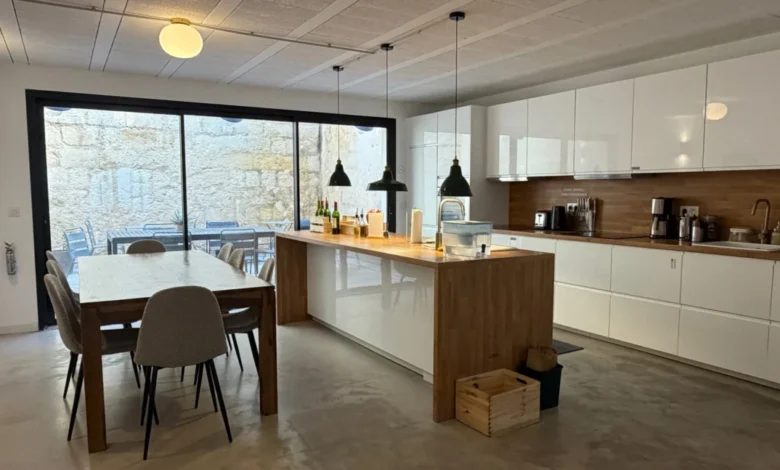
Each Outsite location is thoughtfully designed to cater specifically to the needs of remote workers. Guests book private bedrooms, most of which include en-suite bathrooms, providing a crucial balance of privacy and comfort. For those on a tighter budget, some rooms offer shared bathroom facilities with just one other occupant. Beyond the private quarters, the communal spaces are a defining feature. Properties typically boast expansive, beautifully furnished living areas, fully-equipped chef’s kitchens that surpass the capabilities of most individual Airbnb rentals, and inviting outdoor spaces like patios, and in many locations, roof decks or swimming pools.
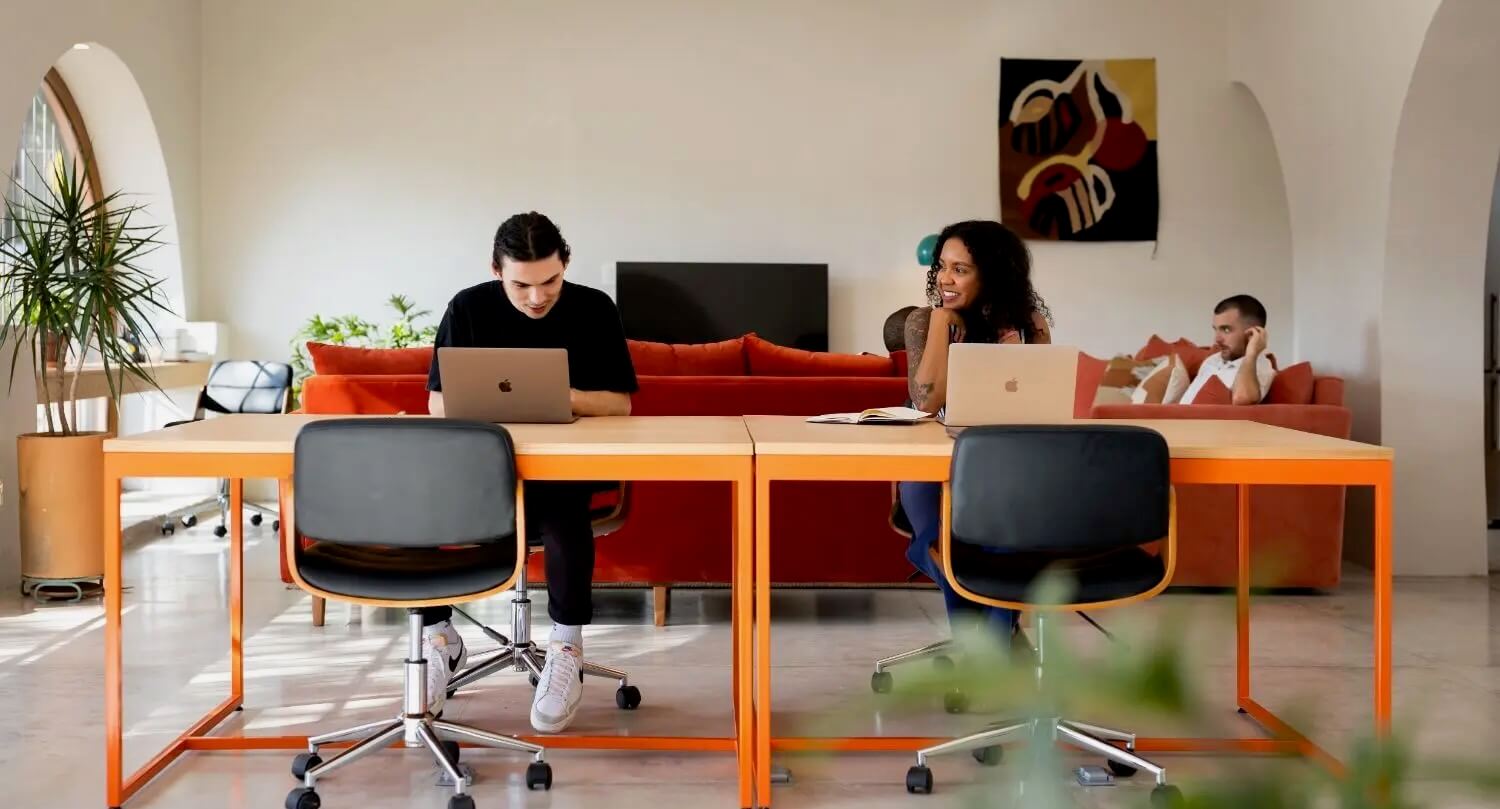
A cornerstone of the Outsite experience is the integrated coworking facility within each property. These dedicated zones are equipped with ergonomic chairs, ample power outlets, external monitors for enhanced productivity, and enterprise-grade, high-speed Wi-Fi—a critical differentiator from less reliable alternatives. This setup allows members to transition effortlessly from their private rooms to a professional workspace, fostering deep focus and efficiency.
Perhaps the most compelling aspect of the Outsite model is its emphasis on community. Every location is staffed by a dedicated Community Manager, whose role extends beyond mere logistical support. Before arrival, guests are integrated into local WhatsApp groups, facilitating immediate connection with fellow residents. The Community Managers are instrumental in organizing a diverse calendar of weekly events, designed to foster social interaction and cultural immersion. These activities can range from family-style dinners and group weekend excursions to local culinary tours, such as Friday night tapas crawls, and wellness sessions like morning yoga. This structured approach to community building directly addresses the isolation often associated with remote work, creating an environment where shared experiences and professional networking naturally flourish.
The Member Experience: A Refined Approach to Digital Nomadism
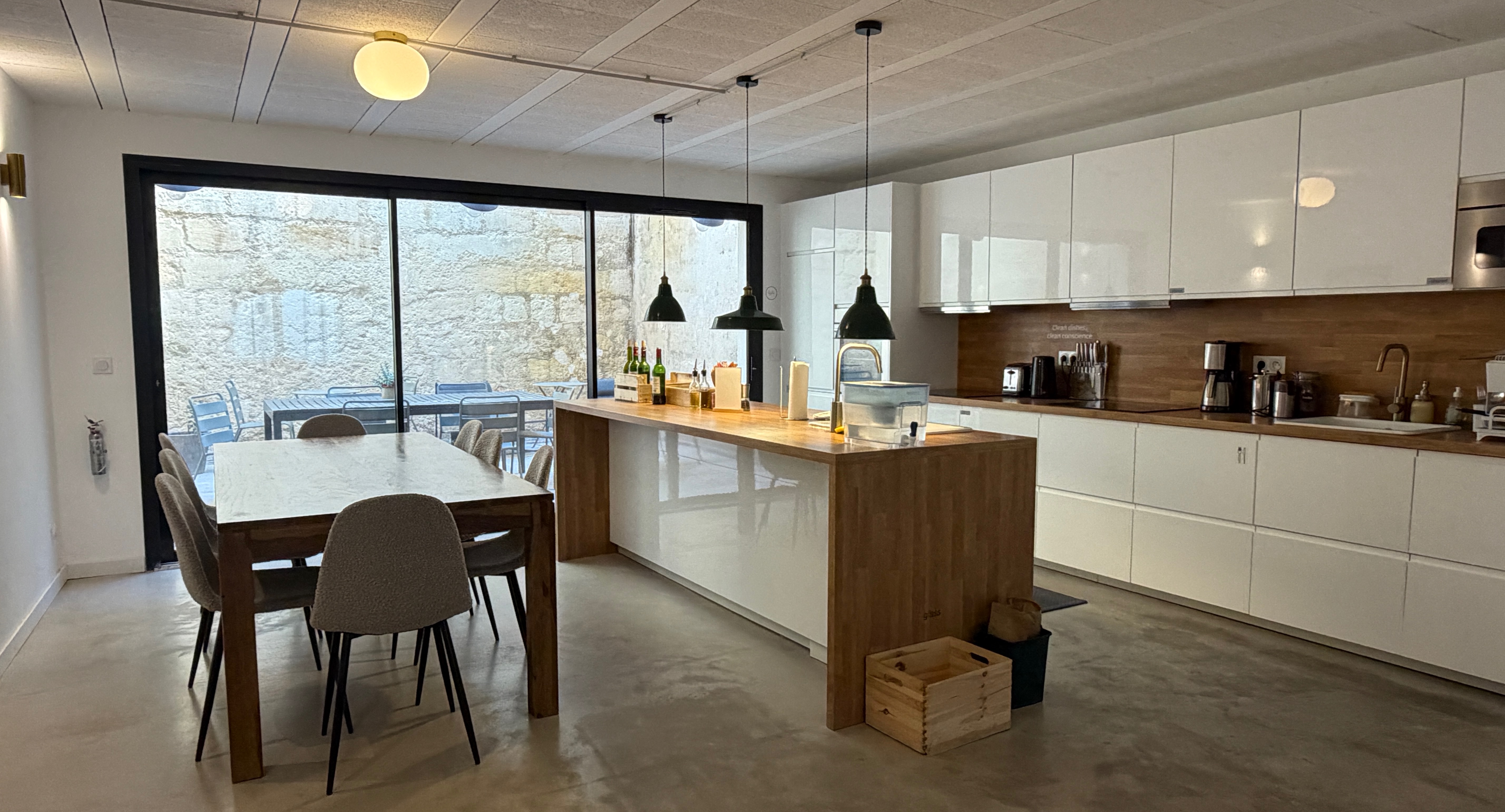
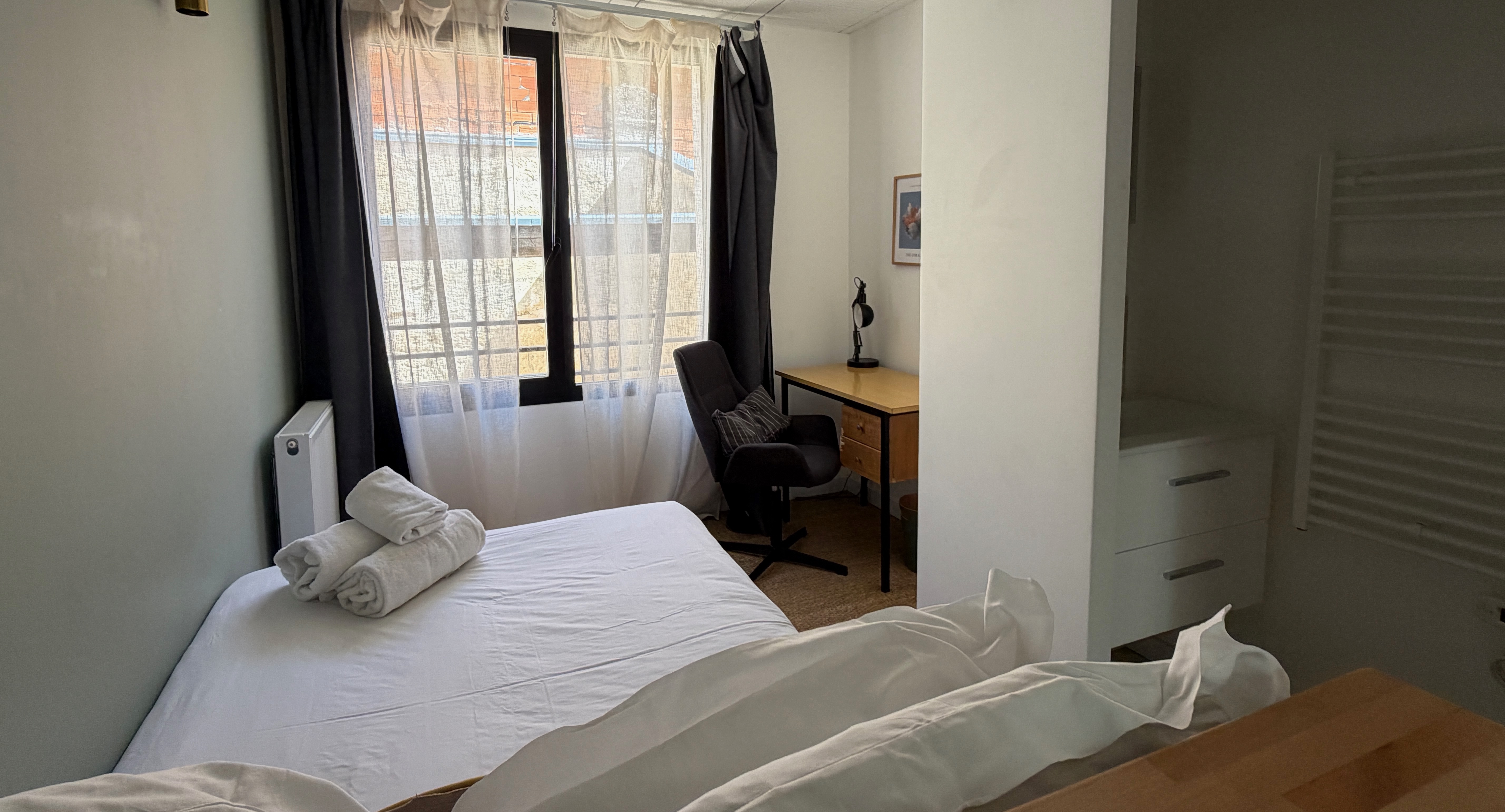
Feedback from members, exemplified by recent stays in locations such as Bordeaux, consistently highlights the superior quality of Outsite’s properties. The accommodations are characterized by modern furnishings, comfortable workspaces, and practical amenities like laundry facilities and often a small on-site gym. Private rooms are typically well-appointed, featuring dedicated desks, comfortable beds, and bathrooms known for excellent water pressure. The shared kitchens are meticulously maintained, with daily cleaning services, offering vast counter space and high-quality appliances, often surpassing what one might find in a personal residence. Complimentary coffee and tea are standard provisions, adding a thoughtful touch.
The design philosophy behind Outsite properties is another frequently praised element. Spaces are intentionally crafted to maximize natural light, incorporate biophilic elements like plants, and showcase local art. This deliberate aesthetic creates an atmosphere that feels both professional and homely, a stark contrast to the often-sterile environment of corporate hotels. It evokes a sense of staying in a well-appointed home, fostering comfort and inspiring productivity.
However, for many members, the primary draw remains the robust community aspect. In a lifestyle where professional peers are often dispersed globally, Outsite provides a physical hub where like-minded individuals converge. Unlike traditional hostels, where travelers might struggle to understand the demands of remote work, Outsite residents share a common purpose: to work effectively while exploring new destinations. This shared understanding creates an immediate bond and a supportive environment. The organized social events, facilitated by the Community Manager, are instrumental in transforming temporary residents into a cohesive, albeit transient, community, facilitating both professional connections and genuine friendships. The average length of stay, often two weeks or more in many locations, further allows for deeper connections to form.
Economic and Social Implications
The rise of platforms like Outsite has broader implications for both local economies and the global social fabric. For host cities and regions, the influx of digital nomads represents a new segment of tourism and residential spending. These individuals often seek longer stays than traditional tourists, contributing more consistently to local businesses, from grocery stores and restaurants to local service providers. This can lead to a more stable form of tourism income, less susceptible to seasonal fluctuations.
Socially, co-living spaces foster a unique form of cultural exchange. Bringing together professionals from diverse backgrounds and nationalities within a shared living and working environment encourages cross-cultural understanding and collaboration. This can lead to the formation of global networks that transcend traditional geographic boundaries, fostering innovation and mutual support among an international cohort of professionals.
Navigating the Landscape: Considerations and Future Outlook
While Outsite offers a compelling solution, it is important to acknowledge certain considerations. Firstly, it is positioned as a premium offering, distinct from budget-friendly backpacker accommodations. The cost reflects the provision of private rooms, professional workspaces, and curated community experiences. However, when weighed against the combined expense of an Airbnb rental and a separate coworking space membership, Outsite can often present a more economical and integrated solution.
Secondly, the popularity of Outsite’s most desirable locations means that spontaneity can be limited. Prime properties in sought-after destinations, such as Lisbon in July or Costa Rica in January, often require bookings months in advance. This necessitates a degree of planning that might contrast with the perceived freedom of the digital nomad lifestyle.
Looking ahead, the model pioneered by Outsite is likely to continue evolving. As remote work becomes increasingly embedded in global economies, the demand for sophisticated, community-focused solutions will only grow. Challenges such as navigating diverse local housing regulations, maintaining consistent quality across a rapidly expanding portfolio, and ensuring accessibility for a broader range of remote workers will be key to sustained success. The company’s approach to addressing common queries, such as the minimum age (18+, some 21+) and the general no-pet policy due to shared living environments, reflects a careful consideration of the communal experience. The demographic of guests, primarily working professionals in their late 20s, 30s, and 40s, also indicates a targeted approach that distinguishes it from more youth-oriented travel accommodations.
In conclusion, Outsite stands as a testament to the transformative power of adaptable business models in response to evolving societal needs. By meticulously addressing the core challenges of work-life balance, productivity, and social connection for digital nomads, it has carved out a significant niche in the future of work and travel. It offers a unique blend of comfort, professional efficacy, and genuine community, empowering location-independent professionals to pursue their careers and explore the world without compromise. The platform not only provides a physical space but also cultivates a vital social infrastructure, enabling individuals to thrive professionally and personally in an increasingly interconnected yet often isolating globalized world.