Liverpool, a city synonymous with maritime history, groundbreaking music, and passionate football, serves as an exceptional cultural hub in northern England. While its historic Albert Docks, the immersive Beatles Museum, and the hallowed grounds of Anfield Football Club offer abundant attractions, the city’s strategic geographical placement also positions it as an ideal launchpad for exploring a diverse array of captivating destinations. From rugged coastlines and ancient Roman cities to tranquil national parks and vibrant urban centres, the surrounding region presents a wealth of day trip opportunities accessible by car, bus, boat, or train, catering to families, couples, and solo adventurers alike. This guide delves into fifteen premier excursions, underscoring Liverpool’s role as a gateway to Northern England’s rich tapestry of history, nature, and culture.
Urban Escapes: Cities of History and Innovation
Liverpool’s connectivity to other major urban centres makes inter-city exploration a cornerstone of its day trip appeal. Two prominent examples, Manchester and Chester, highlight this ease of access and the distinct character of each destination.
1. The Industrial Heartbeat: City of Manchester
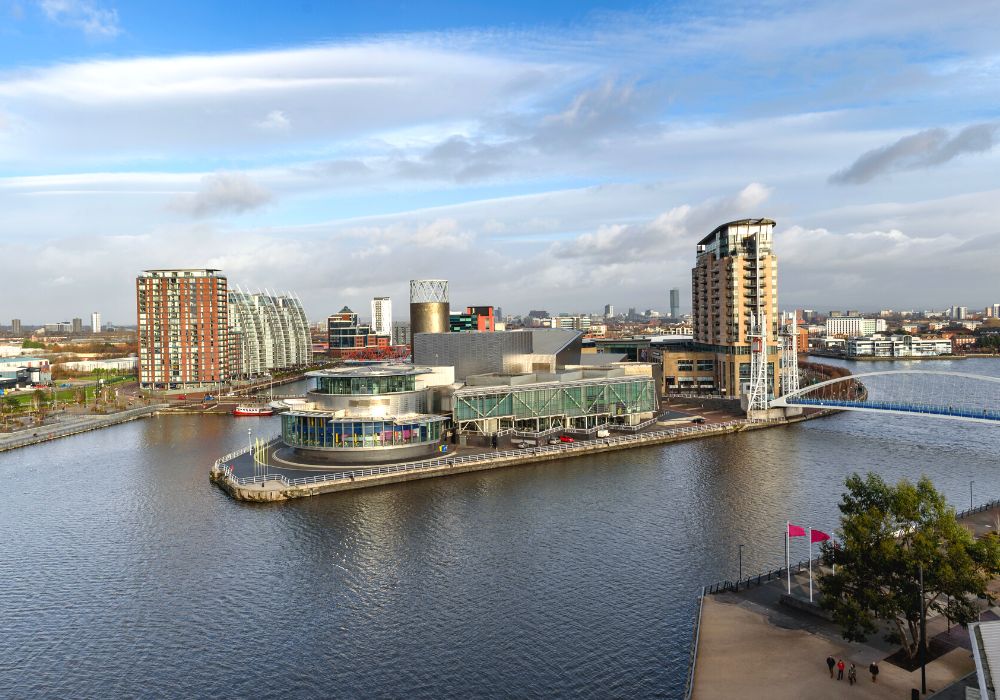
Just over 30 minutes by high-speed train from Liverpool Lime Street station, Manchester stands as a testament to industrial innovation and cultural resurgence. Once a global leader in the textile industry, Manchester spearheaded the Industrial Revolution, its canals and mills forming the backbone of a new era. Today, it rivals Liverpool in its vibrant cultural scene, particularly its enduring musical legacy. The city was the epicentre of the Hacienda Club and Factory Records, pivotal in shaping post-punk and rave culture, influencing bands like Joy Division, New Order, and The Smiths.

Beyond music, Manchester boasts an impressive array of museums and galleries. The Manchester Art Gallery houses extensive collections, from Pre-Raphaelite masterpieces to contemporary works. The Science and Industry Museum, located in the world’s oldest surviving passenger railway station, explores Manchester’s rich industrial and scientific heritage. Sports enthusiasts can visit the iconic Old Trafford, home to Manchester United, or the modern Etihad Stadium, home of Manchester City. A canal and river cruise offers a unique perspective on the city’s regenerated waterways and historic architecture, reflecting Manchester’s transition from an industrial powerhouse to a modern, dynamic metropolis. With frequent train services connecting the two cities, Manchester is an effortlessly accessible and enriching day trip, showcasing Northern England’s dual identity of historical depth and contemporary dynamism.
2. Roman Legacies: City of Chester
Approximately 30 miles south of Liverpool, the historic city of Chester offers a journey back in time. Founded in the 1st century AD as Deva Victrix, a significant Roman fortress, Chester retains the most complete Roman and medieval city walls in Britain. Walking these ancient ramparts provides panoramic views of the city, offering glimpses into its layered past. The unique "Chester Rows" – a distinctive architectural feature of two-tiered covered walkways with shops at both street and first-floor levels – present a picturesque and unique shopping experience that dates back to the medieval period.
Chester Cathedral, a magnificent edifice with a history spanning over 1,000 years, showcases Norman and Gothic architecture. The River Dee, which once served as a vital trade route, now offers recreational activities like kayaking, providing a different vantage point of the city’s charming riverside. Culinary offerings range from traditional British fare to modern, seasonal menus, reflecting Chester’s blend of ancient heritage and modern vibrancy. The convenience of direct train services from Liverpool Lime Street, taking just 44 minutes, makes Chester an indispensable day trip for those seeking to immerse themselves in Roman and medieval British history.
3. Yorkshire’s Historic Gem: City of York
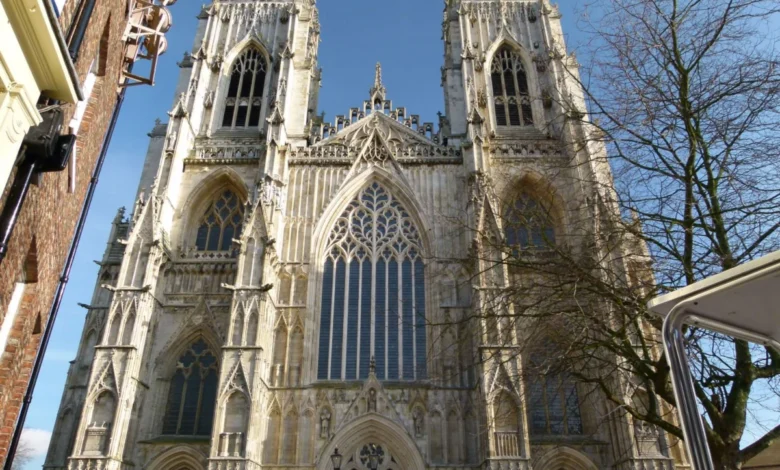
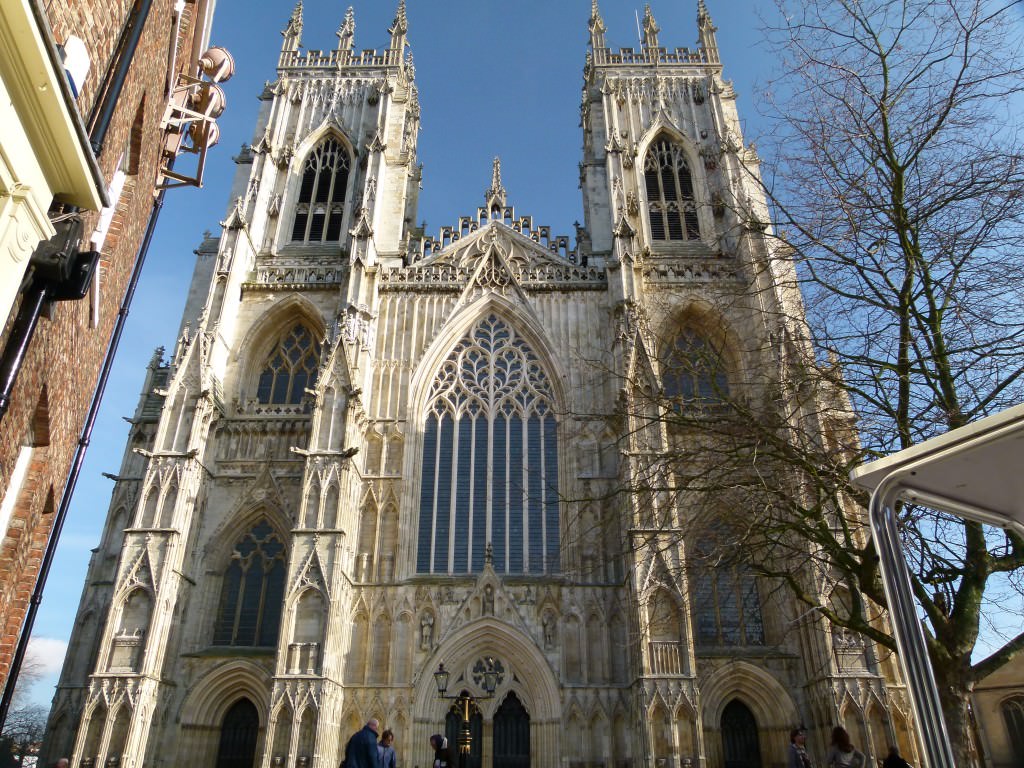
Further afield, approximately two hours northeast of Liverpool by train, lies York, a city often lauded as one of Northern England’s most beautiful. Its history stretches back to Roman times (Eboracum), through the Viking era (Jorvik), and into the medieval period, leaving an indelible mark on its architecture and character. The majestic York Minster, one of Europe’s largest Gothic cathedrals, dominates the skyline, boasting intricate stained-glass windows and awe-inspiring architecture.
The city’s perfectly preserved medieval walls invite visitors for a leisurely stroll, offering elevated views of the city. The Shambles, a narrow, cobbled street lined with overhanging timber-framed buildings, is famously picturesque and said to be the inspiration for Diagon Alley in the Harry Potter series. The Jorvik Viking Centre provides an immersive experience into the city’s Viking past, while the York Chocolate Story celebrates the city’s rich chocolate-making heritage, home to Rowntree and Terry’s. York’s vibrant pub scene, with historic establishments like the King’s Arms by the River Ouse and the quirky Fat Badger, adds to its charm. York offers a deep dive into English history and culture, making it a highly rewarding day trip despite the slightly longer travel time.
4. Bradford: Industrial Heritage and Cultural Evolution
Located 60 miles east of Liverpool in West Yorkshire, Bradford presents a compelling day trip for those interested in England’s industrial heritage and contemporary cultural scene. Once the "wool capital of the world," Bradford played a pivotal role in the Industrial Revolution. Its architectural landscape reflects this prosperity, with grand Victorian buildings showcasing its past wealth. Today, Bradford is recognized as the world’s first UNESCO City of Film, celebrating its rich cinematic history and ongoing contributions to the film industry.
Key attractions include Salts Mill, a magnificent Victorian textile mill that has been imaginatively repurposed into an arts complex, featuring a gallery dedicated to David Hockney, shops, and restaurants. Bradford Cathedral, a beautiful example of English Gothic architecture, offers a serene contrast to the city’s industrial past. The Broadway shopping centre provides modern retail therapy, while the city’s diverse population has cultivated a renowned culinary scene, particularly its status as a "Curry Capital." Although requiring a change of trains via Manchester, the journey unveils a different facet of Northern England’s urban narrative, highlighting regeneration and cultural innovation.
Coastal Vistas and Natural Wonders
The proximity of Liverpool to stunning coastlines and designated national parks offers myriad opportunities for nature enthusiasts and those seeking fresh air and scenic beauty.
5. Crosby Beach and Another Place
Just 7 miles north of Liverpool, Crosby Beach is easily accessible and offers a unique artistic and natural experience. This expansive stretch of coastline is home to "Another Place," a striking art installation by acclaimed British artist Antony Gormley. Comprising 100 cast-iron figures modelled on the artist’s own body, the statues are spread along 2.5 miles of beach and extend almost 1 km out to sea, appearing and disappearing with the shifting tides and seasons. This evocative work prompts contemplation on humanity’s relationship with nature and the vastness of the sea.

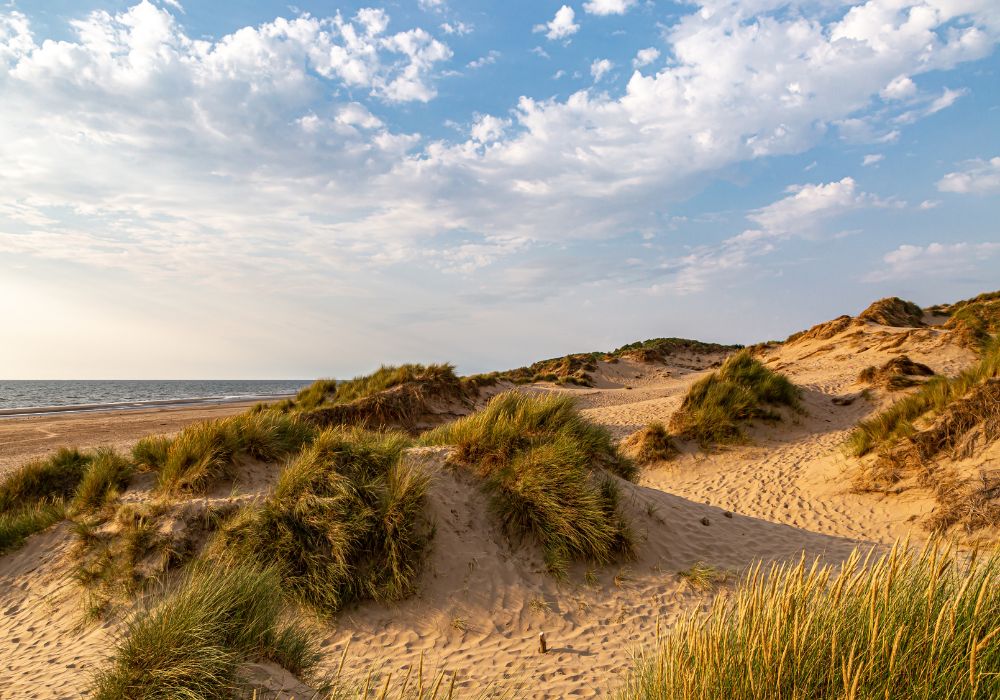
The golden sands and dunes of Crosby are perfect for walking and enjoying the coastal landscape. While the powerful currents make swimming inadvisable, the beach offers ample space for picnics and leisurely strolls. The adjacent promenade features a boating lake and various amenities, providing a quintessential British seaside experience within a stone’s throw of the city. As part of the Sefton Coast, a designated Site of Special Scientific Interest (SSSI), Crosby Beach is also important for its ecological value, providing habitats for various coastal flora and fauna.
6. Formby’s Red Squirrels and Dunes
A mere 12 miles north of Liverpool, the charming coastal town of Formby offers a blend of natural beauty and ecological significance. Managed by the National Trust, Formby’s dramatic sand dunes, vast sandy beaches, and mature pine forests are a haven for wildlife. It is one of the few remaining strongholds for the endangered red squirrel in England, with dedicated conservation efforts in place. Visitors can often spot these elusive creatures scampering through the pine trees, alongside other rare species like sand lizards and natterjack toads, reinforcing the area’s SSSI designation.
The expansive beach is ideal for long walks, sunbathing, and exploring the dynamic coastal landscape, which also reveals the remnants of ancient shipwrecks at low tide, hinting at centuries of maritime activity. The town itself offers a pleasant diversion with its boutique shops, cafes, and restaurants. Frequent train services from Liverpool Central make Formby an effortless and rewarding day trip for nature lovers and those seeking serene coastal walks.
7. Riding the Iconic Mersey Ferry
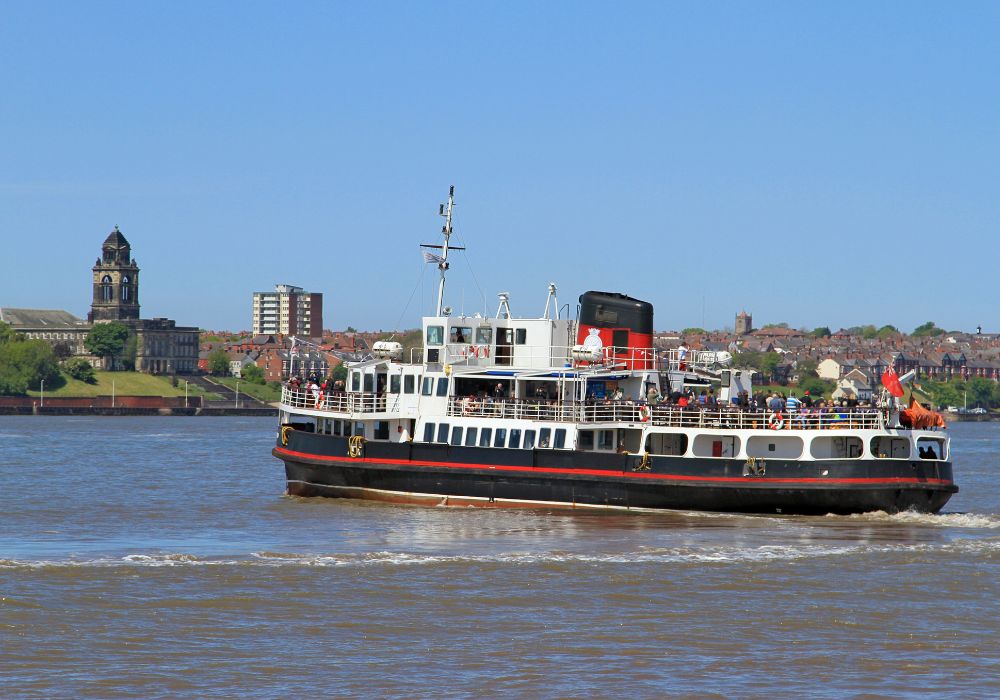
A quintessential Liverpool experience, a journey on the Mersey Ferry is both a mode of transport and a captivating tour. Immortalized by Gerry and the Pacemakers’ song "Ferry Cross the Mersey," this iconic ferry service offers unparalleled views of Liverpool’s majestic skyline, including the Royal Liver Building and the city’s impressive cathedrals. The 30-minute crossing from Liverpool Gerry Marsden terminal to Seacombe on the Wirral Peninsula opens up a new realm of exploration.
The Wirral Peninsula itself boasts a wealth of attractions. Birkenhead Park, opened in 1847, holds the distinction of being the world’s first publicly funded park and famously inspired New York’s Central Park. Port Sunlight, an enchanting model village built by William Hesketh Lever for his soap factory workers, offers a fascinating glimpse into Victorian social reform and charming architecture. The 200-acre North Wirral Coastal Park provides extensive sandy beaches and coastal paths, perfect for hiking, cycling, and horse riding, showcasing the diverse recreational opportunities available just across the estuary. The hop-on, hop-off nature of the ferry ticket allows for flexible exploration, making it a highly recommended day trip by boat.
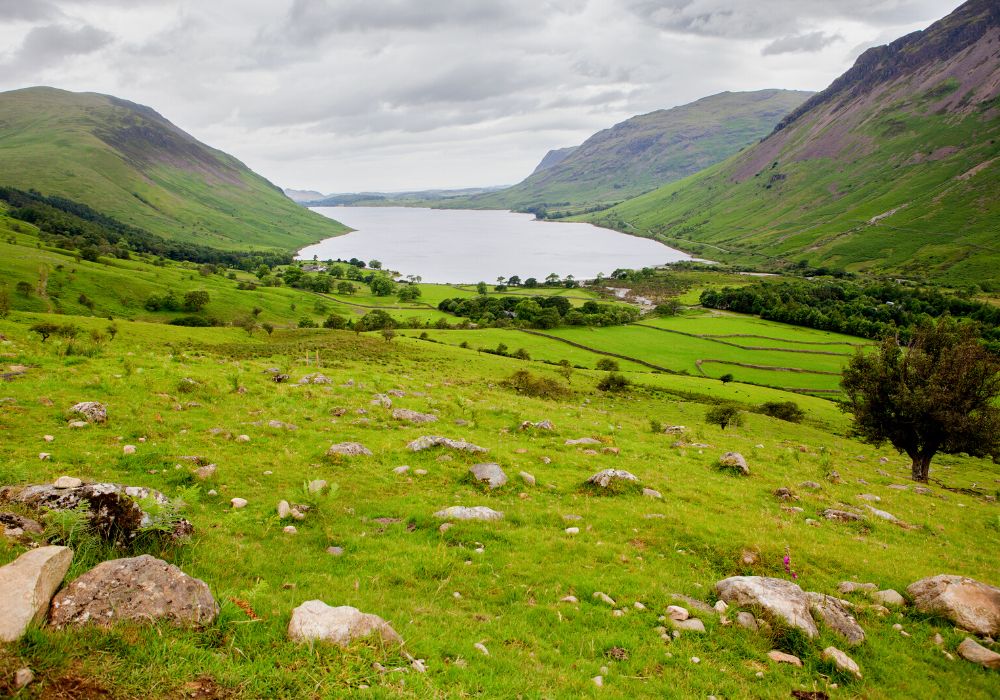
8. The Lake District: England’s Scenic Masterpiece
Recognized as a UNESCO World Heritage Site, the Lake District National Park, located approximately two hours north of Liverpool, represents some of England’s most breathtaking natural beauty. Characterized by dramatic fells, serene glacial lakes, and picturesque valleys, it is the largest National Park in England and a sanctuary for outdoor enthusiasts.
Lake Windermere, the largest natural lake in England, offers boat trips that provide stunning perspectives of the surrounding landscape. The region is crisscrossed with numerous hiking trails catering to all abilities, from gentle lakeside strolls to challenging mountain ascents. The Lake District is also deeply intertwined with English literary history, being the former home and inspiration for poets like William Wordsworth and beloved children’s author Beatrix Potter. Visitors can explore their former residences and museums, such as Hill Top, Potter’s 17th-century farmhouse. Charming villages like Kendal, with its ancient high street and artisan shops, and Hawkshead, offer delightful opportunities for sampling local cuisine in rustic country pubs. While accessible by train to Oxenholme, a car or an organized tour from Liverpool is highly recommended to fully appreciate the park’s expansive beauty and diverse attractions.
9. The Expansive Beauty of Yorkshire
Often proclaimed "God’s Own Country" by its proud residents, the county of Yorkshire, two hours northeast of Liverpool, offers a dramatic escape into nature. Home to two National Parks – the North York Moors and the Yorkshire Dales – the region is characterized by rolling hills, expansive moorland, ancient forests, and picturesque stone villages.
The Bronte sisters’ home in Haworth is a site of literary pilgrimage, offering insights into the lives and inspirations of these renowned novelists. The region’s culinary heritage is celebrated, with opportunities to sample artisanal products like the famous Wensleydale Cheese. Architectural marvels such as the Ribblehead Viaduct, a stunning feat of Victorian engineering nestled in the Dales, add to the visual splendor. For those seeking active pursuits, the Dales and Moors provide endless hiking and cycling opportunities amidst some of England’s most iconic landscapes. Organized day tours from Liverpool offer a convenient way to experience the vast and varied beauty of this remarkable county.
Seaside Fun and Cultural Icons
Beyond historical cities and national parks, Liverpool’s surrounding areas offer a mix of nostalgic seaside resorts and sites of profound cultural significance.
10. Blackpool: The Quintessential British Seaside
Approximately one hour north of Liverpool, Blackpool is the epitome of the traditional British seaside resort, offering a vibrant and family-friendly day out. Famous for its Pleasure Beach, an amusement park boasting a thrilling array of rides, Blackpool promises high-octane entertainment. The iconic Blackpool Tower, inspired by the Eiffel Tower, offers magnificent panoramic views of the coastline from its Eye, alongside a grand ballroom and a circus.
Blackpool’s extensive sandy beaches are perfect for classic seaside activities, from building sandcastles to enjoying traditional fish and chips on the promenade. The annual Blackpool Illuminations, a spectacular light show, extends the tourist season into the autumn. Its historical evolution from a small fishing village to a major Victorian holiday destination speaks to its enduring appeal. With frequent direct train services from Liverpool, Blackpool remains a beloved destination for nostalgic charm and exhilarating fun.
11. Southport: Elegant Coastal Charm
Just 20 miles north of Liverpool, Southport offers a more genteel seaside experience compared to its northern neighbour, Blackpool. This elegant Victorian resort town boasts 22 miles of coastline, featuring golden sands, beautiful dunes, and stunning clifftop walks. Southport Pier, the second-longest in Britain, offers panoramic views and a traditional pier tram, leading to a pavilion with amusements.
Lord Street, a tree-lined boulevard featuring Victorian architecture, provides a sophisticated shopping experience with independent boutiques and high-street brands. The town is also renowned for its golf courses, including Royal Birkdale, a frequent host of The Open Championship. King’s Gardens and the boating lake provide serene spaces for relaxation and recreation. Southport combines natural coastal beauty with refined Victorian elegance, offering a tranquil yet engaging day trip accessible by direct train or a short drive from Liverpool.
12. Strawberry Fields: A Beatles Pilgrimage
For fans of The Beatles, a visit to Strawberry Fields, located in the south of Liverpool, is a poignant pilgrimage. Immortalized in John Lennon’s iconic song "Strawberry Fields Forever," this site was formerly a Salvation Army children’s home adjacent to where Lennon grew up. Today, it has been transformed into a visitor centre, garden, and exhibition, offering a deep dive into Lennon’s childhood, the home’s history, and the song’s inspiration.
The exhibition features fascinating artefacts, including John Lennon’s piano on which he composed "Imagine," and interactive displays that narrate the story of the children’s home and its connection to the Salvation Army’s charitable work. Visitors can explore the beautifully landscaped gardens that Lennon himself roamed as a child, reflecting on the profound influence this place had on his creativity. A dedicated cafe and souvenir shop complete the experience. Accessible by local bus or via specialized Beatles coach tours from central Liverpool, Strawberry Fields provides an intimate and emotional connection to one of the 20th century’s most influential musicians.
13. Peaky Blinders Tour: Stepping into the 1920s
Fans of the acclaimed BBC series "Peaky Blinders" can embark on a unique half-day tour that explores the real-life historical context and filming locations around Liverpool. While the series is set in Birmingham, many scenes were filmed in Liverpool and the wider Merseyside area due to the city’s abundance of well-preserved Victorian and Edwardian architecture that authentically evokes early 20th-century industrial England.
This guided coach tour takes participants behind the scenes, offering insights into the actual Peaky Blinders gang, who operated in Birmingham in the late 19th and early 20th centuries, distinguishing between historical fact and fictionalized drama. Watching clips from the show at the very locations where they were filmed provides an immersive experience. The tour often includes sites in central Liverpool, the Wirral, and along the River Mersey, offering a fascinating blend of television history and local heritage. This specialized tour provides a compelling narrative for fans and history buffs alike, highlighting Liverpool’s versatility as a filming location and its rich architectural legacy.
14. Martin Mere Nature Reserve: A Wetland Wonderland
For a tranquil escape into nature, the Wildfowl & Wetlands Trust (WWT) Martin Mere Nature Reserve, located approximately 45 minutes north of Liverpool, offers an exceptional day out for all ages. Spanning 600 acres of diverse wetland habitats, it is a vital conservation area and a haven for a vast array of wildlife.

Visitors can explore numerous hides strategically placed around the reserve, offering prime opportunities to observe a wide variety of bird species, including geese, ducks, swans, and various birds of prey. The reserve is also home to mammals such as otters and beavers, with efforts focused on reintroducing and supporting these native species. Educational programs and interactive exhibits enhance the visitor experience, fostering a deeper understanding of wetland ecosystems and conservation. The Mere Side Cafe provides refreshments, while a gift shop offers nature-themed souvenirs. While accessible by train with a change at Southport, driving is often the most convenient way to reach this important ecological site, making it an ideal day trip for wildlife enthusiasts and families.
Regional Connectivity and Economic Impact
The diverse range of day trips available from Liverpool underscores the city’s pivotal role in the regional tourism economy. Its excellent transport infrastructure, including major rail links from Lime Street Station and Central Station, efficient road networks, and popular ferry services, facilitates easy access to these varied destinations. This connectivity not only enhances the visitor experience but also significantly contributes to the economic vitality of the wider North West of England, North Wales, and Yorkshire. Tourism to these sites supports local businesses, from hospitality and retail to conservation efforts and cultural institutions. Local tourism boards and authorities consistently highlight the synergistic relationship between Liverpool’s urban appeal and the natural and historical riches of its surrounding areas, advocating for integrated travel experiences that encourage longer stays and broader exploration of the region.
Conclusion
Liverpool’s standing as a vibrant cultural hub in Northern England is undeniable, offering an abundance of attractions within its city limits. However, its unparalleled geographical position transforms it into an even more compelling destination, serving as an excellent base for exploring a truly remarkable array of nearby towns, cities, national parks, and coastlines. From the historical depths of Roman Chester and Viking York to the dynamic industrial narratives of Manchester and Bradford, and from the artistic shores of Crosby Beach to the majestic fells of the Lake District and Snowdonia, the options for enriching day trips are vast and varied.
Whether seeking cultural immersion, historical exploration, or pristine natural beauty, the region surrounding Liverpool offers something to captivate every traveler. Factoring in a few of these exceptional excursions when planning a visit to England’s city of culture not only enhances the travel experience but also provides a deeper appreciation for the rich tapestry of Northern England’s heritage and landscapes. The ease of access, combined with the sheer diversity of experiences, firmly establishes Liverpool as a strategic and rewarding starting point for broader regional discovery.