Summer Tourism in Beaver Creek Colorado: A Comprehensive Guide to Alpine Adventure and Regional Economic Impact

Beaver Creek, Colorado, has long been recognized as a premier global destination for winter sports, yet its recent evolution into a high-end summer retreat reflects a broader shift in the Rocky Mountain tourism industry. As temperatures rise across the continental United States, alpine resorts like Beaver Creek have successfully transitioned into "four-season" hubs, offering a curated blend of outdoor adventure, luxury hospitality, and cultural programming. This transition is not merely a seasonal change in activities but a strategic economic pivot designed to stabilize regional labor markets and capitalize on the growing "coolcation" trend—where travelers seek high-altitude escapes to avoid extreme summer heat.
Strategic Location and Regional Accessibility
Situated in the heart of the Eagle River Valley, Beaver Creek is located approximately 10 miles west of Vail and 120 miles west of Denver. This positioning makes it a critical node in the Interstate 70 corridor’s tourism economy. The resort is accessible via two primary gateways: Denver International Airport (DIA), one of the busiest aviation hubs in the world, and Eagle County Regional Airport (EGE), which provides a more proximal entry point roughly 30 minutes from the village.
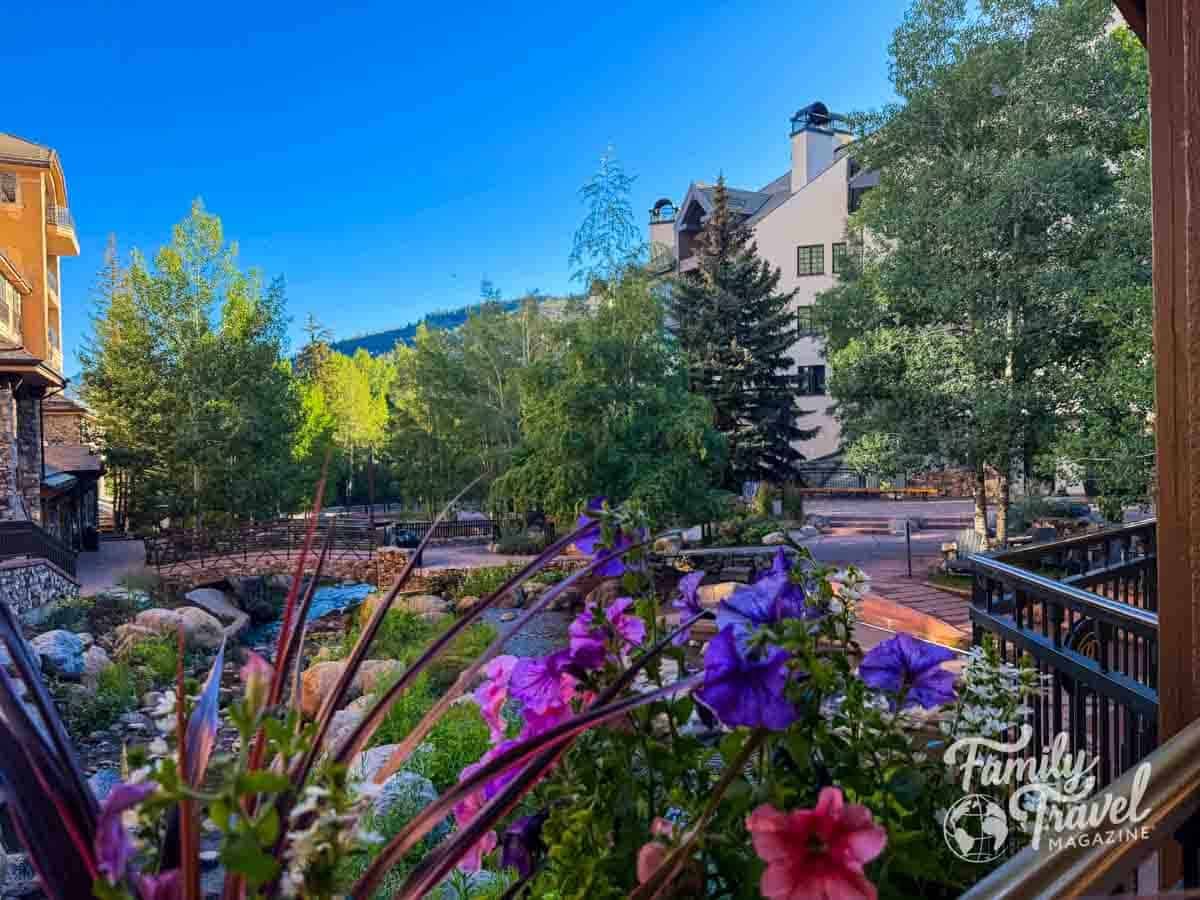
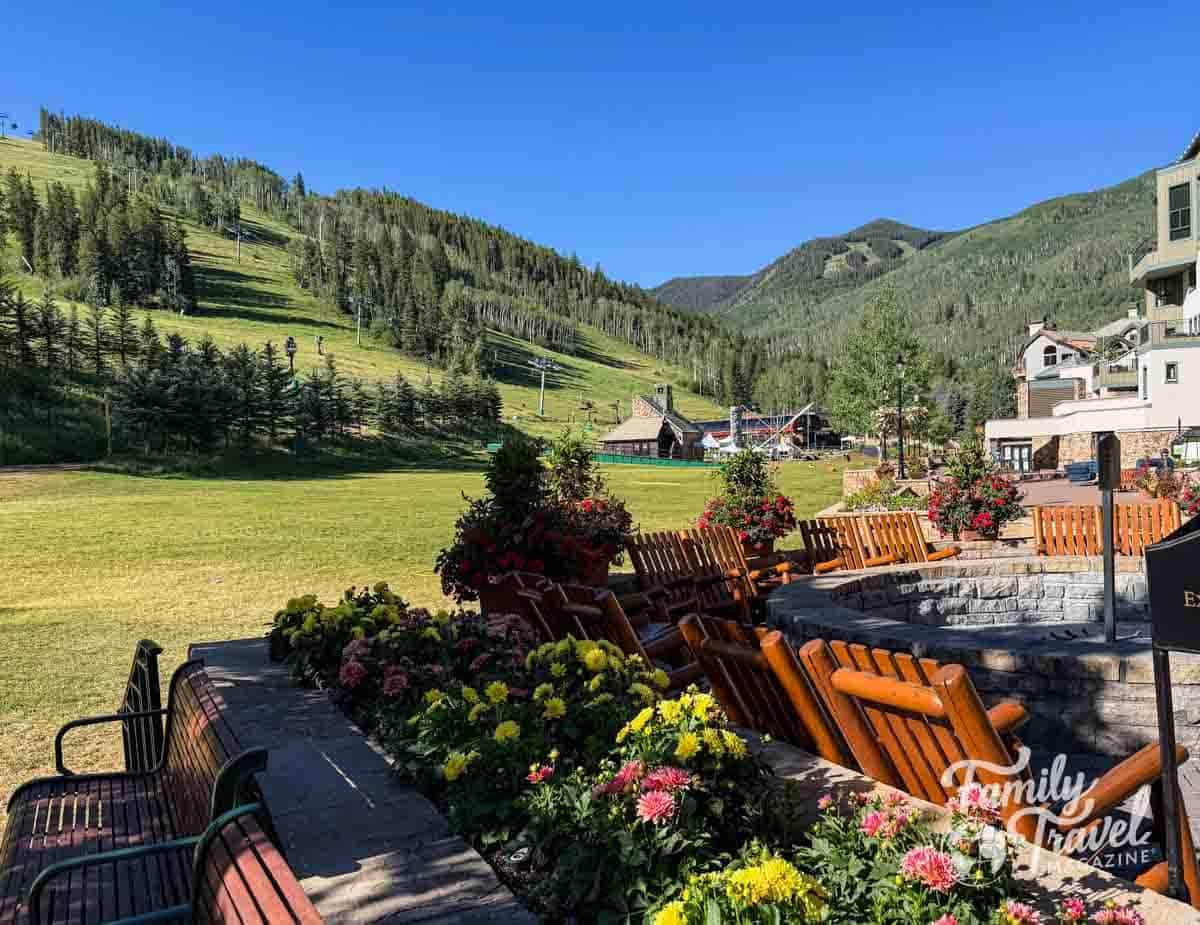
Logistical infrastructure plays a vital role in the resort’s summer success. Services such as the Epic Mountain Express provide shared and private shuttle options, facilitating a seamless transition from the urban environment of the Front Range to the alpine seclusion of the village. The village itself is designed with a pedestrian-centric layout, utilizing heated walkways and escalators to ensure high levels of walkability. This "car-free" design is a hallmark of the Beaver Creek brand, emphasizing a leisurely, family-friendly atmosphere that distinguishes it from more congested mountain destinations.
The Summer Adventure Center: A Hub for Mountain Recreation
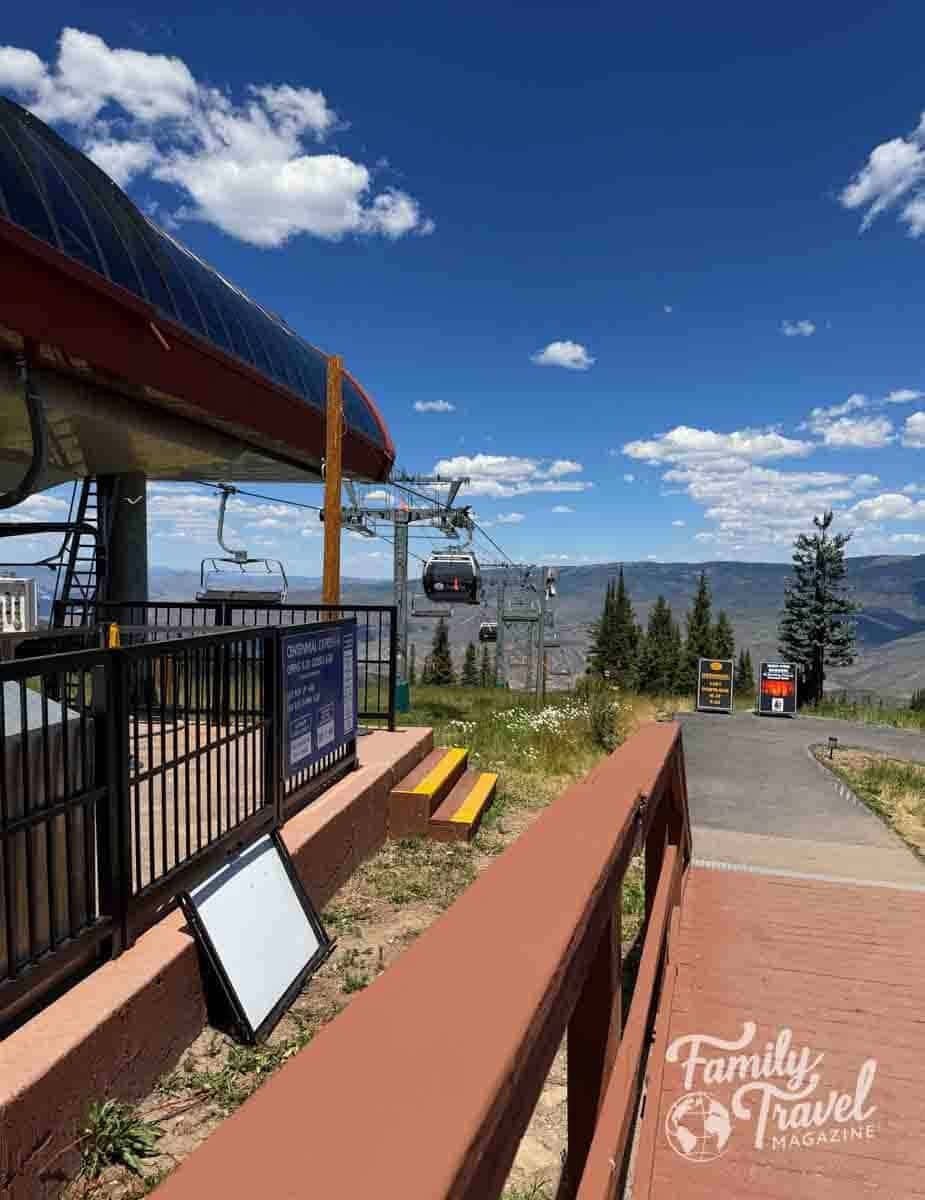
The operational heart of Beaver Creek’s summer season is the Summer Adventure Center, located at the base of the Centennial Express chairlift. This facility serves as the primary intake point for visitors engaging in mountain-based activities. The center manages a tiered ticketing system that allows for a customized recreational experience, ranging from single-activity passes to comprehensive "combo" tickets.
The infrastructure at the base of the mountain includes a variety of family-oriented installations:
- Bungee Trampolines and Climbing Walls: These facilities utilize professional-grade safety equipment and are subject to strict weight and height regulations to ensure participant safety.
- Gem Panning and Mini-Golf: These activities provide lower-intensity options for younger children, integrating educational elements about the region’s geological and mining history.
- Disc Golf: Located at the higher elevations of the mountain, this sport has seen a surge in popularity, providing a low-impact way to utilize ski slopes during the off-season.
High-Altitude Hiking and the Discovery Trail
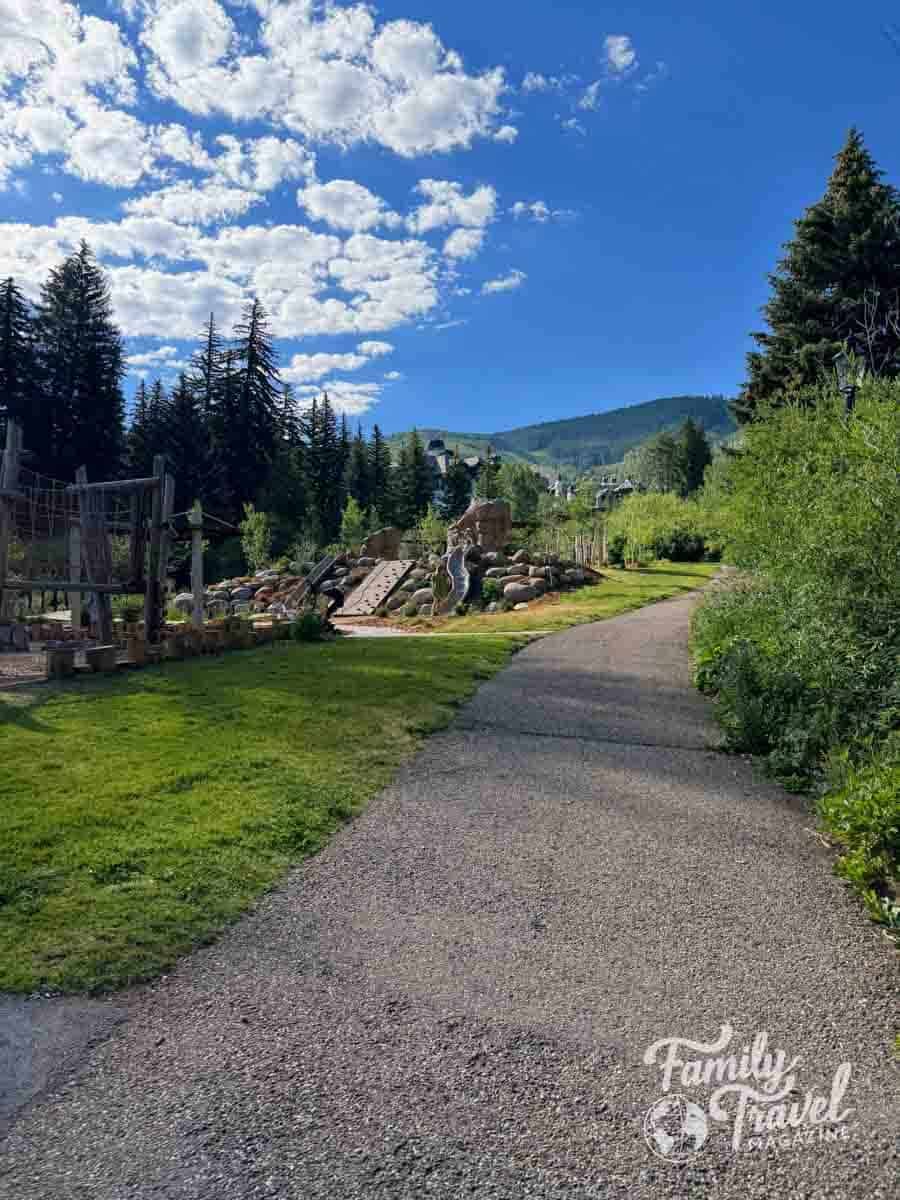
A cornerstone of the summer experience is the utilization of the Centennial Express, which operates as both a chairlift and a gondola during the summer months. This lift provides access to Spruce Saddle, located at approximately 10,200 feet above sea level. From this vantage point, visitors can access a network of trails that cater to varying skill levels.
The Discovery Trail, a 1.5-mile loop, is a primary attraction for families. It traverses an alpine environment that includes a "kids’ ghost town," providing a historical narrative to the hike. While rated as a beginner (green) trail, the physiological impact of the 8,000 to 10,000-foot elevation makes even moderate exercise more strenuous for visitors arriving from sea level. Analysts of mountain tourism note that such "active relaxation" is a primary draw for the modern luxury traveler, who seeks wellness-oriented vacations.
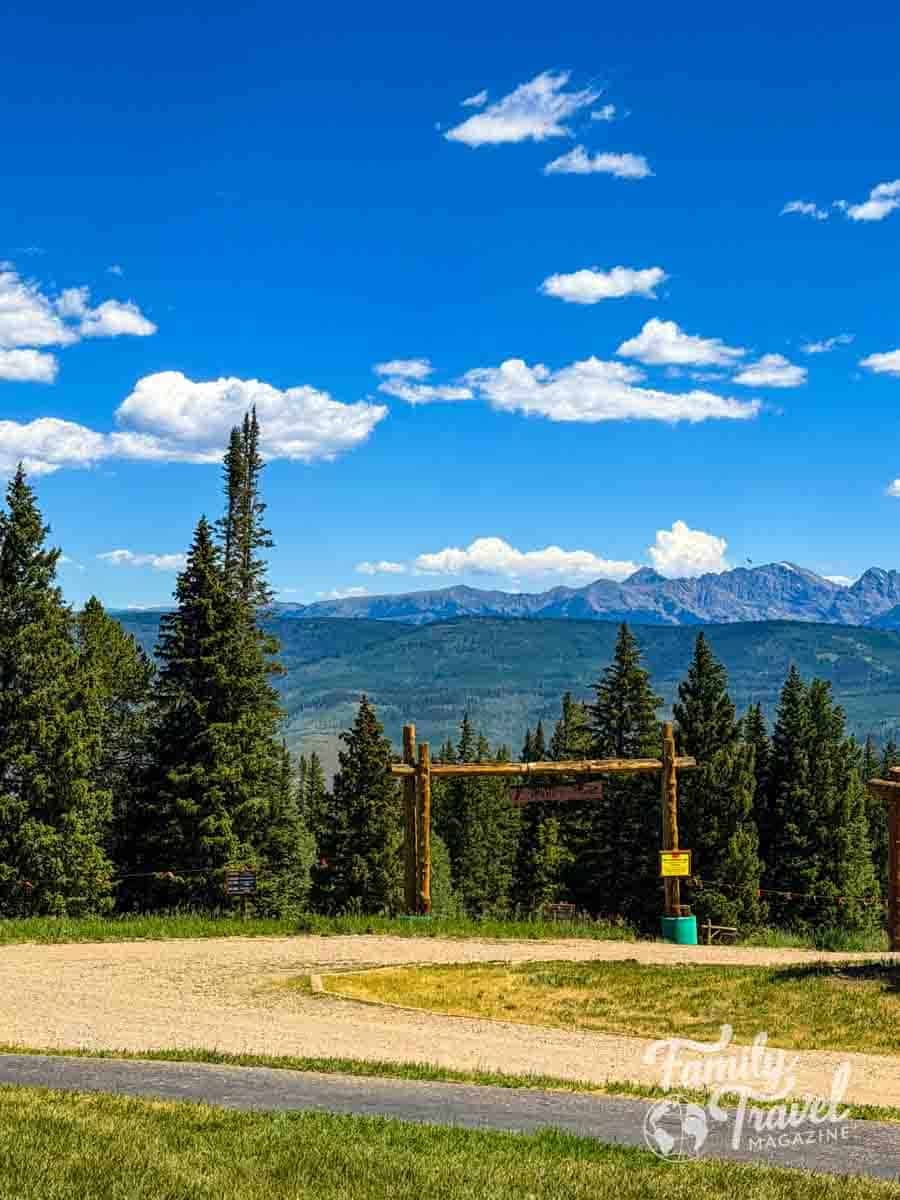
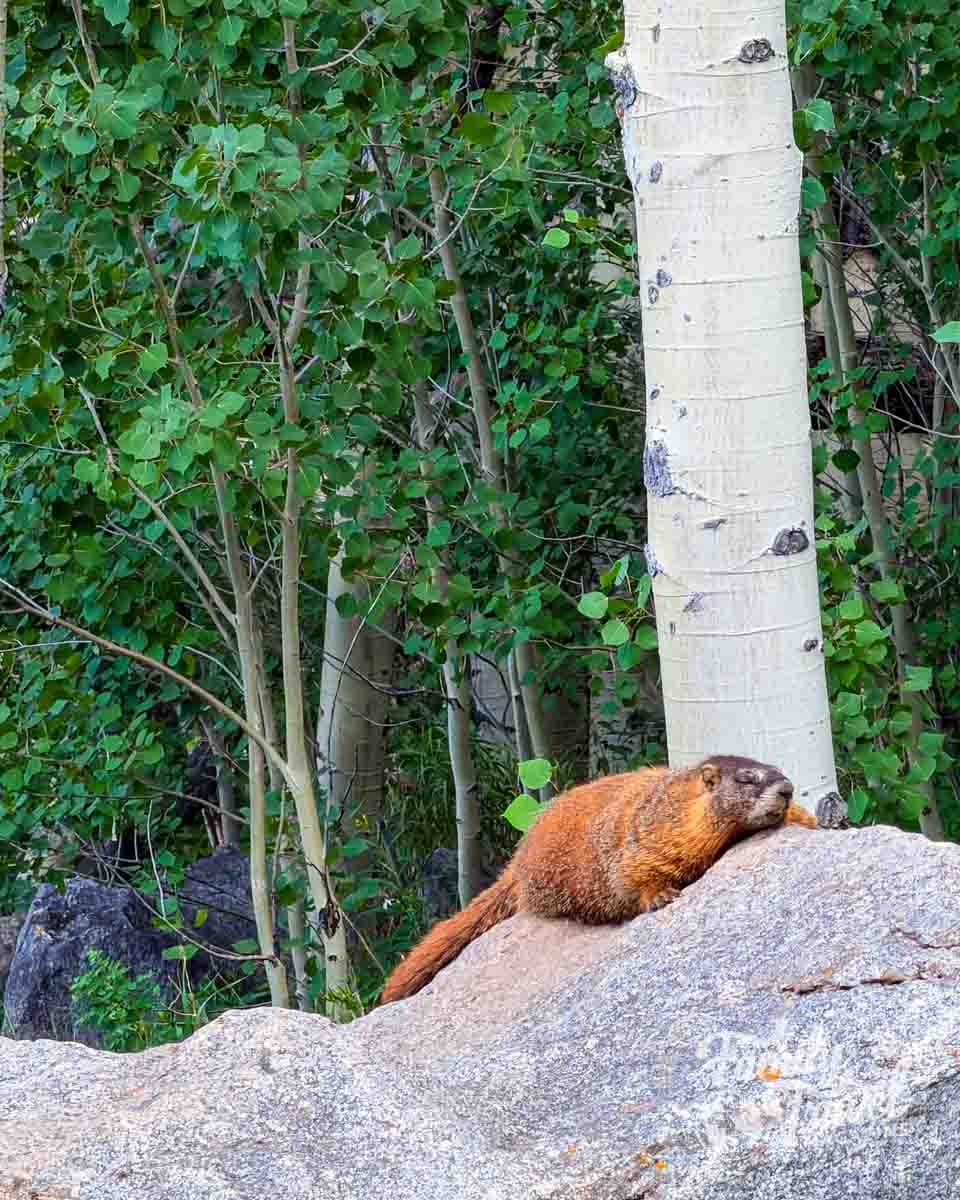
For those seeking a more structured experience, the resort offers guided nature hikes. These two-hour sessions are led by naturalists who provide context on the local ecosystem, focusing on the life cycles of aspen groves and the identification of indigenous wildflowers such as the Colorado Blue Columbine.
Mountain Biking and the E-Bike Evolution
The mountain biking sector has seen significant infrastructure investment. Beaver Creek Sports provides a fleet of rentals, including standard mountain bikes and the increasingly popular e-bikes. The inclusion of e-bikes has democratized mountain access, allowing less experienced cyclists to navigate the resort’s steep terrain. However, to maintain safety and trail integrity, the resort prohibits the use of kid carriers or bike trailers on mountain trails. The "bike haul" service on the gondola allows riders to access high-altitude trailheads without the initial vertical climb, a service that has become a standard requirement for competitive alpine resorts.
Cultural Programming and the Vilar Performing Arts Center
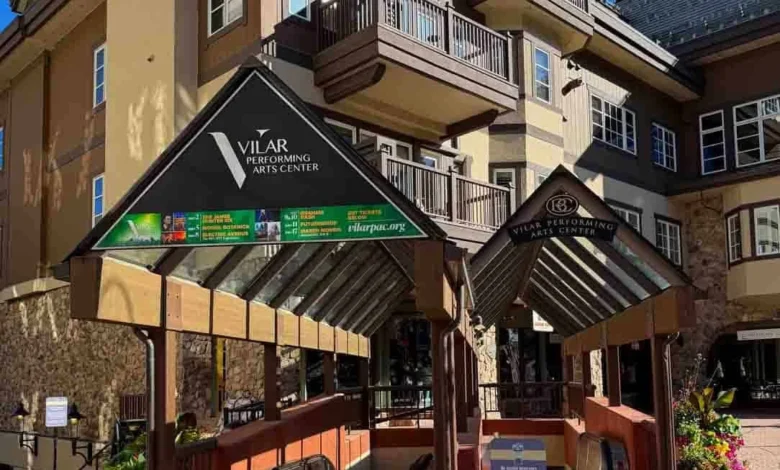
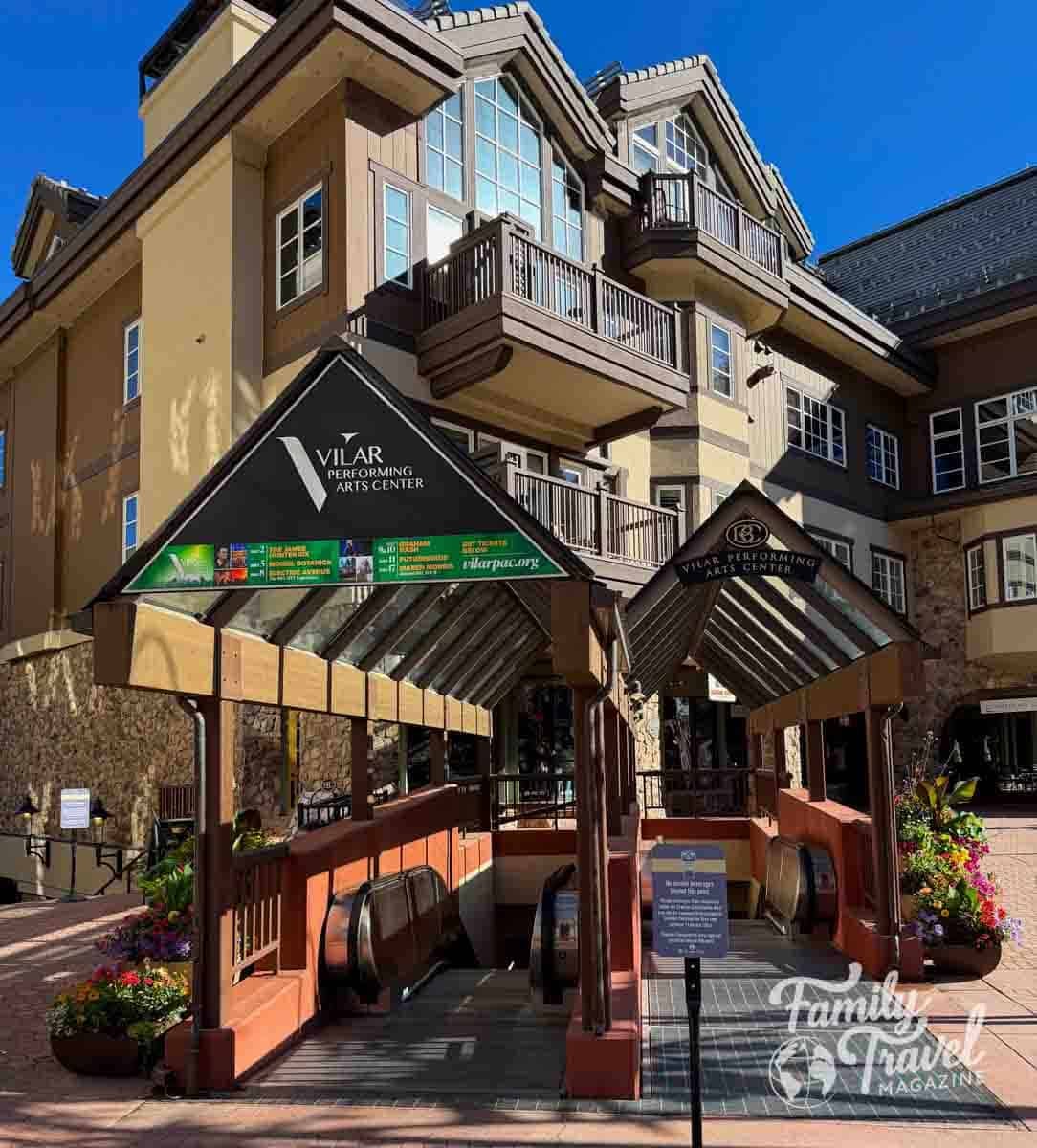
Economic diversification in Beaver Creek is heavily supported by cultural investments. The Vilar Performing Arts Center (VPAC), a 530-seat underground theater located beneath the village ice rink, serves as a year-round cultural anchor. During the summer, the VPAC hosts a variety of national touring acts and classical performances. The intimacy of the venue, combined with its high-end acoustics, allows the resort to attract legendary performers such as Graham Nash, thereby drawing a demographic that values sophisticated entertainment alongside outdoor recreation.
Furthermore, the village hosts free outdoor concert series on Thursdays and Saturdays. These events serve as a communal focal point, featuring both regional Colorado bands and national acts like the BoDeans. These performances are strategically timed to coincide with dining hours, driving foot traffic to local businesses and enhancing the "village vibe" that is central to the resort’s marketing strategy.
Youth and Teen Engagement: The Hawk’s Nest Cabin
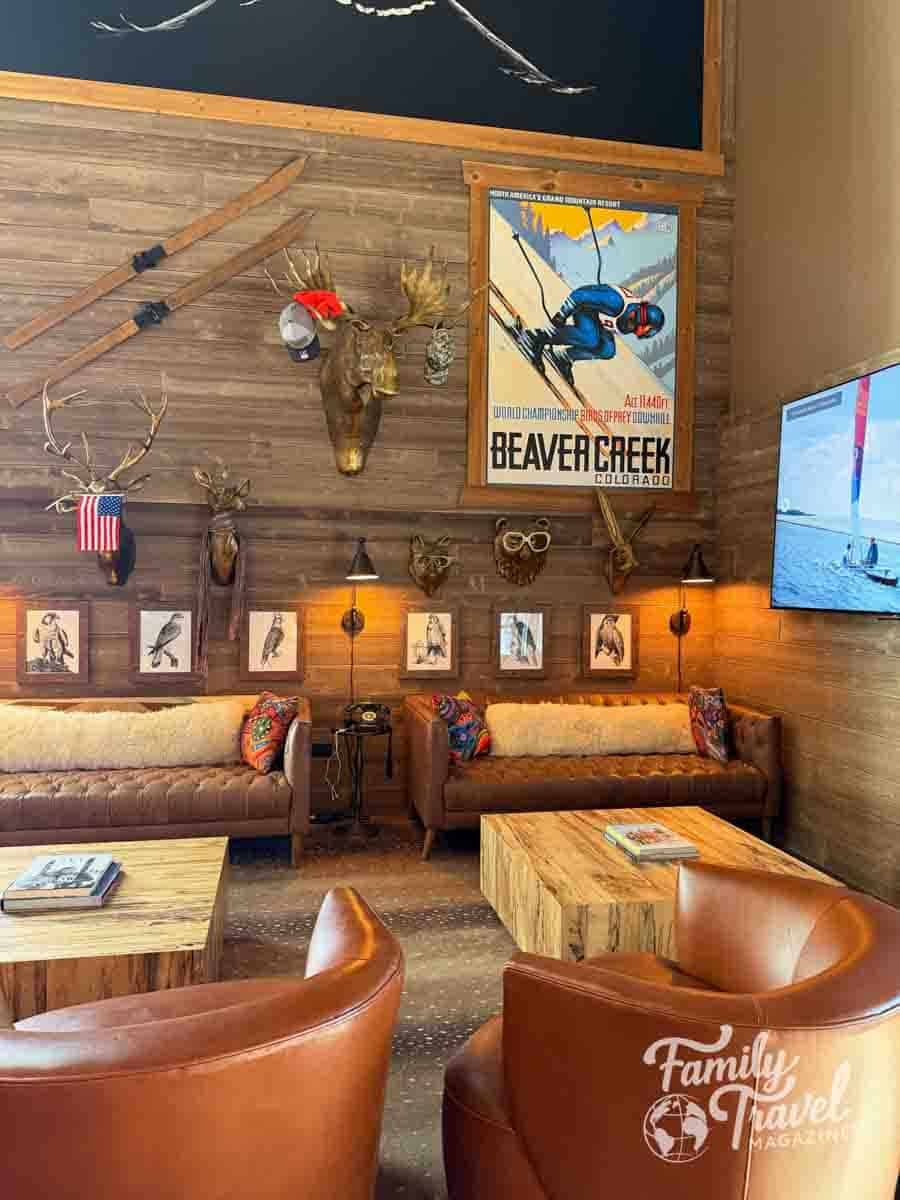
To address the needs of the "tween" and teen demographic (ages 10-18), Beaver Creek introduced the Hawk’s Nest Cabin. This 2,400-square-foot facility operates from 2:00 pm to 9:00 pm, providing a supervised, tech-forward environment. The cabin includes:
- Professional-grade ski simulators.
- High-end gaming suites and a lighted dance floor.
- A "mocktail" bar designed to provide a social space for older children without parental supervision.
This investment reflects a broader trend in the hospitality industry to provide age-specific programming, ensuring that the destination remains attractive to multi-generational family groups.
Culinary Excellence and the 4×4 Wine Excursion
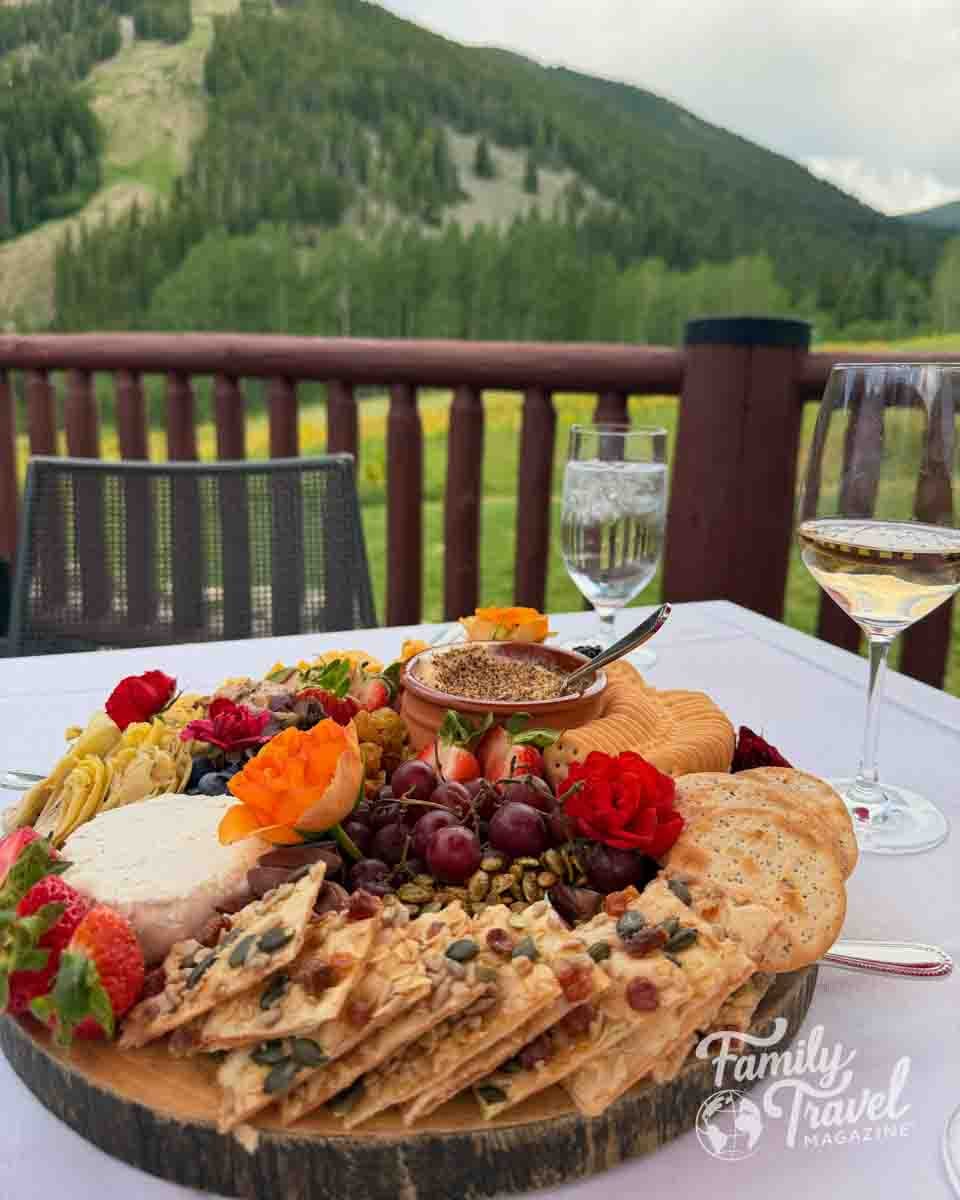
The culinary landscape of Beaver Creek is a significant driver of summer revenue. The resort’s dining options range from casual pizzerias like Blue Moose Pizza to world-class fine dining. A notable highlight of the summer season is the 4×4 Mountain Wine Tour. This excursion utilizes open-air Jeep Gladiators to transport guests through the mountain’s backroads, offering a blend of ecological education and luxury gastronomy.
The tour culminates at Beano’s Cabin, a remote restaurant situated in a wildflower meadow at the base of Grouse Mountain. Under the direction of Chef Mackenzie Nicholson, the venue offers curated wine tastings paired with artisanal charcuterie. This "backcountry luxury" experience is a key differentiator for Beaver Creek, appealing to the high-net-worth individuals who frequent the resort.
Other notable dining establishments include:
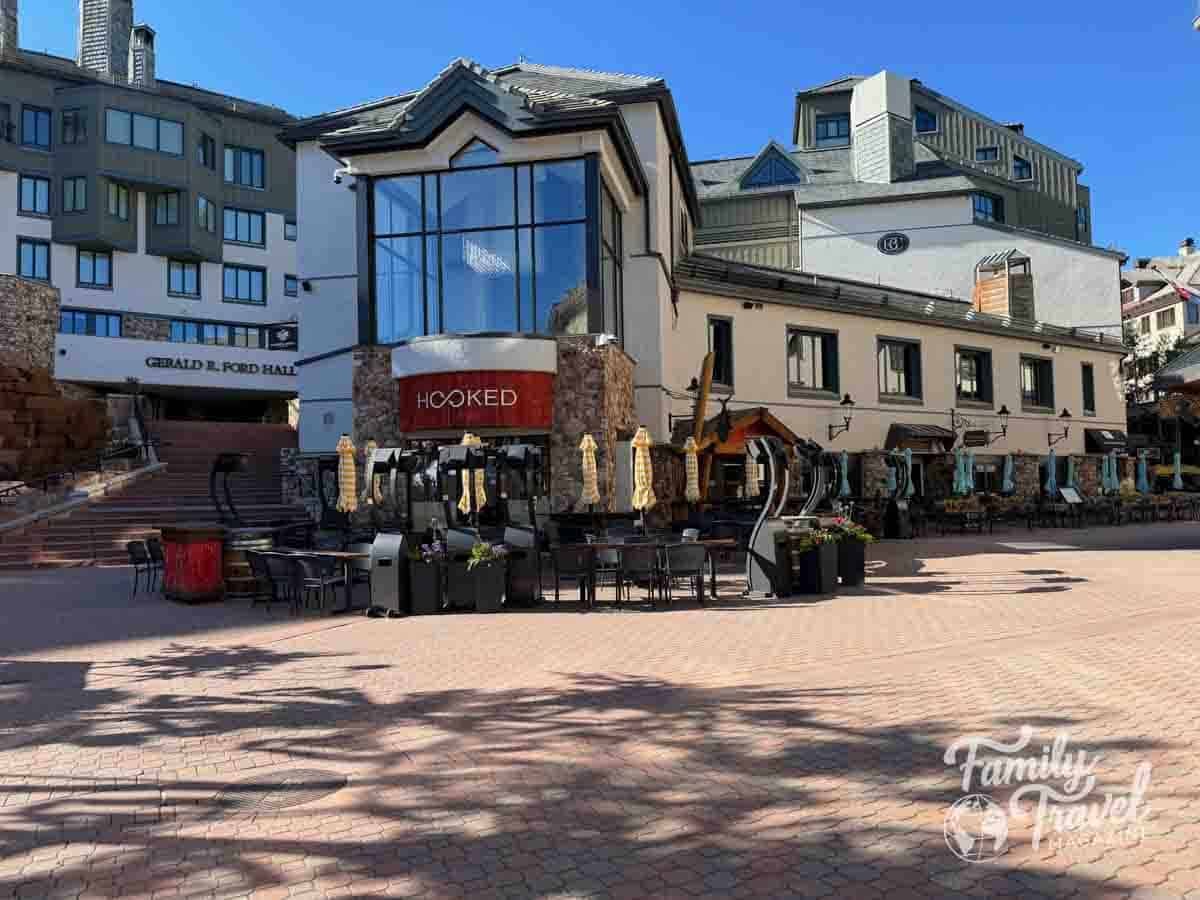
- Hooked: Specializing in fresh seafood and sushi, with fish flown in daily from global markets.
- 8100 Mountainside Bar and Grill: Focused on live-fire cooking and regional ingredients.
- Beaver Creek Chophouse: A classic slopeside steakhouse with an extensive whiskey and cocktail program.
Wellness and Lodging Infrastructure
The Park Hyatt Beaver Creek Resort and Spa serves as the primary luxury lodging anchor in the village. This facility offers 190 guest rooms and 23 suites, featuring amenities such as the Exhale Spa. The spa’s "Aqua Sanitas" water sanctuary—inspired by Roman bathhouses—provides a recovery-oriented wellness experience that complements the physical demands of mountain recreation.
The presence of such high-end lodging ensures a consistent "stay and play" economic model. By providing comprehensive on-site amenities, including fire pits for nightly s’mores and heated outdoor pools, the resort maximizes guest "capture" within the village ecosystem.
Broader Impact and Implications
The success of Beaver Creek’s summer season has significant implications for the regional economy. Historically, mountain towns faced "shoulder season" depressions where businesses closed and seasonal workers were displaced. The robust summer schedule now supports year-round employment for a significant portion of the local workforce.
Furthermore, the focus on family-friendly, walkable environments addresses a growing demand in the travel market for "low-friction" vacations. As climate change continues to impact winter snowpacks, the ability to generate significant revenue during the summer months is no longer an optional luxury but a structural necessity for the survival of alpine resorts.
In conclusion, Beaver Creek’s summer transformation is a sophisticated blend of logistical precision, diverse recreational offerings, and high-end cultural curation. By leveraging its natural landscape and investing in specialized infrastructure like the Hawk’s Nest Cabin and the Vilar Performing Arts Center, the resort has established itself as a model for sustainable, year-round alpine tourism. For the modern traveler, it offers a rare balance of high-altitude adventure and refined relaxation, ensuring its continued relevance in a competitive global market.