Despite having visited Italy well over a dozen times since their marriage in Tuscany, Audrey Scott and her partner had surprisingly little prior knowledge of Lazio, the Italian region that cradles its capital, Rome. This oversight was rectified through a project initiated by Thybris River Experience and funded by the Lazio Region, a venture aimed at crafting new guided e-bike itineraries. This endeavor revealed a region rich in archaeological treasures, culinary delights, natural beauty, and romantic allure, yet remarkably free from the overwhelming crowds that often characterize more frequented Italian destinations.
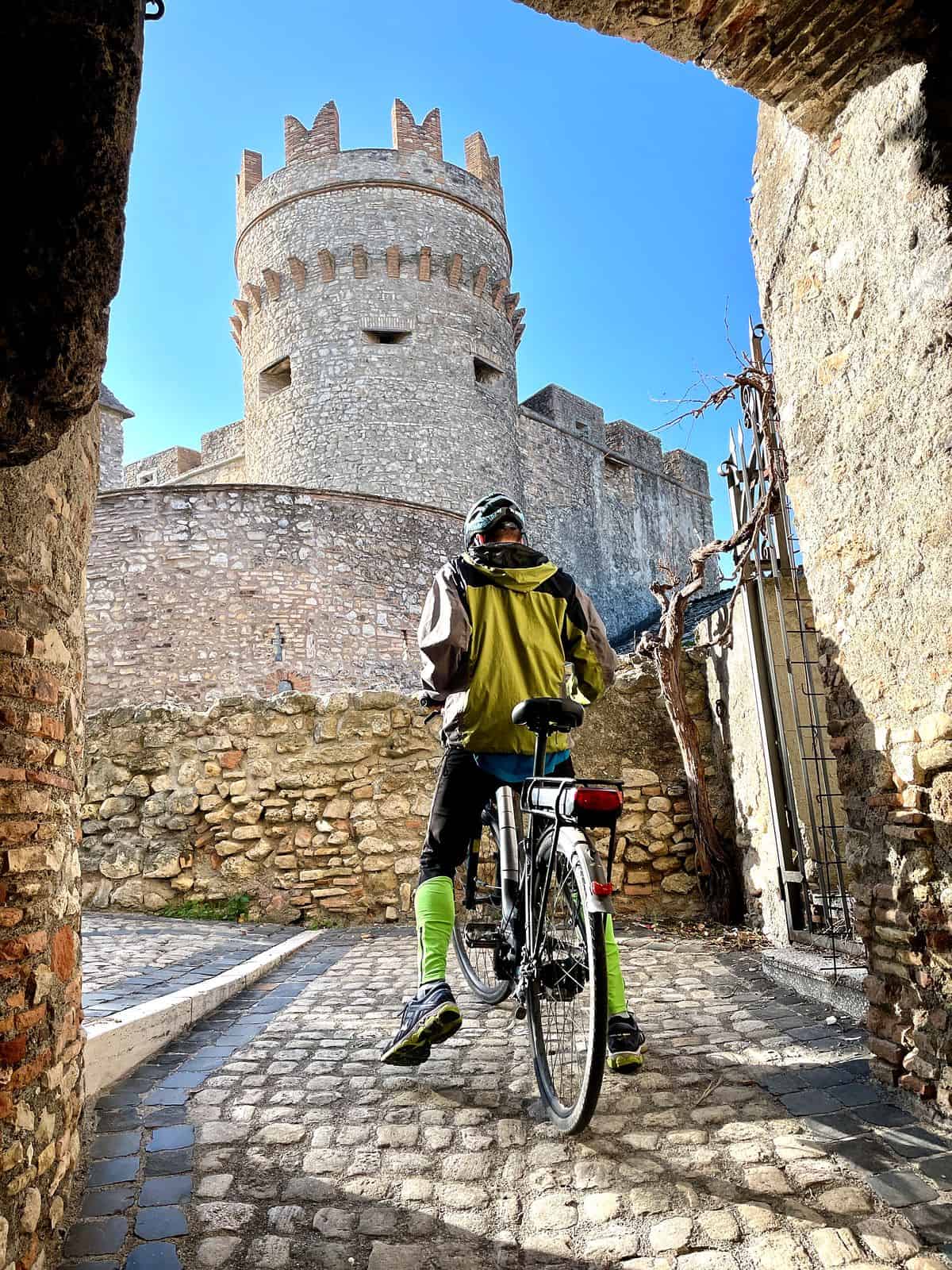
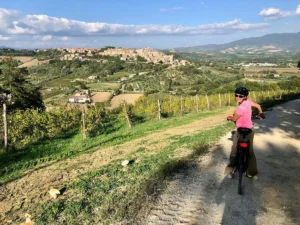
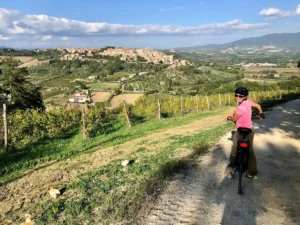
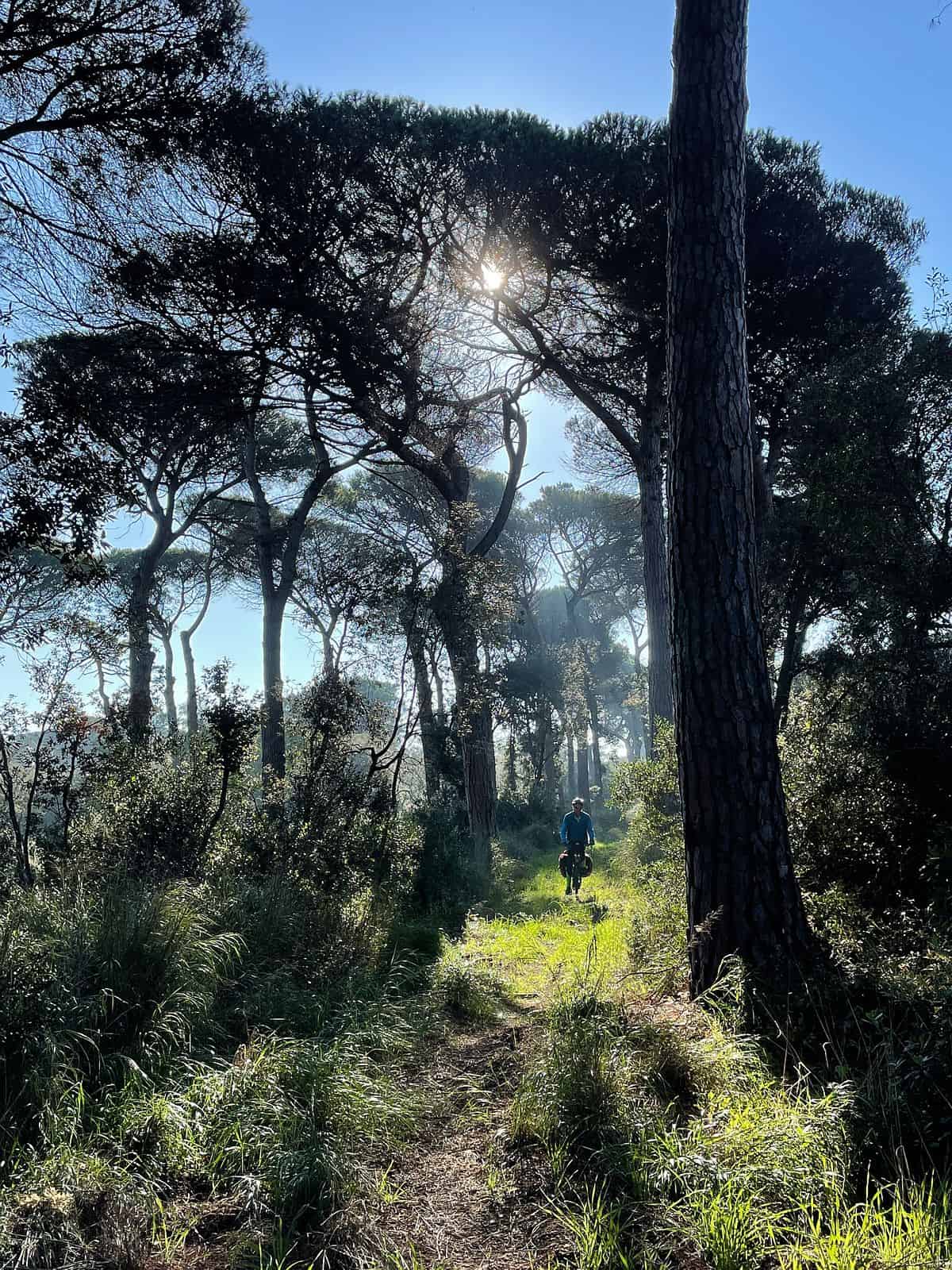
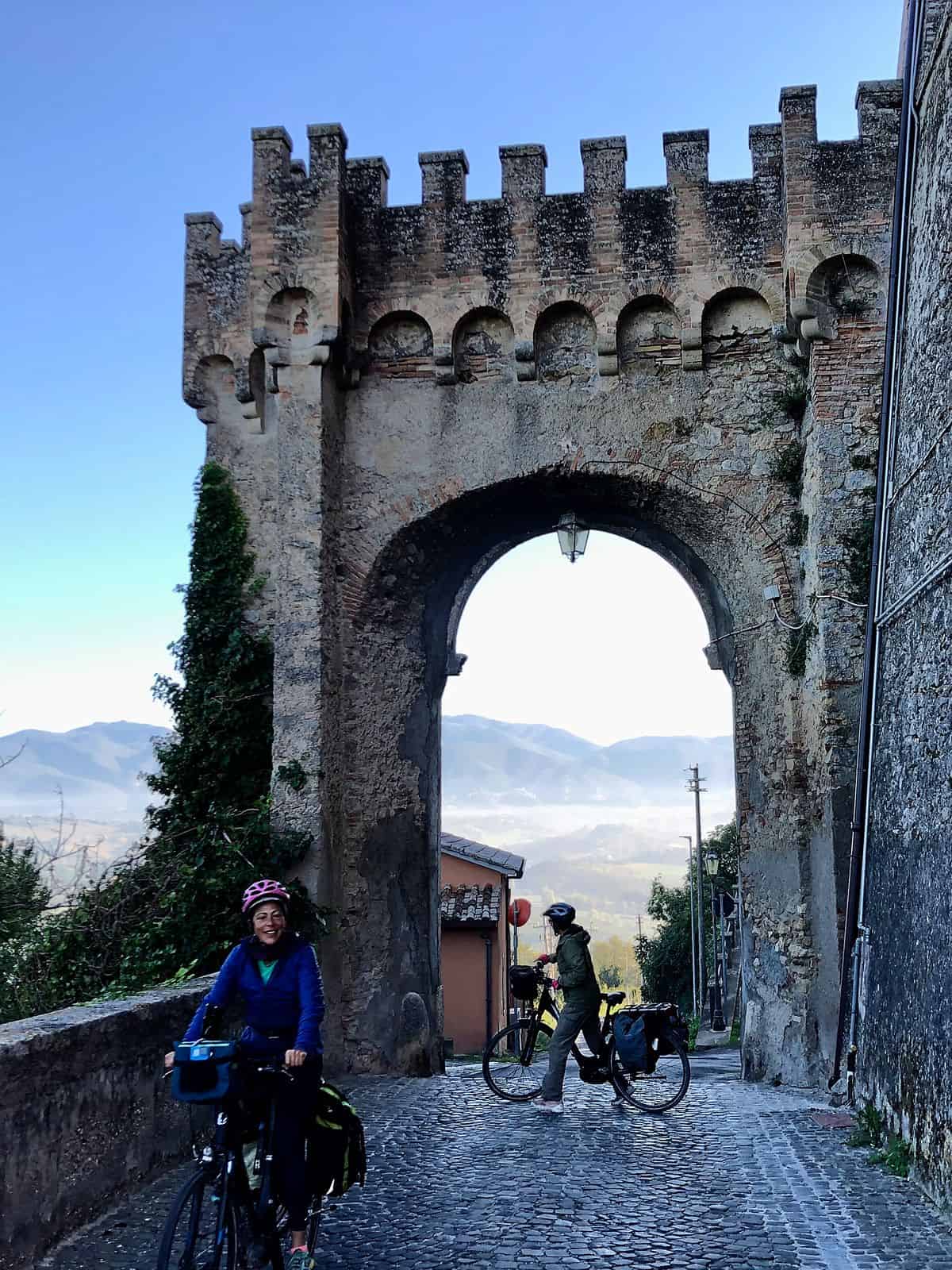
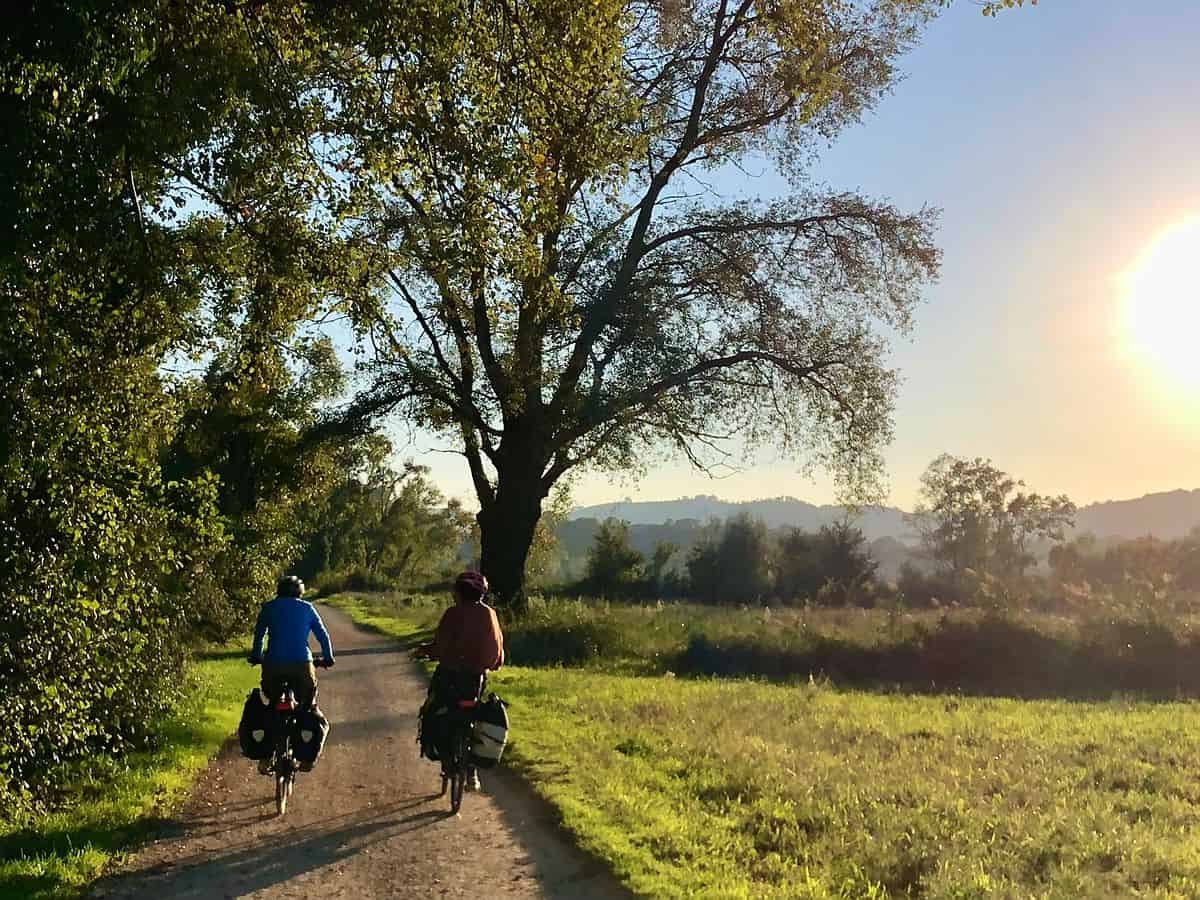
The journey began on the cobbled stones of what felt like an ancient imperial road, an early morning e-bike ride through the meadows and woodlands of a nature reserve carved along the banks of the Tiber River. As the road ascended, mist veiled the water below, and the silhouette of a 13th-century castle emerged, hinting at the region’s medieval past, a history shaped by power struggles between barons and popes. This initial encounter set the tone for an exploration that unveiled Lazio not just as the administrative heart of Italy, but as a geographically diverse and historically profound territory.
Lazio, Italy: A Region of Contrasts and Untapped Potential
The very name "Lazio" derives from the Latin word "latus," meaning "wide." While this historically referred to the low-lying plains around Rome, the explorers found it increasingly applicable to the region’s potential for discovery. Lazio, they discovered, teeters geographically and culturally between the ancient Etruscan influences of the north and the Bourbon-tinged provinces of the south. This liminal position imbues the region with a unique character, offering a less-trodden path for travelers seeking authentic Italian experiences.

The project’s objective was to develop three distinct guided e-bike itineraries, each accessible within an hour’s train ride from Rome. These tours are designed to connect travelers with lesser-known hill towns, protected natural areas, cultural curiosities, and historical sites along the Tiber River, tracing its course from north of Rome to the Tyrrhenian Sea. The overarching philosophy behind these itineraries emphasizes sustainability, community engagement, and a deep appreciation for local culture, ensuring that tourism benefits the communities it touches while minimizing environmental impact.
1. Tuscia and Teverina: Hill Town Charm and Sustainable Viticulture
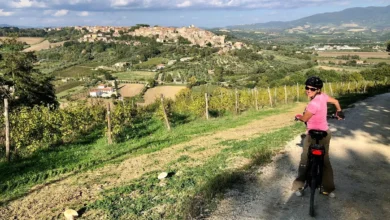
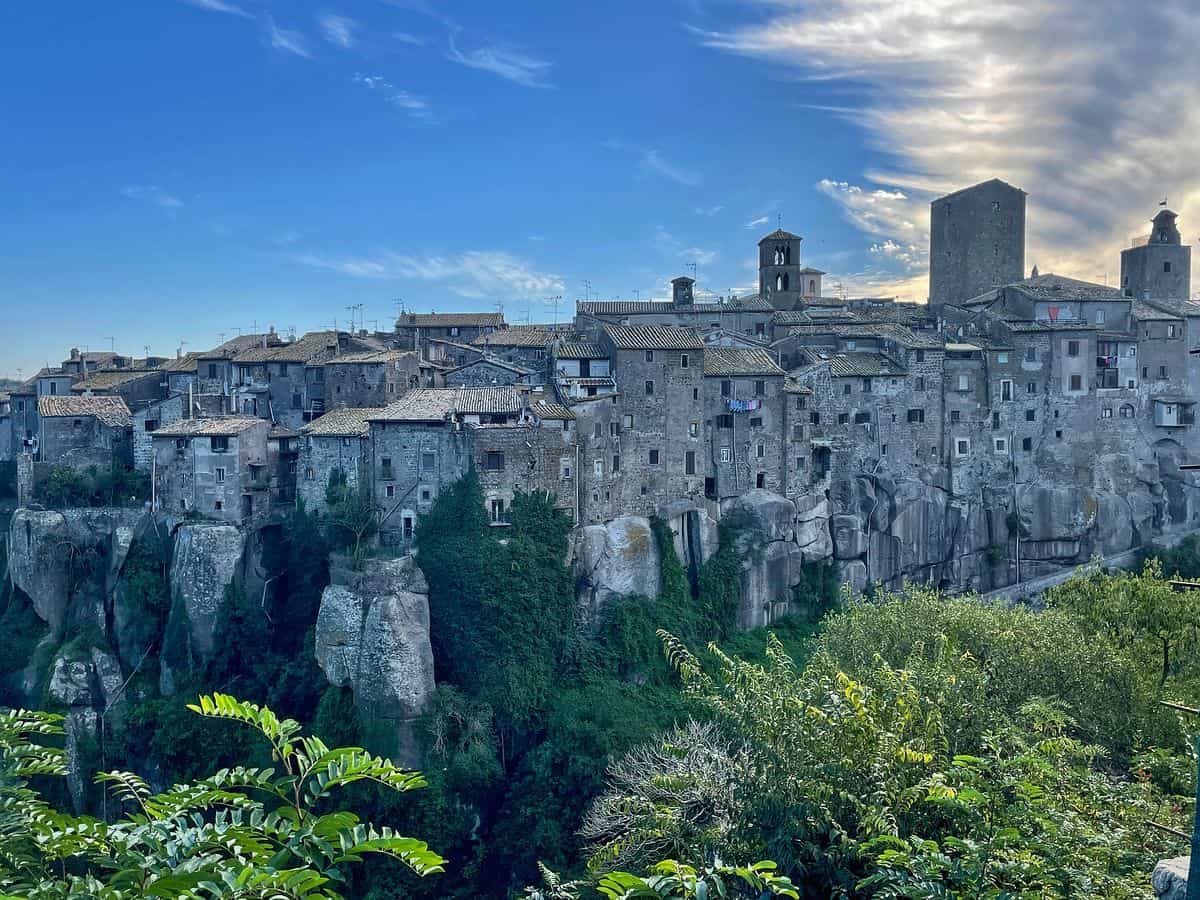
The districts of Tuscia and Teverina, situated in northern Lazio bordering Umbria and Tuscany, offer a distinct departure from the bustling capital. Rolling landscapes, vineyards, and stately palazzi speak to a history of noble families and their complex relationships with papal authority. E-biking through this area reveals a tapestry of medieval hill towns, including Civitella d’Agliano, Celleno, Roccalvecce, Sippiciano, and Vitorchiano, each perched above the Tiber River valley, offering breathtaking views without the throngs of tourists.

A highlight of this exploration was a visit to Trebotti winery, a family-run operation that has prioritized sustainability for over two decades. Their commitment is evident in every aspect, from the use of an ancient Etruscan cellar for sparkling wine storage to the cultivation of indigenous grapes on volcanic soils and the utilization of lightweight glass bottles. The winery’s self-regulating air circulation system further minimizes energy consumption, embodying a holistic approach to environmental stewardship. Federico, a host at Trebotti, aptly summarized their philosophy: "To be sustainable is to respect the land." The tasting experience, featuring locally sourced produce and homemade delicacies paired with their organic wines, provided a tangible connection to the region’s agricultural heritage.

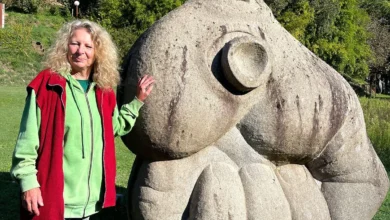
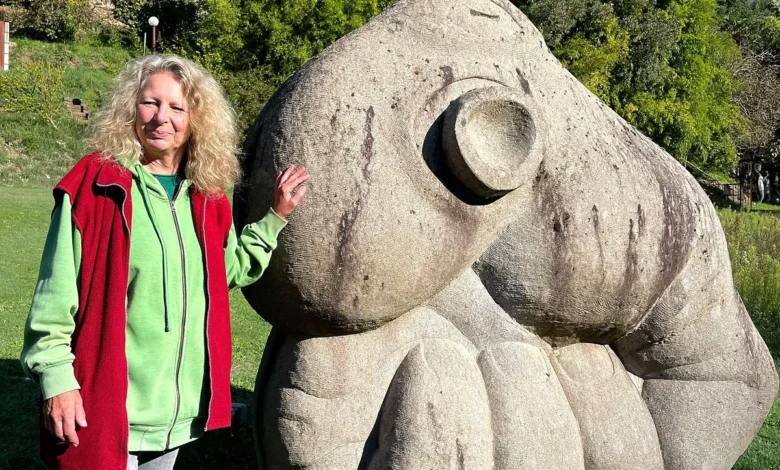
Beyond viticulture, the region offers cultural gems like La Serpara, a unique sculpture garden and artist residency founded by Paul Wiedmer and his wife Jacqueline. For over 25 years, they have fostered a creative environment where artists draw inspiration from nature. Visitors can wander through sculpture-dotted bamboo forests and explore the narratives behind the art created by resident artists.

In Civitella d’Agliano, the "Il Mulino dei Mestieri" (The Mill of Craftsmen) showcases an extraordinary private collection of antique craftsmen’s bicycles. These meticulously restored vehicles, once used for professions ranging from knife sharpening to hairdressing, offer a fascinating glimpse into 20th-century village life and the ingenuity of utilitarian design. Alessia and Daniele, the custodians of this collection, have dedicated years to preserving this unique aspect of Italian heritage.

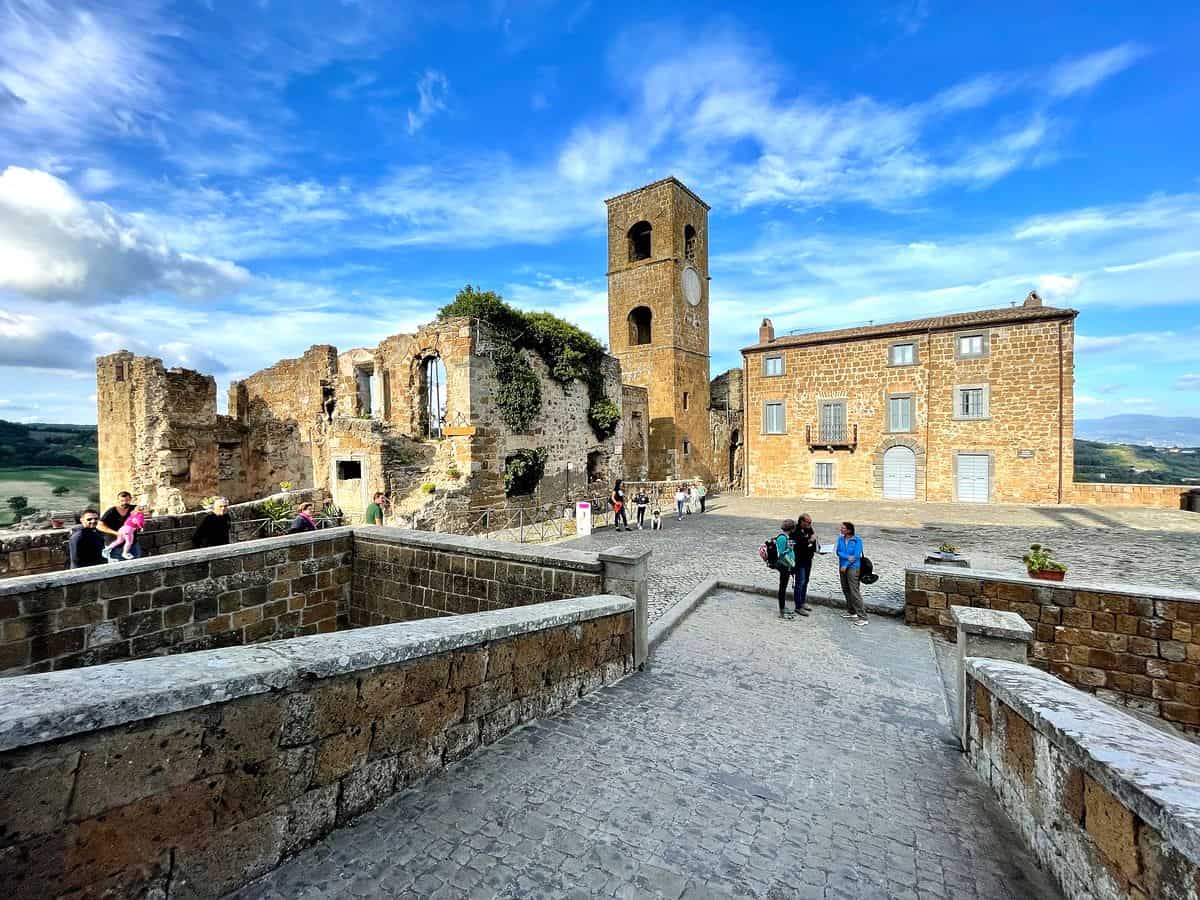
The exploration of Tuscia also led to Celleno, known as "Il Borgo Fantasma" (The Ghost Town). Once a thriving medieval settlement, it was rendered uninhabitable by earthquakes and landslides in the mid-20th century. While the old town lies in ruins, a portion has been transformed into an open-air museum, featuring exhibitions on historical sound recording devices and an intriguing display of artifacts within an 800-year-old medieval trash tunnel. This "ghost town" offers a poignant reflection on the passage of time and the stories embedded in even the most discarded remnants of history. Dining at San Rocco Restaurant in the "new town" of Celleno provided a taste of local Tuscian fare, with a memorable meal featuring freshly harvested porcini mushrooms and regional wines.

The itinerary also included a stay at Villa Lais, an elegantly restored 18th-century compound near Sipicciano. Owned by artist Maddalena, the villa is a testament to meticulous renovation, with interiors adorned with inlaid wood and artistic details that evoke a sense of living history. The villa’s welcoming atmosphere, amplified by its resident dogs and cats, made it a cherished home base for exploring the region.

Finally, the journey through Tuscia wouldn’t be complete without a visit to Sacro Bosco, also known as the "Park of the Monsters." Commissioned in the 16th century by Prince Pier Francesco Orsini as an expression of grief, this park features a collection of large, often unsettling stone sculptures scattered throughout a forest. While its admission fee is notable, the unique artistic vision and historical context make it a compelling, albeit more tourist-frequented, destination.

2. Tevere-Farfa Reserve and Nazzano: Nature, Art, and Echoes of History
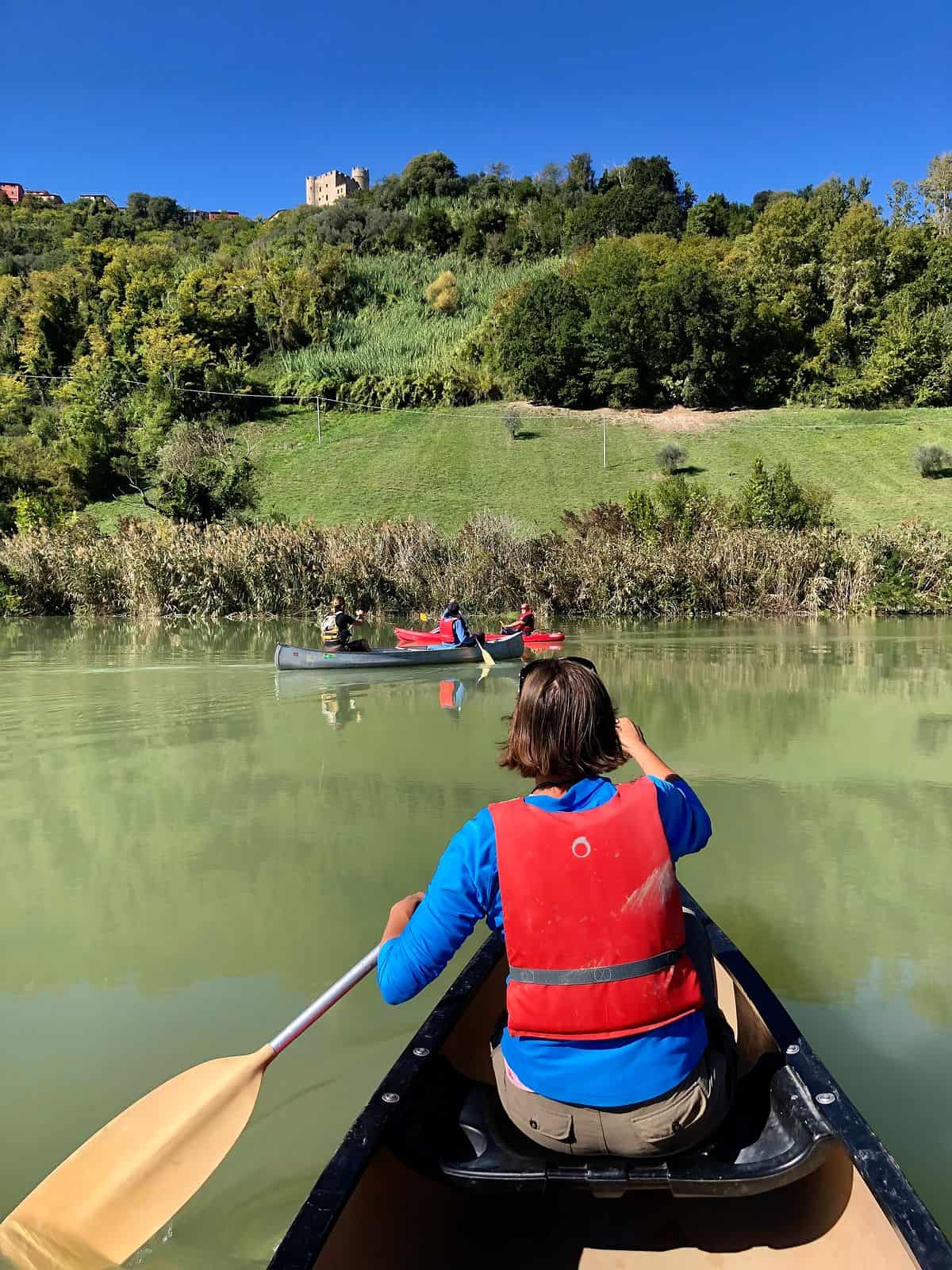
Further along the Tiber River, the Tevere-Farfa Natural Reserve offers a more nature-centric experience, characterized by lush landscapes and tranquil riverbanks. This region, despite its proximity to Rome, feels worlds away, with rolling hills, volcanic tufa rock formations, and ancient castles overlooking the water. The reserve is a sanctuary for wildlife, with encounters ranging from wild boars swimming across the river to various bird species.

Canoeing on the Tiber provided an intimate perspective of the reserve’s natural beauty. The paddle revealed grey herons, egrets, and a multitude of birds on their migratory journeys. A farm-to-table lunch at La Fattoria Didattica Campo di Contra, hosted by founder Mauro, offered a delicious immersion into local, organic produce and homemade wine. Mauro’s vision for connecting visitors with nature was evident in every aspect of the experience.

The hill towns in this area, such as Nazzano, offer picturesque views and a glimpse into historical fortifications designed to monitor river traffic. The allure of these ancient settlements extends to their potential for restoration and revival, sparking contemplation about living amidst such rich history.
The Tevere-Farfa Natural Reserve itself, as the first protected area in Lazio, showcases a vibrant ecosystem. Hiking and cycling trails wind through the landscape, offering opportunities to observe the local fauna. Ecoturismo Tevere Farfa, the sole accommodation within the park, serves as an educational center and community hub, providing a unique base for exploring the natural surroundings.

In Ponzano Romano, a conversation with local artist Michele Longo offered a different kind of cultural insight. Having spent years in Rome’s film industry, Longo now dedicates his time to painting and mixed-media art. His veranda studio, surrounded by plants, provided a serene setting for discussing creativity, society, and his observations on artistic development, even hinting at Ponzano Romano as a more creatively fertile ground than Rome itself. The town also boasts a contemporary art museum, though it was closed during the visit, its reputation suggests it’s worth exploring.

A stark contrast to the natural beauty is Bunker Soratte, a vast World War II and Cold War tunnel complex carved into Mount Soratte. Originally conceived as Mussolini’s mega-bunker, it later served as Nazi Germany’s Supreme Command and subsequently as a nuclear fallout shelter for Italian government officials. The four-kilometer network of tunnels offers a sobering glimpse into 20th-century military history and geopolitical tensions.

Further artistic exploration led to Fondazione Serpone in Torrita Tiberina. This private collection, open by appointment, features outdoor art installations thoughtfully placed within the property’s grounds. The collection culminates in a chapel installation by artist Hermann Nitsch, a challenging and surprising interpretation of the spiritual that has, remarkably, received the local bishop’s blessing.

For a final meal before returning towards Rome, Ecofattorie Sabine in Poggio Mirteto provided a delightful farm-to-table experience. Situated adjacent to its organic gardens, the restaurant offers fresh, seasonal dishes, complemented by local wines. The convenient location near the train station made it an ideal stop.

III. On Rome’s Edge: Ostia, Fiumicino, and Isola Sacra
The final leg of the journey focused on the historical and natural sites on the periphery of Rome, often overlooked by tourists flocking to the capital’s main attractions. These areas offer a profound connection to Rome’s ancient past and its ongoing relationship with nature.
Ostia Antica, the ancient port city of Rome, stands as a remarkably preserved testament to Roman life. Wandering through its streets, homes, and businesses reveals a civilization that rivaled Rome in its daily sophistication, featuring marble-topped bars and street food stalls. The well-preserved Roman Theatre, still in use today, adds to the site’s vivid historical resonance.

Nearby, the Archaeological Area of the Imperial Harbours of Claudius and Trajan at Portus showcases the engineering prowess of the Roman Empire. The vast, hexagon-shaped harbor, now inland, was once Rome’s primary maritime gateway. Strolling through the ruins of these ancient ports, one can only imagine the bustling activity that once defined this crucial commercial hub.

The Necropolis of Portus in Isola Sacra offers a poignant look at Roman burial customs. The cemetery, dating back to the 1st century AD, features both grand mausoleums with intact mosaic floors for the affluent and more modest burial niches for the port workers and tradesmen. This site provides a tangible link to the lives and social structures of those who contributed to Rome’s maritime success.
Culinary experiences in Fiumicino included a visit to 4112 – QuarantunoDodici Restaurant, a more casual counterpart to the Michelin-starred Il Tino. The focus on fresh, local seafood, such as the Mediterranean bream, paired with regional wines, offered a delightful taste of the coastal Lazio. Further exploration led to Bioagricola Traiano, an organic farm and restaurant where dishes are crafted from ingredients harvested on-site, showcasing the bounty of the region.

The Museo della Cultura Contadina in Isola Sacra, guided by local historian Oswaldo, recounts the transformation of the area from a swamp to fertile agricultural land, a process that attracted Italian World War I veterans. This museum preserves the history of the community’s establishment and development.

Maritime heritage is kept alive by Giulio, the owner of the Pietro Micca steam tugboat. This historic vessel, dating back to 1895, has served various roles, including a floating educational program focused on sustainability. Giulio’s vision includes an eventual conversion to electric power, highlighting a commitment to evolving energy practices while honoring the past.
The LIPU Oasis (Centro Habitat Mediterraneo Ostia) represents a remarkable success story in ecological regeneration. Twenty years ago, this site was a garbage dump; today, it’s a thriving sanctuary for migratory birds, thanks to the efforts of Alex Polinori and his team, who have planted thousands of trees and restored wetlands. Birdwatching from designated hides offers a peaceful opportunity to observe diverse avian species.
The journey concludes with the Sentiero Pasolini and Regina Ciclarium, cycling and hiking paths that wind through natural landscapes and the outskirts of Rome, adorned with street art tributes to the filmmaker Pier Paolo Pasolini. These community-maintained trails offer a unique perspective on the transition from nature to the urban environment, ultimately leading back to iconic Roman landmarks like the Colosseum, completing a full circle of discovery.

This comprehensive exploration of Lazio, facilitated by the Thybris River Experience and the Lazio Region, underscores the immense potential for sustainable, community-focused tourism in a region brimming with history, culture, and natural splendor, waiting to be embraced by discerning travelers.
Related posts: