Beyond the Landmarks Discovering the Real India through Local Connections and Cultural Immersion

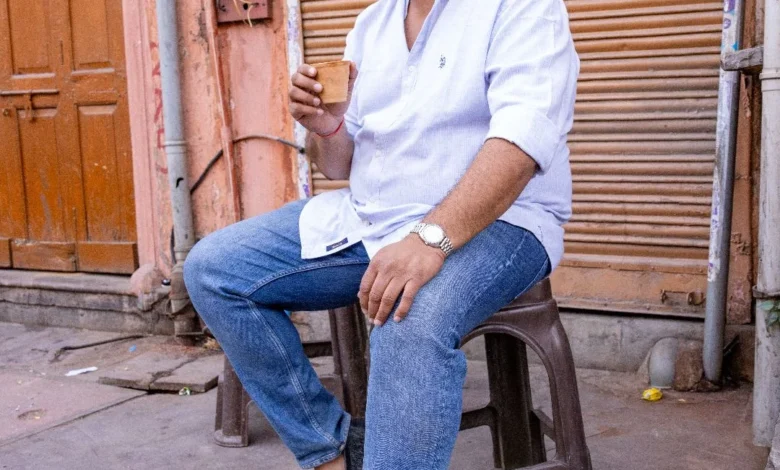
While the architectural grandeur of the Taj Mahal and the bustling thoroughfares of New Delhi have long served as the primary faces of Indian tourism, a significant paradigm shift is occurring within the global travel industry. Increasingly, international visitors are looking past the "Golden Triangle" monuments to seek what seasoned travelers call the "real India"—a complex, multi-layered cultural landscape found in the quiet intervals between major landmarks. This movement toward experiential travel is redefined by deep connections with local traditions, regional cuisines, and the people who maintain the country’s ancient rituals in a modernizing world.
According to data from the Ministry of Tourism’s 2023 report, India saw a 64% increase in foreign tourist arrivals compared to the previous year, with a growing segment of these travelers prioritizing rural tourism and cultural immersion over traditional sightseeing. This trend is supported by industry experts who argue that India’s regionality—spanning diverse languages, sartorial traditions, and culinary practices—offers a depth of experience that single-monument visits cannot capture. As Madan Singh, a veteran guide for small-group adventures, observes, the true essence of the nation is not housed in stone and mortar but is found in the "pauses in between" the chaos of the city.
The Spiritual Rhythms of the Ganges
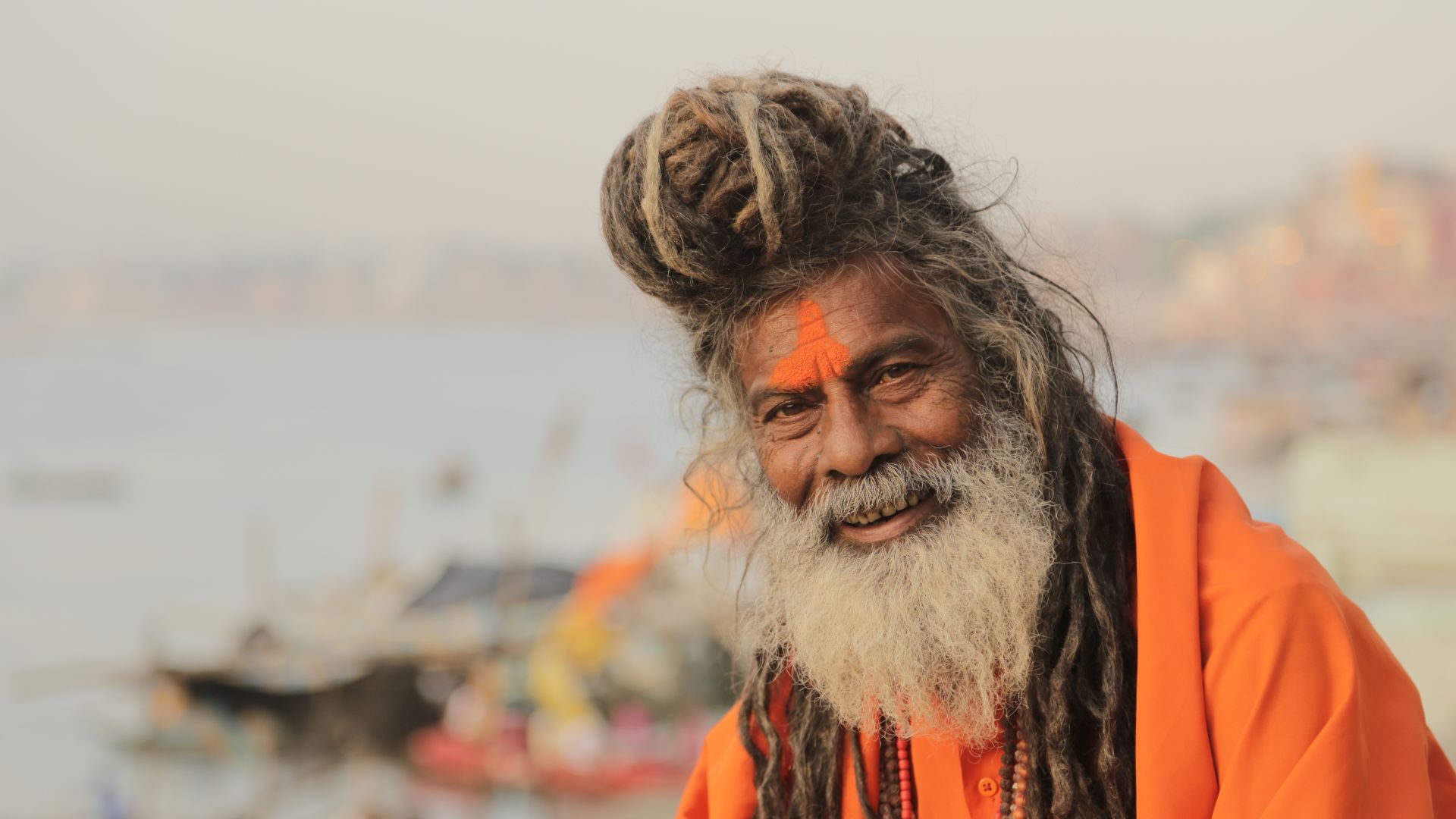
Varanasi, often cited as one of the oldest continuously inhabited cities in the world, remains the spiritual epicenter of the Hindu faith. While photographers have historically flocked to the Ganges River to capture the Ganga Aarti—a mesmerizing lamp-lighting ceremony held at dusk—the deeper connection for travelers today is found in the city’s daily pace. Beyond the spectacle, the ritualistic nature of life along the ghats offers a window into the capital of Hinduism.
Ankita Jaiswal, a local leader who was raised in Varanasi, emphasizes that the power of the city lies in its subtle, everyday movements. "A simple yet deeply powerful ritual is the lighting of lamps at dusk," Jaiswal explains. "While taking a walk in the markets, the temple bells begin to ring, incense fills the air, and shopkeepers pause to wave prayers at their doorsteps, welcoming happiness and prosperity." This moment of collective stillness in one of the world’s most frenetic cities provides a rare glimpse into the spiritual discipline that governs local life.
Social Empowerment and Urban Mobility in Jaipur
In the "Pink City" of Jaipur, the traditional auto-rickshaw ride is being transformed from a mere novelty into a vehicle for social change. While rickshaws (referred to locally as "autos" rather than "tuk-tuks") are the primary mode of economical transport for millions of Indians, they are also becoming a platform for female empowerment. The Pink City Rickshaw Company, a non-profit organization, has pioneered a model that creates employment opportunities for women from low-income households.
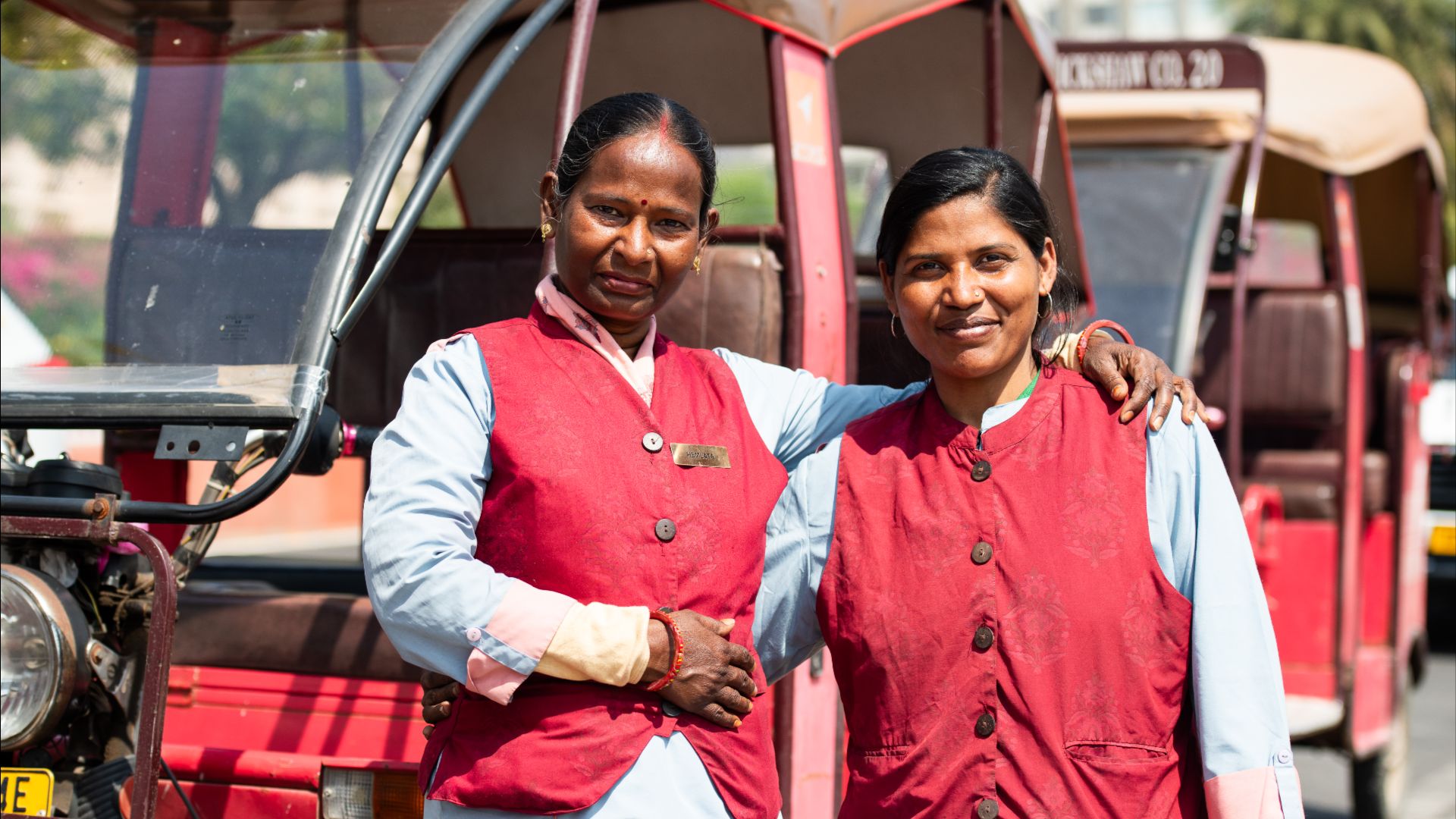
By putting women in the driver’s seat, the initiative provides them with financial independence and a voice in a traditionally male-dominated sector. For the traveler, this experience moves beyond a simple commute; it becomes a dialogue. Passengers gain insight into the lives of their drivers, hearing personal histories that reflect the broader socio-economic shifts occurring within Rajasthan. This model of sustainable tourism ensures that the economic benefits of travel are distributed directly to the community, particularly to those who have historically been marginalized.
The Sociological Phenomenon of Bollywood Cinema
To understand the modern Indian psyche, one must look toward the silver screen. Bollywood is not merely an entertainment industry; it is a cultural cornerstone that influences fashion, music, and social norms. Watching a film at an iconic venue like Jaipur’s Raj Mandir Cinema—an Art Deco masterpiece built in the 1970s—is a visceral experience that transcends the movie itself.
The theater, known as the "Pride of Asia," features intricate pastel patterns and a glamorous atmosphere that evokes the golden era of Indian cinema. However, the true insight comes from the audience. In India, movie-going is a participatory event. It is common for audiences to whistle, clap, and cheer when a hero appears on screen or to break into dance during musical numbers. This collective enthusiasm offers travelers a unique perspective on the shared joy and emotional expressiveness that define Indian social life.

Agricultural Heritage: The Journey of Chai
India is the world’s second-largest producer of tea, and the beverage, known simply as chai, is the nation’s unofficial national drink. While street-side chai stalls are ubiquitous, a deeper connection to this tradition is found at the source: the tea plantations of Kerala. In the rolling hills of Munnar, the agricultural backbone of the region is on full display.
Kuldeep Pujari, a local expert specializing in South Indian heritage, notes that visiting these plantations allows travelers to move beyond the consumer experience. "It’s a deeply meaningful experience, giving travelers a hands-on opportunity to participate in farming activities," Pujari says. By picking tea leaves alongside local workers, visitors gain an understanding of the full journey of the leaf—from the terraced hillsides to the terracotta cups. This direct engagement with the land and its workers highlights the importance of the agricultural sector, which remains the primary source of livelihood for about 58% of India’s population.
Street Food and the Auspiciousness of Trade
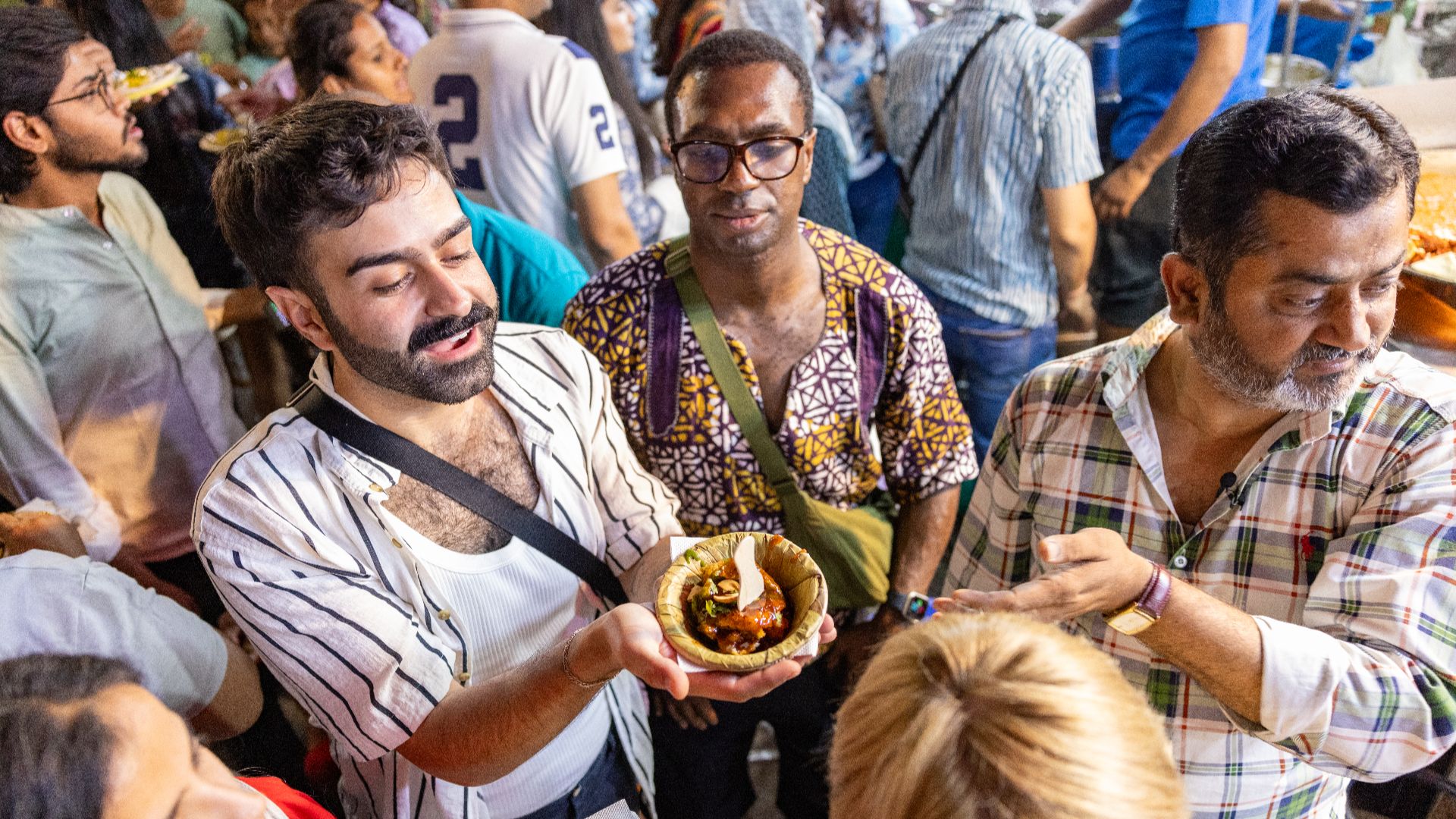
Indian street food—from the savory crunch of samosas and kachoris to the cooling sweetness of lassi—is a sensory gateway to the country’s regional diversity. However, the consumption of these delicacies is often intertwined with ancient traditions regarding commerce and luck.

Mahaveer Singh, a cultural guide, explains the concept of the "auspicious first transaction." In many Indian markets, the first sale of the day is believed to set the tone for the hours to follow. "The first transaction of the day is very auspicious and brings hope for a prosperous day," Singh explains. "You will often see shopkeepers or stallholders blessing the item they are selling you—and giving thanks and blessings when they receive the payment." For a traveler, being the first customer of the day is not just a transaction; it is a moment of shared spiritual hope and mutual respect.
Holistic Wellness in the Himalayan Foothills
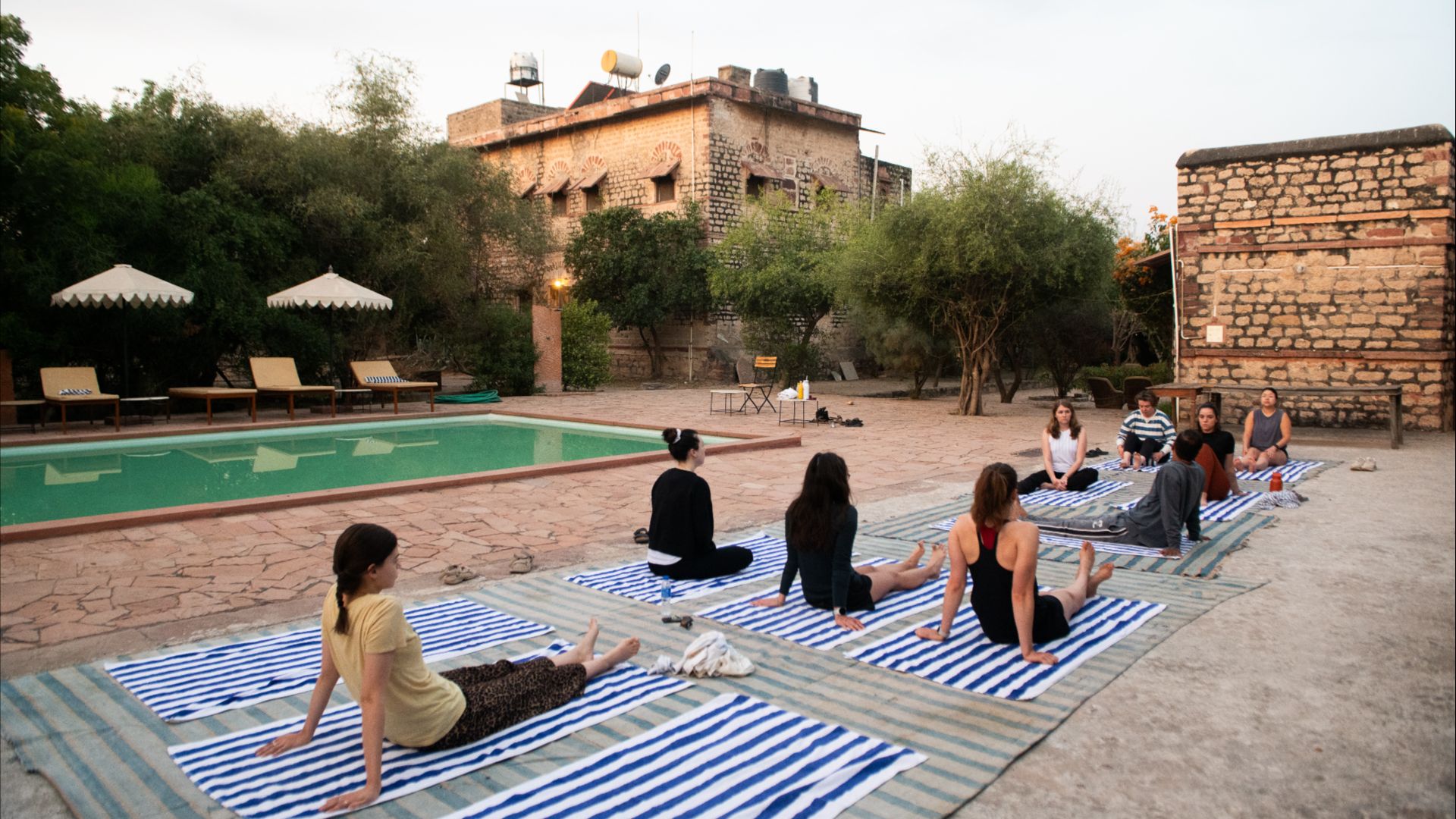
While the Western world often views yoga as a physical fitness regimen, its origins in India are rooted in a holistic philosophy of self-discovery and inner strength. Rishikesh, nestled in the foothills of the Himalayas, remains the premier destination for those seeking the authentic roots of this practice.
In this environment, yoga is treated as a daily ritual rather than a scheduled workout. Practicing alongside local teachers in the shadow of the mountains allows visitors to understand the meditative and spiritual dimensions of the asanas. This immersion into the "Yoga Capital of the World" provides a stark contrast to modern, screen-heavy lifestyles, offering a route to mental enrichment that aligns with India’s ancient Vedic traditions.
Preserving Traditional Crafts and Artisanal Skills
India’s textile industry is a repository of generational knowledge. A single sari can represent centuries of history, with patterns and weaving techniques varying significantly from one state to the next. In villages like Chandelao, projects such as Sunder Rang are working to ensure that these traditional skills are not lost to industrialization.
At these artisanal centers, travelers can witness the creation of handmade textiles and try their hand at traditional arts like rangoli (decorative patterns made on the floor) and mehndi (henna). These interactions are vital for the preservation of cultural identity. By supporting these local artisans, tourism becomes a tool for heritage conservation, ensuring that the intricate arts of Chikankari or Ikat continue to flourish in the 21st century.
Slow Travel on the Keralan Backwaters
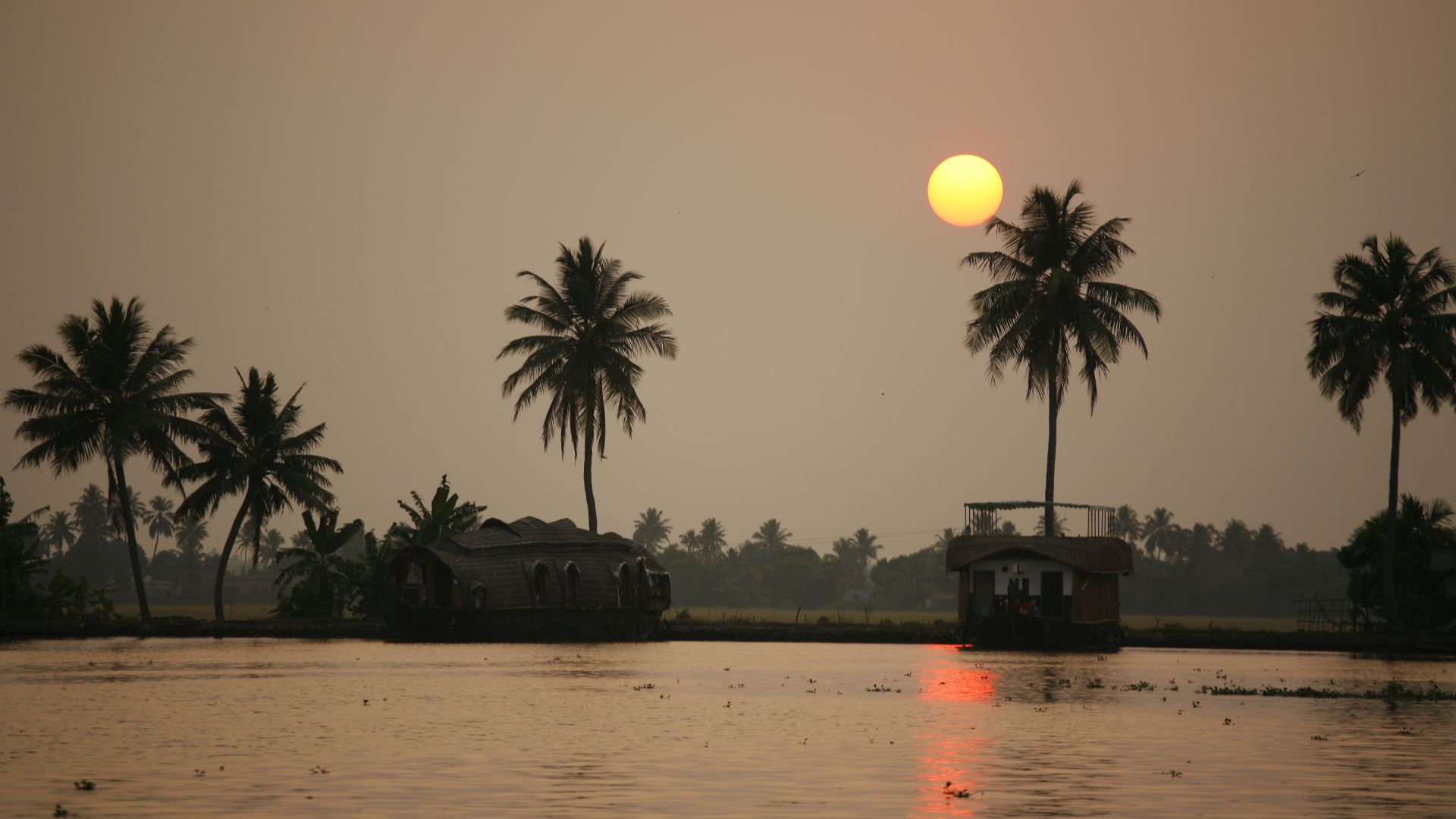
The southern state of Kerala offers a different tempo of life through its extensive network of lagoons, lakes, and canals. Staying on a traditional houseboat, or kettuvallam, forces a departure from the digital world. These vessels, once used to transport rice and spices, have been repurposed for slow travel, allowing visitors to observe waterside life at a meditative pace.
From the deck of a houseboat, one sees a world defined by the water: fishermen in sleek vallam canoes, children playing in the shallows, and the rhythmic harvesting of coconuts. This "slow travel" approach facilitates genuine interactions with the Keralan people, whose unique cuisine and matriarchal social structures offer a distinct contrast to the traditions of Northern India.
The Significance of Seasonal Festivals
While Diwali and Holi are world-renowned, India’s calendar is filled with smaller, seasonal festivals that provide a snapshot of authentic community life. Basant Panchami, for instance, marks the arrival of spring and is celebrated with kite-flying and communal feasts.
"These are moments that are not staged for tourists, but a snapshot of life unfolding in the way it always has," says Ankita Jaiswal. Aligning travel schedules with these local events allows for a deeper level of cultural integration. Whether it is a village kite-flying competition or a regional harvest festival, these events serve as an entry point for travelers to witness the resilience and vibrancy of Indian community bonds.
Broader Implications: The Future of Experiential Travel
The shift toward immersive, locally led travel in India has profound implications for the future of the tourism industry. By prioritizing everyday interactions over monument-hopping, travelers contribute to a more sustainable and equitable tourism model. Local leaders and guides play a crucial role in this ecosystem, acting as cultural translators who bridge the gap between visitors and residents.
As Bhupesh Tamang, a local travel leader, aptly summarizes: "It’s the friendliness that really resonates and makes the experience of traveling in India." These interactions—whether a conversation with a tea picker, a shared meal in a village, or a meditation session in the mountains—frequently become the most enduring memories of a journey. While India’s monuments are undeniably spectacular, the country’s true wealth lies in the depth of its traditions and the warmth of its people, offering a profound sense of connection that lingers long after the traveler has returned home.