The summer of 2026 has presented a multifaceted panorama for travelers, marked by the significant disruption of an intense European heatwave alongside the ongoing evolution of urban transit infrastructure in North America. As the continent grappled with record-setting temperatures in June, prompting adaptive measures from residents and visitors alike, planned July itineraries highlight a resilient travel industry embracing diverse experiences, from grand European road trips to major concert events. This period underscores both the challenges posed by climate change to global tourism and the continuous efforts to enhance travel convenience and accessibility.
June’s Environmental and Logistical Challenges
June 2026 was characterized by a severe and prolonged heatwave across large swathes of Europe, which significantly impacted daily life and travel plans. Temperatures soared to unprecedented levels in various regions, including Central Europe, forcing many to seek refuge from the sweltering conditions. This heatwave was not an isolated incident but part of a growing pattern of extreme weather events attributed to global climate change, presenting considerable challenges for infrastructure not traditionally equipped for such sustained high temperatures.
In Prague, for instance, residents without air conditioning faced particular difficulties. The absence of widespread residential air conditioning, common in many older European buildings, exacerbated the discomfort and posed potential health risks, especially for vulnerable populations. This led some individuals to seek temporary relief in air-conditioned accommodations. One notable instance involved a travel blogger and her partner, who, along with their two cats, relocated to the Hilton Atrium Prague for two days. This pragmatic decision highlights a growing trend among pet owners to prioritize animal welfare during extreme weather. The hotel’s pet-friendly policy, which includes a 1000 CZK (approximately $50 USD) fee for up to two small animals, provided a necessary respite. The cats’ initial stress, manifesting as growling and hissing, gradually subsided, indicating an adaptive capacity that could prove valuable for future pet travel. This scenario reflects broader discussions within the hospitality industry regarding the need for climate-resilient services and amenities, including expanded pet policies, to accommodate changing travel demands.
Beyond personal discomfort, the heatwave had broader implications for public events and the entertainment sector. A planned concert by international pop icon Ricky Martin was canceled, with organizers explicitly stating that the decision was unrelated to the artist or production company. While the official reason was not directly attributed to the heatwave, industry analysts suggest that extreme weather conditions can indirectly lead to cancellations through various factors. These may include concerns over audience and staff safety, potential strain on venue cooling systems, logistical complications for equipment transport, or anticipated lower attendance due to the severe heat. Such cancellations underscore the economic vulnerabilities of the live entertainment industry to environmental factors, necessitating robust contingency planning.
North American Transit Enhancements
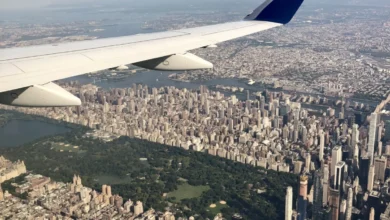
While Europe contended with climatic challenges, urban transportation infrastructure in North America continued its modernization efforts. A significant development noted by travelers was the improved convenience offered by the renovated bus station at the George Washington Bridge (GWBBS) in New York City. This relatively new facility, situated at 178th Street and Broadway in Upper Manhattan, has redefined intercity bus travel for many.
Historically, long-distance buses arriving in New York City, particularly from destinations like Boston, would often drive through Upper Manhattan neighborhoods only to terminate at the Port Authority Bus Terminal in Midtown (42nd Street). This often resulted in considerable travel time inefficiencies for passengers whose final destinations were in northern Manhattan or the Bronx. The GWBBS, which underwent a substantial renovation and modernization project completed in 2017, was designed precisely to address this issue. The station offers a more direct and efficient access point for residents of Harlem, Washington Heights, Inwood, and even parts of the Upper West Side, significantly reducing commuting times and improving the overall passenger experience.
The modernization of the GWBBS, a $183 million project, included a complete overhaul of its retail and commuter spaces, new escalators, elevators, and improved accessibility features. Its strategic location, directly connected to the George Washington Bridge, a vital artery for regional traffic, positions it as a key multimodal transit hub. Data from the Port Authority of New York and New Jersey indicates that the GWBBS serves thousands of commuters daily, providing connections to local MTA subway lines (A, C, and 1 trains) and numerous bus routes. This infrastructural upgrade exemplifies a broader trend in urban planning aimed at decentralizing transit hubs and optimizing passenger flow, thereby mitigating congestion in central business districts and enhancing regional connectivity. The positive reception from travelers highlights the tangible benefits of investing in modern, strategically located public transportation facilities.

Anticipated July Itineraries and Travel Trends
Following a relatively subdued summer travel season in 2025, July 2026 is poised for a significant resurgence in travel activity, with a diverse array of planned itineraries reflecting current global travel trends. The upcoming month showcases a blend of leisure, celebratory, and cultural experiences, primarily centered in Europe.
A major undertaking involves a road trip from Prague to Provence, France, and back. This extensive journey is prompted by a destination wedding at a chateau in Provence, a growing trend that sees couples opting for picturesque, often historical, venues abroad. The route is meticulously planned to incorporate several iconic destinations, illustrating a desire for immersive cultural and scenic exploration:
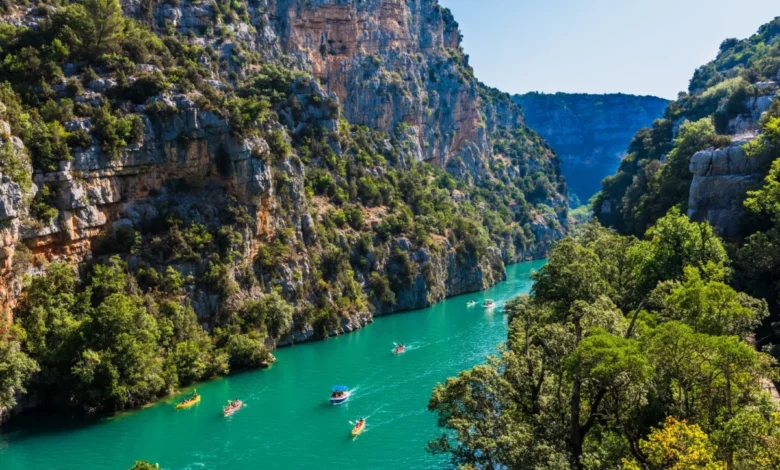
- Provence, France: This region is a perennial favorite for summer travel. The itinerary includes Lac Sainte-Croix and the Gorge du Verdon, a spectacular canyon known for its turquoise waters and opportunities for water sports. The famed lavender fields of Valensole are expected to be at their peak bloom in July, drawing tourists eager to witness and photograph the vibrant purple landscapes, a phenomenon that significantly boosts local tourism. The coastal town of La Ciotat offers a Mediterranean experience, while the historical cities of Arles and Nîmes provide deep dives into Roman history, with well-preserved arenas, theaters, and temples. Arles, a UNESCO World Heritage site, is particularly renowned for its Roman and Romanesque monuments and its association with Vincent van Gogh. Nîmes, another city rich in Roman heritage, boasts an impressive amphitheater and the Maison Carrée, one of the best-preserved Roman temples in the world. The journey itself, covering approximately 1,000 kilometers one way, highlights the logistical planning involved in extensive European road trips, often facilitated by the Schengen Area’s open borders.
- Transit Stops: The long drive necessitates strategic stopovers. The outbound leg includes a stop in Germany, while the return journey incorporates visits to Switzerland and Liechtenstein. Liechtenstein, a diminutive principality nestled between Switzerland and Austria, is a popular destination for travelers keen to experience microstates. Known for its stunning alpine scenery, medieval castles, and status as a financial hub, it offers a unique blend of natural beauty and cultural intrigue. For many, including those making return visits, Liechtenstein’s charm lies in its distinct identity and efficient, high-quality tourism infrastructure.
Later in July, a group trip to Dublin, Ireland, is planned to celebrate a 40th birthday. Dublin, a city with a rich literary history, vibrant pub culture, and significant historical landmarks such as Dublin Castle and St. Patrick’s Cathedral, attracts millions of tourists annually. While some travelers may initially find it challenging to connect with its specific urban rhythm, planned group activities, often focusing on its cultural heritage and lively social scene, frequently convert skeptics into enthusiasts. This trip exemplifies the enduring appeal of European capitals for milestone celebrations and group travel.
The month’s entertainment calendar also includes a highly anticipated concert in Prague featuring the global superstar Pitbull. The presence of such an internationally renowned artist in a Central European capital underscores the city’s growing status as a major cultural and entertainment hub. The concert, reportedly involving specific fan participation such as "bald caps," highlights the unique and often interactive experiences that live music events offer, transcending geographical boundaries and fostering global fan communities. This event contributes to Prague’s tourism economy, drawing visitors specifically for its cultural offerings.
Concluding the month, a birthday trip is scheduled to the Italian island of Ischia. Located in the Bay of Naples, Ischia is celebrated for its natural hot springs, volcanic landscapes, and beautiful beaches. Often seen as a more serene alternative to its glamorous neighbor, Capri, Ischia offers a blend of relaxation and historical exploration, including the Aragonese Castle. The island’s thermal parks, offering therapeutic waters, are a major draw, attracting health and wellness tourism. Its appeal as a favorite summer destination for repeat visitors speaks to its unique blend of charm, natural beauty, and authentic Italian experience, making it a consistent highlight in European summer travel.
Broader Implications and Future Outlook
The events of mid-2026, from the challenging European heatwave to the diverse travel plans, offer several broader implications for the global travel and tourism industry. The increasing frequency and intensity of extreme weather events underscore the urgent need for climate adaptation strategies within the sector. This includes developing climate-resilient infrastructure, promoting sustainable tourism practices, and integrating weather advisories more prominently into travel planning. The shift towards pet-friendly accommodations during crises also points to an evolving understanding of traveler needs and the increasing integration of pets into family travel.
Concurrently, investments in urban transit, as exemplified by the George Washington Bridge Bus Station, demonstrate the ongoing commitment to improving efficiency and accessibility in major metropolitan areas. These developments are crucial for managing urban growth, reducing environmental impact, and enhancing the overall quality of life for residents and visitors alike.
The robust schedule of July travel, encompassing cultural road trips, celebratory group excursions, and international concert experiences, signals a strong rebound and diversification of the post-pandemic travel landscape. Travelers are increasingly seeking unique, personalized, and experiential journeys, often combining multiple destinations and activities. This trend supports a wide array of tourism sectors, from luxury chateau weddings to niche microstate visits and large-scale entertainment events. The globalized nature of entertainment and the accessibility of diverse European destinations continue to drive significant international movement, shaping the economic and cultural fabric of numerous regions. As the world navigates a changing climate and evolving infrastructure, the travel industry continues to adapt, innovate, and thrive, connecting people and cultures across continents.