European Heatwave Disrupts Summer Events While Travel Resurgence and Urban Transport Innovations Shape the Season

The summer of 2026 has presented a mixed landscape for travel and events, characterized by record-breaking heatwaves across Europe that have led to significant disruptions, alongside a robust resurgence in international travel and notable advancements in urban transportation infrastructure. Recent reports indicate a challenging period for residents and tourists grappling with extreme temperatures, exemplified by event cancellations and shifts in personal travel strategies, even as the broader outlook for tourism remains optimistic with diverse itineraries planned for the coming months.
The Defining Challenge: Europe’s Extreme Heatwave of Summer 2026
Central Europe, particularly regions like Prague, experienced a protracted and severe heatwave during the early summer of 2026. This period was marked by exceptionally high temperatures that not only broke historical records but also persisted for an extended duration, significantly impacting daily life, public health, and various sectors, including tourism and entertainment. Meteorological agencies across the continent issued multiple red alerts, urging populations to take extreme precautions. Temperatures in Prague, for instance, were consistently reported to exceed 35°C (95°F) for over a week, with peak readings approaching 40°C (104°F) in some areas, far surpassing the seasonal average for June.
The intensity and longevity of this heatwave presented considerable challenges, especially for residents in older European buildings that often lack modern air conditioning systems. The reliance on traditional cooling methods proved insufficient against the unprecedented thermal stress. This situation led to widespread discomfort, increased health risks, particularly for vulnerable populations, and placed a strain on public services and infrastructure. Hospitals reported a surge in heat-related illnesses, and authorities advised against strenuous outdoor activities during peak daylight hours.
In response to these conditions, many individuals and families sought temporary relief. One notable instance involved a family in Prague, forced to relocate to a hotel to escape the unmanageable heat in their home. They opted for the Hilton Atrium Prague, a property known for its robust air conditioning and, significantly, its pet-friendly policies. This decision highlights a growing trend among travelers: the integration of pets into travel plans, even during emergencies. The hotel charges a fee, typically around 1000 CZK (approximately $50 USD), for up to two small animals, a common practice in the evolving pet-friendly hospitality sector.
The experience of bringing pets to a hotel for the first time, as reported, involved an initial period of adjustment, with cats exhibiting stress behaviors such as growling and hissing. However, they eventually acclimatized to the new environment. This incident underscores the increasing importance of pet-friendly accommodations and the efforts pet owners are willing to undertake to ensure their companions’ well-being, especially during crises. It also reflects a broader societal shift towards viewing pets as integral family members, influencing travel decisions and the hospitality industry’s offerings. According to recent surveys, pet ownership has surged globally, leading to a corresponding rise in demand for travel services that cater to animals.
Concert Cancellations and Their Broader Implications
The severe heatwave was also implicated in the cancellation of several public events, including a highly anticipated Ricky Martin concert. While official statements from organizers did not explicitly cite the heatwave as the cause, attributing it instead to factors unrelated to the artist or production company, industry observers and attendees widely speculated that the extreme temperatures played a decisive role. Even for indoor events, managing crowd comfort and safety becomes significantly more complex during severe heat. Air conditioning systems can struggle to cope, increasing the risk of heat exhaustion among concert-goers and staff, and potentially leading to power grid instability.
The cancellation of high-profile events like a Ricky Martin concert carries substantial economic repercussions. Beyond the direct financial losses for ticket sales, refunds, and logistical costs, there are significant indirect impacts on local economies. Hotels, restaurants, and other ancillary businesses that typically benefit from an influx of concert attendees suffer revenue losses. For artists and production companies, cancellations disrupt tour schedules, incur contractual penalties, and can damage reputations. This incident serves as a stark reminder of the vulnerability of the entertainment industry to environmental factors and the increasing need for robust contingency planning in an era of climate change. Event organizers are increasingly exploring comprehensive insurance policies and flexible scheduling to mitigate such risks.
Innovations in Urban Travel: The New York Experience
In contrast to the challenges faced in Europe, the United States saw positive developments in urban transportation. A significant highlight reported from a recent trip to New York City was the improved experience of bus travel, specifically utilizing the George Washington Bridge Bus Station (GWBBS). This station, located at 178th Street and Broadway in Upper Manhattan, has undergone substantial renovations and upgrades, transforming it into a more efficient and user-friendly hub.
Historically, intercity bus travel into Manhattan often culminated in Midtown, regardless of a passenger’s final destination. This frequently meant that buses would traverse significant portions of Manhattan, including neighborhoods where many passengers resided, only to drop them off blocks away from their homes, leading to extended travel times and considerable inconvenience. For residents of Upper Manhattan neighborhoods such as Harlem, Washington Heights, and the Upper West Side, this routing was particularly frustrating.

The revitalized GWBBS offers a strategic alternative. Its location provides direct access to these northern Manhattan communities, significantly reducing travel times for passengers whose final destinations are north of Midtown. Reports indicate that choosing this station can save passengers from an additional 100-plus blocks of travel through congested city streets, dramatically improving the commuter experience. The station’s modern facilities, enhanced connectivity to subway lines, and streamlined operations contribute to its growing popularity among travelers. This infrastructure upgrade represents a successful effort in urban planning, aiming to decentralize transit hubs and better serve diverse residential areas, alleviating congestion in central business districts while enhancing local accessibility. The Port Authority of New York and New Jersey, which operates the GWBBS, invested over $180 million in the station’s redevelopment, which was completed in 2017, demonstrating a commitment to improving regional transportation networks.
A Packed Summer Ahead: July 2026 Travel Outlook
Looking forward, July 2026 is poised to be an exceptionally busy month for international travel, signaling a robust recovery for the tourism sector following quieter periods in previous years. The upcoming itinerary for many travelers reflects a diverse array of interests, from destination weddings and cultural city breaks to scenic road trips and relaxing island getaways.
The month kicks off with an extensive road trip from Prague to Provence, France, and back, centered around a friends’ wedding at a chateau in the picturesque French region. This journey highlights the appeal of multi-destination European road trips, allowing for exploration of various landscapes and cultural sites. Key destinations planned for this leg include:
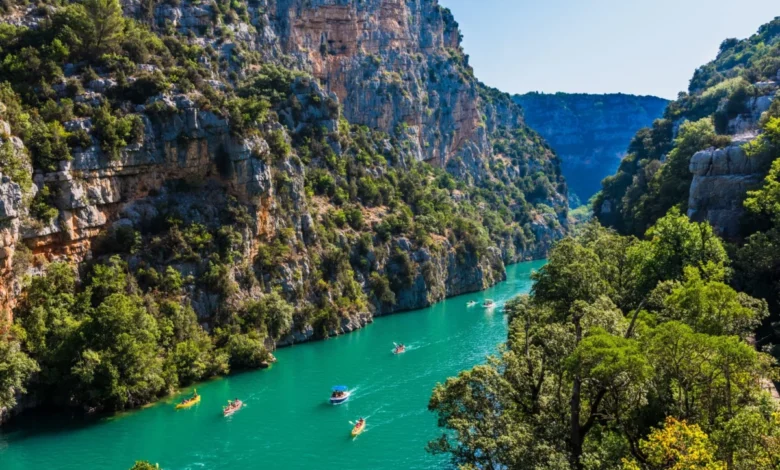
- Lac Sainte-Croix and the Gorge du Verdon: A stunning natural wonder known for its emerald-green waters, dramatic cliffs, and opportunities for outdoor activities such such as kayaking and hiking. The Gorge du Verdon is often referred to as Europe’s Grand Canyon, attracting hundreds of thousands of visitors annually for its breathtaking scenery.
- Valensole Lavender Fields: Scheduled to be at their peak bloom in July, these iconic fields offer a quintessential Provençal experience, drawing photographers and tourists from around the globe. The economic importance of lavender cultivation to the region is substantial, supporting local distilleries and artisan markets.
- La Ciotat: A charming coastal town known for its historic port, calanques (rocky inlets), and a relaxed Mediterranean atmosphere. It offers a glimpse into traditional Provençal seaside life.
- Arles and Nîmes: Cities rich in Roman history, boasting impressive amphitheatres, arenas, and other ancient ruins. Arles, a UNESCO World Heritage site, was famously depicted in the works of Vincent van Gogh, while Nîmes is home to the best-preserved Roman amphitheater in France.
The extended drive from Prague to Provence necessitates strategic stopovers, which add further layers of exploration. On the outbound journey, a stop in Germany is planned, providing a convenient break. The return trip will include visits to Switzerland and Liechtenstein. Liechtenstein, a microstate nestled between Switzerland and Austria, remains a unique draw for travelers seeking to experience smaller, often overlooked European nations. Its appeal lies in its stunning Alpine landscapes, castles, and distinctive cultural identity, despite its small size. This stop also caters to the growing interest in visiting all European microstates, a niche travel goal for many enthusiasts.
Later in July, another trip is scheduled to Dublin, Ireland, for a 40th birthday celebration. Dublin, a vibrant capital city, is renowned for its literary heritage, historic pubs, and lively cultural scene. While some travelers may initially find it challenging to connect with, group travel and a curated itinerary often reveal the city’s charm and hospitality. The trip underscores the enduring popularity of European capital cities for milestone celebrations and group gatherings.
The cultural calendar in Prague also features prominently, with an upcoming Pitbull concert. This event, involving a group of "blogger buddies," illustrates the continued appeal of international music acts in Central European venues and the social aspect of attending concerts with friends. Prague has solidified its reputation as a significant cultural and entertainment hub in Europe, regularly hosting major artists and festivals.
Concluding the month’s extensive travel, a birthday trip to the island of Ischia, Italy, is planned. Ischia, located in the Bay of Naples, is celebrated for its natural beauty, thermal spas, volcanic landscapes, and charming fishing villages. It offers a more serene and authentic Italian island experience compared to its more famous neighbor, Capri. Revisiting a favorite summer destination like Ischia reflects a desire for familiarity and deep appreciation for specific locales, often driven by personal connections and cherished memories. The island’s focus on wellness and relaxation, particularly through its numerous hot springs, makes it a perennial favorite for those seeking rejuvenation.
Broader Implications and Future Travel Trends
The events of early summer 2026, encompassing both environmental challenges and travel opportunities, highlight several key trends shaping the contemporary tourism landscape. The recurring issue of extreme weather events, particularly heatwaves, underscores the imperative for the travel and hospitality industries to adapt to climate change. This includes investing in climate-resilient infrastructure, developing robust contingency plans for cancellations, and promoting sustainable travel practices. Travelers, in turn, are becoming more aware of weather patterns and are increasingly seeking out destinations and accommodations that offer comfort and safety regardless of external conditions.
The strong demand for diverse travel experiences—ranging from immersive cultural road trips to urban explorations and relaxing island getaways—indicates a healthy and evolving tourism market. The rise of pet-friendly travel is another significant trend, prompting hotels, airlines, and other service providers to re-evaluate and expand their offerings to accommodate furry companions. Furthermore, investments in urban infrastructure, such as the GWBBS renovation, demonstrate how strategic planning can significantly enhance the efficiency and appeal of public transportation, thereby supporting regional economic growth and improving the quality of life for residents and visitors alike.
As the summer progresses, the intricate interplay of climate challenges, infrastructural advancements, and shifting traveler preferences will continue to shape the global tourism narrative, calling for adaptability, innovation, and a sustained commitment to both exploration and responsible travel.