A Comprehensive Guide to Family Friendly Hiking and Outdoor Exploration in Sedona Arizona

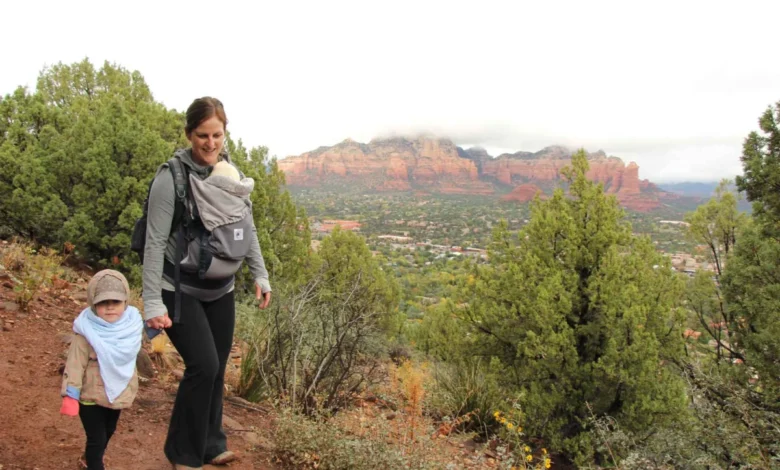
Sedona, Arizona, has established itself as a premier destination for multi-generational travel, particularly for families seeking to introduce infants, toddlers, and young children to the rigors and rewards of outdoor recreation. The region’s distinctive geological formations, characterized by vibrant iron-oxide-stained sandstone, provide a backdrop for a trail system that is uniquely suited to varying levels of physical ability. While the city is often associated with high-intensity adventure sports and spiritual retreats, the Coconino National Forest offers a diverse array of low-impact, high-reward trails that accommodate strollers and baby carriers. This accessibility has made Sedona a focal point for the "early-start" movement in parenting, which emphasizes the cognitive and physical benefits of exposing children to nature during their formative years.

The Geological and Environmental Context of Sedona’s Red Rocks
To understand the appeal of Sedona’s trail system, one must consider the environmental context of the Verde Valley. Located at the base of the Mogollon Rim, Sedona sits at an elevation of approximately 4,500 feet. The red rocks themselves are composed of the Schnebly Hill Formation, a thick layer of red-to-orange sandstone deposited during the Permian period. This porous and often sandy terrain requires specific logistical planning for parents, particularly regarding the choice between rugged all-terrain strollers and ergonomic baby carriers.

The region operates under the jurisdiction of the Coconino National Forest, which manages millions of acres of land. For families, this means adhering to federal land-use regulations, including the requirement of a Red Rock Pass for parking at most trailheads. As tourism numbers in Sedona have swelled—averaging over 3 million visitors annually—the city and the United States Forest Service (USFS) have implemented infrastructure improvements, including a shuttle system designed to mitigate traffic congestion at popular trailheads.

Top Rated Stroller Accessible and Carrier Friendly Trails
The selection of a trail in Sedona depends largely on the age of the child and the equipment available. Local experts and experienced traveling parents have identified several key routes that balance scenic value with safety.

1. The Bell Rock Pathway: A Model of Accessibility
The Bell Rock Pathway is frequently cited as the most accessible trail for families with infants. As part of the Red Rock Scenic Byway—an "All-American Road" designated for its outstanding scenic and recreational qualities—the pathway offers a wide, relatively flat surface composed of crushed red shale.

The pathway extends for several miles, but the one-mile segment starting from the southern trailhead is the most popular for those with strollers. This section provides an unobstructed view of Bell Rock and Courthouse Butte, two of the area’s most iconic landmarks. For parents using strollers, large, air-filled tires are recommended to navigate the occasional patches of loose gravel. The trail is largely exposed to the sun, necessitating rigorous sun-protection measures for young children, as Arizona’s UV index frequently reaches extreme levels.

2. West Fork Trail: Biodiversity and Microclimates
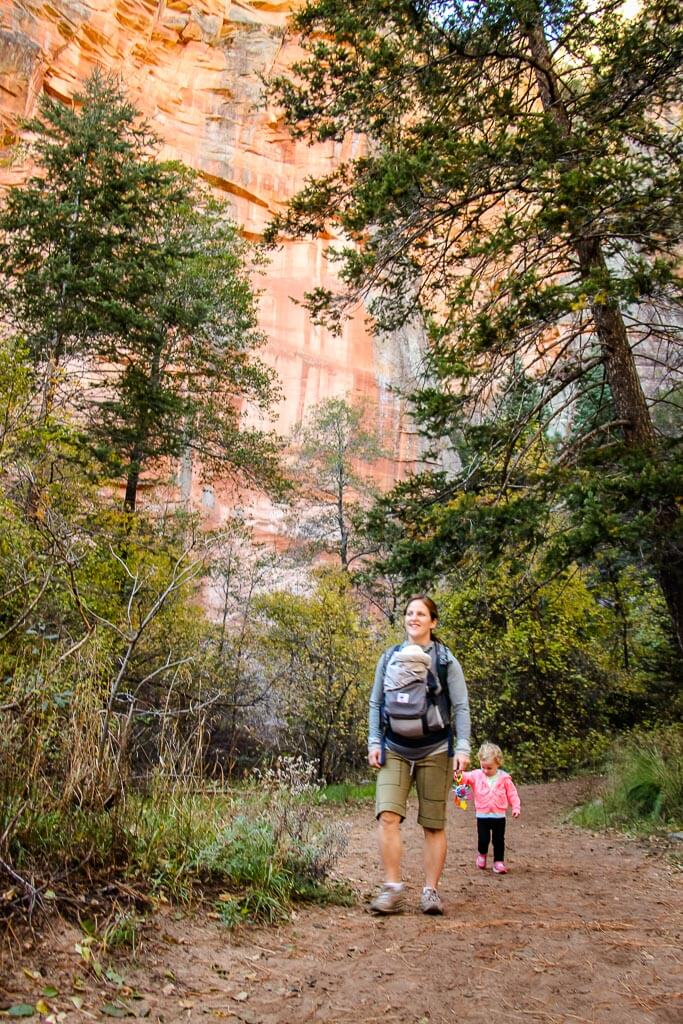
In contrast to the exposed desert pathways, the West Fork Trail in Oak Creek Canyon offers a cooler, forested environment. This trail is characterized by its high canyon walls and the presence of Oak Creek, which the trail crosses multiple times. These crossings involve stepping stones, which generally precludes the use of strollers.

For parents using baby carriers, the West Fork Trail is a primary choice during the summer months due to its significant canopy cover. The trail highlights the transition from desert scrub to riparian forest, featuring ponderosa pines and Gambel oaks. Data from the USFS indicates that West Fork is one of the most visited trails in the Coconino National Forest, often reaching parking capacity by 8:00 AM during peak season.
3. Fay Canyon: Geological Wonders for Young Explorers
Fay Canyon provides a middle ground for families seeking a traditional hiking experience without the vertical gain associated with Sedona’s more strenuous summits. The trail is approximately 2.2 miles round-trip and is notable for its natural stone arch.

While the main trail is manageable for toddlers who are beginning to walk independently, the spur trail leading to the Fay Canyon Arch is steep and rocky. Observers note that while the arch is a significant geological feature, the canyon’s overall scenery and the shade provided by the towering walls are the primary draws for families. Like many Sedona trails, Fay Canyon features "social trails"—unmarked paths created by hikers—and parents are encouraged to stay on the main route to prevent soil erosion and protect local flora.

Logistical Planning and Safety Protocols
Hiking with young children in a high-desert environment requires adherence to strict safety protocols. The combination of altitude and arid climate can lead to rapid dehydration and heat-related illnesses.

Hydration and Nutrition
The "one gallon per person per day" rule is often cited by Arizona park rangers. For families, this includes ensuring that nursing mothers and toddlers have access to significantly more fluids than they would at sea level. The physical exertion of carrying a child in a backpack carrier can increase a parent’s water needs by 50% or more.

Trailhead Management and The Sedona Shuttle
In response to the environmental impact of over-tourism, the city of Sedona launched the Sedona Shuttle. During peak periods, parking at trailheads like Cathedral Rock and Soldier Pass is prohibited, and visitors must use the free shuttle service. This system has implications for families, as they must be able to fold strollers and manage diaper bags within the confines of a public transit vehicle.

The Red Rock Pass System
To support the maintenance of the trail system, the USFS requires a Red Rock Pass for vehicles parked in designated areas. These funds are used for trail repair, signage, and the preservation of archaeological sites. Passes are available as daily, weekly, or annual permits, and the "America the Beautiful" National Parks Pass is also accepted.

Chronology of Trail Development and Tourism Trends
The development of Sedona as a family hiking destination has evolved over several decades. In the mid-20th century, the area was primarily a location for Hollywood Westerns. However, the 1980s saw a surge in interest regarding the area’s perceived "vortexes"—sites of concentrated energy—which brought a new wave of tourism.

By the early 2000s, the focus shifted toward sustainable outdoor recreation. The creation of the Sedona Red Rock Trail Fund in 2013 marked a significant milestone, providing a formal mechanism for private donations to support public trail maintenance. Most recently, the COVID-19 pandemic led to a record-breaking increase in outdoor participation, with many families choosing Sedona as a safe, socially-distanced vacation option. This surge prompted local authorities to emphasize "Leave No Trace" principles more aggressively to protect the fragile desert crust, known as cryptobiotic soil.

Supporting Data: Economic and Social Impact
The economic impact of outdoor recreation in Sedona is substantial. According to the Sedona Chamber of Commerce and Tourism Bureau, tourism contributes over $1 billion annually to the local economy, supporting more than 10,000 jobs. A significant portion of this revenue is driven by "active travelers"—individuals who visit specifically for hiking, mountain biking, and photography.

Socially, the rise of family-oriented hiking has fostered a community of "adventure parents" who utilize digital platforms to share trail conditions and equipment reviews. Data from trail-mapping applications like AllTrails shows that "kid-friendly" is one of the most utilized filters for the Sedona region, indicating a high demand for low-elevation, high-safety routes.

Broader Implications for Conservation and Education
The trend of hiking with infants and toddlers in Sedona has broader implications for environmental conservation. Educators argue that early exposure to natural wonders fosters a "pro-environmental" mindset in children. By navigating the red rocks at a young age, children develop an appreciation for geological history and biological diversity.

However, the high volume of family traffic also poses challenges. The "Airport View Trail" and "Huckaby Trail," which are close to the town center, experience significant foot traffic that can lead to trail widening and the destruction of native vegetation like the century plant and various agave species. The challenge for Sedona moving forward will be balancing its status as a top-tier family destination with the need to preserve the very landscape that draws visitors.

In conclusion, Sedona’s trail system offers a unique opportunity for families to engage with the natural world. Through a combination of accessible infrastructure, such as the Bell Rock Pathway, and more immersive experiences like the West Fork Trail, the region caters to the specific needs of parents with young children. By following established safety guidelines and utilizing modern transit solutions like the Sedona Shuttle, families can ensure that their exploration of the Arizona desert is both memorable and environmentally responsible.