Europe’s Tourism Renaissance: A Comprehensive Look at the Continent’s Most Visited Cities in a Record-Breaking Era.

Following a period of unprecedented global disruption, Europe’s tourism sector has demonstrated a remarkable rebound, with projections indicating over 793 million international arrivals in 2025, significantly surpassing pre-pandemic benchmarks. This resurgence follows a robust 2024, which witnessed record tourism numbers and marked the official recovery from the global travel slump. This detailed analysis, drawing upon a 2024 study by Euromonitor International, additional Top 100 Cities in The World studies, and data from local tourism offices, outlines the continent’s most popular urban destinations, offering crucial insights for travelers planning multi-city itineraries and industry observers alike. The robust recovery underscores Europe’s enduring appeal as a premier global travel destination, with its diverse cultural, historical, and natural attractions continuing to draw millions.
The Landscape of European Tourism Recovery
The global health crisis of the early 2020s dealt a severe blow to the international travel industry, causing a dramatic decline in visitor numbers across Europe. Airports fell silent, historic sites lay dormant, and bustling city centers became hushed. However, the continent’s resilience and concerted efforts by national and local tourism bodies, coupled with pent-up travel demand, have fueled an extraordinary recovery. The return of tourism in 2024, achieving record numbers, signals not just a return to normalcy but a new era of growth and adaptation within the sector. This recovery is vital for Europe’s economy, as tourism is a significant contributor to GDP, supporting millions of jobs and fostering cultural exchange. Analysts at the World Travel & Tourism Council (WTTC) have consistently highlighted the critical role of government policies, vaccination campaigns, and simplified travel protocols in accelerating this recovery, emphasizing the sector’s inherent ability to bounce back. The projected 793 million arrivals for 2025 reflect a sustained positive trajectory, driven by strong consumer confidence and a continued appetite for international experiences.
The Elite Tier: Capitals Leading the Charge
At the forefront of Europe’s tourism resurgence are its iconic capitals, which continue to captivate visitors with their unparalleled attractions and infrastructure.
1. Paris, France – 50 Million Annual Visitors
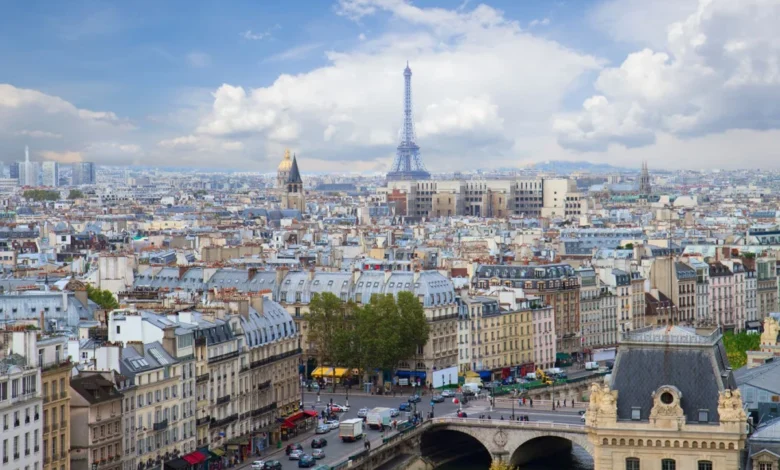
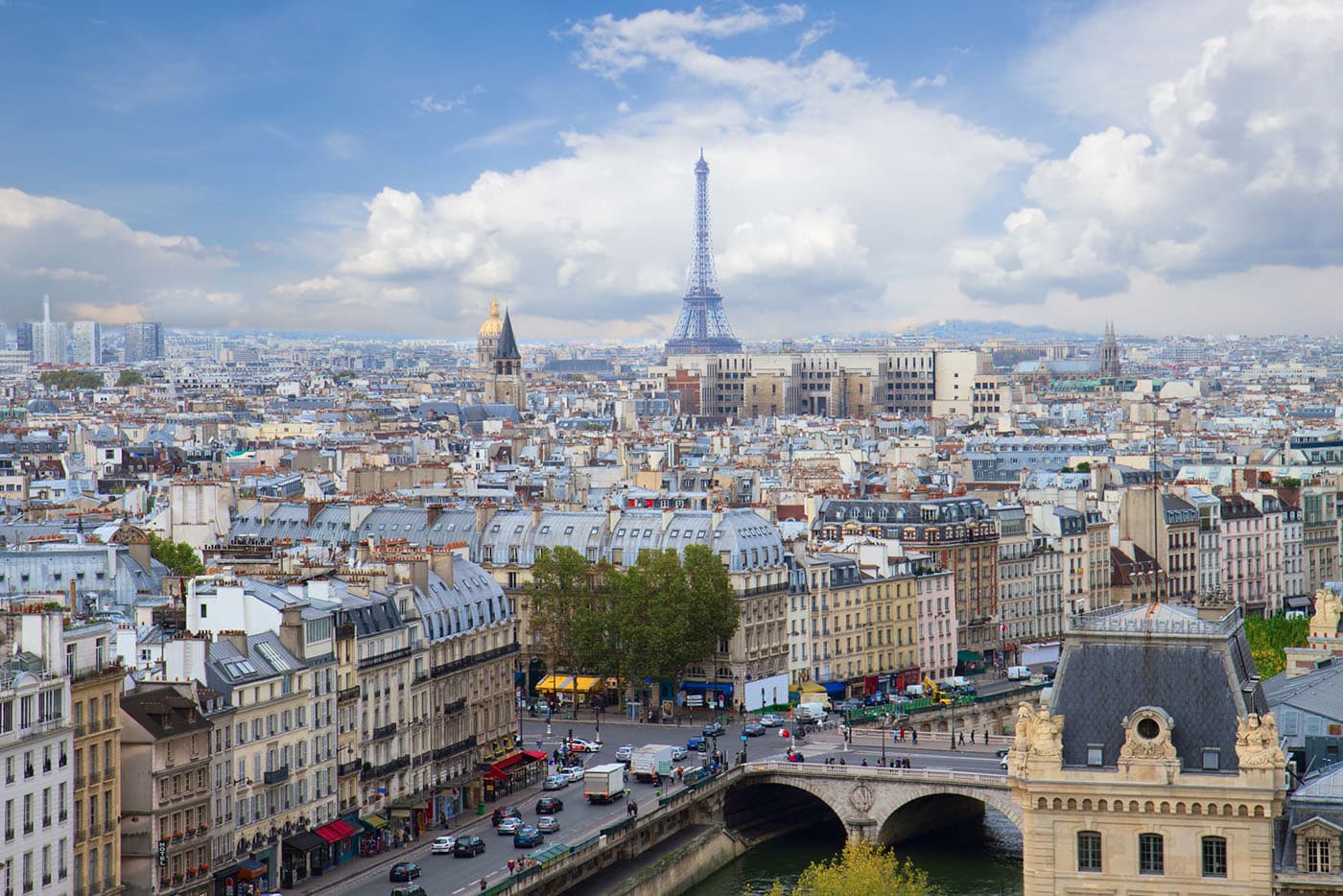
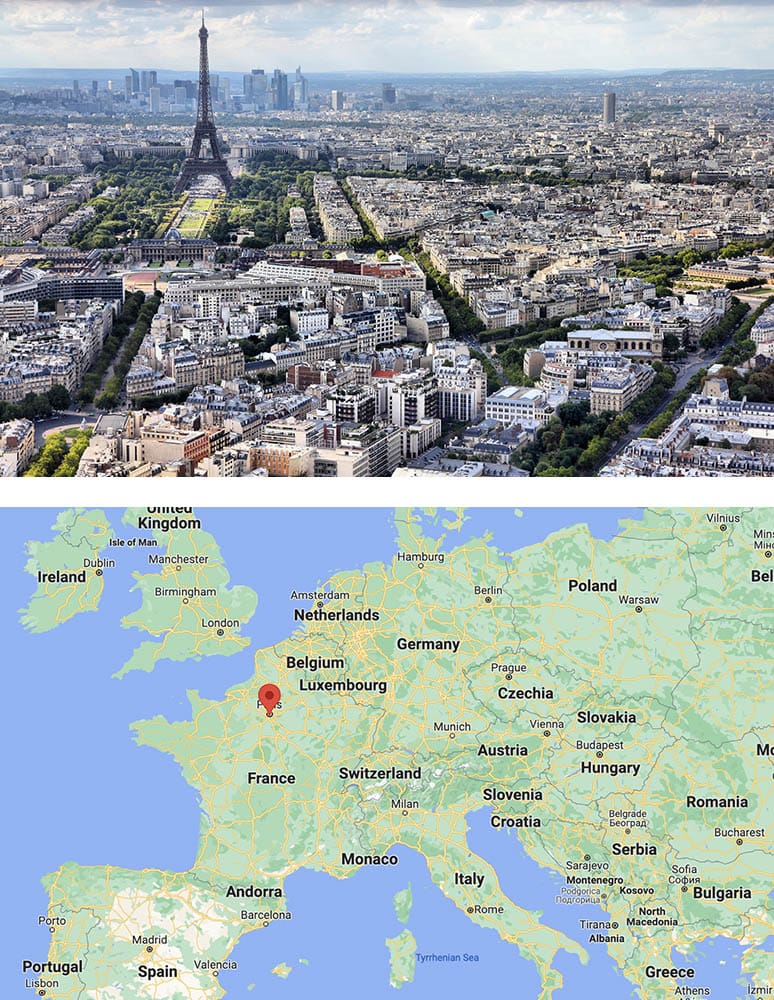
The "City of Light" has reclaimed its status as Europe’s most visited city, narrowly surpassing London after years of close competition. With an astonishing 50 million annual visitors, Paris remains the quintessential European destination. France, as a nation, also maintains its position as the most visited country in Europe, a testament to its widespread appeal. Paris offers an unparalleled concentration of world-famous landmarks, from the Eiffel Tower and Louvre Museum to Notre Dame Cathedral. Its vibrant cultural scene, renowned nightlife, and sophisticated culinary offerings are complemented by an exceptionally efficient Metro system, making navigation seamless for tourists. Furthermore, Paris boasts a robust accommodation sector, featuring the highest number of vacation rental apartments alongside a vast inventory of hotels and hostels, catering to every budget and preference. This robust infrastructure and diverse appeal are key factors in its sustained dominance.
2. London, United Kingdom – 40 Million Annual Visitors
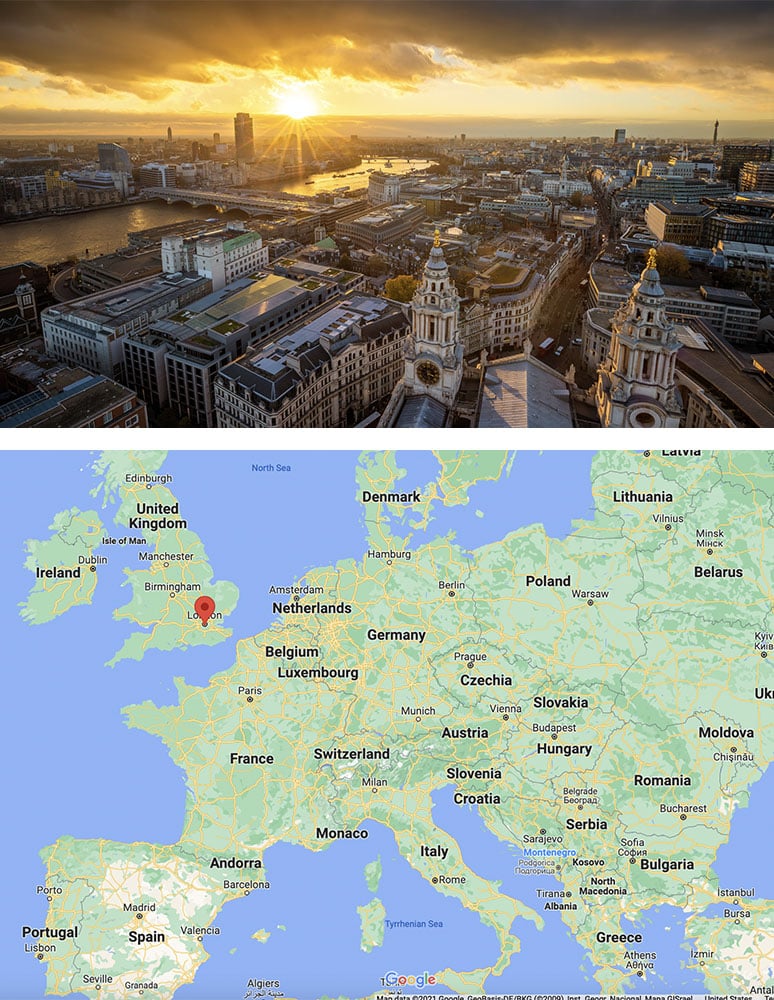
Historically a perennial frontrunner, London, with 40 million annual visitors, now stands as the second most visited city in Europe. Its global connectivity is a significant asset, with multiple major airports ensuring a constant flow of international flights, often at competitive prices. For many first-time international travelers, London serves as an ideal entry point due to the absence of a language barrier and its familiar cultural touchpoints. The city is a world-class metropolis, offering an inexhaustible array of experiences, from historic palaces and world-renowned museums to cutting-edge theater and diverse culinary scenes. Visitors can easily spend a week or more exploring its numerous neighborhoods, each with its unique character, making it a compelling destination for extended stays.
3. Rome, Italy – 35 Million Annual Visitors
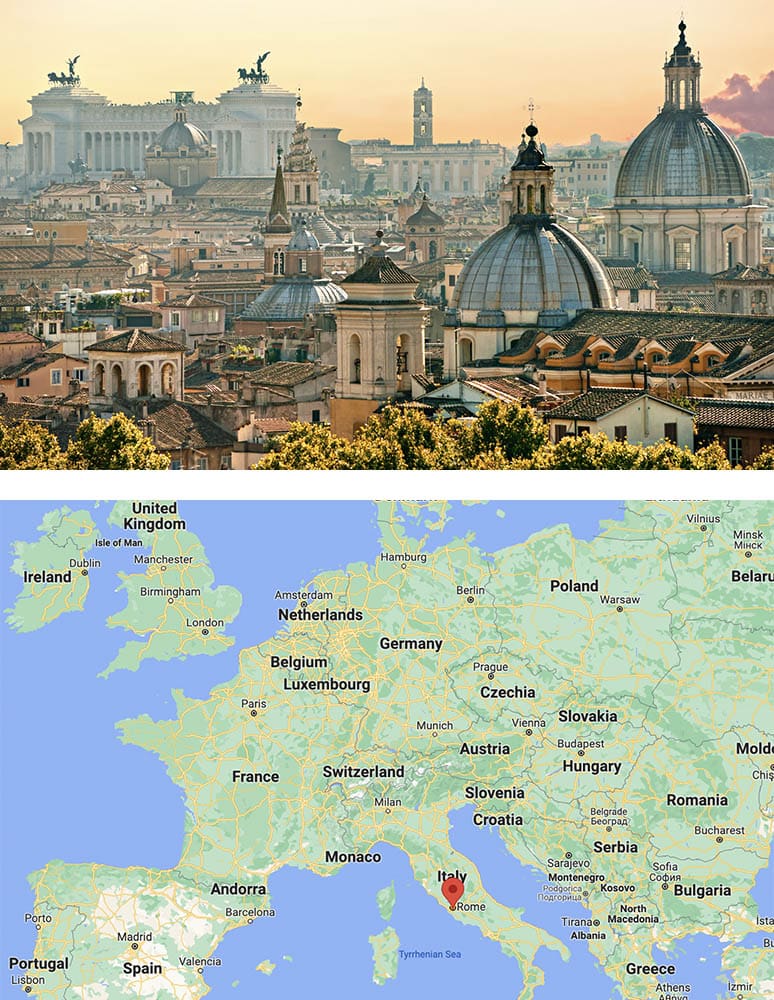
The "Eternal City" firmly holds its place among Europe’s top destinations, drawing 35 million annual visitors. Widely celebrated as one of the world’s most historically, educationally, and culturally rich cities, Rome offers an immersive journey through millennia of civilization. From the grandeur of the Colosseum and the Pantheon to the spiritual heart of Vatican City, its attractions are legendary. The city’s dense concentration of ancient ruins, Baroque fountains, and Renaissance art ensures that every street corner reveals a new wonder. Rome also serves as an excellent gateway to explore Italy’s other magnificent cities and regions, thanks to its well-developed rail network, making it a pivotal hub for multi-destination Italian adventures.
Cultural Crossroads and Rising Stars
Beyond the established giants, other cities are making significant strides, reflecting shifting travel patterns and renewed interest in diverse European experiences.
4. Istanbul, Turkey – 20 Million Annual Visitors
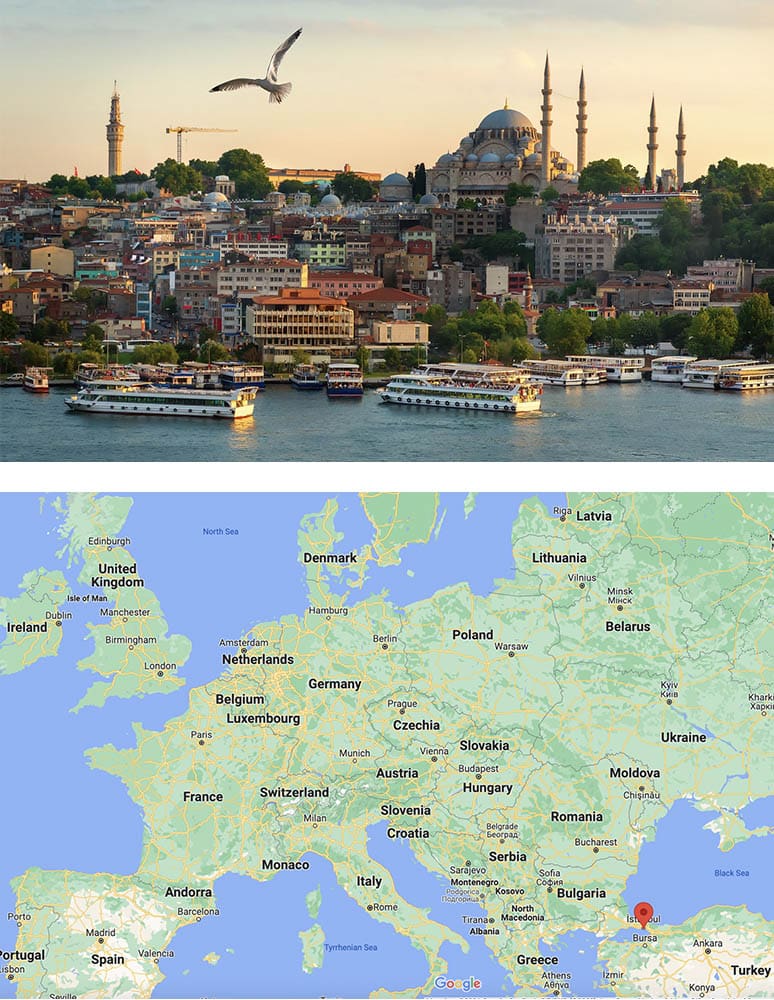
Istanbul, a city straddling two continents, has seen a dramatic resurgence, welcoming 20 million annual visitors. After navigating periods of political instability, the city’s unique "East meets West" allure has once again captured the imagination of travelers, particularly Europeans seeking a blend of Ottoman splendor and modern vibrancy. Its iconic mosques, bustling bazaars, and strategic location on the Bosphorus offer a rich tapestry of cultural experiences that are distinctly different from Western European destinations.
5. Barcelona, Spain – 16 Million Annual Visitors
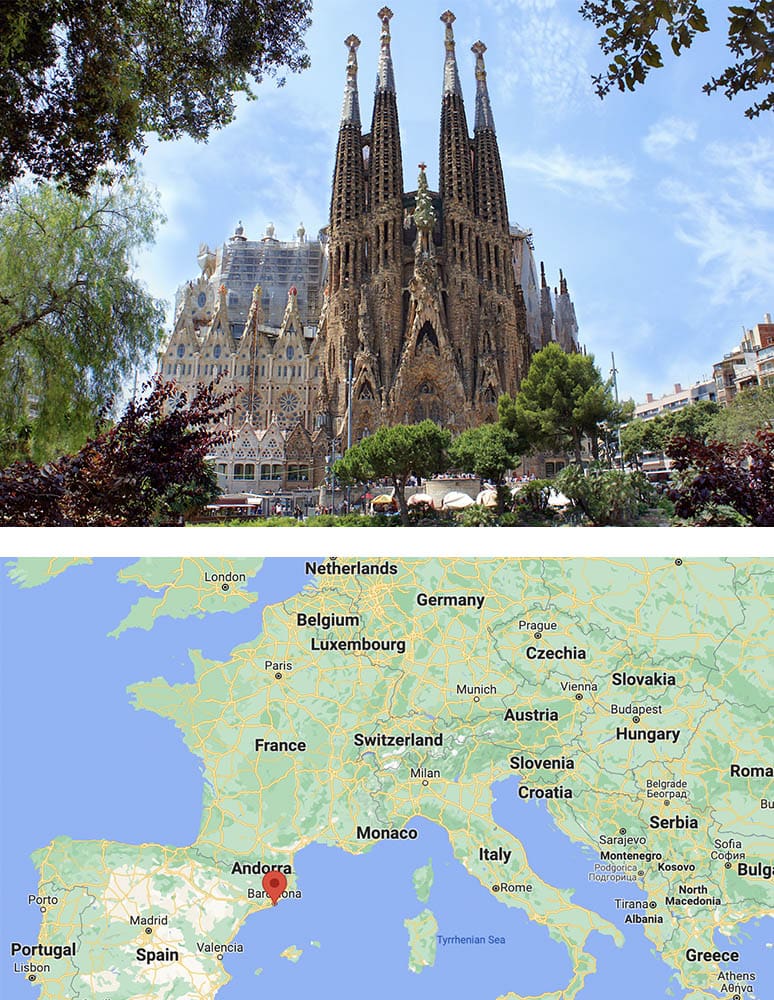
Barcelona, a jewel of Catalonia, consistently features on global travel itineraries, attracting 16 million annual visitors. Its appeal lies in a dynamic fusion of factors: a vibrant food scene, the unique architectural masterpieces of Antoni Gaudí, a pleasant Mediterranean climate, beautiful urban beaches, and a nightlife scene often lauded as among the best globally. The city’s distinct cultural identity and energetic atmosphere create an unforgettable experience for visitors.
6. Lisbon, Portugal – 14 Million Annual Visitors
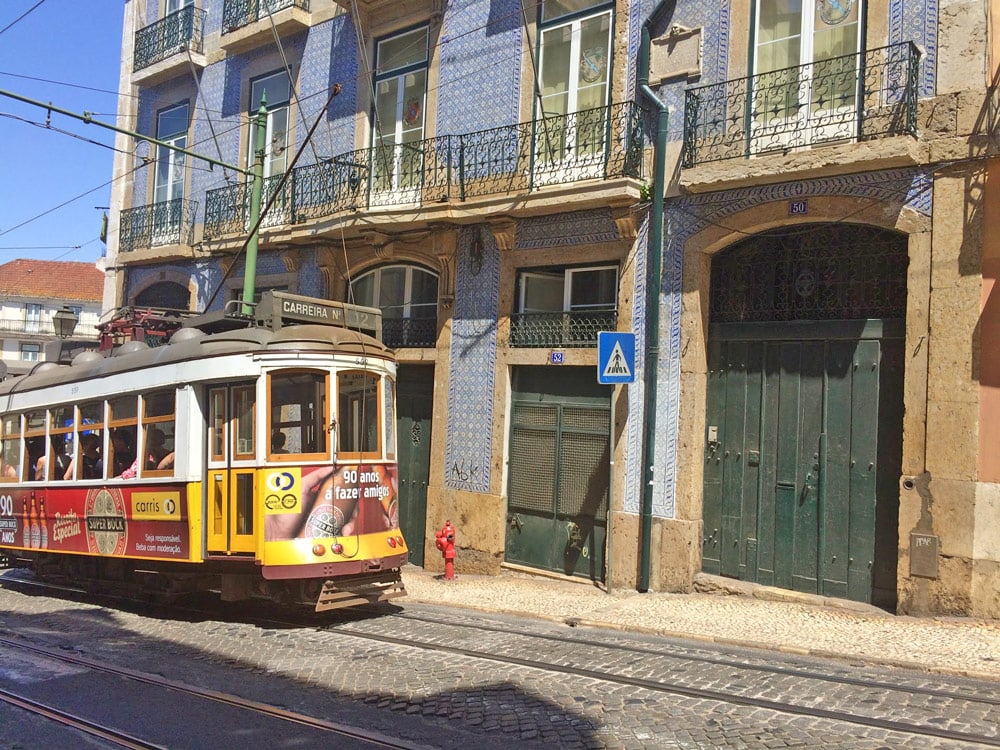
Lisbon has rapidly ascended the ranks of Europe’s most visited cities, welcoming 14 million annual visitors. This charming capital exudes a laid-back, coastal vibe, famous for its picturesque pastel buildings, thriving café culture, and an authentic, slightly gritty character. Its relative affordability compared to many Western European counterparts, particularly regarding food and accommodation, makes it an attractive destination for budget-conscious travelers without compromising on cultural richness or aesthetic appeal.
7. Amsterdam, Netherlands – 8.9 Million Annual Visitors
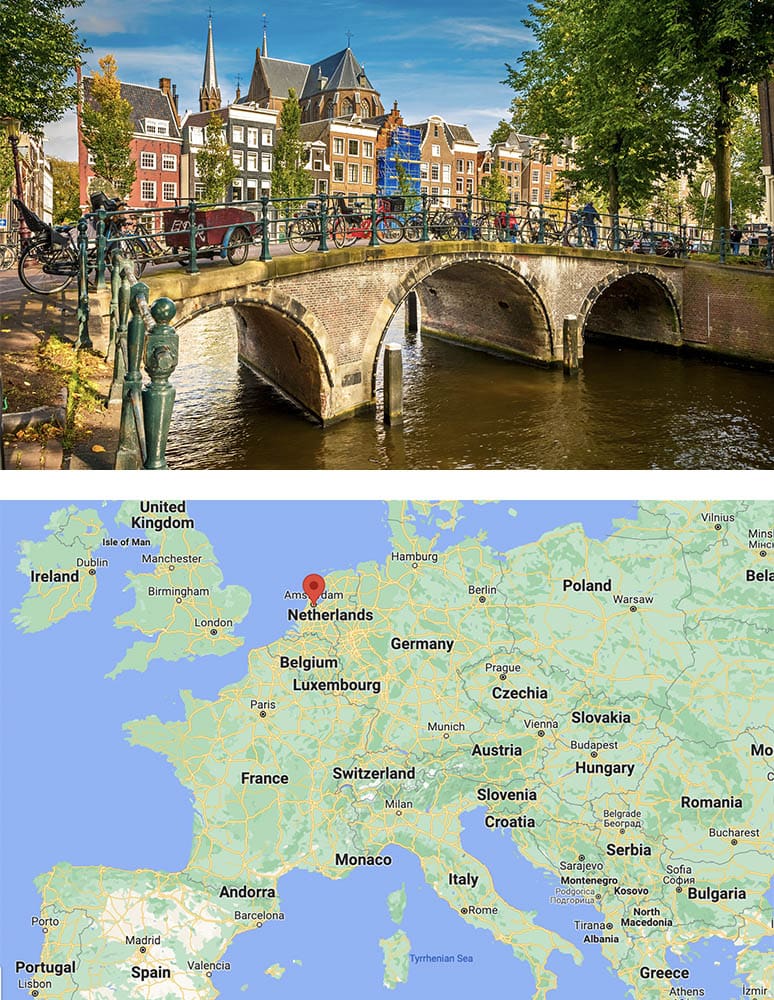
Despite its compact size, Amsterdam remains a major European tourism magnet, drawing 8.9 million annual visitors. Its iconic canals, stunning 17th-century architecture, world-class museums, and liberal social policies contribute to its widespread appeal. However, Amsterdam also faces significant challenges with over-tourism, leading to higher prices, especially for accommodation. Visiting during the off-season is often recommended for those seeking to avoid peak crowds and experience the city’s charm more intimately.
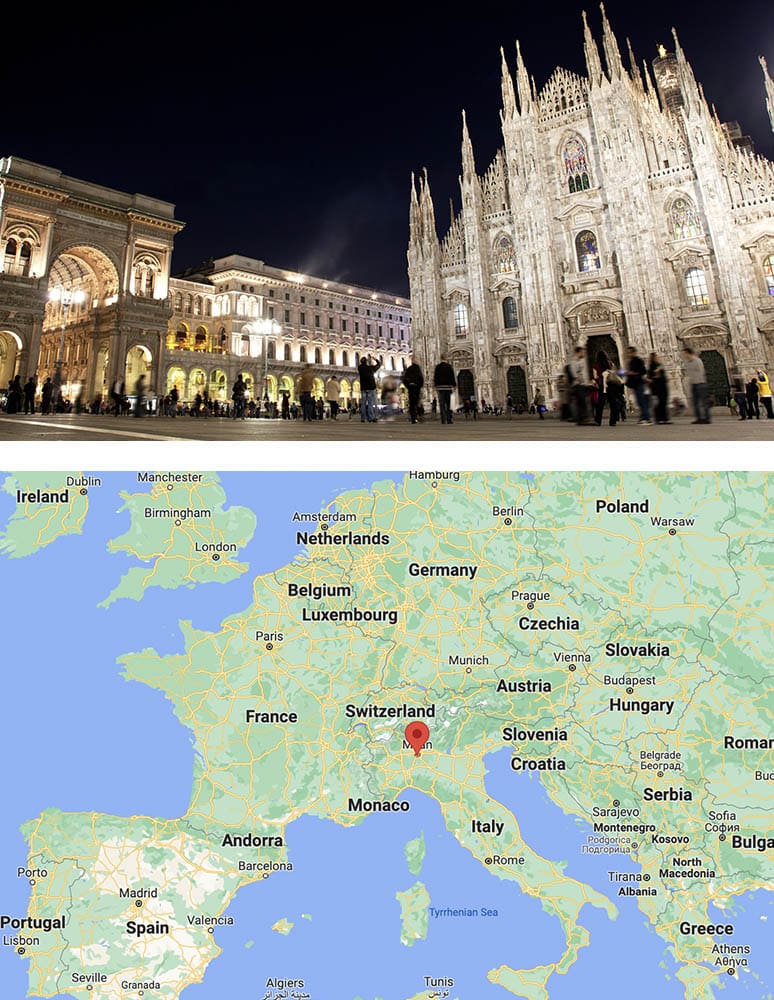
8. Milan, Italy – 8.2 Million Annual Visitors
As Europe’s fashion capital and Italy’s financial hub, Milan attracts 8.2 million annual visitors. While possessing a more buttoned-up, modern ambiance compared to Italy’s more historically quaint cities, Milan offers a unique blend of high culture, design, and business acumen. It serves as an excellent destination for those who have explored Italy’s other prominent highlights and seek a different facet of Italian urban life, including its magnificent Duomo and world-renowned shopping districts.
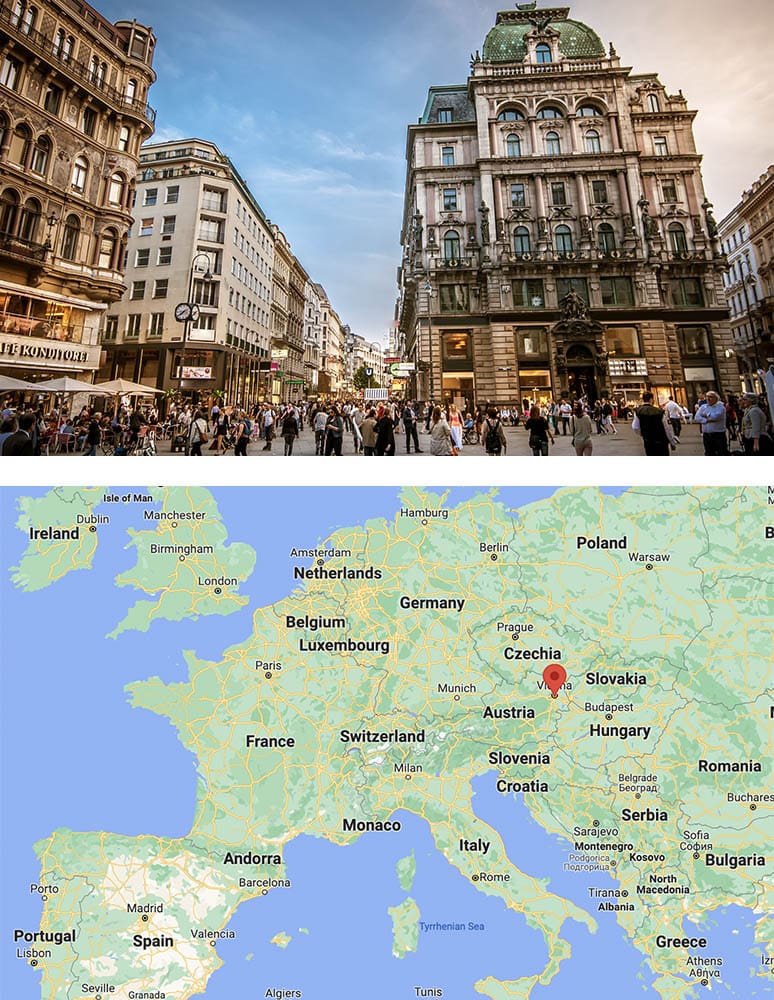
9. Vienna, Austria – 8.2 Million Annual Visitors
Consistently ranked among the most livable cities globally, Vienna’s appeal as a tourist destination is undeniable, welcoming 8.2 million annual visitors. Its harmonious blend of Art Nouveau, Gothic, and Baroque architecture creates a stunning visual spectacle. A visit to Vienna is incomplete without indulging in its celebrated coffee house culture, where traditional desserts and rich history converge, offering a glimpse into the city’s elegant past.
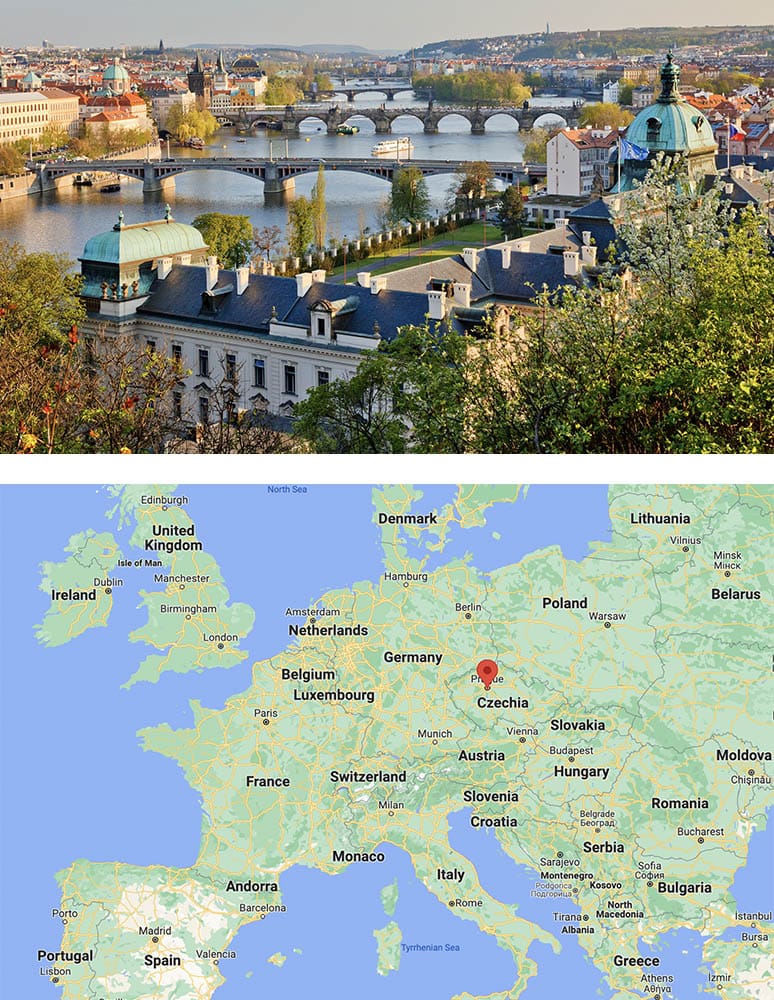
10. Prague, Czech Republic – 7.5 Million Annual Visitors
Often described as a "fairy tale city," Prague enchants 7.5 million annual visitors with its medieval charm, Gothic spires, and romantic cobblestone streets. While its affordability has shifted over the years, it still offers significant value compared to Western European capitals, particularly in dining and entertainment. The city’s picturesque Old Town Square, Charles Bridge, and Prague Castle are magnets for tourists, though summer months can be exceptionally busy, prompting recommendations for off-season visits.
Diverse European Experiences: From Ancient Roots to Modern Vibrancy
The list extends to a rich tapestry of cities, each offering distinct attractions and contributing to Europe’s diverse tourism landscape.
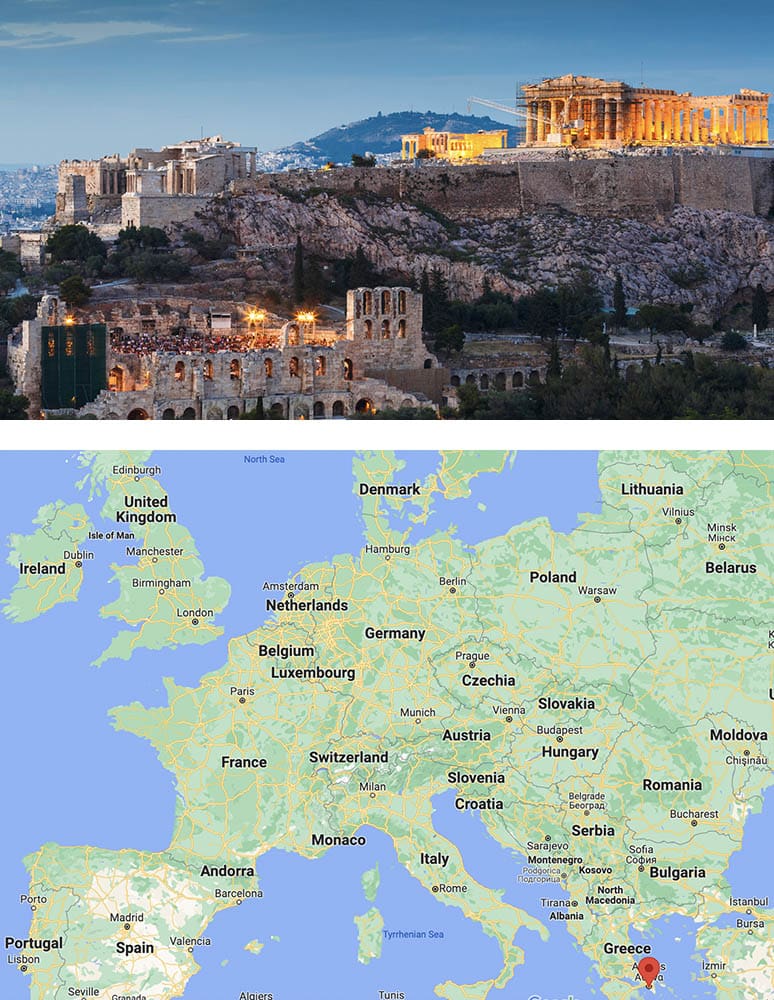
11. Athens, Greece – 6.5 Million Annual Visitors
Athens, the historical capital of Europe and the birthplace of democracy, science, and Western philosophy, attracts 6.5 million annual visitors. While often a transit point for the Greek Islands, the city itself boasts monumental sites like the Acropolis and Parthenon. Despite its immense historical significance, parts of modern Athens present a grittier urban landscape, a contrast to the picturesque image many associate with European cities.
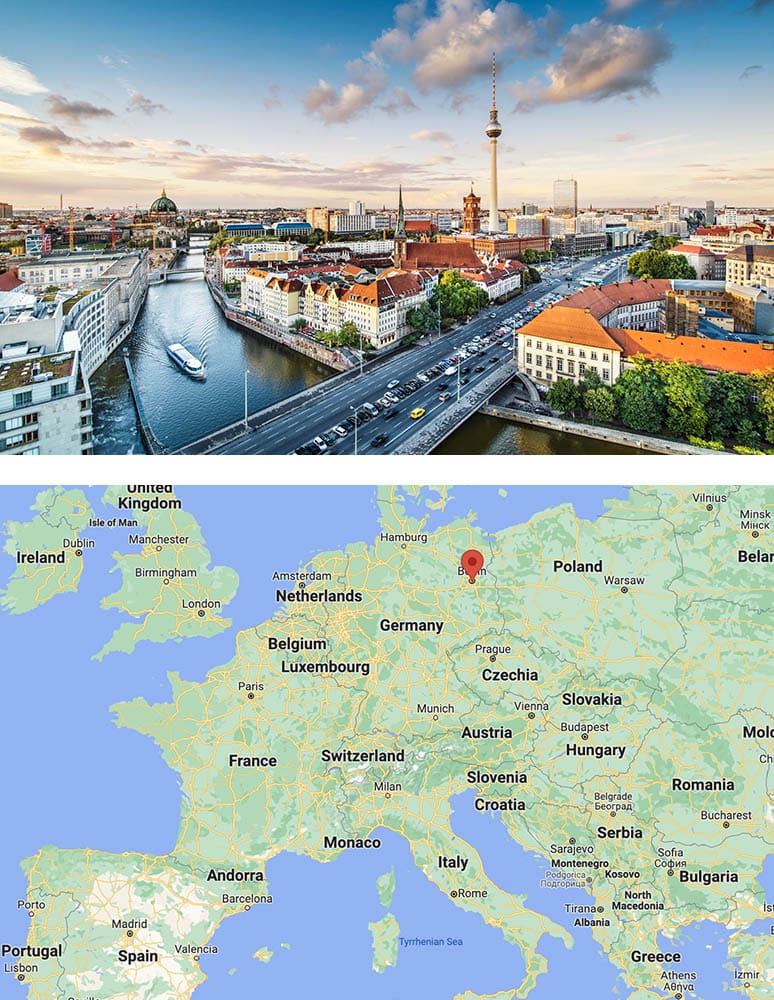
12. Berlin, Germany – 6.3 Million Annual Visitors
Berlin, famously once described as "poor but sexy," continues to evolve as a major European destination with 6.3 million annual visitors. While no longer as inexpensive as it once was, it remains one of the more affordable major European cities. Berlin is a global hub for nightlife and clubbing, yet it also offers a wealth of cultural activities, including numerous excellent museums and significant historical sites that reflect its complex 20th-century history.
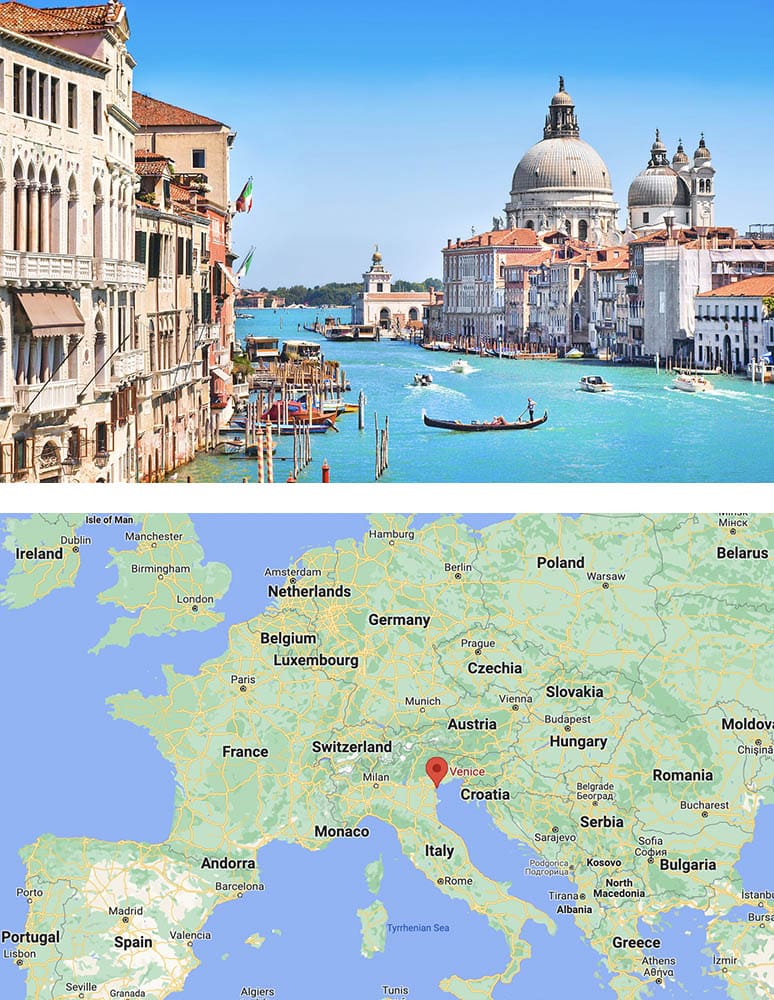
13. Venice, Italy – 5.6 Million Annual Visitors
The unique and fragile city of Venice draws 5.6 million annual visitors, captivated by its canals, gondolas, and architectural splendor. It grapples with the challenges of over-tourism, exacerbated by large cruise ship arrivals. However, those who stay overnight are rewarded with a distinctly different, more serene experience as the day-tripping crowds dissipate, revealing the city’s true magic.
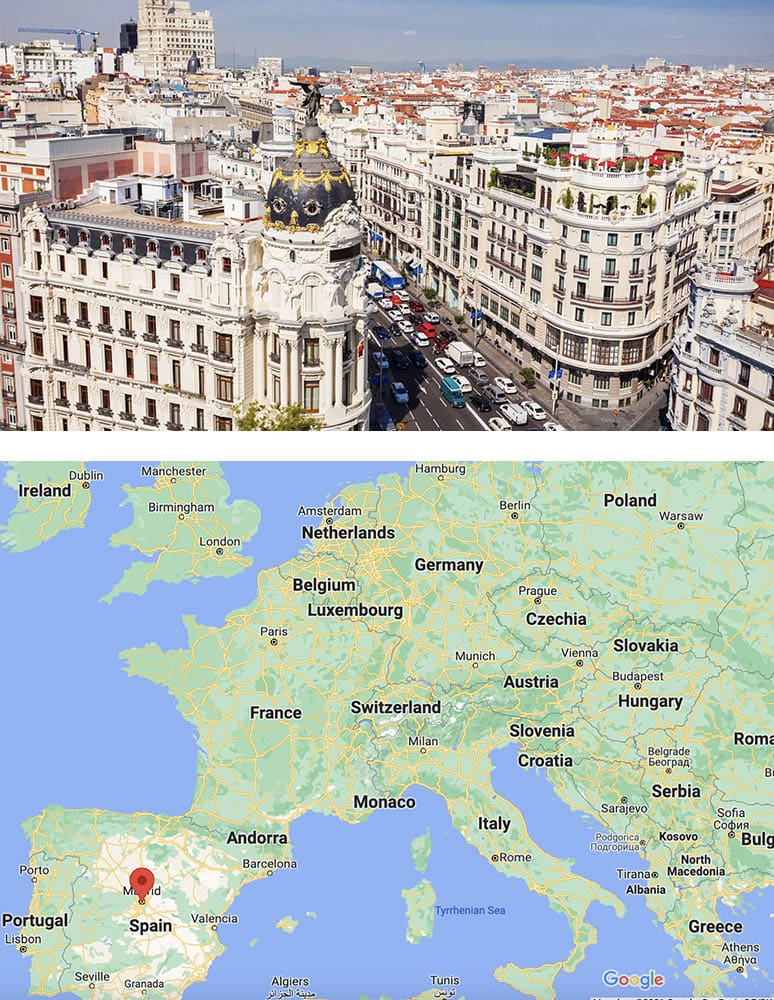
14. Madrid, Spain – 5.6 Million Annual Visitors
Spain’s vibrant capital, Madrid, attracts 5.6 million annual visitors. It is celebrated for its outstanding culture, art (especially its world-class museums), architecture, and excellent nightlife, all offered at a relatively affordable price by Western European standards. While much of its architecture dates from the 20th century, giving it a modern feel, Madrid overflows with a unique energy and undeniable charm that resonates with visitors.
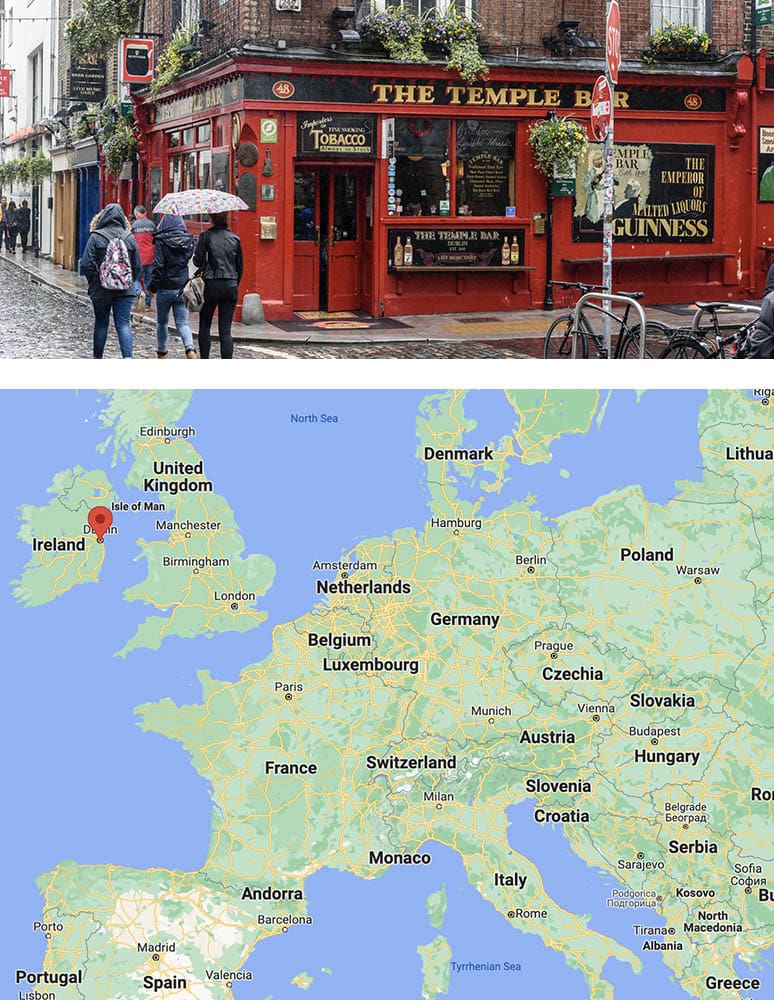
15. Dublin, Ireland – 5.5 Million Annual Visitors
Dublin, a small yet incredibly vibrant city, charms 5.5 million annual visitors with its friendly locals, thriving pub culture, and significant student population. Its compact size makes it highly walkable, allowing visitors to easily explore its historical sites, literary landmarks, and lively social scene. Despite its undeniable appeal, Dublin is noted for being a relatively expensive city, particularly concerning food and alcohol.
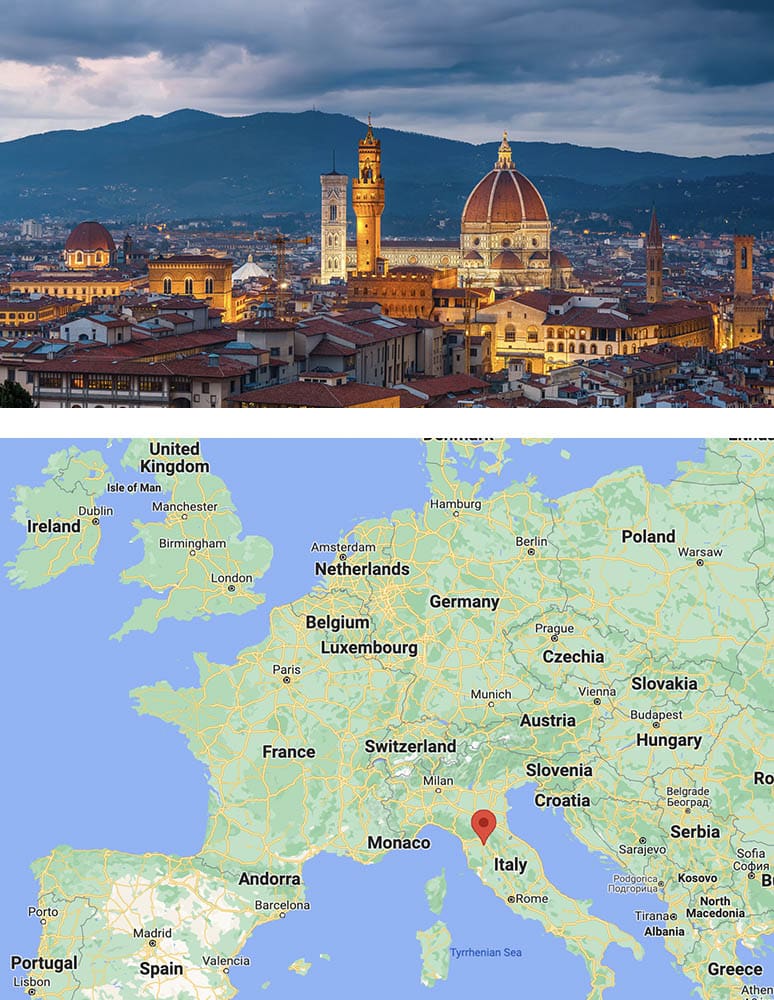
16. Florence, Italy – 5.1 Million Annual Visitors
Florence, the heart of the Renaissance, is an essential Italian destination, drawing 5.1 million annual visitors. Just a 1.5-hour high-speed train ride from Rome, it’s often a popular day-trip spot. However, the city’s true beauty and delicious culinary offerings are best savored over several days, especially as the crowds thin out in the evenings.
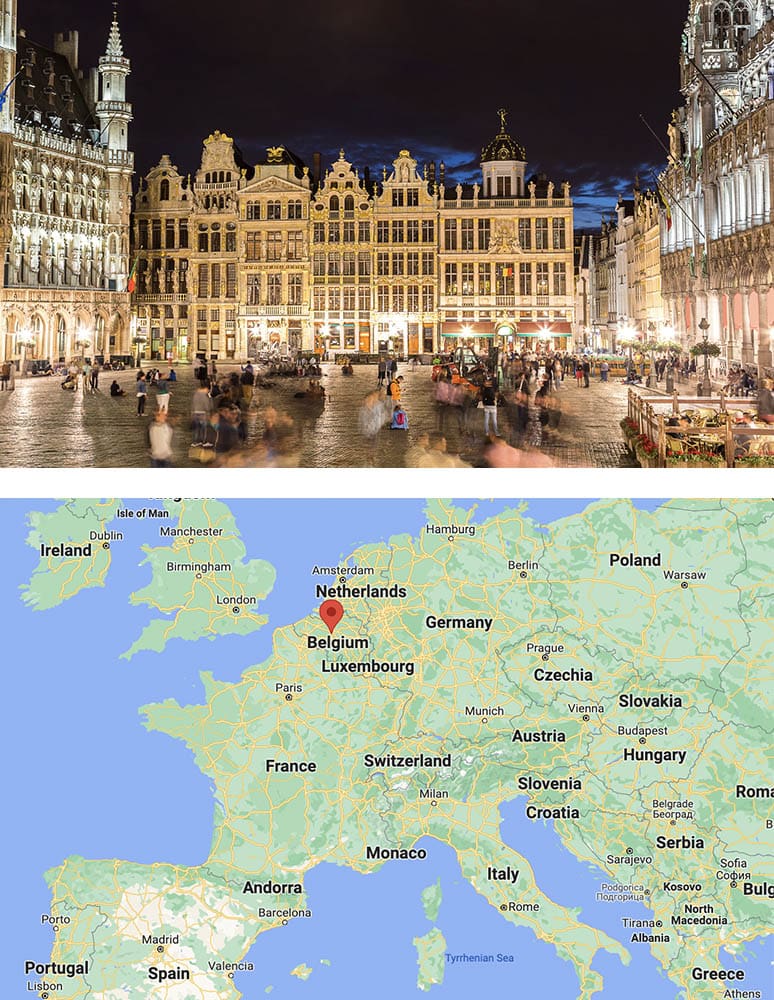
17. Brussels, Belgium – 4.3 Million Annual Visitors
Home to the European Union, Brussels welcomes 4.3 million annual visitors. While it has traditionally been perceived as a somewhat staid and expensive city, it is increasingly attracting a creative class, contributing to a slow but steady shift in its image. Visitors are guaranteed an abundance of amazing Belgian beer, chocolate, fries, and waffles, offering delightful culinary experiences.
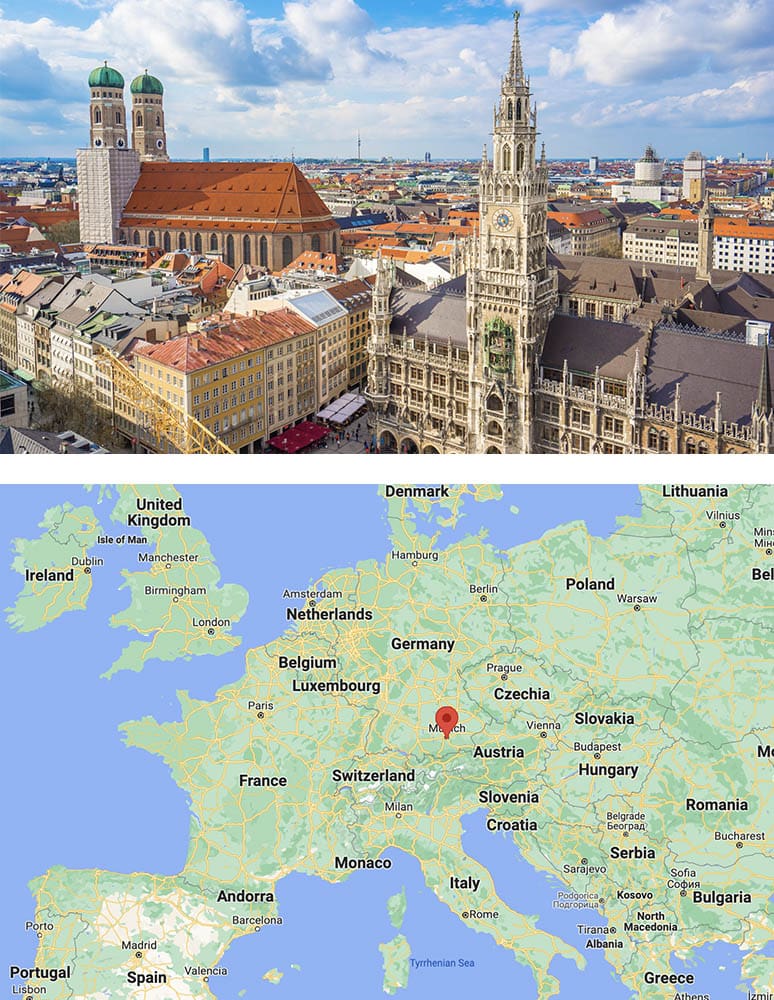
18. Munich, Germany – 4.2 Million Annual Visitors
Munich, the capital of Bavaria, draws 4.2 million annual visitors with its classical German architecture, numerous museums, and world-famous annual Oktoberfest. Beyond the festival, Munich is a paradise for beer enthusiasts, boasting countless traditional beer gardens and breweries that offer a taste of Bavarian culture.
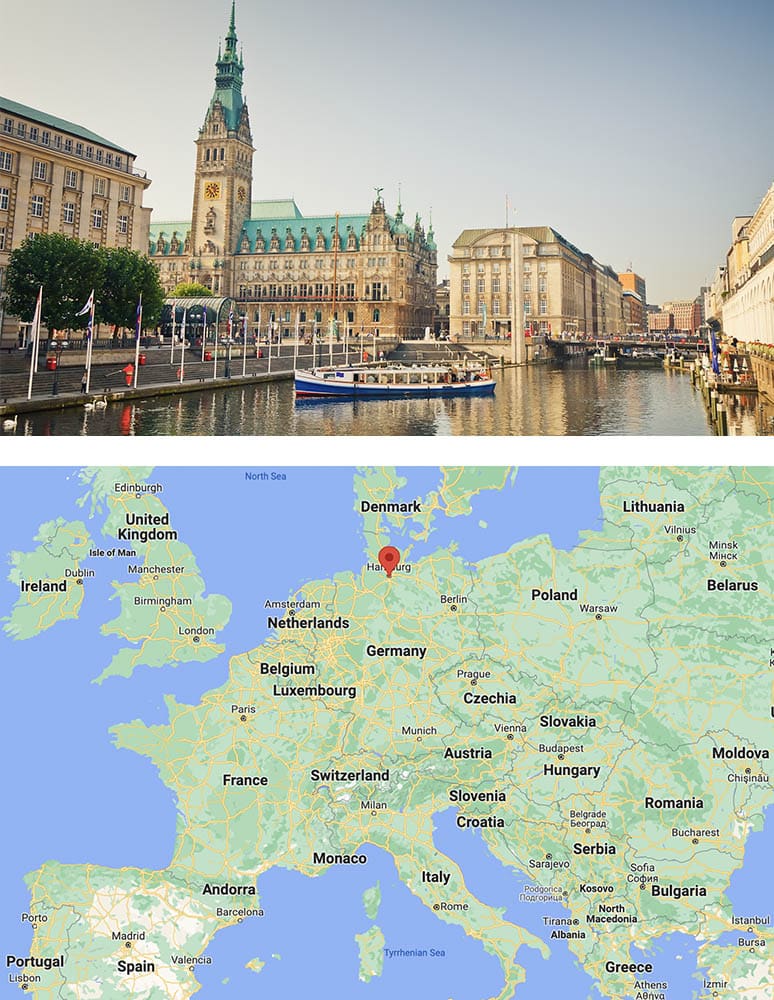
19. Hamburg, Germany – 4 Million Annual Visitors
Germany’s second-largest city, Hamburg, attracts 4 million annual visitors. Historically a major port city, it has undergone a significant transformation in recent years, shedding its rough edges to become one of Germany’s hippest urban centers. The city now boasts a thriving scene of new restaurants, bars, and clubs, complementing its maritime heritage and modern architectural marvels like the Elbphilharmonie.
20. Budapest, Hungary – 4 Million Annual Visitors
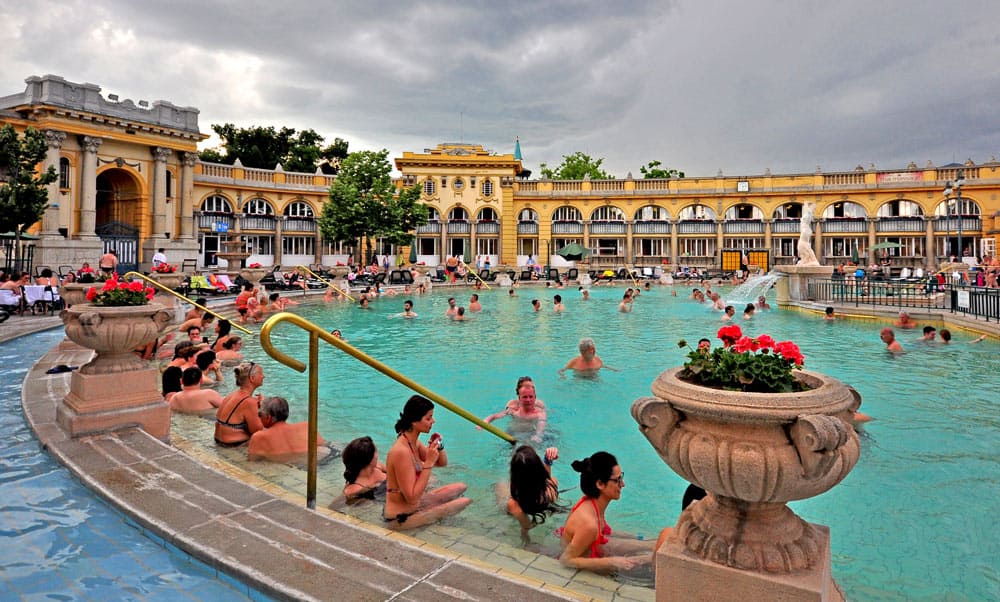
Often dubbed the "Paris of the East," Budapest welcomes 4 million annual visitors, solidifying its position as a leading Eastern European destination. It combines elegant boulevards and beautiful architecture with a unique grit and edge, a legacy of its past. Budapest is also known for being affordable and boasts a vibrant nightlife, making it particularly popular with younger travelers.
21. Tallinn, Estonia – 4 Million Annual Visitors
Nestled between Stockholm and St. Petersburg, Tallinn offers an alluring blend of Nordic and Russian influences to its 4 million annual visitors. Its remarkably preserved medieval Old Town, with numerous historic buildings and intact city walls, makes it one of Europe’s most complete walled cities. While popular for day trips from Helsinki, an overnight stay reveals a more authentic and less crowded experience.
22. Copenhagen, Denmark – 3.2 Million Annual Visitors
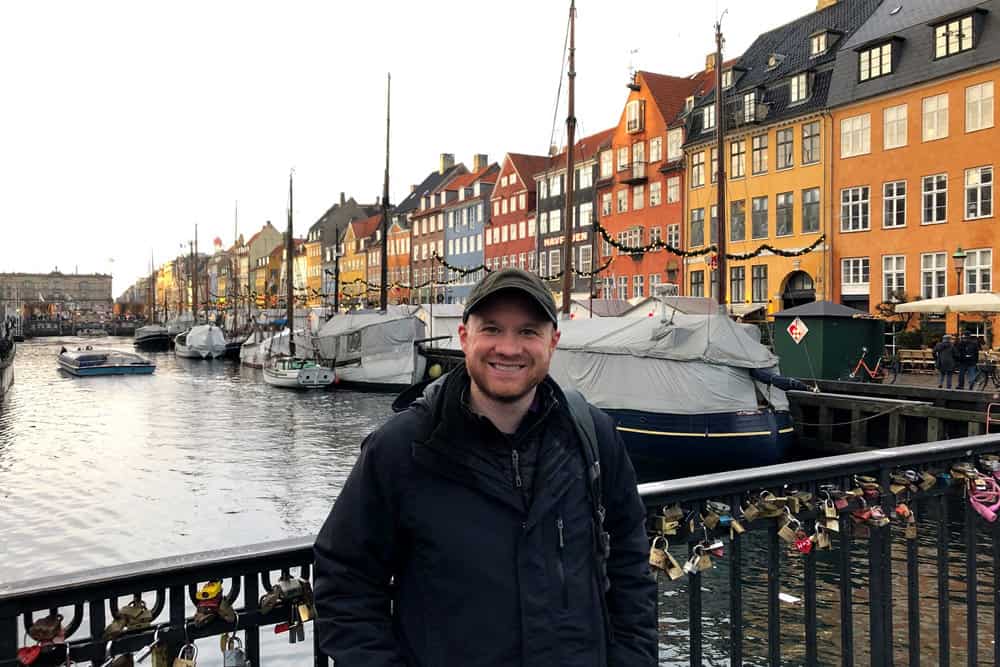
Copenhagen’s charm and high quality of life are evident to its 3.2 million annual visitors. The city beautifully blends historic architecture with cutting-edge design, offers a world-class food scene, a lively craft beer culture, abundant green spaces, and a pervasive biking culture. Its friendly locals and vibrant cultural offerings make it a "must-visit" destination.
23. Edinburgh, Scotland – 3.1 Million Annual Visitors
Edinburgh, Scotland’s captivating capital, attracts 3.1 million annual visitors with its magical medieval Old Town, elegant Georgian New Town, and the iconic Edinburgh Castle. The city truly comes alive during the Edinburgh Festival in August, drawing thousands. Its welcoming atmosphere, friendly locals, and excellent Scottish pubs contribute to its widespread appeal.
24. Heraklion, Greece – 3 Million Annual Visitors
Heraklion, the bustling port city and capital of Crete, sees 3 million annual visitors. While many use it as a starting point to explore the wider region of Crete, its historical sites, including the Palace of Knossos, and vibrant city life offer a compelling experience for those who delve deeper.
25. Kraków, Poland – 2.9 Million Annual Visitors
Kraków, Poland’s cultural and intellectual capital, enchants 2.9 million annual visitors with its beautiful, old-world charm. Known for its picturesque main square and historical sites, it also boasts a reputation as a lively party town, thanks to its affordability and large student population.
26. Warsaw, Poland – 2.8 Million Annual Visitors
Warsaw, Poland’s resilient capital, largely rebuilt after the devastation of WWII, is attracting 2.8 million annual visitors. As a city still being "discovered" by international tourism, it offers a unique blend of historical reconstruction and modern development. While perhaps requiring a bit more independent planning due to a less established mass-tourism infrastructure, its rich history and vibrant cultural scene make it a rewarding destination.
27. Frankfurt, Germany – 2.7 Million Annual Visitors
Frankfurt, primarily recognized as a modern business and finance hub, welcomes 2.7 million annual visitors. While it offers a range of interesting museums and a distinctive skyline, it tends to appeal more to business travelers, and might not be a top-tier destination for tourists seeking "old Europe" charm.
28. Stockholm, Sweden – 2.7 Million Annual Visitors
The stunning city of Stockholm, spread across 14 islands, draws 2.7 million annual visitors. Its beautiful waterways, historic Gamla Stan, and modern design make it visually appealing. However, its reputation for being expensive and its relatively northern location can be limiting factors for some travelers.
29. Nice, France – 2.6 Million Annual Visitors
Nice, a gem on the French Riviera, has been a beloved summer vacation destination for Europeans for centuries, attracting 2.6 million annual visitors. While the South of France is known for its luxury, Nice offers plenty of budget-friendly options, including excellent museums and easy train access to charming coastal towns, making it accessible to a wider range of travelers.
30. Porto, Portugal – 2.5 Million Annual Visitors
While Lisbon sees more tourists, the beautifully atmospheric city of Porto welcomes 2.5 million annual visitors. Known for its port wine, slightly shabby-chic aesthetic, and excellent weather, Porto is also very affordable, making it attractive to young chefs and travelers seeking value.
31. Bruges, Belgium – 2.5 Million Annual Visitors
Despite its small size, the medieval "fairytale" town of Bruges is incredibly popular, attracting 2.5 million annual visitors, likely more if day-trippers were fully accounted for. While its main attractions can be explored in a day, an overnight stay offers a more tranquil and authentic experience once the crowds subside.
32. Reykjavik, Iceland – 2 Million Annual Visitors
Tourism to Reykjavik has surged dramatically, with 2 million annual visitors now arriving in a city with a population of just over 100,000. Surrounded by breathtaking natural landscapes, Reykjavik itself is a vibrant cultural hub. However, its extremely high cost of living and travel expenses pose a significant consideration for visitors.
33. Seville, Spain – 2 Million Annual Visitors
Seville, Spain’s fourth-largest city and a beloved destination in Southern Europe, welcomes 2 million annual visitors. This laid-back city offers a wealth of sights and culinary delights, making it ideal for a multi-day exploration. Travelers are advised to visit in spring or autumn to avoid the intense summer heat.
34. Lyon, France – 1.6 Million Annual Visitors
Lyon, widely recognized as the gastronomic capital of France, attracts 1.6 million annual visitors. Beyond its culinary fame, Lyon is a vibrant center for art, culture, winemaking, and commerce. Its numerous museums and large university population contribute to a youthful and welcoming atmosphere, which many visitors find more approachable than Paris.
35. Dubrovnik, Croatia – 1.5 Million Annual Visitors
Dubrovnik, the "Pearl of the Adriatic," has witnessed an explosion in popularity in recent years, largely thanks to its role as a filming location for popular television series, attracting 1.5 million annual visitors. This surge has also brought higher prices and challenges of over-tourism, making off-season visits preferable for those seeking a more authentic and less crowded experience of its walled Old Town.
Broader Impact and Implications

The strong recovery and projected growth of European tourism bring both opportunities and challenges. Economically, the sector’s resurgence injects billions into local economies, supporting small businesses, cultural institutions, and infrastructure development. Tourism boards and local governments are keenly aware of this impact, often releasing optimistic reports and strategic plans to manage growth. However, this success also amplifies concerns about over-tourism, particularly in smaller, historically sensitive cities like Venice, Amsterdam, and Dubrovnik. These destinations are increasingly implementing measures such as tourist taxes, restrictions on short-term rentals, and managing cruise ship traffic to mitigate environmental and social impacts. The focus is shifting towards sustainable tourism models that balance economic benefits with the preservation of cultural heritage and local quality of life. Furthermore, the availability of affordable mobile data solutions, such as prepaid SIM and eSIM plans, highlights a broader trend towards digital integration in travel, enhancing visitor experience and connectivity across the continent. This digital accessibility, coupled with comprehensive travel guides and resources, empowers travelers to explore Europe more independently and cost-effectively, further fueling its enduring appeal.
Europe’s cities, with their rich histories, diverse cultures, and continuous evolution, remain at the heart of global travel. The robust recovery and projected growth confirm their magnetic allure, promising vibrant experiences for millions of visitors while also prompting critical discussions on how to manage this success sustainably for future generations.