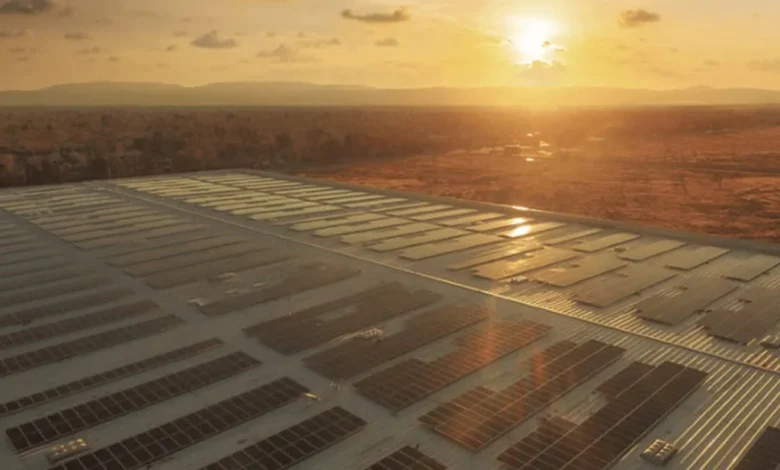
The impetus behind this transition is no longer solely rooted in environmental altruism. For millions of Australian households and businesses, the move toward clean energy has evolved into a strategic financial decision. With soaring conventional power bills and the increasing frequency of grid instability, the appeal of energy independence and long-term cost savings has become a primary motivator. As technology matures and prices for components like lithium-ion batteries and high-efficiency photovoltaic cells continue to decline, the barrier to entry for homeowners has never been lower.
The Strategic Growth of the Australian Renewable Sector
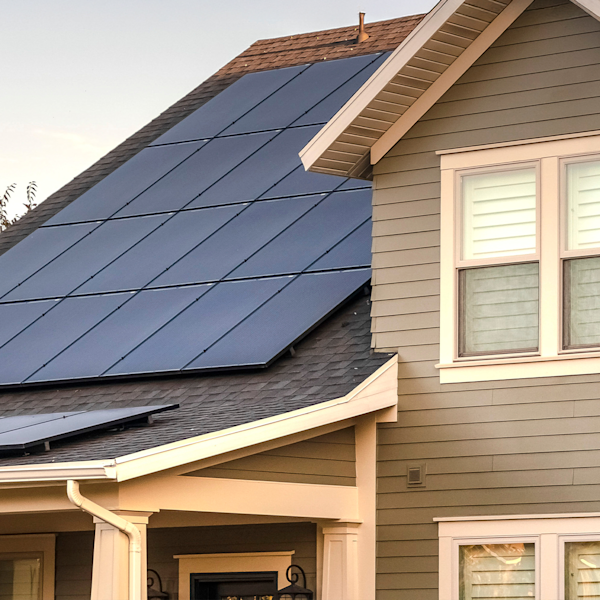
The expansion of the clean energy sector in Australia is the result of a confluence of favorable government policies, technological innovation, and a high level of consumer awareness. The Australian rooftop solar market is among the most saturated in the world, with approximately one in three households utilizing solar panels. However, the current phase of the market is shifting from simple generation to sophisticated storage and management.
As the "duck curve"—a phenomenon where solar production exceeds demand during the day but falls short in the evening—becomes more pronounced, the role of home energy storage systems has become critical. This market need has paved the way for several key brands to dominate the landscape, providing the infrastructure necessary for Australians to capture, store, and utilize their own clean power.
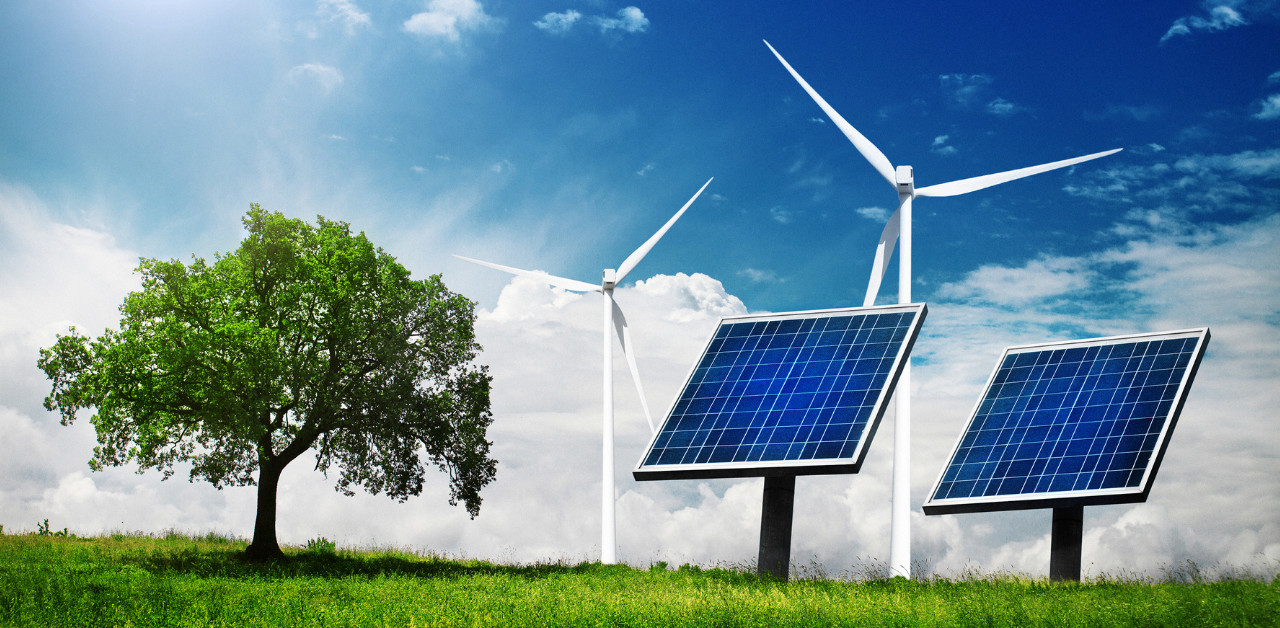
Profiles of Key Market Leaders in Clean Energy
The following five brands have distinguished themselves through innovation, reliability, and their ability to cater to the specific demands of the Australian climate and consumer base.
1. VoltX Energy: Localized Innovation and Integration
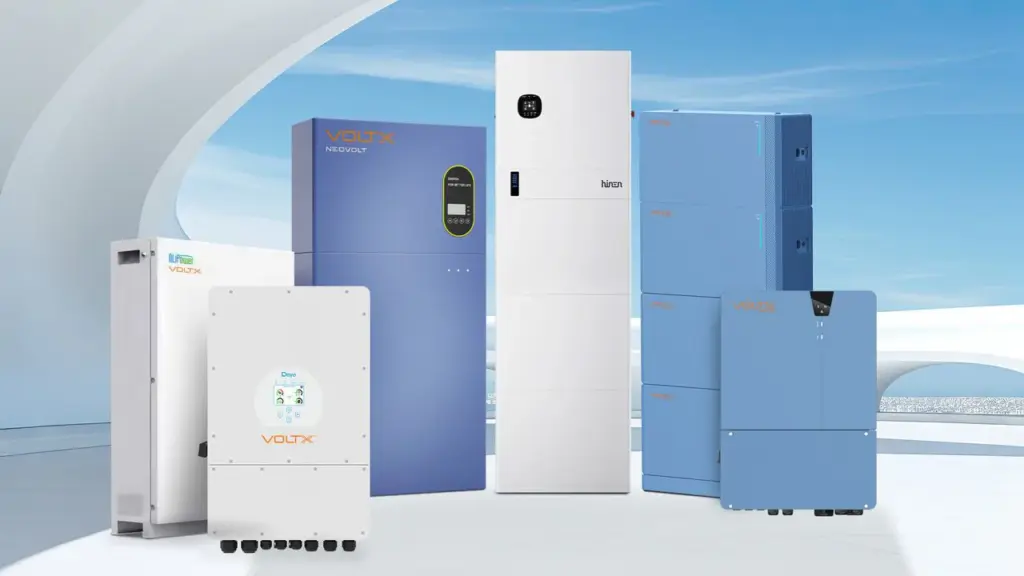
VoltX Energy has emerged as a formidable player by focusing specifically on the unique requirements of the Australian and New Zealand markets. Unlike global conglomerates that may offer one-size-fits-all products, VoltX has built its reputation on high-performance home battery systems that prioritize ease of integration. Their product range spans from entry-level solar batteries to sophisticated energy management systems.
A key differentiator for VoltX is the modularity of their systems, allowing homeowners to add storage capacity to existing solar setups without requiring a complete system overhaul. This "retro-fit" capability is essential for the millions of Australians who installed solar panels years ago and are now looking to add storage. Furthermore, the brand’s emphasis on local technical support provides a level of consumer confidence that is vital in the high-stakes home infrastructure market.
2. Tesla Energy: Ecosystem Synergy and Software Excellence
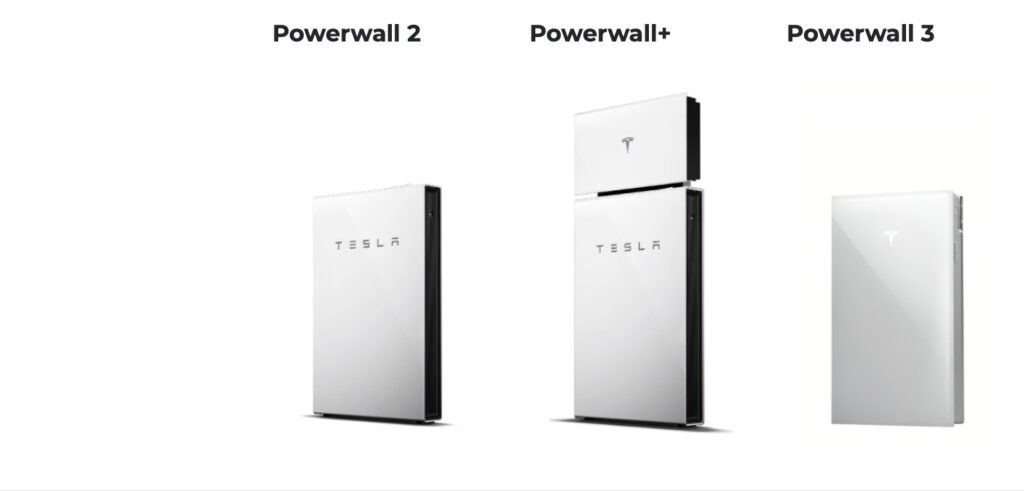
Tesla remains perhaps the most recognizable name in the global energy transition. In Australia, the Tesla Powerwall has become synonymous with home energy storage. The Powerwall 3, the latest iteration, represents a significant leap forward by combining a powerful solar inverter with a high-capacity battery in a single, streamlined unit.
Tesla’s primary advantage lies in its software ecosystem. Through the Tesla app, users can monitor energy production and consumption in real-time, set preferences for backup power during outages, and participate in Virtual Power Plants (VPPs). While Tesla’s products carry a premium price tag, the brand’s focus on aesthetics, ease of installation, and seamless integration with electric vehicle (EV) charging infrastructure makes it a top choice for forward-thinking households.
3. SunPower: Setting the Standard for Efficiency
While batteries handle storage, the efficiency of the generation phase depends entirely on the quality of the solar panels. SunPower has consistently led the industry in photovoltaic efficiency through its Maxeon cell technology. Unlike conventional panels, Maxeon cells are built on a solid copper foundation, making them highly resistant to corrosion and cracking—common issues in the harsh Australian sun.
SunPower panels are particularly advantageous for urban Australian homes with limited roof space, as they produce more energy per square meter than almost any other product on the market. This efficiency is backed by some of the most comprehensive warranties in the industry, often spanning 25 to 40 years, ensuring that the initial capital investment yields returns for decades.
4. Fronius: The Intelligence Behind the System
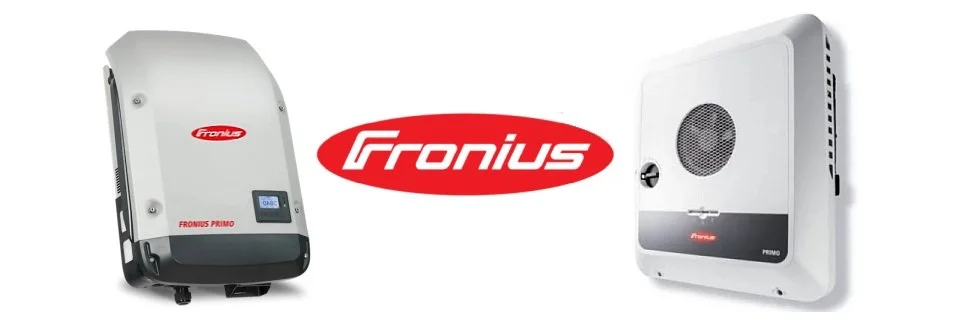
Often described as the "brain" of a solar energy system, the inverter is responsible for converting the direct current (DC) generated by panels into the alternating current (AC) used by home appliances. Austrian manufacturer Fronius has become a staple in the Australian market due to the extreme reliability and "smart" capabilities of its inverters.
The Fronius Primo and Symo series are highly regarded by installers for their robust build quality and advanced monitoring features. These inverters allow homeowners to track exactly where their energy is going, identifying "vampire loads" and optimizing appliance usage to coincide with peak solar production. Fronius’s open-protocol approach also ensures that their inverters can communicate effectively with a wide variety of third-party battery systems, offering consumers greater flexibility.
5. BYD: Scalable Storage and Safety-First Chemistry
Build Your Dreams (BYD) has leveraged its massive scale as one of the world’s largest battery manufacturers to provide cost-effective solutions for the Australian market. Their "Battery Box" range is particularly popular due to its modular design, which allows users to stack battery units like building blocks as their energy needs grow.
Technically, BYD sets itself apart by utilizing Lithium Iron Phosphate (LFP) chemistry. Compared to the Nickel Manganese Cobalt (NMC) batteries found in many other systems, LFP batteries are known for their superior thermal stability and longer cycle life. This makes them an attractive option for Australian regions prone to high temperatures, where safety and longevity are paramount.
A Chronology of Australia’s Renewable Transition
The current dominance of these brands is the culmination of nearly two decades of policy and technological evolution:
- 2001: The introduction of the Mandatory Renewable Energy Target (MRET) creates the first real incentive for large-scale renewable projects.
- 2009-2012: State-based Feed-in Tariffs (FiTs) lead to a massive boom in residential rooftop solar installations.
- 2017: The installation of the Hornsdale Power Reserve (the "Tesla Big Battery") in South Australia proves the viability of large-scale battery storage for grid stability.
- 2022-2023: Energy price spikes driven by global geopolitical tensions lead to a record number of battery installations in Australian homes.
- 2026 (Projected): As per the Clean Energy Council, the 40% renewable threshold is surpassed, with home storage systems playing a pivotal role in maintaining grid frequency and voltage.
Industry Perspectives and Economic Implications
The International Energy Agency (IEA) has noted that the global shift to renewables is accelerating faster than any previous energy transition in history. In Australia, this shift is supported by industry bodies like the Clean Energy Council, which advocates for clearer regulatory frameworks and continued subsidies for storage technology.
Economically, the rise of these brands is fostering a new job market. Thousands of accredited installers and technicians are now employed across the country to maintain and install these systems. Furthermore, the development of Virtual Power Plants (VPPs)—where thousands of home batteries are linked together to act as a single utility-scale battery—is providing a new revenue stream for homeowners while helping the Australian Energy Market Operator (AEMO) manage peak loads.
Broader Impact and Future Outlook
The implications of Australia’s clean energy surge extend far beyond individual electricity bills. By reducing the load on the national grid and decreasing the demand for coal-fired power, these brands are directly contributing to a reduction in the nation’s carbon footprint.
However, the transition is not without its challenges. The rapid influx of decentralized energy requires significant upgrades to the national transmission network. Resources like EnergySage have become vital for consumers to navigate the complexities of system sizing, cost-benefit analysis, and warranty comparisons.
As the technology continues to evolve, the integration of artificial intelligence in energy management is expected to be the next frontier. Future systems will likely use predictive weather modeling and machine learning to determine the most efficient times to charge batteries or sell energy back to the grid.
Final Considerations for the Consumer
For Australians looking to join the renewable revolution, the selection of a brand should be dictated by specific household needs rather than market trends alone. While premium options like Tesla and SunPower offer high-end performance and prestige, brands like VoltX and BYD provide practical, scalable solutions that may offer a faster return on investment for the average family.
As the Clean Energy Council’s 2026 report suggests, the infrastructure is now in place for Australia to become a "renewable energy superpower." By choosing reliable providers and understanding the technical nuances of solar and storage, Australian residents are not just saving money; they are actively participating in one of the most significant technological shifts of the 21st century. The focus now turns to long-term reliability and the continued expansion of the grid to accommodate a future powered entirely by the sun and wind.
Related posts: