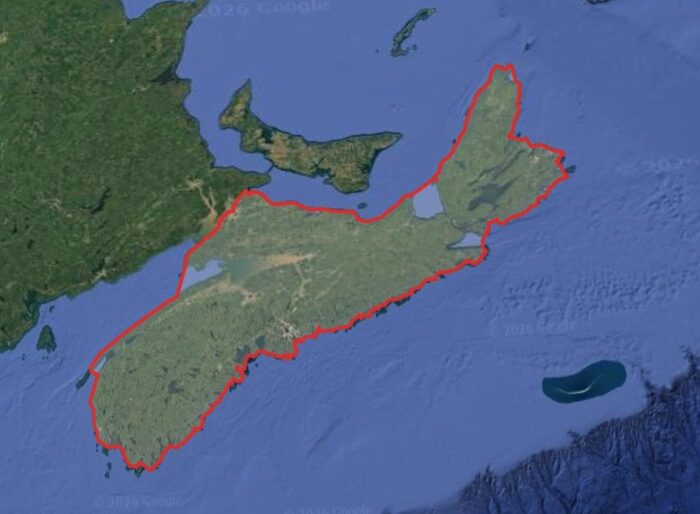
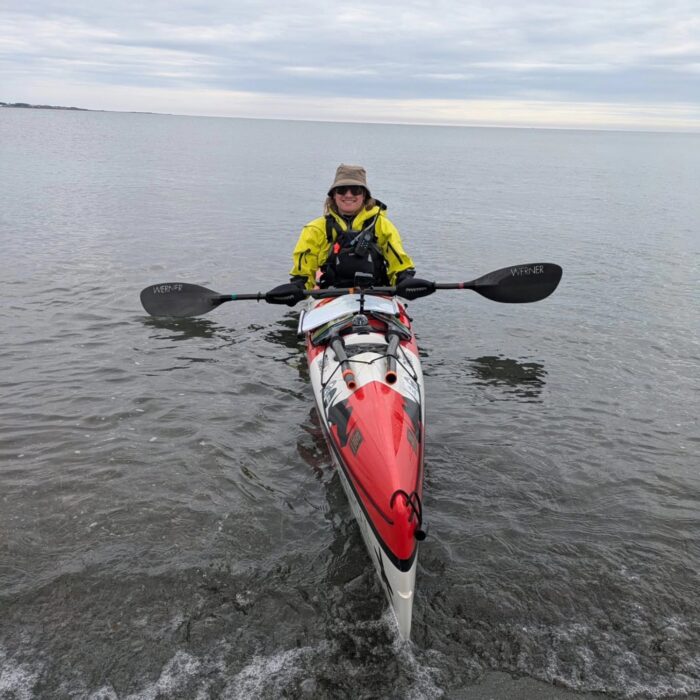
Lukas Dee, a 24-year-old Canadian, has successfully completed a challenging 1,750-kilometre kayak journey around the rugged coastline of Nova Scotia, Canada. The impressive expedition, which saw Dee paddle for 37 days over a total period of 59 days, began on April 10 and concluded on June 7, bringing him back to his hometown of Lunenburg on the province’s picturesque south shore. This demanding feat not only tested Dee’s endurance and skill but also underscored the unique maritime spirit and challenging natural beauty of Canada’s Atlantic province.
A Journey of Endurance and Resilience
Dee’s circumnavigation was a testament to meticulous planning, unwavering resolve, and adaptability in the face of unpredictable conditions. Setting out from Lunenburg, a UNESCO World Heritage site known for its seafaring history, Dee embarked on a route that hugged the province’s diverse shores, from the exposed Atlantic coast to the dramatic tidal extremes of the Bay of Fundy. He averaged approximately 30 kilometres per day over the full 59-day duration. However, when factoring in only the days spent actively paddling, his daily average soared to an impressive 47 kilometres.
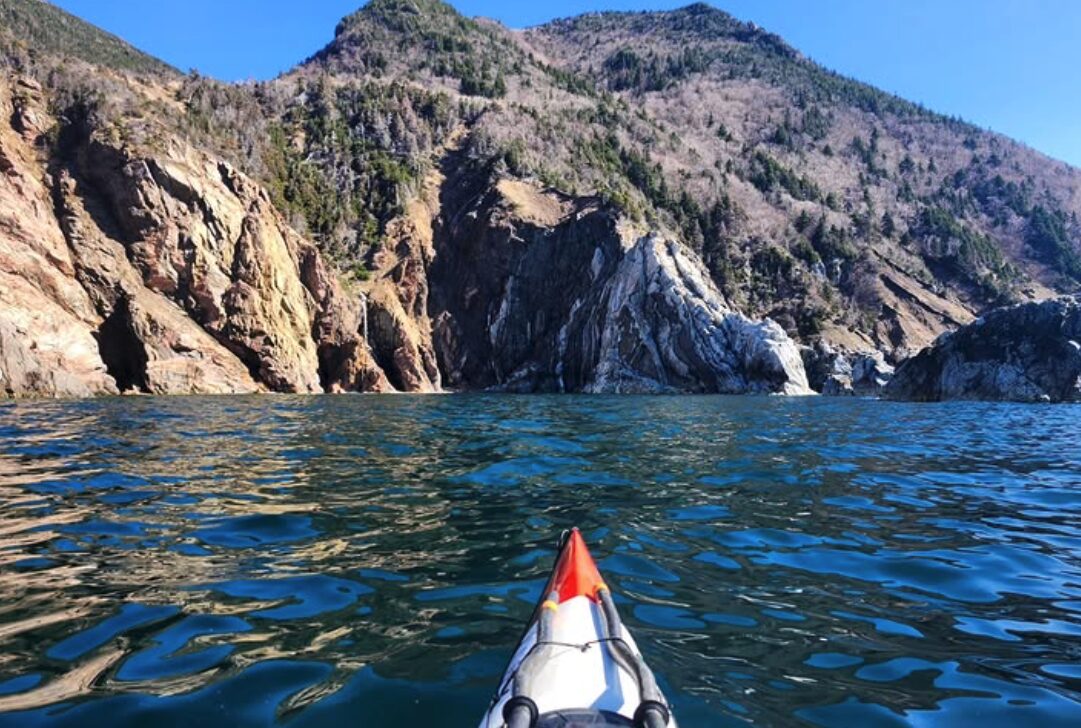
"The trip took me a total of 59 days, with 37 of those in the boat, 21 days on land waiting for weather windows, and one day cycling across the strip of land that connects Nova Scotia to New Brunswick," Dee explained, highlighting the significant impact of weather on his progress. This extended downtime ashore underscored the inherent challenges of sea kayaking in a region renowned for its rapidly changing atmospheric and oceanic conditions. The journey culminated on a particularly significant day for Dee, his 24th birthday, which also coincided with the founding anniversary of Lunenburg, adding a deeply personal layer to his achievement.
Extensive Experience Meets a Grand Challenge
While the scale of this expedition was unprecedented for Dee personally, his background in paddling is extensive. He has eight years of experience in sea kayaking and has worked as a kayaking guide for nine seasons, demonstrating a profound understanding of marine environments and navigation. Furthermore, his expertise extends to whitewater paddling, a discipline that hones quick decision-making and boat control in dynamic conditions. Despite this robust foundation, Dee admitted that his longest previous continuous kayak trip had only been a three-day overnight excursion. This stark contrast between his prior multi-day experience and the two-month circumnavigation highlights the significant leap in challenge and commitment undertaken for this provincial expedition.
The decision to embark on such a monumental journey was deeply rooted in his connection to his home province. "Nova Scotia is where I grew up, and it is one of the only provinces that you can, for the most part, paddle around," Dee stated, referencing Prince Edward Island and Newfoundland as the other Canadian Maritime provinces offering similar circumnavigation possibilities. "I have had the dream to circumnavigate Nova Scotia for many years now, especially after reading about others who have done it in the past." He viewed the expedition not just as a personal challenge but as a unique opportunity to immerse himself in the province’s geography, history, and the vibrant coastal communities that define its character. "I thought that not only would it be a dream come true, but also a unique way to see and interact with the province and the communities along the coastline," he added.
Historical Precedents and Route Variations
The circumnavigation of Nova Scotia by kayak is a rare and demanding undertaking, with no official registry to precisely track successful completions or define a standardized route. This absence of a formal record means that total completions remain unconfirmed, and the precise distances covered can vary based on chosen lines. Dee’s 1,750-kilometre journey positions him among a select few who have achieved this feat.
Notable previous attempts provide context for Dee’s accomplishment:
- Ed Martin (2017): Completed a circumnavigation in 47 days, covering an estimated 1,400 kilometres. This shorter distance suggests a more direct line, potentially bypassing certain inlets or island circumnavigations.
- Scott Cunningham and Paul Potter (1980): Undertook a longer, more comprehensive coastal journey, covering approximately 2,500 kilometres over three months. This extensive route likely included circumnavigating numerous islands and exploring deep into various bays and estuaries, significantly increasing the total distance.
Dee’s chosen route, at 1,750km, sits between these historical precedents, representing a significant challenge in its own right and showcasing the diverse interpretations of what constitutes a "circumnavigation" of the province. The variation in distances underscores the complexity of Nova Scotia’s indented coastline, which features countless bays, coves, and islands, allowing for a multitude of potential paths.
The Unforeseen Kindness of Strangers
Dee initially planned his expedition to be largely unsupported, with only two pre-arranged food drops strategically placed along his route. However, the reality of his journey unfolded differently, revealing an unexpected and heartwarming aspect of Nova Scotian culture: its profound hospitality. "In the end, I didn’t need those food drops, as in many places I landed, I was offered meals and a place to stay at people’s homes," Dee recounted. This outpouring of generosity meant that despite preparing enough food for 60 days, he ultimately only required about 15 days’ worth from his own supplies. His boat, designed for extended trips, could carry up to 20 days of provisions at a time, but the community support far exceeded his logistical estimates.
While the majority of his journey was undertaken solo, Dee was not entirely without companionship. Friends joined him for short segments, adding a social dimension to an otherwise solitary endeavour. "I did most of my trip solo, with a few friends joining me for a day or two along the way. I had friends on the water with me for seven days of the trip," he noted. This blend of self-reliance and shared experiences further enriched his journey, providing moments of camaraderie amidst the rigours of the sea.
Navigating the Isthmus and Major Crossings
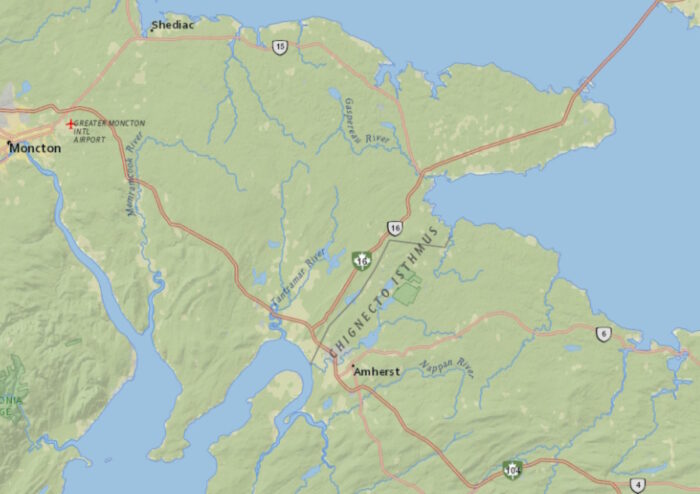
A unique element of Dee’s circumnavigation was the overland crossing of the Chignecto Isthmus, the narrow strip of land connecting mainland Nova Scotia to New Brunswick. This section required a creative solution to maintain the spirit of a continuous journey. A friend met Dee at the Isthmus with a tandem bicycle and a trailer, allowing them to collaboratively transport the kayak across the 30-kilometre land bridge. This unconventional portage highlighted the geographical realities of the provincial boundary and added an unexpected, albeit efficient, twist to the paddling expedition.
Beyond the land bridge, Dee faced several significant open-water crossings that demanded peak navigational skill and physical endurance. His most substantial sea kayak crossing to date was a 32-kilometre stretch from Port Hood in Cape Breton back to the mainland of Nova Scotia at Cape George. These crossings, often exposed to the open Atlantic, are not merely tests of stamina but also require a deep understanding of marine weather, currents, and risk assessment.
His paddling prowess was particularly evident on two occasions where he covered more than 70 kilometres in a single day. His record day, day 52 of the expedition, saw him paddle an astonishing 74 kilometres in just 8 hours and 20 minutes, moving from Delaps Cove to Church Point on the formidable Bay of Fundy. Such distances, especially in a sea kayak laden with gear, speak volumes about his physical conditioning and mental fortitude.
Battling the Bay of Fundy and Unpredictable Weather
The Bay of Fundy presented some of the most profound challenges of the entire expedition. Famed for having the highest tides in the world, which can reach up to 16 metres (53 feet), the Bay’s powerful currents and volatile conditions are legendary among mariners. "Crossing the Bay of Fundy from Cape Chignecto to the North Mountain was also a massive challenge. It was foggy, so I had to rely solely on my compass while paddling," Dee recounted. The combination of dense fog and strong currents made accurate navigation exceptionally difficult, as any deviation from a direct line could result in being pushed significantly off course. "Any break you take puts you off your course, as you are still being pushed along by the current, so looking at a GPS isn’t always the easiest. It is hard to understand how powerful the tides are until you’re in it, and it intimidated me every day I was on the Bay of Fundy." This candid admission underscores the sheer force of nature Dee contended with, requiring constant vigilance and precise timing to harness the tides rather than be overwhelmed by them.
Weather, particularly wind, proved to be the overarching challenge throughout the journey. While Nova Scotia typically experiences prevailing southwest winds that would be favourable for much of a circumnavigation, the spring conditions Dee encountered were far less predictable. Persistent strong winds and adverse sea states forced him to spend more than a third of his total expedition time—21 days—ashore, patiently awaiting suitable weather windows. These extended delays disrupted any consistent rhythm, particularly during the initial weeks of the trip. The mental aspect of waiting, balancing the drive to make progress with the imperative for safety, became a crucial test of his expedition mindset. Conditions only began to improve consistently during the final two weeks of his journey, allowing for more sustained paddling.
Beyond the wind, the early spring temperatures posed a significant threat. "For the first two weeks, I also struggled to stay warm when not paddling. It was cold, and I was burning a lot of energy," Dee explained. The constant exposure to cold water and air meant that even short breaks could lead to rapid heat loss. "I generally couldn’t take breaks for longer than 10 minutes without getting cold and struggling to use my hands, as they became numb quickly. I had pogies on while paddling," he detailed, referring to the insulated covers worn over kayak paddles to protect hands from the cold. This constant battle against hypothermia added another layer of physical and psychological strain to the already arduous journey.
Highlights: Remote Beauty and Thrilling Encounters
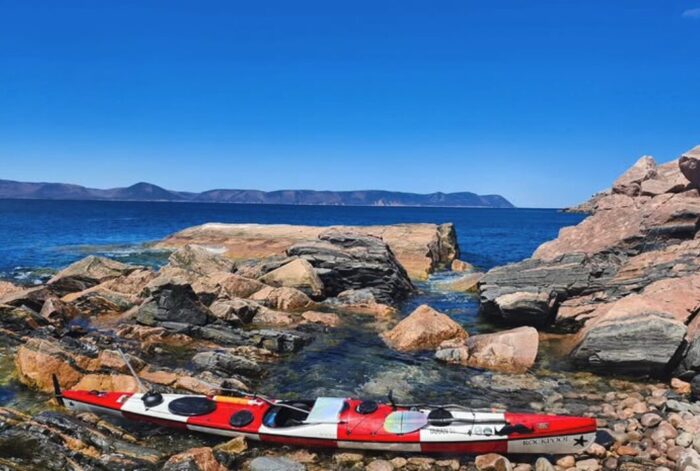
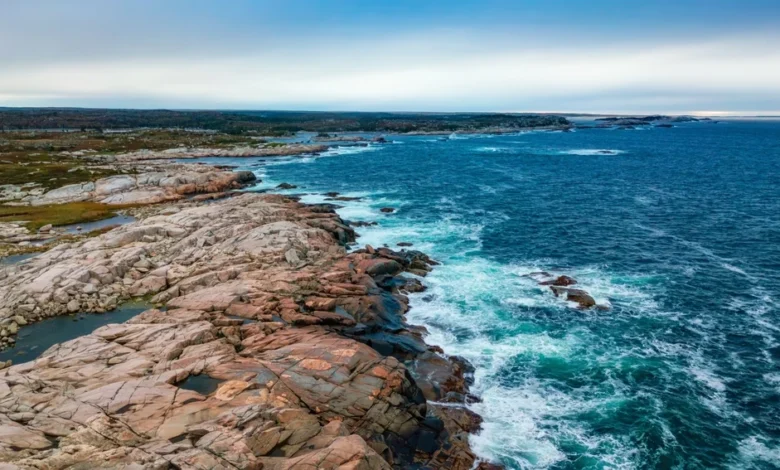
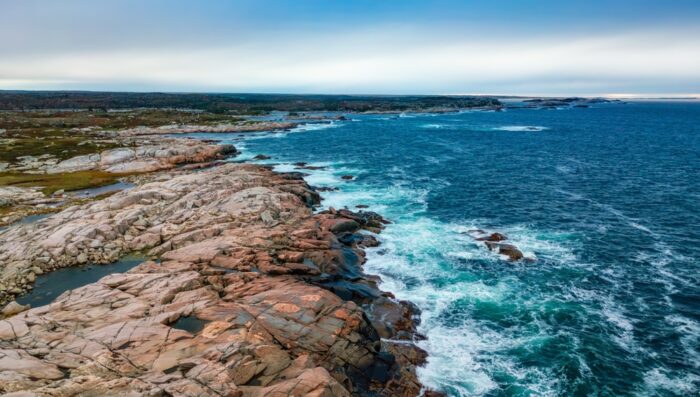
Despite the formidable challenges, Dee’s journey was punctuated by moments of breathtaking beauty and unique wildlife encounters. The varied coastline of Nova Scotia, shaped by the Atlantic’s relentless power, offers a dramatic tapestry of rugged cliffs, secluded coves, and pristine beaches.
"In terms of remoteness, exposure, and epic scenery, the entire island of Cape Breton was a highlight," Dee shared. Cape Breton, known for its iconic Cabot Trail and highlands, presented some of the most intense paddling conditions. Navigating its exposed shores demanded careful timing and reliance on precise weather forecasts, often involving long stretches without safe landing spots. This isolation, however, came with its own rewards. "I also got to see many whales all along the shores of Cape Breton," he added, a reminder of the vibrant marine ecosystem that thrives off Nova Scotia’s coast.
The Bay of Fundy, while intimidating, also offered its own unique highlights. "The Bay of Fundy was another highlight. It has the biggest tides in the world and was super intimidating to cross. But when done right, it was also a huge help, as the tidal currents would push me along in the direction I wanted to go," Dee observed. This ability to strategically utilize the powerful ebb and flow of the tides, transforming a potential obstacle into an aid, showcases the deep understanding of the marine environment that expedition paddlers must cultivate.
Implications and Legacy of the Expedition
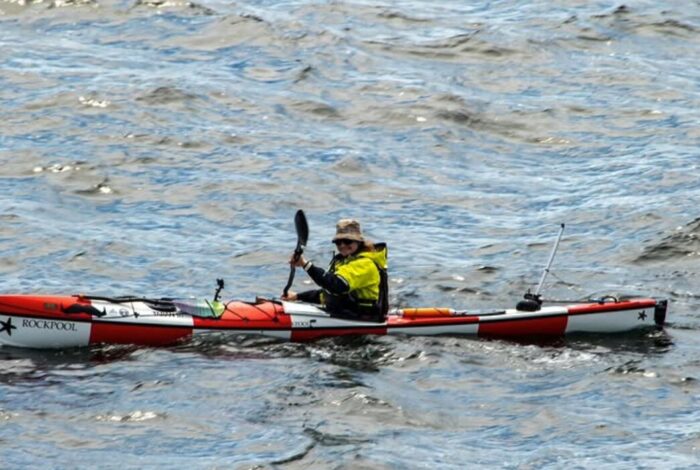
Lukas Dee’s successful circumnavigation of Nova Scotia by kayak represents a significant personal achievement and contributes to the rich tradition of maritime exploration in the province. His journey serves as an inspiration for aspiring adventurers and a testament to the enduring human spirit of exploration and connection with nature.
From a broader perspective, such expeditions shine a spotlight on Nova Scotia’s exceptional natural environment and its potential for adventure tourism. The detailed accounts of its diverse coastline, from the dramatic cliffs of Cape Breton to the powerful tides of the Bay of Fundy, offer invaluable insights for future paddlers and showcase the province’s appeal as a world-class sea kayaking destination.
Moreover, Dee’s experience with community hospitality underscores the warmth and supportive nature of Nova Scotian coastal communities. This aspect of his journey highlights the intrinsic link between the land, the sea, and the people who call this maritime province home, demonstrating how local residents often become integral, albeit unplanned, components of such long-distance human-powered expeditions. His accomplishment will undoubtedly be remembered as a remarkable feat of endurance, skill, and an deep appreciation for his home province.