Cold Haul: Andy Kirkpatrick and Ian Parnell’s Epic Battle Against the Drus’ West Face and the Unrepeated Lafaille Route

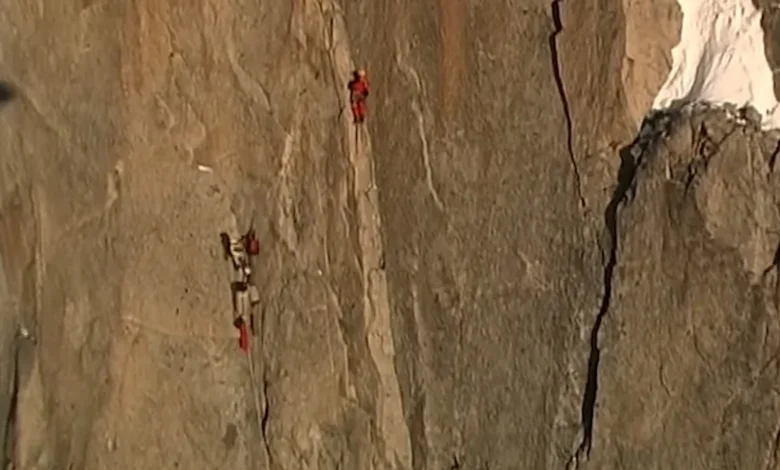
The year 2003 saw British alpinists Andy Kirkpatrick and Ian Parnell embark on a monumental and perilous journey, captured in Kirkpatrick’s documentary film, Cold Haul. Their objective was to attempt the unrepeated west face of the Drus in the Mont Blanc massif, targeting a notorious route pioneered by the legendary French climber Jean-Christophe Lafaille. This ascent, widely regarded at the time as one of the most difficult big-wall climbs in the Alps, tested the limits of human endurance, mental fortitude, and climbing skill against the unforgiving backdrop of extreme Alpine conditions. The film chronicles their raw, unvarnished struggle, highlighting not just the physical demands but also the profound psychological pressures inherent in such high-stakes mountaineering.
The Drus: A Formidable Alpine Challenge
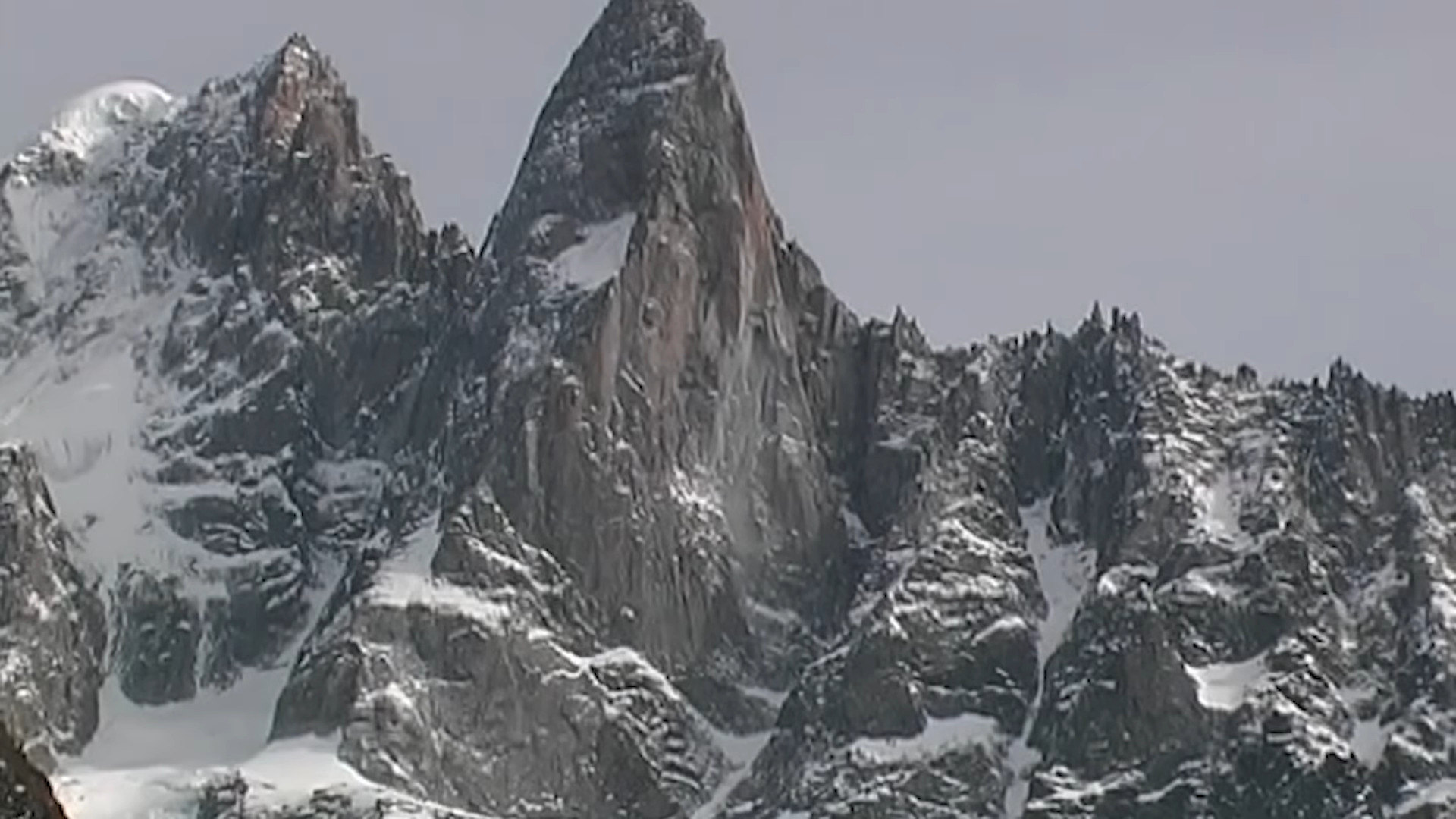
The Drus, a prominent peak within the Aiguilles de Chamonix range in the French Alps, stands as an iconic and historically significant landmark for alpinists worldwide. Its sheer granite walls, particularly the formidable west face, have been the arena for some of the most groundbreaking and demanding climbs in mountaineering history. Rising sharply above the Mer de Glace, the Drus presents a complex tapestry of rock, ice, and mixed terrain, often subjected to rapid and severe weather changes. The mountain’s reputation for difficulty is amplified by its exposure to high winds, sudden snowfalls, and extreme cold, making any ascent a significant undertaking.
The specific objective for Kirkpatrick and Parnell was the Lafaille route, a testament to the audacious vision of Jean-Christophe Lafaille. Lafaille, renowned for his solo ascents and pushing the boundaries of what was considered possible in the Alps and Himalayas, established this route with characteristic boldness. An "unrepeated" route in alpinism signifies its extreme difficulty and the respect it commands within the climbing community. It implies that no subsequent climbing team has successfully navigated the exact line since its first ascent, often due to a combination of technical challenges, objective hazards, and the sheer commitment required. The Lafaille route on the Drus’ west face, with its demanding A5 aid climbing pitches, epitomized this exclusivity. The A5 grading, at the pinnacle of aid climbing difficulty, denotes pitches where every placement of artificial gear is unreliable, offering no fall protection and requiring meticulous, highly technical execution. A single error on an A5 pitch can have catastrophic consequences, emphasizing the profound concentration and skill demanded from the climbers.
Initial Setbacks and Resilient Beginnings
The expedition of Kirkpatrick and Parnell was not without its preliminary trials. Before the events depicted in Cold Haul, the duo had already been forced to abandon an earlier attempt on the same route, four days into their climb. This premature retreat was triggered by a critical equipment failure: a gear bag ripped open, sending essential supplies plummeting into the valley below. Such an incident underscores the precarious nature of big-wall climbing, where every piece of equipment is vital, and the loss of even a single item can compromise the entire expedition. This initial setback, however, did not deter the tenacious pair. Instead, it served as a stark reminder of the unforgiving environment they were confronting, reinforcing the need for meticulous preparation and adaptability.
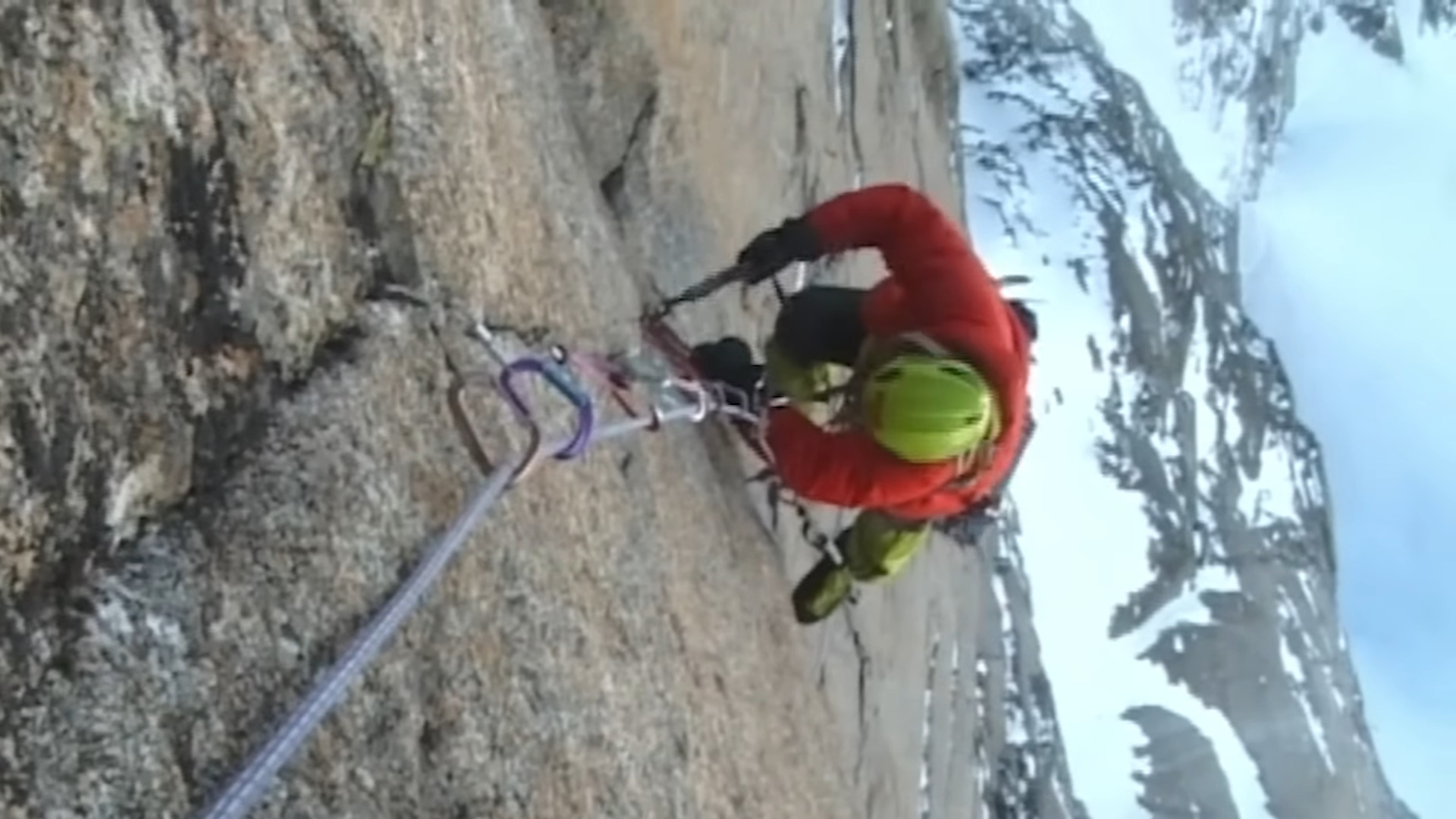
Their renewed attempt began with the arduous task of transporting approximately a quarter-ton of equipment to the base of the Drus. This monumental logistical effort involved navigating the rugged Alpine terrain, often using traditional means augmented by modern transport like the funicular, which Kirkpatrick wryly described as "the best form of transport yet invented" for reaching the high mountain access points. The sheer volume of gear – encompassing everything from specialized climbing hardware, ropes, and bivouac equipment (including their portaledge) to food, water, and emergency supplies – speaks volumes about the self-sufficiency required for multi-day big-wall ascents. Each item is carefully selected for its functionality, durability, and weight, yet collectively, it still amounts to a formidable load that must be hauled up thousands of feet of vertical rock.
Upon reaching the base, the predictable unpredictability of Alpine weather immediately asserted itself. Storm clouds rapidly gathered, forcing the climbers to seek shelter. For three days, they remained weathered in, observing the relentless snowfall and plummeting temperatures, a frustrating delay that eats into precious supplies and mental reserves. Despite the lack of improvement in conditions, Andy Kirkpatrick, known for his relentless drive and pragmatic approach, made the decisive call to proceed with the climb. This decision, often a point of contention and careful deliberation in mountaineering, reflected their commitment to the objective and a calculated assessment of the risks versus the dwindling window of opportunity.
Ascending into the Unknown
The initial challenge was not merely the brutal cold or the wet snow, but the elusive nature of Lafaille’s original route. The severe weather had transformed the face, obscuring key features and making the identification of the precise A5 pitches exceedingly difficult. After persistent but ultimately fruitless attempts to locate Lafaille’s established line, Kirkpatrick and Parnell made a pivotal decision: they would abandon the strict adherence to the original plans and instead forge their own path upwards, improvising a new line or significant variation on the west face. This shift from a direct repeat to an exploratory ascent highlighted their adaptability and profound experience, turning a navigational challenge into an opportunity for a potentially new achievement. While not strictly repeating the Lafaille route, they were now engaged in a first ascent of a new variation on one of the Alps’ most formidable walls. This decision underscores a common theme in high-altitude climbing, where ideal conditions rarely materialize, and climbers must often deviate from pre-conceived plans to adapt to the mountain’s current state.
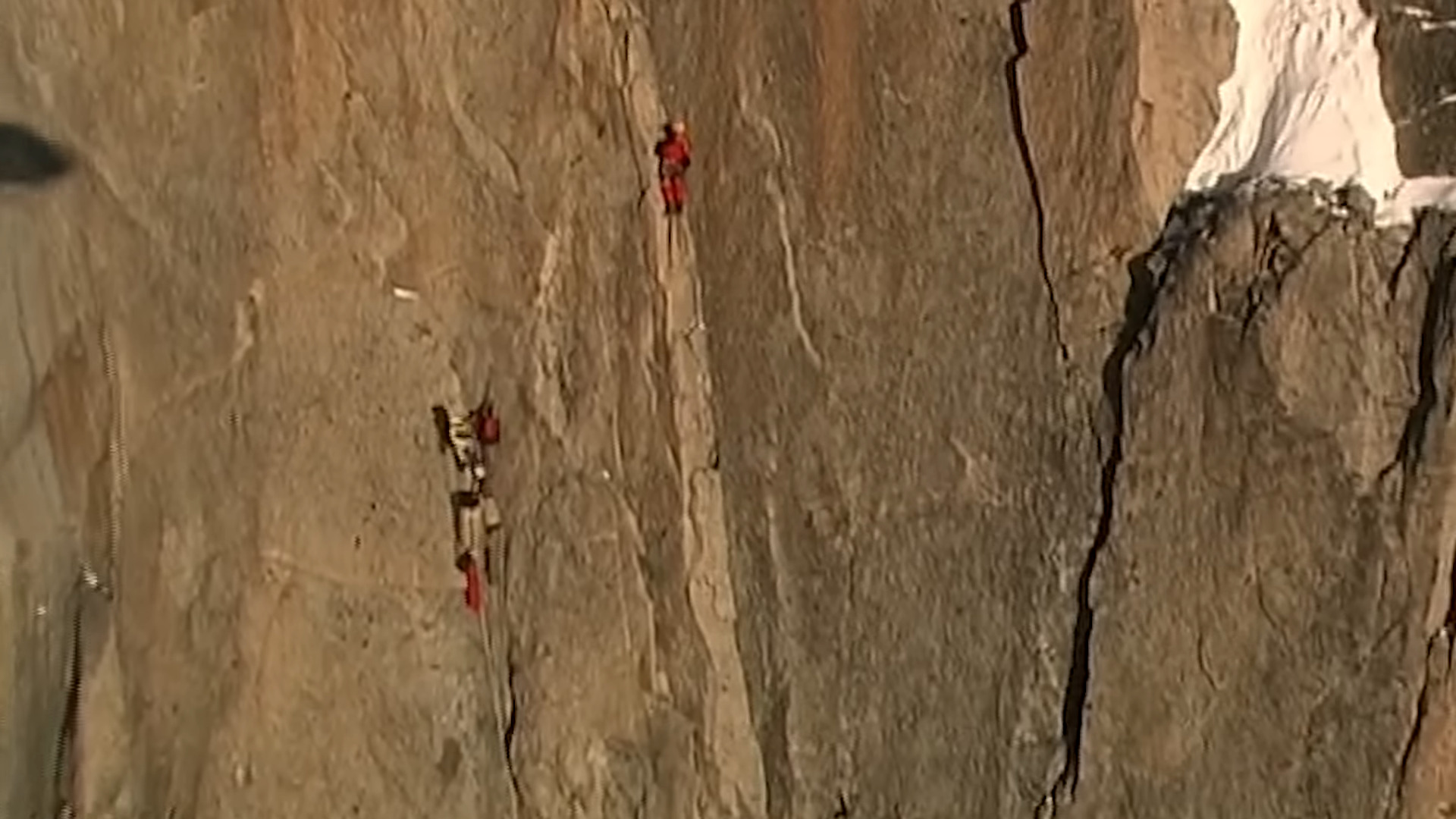
Days into their climb, a helicopter passed by, providing a fleeting moment of contact with the outside world and a visual confirmation of their progress. At this point, they were approximately halfway up the main pillar of the Drus. Ian Parnell, ever the optimist, conveyed his cheerful disposition to the camera, estimating they were only two or three days from the summit. However, the internal reality was starkly different. The relentless cold, the physically taxing nature of big-wall climbing – involving intricate technical movements, rope management, and the laborious hauling of heavy bags – were taking a severe toll. They were beginning to experience significant exhaustion and, critically, starvation. The daily caloric intake of roughly 1,000 calories was woefully insufficient to fuel the extreme energy expenditure required for such an endeavor, typically demanding 5,000-8,000 calories per day. This caloric deficit rapidly depletes energy reserves, leading to muscle wasting, impaired cognitive function, and increased susceptibility to cold and illness.
Kirkpatrick, with his characteristic dark humor, acknowledged the severity of their condition, laughing, "My body’s starting to fall to pieces." This grim humor is a coping mechanism often employed by climbers facing extreme duress, a way to acknowledge the danger without succumbing to despair. The belayer, often static for extended periods, suffers intensely from the cold, making the act of simply waiting a battle against hypothermia and frostbite. Their daily routine involved the tedious process of disassembling, moving, and reassembling their portaledge – a hanging tent system – at each new bivouac site. This intricate process, compounded by numb fingers and exhaustion, adds hours to the climbing day and drains precious energy, transforming a temporary shelter into a demanding logistical puzzle.
Battling the Elements and Internal Struggles
As they pressed higher, the already challenging weather conditions deteriorated further, turning truly nasty. The persistent snowfall intensified, winds howled, and temperatures plummeted, creating a maelstrom of whiteout conditions and extreme cold. It was at this critical juncture that the climbers faced a grim realization: retreat was no longer a viable option. The accumulating snow and ice had effectively closed off their escape routes, making a descent too dangerous and time-consuming. Their only path to safety was forward, to the summit. This moment of no return, often referred to as being "committed" to the climb, represents one of the most psychologically taxing aspects of high-altitude mountaineering. It forces climbers to confront their deepest fears and to summon reserves of strength and will they might not have known they possessed.
On the ninth day of their ascent, with their bodies pushed to the brink, they conducted a critical assessment of their situation. They were finally back on what they believed was the Lafaille route, with one pitch remaining before the final few to the summit. However, their supplies were critically low, particularly food. Ian Parnell voiced his increasing concern about frostbite, a constant threat in below-zero temperatures, especially for extremities that are frequently exposed or subjected to pressure from tight boots and gloves. The unrelenting bad weather offered no reprieve, adding to the psychological burden.
In a poignant moment of introspection, Andy Kirkpatrick articulated the profound exhaustion gripping them: "I think that I can imagine how people die of exhaustion." This statement, delivered with a chilling clarity, highlights the fine line between survival and succumbing to the elements that climbers often tread. Despite this harrowing realization, their collective will remained unbroken. They made the audacious decision to continue climbing, choosing to face the summit head-on rather than capitulate to the overwhelming odds. This choice, rooted in a deep-seated determination and mutual trust, epitomizes the spirit of extreme alpinism.
Triumph and Reflection
After a final, brutally cold and arduous push, Kirkpatrick and Parnell finally achieved their objective, reaching the summit of the Drus. The triumph was not just over the mountain, but over the physical and mental torment they had endured for nine days. In the aftermath of their success, a moment of profound reflection emerged. "Who thought it?" Andy Kirkpatrick mused, encapsulating the improbable nature of their achievement. "Two working-class lads like us find our way to the hardest route in the Alps." This humble yet powerful statement resonated deeply, challenging conventional perceptions of who could conquer such formidable challenges. It underscored that grit, determination, and skill transcend social background, democratizing the pursuit of extreme adventure. Their ascent, while not a direct repeat of Lafaille’s exact line due to their deviation, was nonetheless a significant achievement, forging a challenging new variation on one of the most demanding faces in the Alps. It would be years later, in 2025, that the Lafaille route would see its first free ascent, further highlighting the original route’s enduring difficulty and the era-defining nature of Lafaille’s vision.
The film Cold Haul concludes with a touch of quintessential British humor, as the exhausted climbers, upon their descent, miss the last train. This anticlimactic yet relatable detail provides a humanizing coda to an epic tale of struggle and triumph, reminding viewers that even after conquering a monumental peak, the mundane realities of life persist.
The Legacy of "Cold Haul"
Cold Haul stands as a significant documentary within the climbing genre, offering a rare and intimate glimpse into the reality of high-stakes Alpine big-wall climbing. The film’s raw, unpolished style, captured largely by the climbers themselves, lends it an authenticity that many polished productions lack. It vividly portrays the physical suffering, the mental resilience, the technical intricacies, and the profound camaraderie that define such expeditions.
The journey of Andy Kirkpatrick and Ian Parnell on the Drus’ west face serves as a powerful testament to the enduring allure of unclimbed or unrepeated lines and the human spirit’s capacity to push beyond perceived limits. Their willingness to adapt their plans and forge a new path in the face of overwhelming adversity highlights the innovative problem-solving that is crucial in extreme environments. The film continues to inspire new generations of climbers, not just by showcasing the grandeur of the Alps and the audacity of the climb, but by honestly depicting the grim realities – the cold, the hunger, the fear, and the unyielding effort required to achieve such a lofty goal. It reinforces the understanding that climbing is as much a mental game as it is a physical one, a relentless negotiation with oneself and the mountain, where success is often measured not just by reaching the summit, but by the sheer will to keep moving forward against all odds.