May 2026 Global Travel Analysis Regional Tourism Trends and Cultural Milestones in Europe and the United Kingdom

Throughout the month of May 2026, the European travel sector experienced a notable surge in regional tourism, driven by favorable seasonal conditions and a series of niche cultural and sporting events. In the Czech Republic and the United Kingdom, travelers and expatriates engaged in activities ranging from high-altitude hiking and culinary festivals to centuries-old traditional competitions. This period is historically regarded as the optimal window for Central European travel, characterized by mild temperatures and the peak of the spring foliage season. Industry data suggests that Prague, in particular, remains a primary hub for travelers seeking a balance between urban amenities and accessible natural landscapes.
Regional Spotlight: The Czech Republic in Spring
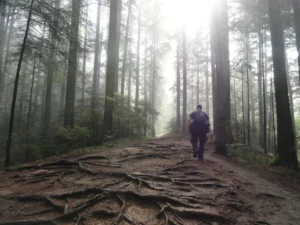
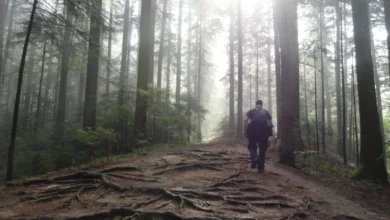
The Czech Republic’s tourism landscape in May is dominated by outdoor recreation and the resurgence of public festivals. Prague serves as the focal point for these activities, benefiting from a geographical position that allows for immediate access to diverse terrains. Two specific locations—Velká Amerika and Divoká Šárka—represent the dual nature of Czech outdoor life: the reclaimed industrial site and the preserved urban nature reserve.
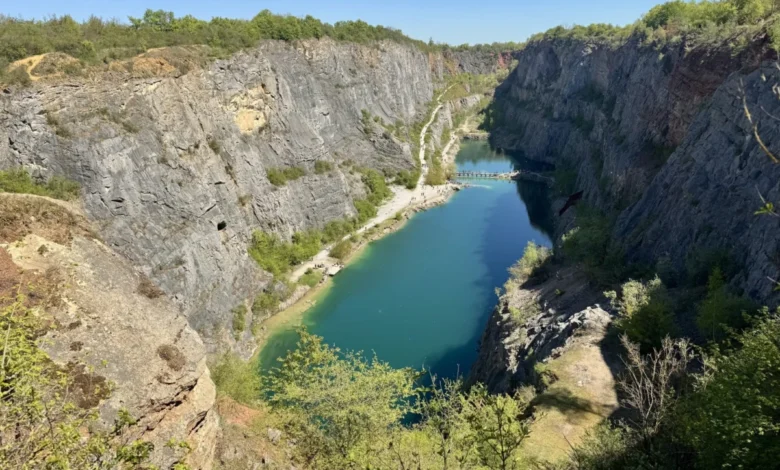
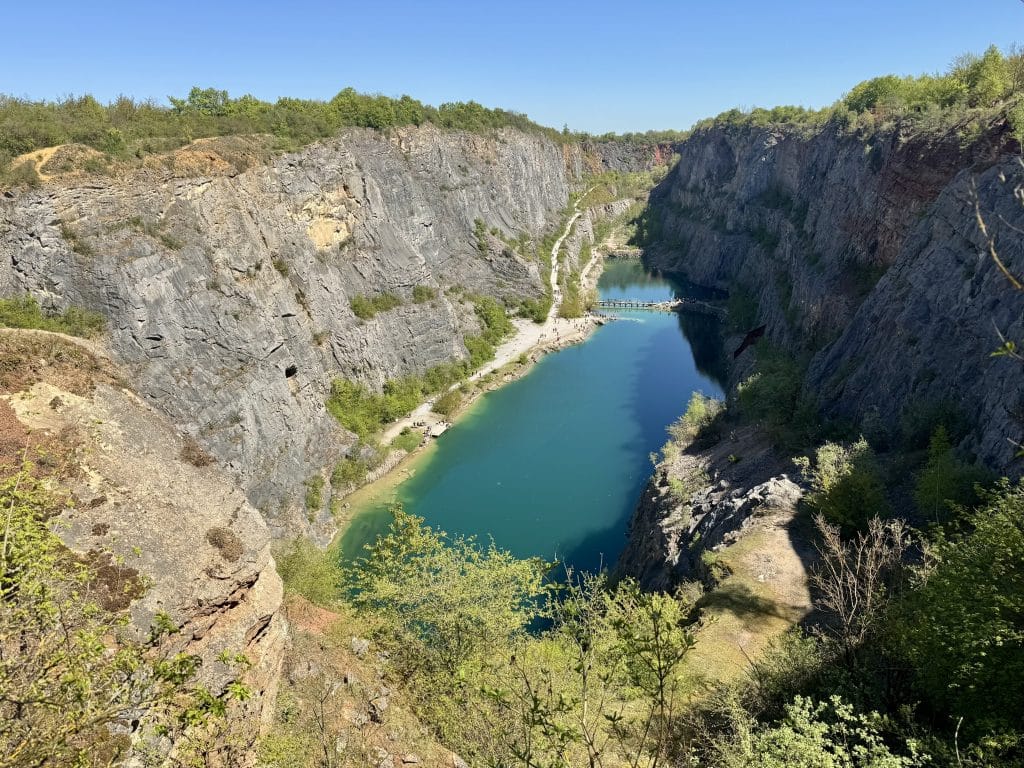
Velká Amerika, frequently referred to as the "Czech Grand Canyon," is a limestone quarry located near the village of Mořina, approximately 30 kilometers southwest of Prague. The site, which ceased active mining in the mid-20th century, has become a significant destination for domestic hikers and international tourists alike. The quarry’s deep canyon and turquoise central lake provide a stark geological contrast to the surrounding Bohemian forests. Its proximity to Karlštejn Castle—a 14th-century Gothic fortress—creates a high-density tourism corridor that contributes significantly to the regional economy.
Conversely, Divoká Šárka offers a case study in urban land management. Situated within the Prague 6 district, the reserve features steep cliffs and valleys carved by the Šárka brook. For residents and visitors, the area provides a high-utility recreational space that requires minimal transit time from the city center. This accessibility is a key factor in Prague’s high ranking for "livability" among European capitals, as it integrates rugged natural scenery into the metropolitan framework.
Culinary tourism also saw a spike in activity during May 2026. In the Holešovice district, a major hub for the city’s creative industries, a specialized festival focusing on spicy and fermented foods highlighted a growing consumer interest in artisanal preservation techniques. Local makers reported increased demand for fusion products, such as spicy caramel corn and traditional Slavic ferments, reflecting a broader European trend toward diverse, health-conscious, and experiential dining.
United Kingdom: A Study in Tradition and Urban Contrasts
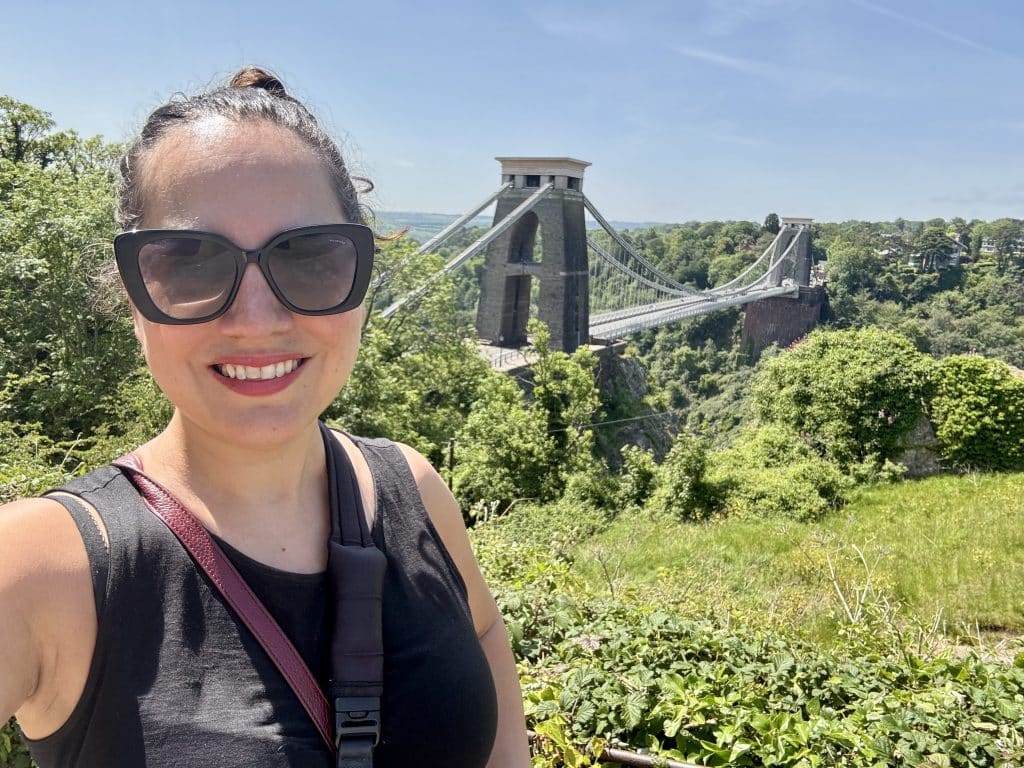
The United Kingdom remains a primary destination for travelers seeking diverse regional experiences within a compact geographic area. In May 2026, travel patterns shifted toward the Southwest of England, specifically targeting the Cotswolds and the city of Bristol.
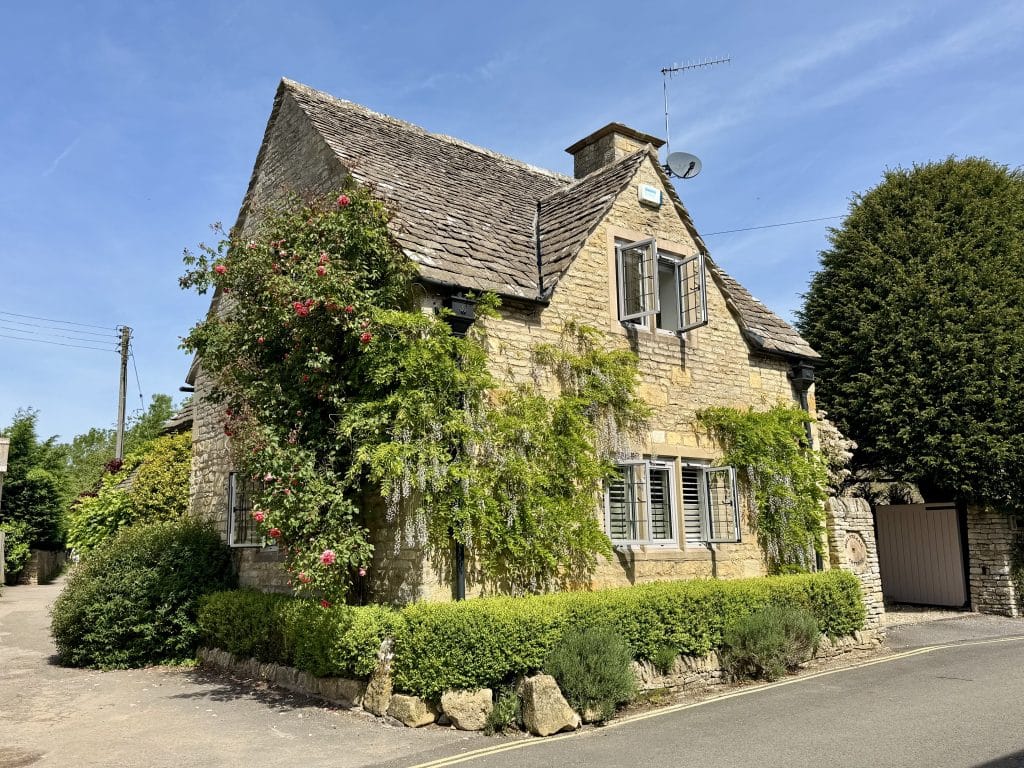
The Cotswolds, designated as an Area of Outstanding Natural Beauty (AONB), continues to be a cornerstone of the UK’s rural tourism strategy. Towns such as Bourton-on-the-Water and Cirencester experienced high visitor volumes. Bourton-on-the-Water, often termed the "Venice of the Cotswolds" due to its low stone bridges over the River Windrush, remains a high-value asset for the hospitality sector, particularly for its riverside public houses. Meanwhile, the "Slaughters"—Upper and Lower Slaughter—provided a more secluded alternative for hikers. The hour-long return walk between these two villages is frequently cited by tourism boards as an exemplary model of preserved English rural heritage.
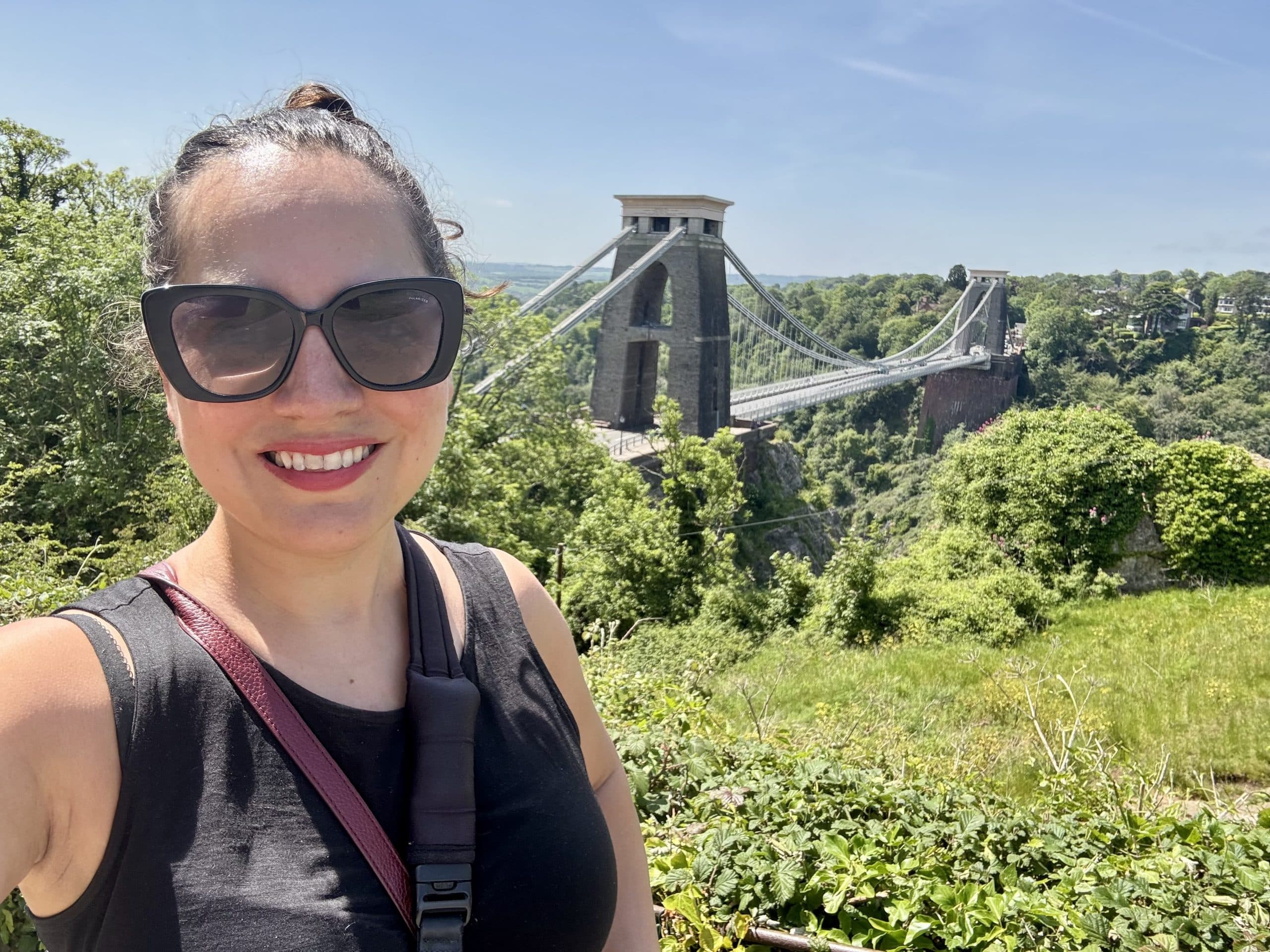
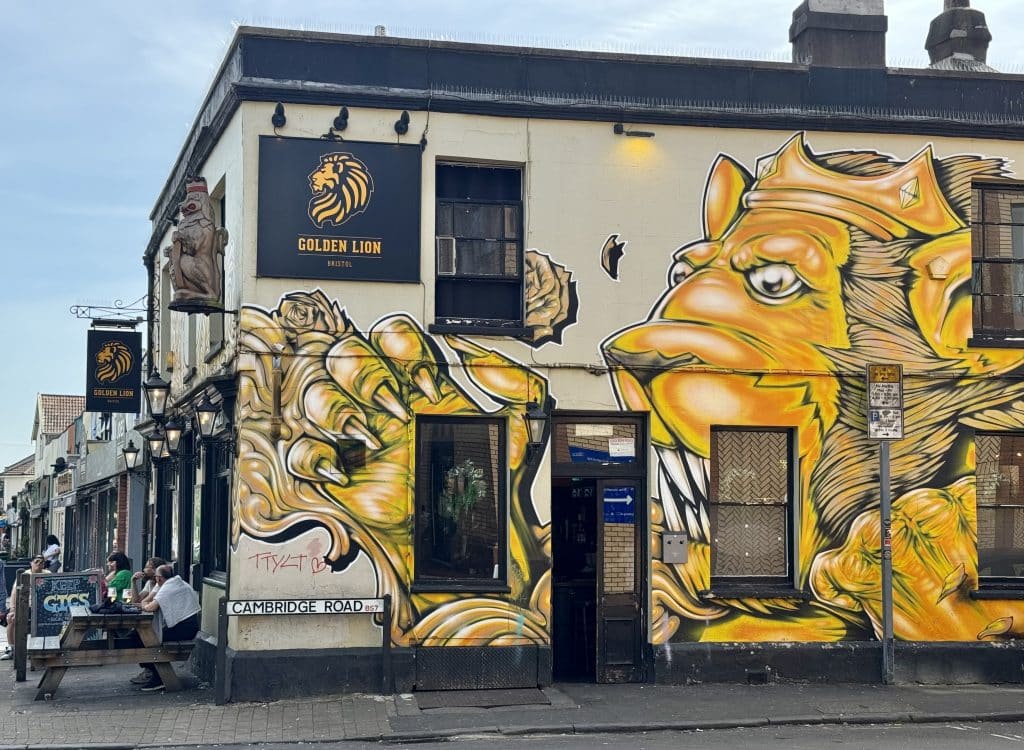
Bristol, by contrast, showcased the economic impact of a vibrant university city. As a center for the arts and innovation, Bristol’s tourism appeal is rooted in its "offbeat" and youthful atmosphere. The city’s street art culture, bolstered by the legacy of artists like Banksy, serves as a significant draw for cultural tourists. Furthermore, Bristol’s gastronomic reputation was reinforced by the performance of Michelin-starred establishments like Wilson’s. Featured in the documentary series Knife Edge, Wilson’s exemplifies the "value-driven fine dining" trend, offering high-concept multi-course menus at price points that remain competitive compared to London’s culinary market.
However, the regional travel experience was not without its disparities. While Cheltenham was praised for its infrastructure and aesthetic appeal, the neighboring city of Gloucester faced criticism from travelers. Despite the presence of the Gloucester Cathedral—a masterpiece of Perpendicular Gothic architecture—the city’s broader urban environment was noted for its lack of modern amenities and perceived economic stagnation. This highlights the ongoing challenge of "leveling up" historic English cities to meet the expectations of contemporary international travelers.
The Cooper’s Hill Cheese-Rolling: Extreme Athletics and Regional Identity
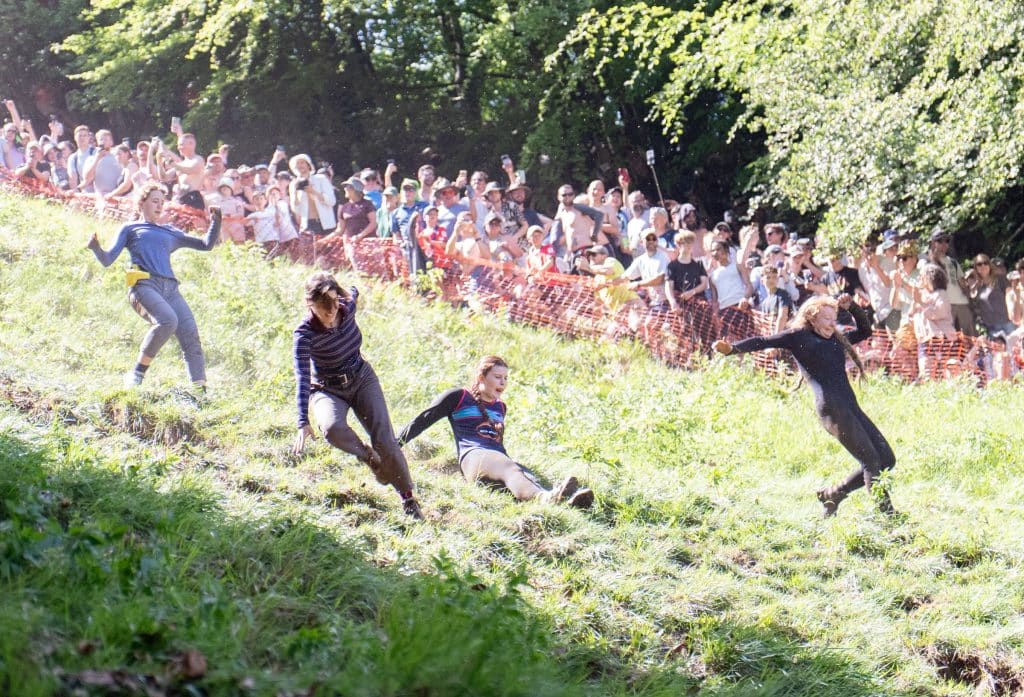
The Cooper’s Hill Cheese-Rolling and Wake, held annually on the Spring Bank Holiday near Gloucester, remains one of the world’s most famous examples of "extreme tradition." The event involves participants chasing a nine-pound wheel of Double Gloucester cheese down a near-vertical 200-yard hill.
From a journalistic and safety perspective, the event is highly controversial. The gradient of Cooper’s Hill is approximately 1:2 (50%), making it nearly impossible for participants to remain upright. Medical teams are a permanent fixture at the event, treating injuries ranging from sprains and concussions to broken limbs. Despite the inherent risks and the lack of official organization in some years due to health and safety concerns, the event persists as a grassroots tradition.
The 2026 iteration saw a significant international presence, both in the crowd and among the competitors. For regional tourism, the cheese-rolling provides a massive, albeit brief, economic injection. However, many spectators noted that the logistical challenges—including limited parking, steep climbs for viewing, and the sheer intensity of the crowd—make it a "once-in-a-lifetime" experience rather than a recurring destination.
Cultural Critique: The Evolution of Musical Canon and Literature
Beyond physical travel, the month of May was marked by significant developments in the cultural sphere, particularly in the re-evaluation of historical canons. The "Rolling Stone 500 Greatest Albums of All Time" project continues to serve as a benchmark for musical influence, though it remains a subject of debate among critics.
Analysis of the list reveals a persistent "representation gap" in the higher echelons of the canon. For instance, a notable absence of female artists was observed between the rankings of 56 and 33, highlighting the historical biases of music journalism. Furthermore, the inclusion of extensive compilation albums, such as James Brown’s nearly five-hour Star Time, has been criticized for diluting the "album-as-art-form" concept. Despite these critiques, the project has successfully introduced a new generation to seminal works like David Bowie’s Station to Station and Pink Floyd’s Dark Side of the Moon, the latter of which continues to be celebrated for its existential themes and technical innovation.
In the literary world, the release of Belle Burden’s Strangers: A Memoir of Marriage (2025) sparked a broader conversation regarding financial literacy and domestic security. Burden, a descendant of the Vanderbilt family, details the collapse of her marriage and the subsequent discovery of "financial infidelity." The memoir serves as a cautionary tale, emphasizing that even individuals with significant education and generational wealth can be vulnerable to financial exploitation within a domestic partnership. The book’s reception underscores a growing societal demand for transparency in marital finances and the legal protections afforded to stay-at-home parents.
Economic and Social Impacts of Sporting Milestones
The sporting landscape in May 2026 was defined by Arsenal Football Club’s victory in the Premier League. This win marked the club’s first title in 22 years, an event with profound social and economic implications for North London. Victory parades and celebrations provided a significant boost to the local retail and hospitality sectors. For the fan base, the win represented the culmination of a two-decade rebuilding phase, reinforcing the role of professional sports in fostering community identity and collective emotional investment.
Veterinary Infrastructure and Expatriate Services in Prague
A minor but illustrative event involving pet health highlighted the growing infrastructure for expatriates in the Czech Republic. The availability of 24/7 veterinary clinics with English-speaking staff in Prague reflects the city’s adaptation to its international population. In the past, language barriers and limited hours posed significant challenges for non-Czech speakers seeking urgent medical care for animals. The modernization of these services is a critical component of the "support ecosystem" that allows Prague to attract and retain global talent.
Future Projections: New England’s Seasonal Tourism
As the travel calendar transitions into June 2026, industry attention shifts toward the Northeastern United States. New England’s summer tourism season is expected to be robust, centered on coastal destinations in Massachusetts and the urban centers of Boston and New York City.
In Boston, the "Emerald Necklace"—a 1,100-acre chain of parks designed by Frederick Law Olmsted—is a primary focus for urban hikers. This network of green spaces, which stretches from the Common to Franklin Park, represents one of the earliest examples of landscape architecture intended for public health and social cohesion. In New York City, the tradition of walking the full length of Broadway (approximately 13 miles in Manhattan) remains a popular "endurance tourism" activity, offering a cross-section of the city’s socio-economic and architectural diversity.
These upcoming trends suggest a continued preference for "slow travel" and immersive urban exploration, as travelers increasingly seek out experiences that combine physical activity with historical and cultural context. The global travel market in mid-2026 appears to be stabilizing around these values, prioritizing depth of experience over the breadth of destinations.