Madrid: A Global Metropolis Defined by Rich Culture, Vibrant Life, and Enduring Allure

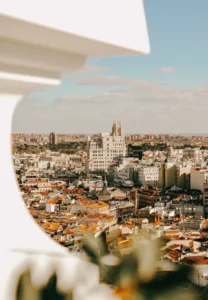
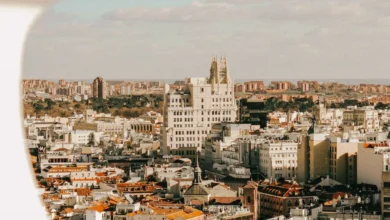
Madrid stands as a quintessential European capital, a city that immediately impresses visitors with its profound cultural depth, dynamic urban energy, and a lifestyle that thrives on a distinctive rhythm. It is a metropolis crafted for those who appreciate the intricacies of city living – from world-class dining and expansive green spaces to celebrated museums and an efficient public transit system. Far from merely a stopover, Madrid asserts itself as a destination in its own right, a vibrant hub where history, art, and modern life converge, offering an authentic experience that resonates deeply with urban explorers. Its status as a venerated city, rich in tradition yet forward-looking, has cemented its place on the global stage, drawing increasing numbers of international visitors eager to discover its unique charm.
The Rhythmic Pulse of Madrid: A City That Lives by Its Own Clock
One of Madrid’s most defining characteristics is its distinctive social timetable, a cultural phenomenon deeply ingrained in the Spanish way of life. Unlike many global cities that operate on a conventional Western clock, Madrid embraces a later schedule for daily activities. Lunch typically commences around 2:00 PM, while dinner rarely begins before 9:00 PM. This late-night culture extends to the streets, which remain bustling with activity well past midnight, even on weeknights, with families often enjoying evenings out. This inherent "night owl" rhythm is a cornerstone of Madrileño identity and provides a unique atmosphere for residents and visitors alike.
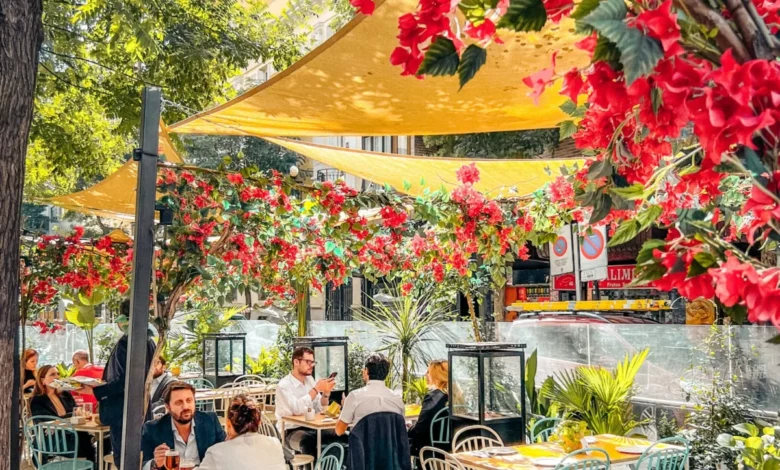
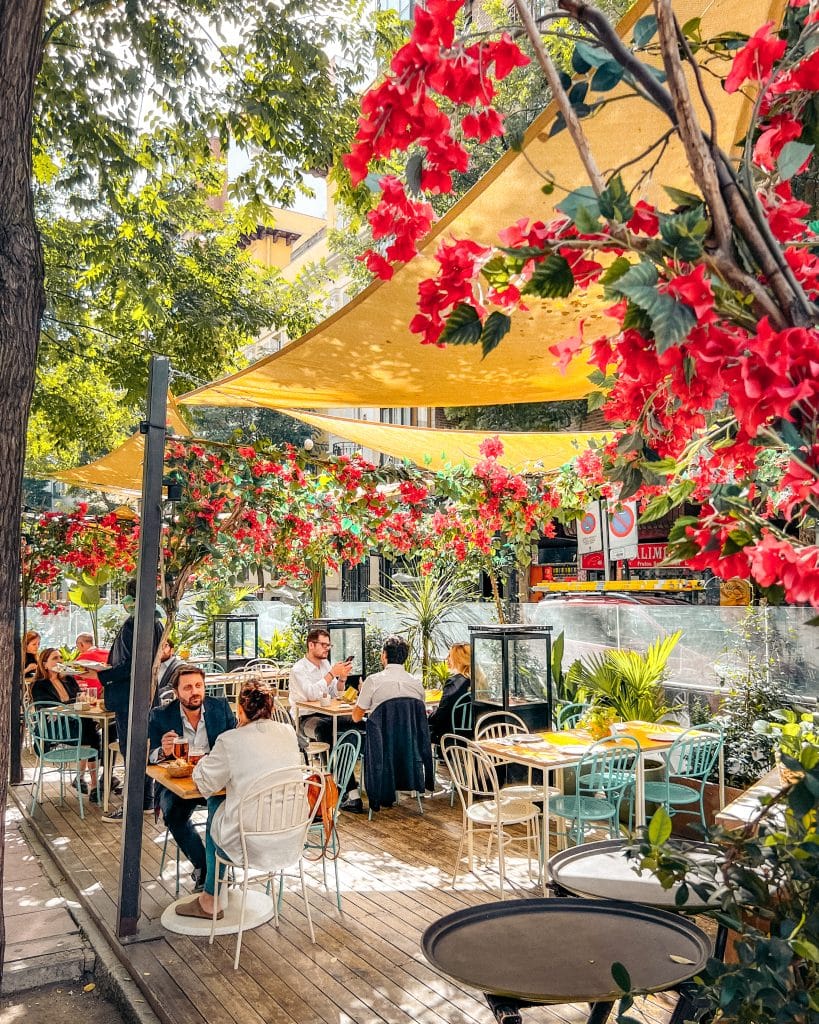
Central to this social fabric is the tardeo, a beloved late-afternoon ritual. Originating as a way to extend social gatherings between the traditional long lunch and late dinner, the tardeo sees locals flocking to terraces in neighborhoods such as Salamanca. Here, they gather for drinks, conversation, and light bites, savoring the extended daylight hours and fostering a convivial atmosphere that epitomizes Madrid’s social vibrancy. This tradition is not merely about timing but reflects a broader cultural emphasis on communal engagement and leisure. For many, it serves as a civilized pause, a transition point that allows the day to unfold gracefully into the city’s lively evening "second act." This late-night orientation, deeply embedded in Spanish history and climate, contributes significantly to Madrid’s unique character, offering an appealing alternative for those who thrive in a more nocturnal urban environment.
Green Havens: Retiro Park and Madrid’s Urban Oases
Despite its dense urban core, Madrid masterfully integrates expansive green spaces that serve as vital lungs and cultural hubs for the city. El Retiro Park (Parque El Retiro), undoubtedly the crown jewel, stands as a testament to Madrid’s commitment to urban greenery. Acquired by the city in 1868 and subsequently opened to the public, Retiro Park has evolved from a royal retreat into one of Europe’s most significant urban parks. In 2021, the Paseo del Prado and Retiro Park were collectively designated a UNESCO World Heritage site, recognizing their exceptional universal value as a landscape of arts and sciences.
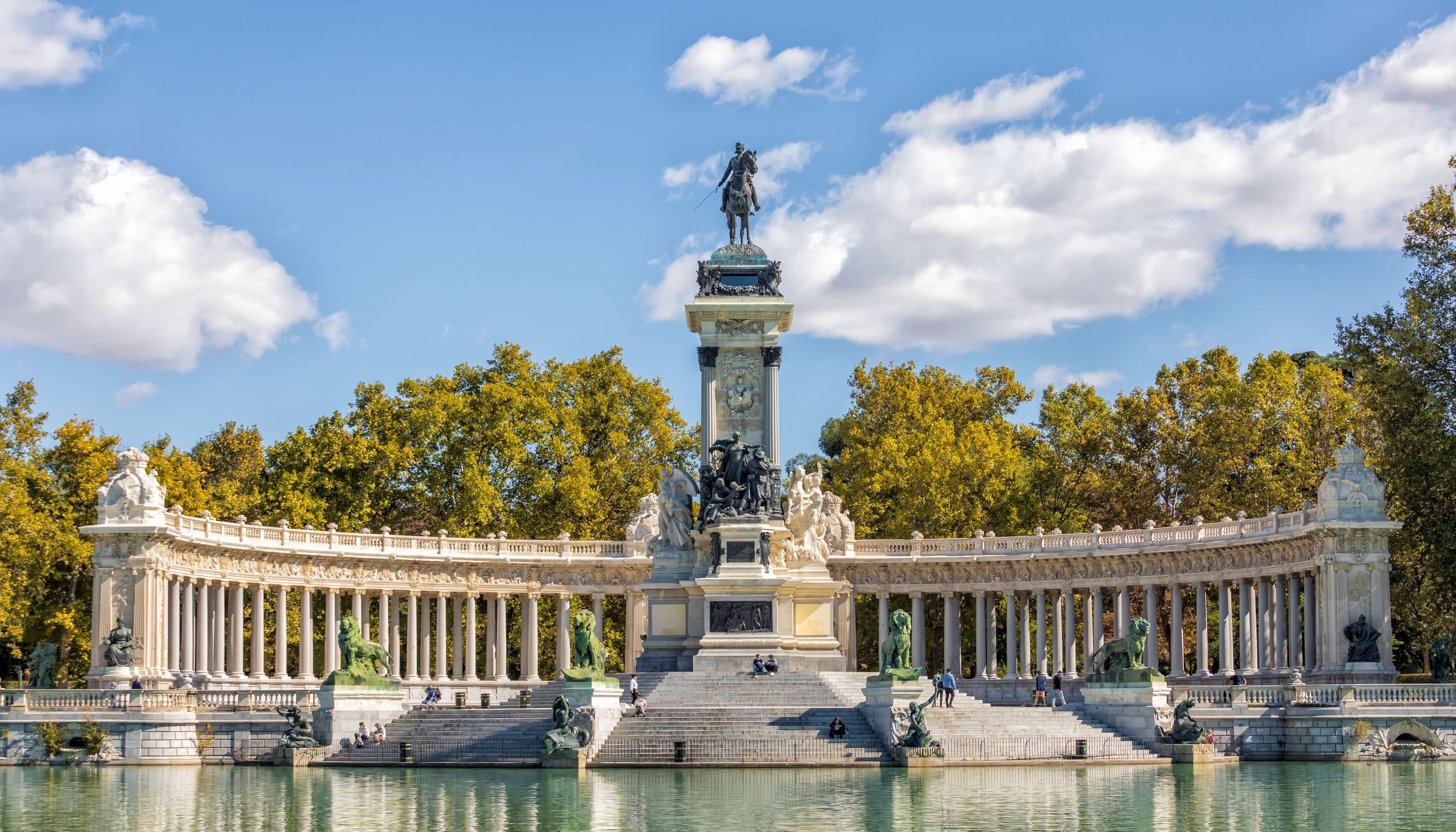
Stepping into Retiro Park offers an immediate and profound contrast to the surrounding city hum. Its vast expanse, covering 125 hectares, transforms the urban soundscape into one of calm and natural beauty within moments. Key features include the Grand Pond, where visitors can rent rowboats and glide past the majestic Monument to Alfonso XII, an elaborate semi-circular colonnade overlooking the water. Another architectural marvel is the Palacio de Cristal (Crystal Palace), a stunning 19th-century glass-and-iron greenhouse originally built to house exotic plants from the Philippines. Today, it serves as a striking venue for contemporary art installations, blending historical elegance with modern artistic expression. Beyond these iconic landmarks, Retiro offers meticulously manicured gardens, serene pathways, and quiet corners perfect for reading or reflection. Its integration into daily Madrileño life underscores its importance not just as a tourist attraction but as a cherished space for recreation, relaxation, and cultural engagement for locals, reinforcing the city’s blend of urban sophistication and natural tranquility.
A Pantheon of Masterpieces: Madrid’s Golden Triangle of Art
Madrid is globally recognized as one of Europe’s premier cities for art enthusiasts, boasting an unparalleled concentration of artistic masterpieces within its "Golden Triangle of Art." This esteemed triumvirate comprises the Museo Nacional del Prado, the Museo Nacional Centro de Arte Reina Sofía, and the Museo Nacional Thyssen-Bornemisza, each offering a distinct yet complementary journey through the annals of art history.
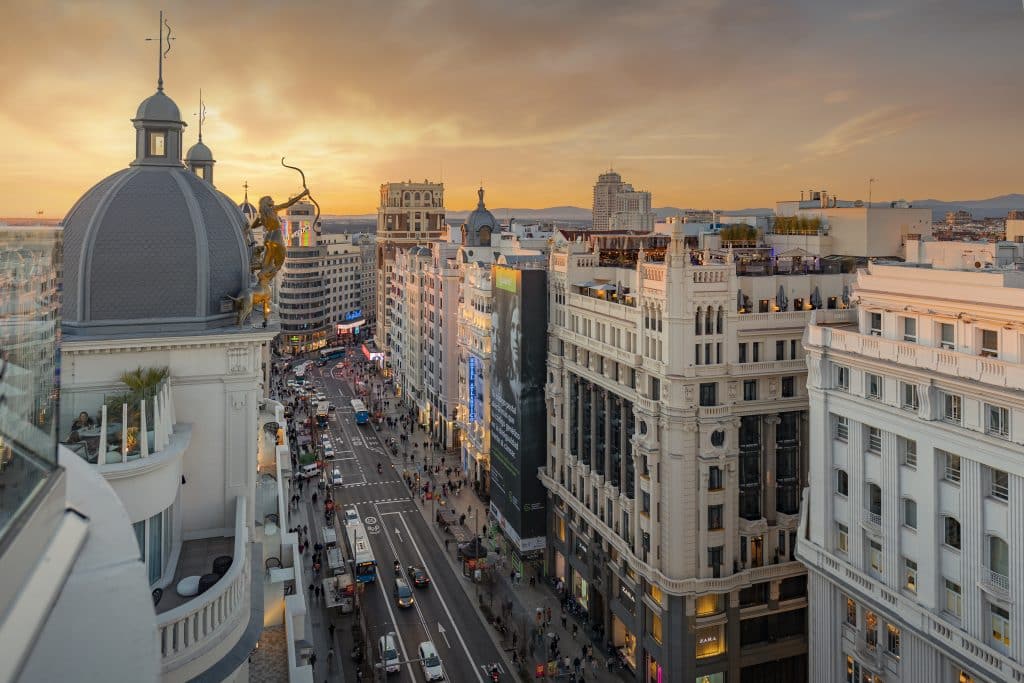
The Museo Nacional del Prado, founded in 1819, is one of the oldest and most celebrated art museums in the world. It houses an extraordinary collection of European art, primarily Spanish, Italian, and Flemish masters, spanning from the 12th to the early 20th centuries. Its halls are graced by seminal works from artists such as Diego Velázquez (including "Las Meninas"), Francisco Goya (with a vast collection covering his entire career, from court painter to the harrowing "Black Paintings"), and El Greco. The Prado’s collection is a profound narrative of Spanish history, religion, and culture, attracting over 2.8 million visitors annually and solidifying its status as a pilgrimage site for art lovers.
Adjacent to the Prado, the Museo Nacional Centro de Arte Reina Sofía is dedicated to 20th-century and contemporary art. Housed in a former 18th-century hospital, this museum is most famous for being the permanent home of Pablo Picasso’s monumental "Guernica." This powerful anti-war mural, depicting the horrors of the 1937 bombing of Guernica, is a truly visceral experience, its sheer scale and emotional intensity often leaving visitors profoundly moved. Beyond "Guernica," the Reina Sofía showcases extensive collections of Spanish artists such as Salvador Dalí and Joan Miró, as well as international figures. Its commitment to challenging and thought-provoking art is exemplified by unexpected discoveries, such as "A World" by Ángeles Santos Torroella (painted in 1929, not 1911 as in original text), a surrealist masterpiece that captivates with its unique vision and emotional depth. The museum serves as a vital institution for understanding the complexities of modern art and its socio-political contexts.
Completing the triangle, the Museo Nacional Thyssen-Bornemisza offers a more eclectic and comprehensive overview of Western art history, filling the gaps left by the Prado and Reina Sofía. Originally a private collection, it spans from the 13th century to the late 20th century, including works by old masters like Titian and Rubens, Impressionists such as Monet and Renoir, and avant-garde movements like Cubism and Pop Art. This museum provides a unique opportunity to trace the evolution of art across centuries and styles within a single institution, making it an indispensable part of Madrid’s artistic landscape. Together, these three institutions not only attract millions of tourists but also serve as crucial centers for art education, research, and cultural dialogue, cementing Madrid’s reputation as a global art capital.
Culinary Landscape: From Traditional Taverns to Michelin Stars
Madrid’s culinary scene is a vibrant tapestry woven from centuries of tradition, innovative gastronomic trends, and a deep-seated appreciation for quality ingredients. It is a city where food is not merely sustenance but a cornerstone of social life and cultural identity. The diversity ranges from venerable century-old taverns serving classic Spanish fare to avant-garde establishments pushing the boundaries of haute cuisine.
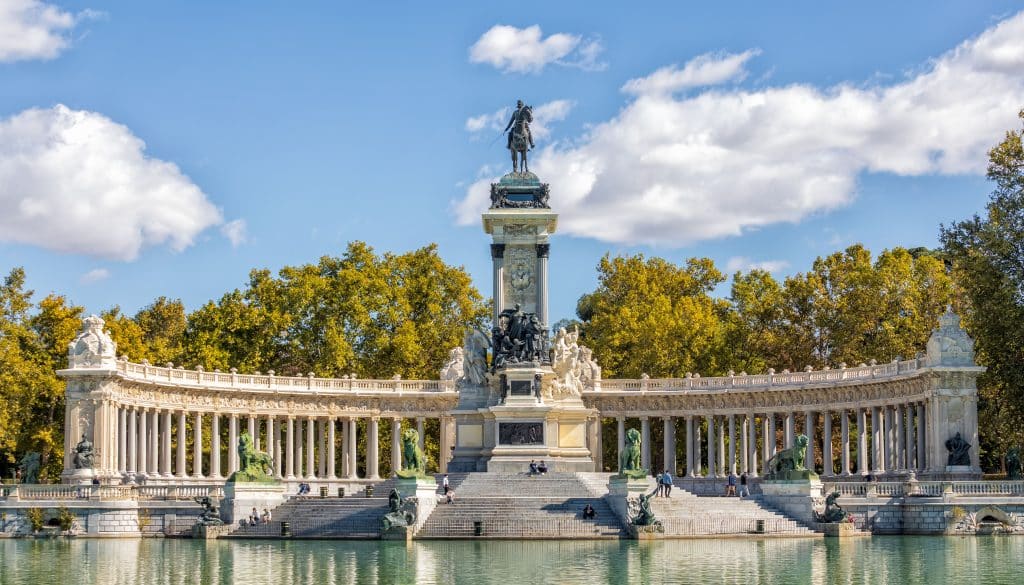
A prime example of Madrid’s food culture is the Mercado de San Miguel. Located near Plaza Mayor, this stunning iron-and-glass market, originally built in 1916 and renovated in 2009, has become a gastronomic temple. It features an array of stalls offering small portions of gourmet Spanish delicacies, making it an ideal spot for a tapeo (tapas crawl). Visitors can graze on Iberian jamón, exquisite pintxos (small snacks, often served on bread), fresh seafood, encurtidos y gildas (pickled olives and anchovies), and a selection of fine wines and vermouth. A particularly ingenious and beloved local innovation often found here is "meat in a cone," offering cured ham in a portable, ice cream-like format – a testament to Madrid’s playful yet serious approach to food.
Beyond the bustling markets, the city’s food story delves deeper into its historical roots. Traditional taverns in neighborhoods like La Latina have preserved culinary heritage for generations, serving hearty portions of jamón and robust house wine, often spilling out onto the streets, creating an infectious, communal dining experience. The city’s signature dish, cocido madrileño, is a deeply comforting slow-cooked stew of chickpeas, various meats (pork, beef, chorizo, blood sausage), and vegetables. Traditionally served in three "courses" – the broth, then the vegetables and chickpeas, followed by the meats – it is a testament to Madrid’s robust, rustic cooking.
For those seeking more ambitious culinary experiences, Madrid boasts a formidable fine dining scene. The city is home to numerous Michelin-starred restaurants, where innovative chefs reinterpret Spanish ingredients and traditions with contemporary flair. Establishments like DiverXO (three Michelin stars) or DSTAgE (two Michelin stars) showcase Madrid’s capacity for culinary artistry and experimentation, attracting gourmands from around the globe. This blend of traditional authenticity and modern sophistication ensures that Madrid’s culinary landscape caters to every palate and occasion. And, of course, no discussion of Madrileño cuisine is complete without mentioning churros with hot chocolate, a beloved treat available at any hour, from a late-night snack to a hearty breakfast, symbolizing the city’s sweet indulgence.
Diverse Tapestry: Exploring Madrid’s Distinct Neighborhoods
Madrid’s urban fabric is a rich mosaic of distinct neighborhoods, each possessing its own unique character, history, and appeal, inviting exploration beyond the well-trodden tourist paths. This diversity allows visitors to experience various facets of Madrileño life, from bohemian chic to upscale elegance.
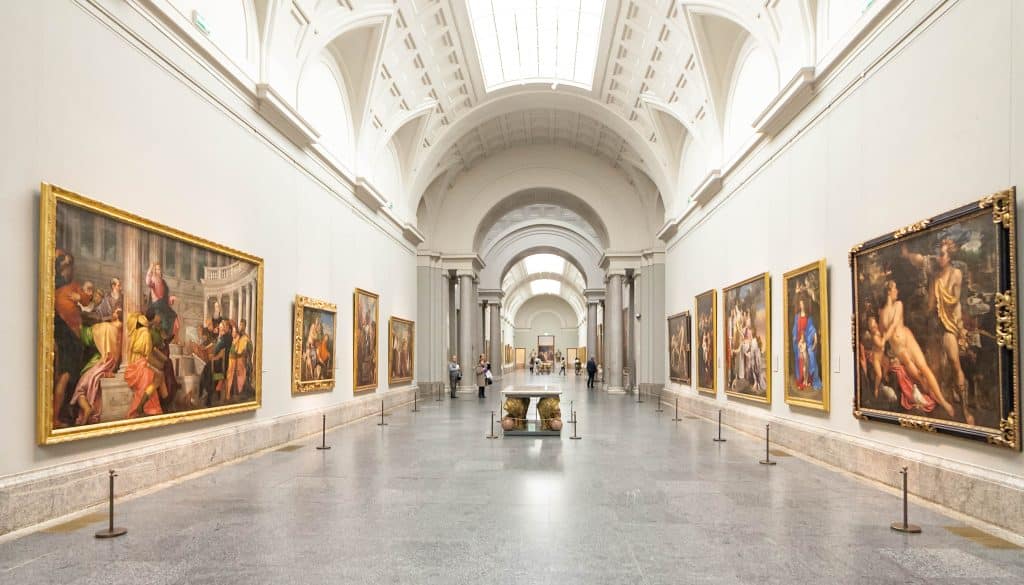
Malasaña is widely regarded as the creative and indie heart of the city. Characterized by its narrow, winding streets, vibrant street art, vintage boutiques, and independent cafés, Malasaña exudes a youthful, slightly rebellious charm. It was the epicenter of La Movida Madrileña, the countercultural movement that emerged after Franco’s dictatorship, and its legacy of artistic freedom and innovation continues to define its atmosphere.
Chueca, adjacent to Malasaña, is Madrid’s vibrant LGBTQ+ hub. Known for its welcoming atmosphere, bustling squares, excellent restaurants, and energetic nightlife, Chueca is a beacon of inclusivity and celebration. Its streets are alive with social energy, particularly during Madrid’s annual Pride celebrations, which are among the largest in Europe.
For a taste of sophistication, Salamanca offers wide boulevards, neoclassical architecture, and upscale boutiques from international luxury brands. This elegant district is where the tardeo tradition thrives, with chic outdoor terraces providing perfect spots for afternoon drinks. Salamanca epitomizes Madrid’s refined side, appealing to those who appreciate a more polished urban experience.
La Latina is steeped in Madrid’s oldest history, retaining a charming, traditional Spanish feel. On Sunday mornings, it becomes the focal point for El Rastro, Madrid’s famous flea market, a sprawling open-air market that draws thousands of shoppers and browsers. After exploring the market, visitors can indulge in traditional vermut and tapas at one of the many bars spilling out onto the street, experiencing a quintessential Madrileño weekend ritual.
For those seeking an authentic, less-touristed experience, the emerging neighborhood of Carabanchel offers a glimpse into local Madrid life. Known for its burgeoning local art spaces, neighborhood bars, and genuine community feel, Carabanchel lacks the tourist veneer of more central districts, providing an opportunity to engage with local culture and discover hidden gems.
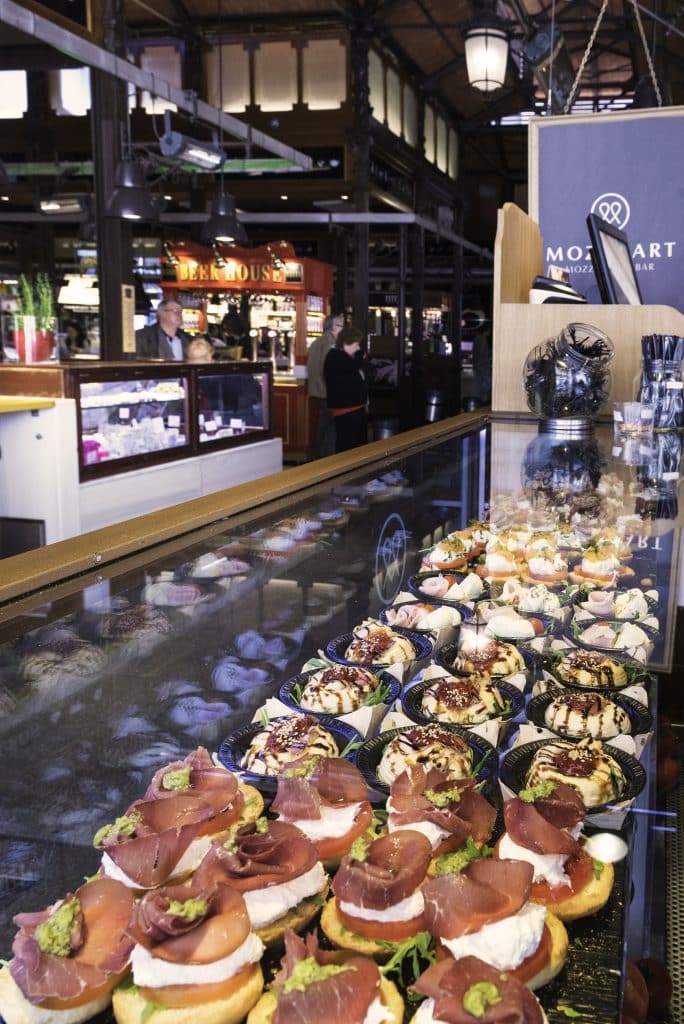
Similarly, the district of Chamberí presents a very typical Madrileño neighborhood where residents outnumber tourists. Its grand architecture, leafy squares, and local shops contribute to a relaxed yet refined atmosphere. Calle Zurbano, in particular, is worth a stroll, featuring a blend of elegant boutiques, diverse restaurants, and small museums, offering a taste of authentic Madrid away from the main tourist circuits. These distinct neighborhoods collectively paint a comprehensive picture of Madrid’s multifaceted urban identity, inviting visitors to delve deeper into its varied communities.
Madrid vs. Barcelona: A Tale of Two Spanish Cities
The enduring debate among travelers often pits Madrid against Barcelona, two of Spain’s most iconic cities. While both offer rich cultural experiences and vibrant urban landscapes, they possess fundamentally different characters, appealing to distinct preferences. Barcelona, with its stunning Modernist architecture (most notably Gaudí’s Sagrada Familia), proximity to beaches, and a long-established international tourist reputation, often appears more picturesque and curated for visitors. It has been a global hotspot for decades, leading to a highly developed tourism infrastructure and, at times, concerns about overtourism.
Madrid, by contrast, embodies the spirit of a quintessential European capital that operates primarily for its residents. It is less overtly curated for the tourist gaze and more authentically "itself." The city’s energy is palpable, a dense and bustling metropolis where everyday life unfolds with an undeniable vibrancy, independent of external observers. This focus on local life translates into an experience that feels more integrated and less performative. Madrid prioritizes the needs and rhythms of its citizens, from its late dining hours to its robust public services, which in turn offers visitors a deeper, more genuine immersion into Spanish culture.
For travelers who thrive on the energy of a major city, who appreciate feeling the pulse of a living, breathing metropolis, and who seek an experience rooted in local authenticity rather than tourist spectacle, Madrid often emerges as the preferred choice. Its historical gravitas, cultural depth, and unwavering commitment to its own unique way of life contribute to an allure that is both profound and enduring. While Barcelona charms with its aesthetic beauty and coastal appeal, Madrid captivates with its raw energy, cultural richness, and the genuine sense of being a city that truly lives on its own terms. This distinction increasingly draws travelers who seek to move beyond surface-level tourism and connect with the heart of a city.
Planning Your Visit: Logistics and Recommendations
For those considering a trip to Madrid, strategic planning can enhance the experience of this magnificent city.
How to Get to Madrid: Madrid-Barajas Adolfo Suárez Airport (MAD) serves as Spain’s primary international gateway, offering excellent connectivity with direct flights from major cities across the globe. From the airport, Madrid’s Metro system provides an exceptionally efficient and cost-effective transfer directly into the city center, distinguishing itself as one of Europe’s most user-friendly public transport networks.
How to Get Around Madrid: The central districts of Madrid are remarkably walkable, allowing visitors to explore many key attractions on foot. For longer distances, the Metro system is comprehensive, reliable, and easy to navigate, connecting all major neighborhoods and tourist sites. Staying in centrally located areas such as Malasaña, Chueca, or near the Prado Museum ensures convenient access to most points of interest and vibrant local life.
When to Go to Madrid: Madrid is genuinely a year-round destination, each season offering its own charm. Spring (April–May) and fall (September–October) are widely considered the ideal times, with comfortable temperatures, pleasant sunshine, and generally fewer crowds. Summer (July–August) can be hot, with average temperatures often exceeding 30°C (86°F), but it also sees some Madrileños heading to the coast, potentially leading to lower hotel prices and shorter lines at popular attractions. Winter (November–March) in Madrid is surprisingly appealing, characterized by milder temperatures than many other European capitals, abundant sunshine, and clear skies, making it an excellent option for a winter city break, often with the added benefit of reduced prices and crowd levels.
How Long to Spend in Madrid: A minimum of three full days is recommended to adequately explore the city’s core attractions, including key museums, parks, and neighborhoods. However, to truly immerse oneself in Madrid’s culture and enjoy its pace, or to include excursions, five days is a good minimum. Madrid serves as an excellent base for numerous day trips to UNESCO World Heritage-listed sites such as the historic cities of Toledo and Segovia, or the Royal Palace of Aranjuez. For broader Spanish itineraries, Madrid’s central location and high-speed rail network facilitate easy connections to other major cities like Barcelona, Seville, and Valencia, making it an ideal starting or central point for exploring the wider country.
For comprehensive trip planning, Madrid’s official tourism website, esmadrid.com, is an invaluable and well-organized resource offering extensive information on attractions, events, accommodation, and transportation, directly supported by the city’s tourism authorities.
Madrid’s Enduring Appeal and Future Outlook
Madrid has quietly maintained its position as one of Europe’s truly great city destinations for an extended period. Its appeal lies in its authentic character, its vibrant cultural heartbeat, and its commitment to a way of life that celebrates both tradition and modernity. This unique blend, often operating slightly "under the radar" compared to some of its European counterparts, is precisely what draws discerning travelers seeking a genuine urban experience. The city’s consistent investment in its cultural institutions, public spaces, and infrastructure, coupled with its dynamic culinary and artistic scenes, positions Madrid for continued growth as a premier global destination. City officials and tourism bodies consistently highlight Madrid’s commitment to cultural preservation and fostering a dynamic urban environment, ensuring its appeal for both residents and visitors for years to come. As more travelers discover its multifaceted charm, Madrid’s status as an essential European capital will undoubtedly continue to rise, offering an enriching and unforgettable journey into the heart of Spain.