The Essential Guide to Nova Scotia Tourism: A Comprehensive Analysis of Travel Destinations and Cultural Experiences in Canadas Ocean Playground

Nova Scotia, Canada’s second-smallest province by landmass, continues to solidify its reputation as a premier destination for domestic and international travelers seeking a blend of rugged natural beauty, deep-seated maritime history, and a burgeoning culinary scene. Recent data from Tourism Nova Scotia indicates that the province attracts millions of visitors annually, contributing billions of dollars to the regional economy. A comprehensive 15-day assessment of the province’s diverse regions—ranging from the urban hub of Halifax to the dramatic cliffs of Cape Breton Island—reveals a strategic blueprint for experiencing the best of the Maritime provinces. This report examines the primary attractions, geographic highlights, and the logistical framework required to navigate the province’s most significant landmarks.
The Urban Core and Historical Foundations: Halifax and the South Shore
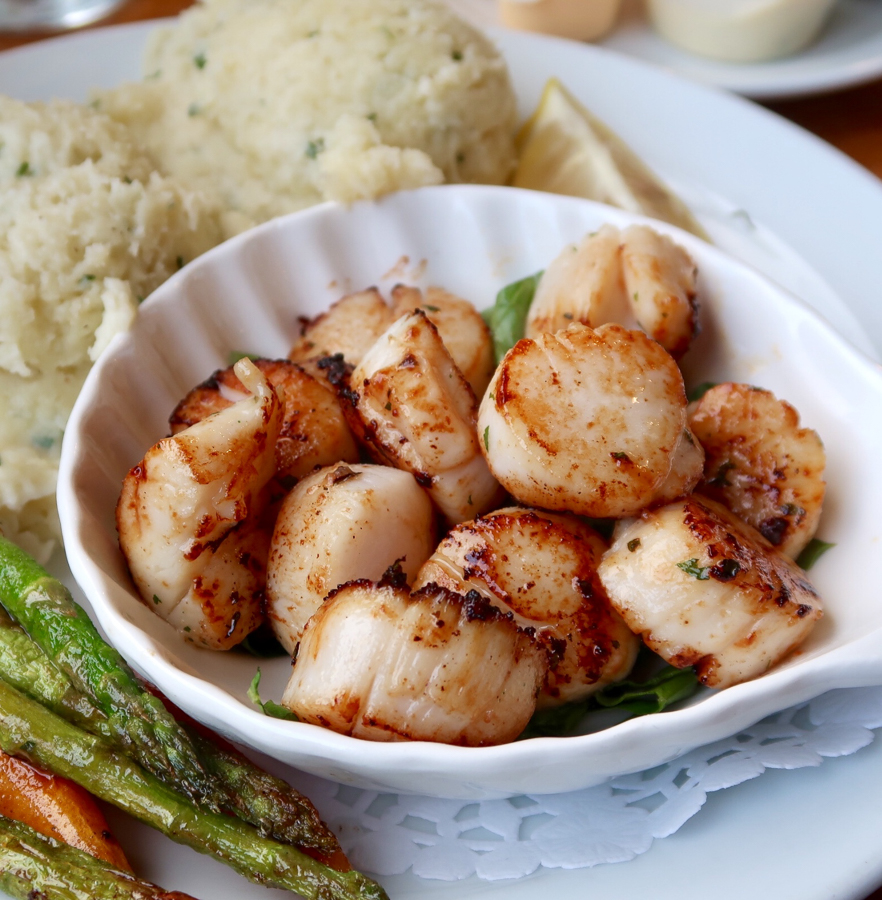
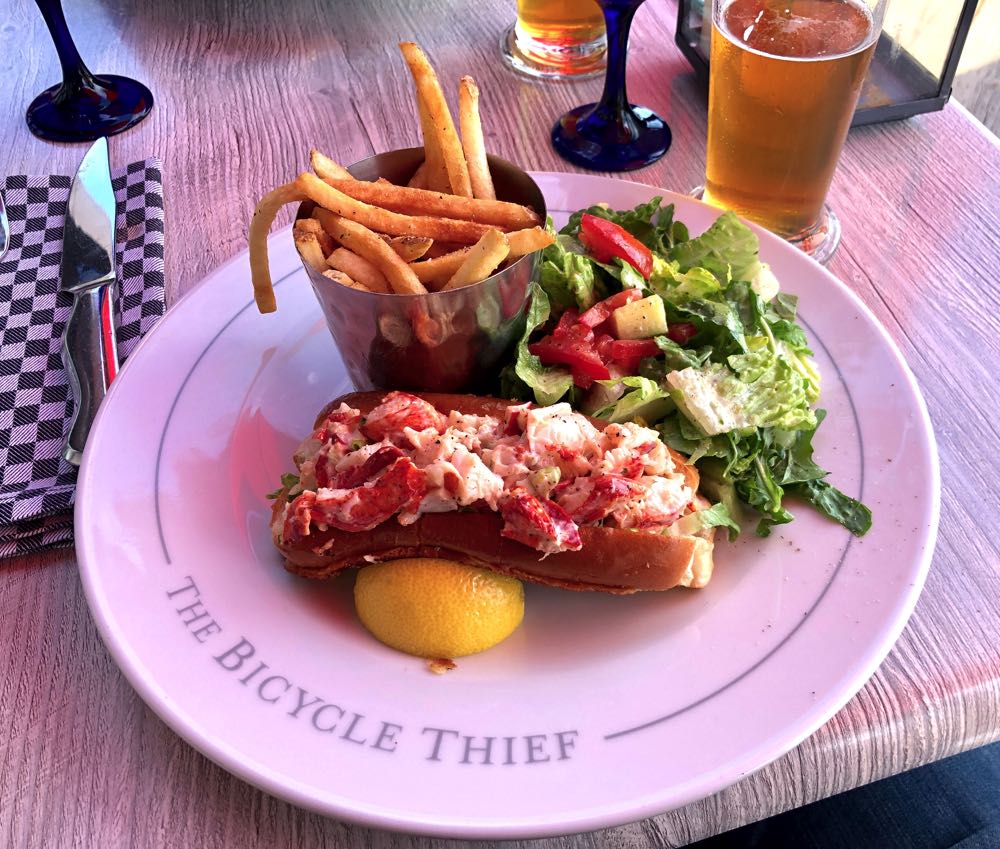
The logistical starting point for most excursions is Halifax, the provincial capital. As a major Atlantic port, Halifax serves as the economic and cultural heart of the region. The city’s waterfront, one of the world’s longest downtown boardwalks, provides a central artery for tourism, connecting the Halifax Seaport Farmers’ Market to the historic Properties. Beyond its role as a transit hub, Halifax offers a sophisticated gastronomic landscape, featuring a blend of traditional seafood and modern international cuisine.

South of the capital lies the Lighthouse Route, which encompasses some of Canada’s most iconic coastal scenery. Peggy’s Cove remains the most frequented site in this region, anchored by the Peggy’s Point Lighthouse. Geologically significant for its massive granite outcrops, the area represents the quintessential Atlantic vista. Further down the coast, the town of Lunenburg provides a critical look at the province’s colonial past. Designated as a UNESCO World Heritage site in 1995, Lunenburg is celebrated for its well-preserved British colonial grid-style streets and 19th-century Victorian architecture. The town’s transition from a primary fishing village to a tourism-heavy economy serves as a case study for sustainable heritage preservation.
Adventure Tourism and the Bay of Fundy Phenomena
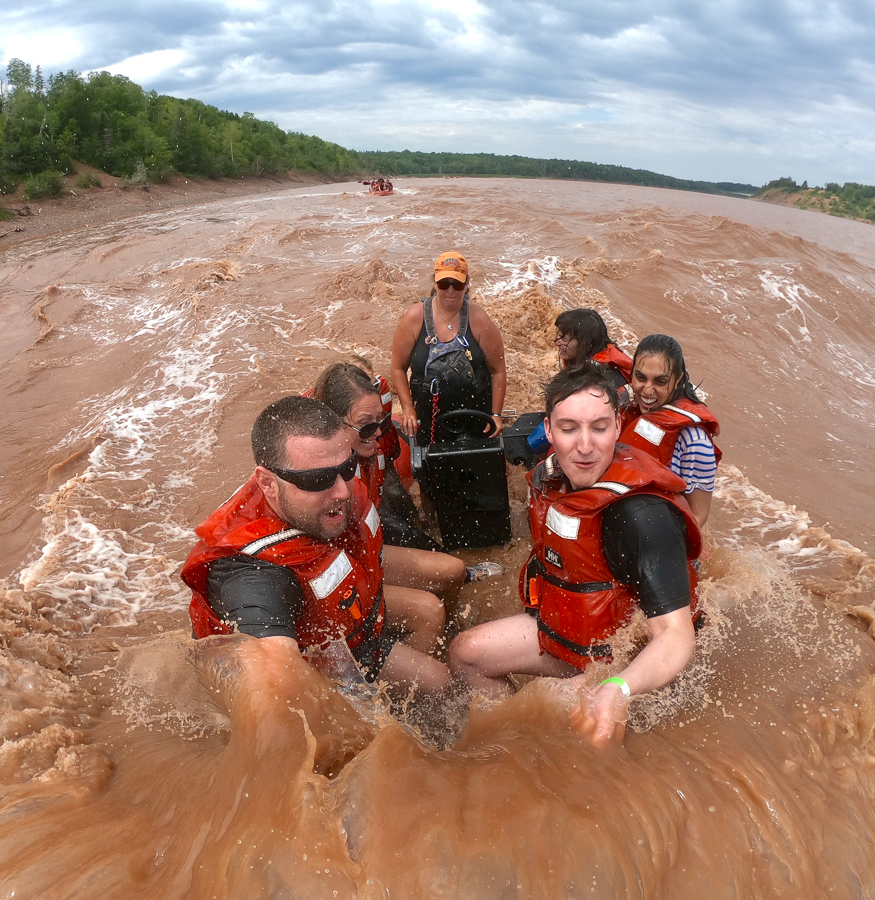
One of the most distinct offerings in the Nova Scotian tourism portfolio is tidal bore rafting on the Shubenacadie River. This activity is a direct result of the Bay of Fundy’s extreme tidal fluctuations, which are the highest in the world. Twice daily, the incoming tide from the bay reverses the flow of the river, creating a series of rapids and swells that can reach significant heights. This natural phenomenon provides a unique platform for adventure tourism, attracting a demographic seeking high-intensity outdoor experiences.
Complementing the river activities is the world-class whale watching available along the Digby Neck and off the coast of Cape Breton. The Bay of Fundy serves as a critical feeding ground for various cetacean species, including the Humpback, Minke, and the endangered North Atlantic Right Whale. Seasonal migration patterns typically see these mammals arriving in late spring and remaining through the autumn, providing a reliable window for ecological tours. Industry analysts note that responsible wildlife viewing has become a cornerstone of the province’s "green" tourism initiatives, fostering a deeper public interest in marine conservation.
Viticulture and the Gastronomic Economy
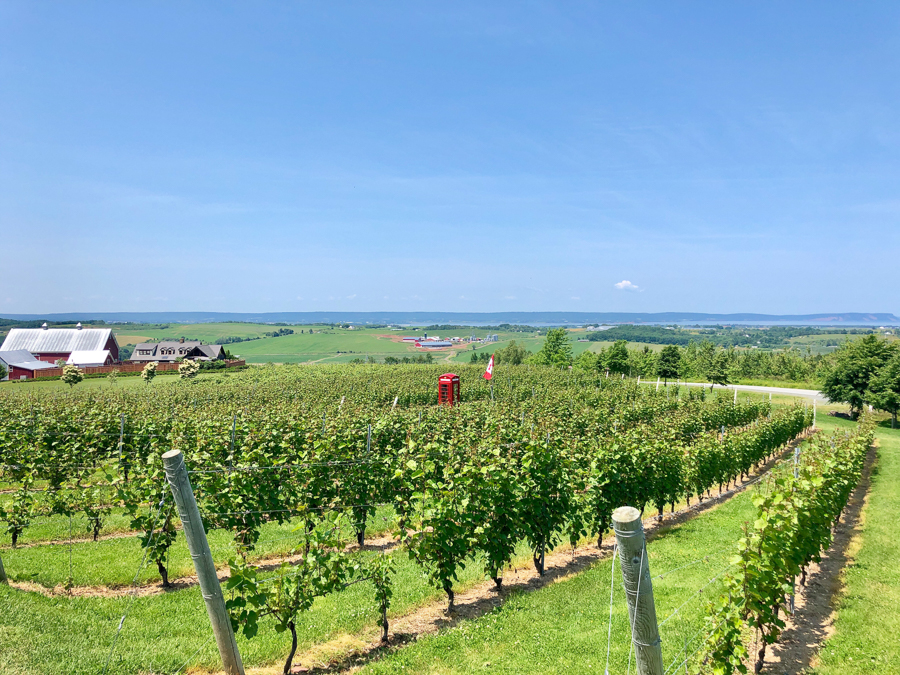
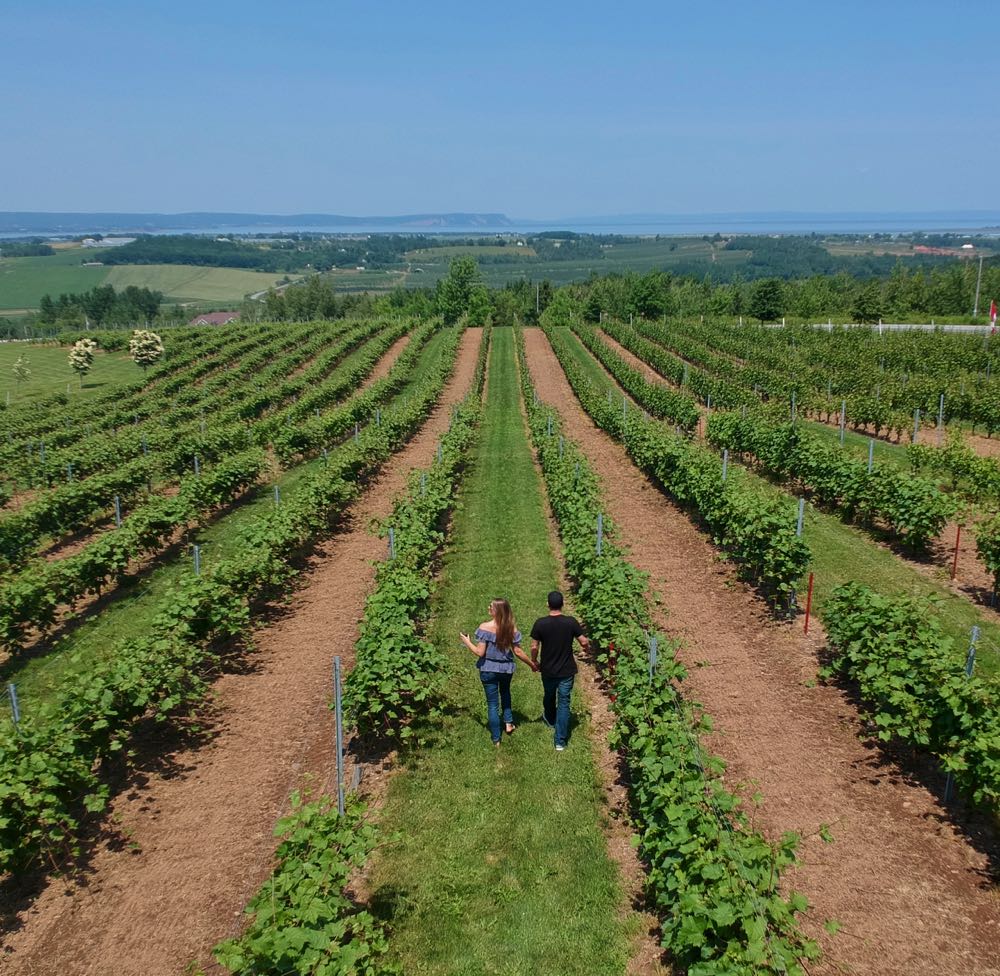
Nova Scotia has successfully carved out a niche in the global wine market through the establishment of the "Tidal Bay" appellation. This is the first wine designation of its kind in North America, specifically designed to reflect the terroir of the region. To be certified as Tidal Bay, wines must be made from 100% Nova Scotian-grown grapes, maintain a specific alcohol percentage (not exceeding 11%), and exhibit a crisp, aromatic profile that pairs effectively with local seafood.
The Annapolis Valley serves as the epicenter of this industry. With over 11 established vineyards, the valley has seen a significant increase in "enotourism." Strategic initiatives like the "Good Cheer Trail"—Canada’s first winery, brewery, cidery, and distillery trail—encourage visitors to explore the province’s liquid heritage. This program utilizes a "passport" system to drive traffic to rural businesses, demonstrating an effective intersection between agriculture, manufacturing, and tourism.
Cape Breton Island: A Study in Scenic Infrastructure
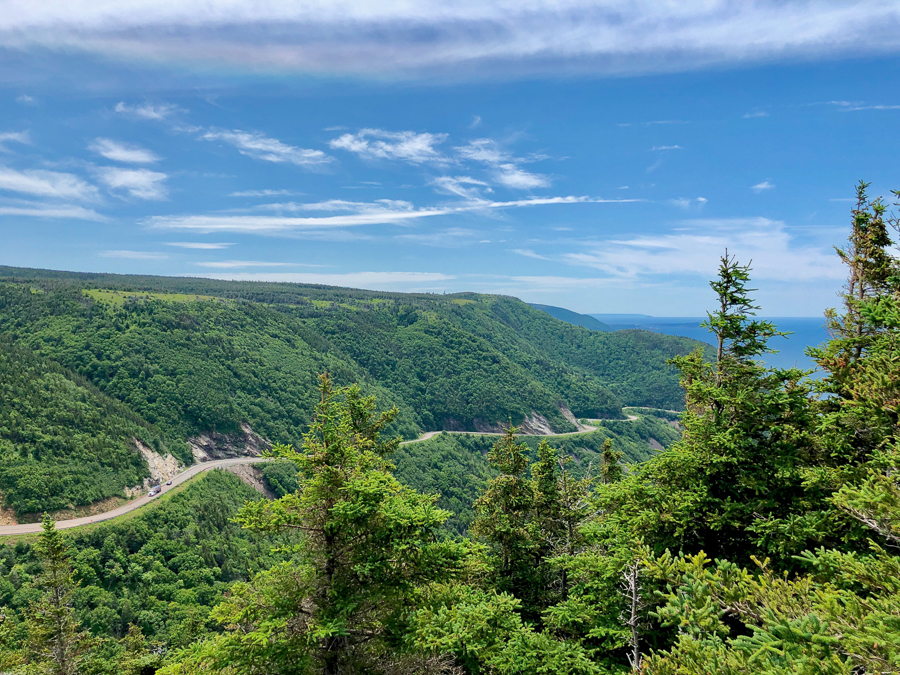
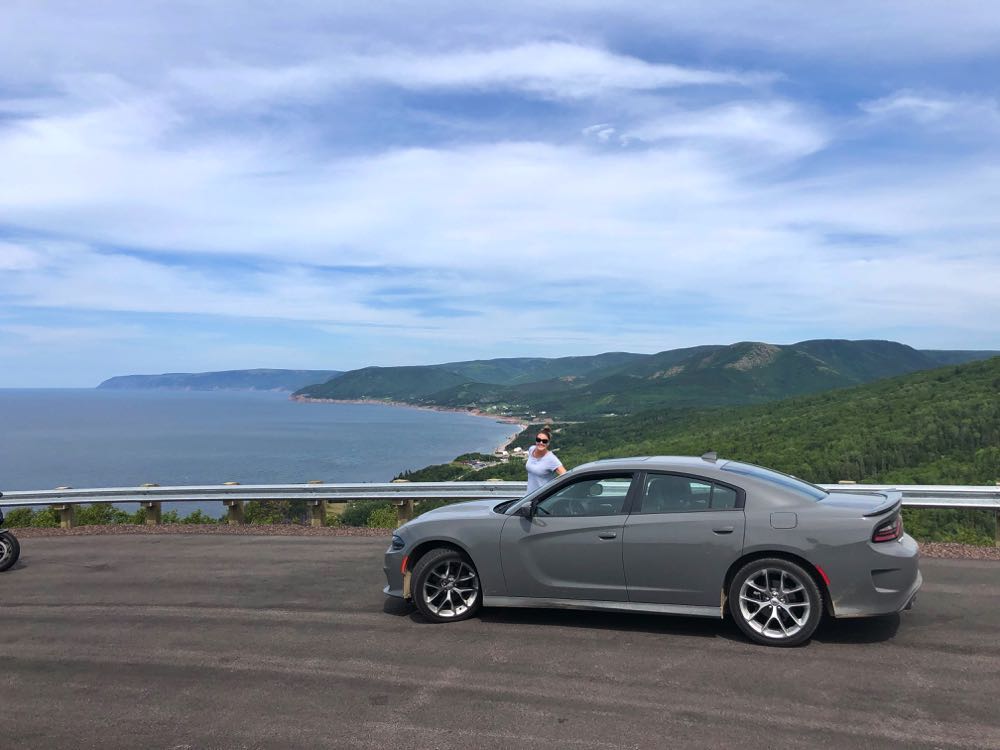
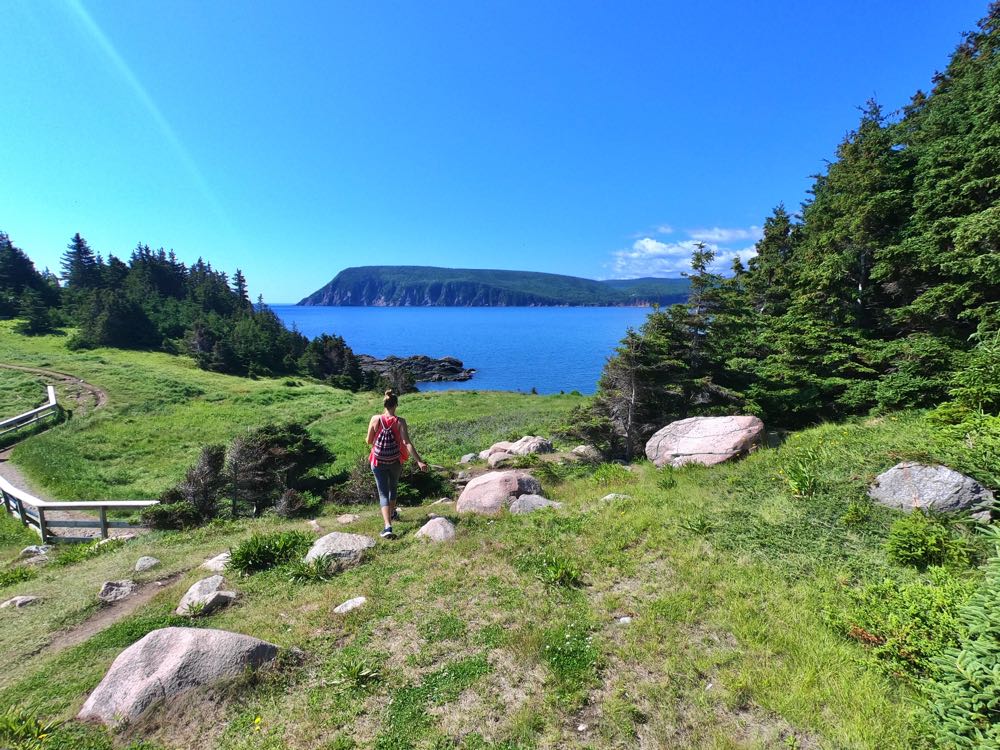
The northernmost part of the province, Cape Breton Island, is home to the Cabot Trail, frequently cited by travel publications as one of the most scenic drives in North America. The 297-kilometer loop winds through the Cape Breton Highlands National Park, offering a dramatic interplay between mountainous terrain and the Gulf of St. Lawrence.

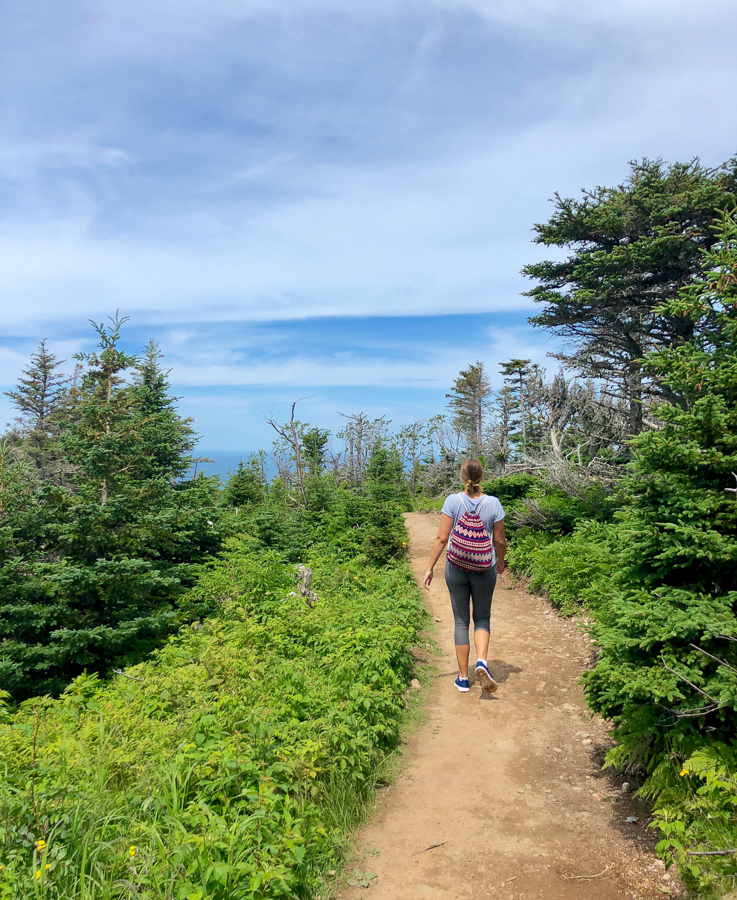
The infrastructure of the Cabot Trail supports a variety of recreational activities, including world-class golf at Cabot Links in Inverness and extensive hiking networks like the Skyline Trail. The Skyline Trail, in particular, provides a panoramic vantage point that allows for moose sightings and whale watching from the cliffs. The economic impact of the trail is substantial, supporting a network of seasonal accommodations and services in communities such as Ingonish and Baddeck. Baddeck also holds historical significance as the site of Alexander Graham Bell’s former estate, now a National Historic Site that chronicles the inventor’s contributions to aviation and maritime technology.
Chronological Framework for a 15-Day Exploration
For travelers seeking to replicate the comprehensive 15-day road trip model, a logical chronology is essential to maximize geographic coverage:
- Days 1–3: Halifax and Dartmouth. Focusing on the waterfront, the Citadel National Historic Site, and the local festival circuit.
- Days 4–6: The South Shore. Incorporating Peggy’s Cove, Mahone Bay, and a deep dive into Lunenburg’s UNESCO heritage.
- Days 7–9: The Acadian Shores and Bay of Fundy. Exploring the French-Acadian culture in Yarmouth, whale watching in Digby, and experiencing the tidal bore in the Shubenacadie region.
- Days 10–12: The Annapolis Valley. Focusing on viticulture in Wolfville and the historic fortifications of Annapolis Royal.
- Days 13–15: Cape Breton Island. Navigating the Cabot Trail, hiking the Highlands, and concluding in the lakeside town of Baddeck.
Supporting Data and Tourism Implications
Tourism Nova Scotia’s strategic goal is to reach $4 billion in annual tourism revenues by 2030. To achieve this, the province is focusing on increasing high-value visitation during the "shoulder seasons" (spring and autumn). The 15-day itinerary highlighted in this report aligns with this strategy by showcasing activities that extend beyond the peak summer months, such as fall foliage viewing on the Cabot Trail and winter festivals in Halifax.

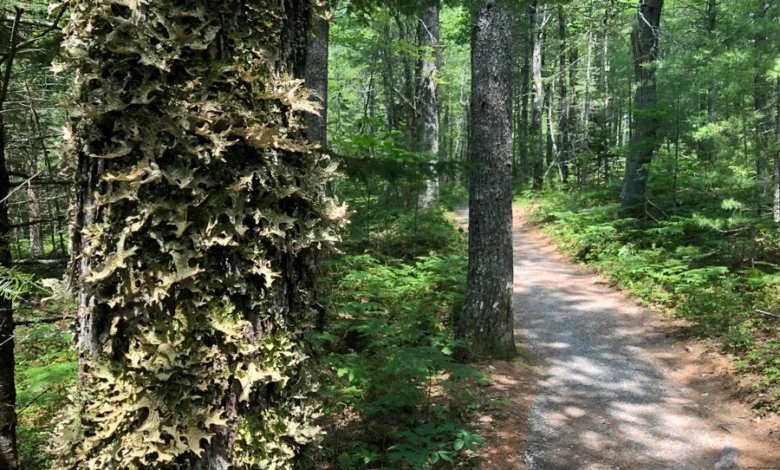
Furthermore, the emphasis on National Parks—Kejimkujik and Cape Breton Highlands—highlights the province’s commitment to environmental stewardship. Kejimkujik is unique for its dual designation as both a National Park and a National Historic Site, protecting Mi’kmaw petroglyphs and cultural landscapes. This integration of natural and indigenous history is a critical component of the province’s modern identity.

Official Reactions and Regional Impact
Local business owners in rural sectors, such as the owners of the Ironworks Distillery in Lunenburg or the various outfitters in Margaree Forks, have noted that the "road trip" model of tourism is vital for the survival of small-town economies. By moving visitors away from the urban center and into the "shores"—Northumberland, Eastern, and South—the province ensures a more equitable distribution of wealth.
Industry experts suggest that the future of Nova Scotian tourism lies in its ability to balance accessibility with authenticity. As infrastructure improves—including the expansion of the Halifax Stanfield International Airport and enhancements to provincial highways—the challenge will be to maintain the "small-town hospitality" that serves as the province’s primary branding tool.
Conclusion
Nova Scotia’s "small but mighty" status is supported by a diverse array of attractions that cater to a wide demographic of travelers. From the adrenaline-fueled tides of the Bay of Fundy to the somber historical reflections in Shelburne and Pictou, the province offers a concentrated dose of Canadian heritage and natural splendor. For those planning a visit, a minimum of seven to ten days is recommended to appreciate the geographic nuances, though a 15-day window remains the gold standard for a truly comprehensive Maritime experience. As the province continues to innovate through culinary trails and eco-tourism, its position as a top-tier global destination seems increasingly secure.