Uncorking Change: How Khayelitsha’s Finest Wines Challenges South Africa’s Deep-Rooted Wine Inequality

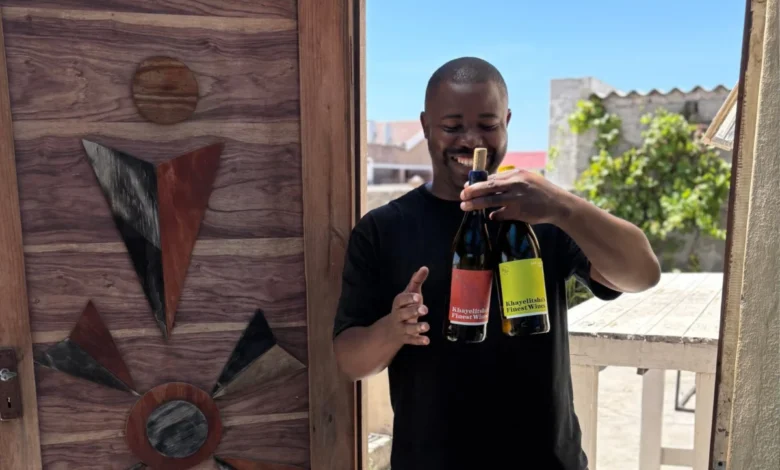
For food writer Toyo Odetunde, a journey to Khayelitsha township, a vibrant community outside Cape Town’s traditional tourist routes, unveiled a profound lesson in the persistent inequalities within the Western Cape’s celebrated wine industry. This transformative experience led to an encounter with Lindile Ndzaba, a visionary Black South African changemaker, and an unexpected opportunity to savor exceptional wine blends that are redefining access and appreciation. Ndzaba’s Khayelitsha’s Finest Wines (KFW) stands as a testament to quality and a powerful symbol of empowerment, actively working to dismantle historical barriers and cultivate a more inclusive future for South African viticulture.
The initial sip was a revelation. A 60/40 blend of Western Cape Syrah and Cabernet Sauvignon, rich with warming spices and striking dark cherry notes, settled on the palate with impressive complexity. This wasn’t a tasting conducted amidst the postcard-perfect vineyards of Stellenbosch or Franschhoek, nor within the opulent dining rooms of Camps Bay. Instead, the setting was a cozy, unassuming courtyard with buttercream-colored walls, tucked behind a bustling main road in Khayelitsha. This location, far removed from the heavily touristed city center, underscored the very essence of the mission at hand: to democratize an industry long characterized by exclusion.
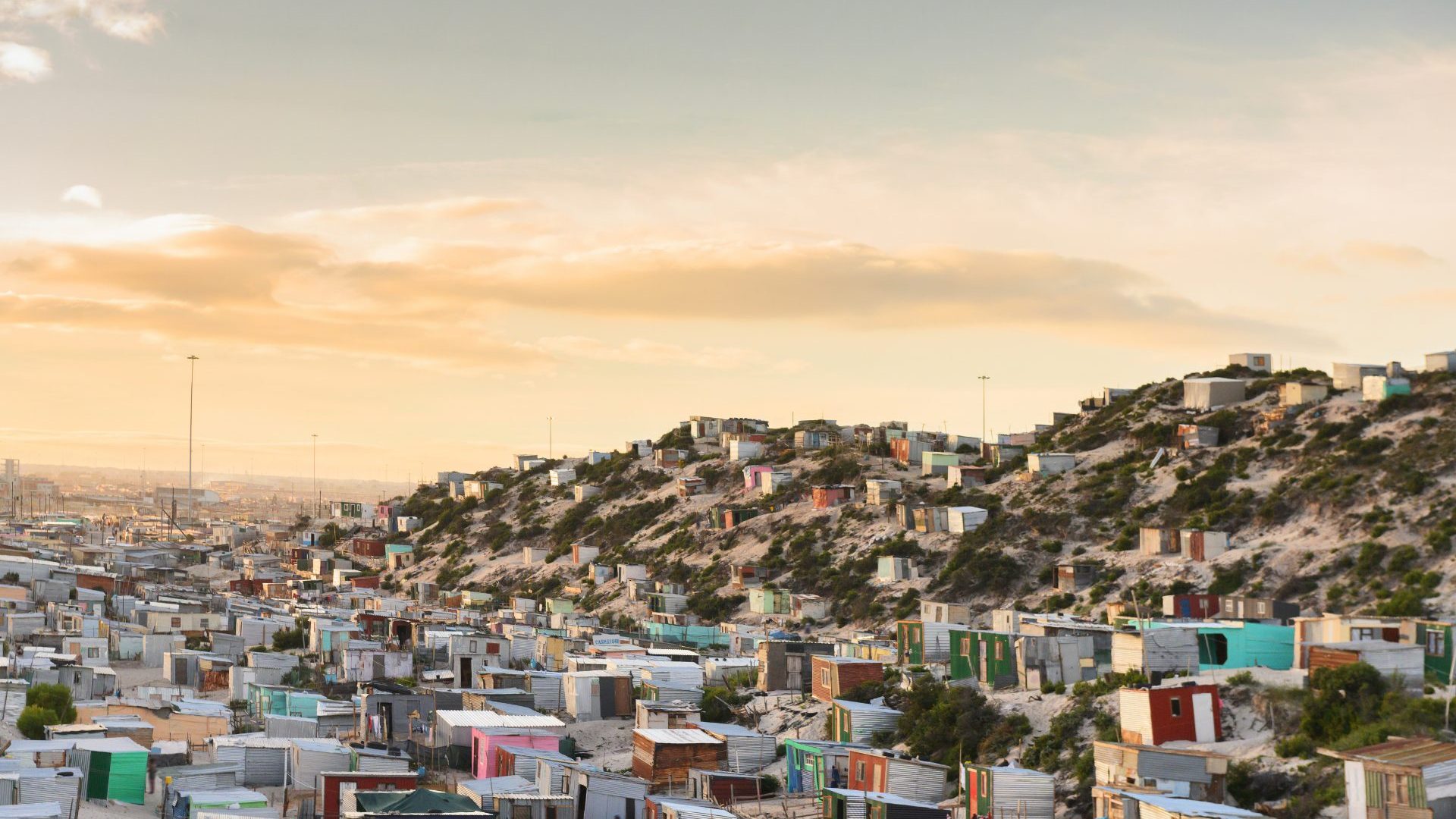
Khayelitsha, meaning "our new home" in Xhosa, lies approximately 35 kilometers southeast of Cape Town’s urban core and stands as one of the metropolitan area’s largest townships. Established in the early 1980s under the oppressive apartheid regime, it was designated as a residential area for non-white populations, a stark manifestation of forced segregation. Today, it remains a rapidly growing community, estimated to be home to as many as two million people, though official census figures often present lower counts. This vibrant, yet historically marginalized, community presents an unconventional backdrop for a wine tasting, challenging preconceived notions of where world-class wine experiences can be found. Despite its off-the-beaten-path status for mainstream tourism, the wines sampled at Khayelitsha’s Finest Wines proved to be among the finest of Odetunde’s entire trip, a remarkable feat given Cape Town’s global reputation for exceptional wines.
Lindile Ndzaba: Bridging Divides Through Wine
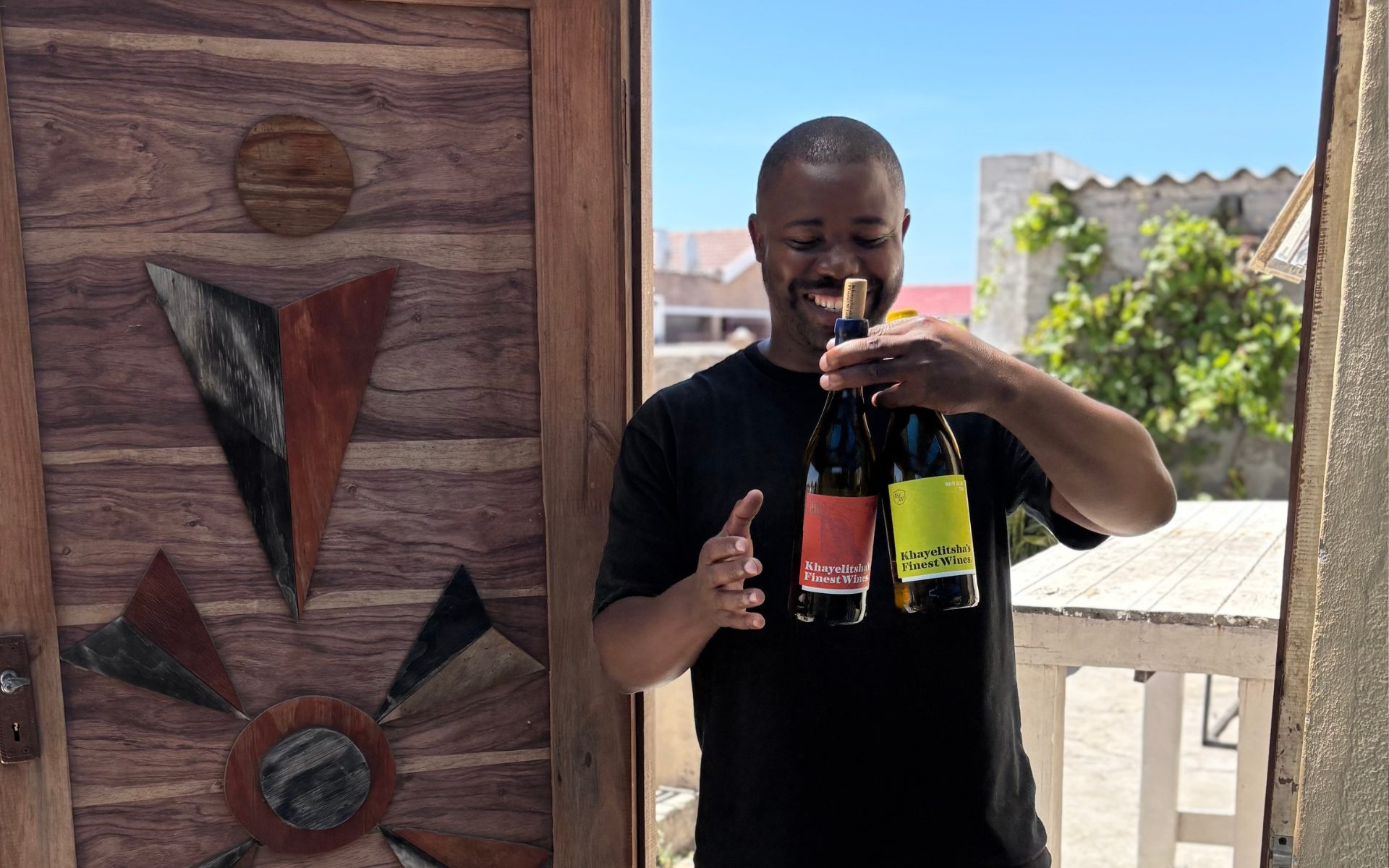
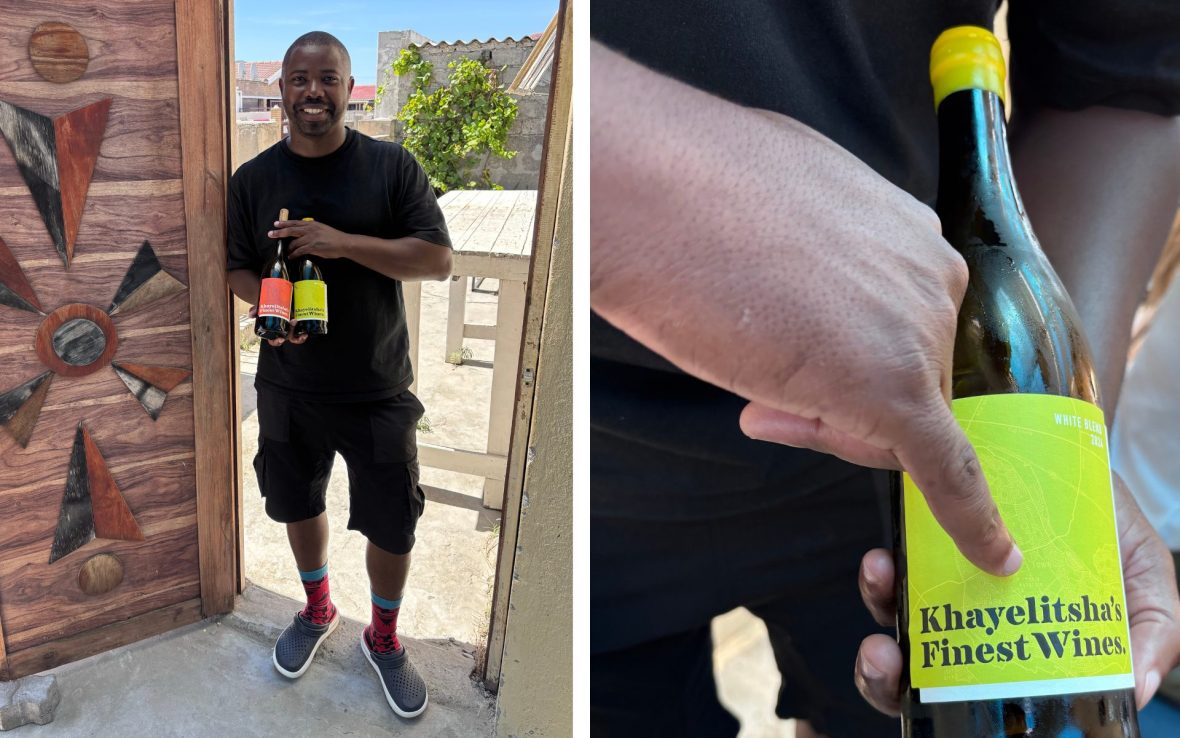
Lindile Ndzaba, the founder and wine négociant behind KFW, meticulously poured a white blend, predominantly Chenin Blanc (locally known as ‘Steen’), Sémillon, and Sauvignon Blanc. His labels, distinguished by their expressive and sophisticated design, have already found their way onto the wine lists of some of Cape Town’s most prestigious restaurants, including COY on the V&A Waterfront and Salsify at the Roundhouse in Camps Bay. Yet, Ndzaba’s ambition extends far beyond merely supplying excellent wine; it is rooted in a profound social mission.
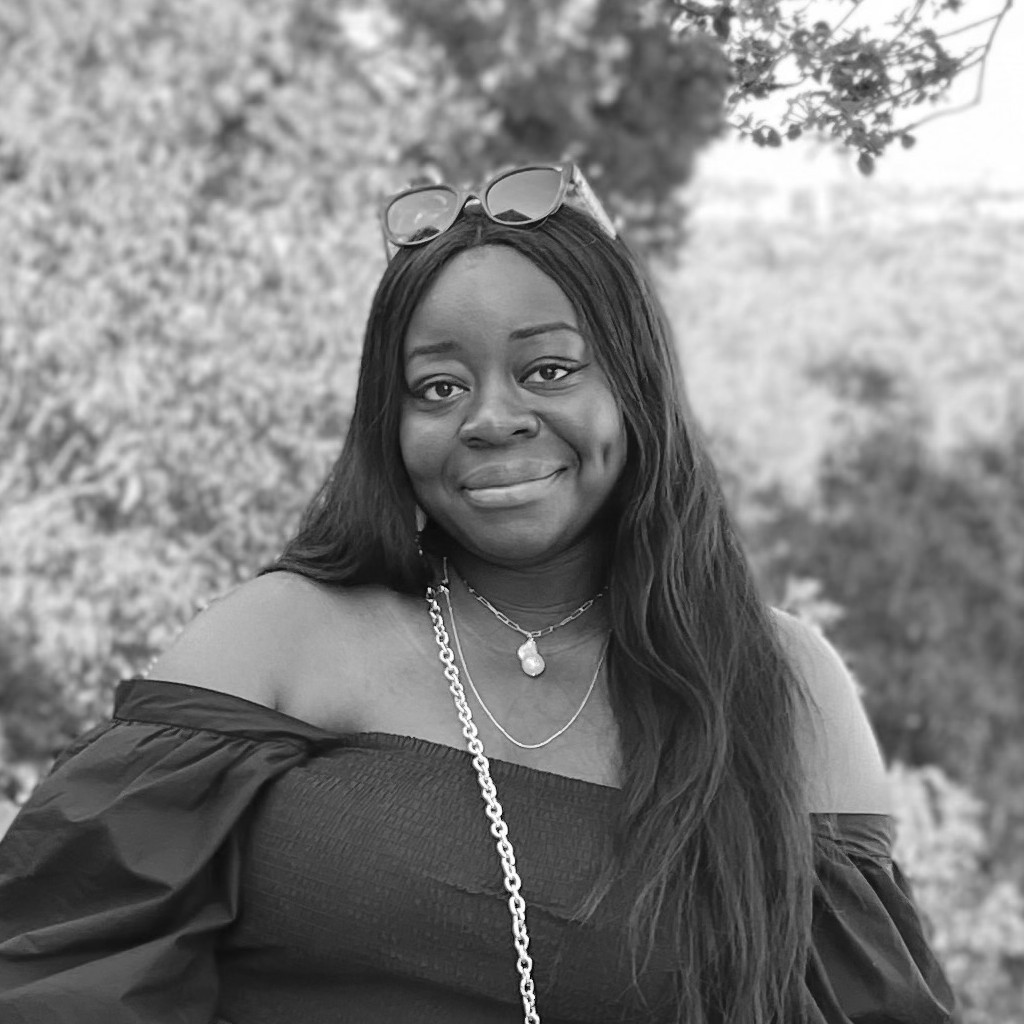
"Wine consumed here in Khayelitsha could be so unpalatable that it had to be diluted with soda," Ndzaba explained, highlighting a grim reality. "I wanted to promote conscious consumption here, moving away from drinking for the sake of drinking, and to encourage appreciation for the culture behind wine. That is why I started this business—to make quality wine accessible."
Ndzaba established KFW in 2018 with the explicit aim of bridging the chasm between his community and Cape Town’s historically exclusive wine culture. For generations, people from lower socio-economic townships like Khayelitsha have been systematically excluded from meaningful participation in the industry, often relegated to labor roles without pathways to ownership or entrepreneurship. Ndzaba’s approach is deeply personal and community-centered. "By taking pride in where I’m from, I hoped to create something relatable for those who feel like outsiders," he affirmed. This ethos is vividly reflected in KFW’s branding, which proudly incorporates the township’s name and features a map of Khayelitsha on its bottle labels, literally putting the community on the map of the wine world. At larger events and demonstrations, Ndzaba thoughtfully pairs his wines with traditional local foods, such as tripe and umleqwa ne dombolo (wild chicken with dumplings), challenging conventional pairings. "It’s important to explain that cheese and charcuterie isn’t the only way to enjoy good wine," he emphasized, broadening the cultural understanding of wine consumption.
A Career Forged in Hospitality, Rooted in Community
Ndzaba’s passion for wine is a natural outgrowth of a long and dedicated career in hospitality. Like many residents of Khayelitsha, his initial foray into the industry began with a job in a city restaurant. He diligently worked his way up, transitioning from the kitchen to operations, gaining invaluable experience in both front and back-of-house roles. It was during this period that he began assisting sommeliers with tastings, a crucial experience that provided him with indispensable insight and expertise.
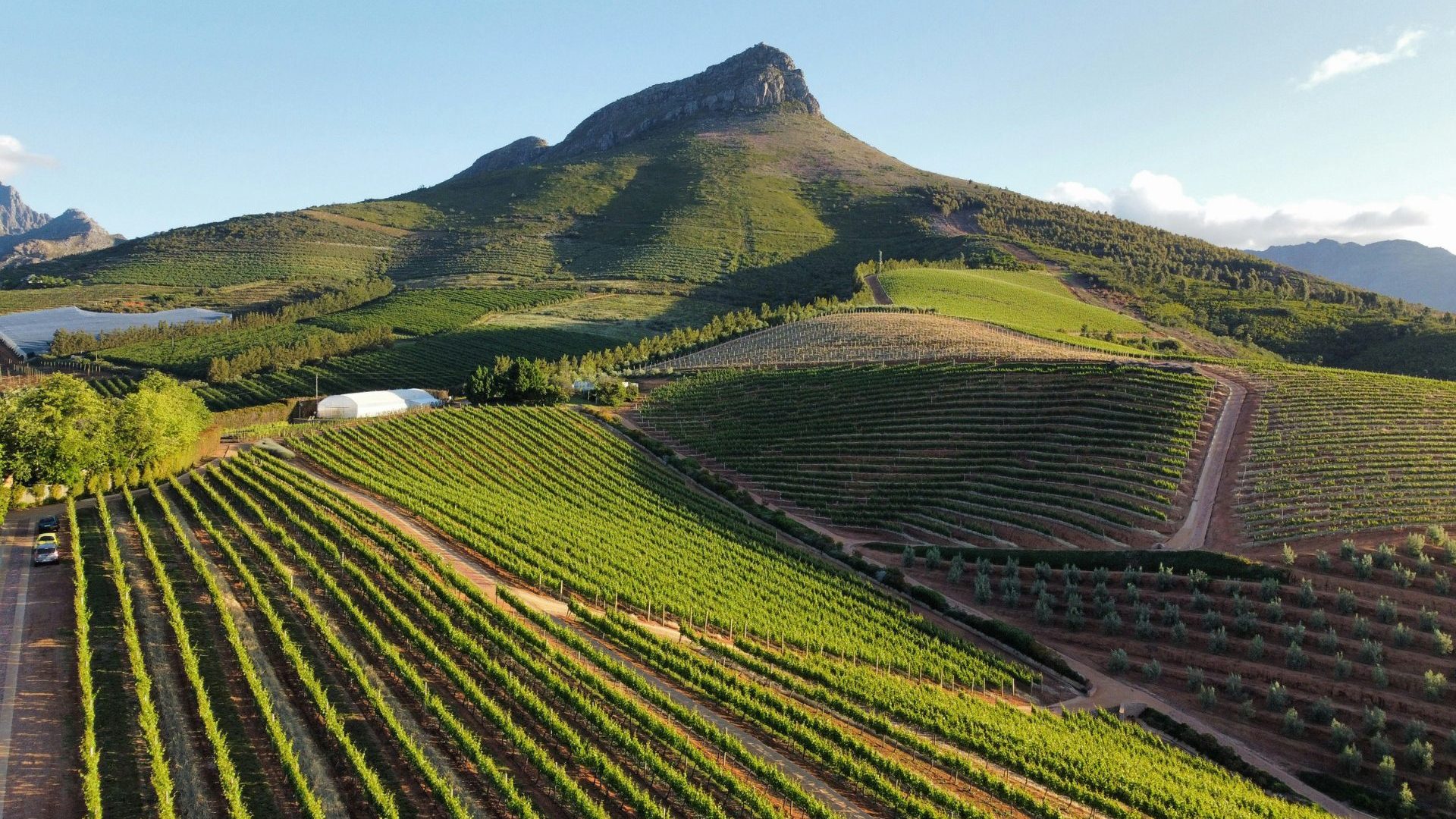
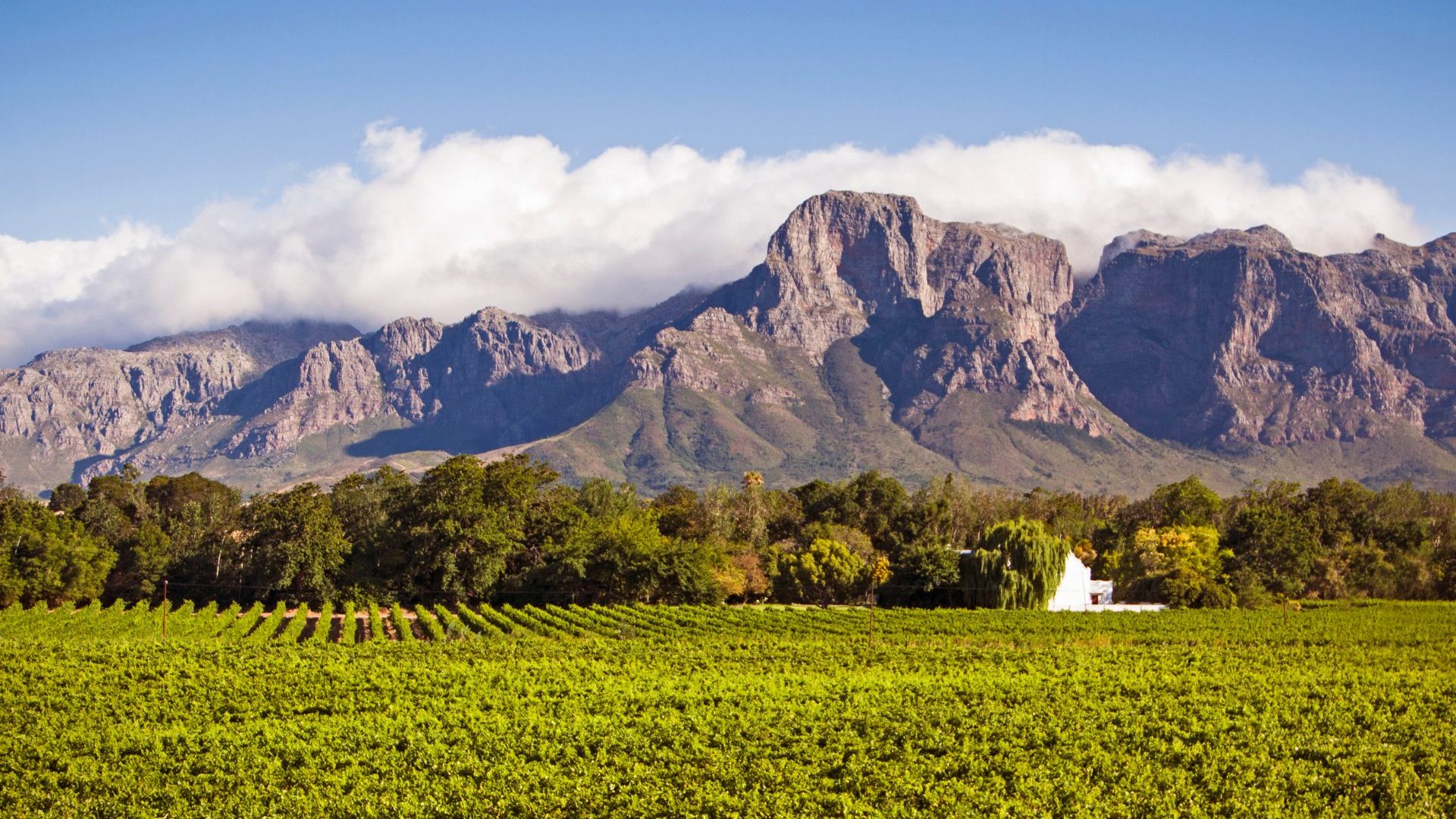
"It taught me about the whole wine ecosystem, that it’s so much more than just consuming alcohol," he recalled. Ndzaba found particular inspiration in the viticulture of the Western Cape, a vast and diverse province spanning approximately 130,000 square kilometers. This region encompasses world-renowned wine areas like Stellenbosch, Franschhoek, Paarl, Constantia, and Swartland, characterized by landscapes of expansive valleys and steep slopes painted in hues from rust to deep green. "I loved learning about different soil types and climates, and how this translates into diverse wines," he said, underscoring his intellectual curiosity. "Engaging with winemakers fed my curiosity."
Lacking the extensive winemaking infrastructure within Khayelitsha itself, Ndzaba ingeniously collaborates with partner winemakers in established regions like Stellenbosch. He leverages their vineyards and production facilities to meticulously curate the unique blends that KFW brings to market. This collaborative model not only ensures the high quality of his wines but also demonstrates a resourceful approach to overcoming systemic barriers.
The Enduring Legacy of Apartheid in the Wine Industry
The challenges faced by entrepreneurs like Ndzaba are deeply embedded in South Africa’s painful history of racial segregation and oppression. While residents from communities like Khayelitsha have long constituted a significant portion of Cape Town’s hospitality workforce, their opportunities to meaningfully participate in, let alone own, elements of the internationally recognized wine industry have been severely limited. This disparity is particularly stark in ownership systems, which regrettably continue to mirror long-held racialized divides. Current estimations indicate that only 2.5 percent of vines in South Africa are Black-owned, a shocking statistic given that over 80 percent of the nation’s population is Black. This enduring inequality is a direct consequence of apartheid, which systematically denied Black South Africans access to land, capital, and education necessary for entrepreneurship in industries like viticulture.
"Under the apartheid regime, Black people were seen as workers, rather than entrepreneurs and business owners," Lindile explained, succinctly capturing the historical context. "Wine can feel like an intimidating subject here, a lot of people don’t feel like they belong in the wine space. It’s difficult to have conversations around wine if you haven’t been given the opportunity to properly understand it." This sentiment highlights not only economic exclusion but also a psychological barrier, where the culture of wine was deliberately made inaccessible to vast swathes of the population. The perception of wine as an elite, white-dominated pursuit has lingered, making Ndzaba’s work of demystification and cultural integration all the more vital.

Community-Rooted Tourism and Authentic Experiences
To further amplify the Khayelitsha hospitality scene and promote local businesses, Ndzaba has forged a partnership with ABCD Concepts, a community-rooted tour company founded by Khayelitsha locals Buntu Matole and Ayanda Cuba. This collaboration facilitates visits to the township, including the KFW wine tasting, offering travelers an authentic and enriching experience.
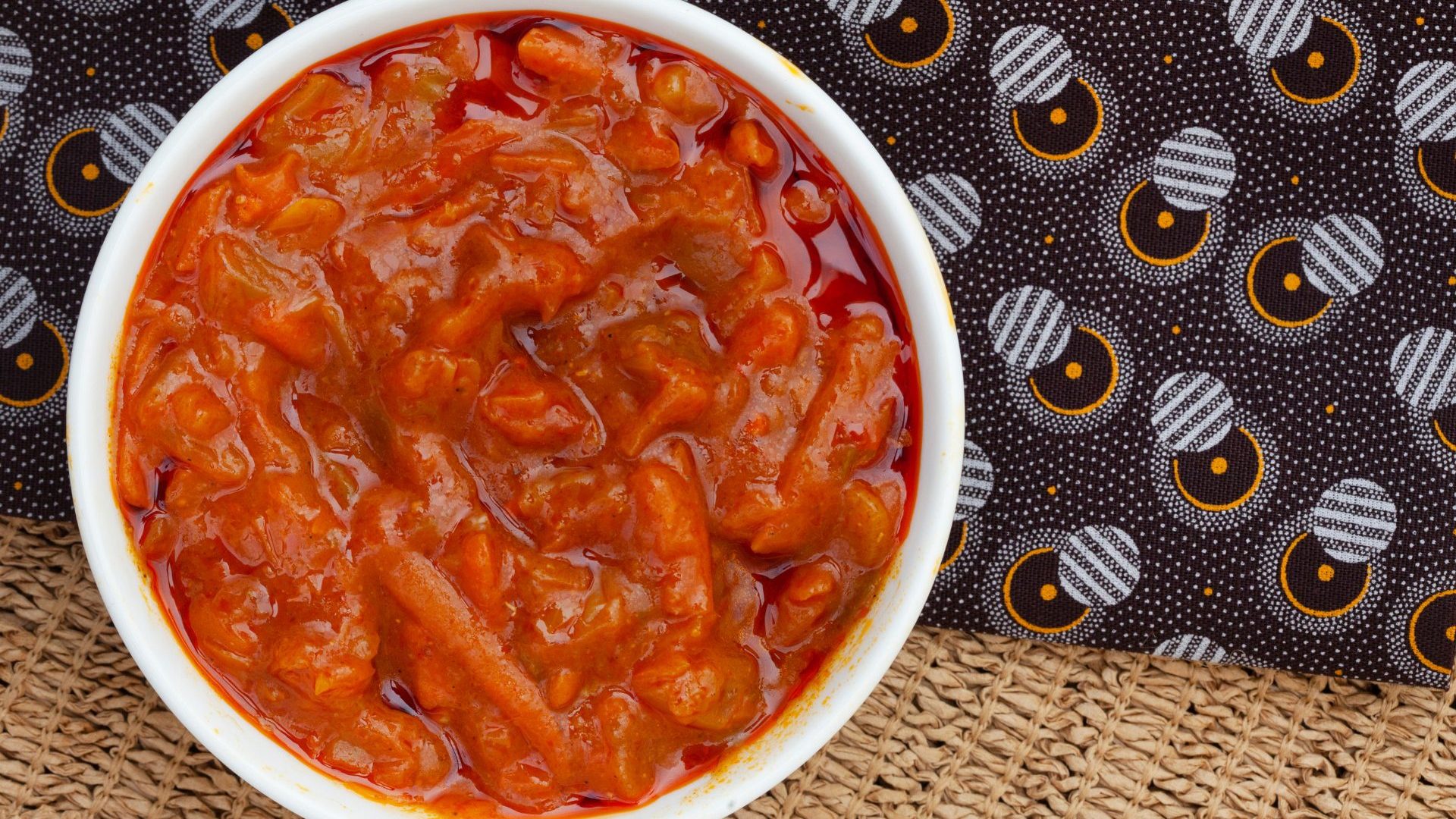
Writer Toyo Odetunde initially approached the idea of a township excursion with a degree of caution. These types of trips, common in destinations grappling with significant wealth disparities, can sometimes border on voyeurism, raising legitimate ethical concerns about "human zoo" dynamics. However, her experience, expertly guided by Matole, proved to be far from exploitative. It offered an honest, holistic, and deeply respectful portrayal of Khayelitsha, narrated and championed by its own residents. Beyond the KFW wine tasting, the tour included a culinary exploration, where Odetunde savored umngqusho omhlophe (creamy white samp/pounded corn kernels), fork-tender isityu senkomo (stewed beef), and chakalaka (a peppery bean and vegetable relish) at Spine Road Lifestyle. She also enjoyed juicy barbecued meat, generously lathered in tangy sauce, from a strip of bustling women-led grills. This immersive experience allowed for genuine cultural exchange and direct support for local enterprises.
For Odetunde, a Black African woman herself, engaging with a predominantly Black African locality in South Africa felt particularly significant. However, the value of ABCD Concepts’ trips extends to travelers from any background who seek to understand, support, and learn from diverse communities. These efforts are part of a broader, encouraging shift in South Africa.
A Broader Movement Towards Inclusivity
"There’s a real movement around supporting local Black-founded businesses," Ndzaba observed, reflecting on the evolving landscape. This sentiment is echoed by the emergence of dedicated platforms and spaces designed to uplift Black-owned wine labels. Cape Town venues such as The Wine Arc, a tasting space located in Stellenbosch, and Nkula, a wine bar and boutique on Long Street in the city center, are actively working to amplify and showcase the work of Black winemakers and entrepreneurs. "These spaces allow us to express ourselves and validate our ambitions," Ndzaba stated, highlighting their crucial role in fostering a sense of belonging and opportunity. "It feels like we’re on the road to something great."

Indeed, a slowly but steadily growing crop of Black-owned South African wine companies is making its mark on both national and international stages. These pioneers include M’hudi, founded in 2003 by the visionary Rangaka family, who were among the very first Black families to acquire a South African wine farm. Aslina, established in 2016, is led by Ntsiki Biyela, South Africa’s first Black woman winemaker, whose wines have garnered critical acclaim. Tembela Wines, founded in 2020 by Khayelitsha native Banele Vakele, further demonstrates the township’s growing influence in the industry. Amandla, launched in 2018 and helmed by winemaker Praisy Dlamini, has achieved such widespread popularity that its bottles can be found on supermarket shelves in distant cities like London.
"Things are changing," Ndzaba confirmed, recognizing the tangible progress. "There’s a new wave of brands and changemakers diversifying the industry." However, he is also quick to acknowledge the immense effort and sacrifices that have paved the way. "Many paved the way before us," he humbly noted, honoring the generations of activists and entrepreneurs who laid the groundwork for the changes seen over the last decade.
Persistent Challenges and a Hopeful Future
Despite these significant strides, the journey towards a truly equitable South African wine industry is far from complete. While South Africa’s population is over 80 percent Black, Black-owned brands still account for a disproportionately small share—less than three percent—of total South African wine sales. This glaring disparity underscores the ongoing structural barriers that continue to impede full transformation.
"There are still challenges," Ndzaba admitted. "Emerging brands face limited access to investment, needed to penetrate the market." The capital required to scale production, expand distribution networks, and effectively market wines remains a significant hurdle for many Black entrepreneurs. Ndzaba himself is keen to build a larger inventory for KFW, recognizing that substantial funding is essential for this growth.
Yet, Ndzaba remains resolutely hopeful for an increasingly inclusive and equitable South African wine industry. He points to evolving consumer behavior as a powerful catalyst for change. "More people are purchasing intentionally," he observed. "They’re seeking social impact brands that reflect their personal values." This growing awareness and desire among consumers to support businesses that align with ethical and social justice principles provide a crucial tailwind for brands like KFW.
As Toyo Odetunde enthusiastically drained another glass of KFW’s energetic red blend, she shared in this sense of optimism. Tracing the map-based artwork on the bottle, she recognized a powerful metaphor unfolding: Lindile Ndzaba is quite literally putting Khayelitsha on the map, not just geographically, but as a vibrant, resilient, and economically empowered participant in South Africa’s rich tapestry of culture and commerce. His work, and that of many others, serves as a beacon, promising a future where the quality of the wine, not the color of the winemaker’s skin or the location of their business, defines success.
A non-exhaustive directory of Black-owned South African wine brands to support can be found on the Wines of South Africa (WOSA) website.