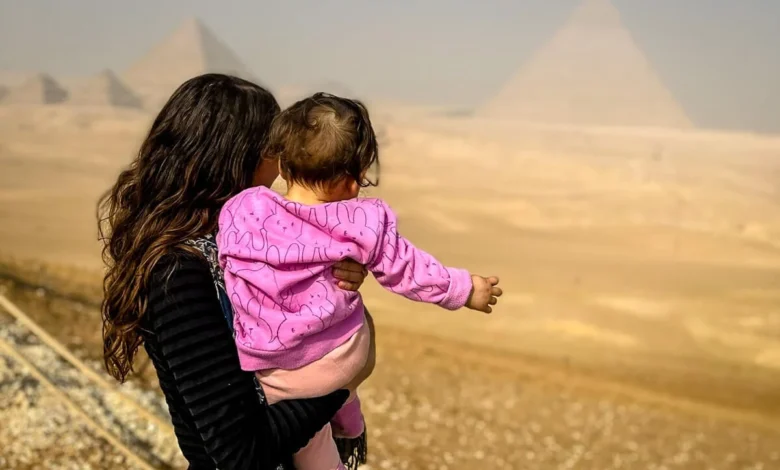
Egypt has long been established as a cornerstone of global tourism, drawing millions annually to its ancient monoliths and vibrant cultural tapestry. However, a shifting demographic in international travel has seen the North African nation emerge as a viable, albeit complex, destination for adventurous families traveling with infants. While the traditional image of an Egyptian vacation involves arduous desert treks and crowded museum corridors, a new wave of travelers is demonstrating that with meticulous preparation and a strategic itinerary, the land of the pharaohs can be navigated safely and enjoyably with a baby in tow. This transition reflects broader trends in the travel industry, where "adventure parenting" is replacing more sedentary resort-based vacations.

Strategic Preparation and Entry Requirements
The logistical framework of a family trip to Egypt begins long before arrival at Cairo International Airport. For citizens of the United States, Canada, and many European nations, the Egyptian government has streamlined entry through an e-Visa portal. Industry experts recommend securing this electronic authorization at least seven days prior to departure to avoid the potentially long queues for visas-on-arrival, which can be particularly taxing for those traveling with young children.

Upon arrival, the management of local currency is a primary concern. The Egyptian Pound (EGP) is the official currency, and while credit cards are increasingly accepted in major hotels and upscale restaurants, Egypt remains a cash-centric society, particularly for tipping—a cultural cornerstone known locally as baksheesh. Current economic data suggests that maintaining a reserve of small-denomination notes is essential for navigating daily interactions, from taxi drivers to temple attendants. Tipping expectations generally hover around 10% for service staff, a gesture that often facilitates smoother interactions in a country where hospitality is a major economic driver.

Navigating the Urban Complexity of Cairo
Cairo, a megacity of over 20 million inhabitants, presents the most significant logistical challenge for families. The neighborhood of Maadi has emerged as a preferred base for international families. Characterized by its relatively quiet, leafy streets and a high density of expatriate residents, Maadi offers a stark contrast to the chaotic energy of Downtown Cairo. The area is well-equipped with family-friendly cafes and provides easy access to the Corniche, the promenade lining the Nile.

For those prioritizing proximity to the Giza Plateau, luxury hotels offering half-board packages are recommended. The infrastructure immediately surrounding the Pyramids is often less developed, making the controlled environment of a high-end resort a more practical choice for those with infants.

One of the most critical considerations for parents in Cairo is the choice between a stroller and a baby carrier. Urban infrastructure in Egypt is notoriously difficult for wheeled transport; sidewalks are frequently uneven, obstructed, or non-existent. Consequently, a high-quality, breathable baby carrier is considered an essential piece of equipment. Strollers are generally relegated to controlled environments such as modern shopping malls—like the Cairo Festival City Mall—and hotel grounds.

Safety Protocols and Transportation Logistics
Transportation remains a polarizing topic for travelers in Egypt. While the country has invested heavily in road infrastructure, including the expansion of the Ring Road and new desert highways, traffic safety standards vary significantly from Western norms. Ride-sharing apps like Uber have become the standard for tourists due to their transparent pricing and GPS tracking. However, a recurring issue for families is the lack of functioning seat belts in the rear seats of many vehicles.

For parents, the "travel car seat" is a non-negotiable safety item. Journalistic observation of local traffic reveals a cultural tendency to transport children on laps, a practice that international safety experts strongly advise against. Travelers are encouraged to be persistent, sometimes requesting multiple vehicles through ride-sharing apps until one with functioning safety equipment arrives. For intercity travel, such as the route between Luxor and Hurghada, high-end bus services like Go Bus (specifically the Deluxe Plus or Elite classes) offer a reliable and safe alternative to private drivers or trains.

Health safety is equally paramount. The primary risk to travelers is gastrointestinal distress, often referred to as "Pharaoh’s Revenge." For infants, whose immune systems are still developing, the rule of "boil it, cook it, peel it, or forget it" is vital. Tap water in Egypt is not potable and should not be used even for brushing teeth. Fortunately, modern conveniences have reached Egypt’s major cities; apps like Breadfast and Talabat allow families to have bottled water, fresh groceries, and even international brands of baby formula delivered directly to their accommodations within the hour.
Cultural Immersion in Upper Egypt: Aswan and Luxor
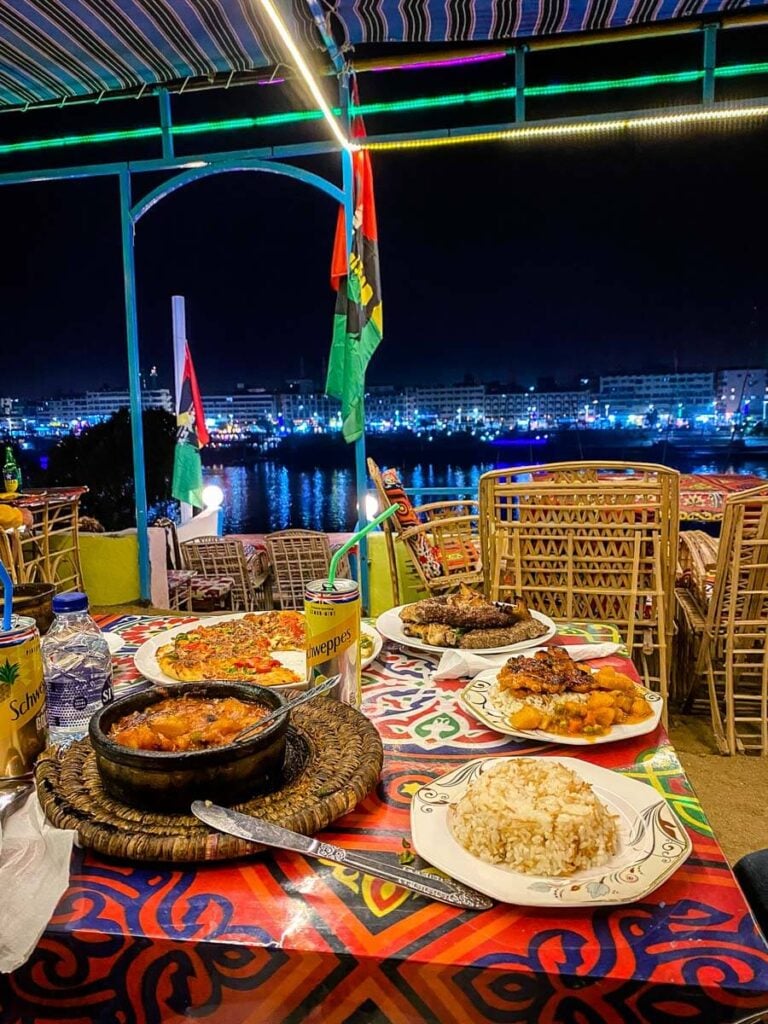
As travelers move south into Upper Egypt, the pace of life slows, providing a more manageable environment for families. Aswan, located at the foot of the Nile Valley, is frequently cited as the most relaxing segment of an Egyptian tour. Elephantine Island, accessible by a brief ferry ride, offers a car-free environment and an authentic glimpse into Nubian culture. Staying in local guesthouses on the island allows families to experience the famed Nubian hospitality, which often includes communal meals and a genuine welcome for young children.

The archaeological sites in Aswan, such as the Philae Temple, require boat access, adding a layer of adventure that is generally manageable with an infant in a carrier. The Aswan High Dam and the Unfinished Obelisk provide historical context, though the heat in these locations can be extreme. Travelers are advised to schedule visits for the early morning hours to avoid the midday sun, which can be dangerous for infants even in the winter months.

Luxor, often described as the world’s largest open-air museum, contains a staggering concentration of ancient monuments. The Valley of the Kings and the Temple of Hatshepsut are the primary draws. While some tombs in the Valley of the Kings are narrow and steep, the site’s overall majesty is accessible to parents using carriers. The East Bank, home to the Karnak and Luxor Temples, features more level terrain, though the sheer scale of these complexes necessitates frequent hydration and shade breaks.

The Red Sea: A Necessary Interval of Rest
A common strategy for successful family travel in Egypt is the inclusion of a "resort phase" at the conclusion of the trip. Hurghada and the nearby gated community of El Gouna offer world-class facilities on the Red Sea coast. El Gouna, in particular, is noted for its turquoise lagoons and environmental initiatives, providing a sanitized and highly secure environment for children to play.

International hotel chains in this region, such as the Movenpick or Mercure, are well-versed in the needs of traveling families, providing cribs, high chairs, and child-safe dining options. This segment of the trip allows parents to decompress from the logistical rigors of Cairo and Upper Egypt while ensuring the infant has a stable environment before the return flight.

A 14-Day Chronology for Family Exploration
A balanced two-week itinerary is essential for preventing "temple fatigue" and managing the needs of an infant. A recommended timeline based on successful travel models includes:

- Days 1–4: Cairo. Focusing on the Citadel, Islamic Cairo, Coptic Cairo, and the National Museum of Egyptian Civilization (NMEC). The NMEC is particularly noted for being stroller-friendly and featuring modern amenities. A full day is typically dedicated to the Giza Plateau.
- Days 5–7: Aswan. Utilizing a mid-day flight from Cairo to save time. Highlights include the Philae Temple, a motorboat tour of the Nile, and the Aswan Botanical Garden.
- Day 8: The Temple Trail. A private transfer from Aswan to Luxor, stopping at the temples of Kom Ombo and Edfu.
- Days 9–10: Luxor. Splitting time between the West Bank (Valley of the Kings) and the East Bank (Karnak).
- Days 11–14: Hurghada/El Gouna. A five-hour bus or private car journey from Luxor to the coast for relaxation and swimming.
Broader Impact and Economic Implications
The rise of family travel in Egypt is a significant indicator of the country’s stabilizing tourism sector. According to data from the Egyptian Ministry of Tourism and Antiquities, the nation saw a record-breaking 14.9 million tourists in 2023, with a notable increase in multi-generational travel. The government’s "National Tourism Strategy" aims to reach 30 million visitors by 2028, a goal that necessitates infrastructure improvements that benefit families, such as better public sanitation and more efficient transport links.

Furthermore, the opening of the Grand Egyptian Museum (GEM) near the Pyramids is expected to revolutionize the family travel experience. The facility is designed with modern international standards, including full accessibility and interactive educational zones, which will likely make Egypt an even more attractive destination for parents.

In conclusion, while Egypt demands a higher level of logistical vigilance than many other destinations, the rewards for families are profound. The intersection of world-defining history and a culture that inherently prizes family bonds creates a unique travel environment. For the modern adventurous family, Egypt is no longer a "someday" destination to be visited once the children are grown; it is a vibrant, challenging, and deeply enriching classroom available in the present. By adhering to safety protocols, choosing appropriate accommodations, and respecting the local climate, parents can ensure that their child’s first steps are taken against a backdrop of human civilization’s greatest achievements.