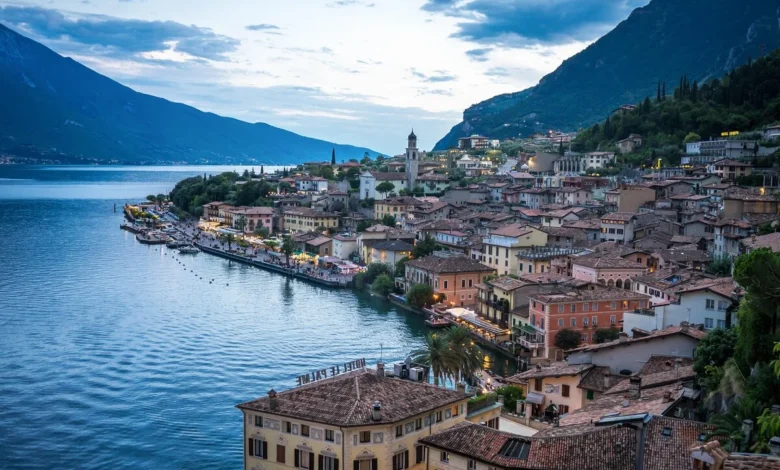
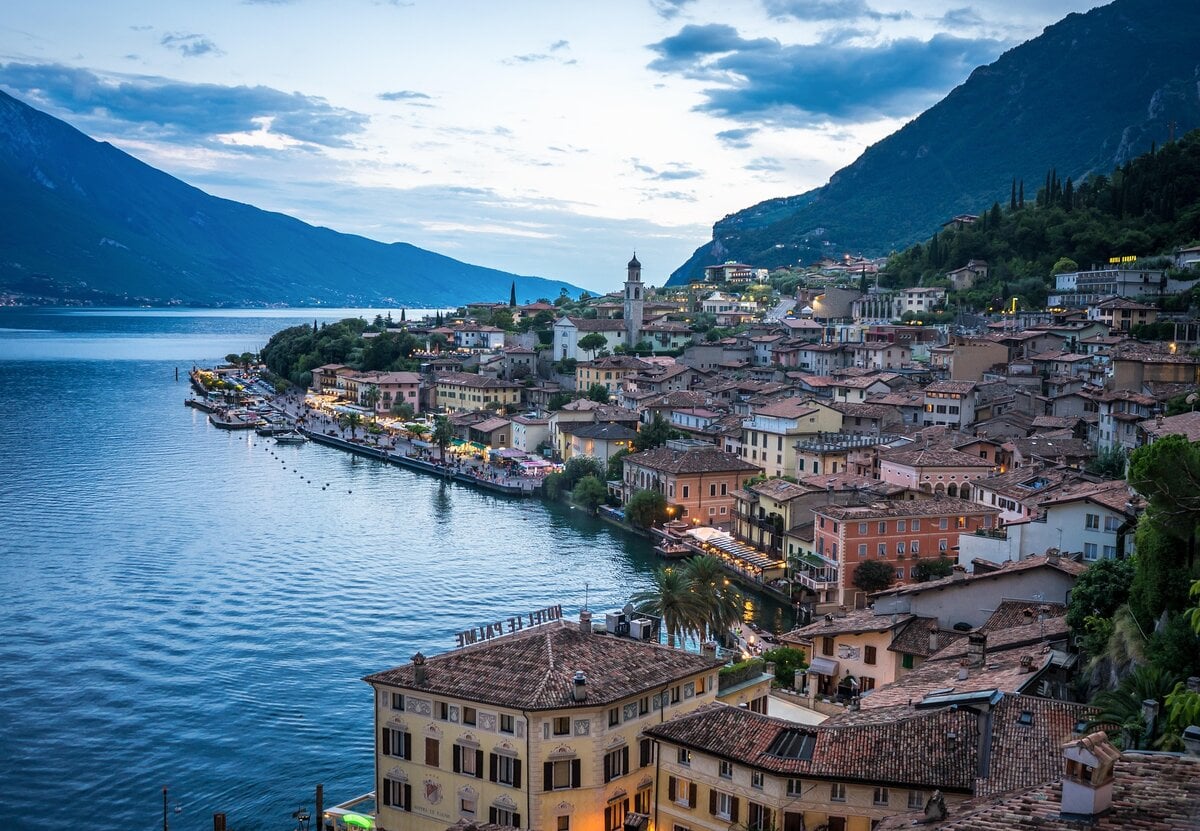
Lake Garda, Italy’s largest inland body of water, represents a unique geographical and cultural intersection, stretching 52 kilometers from the rolling plains of the south to the jagged limestone peaks of the Alps in the north. Spanning three distinct administrative regions—Lombardy, Veneto, and Trentino-Alto Adige—the lake functions less as a single destination and more as a collection of micro-climates and cultural identities. This diversity is anchored by a rare sub-Mediterranean microclimate that allows olive groves and citrus trees to flourish at a latitude typically unsuitable for such flora. For modern travelers, the lake offers a rare opportunity to experience three distinct "countries" within a single week, connected by an efficient public ferry system and a growing network of world-class cycling infrastructure that minimizes the need for private vehicle transport.
Historical Chronology and Regional Evolution
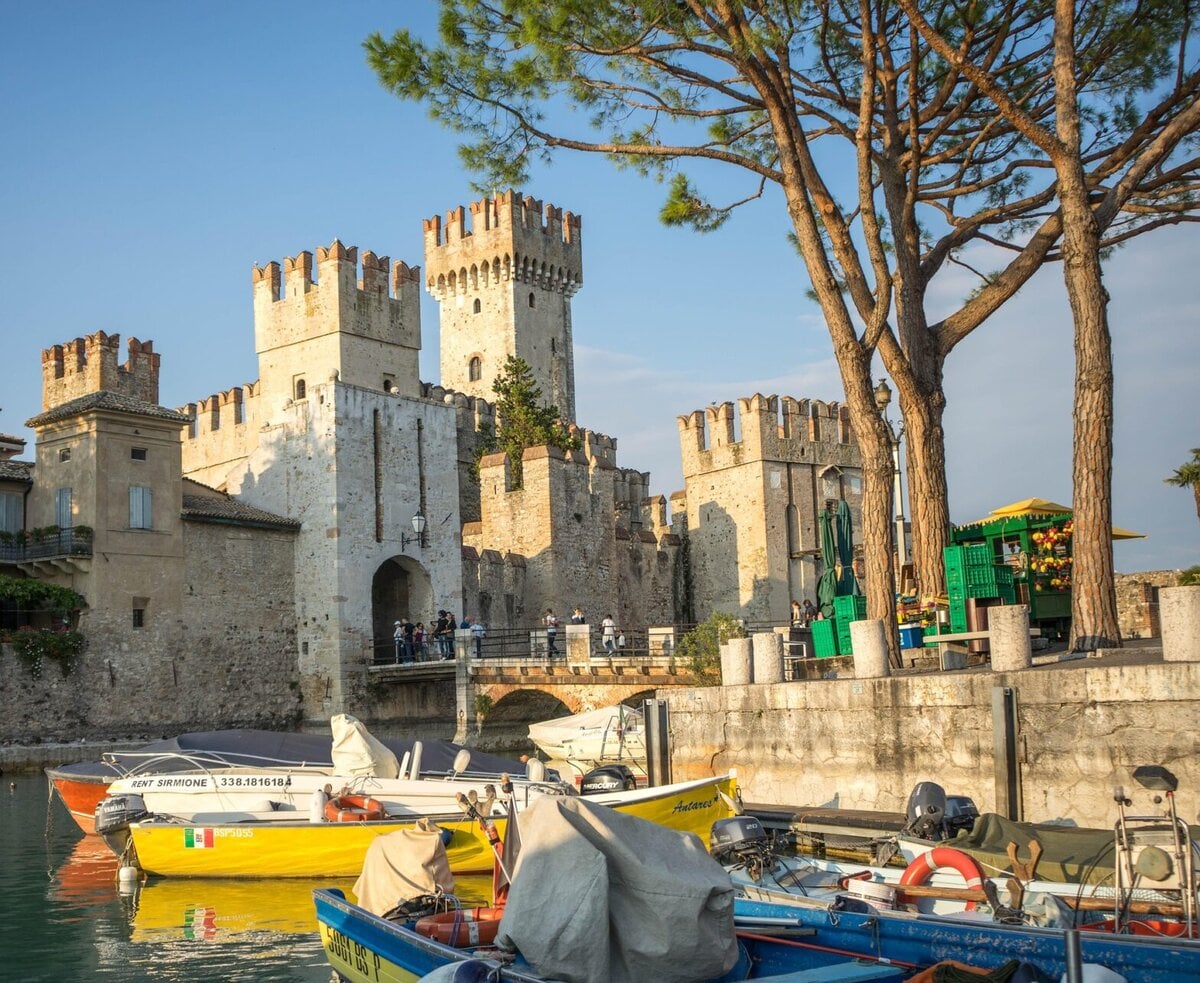
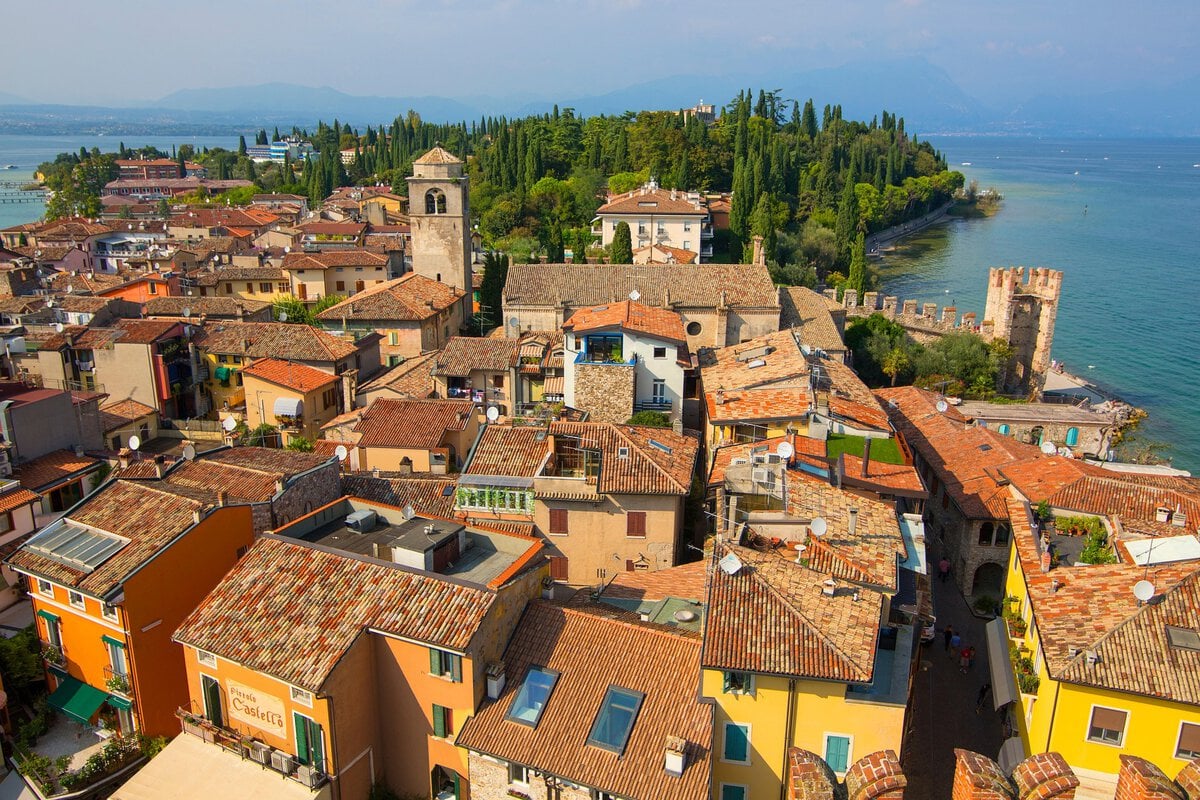
The development of Lake Garda as a strategic and recreational hub dates back to the Roman Empire. The southern shores, particularly Sirmione and Desenzano, served as elite retreats for Roman nobility, evidenced by the sprawling villa complexes that remain today. Following the Roman era, the lake became a contested territory. The 13th and 14th centuries were dominated by the Scaliger family (the Della Scala) of Verona, who erected the iconic fortresses that still define the skyline of towns like Lazise, Sirmione, and Malcesine.
By the 15th century, the Venetian Republic extended its "Stato da Mar" influence to the eastern shore, leaving a lasting architectural legacy in the form of Venetian Gothic palaces and harbor customs houses. The northern tip, meanwhile, remained under Austro-Hungarian control until the end of World War I in 1918. This layered history created the modern mosaic of Garda: the Lombardy shore (West/South) retains a sense of Roman and Milanese grandeur; the Venetian shore (East) reflects the maritime efficiency of the Serenissima; and the Trentino tip (North) maintains a rugged, Central European character focused on alpine discipline and adventure.
The Eastern Venetian Shore: History, Viticulture, and Family Tourism
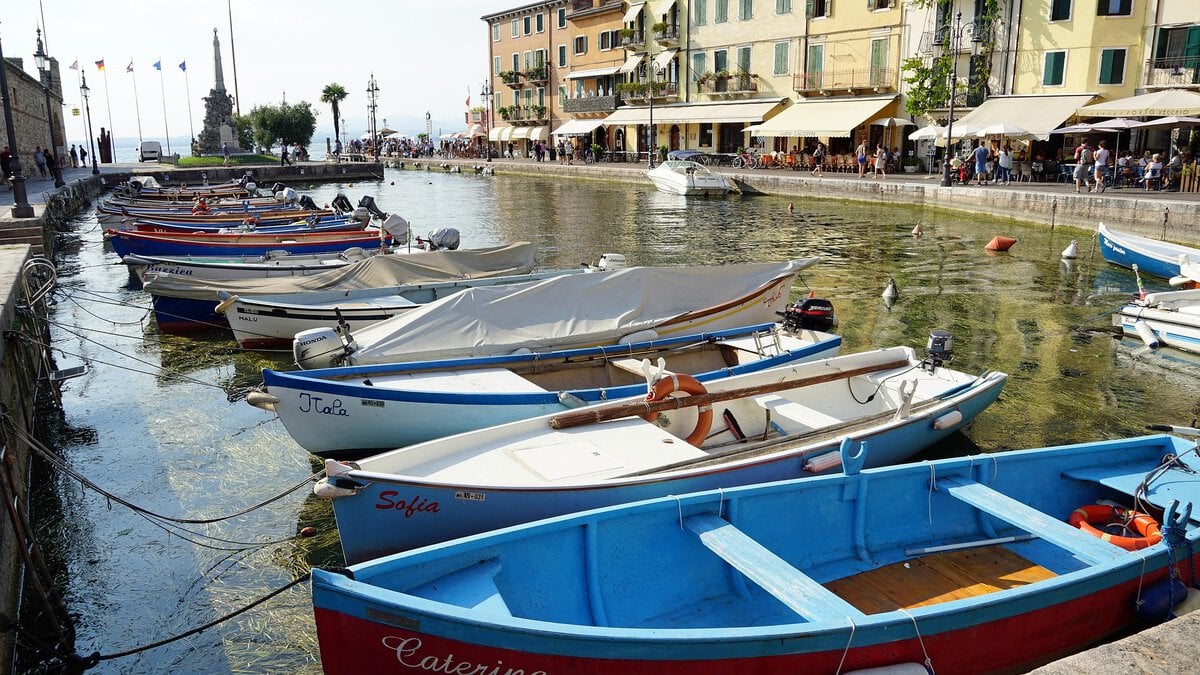
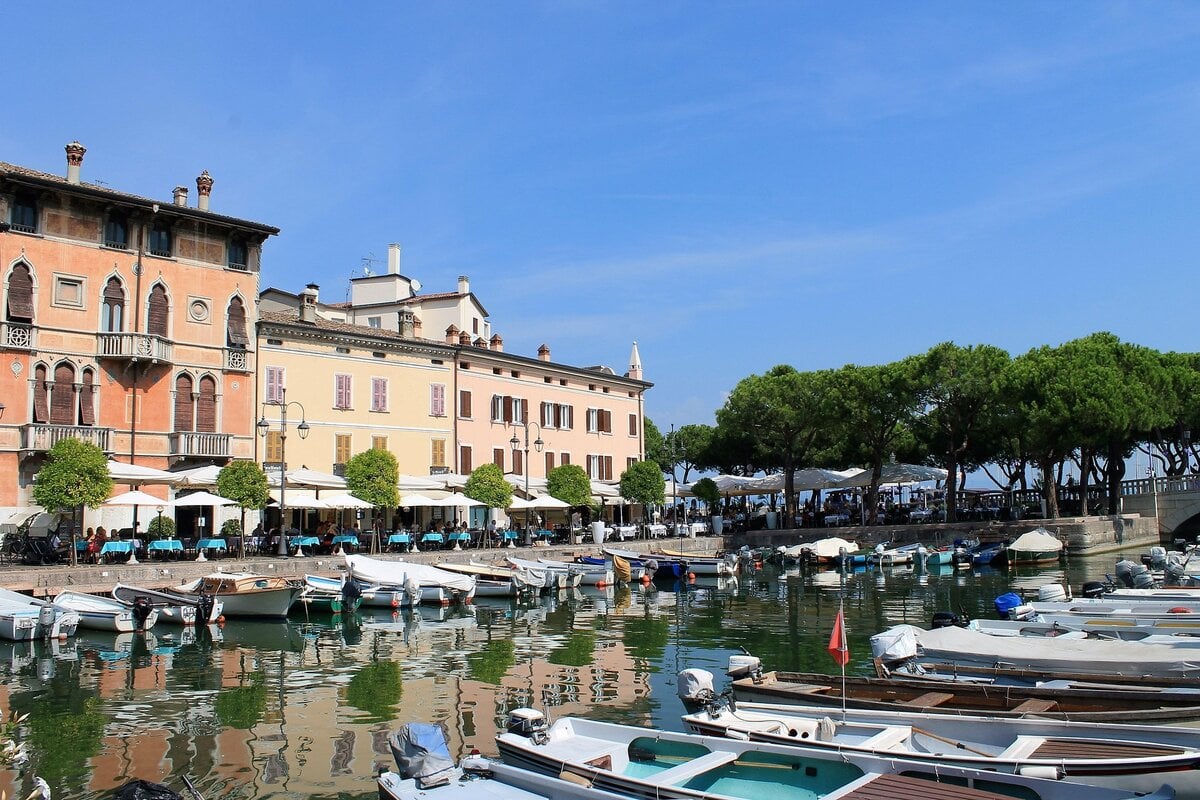
The eastern shore of Lake Garda, located within the province of Verona, is defined by its accessibility and its status as a premier destination for families and oenophiles. Lazise, a central hub on this shore, holds the distinction of being one of Italy’s earliest free municipalities, having received self-governing rights from Emperor Otto II in 983 AD. The town’s layout remains remarkably preserved, enclosed by 14th-century Scaliger walls and three medieval gates. The Dogana Veneta, a former Venetian customs house situated directly on the harbor, serves as a focal point for the region’s frequent food and wine festivals.
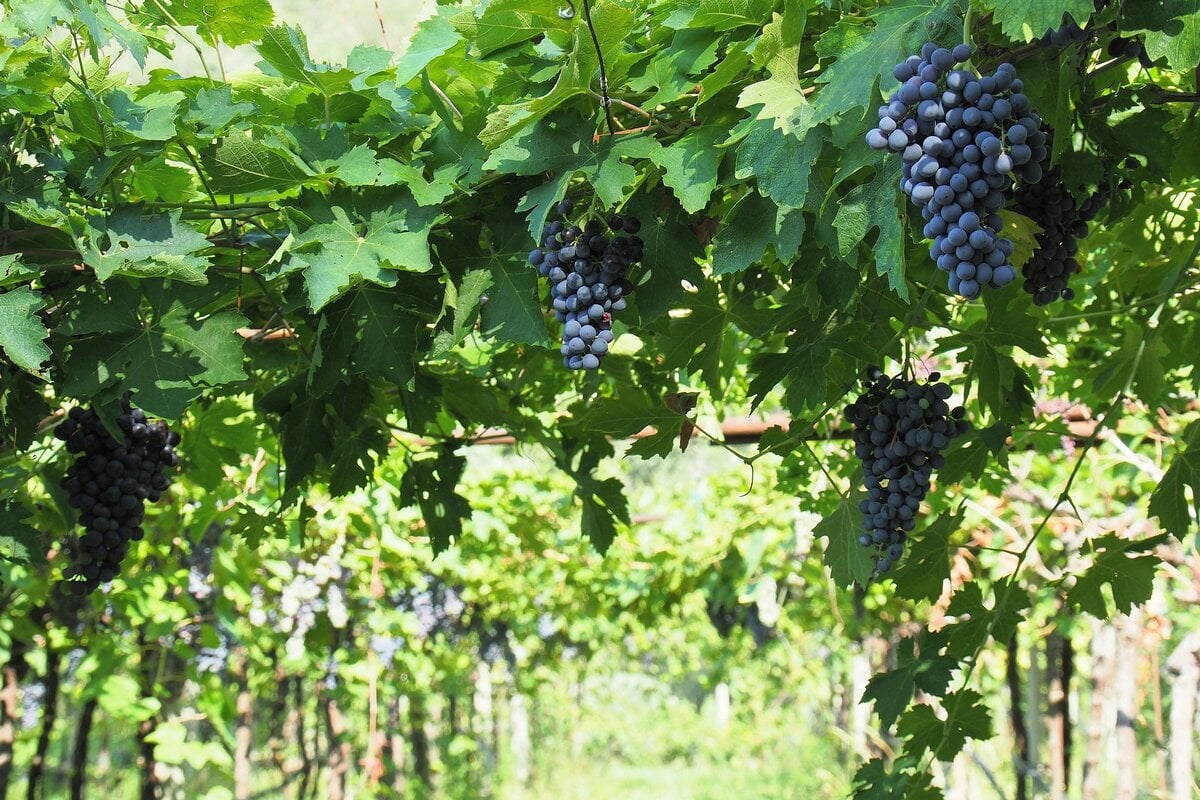
Beyond its historical architecture, the eastern shore is the heart of the Bardolino DOC wine region. Established as one of Italy’s first protected designations in 1968, the region produces approximately 25 million bottles annually. The terroir, characterized by morainic hills formed by ancient glaciers, is ideal for Corvina, Rondinella, and Corvinone grapes. While traditionally known for light-bodied reds, the region has recently seen a surge in the popularity of Chiaretto di Bardolino, a dry rosé that earned its own DOC status in 2018.
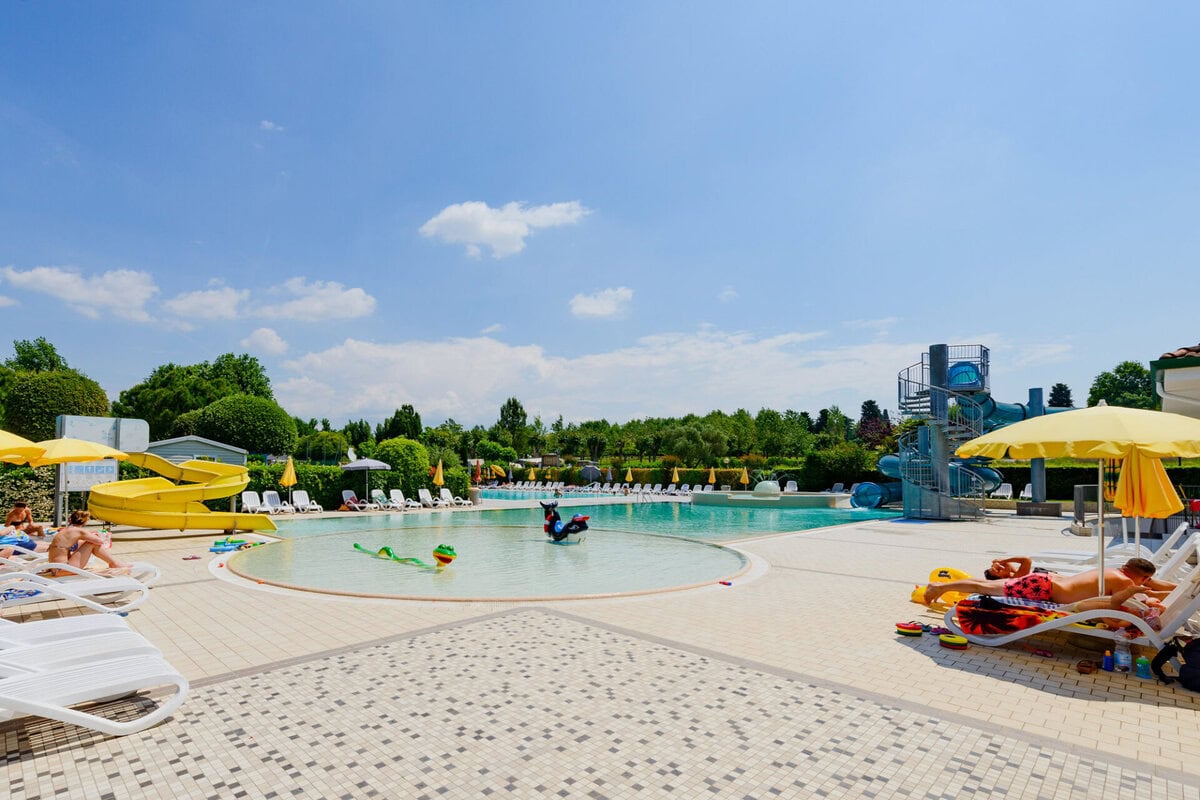
For families, this region serves as "Italy’s amusement corridor." Gardaland, the nation’s largest theme park, attracts millions of visitors annually, while the Caneva World resort offers cinema-themed entertainment and extensive water parks. The infrastructure supporting this tourism is notably flat, making the 18-kilometer lakeside promenade between Peschiera and Garda one of the most accessible cycling and pedestrian paths in Europe.
The Southern Lombardy Shore: Connectivity and Roman Legacy
Desenzano del Garda serves as the primary gateway for international travelers, situated on the high-speed rail line connecting Milan and Venice. This connectivity has transformed Desenzano into the lake’s most cosmopolitan hub, blending historical preservation with modern Italian commerce. The town’s premier archaeological site, the Villa Romana dei Mosaici, offers a glimpse into the late-antique period. Discovered in 1921, the site features over 1,000 square meters of polychrome floor mosaics depicting hunting scenes and allegorical figures, representing some of the finest examples of Roman domestic art in Northern Italy.
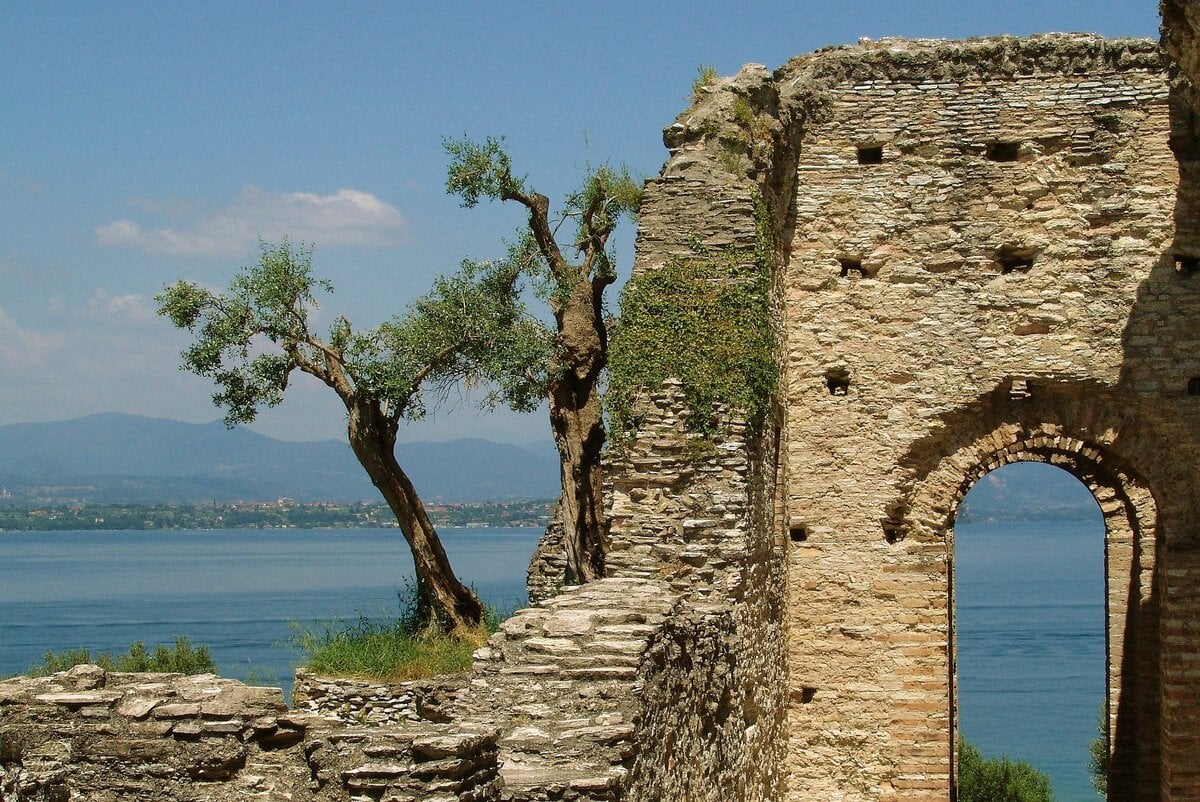
A short ferry ride or drive from Desenzano leads to the Sirmione peninsula, a narrow strip of land extending four kilometers into the lake. Sirmione is home to the Grotte di Catullo, the ruins of the largest Roman villa in Northern Italy. Despite its name, the site consists of a massive three-story residential complex rather than caves. The archaeological park is surrounded by a historic olive grove containing 1,500 trees, some of which are centuries old.
Sirmione’s global reputation is also tied to its thermal waters. The Fonte Boiola, a sulfurous spring emerging from the lake bed at 69°C, has been utilized for therapeutic purposes since the 19th century. The water, which takes 20 years to filter through the rock of Monte Baldo before emerging, feeds the Aquaria Thermal SPA and several medical facilities, making Sirmione a cornerstone of Italy’s wellness tourism industry.
The Northern Trentino Shore: Adventure and Engineering Marvels
As the lake narrows toward its northern tip, the landscape shifts dramatically from Mediterranean hills to vertical Alpine cliffs. This region, centered around Riva del Garda and Torbole, is dictated by the "Garda Winds." The Pelér, a northern wind, dominates the morning hours, while the Ora, a southern thermal wind, takes over in the afternoon. This predictable meteorological cycle has established the northern shore as a global center for windsurfing and sailing, hosting numerous world championship events.
The northern shore is also the site of significant infrastructural innovation. The Ciclopista del Garda, inaugurated in 2018 near Limone sul Garda, has gained international attention as "the most beautiful cycle path in Europe." The path is cantilevered 50 meters above the water, anchored directly into the limestone cliffs. As of March 2025, new sections have been completed, further connecting Riva del Garda to the south as part of the ambitious "Ciclovia del Garda" project—a planned 140-kilometer continuous loop around the entire lake.
For hikers, the Sentiero del Ponale offers a historical journey. Originally a military road built in the mid-19th century, it is now a pedestrian and bike path carved into the rock, providing panoramic views of the entire northern basin. Additionally, the Funivia Malcesine-Monte Baldo provides a technological link between the lake and the sky. The cable car’s cabins rotate 360 degrees during the ascent to 1,760 meters, allowing passengers to view the transition from olive groves to alpine pastures in under 20 minutes.
Economic Impact and Sustainability Initiatives
Tourism is the primary economic driver for the Lake Garda region, with the sector seeing a robust recovery and growth in the post-pandemic era. According to regional tourism boards, the lake attracts over 25 million "overnight stays" annually, with a significant portion originating from Germany, Austria, and the Netherlands. The economic impact is estimated in the billions of euros, supporting thousands of small and medium enterprises, from traditional olive oil mills to high-tech "glamping" resorts.
In response to this high volume of visitors, local authorities have pivoted toward sustainability. The "Garda by Bike" project is a key component of this strategy, aimed at reducing vehicular traffic on the Gardesana highway. By creating a world-class cycling circuit, the regions hope to encourage "slow tourism" and extend the traditional summer season into the shoulder months of April and October. Environmental protection also extends to the water itself; Lake Garda contains approximately 40% of Italy’s fresh surface water, and strict regulations govern wastewater management and boat emissions to preserve the lake’s high water quality.
Practical Logistics for the Modern Traveler
Navigating Lake Garda without a car has become increasingly feasible due to the integrated transport network. The Navigazione Lago di Garda operates a fleet of 30 vessels, including high-speed hydrofoils that can traverse the length of the lake in roughly 2.5 hours. For those arriving by air, Verona Villafranca (VRN) and Milan Bergamo (BGY) provide the closest access points, with shuttle services connecting to the rail heads at Peschiera and Desenzano.
Seasonal Planning and Costs
- Peak Season (July–August): Characterized by temperatures exceeding 30°C and maximum crowd density. Accommodation prices typically see a 20–30% premium.
- Shoulder Season (May, June, September): Considered the optimal time for visiting, with temperatures in the mid-20s and all ferry services in full operation.
- Adventure Season (April, October): Ideal for hiking and mountain biking, though water temperatures are cooler (around 15-18°C).
The cost of living on the lake varies by region. The northern shore tends to cater to the sports-and-outdoor demographic with mid-range pricing, while Sirmione and Desenzano offer more luxury-oriented services. Public transport remains affordable, with whole-lake day passes for the ferry system priced at approximately €39.50, providing an economical way to experience the diverse regional identities of Italy’s most celebrated lake.