Golden Bay New Zealand A Comprehensive Analysis of Regional Tourism Infrastructure and Environmental Heritage

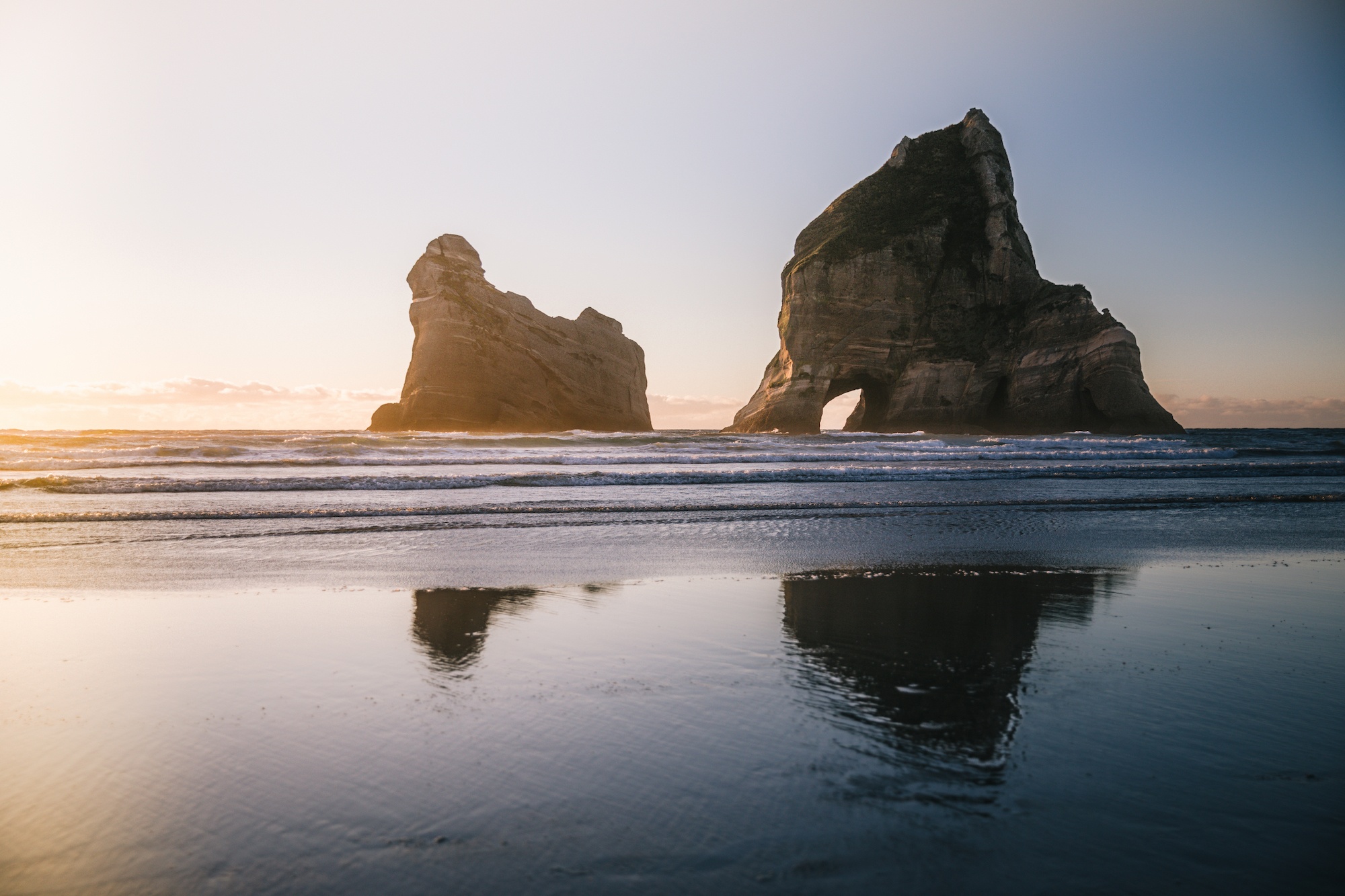
Golden Bay, situated at the northwestern tip of New Zealand’s South Island, represents a unique intersection of geological rarity, high-value ecological heritage, and a resilient, localized economy. Known traditionally as Mohua, this remote enclave in the Nelson-Tasman region is defined by its geographical isolation, accessible primarily via the arduous State Highway 60 over the Tākaka Hill or through regional aviation services. While the region is frequently associated with its "alternative" lifestyle and historical roots in the 1970s counter-culture movement, a contemporary analysis reveals a sophisticated tourism infrastructure that leverages the area’s natural assets—ranging from the crystalline waters of Te Waikoropupū Springs to the expansive sands of Farewell Spit—to maintain a sustainable and distinct economic identity.
Geographical Isolation and Infrastructure Logistics
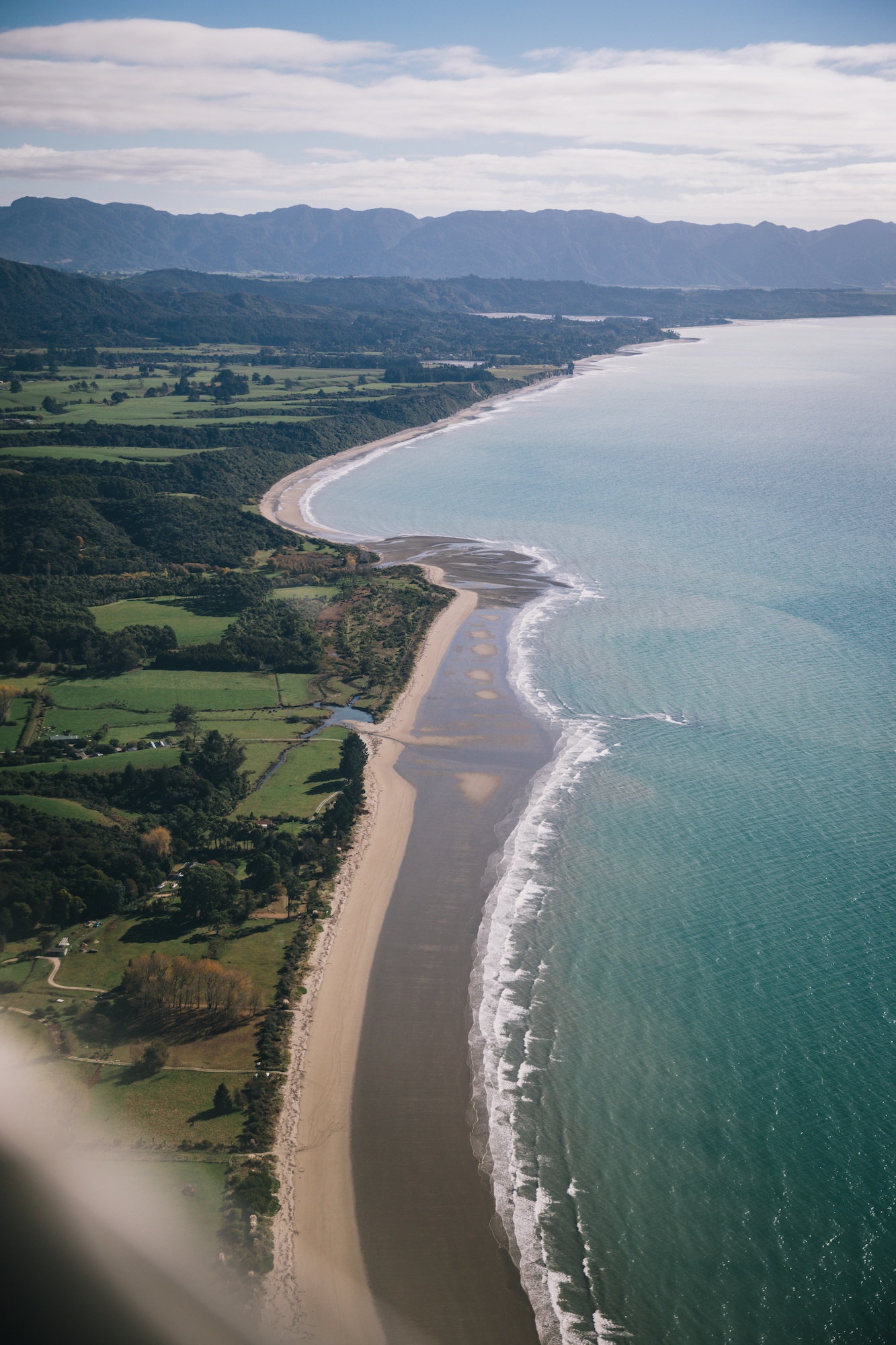
The primary entry point to Golden Bay is the town of Tākaka, which serves as the administrative and commercial hub for the region’s approximately 5,000 permanent residents. Accessing this region by land requires navigating the Tākaka Hill, a mountain pass that reaches an elevation of 791 meters. The road is notorious for its steep gradients and hundreds of sharp corners, a factor that has historically limited mass tourism and preserved the bay’s secluded character.
Infrastructure resilience became a focal point for the region following the events of February 2018, when Cyclone Gita caused significant washouts and slips on the Tākaka Hill road. The resulting damage necessitated a four-year restoration project, during which sections of the highway were reduced to a single lane controlled by traffic lights. This period of restricted access highlighted the vulnerability of Golden Bay’s supply chains and tourism flow. Local advocacy for improved roading infrastructure remains a consistent theme in regional politics, as residents balance the need for safety and reliability with a desire to maintain the area’s low-density charm.
For travelers seeking to bypass the mountain pass, regional aviation plays a critical role. Operators such as Golden Bay Air provide scheduled services connecting Tākaka with Wellington and Karamea. These services are particularly vital for the logistics of the Heaphy Track, one of New Zealand’s "Great Walks." The 78.4-kilometer track attracts thousands of hikers annually, and the ability to fly between the track’s termini at Kohaihai and Brown Hut provides a significant efficiency gain for the regional tourism sector.
Environmental Heritage and Marine Conservation
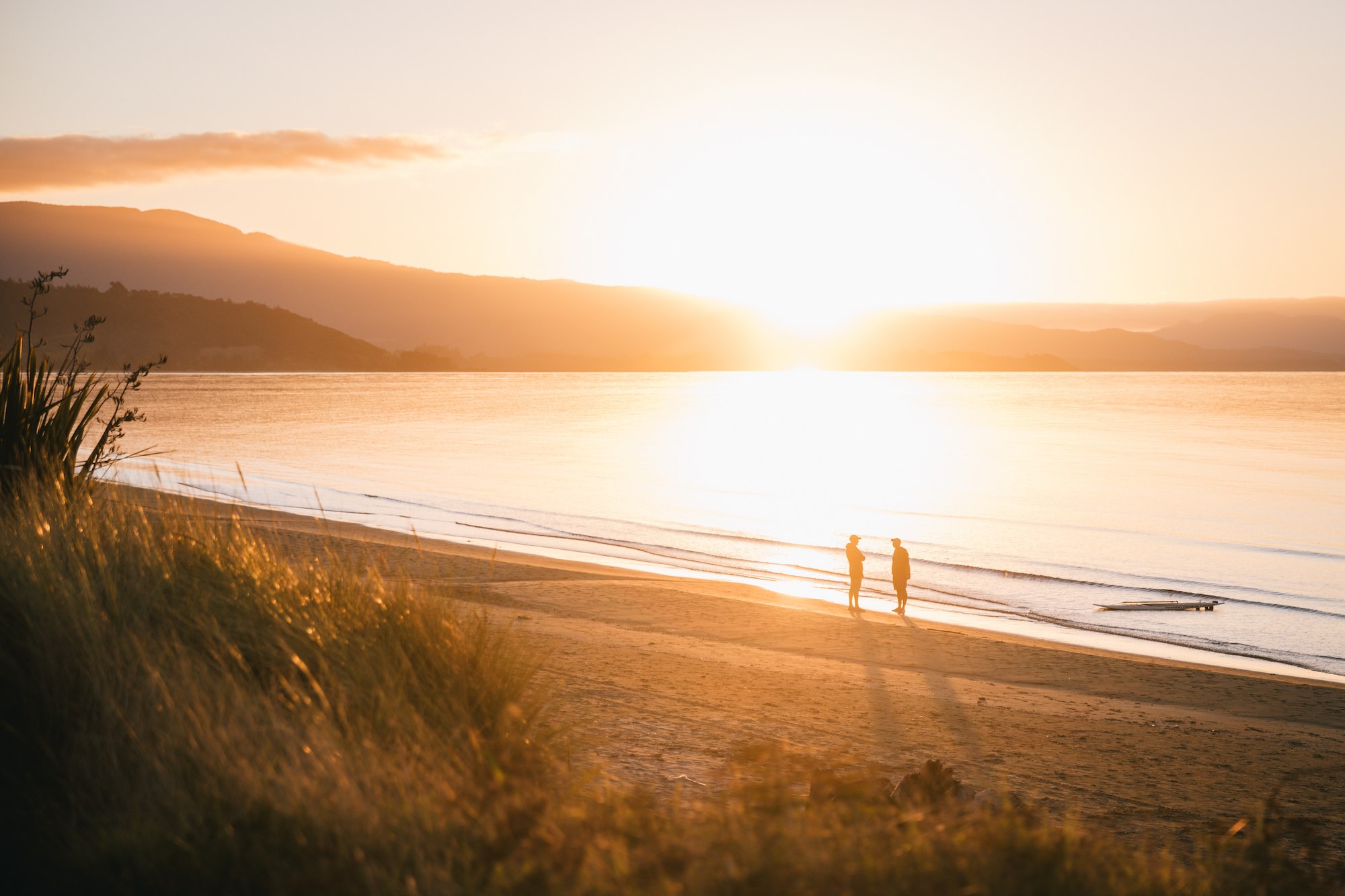
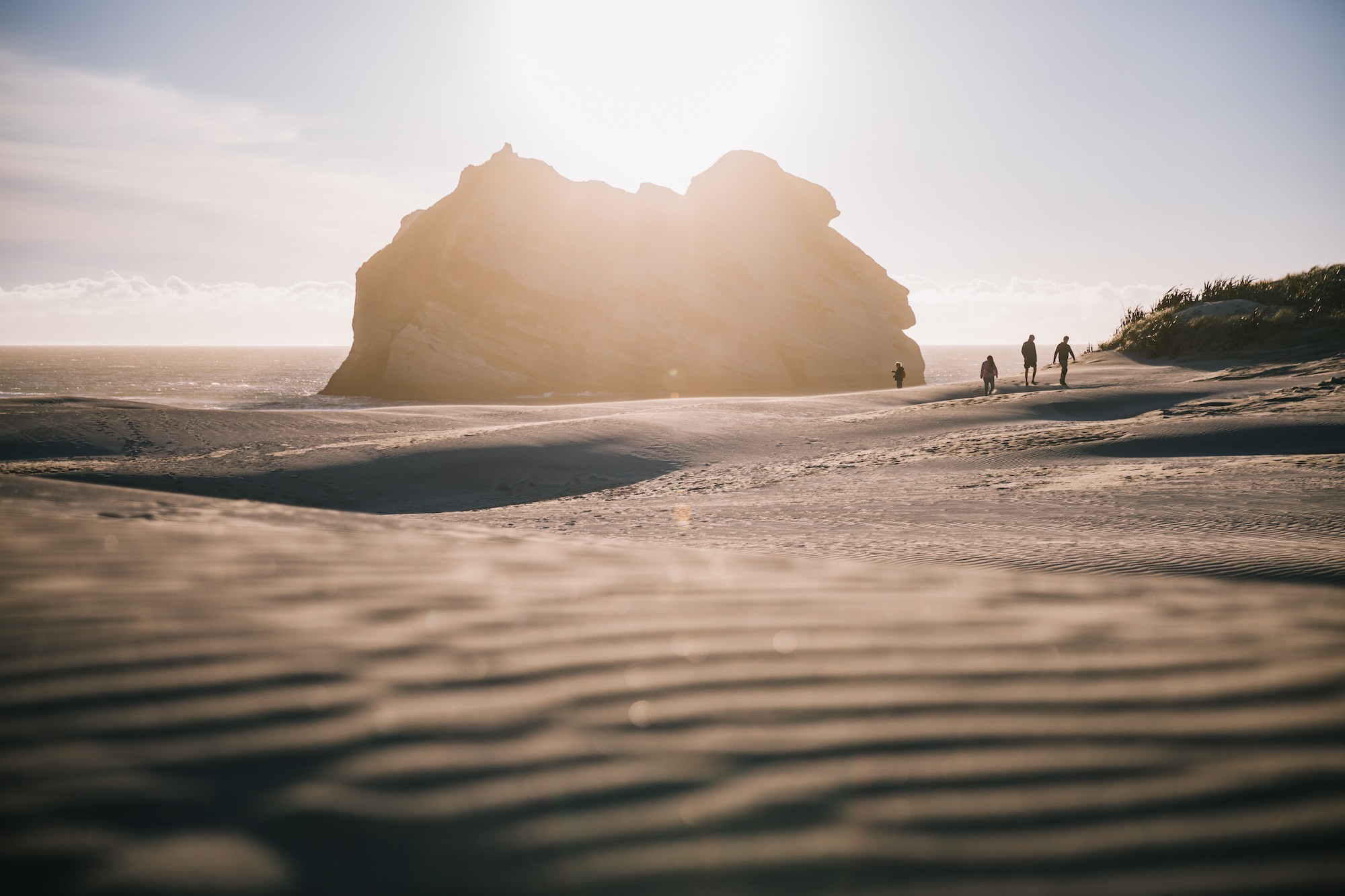
Golden Bay’s coastline is dominated by the 26-kilometer-long Farewell Spit (Onetahua), a wetland of international importance under the Ramsar Convention. The spit acts as a natural barrier, creating the sheltered waters of the bay, but its unique geography also presents significant environmental challenges. The area is globally recognized as a hotspot for mass whale strandings, particularly involving long-finned pilot whales.
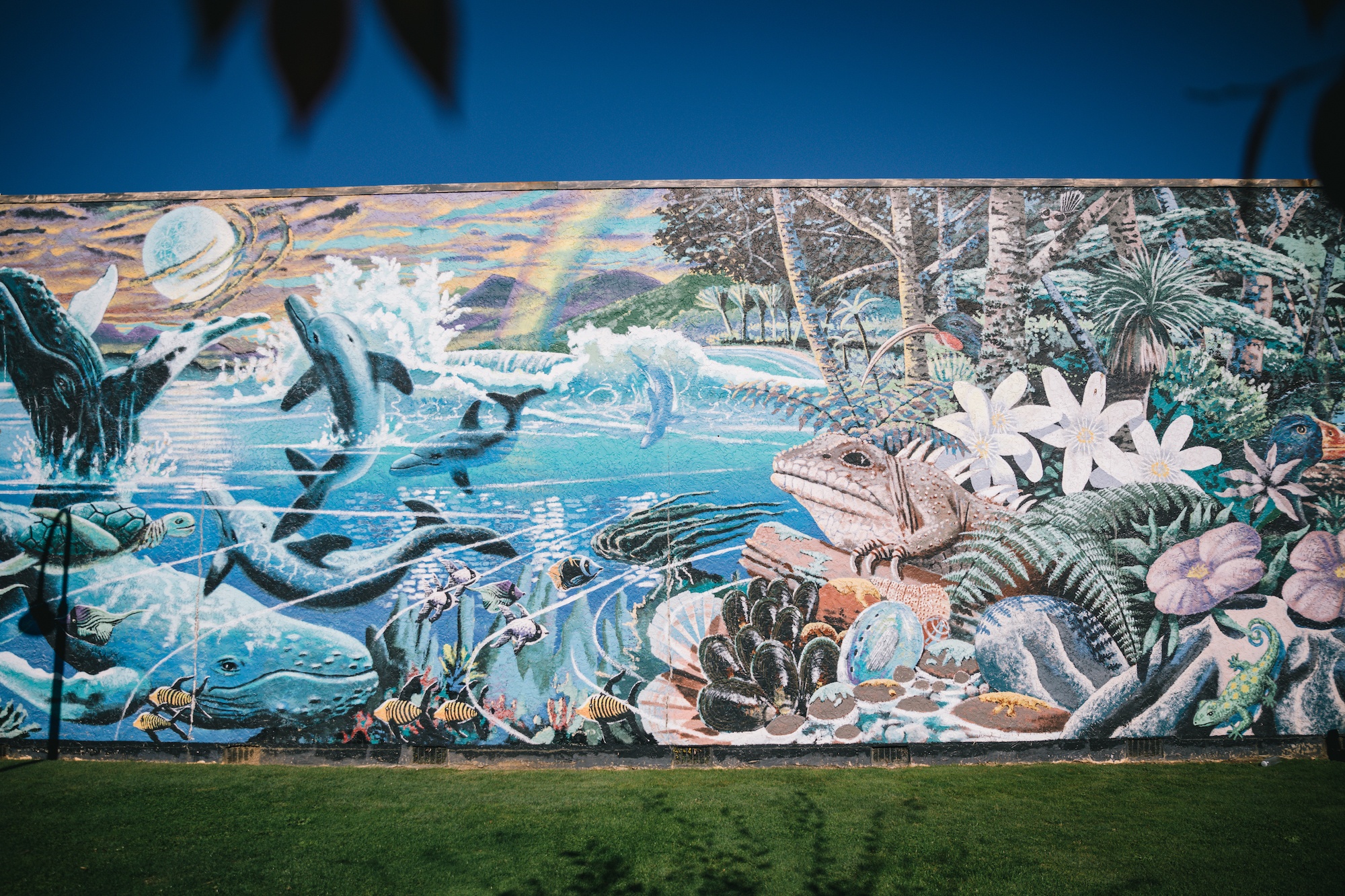
The most significant event in recent history occurred in February 2017, when over 400 pilot whales became stranded on the spit. The shallow, gently sloping tidal flats are theorized to interfere with the whales’ echolocation, effectively creating a "trap" during falling tides. These events mobilize significant resources from the Department of Conservation (DOC) and the non-profit organization Project Jonah. The recurring nature of these strandings has fostered a deep community expertise in marine mammal rescue and has shaped the region’s identity as a center for conservation advocacy.

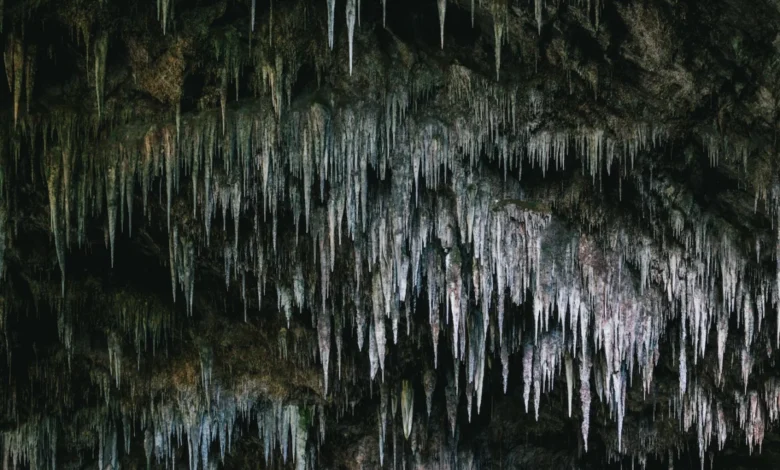
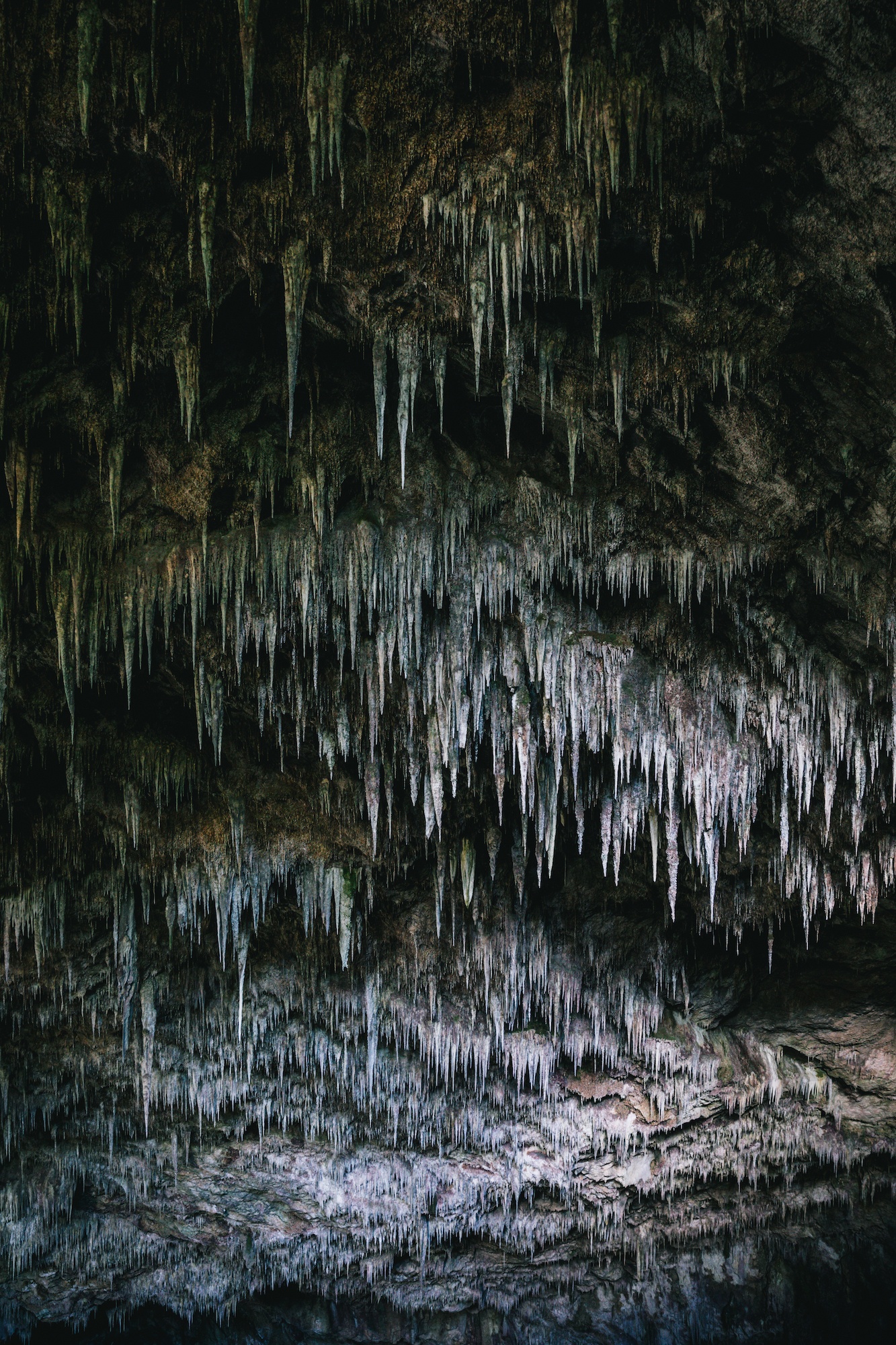
Beyond the coast, the Kahurangi National Park offers a different ecological profile. As New Zealand’s second-largest national park, it houses some of the country’s oldest rocks and most complex cave systems. The Rawhiti Cave, located in the Tākaka Valley, showcases one of the most diverse arrays of stalactite formations in the Southern Hemisphere. The cave’s entrance features a twilight zone that supports unique flora, making it a site of significant interest for both speleologists and botanical researchers.

The Scientific Significance of Te Waikoropupū Springs
Perhaps the most scientifically notable feature of the region is the Te Waikoropupū Springs (Pupū Springs). These springs are the largest cold-water springs in the Southern Hemisphere and are renowned for having some of the clearest water ever measured. In 1993, scientific testing revealed that the horizontal visibility in the water reached 81 meters, a figure approaching the theoretical limit for pure water.
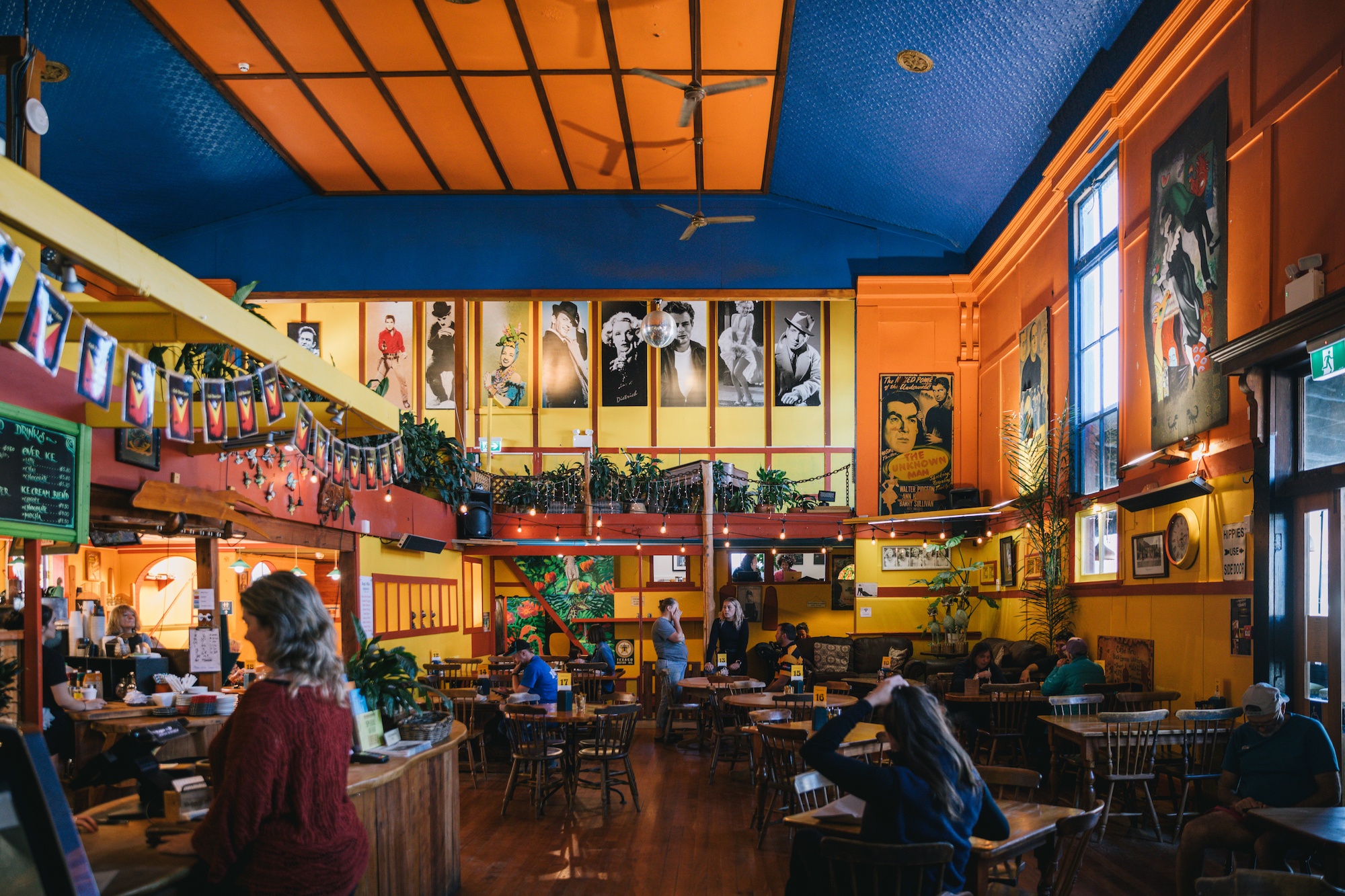
The springs discharge approximately 14,000 liters of water per second from an underground aquifer system. For the local Māori iwi (tribes), particularly Ngāti Tama and Te Ātiawa, the springs are a taonga (treasure) and wāhi tapu (sacred place). To protect the water quality and respect cultural values, all forms of contact with the water, including swimming and diving, have been strictly prohibited since 2007. The management of Te Waikoropupū represents a successful model of co-governance between the Department of Conservation and local iwi, focusing on the preservation of both ecological integrity and spiritual heritage.
The "Honesty Box" Economy and Sustainable Tourism
Economically, Golden Bay operates on a model that favors independent growers and small-scale entrepreneurs. The region’s climate—characterized by high sunshine hours and high rainfall—supports a productive agricultural sector. This has given rise to a prevalent "honesty box" culture, where roadside stalls offer fruit, vegetables, and eggs based on a trust-based payment system. While symbolic of the region’s social cohesion, this micro-economy also reflects a broader resistance to the corporatization seen in other New Zealand tourist hubs like Queenstown or Wānaka.
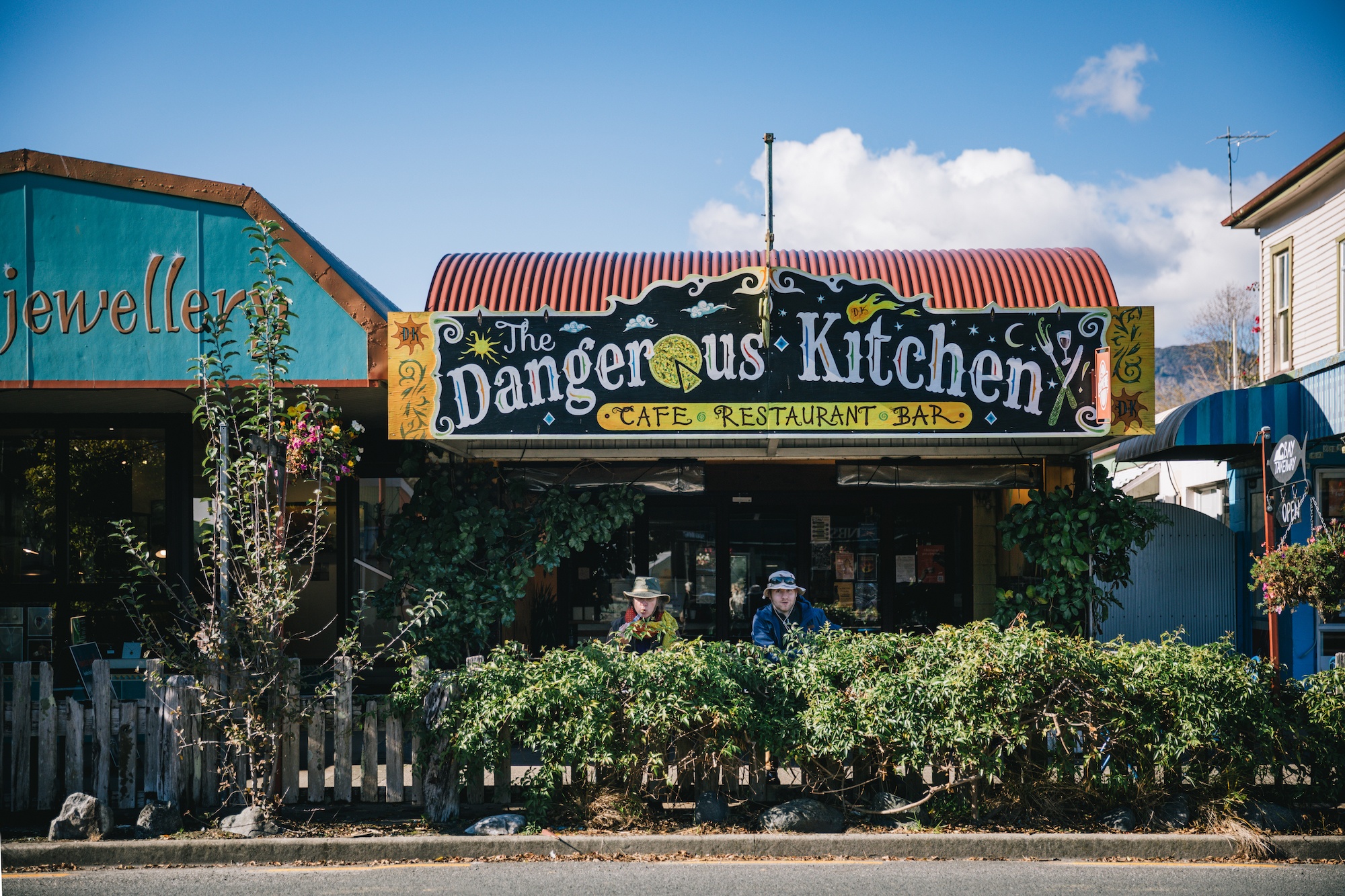
The hospitality sector has increasingly moved toward sustainable and "slow" tourism. The Mussel Inn, located in Onekaka, serves as a primary example of this trend. Established in the 1990s, the venue operates its own brewery and focuses on locally sourced produce, specifically green-lipped mussels, which are a staple of the regional diet. The establishment’s commitment to low-impact operations—including a "no-plastic" policy and the use of repurposed building materials—aligns with the values of the local population.
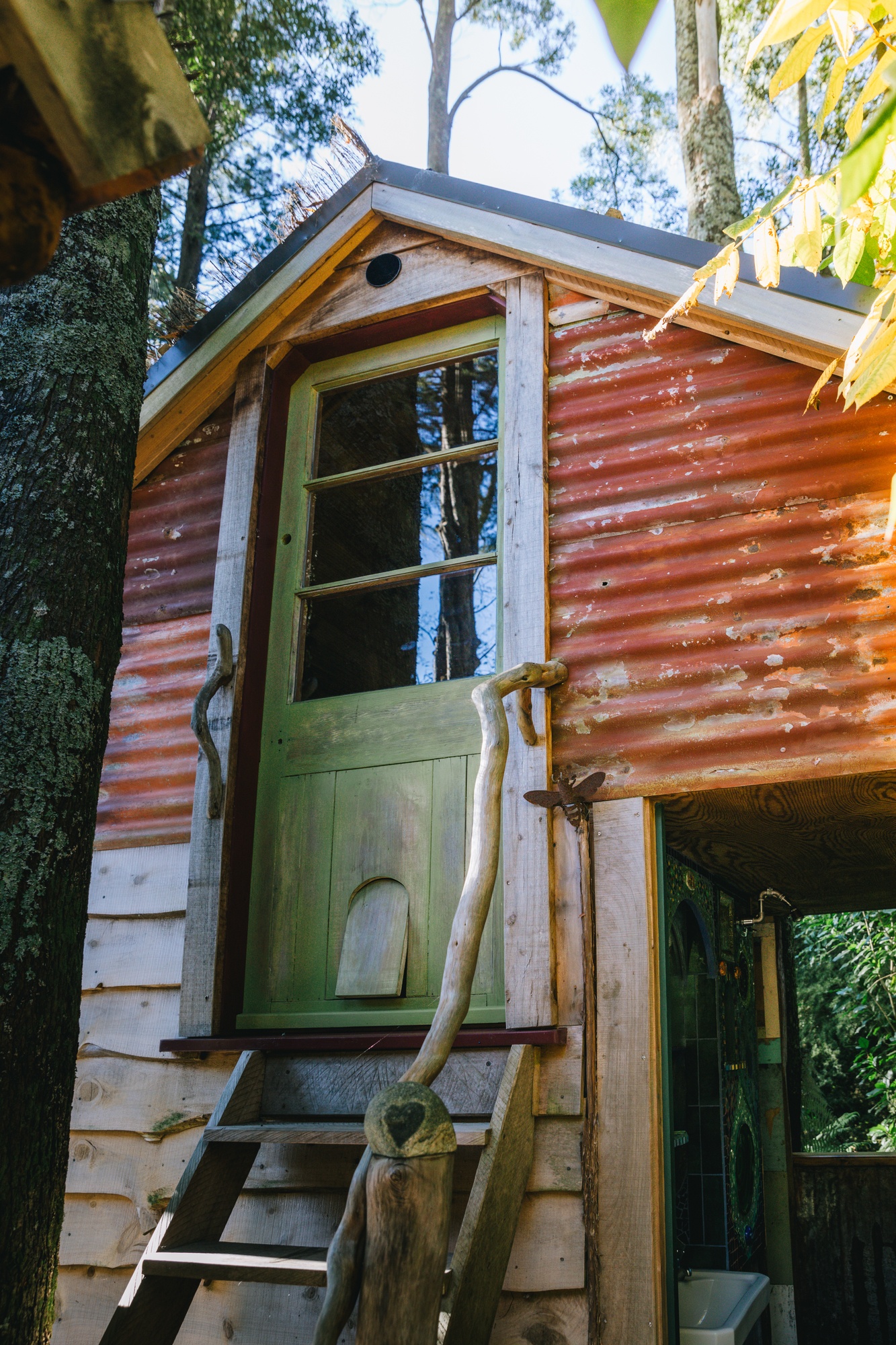
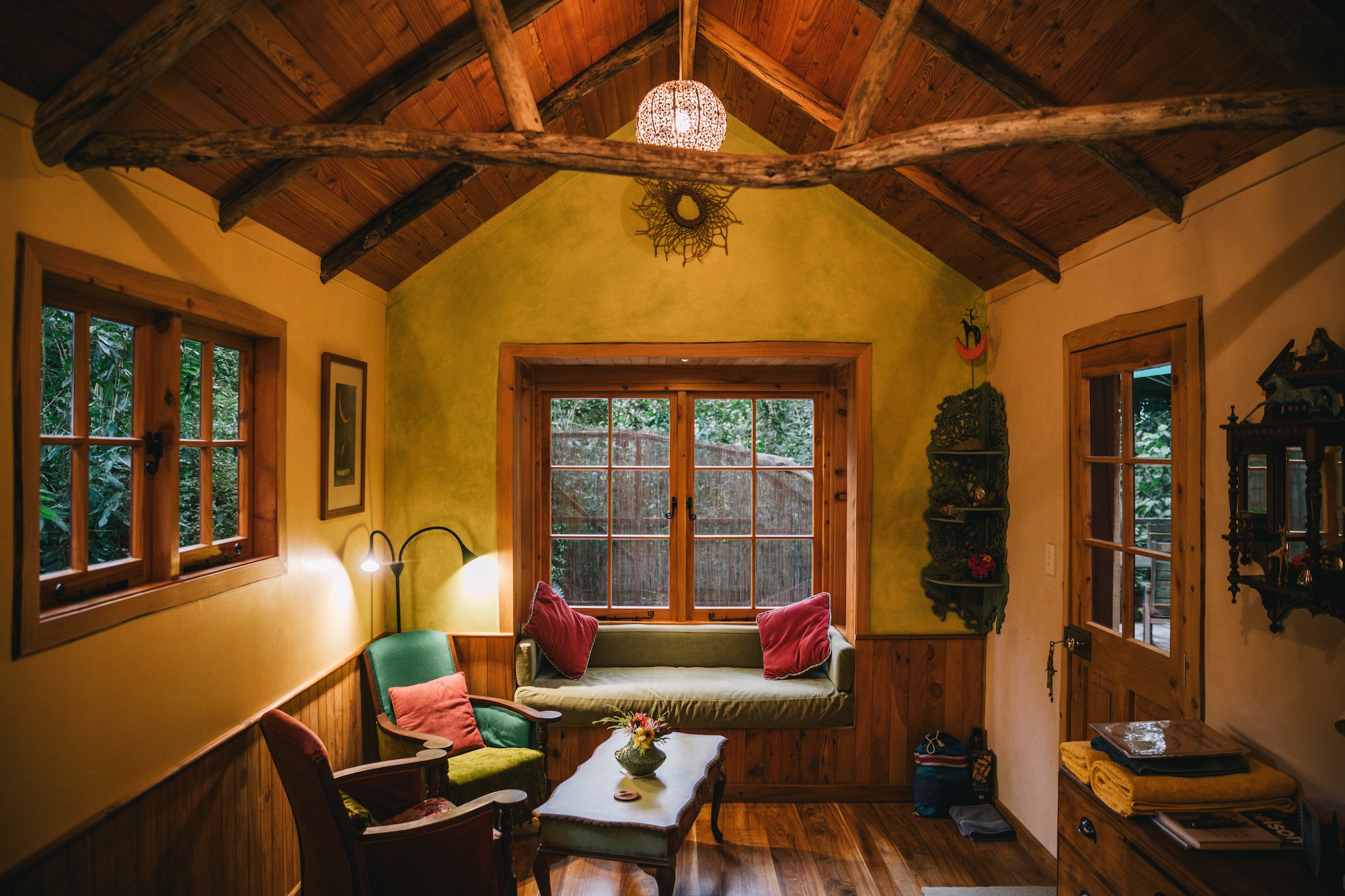
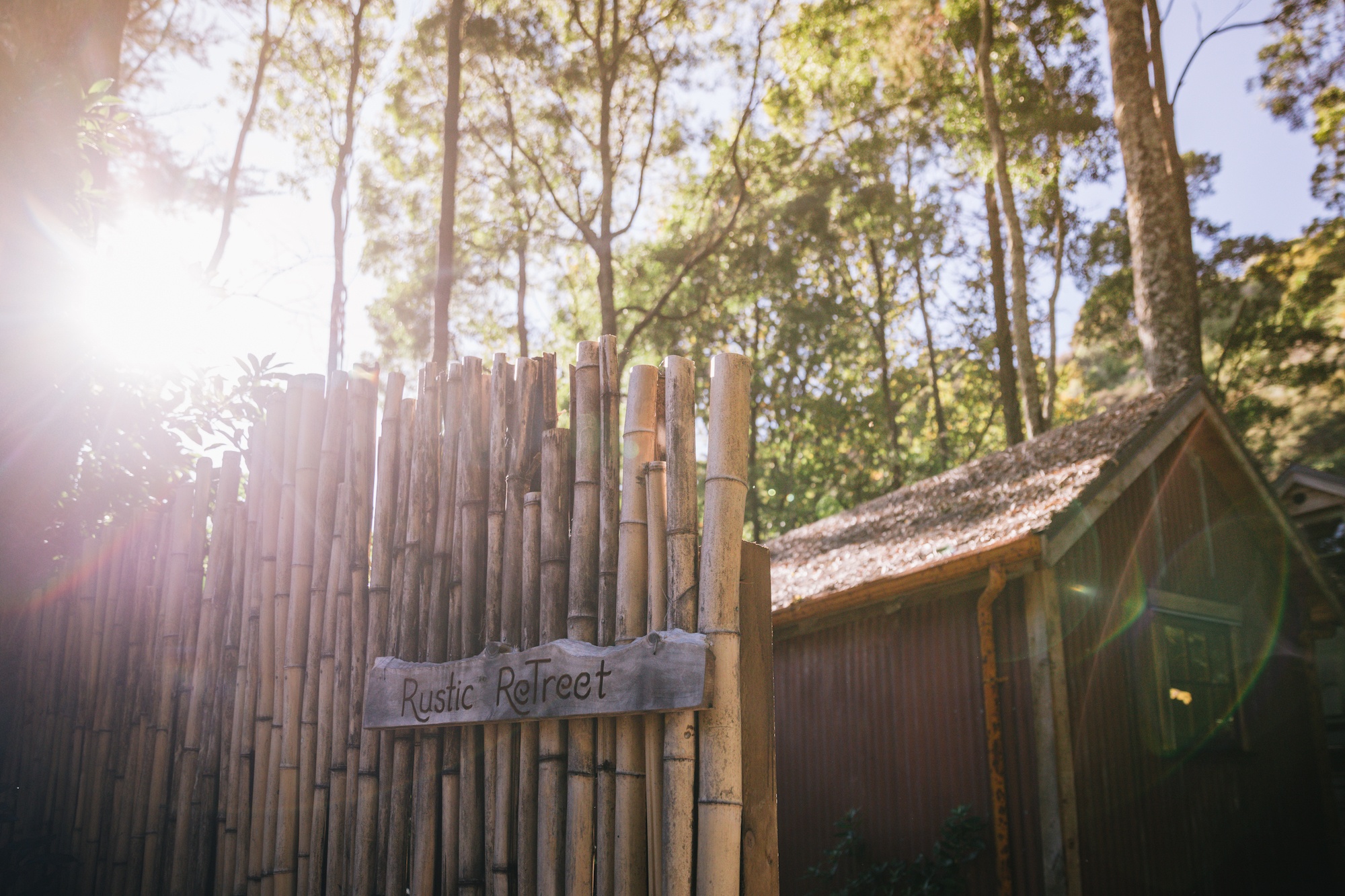
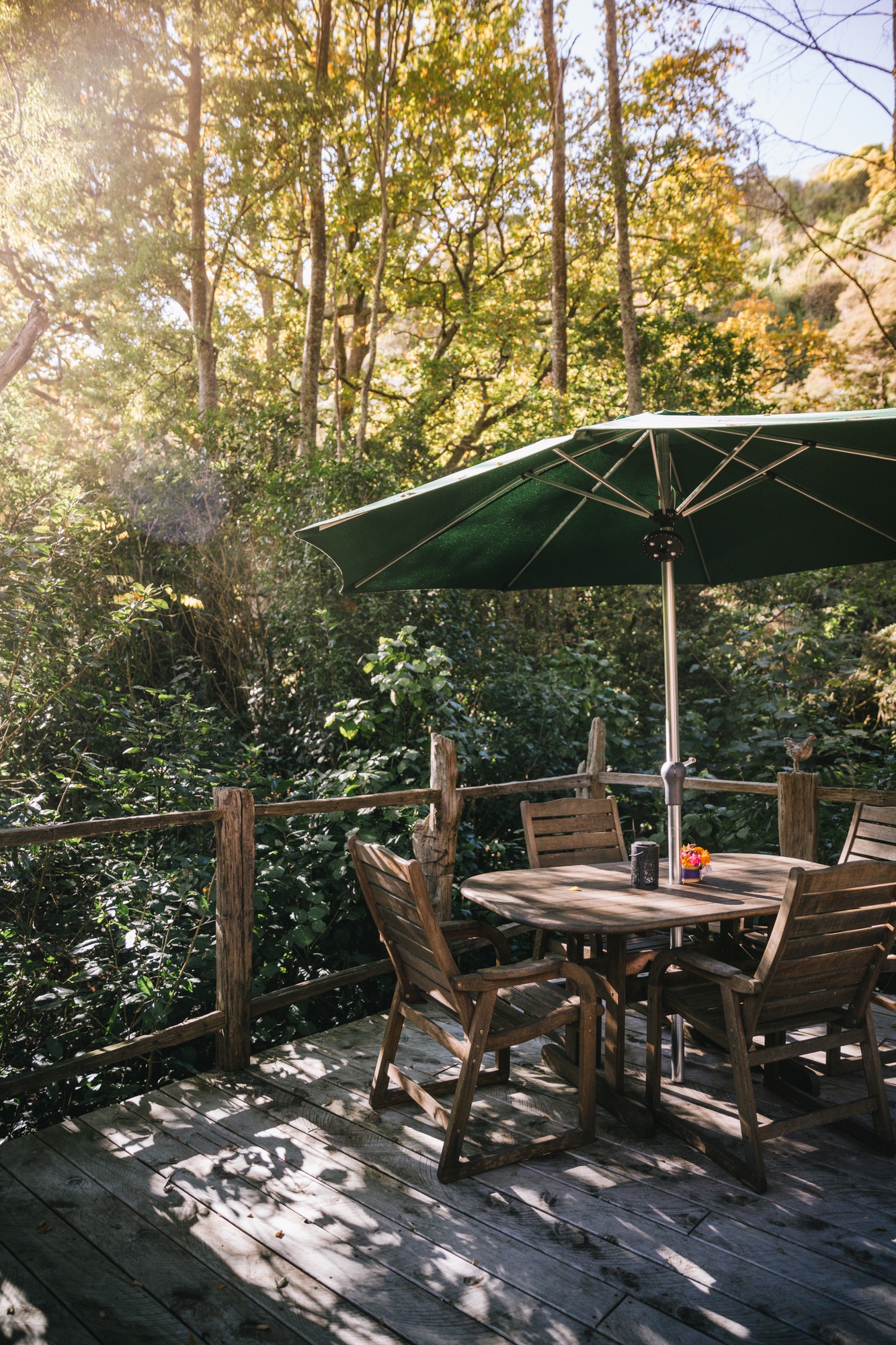
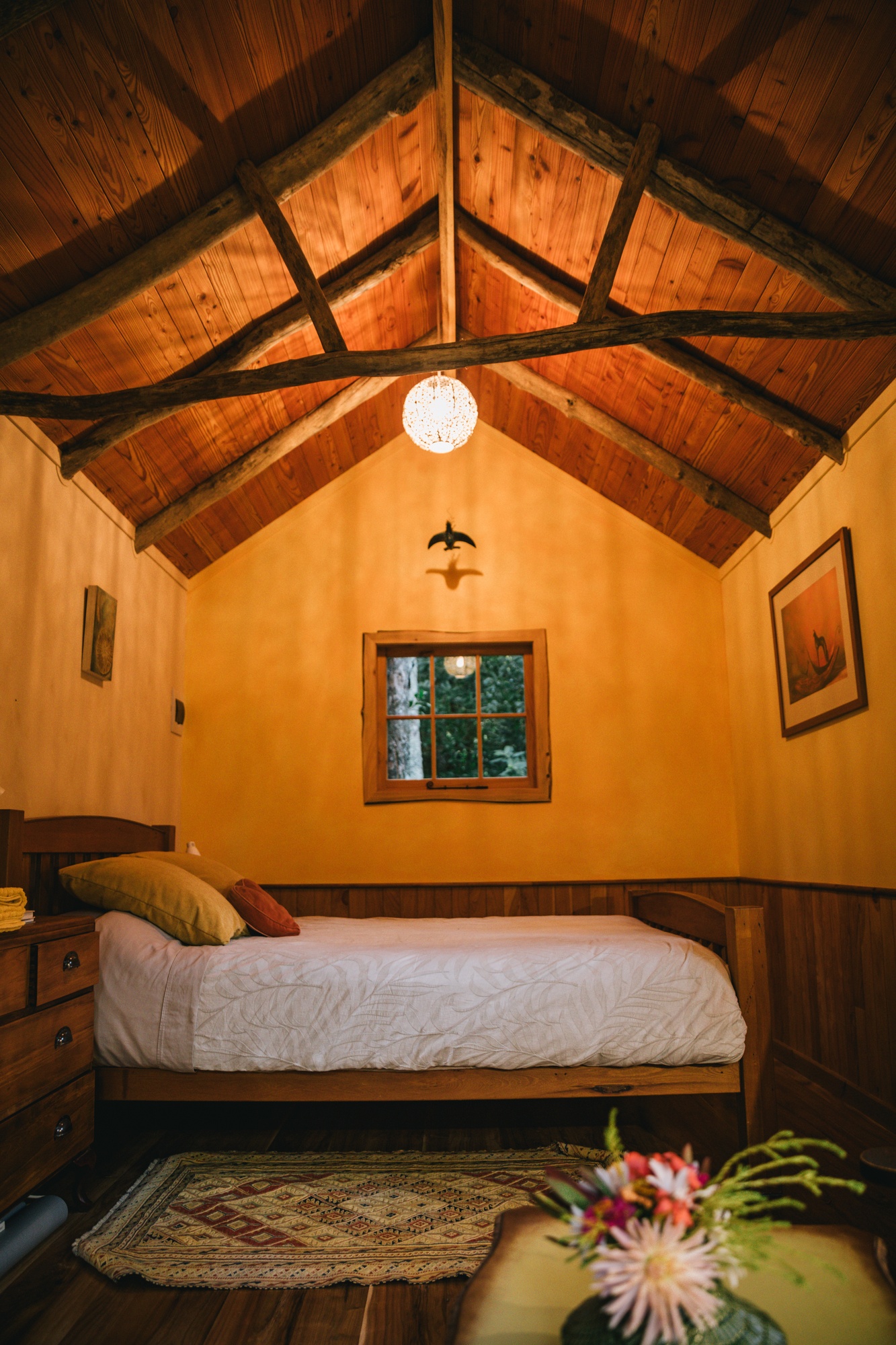
Furthermore, the rise of "glamping" and boutique eco-accommodations, such as those found through the Canopy Camping network, indicates a shift in traveler preferences. Sites like "Rustic ReTreet" emphasize architectural integration with the natural landscape, often utilizing timber milled on-site and off-grid energy solutions. These accommodations cater to a demographic that seeks luxury through seclusion and environmental connection rather than traditional high-end hotel amenities.

Timeline of Significant Regional Events
To understand the current state of Golden Bay, one must look at the chronology of its recent development:
- 1993: Scientific verification of Te Waikoropupū Springs as having world-record water clarity.
- 2007: Implementation of a total ban on water contact at Pupū Springs to preserve water purity and Māori cultural values.
- 2017 (February): One of the largest mass whale strandings in New Zealand history occurs at Farewell Spit.
- 2018 (February): Cyclone Gita causes catastrophic damage to the Tākaka Hill road, isolating the bay.
- 2022: Completion of major repairs on State Highway 60, restoring full two-lane access to the region.
- 2023-2024: Significant growth in domestic "slow tourism" as travelers favor remote, low-density destinations post-pandemic.
Broader Implications and Future Outlook
The future of Golden Bay is inextricably linked to the challenges of climate change and infrastructure sustainability. As an area dependent on a single roading artery and vulnerable coastal ecosystems, the regional council is increasingly focused on climate adaptation strategies. The rising sea levels pose a direct threat to the low-lying communities around Puponga and the sensitive habitats of Farewell Spit.
From a tourism perspective, the challenge lies in balancing economic growth with the preservation of the "Golden Bay lifestyle." There is a palpable tension between the desire for increased accessibility (such as a proposed tunnel through Tākaka Hill, which has been discussed for decades) and the community’s preference for a slower pace of life.
The regional economy’s resilience during the COVID-19 pandemic—sustained by a loyal domestic market and a high degree of local self-sufficiency—suggests that Golden Bay is well-positioned to navigate the shifts in global travel trends. By prioritizing high-value, low-impact tourism over high-volume models, Golden Bay serves as a case study for regional development that respects both environmental limits and cultural heritage.
In conclusion, Golden Bay remains one of New Zealand’s most distinct regions. Its combination of world-class natural wonders, rigorous conservation efforts, and a community-driven economy provides a blueprint for sustainable regional living. While its isolation remains its greatest challenge, it is also its most significant asset, ensuring that the bay remains a sanctuary for both biodiversity and a unique way of life in the 21st century.