Canon Rumors Hints at a Feature-Rich Canon EOS R7 Mark II, While "Im Back" Explores APS-C Retrofitting and Meta Tests In-Post Links


The photographic industry is abuzz with a trio of developments, ranging from significant new product rumors to innovative, albeit unconventional, hardware modifications and potential platform changes for content creators. Canon Rumors has ignited speculation with a report suggesting the imminent arrival of the Canon EOS R7 Mark II, a camera rumored to be significantly upgraded. Concurrently, the "Im Back" project is pushing the boundaries of camera technology by attempting to integrate modern APS-C sensors into vintage film camera bodies, a feat that blends nostalgia with cutting-edge engineering. Adding to the digital landscape’s evolution, Meta (formerly Facebook) is reportedly trialing clickable links directly within Instagram post descriptions, a move that could dramatically alter how brands and creators engage with their audiences on the popular social media platform. These developments, each with their own unique implications, paint a dynamic picture of the current and future state of photography and digital content creation.
Canon EOS R7 Mark II: A Glimpse into a Potentially "Stacked" Future
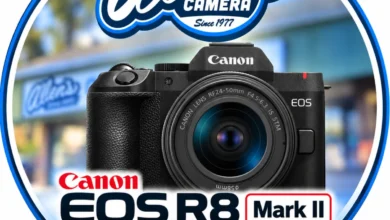
The most substantial piece of news comes from the reliable leak source, Canon Rumors, which has indicated that a successor to the popular Canon EOS R7 is on the horizon. While specific details remain speculative, the whispers suggest a camera that will be significantly enhanced, potentially addressing areas where the original model might have had room for improvement and introducing new capabilities. The original Canon EOS R7, launched in May 2022, established itself as a compelling option within Canon’s mirrorless lineup, particularly for those seeking an APS-C body with advanced features traditionally found in higher-tier full-frame cameras. It boasted a 32.5-megapixel APS-C CMOS sensor, in-body image stabilization (IBIS), and a sophisticated autofocus system inherited from the flagship EOS R3.
The anticipation surrounding a potential R7 Mark II stems from the rapid pace of technological advancement in mirrorless cameras. Manufacturers are constantly refining sensor technology, autofocus performance, video capabilities, and user interfaces. If the rumors of the R7 Mark II being "stacked" are to be believed, it could signify a significant leap in several key areas. Potential upgrades might include a higher-resolution sensor, an improved DIGIC processor for faster performance and enhanced image processing, an even more advanced autofocus system with expanded subject detection and tracking, and potentially enhanced video recording specifications, such as higher frame rates or resolutions. The inclusion of improved IBIS, a more robust build, and perhaps a refined ergonomics package could also be on the table. Such enhancements would solidify the R7’s position as a versatile tool for a wide range of photographers, from wildlife and sports enthusiasts who benefit from its speed and reach, to content creators and generalists seeking a high-performance, yet relatively compact, camera. The timing of such a release would also be strategic, potentially capitalizing on the growing demand for advanced APS-C mirrorless cameras that offer a balance of performance, size, and cost.
The "Im Back" Project: Reimagining Vintage Cameras for the Digital Age
In a fascinating juxtaposition of past and present, the "Im Back" project is making waves by attempting to adapt modern APS-C sensors for integration into classic film camera bodies. This endeavor is not merely about creating a digital back for a film camera; it’s about a more profound fusion, aiming to house the digital imaging sensor within the original camera’s chassis, effectively transforming a beloved analog instrument into a digital capture device. The core challenge lies in the significant difference in size and design philosophy between vintage film cameras and modern digital camera components. Film cameras, particularly those from the mid-20th century, were built with mechanical precision and optical paths designed for film planes. Integrating a digital sensor, its associated electronics, and power management systems into such a confined and mechanically sensitive space requires intricate engineering and custom fabrication.
The "Im Back" project, as described, seeks to overcome these hurdles by developing a system that can accommodate an APS-C sensor while maintaining the aesthetic and operational characteristics of the original camera. This could involve custom mounting solutions, delicate wiring, and a carefully designed housing for the sensor and its supporting circuitry. The appeal of such a project is multifaceted. For photographers who cherish the tactile experience and mechanical integrity of vintage cameras, this offers a way to continue using their cherished equipment in a digital workflow without sacrificing the essence of the original camera. It allows for the exploration of digital imaging with the unique handling and viewfinder experience of a classic camera. Furthermore, it speaks to a growing trend of seeking unique and personalized creative tools, moving away from mass-produced, standardized equipment. The success of such a project hinges on its ability to deliver reliable image quality, user-friendly operation, and a level of durability that respects the heritage of the cameras it modifies. Providing support and clear instructions for users attempting these modifications will be crucial for wider adoption and satisfaction.
Meta’s Instagram Link Testing: A Potential Paradigm Shift for Social Media Engagement
On the digital content creation front, Meta’s reported testing of clickable links directly within Instagram post descriptions marks a significant potential evolution for the platform. Currently, Instagram’s primary method for directing users to external websites from posts is through the "link in bio" feature, which requires users to navigate to a profile page to access the URL. While effective to a degree, it creates an additional step that can lead to user drop-off. The introduction of clickable links directly in descriptions would streamline this process, allowing for more immediate and direct engagement with external content.
The implications of this change are far-reaching. For businesses and marketers, it represents a powerful new avenue for driving traffic to their websites, product pages, or promotional content. This could lead to increased sales, lead generation, and brand awareness. For content creators, it offers a more direct way to share resources, affiliate links, or blog posts with their followers, potentially enhancing their monetization strategies and audience engagement. The ability to embed links could also foster a more fluid ecosystem where content on Instagram is more directly integrated with broader online presences. However, this move also raises questions about the platform’s future direction and its relationship with external websites. There will likely be considerations around the types of links permitted, potential for misuse (spam, misleading content), and the impact on Instagram’s own internal engagement metrics. If successfully implemented, this feature could fundamentally alter how brands and creators leverage Instagram as a marketing and outreach tool, moving it closer to the functionality of other social media platforms that already allow for direct linking. The timeline and scope of this testing remain unclear, but its potential impact on the digital marketing landscape is substantial.
Supporting Data and Industry Context
The camera market, while facing its own set of challenges and transformations, continues to see innovation. The APS-C mirrorless segment, in particular, has become a battleground for manufacturers seeking to offer high-performance, more accessible alternatives to full-frame systems. Data from industry analysis firms often highlights the growing market share of mirrorless cameras, with APS-C models often representing a significant portion of unit sales due to their attractive price-to-performance ratio. For instance, reports from organizations like CIPA (Camera & Imaging Products Association) consistently show a trend towards mirrorless camera sales increasing year over year, with APS-C being a key driver in this growth. The "Im Back" project taps into a niche but growing segment of the photography community that values vintage aesthetics and the unique shooting experience they offer. The retro camera market, encompassing both functional film cameras and modified digital versions, demonstrates a sustained interest in the history and materiality of photographic equipment.
In the realm of social media, the evolution of link-sharing capabilities is a critical indicator of platform strategy. Instagram, under Meta’s ownership, has consistently sought to maximize user engagement and advertising revenue. The "link in bio" limitation has long been a point of contention for marketers. Surveys and industry analyses of digital advertising consistently point to the effectiveness of direct calls to action and seamless user journeys. If Instagram implements clickable links, it would be aligning more closely with platforms like Facebook and X (formerly Twitter), which have long offered this functionality. The continued growth of e-commerce and influencer marketing on social media platforms underscores the demand for such direct pathways to conversion. Data on user behavior often shows that reducing friction in the path to purchase or engagement significantly increases conversion rates.
Broader Impact and Implications
The convergence of these developments—rumored hardware upgrades, innovative retrofitting, and platform feature changes—highlights the dynamic nature of the photography and digital content landscape. The potential release of a Canon EOS R7 Mark II, if it delivers on its rumored "stacked" capabilities, would further democratize access to professional-grade features, potentially impacting the market for both higher-end APS-C cameras and entry-level full-frame options. It signals Canon’s commitment to its mirrorless strategy and its understanding of the diverse needs of its user base.
The "Im Back" project, while operating on a smaller scale, represents a philosophical shift towards sustainability and personalization in technology. It encourages a reevaluation of existing hardware and a creative approach to digital integration, potentially inspiring other DIY and modification communities. Its success could lead to more accessible and innovative ways for enthusiasts to engage with the history of photography.
Finally, Meta’s testing of in-post links on Instagram could redefine social media marketing and content distribution. It would empower creators and businesses with a more direct and efficient tool for engagement, potentially shifting advertising strategies and content creation approaches. The long-term implications will depend on the rollout, the specific implementation details, and how effectively users and businesses adapt to this new paradigm. As these trends continue to unfold, they collectively illustrate a landscape where technological innovation, user demand for unique experiences, and the evolving economics of digital platforms are constantly reshaping how we create, share, and consume visual content.