Latin America: A New Era of Intentional Exploration Unveiled by ATLAS 2026 Adventure Wish List

Latin America is currently experiencing an unprecedented surge in global interest, solidifying its position as one of the world’s most captivating travel destinations. This renewed focus stems from the region’s profound cultural depth, the vibrancy of its communities, the inherent warmth of its people, and its unparalleled natural landscapes, which range from the towering peaks of the Andes to the sprawling biodiversity of the Amazon, and from pristine, remote coastlines to the living tapestry of its colorful traditions. Travelers are increasingly drawn to Latin America for the opportunity to forge deep, meaningful connections with its diverse cultures, its welcoming inhabitants, and its unique territories. This heightened interest is not merely a quantitative increase in visitors but signifies a qualitative shift in how the region is being explored. Contemporary travelers are actively seeking experiences that transcend typical sightseeing, opting instead for journeys characterized by intention, collaboration, and a profound respect and care for the places they visit.
Reflecting this significant evolution in global travel preferences and the growing demand for authentic, impactful experiences, ATLAS – Active Travel Latin America Specialists – has unveiled The 2026 Adventure Wish List. This meticulously curated collection presents standout experiences designed by its network of premier tour operator members across South America. The selection is a testament to the region’s extraordinary diversity, bringing together rare wildlife encounters, deeply immersive cultural journeys, treks along legendary historical trails, and exclusive access to some of the most biodiverse regions on Earth. Each featured experience is crafted to embody a deeper, more responsible way of traveling through Latin America, firmly rooted in local knowledge, cultural respect, and a steadfast commitment to long-term environmental stewardship. From the thrill of tracking elusive pumas across the vast Patagonian wilderness to the unique cross-border expedition through the three Guianas, from the enchanting sounds of baroque music festivals echoing through Bolivia’s Chiquitania missions to tranquil journeys along the winding rivers of the Amazon, the 2026 Adventure Wish List vividly showcases the region’s remarkable breadth. More than just a compilation of travel itineraries, it serves as an invitation to experience Latin America at its most authentic, offering travelers the chance to contribute positively to the very places and people that render the continent so compelling.
Latin America’s Ascent: A Confluence of Culture, Nature, and Conscious Travel
The current "moment" for Latin America as a premier travel destination is the culmination of several converging factors. Economically, the tourism sector has become a vital engine, contributing significantly to the GDP of many Latin American nations. Prior to the global pandemic, the region consistently reported robust growth in international arrivals, often outstripping global averages. For instance, the World Tourism Organization (UNWTO) consistently highlighted the region’s potential, with forecasts indicating continued expansion, driven by improved infrastructure, increased air connectivity, and targeted marketing efforts. Post-pandemic recovery has seen Latin America rebound strongly, with many countries leveraging their natural open spaces and outdoor-centric activities as a draw for travelers seeking safety and unique experiences.
Culturally, Latin America offers an unparalleled tapestry of traditions, languages, and artistic expressions. From the vibrant street art of Medellín, Colombia, to the ancient Incan rituals preserved in Peru’s Sacred Valley, and from the Afro-Brazilian rhythms of Salvador to the European-influenced architecture of Buenos Aires, the continent provides a sensory feast for visitors. Its communities, often characterized by strong social bonds and a profound connection to their heritage, are increasingly opening their doors to travelers, fostering cross-cultural understanding and providing authentic insights into local life. This cultural richness is seamlessly intertwined with the region’s natural splendor. The Andes Mountains, the longest continental mountain range in the world, offer breathtaking vistas and diverse ecosystems, from high-altitude deserts to cloud forests. The Amazon Rainforest, a global ecological powerhouse, is home to an estimated 10% of the world’s known species. Beyond these iconic landscapes, Latin America boasts an array of unique environments, including the Galápagos Islands, the Atacama Desert, the Pantanal wetlands, and the Mesoamerican Barrier Reef, each a biodiversity hotspot in its own right.
The shift towards "intentional travel" is a global phenomenon, gaining traction as travelers become more environmentally and socially conscious. This trend emphasizes experiences that offer deeper engagement, foster local economic benefits, and minimize negative impacts. Latin America, with its inherent biodiversity, rich indigenous cultures, and a growing network of dedicated sustainable tourism operators, is ideally positioned to lead in this evolving travel paradigm. Conscious tourism, ecotourism, and responsible travel are not just buzzwords but operational philosophies for many operators in the region, ensuring that tourism benefits local communities and contributes to conservation efforts.
ATLAS: Pioneering Responsible Travel in Latin America
Active Travel Latin America Specialists (ATLAS) was formed to unite leading independent tour operators who share a common vision for high-quality, sustainable, and authentic travel experiences across the continent. Its mission is to collectively promote Latin America as a premier destination for active and immersive travel, while simultaneously upholding stringent standards of environmental stewardship and social responsibility. ATLAS members are distinguished by their deep local knowledge, their commitment to ethical practices, and their ability to craft bespoke itineraries that go beyond superficial encounters. The organization acts as a collective voice, advocating for responsible tourism practices and facilitating collaboration among operators to enhance the overall traveler experience while safeguarding the region’s natural and cultural heritage.
The concept of "intentional travel," central to the ATLAS philosophy, is multifaceted. It signifies a journey undertaken with purpose, where travelers are encouraged to engage meaningfully with their surroundings. This involves understanding and respecting local customs, supporting local economies directly, and participating in experiences that contribute to the long-term well-being of the destination. For ATLAS members, this translates into designing tours that prioritize local guides, utilize locally-owned accommodations, source local produce, and actively contribute to conservation projects. The "care" component extends to minimizing environmental footprints, respecting wildlife, and ensuring that cultural interactions are reciprocal and mutually beneficial. This approach contrasts sharply with mass tourism models that often overlook local sensitivities and environmental carrying capacities.
A Chronology of Sustainable Tourism Development
The evolution of tourism in Latin America has seen a gradual shift from rudimentary adventure travel in the mid-20th century to more sophisticated, yet often mass-market, offerings by the late 20th century. The early 2000s marked a significant turning point, with increased global awareness of climate change and social equity issues. This era saw the rise of ecotourism as a niche market, particularly in countries like Costa Rica and Ecuador. Over the last two decades, the principles of sustainable tourism have moved from the periphery to the mainstream, influencing policy, investment, and traveler choices. Organizations like ATLAS have emerged within this timeline, formalizing best practices and creating a platform for operators committed to these higher standards. The biennial International Baroque Music Festival in Bolivia’s Chiquitania, for instance, has been a beacon of cultural preservation since its inception in the mid-1990s, demonstrating a long-standing commitment to community-led heritage conservation through tourism. Similarly, the regulation and management of iconic trails like the Inca Trail have progressively tightened over the years to mitigate environmental impact and preserve archaeological sites, reflecting a growing regional understanding of sustainable tourism necessity.
Spotlight on The 2026 Adventure Wish List: Unforgettable Experiences
The 2026 Adventure Wish List is a meticulously curated selection, each experience offering a unique window into Latin America’s soul.
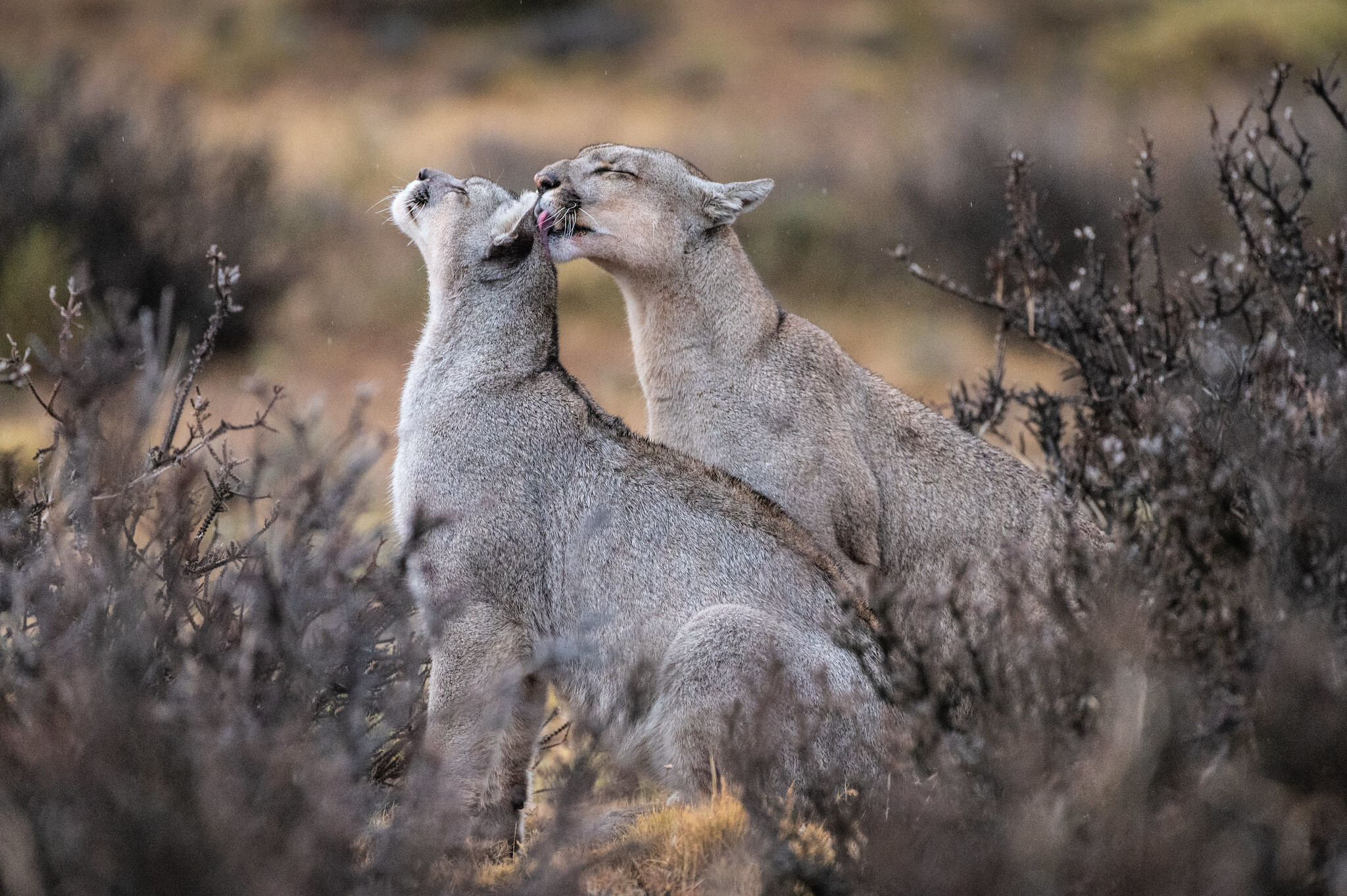
Once-in-a-Lifetime Wildlife Encounters: Puma Tracking in Chile (Cascada Expediciones)
Located within and around Torres del Paine National Park in Chilean Patagonia, this experience offers an unparalleled opportunity to observe the elusive puma in its natural habitat. Torres del Paine, a UNESCO Biosphere Reserve since 1978, is renowned for its dramatic granite peaks, vast glaciers, and diverse ecosystems, including steppe, Patagonian desert, and subpolar forests. The park is a critical habitat for the Patagonian puma (Puma concolor patagonica), an apex predator whose population has seen a resurgence due to conservation efforts and the abundant guanaco population, its primary prey.
Cascada Expediciones, a pioneer in sustainable tourism in Patagonia, emphasizes responsible observation. Guided outings at dawn and dusk are led by expert trackers who possess deep knowledge of puma behavior and ecology. This approach ensures minimal disturbance to the animals while maximizing viewing opportunities for travelers. The experience is deeply rooted in a strong conservation ethic, educating participants about the puma’s vital role in maintaining the health of the Patagonian ecosystem and the challenges it faces, such as habitat fragmentation and human-wildlife conflict. Puma tourism, when managed responsibly, provides crucial economic incentives for local communities to protect these magnificent creatures and their habitat, demonstrating a tangible link between tourism revenue and species conservation.
The Baroque Soul of Chiquitania: A Curated Festival in Bolivia (Bolivia Milenaria)
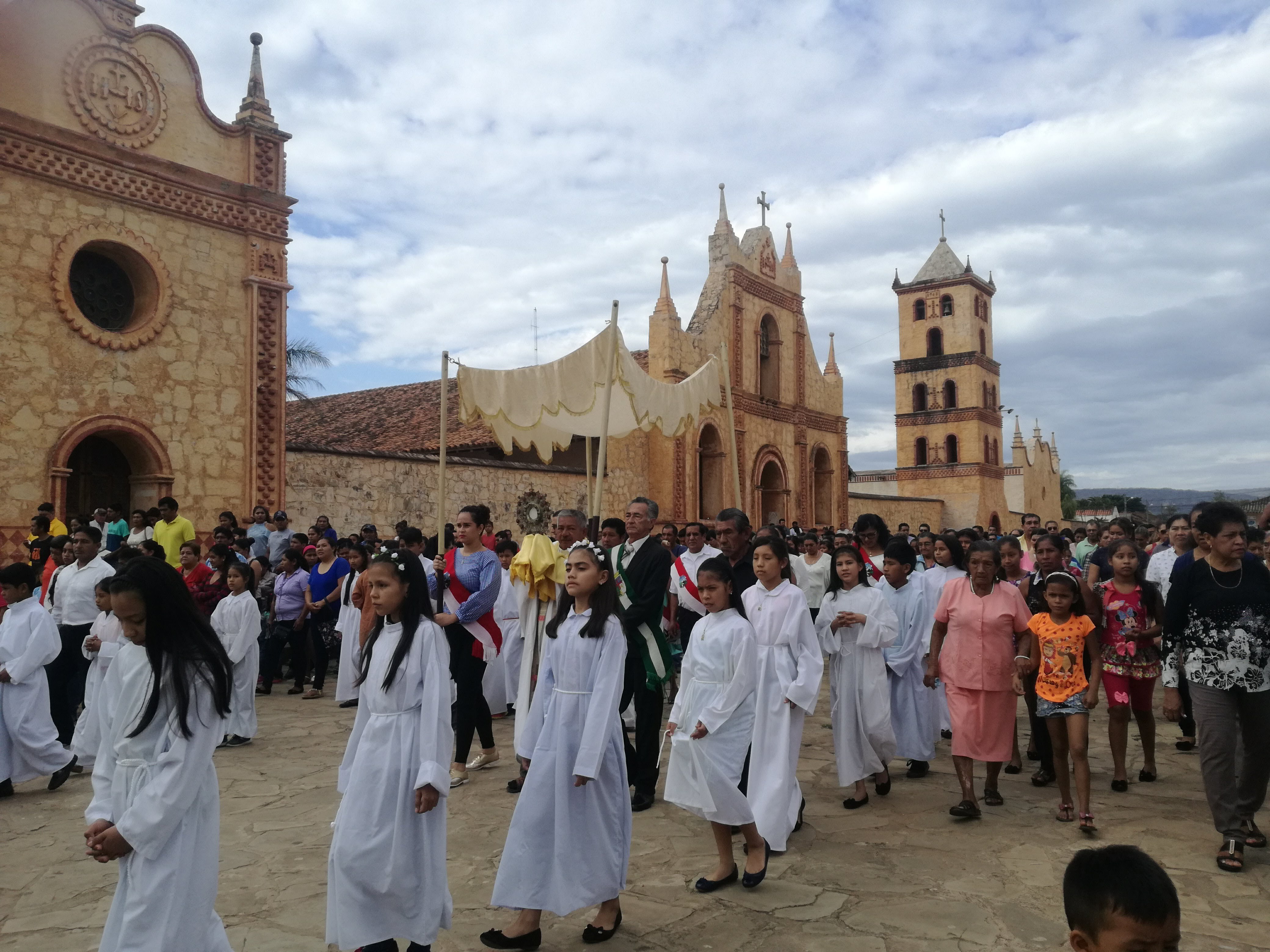
In Bolivia’s eastern lowlands lies the Chiquitania region, a captivating landscape of golden savannas, lush forest trails, and unique UNESCO-listed Jesuit Mission towns. These missions, established between the 17th and 18th centuries, represent a remarkable fusion of European Baroque architecture and indigenous Chiquitano artistry, recognized by UNESCO for their exceptional universal value. The region’s historical significance lies in these missions, where Jesuit missionaries and indigenous communities created a unique cultural and artistic synthesis.
Every two years, the International Baroque Music Festival of Chiquitos brings this rich heritage to life. Held inside the beautifully preserved historic wooden churches of towns like San Javier, Concepción, and Santa Ana, the festival showcases centuries-old compositions, many of which were written by indigenous composers or transcribed by the Jesuits. This biennial event is more than a concert series; it’s a profound act of cultural preservation. Local communities have safeguarded these musical traditions for generations, passing down knowledge and skills. The festival provides a global platform for these traditions, fostering local pride, generating economic opportunities through cultural tourism, and ensuring the continued vitality of this unique musical legacy. Bolivia Milenaria specializes in deep cultural immersion, offering travelers an intimate understanding of this vibrant heritage.
Cuenca’s Enchanting Beauty, Ecuador (Neotropic Expeditions)
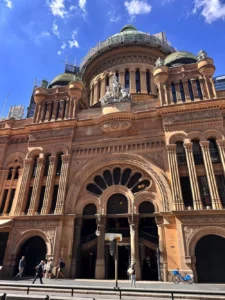
Cuenca, officially Santa Ana de los Cuatro Ríos de Cuenca, is a UNESCO World Heritage city nestled in the Andean highlands of Ecuador. Its fairytale charm is defined by its well-preserved colonial architecture, cobblestone streets, and iconic blue-domed cathedrals, particularly the New Cathedral of Cuenca. Declared a World Heritage site in 1999, Cuenca is celebrated for its harmonious urban landscape, a blend of Spanish colonial planning and indigenous building techniques.
The city is a hub for artisan crafts, most notably the "Panama hat" (sombrero de paja toquilla), which despite its name, originates from Ecuador. Travelers can explore bustling markets, witness traditional craftspeople at work, and savor the rich flavors of local Andean cuisine. Beyond its architectural and cultural allure, Cuenca offers easy access to nature. Just a short drive away lies Cajas National Park, a stunning paramo ecosystem characterized by over 200 glacial lakes, unique high-altitude flora, and diverse birdlife. Neotropic Expeditions crafts itineraries that elegantly blend Cuenca’s graceful cultural offerings with the rugged beauty and ecological significance of Cajas National Park, providing a comprehensive experience of Ecuador’s diverse landscapes and heritage.
Brazil’s Amazon & Savanna: From Rainforest to Cerrado (Pure Brasil)
This immersive journey, curated by Pure Brasil, connects two of Brazil’s most vital yet distinct biomes: the globally renowned Amazon rainforest and the often-overlooked Cerrado, the world’s most biodiverse savanna. The Amazon, covering roughly 40% of South America, is the largest rainforest on Earth, an ecological marvel teeming with unparalleled biodiversity. The Cerrado, by contrast, is a vast tropical savanna, home to a staggering array of endemic species and considered a global hotspot for biodiversity, yet it faces severe threats from agricultural expansion.
The expedition begins in Belém, a vibrant port city at the mouth of the Amazon River, celebrated for its rich cultural mix, colonial architecture, and world-famous Ver-o-Peso market. From Belém, the journey extends into the heart of the Amazon via river voyages on the Tapajós, a major Amazonian tributary known for its clear waters and pristine beaches. Here, travelers engage with forest communities, who generously share their ancestral stories, traditional knowledge, and sustainable way of life, offering profound insights into the delicate balance between human existence and the rainforest ecosystem. The experience then transitions to Pousada Trijunção, strategically located at the tri-border of the Brazilian states of Goiás, Minas Gerais, and Bahia, within the heart of the Cerrado. This conservation-focused lodge is actively involved in protecting endangered species, most notably the critically endangered maned wolf, the giant anteater, and the puma. Through carefully designed eco-tourism, Pousada Trijunção exemplifies how sustainable travel can directly fund and support critical conservation initiatives, providing a lifeline for Brazil’s unique savanna biodiversity.
Inca Trail to Machu Picchu, Peru (Amazonas Explorer)
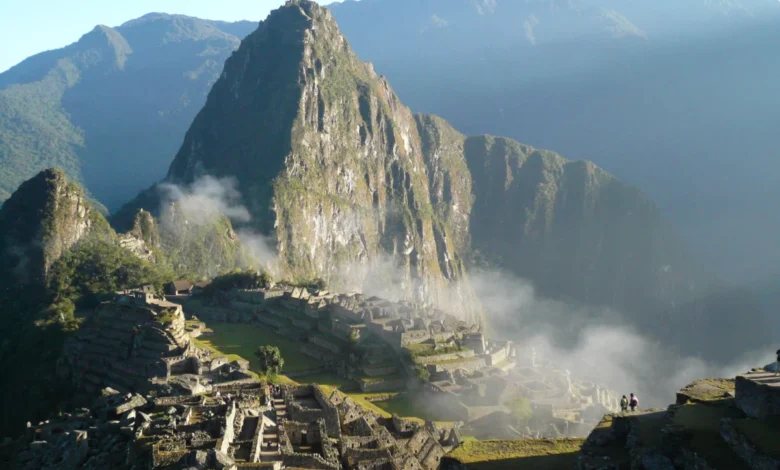
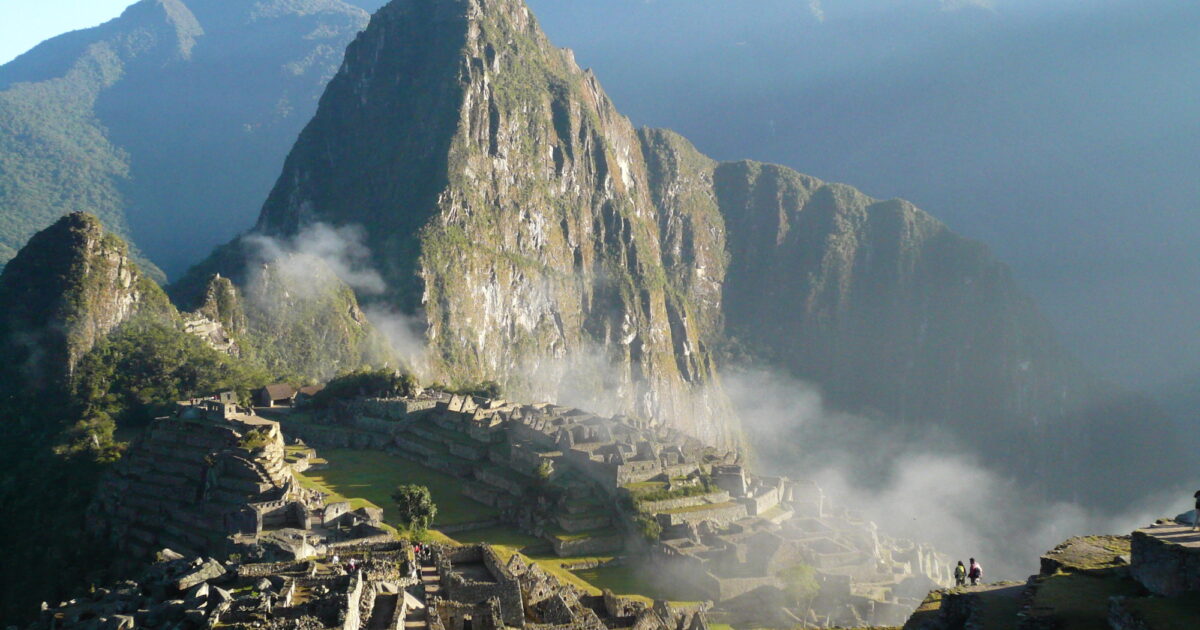
The Inca Trail to Machu Picchu remains one of the world’s most iconic treks, leading travelers through breathtaking Andean landscapes to the ancient citadel of Machu Picchu, a UNESCO World Heritage site and one of the New Seven Wonders of the World. While a four-day trek is standard, Amazonas Explorer offers a five-day itinerary, designed to provide a slower, more immersive approach to this legendary journey. This extended duration allows for a more deliberate pace, minimizing rush and maximizing opportunities for deeper engagement with the stunning natural environment and the numerous archaeological sites scattered along the ancient paths.
The trail traverses diverse ecosystems, from high Andean passes reaching over 4,200 meters (13,780 feet) to lush cloud forests, offering dramatic changes in scenery and climate. Travelers explore lesser-known Inca ruins such as Wiñay Wayna and Phuyupatamarca, gaining a richer understanding of Inca engineering, astronomy, and spiritual beliefs before reaching the Sun Gate (Inti Punku) for the iconic first glimpse of Machu Picchu at dawn. The extra day on the trail provides more time for reflection, photography, and a more profound connection to the historical and spiritual significance of the route. Amazonas Explorer, with decades of experience in Peruvian adventure travel, emphasizes responsible trekking practices, ensuring that the ecological integrity of the trail and the archaeological sites are preserved for future generations.
Wild Coast Tour: Guyana, Suriname & French Guiana (Wilderness Explorers)
This multi-country journey by Wilderness Explorers explores the cultural and natural heritage of the Guianas, a unique and often overlooked corner of South America. These three nations – Guyana, Suriname, and French Guiana – offer a fascinating blend of European colonial influences (British, Dutch, and French, respectively) and vibrant indigenous, African, and Asian cultures.
The adventure begins in Guyana, exploring its capital Georgetown, known for its distinctive wooden colonial architecture, and venturing inland to witness the awe-inspiring Kaieteur Falls, one of the world’s largest single-drop waterfalls, nestled deep within the pristine Amazonian rainforest and surrounded by incredible biodiversity, including the vibrant Guianan cock-of-the-rock. In Suriname, the journey continues to Paramaribo, a UNESCO World Heritage city celebrated for its remarkably preserved Dutch colonial architecture and unique blend of cultures. River travel is a highlight, offering opportunities for wildlife encounters, including various bird species, monkeys, and caimans. French Guiana adds another layer of intrigue with its French colonial sites, including the infamous Îles du Salut (Devil’s Island), and a visit to the Guiana Space Centre near Kourou, the primary launch site for the European Space Agency. This tour reveals a truly distinctive region, rich in natural wonders, complex history, and a vibrant cultural mosaic, far removed from typical tourist trails.
Statements and Reactions
A spokesperson for ATLAS, commenting on the release of the 2026 Adventure Wish List, stated, "This collection is a powerful testament to the transformative potential of travel in Latin America. Our members are not just tour operators; they are custodians of incredible natural and cultural heritage. The Wish List reflects a collective commitment to experiences that are not only unforgettable for the traveler but also profoundly beneficial for the local communities and ecosystems we engage with. We believe that intentional travel is the future, and Latin America is perfectly poised to lead this movement."
A representative from Cascada Expediciones added, "Our puma tracking expeditions in Torres del Paine are designed to be an immersive educational experience. It’s about more than just seeing an animal; it’s about understanding its world, its challenges, and its role in the ecosystem. This approach fosters a deeper appreciation for wildlife conservation, and it’s truly rewarding to see our guests become advocates for Patagonia’s wild heart." Similarly, a voice from Bolivia Milenaria highlighted, "The International Baroque Music Festival in Chiquitania is a living cultural treasure. By bringing travelers to these historic missions, we help sustain the traditions that local communities have painstakingly preserved for centuries, ensuring that this unique blend of European and indigenous artistry continues to thrive."
Broader Impact and Implications
The focus on intentional and sustainable travel, as championed by ATLAS and exemplified in the 2026 Wish List, carries significant broader implications for Latin America. Economically, this model ensures that tourism revenues are more equitably distributed, directly benefiting local guides, artisans, small businesses, and communities. This contrasts with leakage often associated with mass tourism, where a substantial portion of revenue may leave the host country. By fostering local entrepreneurship and employment, sustainable tourism acts as a powerful tool for poverty reduction and economic diversification in rural and often marginalized areas.
Environmentally, the emphasis on conservation and minimal impact travel is crucial for protecting Latin America’s extraordinary biodiversity. Revenue generated from these specialized tours often directly funds conservation projects, wildlife monitoring, and habitat restoration. For instance, the commitment to protecting the maned wolf at Pousada Trijunção or the responsible puma tracking in Patagonia illustrates how tourism can be a direct financial engine for species preservation. Furthermore, the educational component of these tours raises global awareness about environmental challenges, transforming travelers into advocates for conservation.
Culturally, intentional travel helps preserve and celebrate the rich indigenous and local traditions of Latin America. By providing platforms for cultural exchange, supporting local artisans, and encouraging respectful engagement with communities, these experiences help prevent the erosion of traditional practices and languages. Festivals like the one in Chiquitania demonstrate how tourism can be a catalyst for cultural revitalization and pride.
Looking ahead, Latin America is poised to become a global leader in sustainable tourism. While challenges remain, including infrastructure development in remote areas, effective policy implementation, and managing increasing visitor numbers responsibly, the region’s inherent assets — its unparalleled natural beauty, diverse cultures, and the growing network of committed operators like those in ATLAS — provide a strong foundation. The conscious traveler’s increasing demand for authentic, responsible, and impactful journeys will continue to drive this evolution, ensuring that Latin America’s "moment" is not fleeting but represents a sustained commitment to a more equitable and sustainable future for both its people and its planet.
Related posts: