The global travel industry has undergone a radical transformation in the post-pandemic era, characterized by a phenomenon frequently described by economists as "revenge travel." As international borders reopened, a massive surge in demand met with a constrained supply chain, leading to record-high prices for airfare, hospitality, and ground transportation. According to data from the International Air Transport Association (IATA) and various consumer price indices, the cost of international travel in 2023 and 2024 has outpaced general inflation in many developed economies. Consequently, the necessity for strategic financial management during the planning and execution of trips has become a primary concern for modern travelers. Navigating this high-cost environment requires a multifaceted approach that integrates digital tools, psychological flexibility, and a deep understanding of market dynamics.
The Economic Context of Rising Travel Costs
To understand the importance of cost-saving measures, one must examine the current economic landscape. Several factors have converged to make travel more expensive than in previous decades. First, jet fuel prices have remained volatile, directly impacting airline operating margins and, by extension, ticket prices. Second, a persistent labor shortage in the hospitality sector has forced hotels and restaurants to increase wages, costs which are inevitably passed on to the consumer. Finally, the rise of "bleisure" travel—the blending of business and leisure trips—has smoothed out traditional seasonal troughs, keeping demand high year-round.
Industry analysts note that while the "sticker price" of travel has risen, the tools available to mitigate these costs have also become more sophisticated. The shift from traditional travel agencies to algorithmic booking engines and decentralized finance options allows savvy consumers to reclaim a portion of their budget through meticulous planning and the use of specialized financial products.

Strategic Financial Choices and Banking
The foundation of a budget-conscious trip begins long before a flight is booked, starting with the selection of financial instruments. Traditional banking institutions often levy foreign transaction fees ranging from 2.5% to 3% on every purchase made abroad. For a traveler spending $3,000 on an international excursion, these fees alone can account for nearly $100 in lost capital.
Financial experts recommend the adoption of "neobanks" or travel-optimized credit cards that offer zero foreign transaction fees and competitive exchange rates. Utilizing platforms like Wise or Revolut allows travelers to hold multiple currencies and convert them at the mid-market rate, avoiding the predatory margins found at airport currency exchange kiosks. Furthermore, some premium travel cards provide "lounge access" and comprehensive travel insurance, which, while carrying an annual fee, can save hundreds of dollars in food and emergency medical costs over the course of a year.
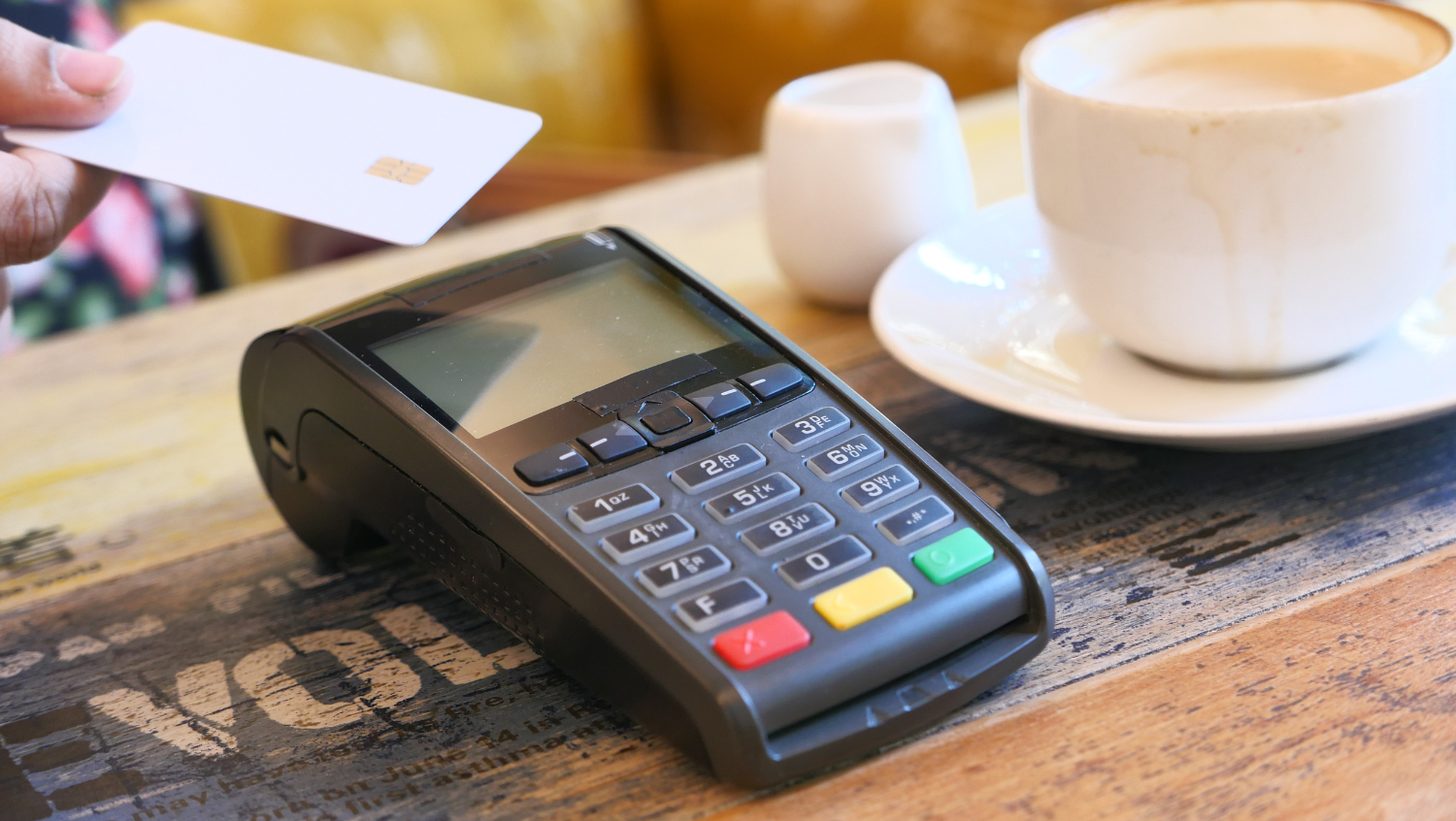
Another critical financial tip involves the "local currency" rule. When prompted by a point-of-sale terminal to pay in one’s home currency or the local currency, the latter is almost always the more economical choice. Choosing the home currency triggers "Dynamic Currency Conversion" (DCC), which allows the merchant’s bank to set an arbitrary and usually unfavorable exchange rate.
The Planning Stage: Flexibility as Currency
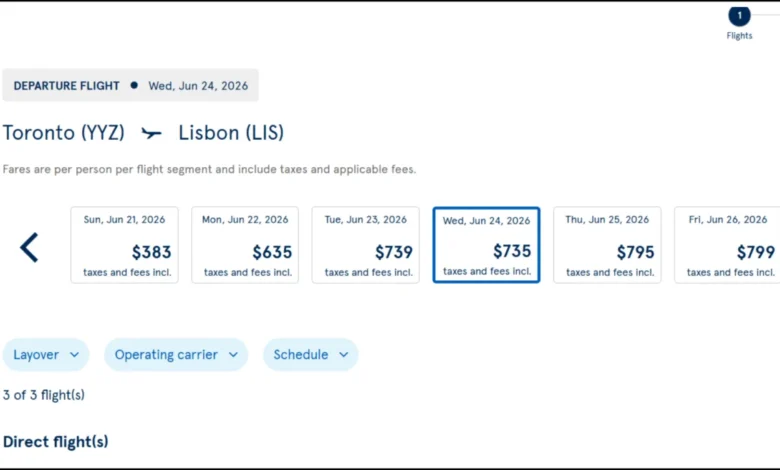
In the contemporary travel market, flexibility is the most valuable asset a consumer possesses. Data from flight aggregators like Skyscanner and Google Flights consistently demonstrate that shifting a departure date by even 24 to 48 hours can result in price fluctuations of 20% to 40%.
- The Mid-Week Advantage: Statistically, departing on a Tuesday or Wednesday remains cheaper than weekend travel, as business travelers typically fly on Mondays and Fridays, while vacationers favor weekends.
- Secondary Gateways: Rather than flying directly into major hubs like London Heathrow or Paris Charles de Gaulle, travelers can often find significantly lower fares by flying into secondary cities or alternative hubs like Dublin, Lisbon, or Berlin, and utilizing low-cost carriers (LCCs) for the final leg of the journey.
- Shoulder Season Utilization: The "shoulder season"—typically April through June and September through October in the Northern Hemisphere—offers a balance of temperate weather and reduced pricing. During these windows, accommodation rates can drop by as much as 50% compared to the peak July-August period.
Technological Optimization: eSims and VPNs
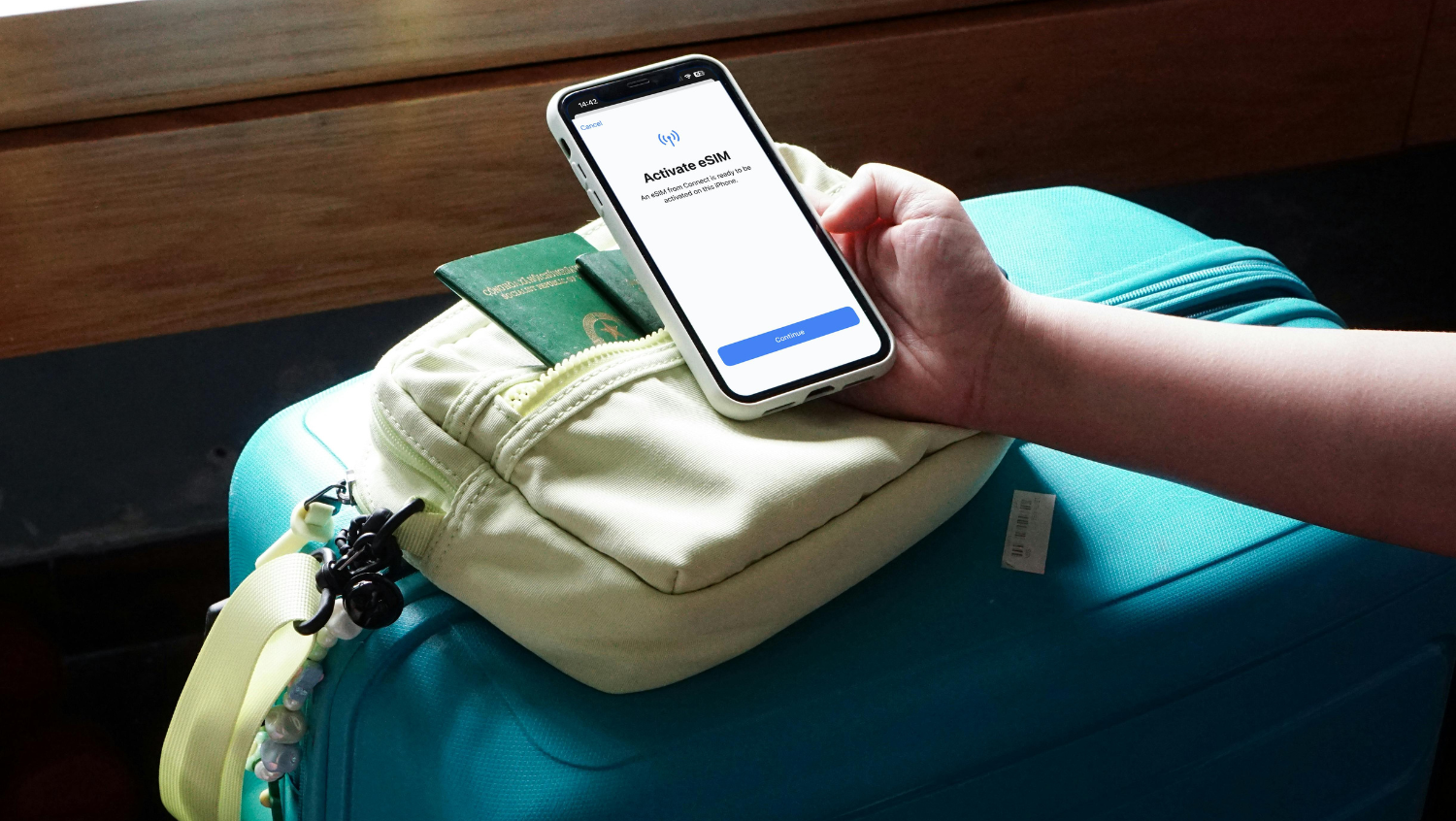
The digital revolution has introduced new ways to save. One of the most significant recent developments is the proliferation of eSim technology. Historically, travelers faced exorbitant roaming charges from domestic carriers or the inconvenience of hunting for physical SIM cards upon arrival. Apps like Airalo or Holafly now allow travelers to download digital data plans at local rates before they even land, ensuring immediate connectivity without the risk of "bill shock."
Additionally, the use of Virtual Private Networks (VPNs) has become a debated but popular tactic for booking. Some evidence suggests that booking sites may adjust prices based on a user’s geographic location or browsing history (dynamic pricing). By clearing cookies and using a VPN to appear as if they are browsing from a lower-income country or the destination country itself, some travelers report finding lower rates for car rentals and hotels.
Accommodation and the "Local" Strategy
The rise of short-term rental platforms like Airbnb initially promised savings, but the addition of cleaning fees and service charges has, in many markets, made traditional hotels or hostels more competitive again. To save on lodging, travelers are increasingly looking toward "aparthotels," which provide the amenities of a hotel with the kitchen facilities of an apartment.
Eating out is often the second largest expense after lodging. By utilizing local markets and grocery stores for at least one meal a day—typically breakfast or dinner—a traveler can reduce their daily food expenditure by 60%. In cities like Paris or Tokyo, high-quality prepared meals from "boulangeries" or "combini" (convenience stores) offer a culturally authentic experience at a fraction of the cost of a sit-down restaurant.
Chronology of a Budget-Optimized Trip
To visualize the impact of these tips, one can observe the timeline of a strategically planned 10-day trip to Europe:
- 6 Months Prior: Apply for a no-fee travel credit card and set up price alerts on multiple flight aggregators.
- 4 Months Prior: Identify the "shoulder season" window. Book a multi-city flight arriving in a secondary hub.
- 3 Months Prior: Reserve "refundable" accommodation. Monitor prices; if a lower rate appears, re-book and cancel the original.
- 1 Month Prior: Research free walking tours and "museum days" (many European museums offer free entry on the first Sunday of the month).
- 1 Week Prior: Purchase and install an eSim.
- During the Trip: Use public transportation (trains and buses) instead of ride-sharing apps. Prioritize lunch specials, which are often 30% cheaper than dinner menus for the same food.
Industry Reactions and Analysis
Tourism boards in high-cost destinations have begun to react to the "budget-conscious" trend. For instance, the Japanese National Tourism Organization (JNTO) has increasingly promoted its "Regional Passes," allowing unlimited rail travel in specific areas for a fixed price, countering the recent price hike in the national Japan Rail Pass. Similarly, cities like Vienna and Copenhagen offer "City Cards" that bundle public transport with museum entries, a move intended to maintain tourist volume despite rising costs.
Market analysts suggest that the "democratization of travel information" is forcing service providers to be more transparent. However, they also warn that "leakage"—money spent on hidden fees—remains a primary threat to the traveler’s wallet. "The modern traveler must be part accountant and part strategist," says one industry consultant. "The savings aren’t found in one big discount, but in the accumulation of thirty small decisions."
Broader Implications for the Future of Travel
The trend toward hyper-budgeting reflects a broader shift in consumer values. There is a growing movement toward "slow travel," where tourists stay longer in one location rather than hopping between multiple expensive hubs. This approach not only reduces transportation costs but also allows for a deeper, more cost-effective engagement with local culture.
Furthermore, as sustainability becomes a core component of travel, many cost-saving measures—such as using public transit, eating local produce, and avoiding short-haul flights in favor of trains—align with eco-friendly practices. This intersection suggests that the future of travel will be defined by a more conscious, calculated approach to both financial and environmental resources.
In conclusion, while the era of "ultra-cheap" travel may have receded due to global economic pressures, the ability to travel affordably remains accessible to those willing to employ a sophisticated toolkit of strategies. By integrating wise financial choices, leveraging technology, and maintaining operational flexibility, travelers can continue to explore the world without compromising their long-term financial stability. The 32+ tips outlined in contemporary travel discourse are not merely suggestions but essential protocols for navigating the complex economy of modern international movement.