Iceland has long been defined by its dramatic geological contrasts, from expansive glaciers to active geothermal fields. For the modern traveler, the nation’s infrastructure offers a unique logistical challenge, as the vast majority of its most iconic landmarks are located far beyond the reach of the capital city’s public transportation network. As of 2026, the landscape of Icelandic travel has shifted significantly with the introduction of new fiscal policies regarding road usage, necessitating a more informed approach to planning a self-drive itinerary.
The Evolution of Icelandic Road Infrastructure and Policy
Historically, Iceland’s road system was funded through general taxation and government grants. However, the surge in tourism over the last decade, coupled with the rising adoption of electric vehicles (EVs), prompted a legislative overhaul. The Icelandic government recognized that the traditional model—relying heavily on fuel taxes—was becoming unsustainable as the national fleet transitioned away from fossil fuels.

On January 1, 2026, the Icelandic government implemented a standardized, nation-wide kilometer-based road charge. This policy mandates that all vehicles, whether combustion-engine or electric, contribute to the maintenance of the national road network based on actual usage. For the average traveler, this translates to a mandatory fee of ISK 6.95 per kilometer for standard passenger vehicles. To streamline this for the tourism sector, many rental agencies have introduced a daily flat-rate surcharge, currently estimated at ISK 1,390 (approximately $11.35 USD) per rental day. This policy represents a fundamental shift in the cost of tourism, moving away from fuel-heavy taxation to a more equitable distance-based model.
Chronology of Infrastructure Development
The development of the Ring Road (Route 1) remains the backbone of the Icelandic transit experience. While the road was completed in its entirety in 1974, it has undergone continuous upgrades to accommodate increased traffic volume.
- 1974: Completion of the Ring Road, connecting the coastal regions of Iceland.
- 2019: Opening of the Vaðlaheiðargöng Tunnel, a major engineering feat that shortened the route near Akureyri, bypassing the treacherous mountain pass of Víkurskarð.
- 2026: Implementation of the national kilometer-based road charging system to fund ongoing infrastructure sustainability.
These milestones reflect a government-led effort to modernize the country’s connectivity while balancing the ecological impact of high-traffic tourism corridors.

Economic Implications for Travelers
Budgeting for a self-drive expedition in Iceland requires a departure from traditional car rental estimates. Beyond the base rental rate—which fluctuates significantly, often averaging $100 per day in peak season—travelers must now account for these mandatory road charges.
Data from tourism agencies suggests that the cost of vehicle rentals in Iceland is highly seasonal. June, July, and August represent the period of highest demand, where supply constraints often drive prices upward. Industry analysts note that booking a minimum of four to six months in advance is no longer a suggestion but a necessity to secure competitive rates. Furthermore, insurance remains the most critical variable in the rental agreement. Standard policies in Iceland often exclude damages related to gravel, volcanic ash, and wind—all of which are common environmental hazards. Travelers are advised to prioritize premium coverage packages, as the repair costs for a damaged windshield or a door panel caught in a high-velocity gust can easily exceed the cost of the daily rental.
Navigating the Terrain: Operational Realities
Driving in Iceland is categorized by a unique set of hazards that differ from the standard European or North American experience. The most frequent challenge is the meteorological volatility. The Icelandic Meteorological Office provides real-time data, and it is now standard industry practice for rental companies to provide briefings on using the "SafeTravel.is" portal.

- Environmental Hazards: High-velocity wind events can cause significant damage to vehicle doors and chassis. Drivers are cautioned to maintain a firm grip on doors when opening them and to park facing into the wind.
- Infrastructure Constraints: Outside the paved Ring Road, the "F-roads" represent a specialized category of mountain tracks. These routes are accessible only by 4×4 vehicles and are subject to strict seasonal closures.
- The One-Lane Bridge Protocol: In the eastern and western fjords, one-lane bridges are common. The law dictates that the vehicle closer to the bridge has the right of way, though common practice involves the first vehicle to reach the structure crossing while the other waits at a designated pull-off.
Strategic Itinerary Planning
Experts recommend that travelers tailor their routes to the duration of their stay to avoid the "fatigue of the wheel."
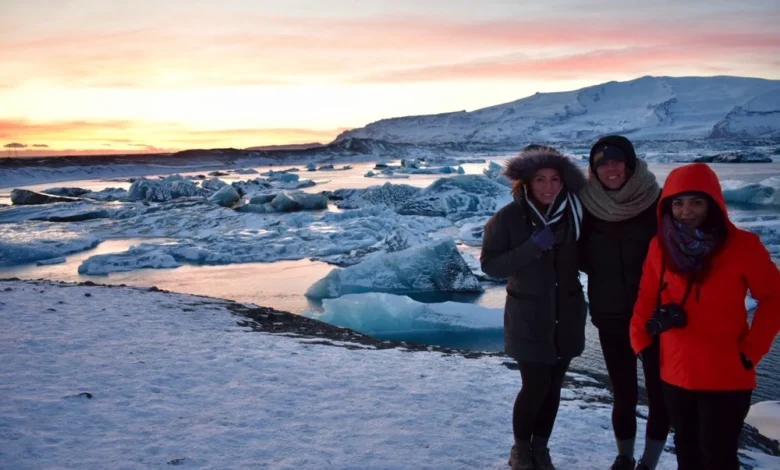
- The Ring Road (7–14 Days): This 1,332-kilometer route is the gold standard for independent exploration. It requires a minimum of one week to traverse safely, though 10 to 14 days is suggested to allow for spontaneous detours to geological features like the Jökulsárlón Glacier Lagoon or the remote reaches of the Eastfjords.
- The South Coast (3–5 Days): Ideal for those with limited time, this route offers the highest concentration of accessible waterfalls (Seljalandsfoss and Skógafoss) and black-sand beaches (Reynisfjara). It is the most heavily trafficked route and, consequently, the most susceptible to congestion during summer months.
- The Golden Circle and Snæfellsnes Peninsula (2–4 Days): This route caters to those seeking a microcosm of the Icelandic experience. It combines the historical significance of Þingvellir National Park with the diverse volcanic landscapes of the Snæfellsnes Peninsula, often referred to as "Iceland in Miniature."
Official Stance and Safety Protocols
The Icelandic Transport Authority (Samgöngustofa) and the Icelandic Road and Coastal Administration (Vegagerðirinn) maintain a strict posture regarding road safety. Official responses from tourism boards consistently emphasize that the "freedom" of a rental car is balanced by the "responsibility" of the driver.
In response to the increasing number of accidents involving tourists unfamiliar with gravel surfaces, the government has mandated that all rental vehicles be equipped with specific safety information packets. These include instructions on how to handle the sudden transition from asphalt to gravel, which is a frequent cause of vehicle rollovers. Furthermore, the authorities emphasize that stopping on the shoulder of a road to capture photographs—a common tourist behavior—is illegal and presents a significant hazard on the narrow, high-speed stretches of Route 1.

Broader Impact and Future Outlook
The shift toward a kilometer-based charging system serves as a broader bellwether for the future of global tourism in ecologically sensitive regions. By quantifying the wear and tear on infrastructure, Iceland is attempting to manage the impact of mass tourism while ensuring that the revenue generated directly supports the maintenance of these remote routes.
For the traveler, the implications are clear: the era of "spontaneous" driving in Iceland is evolving into a more structured, budget-conscious, and safety-oriented endeavor. While the logistical requirements have increased, the benefit of the self-drive model remains unparalleled. It provides the only viable means of accessing the interior of the country on one’s own terms, allowing for a depth of engagement with the landscape that is simply not possible through organized, fixed-itinerary coach tours.
Ultimately, a successful Icelandic road trip is defined by preparation. By monitoring weather forecasts via official channels, securing comprehensive insurance, and accounting for the new road usage fees, visitors can navigate the country’s rugged terrain with confidence. The landscape of Iceland is one that rewards patience and respect for the elements; those who plan accordingly will find that the flexibility of a rental car remains the most effective way to experience the North Atlantic’s most enigmatic island.