The landscape of Florentine hospitality is undergoing a subtle yet significant evolution. While Florence has long been celebrated as an epicenter of Renaissance art, architectural heritage, and vibrant urban culture, travelers visiting the Tuscan capital have traditionally been confined to bustling city-center accommodations. However, the hospitality sector is witnessing a growing demand for properties that bridge the gap between immersive cultural exploration and secluded, restorative retreat. Entering this arena is Borgo Pignano Florence, a 15th-century historic villa that recently opened its doors in the prestigious Via Bolognese residential corridor, offering a completely reimagined perspective on the destination.
Main Facts and Architectural Heritage
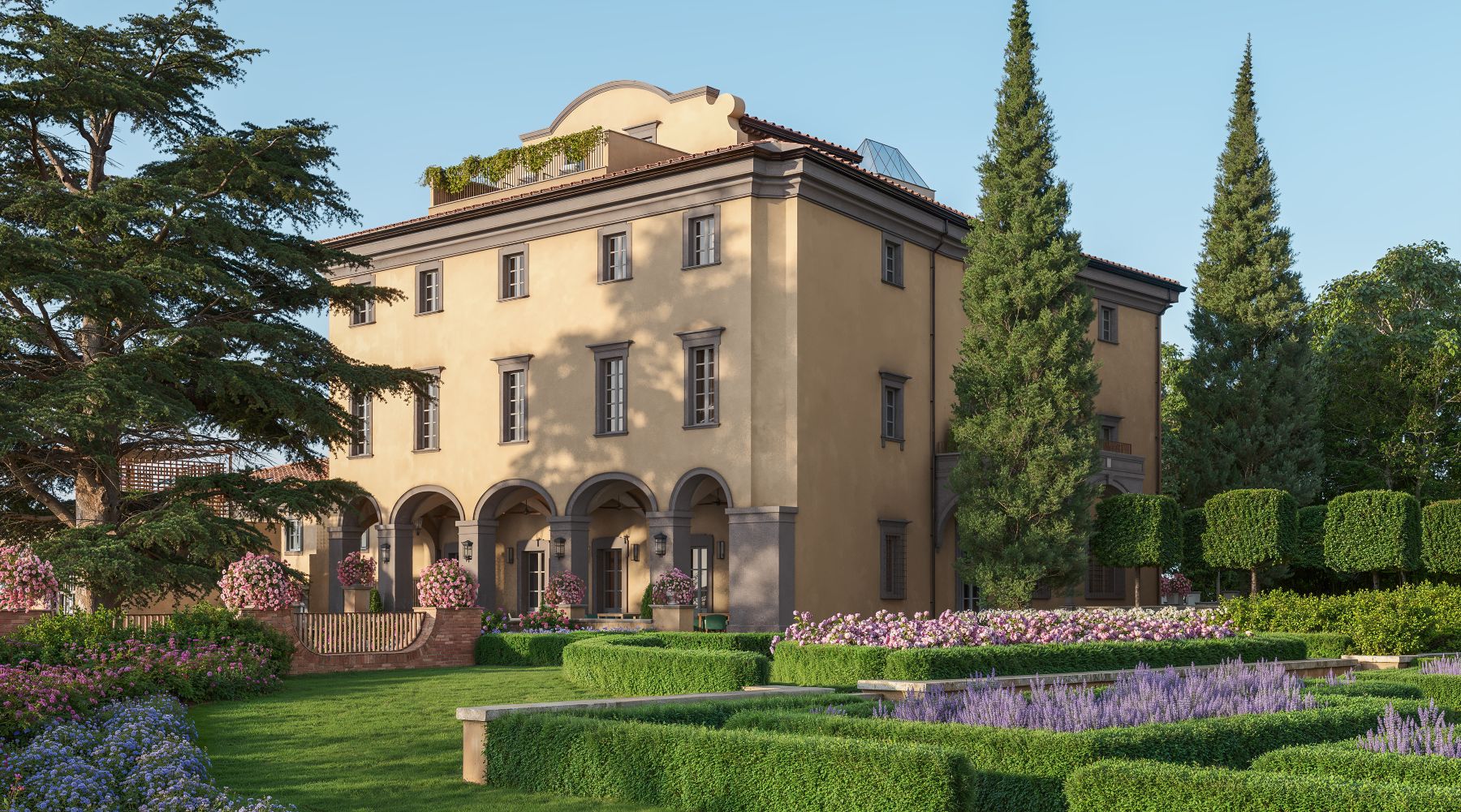
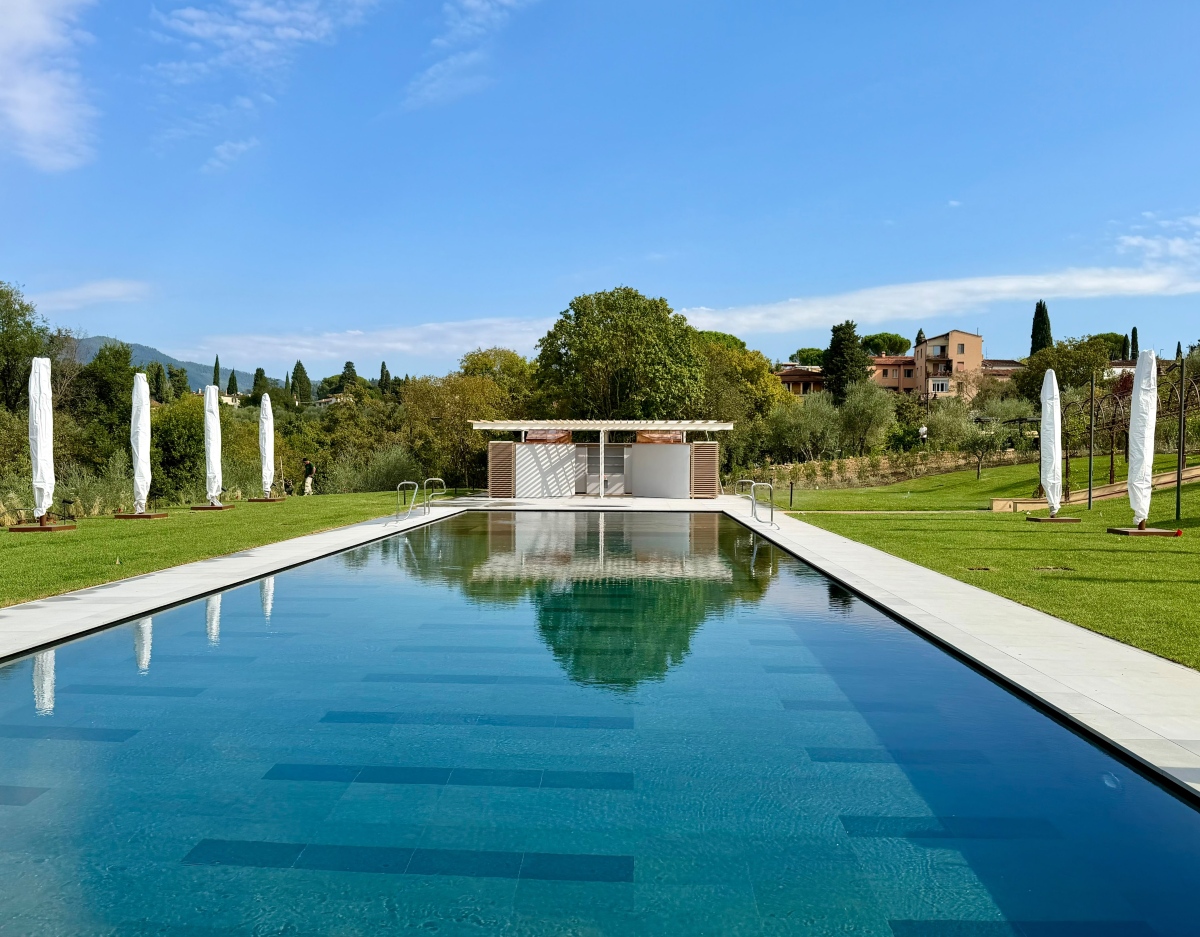
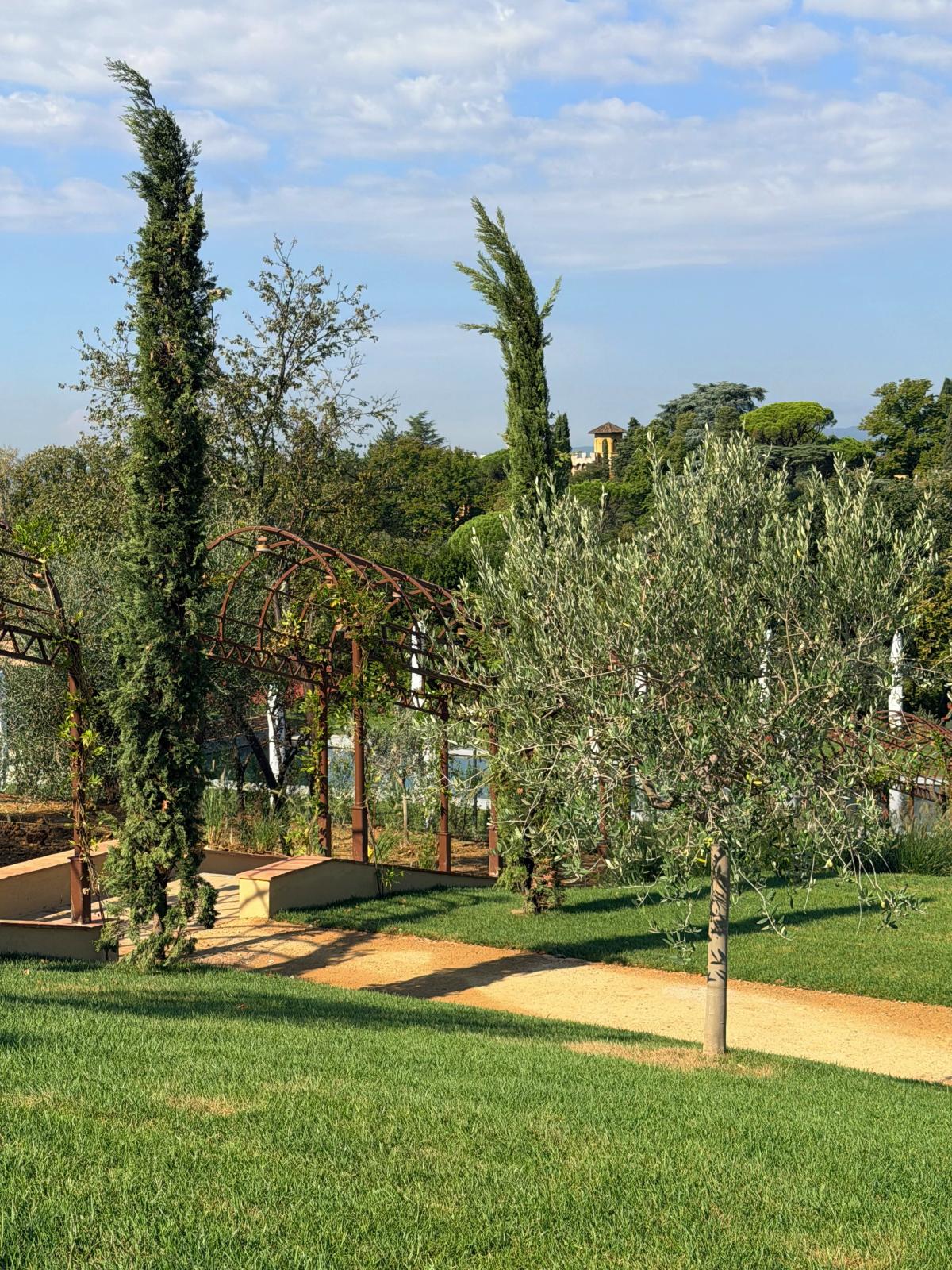
Situated along the ancient historical route connecting Florence to Bologna, Borgo Pignano Florence redefines the concept of urban lodging. The property spans an impressive five-hectare expanse of meticulously landscaped gardens, woods, and olive groves, making it one of the largest private green spaces integrated into a Florentine hotel setting. At the heart of the estate lies a 30-meter heated swimming pool—recognized as the largest pool within the city limits—complemented by an intimate wellness spa, a state-of-the-art fitness center, and a poolside café.
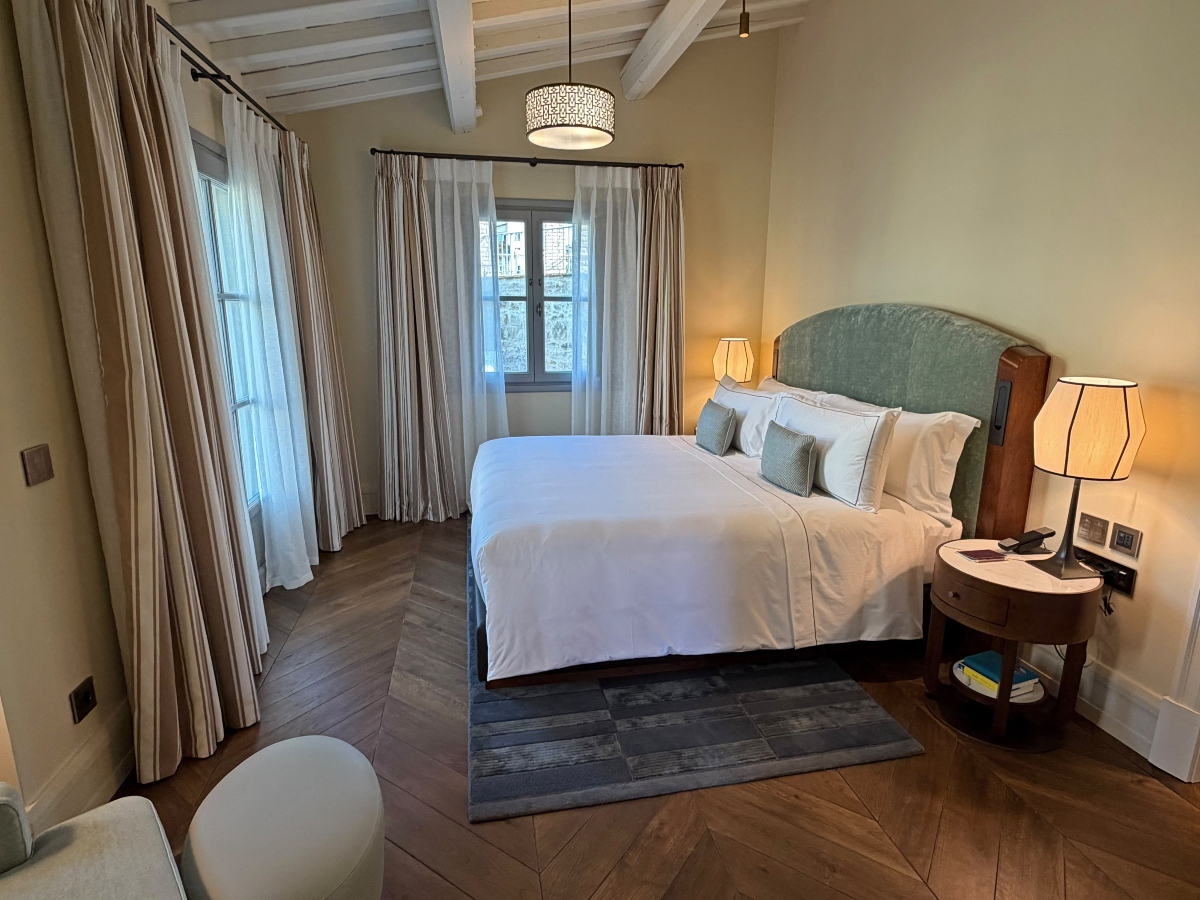
The property comprises a carefully curated collection of just 32 distinct guest rooms, ensuring an atmosphere of exclusivity and quiet sophistication. The historical pedigree of the estate is profound, having previously served as the residence of notable historical figures such as Marchese Carlo Ginori, founder of the renowned Doccia porcelain factory, and Giorgio Emo di Capodilista, a distinguished military commander from the First World War. Today, these historic bones have been thoughtfully adapted for contemporary luxury travelers, blending 15th-century architectural elements with modern comforts, custom textiles, and understated interior design.
Chronology of Expansion and Brand Evolution
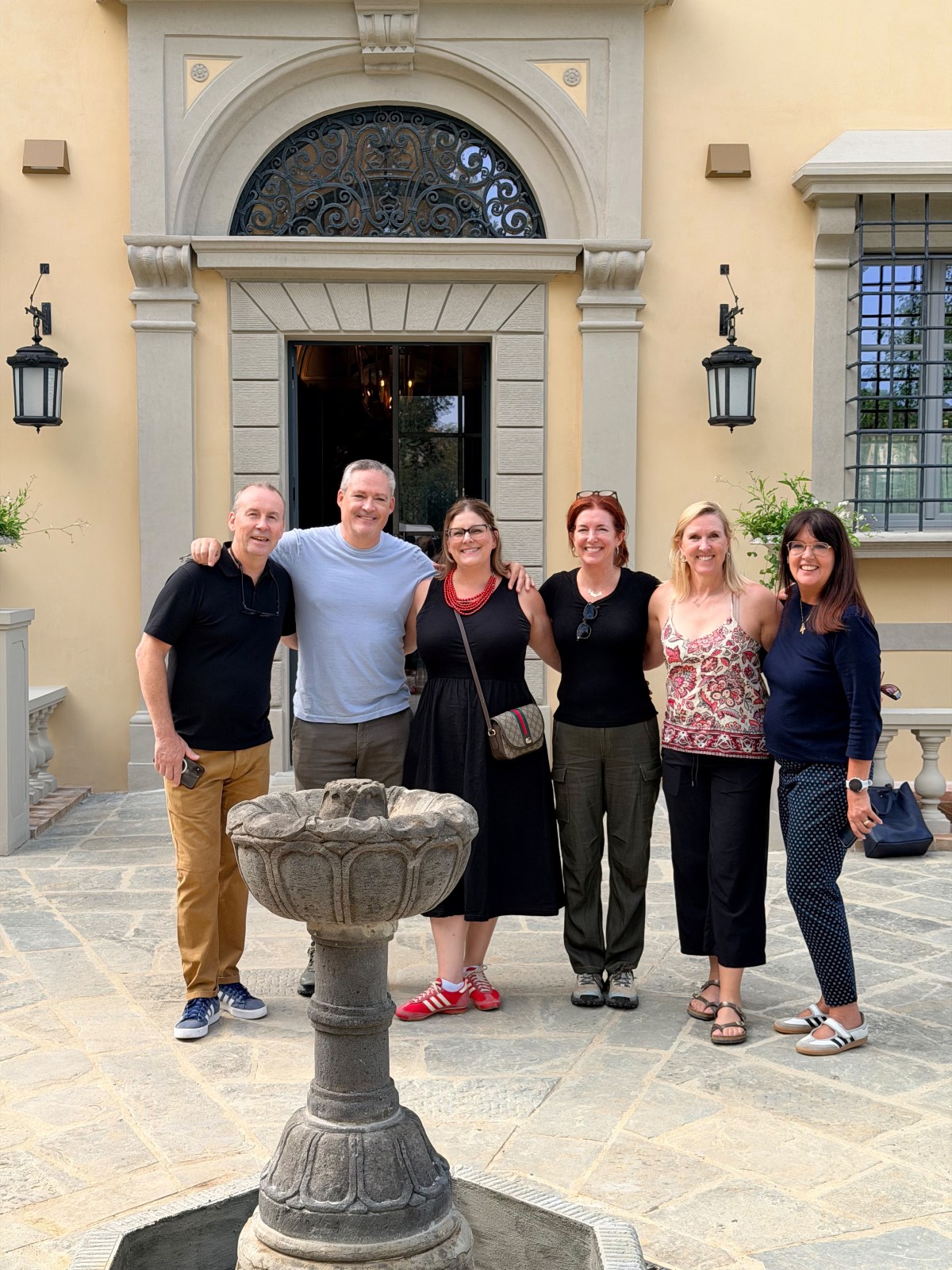
The debut of the Florence property marks a strategic expansion for the Borgo Pignano brand, whose original rural estate in Volterra has spent over a decade establishing a benchmark for Tuscan farm-to-stay hospitality. For years, luxury travel advisors—including executives and specialists from the family travel network Ciao Bambino—have championed the Volterra property as a premier countryside base for exploring Siena, San Gimignano, and the broader Chianti Classico region.
The conceptual development of Borgo Pignano Florence began with a commitment to translate the serene, agrarian-rooted ethos of the Volterra estate into an urban context. Following an extensive restoration period, the property welcomed its inaugural guests during a soft-opening phase, positioning itself as a strategic companion to the countryside location. Following its initial operational phase and a planned seasonal closure for the early months of the year, the property is slated to operate year-round, offering travelers a dual-destination itinerary that unites rural Tuscan heritage with metropolitan culture.
Gastronomic Philosophy and Artisanal Sourcing
A cornerstone of the Borgo Pignano experience is its rigorous commitment to farm-to-table gastronomy and local artisanship. The culinary program is heavily influenced by the culinary direction of Chef Stefano Cavallini, who previously earned a Green Michelin Star at the Volterra sister property for sustainable practices.
The Florence location maintains a direct pipeline to the agricultural yields of the Volterra estate. Ingredients such as organic eggs, artisanal honey, estate-pressed olive oil, locally cured meats, and four distinct house-labeled wines are regularly transported from the countryside farm to the tables of the Florentine villa. This localized supply chain extends beyond the dining room into the property’s wellness offerings. The estate’s spa utilizes bath and beauty formulations crafted in an internal herbal laboratory in Volterra, employing essential oils derived from estate-grown flora. Furthermore, the property is distinguished as the sole wellness facility in Italy to feature botanical treatments developed in partnership with Sisley’s neuroscience-backed Neuraé line.
Market Implications and Traveler Demographics
The introduction of Borgo Pignano Florence arrives at a time when major European cultural capitals are increasingly grappling with overtourism, urban density, and seasonal heatwaves. Destinations like Florence face mounting pressure to distribute tourism more evenly across peripheral neighborhoods and encourage longer, more deliberate stays.
Industry analysts note that properties situated just outside the immediate ZTL (restricted traffic zone)—yet within a ten-minute transit of landmarks such as Piazza della Repubblica—satisfy a distinct market demand. Borgo Pignano specifically caters to sophisticated travelers, multi-generational families with older children, and couples seeking a slower, more balanced pace of travel. By offering extensive outdoor facilities, sensory gardens, and secluded spaces, the property encourages visitors to divide their time between active cultural sightseeing and restorative leisure.

Broader Economic and Tourism Impact
The establishment of luxury residential retreats on the periphery of historic city centers signals a broader shift in high-end European travel trends. Wealth-driven tourism is moving away from high-density, hyper-centralized accommodations toward properties that offer privacy, environmental sustainability, and holistic wellness infrastructure.
Furthermore, the synergistic branding model demonstrated by the Borgo Pignano group—linking an urban boutique presence with a sprawling agricultural estate—highlights a growing consumer preference for vertically integrated hospitality experiences. Guests are increasingly eager to understand the provenance of the food they consume and the products they use, favoring brands that maintain transparent, localized supply chains.
As Florence continues to navigate the complexities of modern tourism management, the success of properties like Borgo Pignano Florence may well serve as a blueprint for future urban-rural hospitality models across Italy. By offering an alternative vantage point from which to experience the city—one rooted in architectural preservation, expansive green space, and artisanal integrity—the estate provides a compelling framework for the future of sustainable luxury travel in Tuscany.
Related posts: