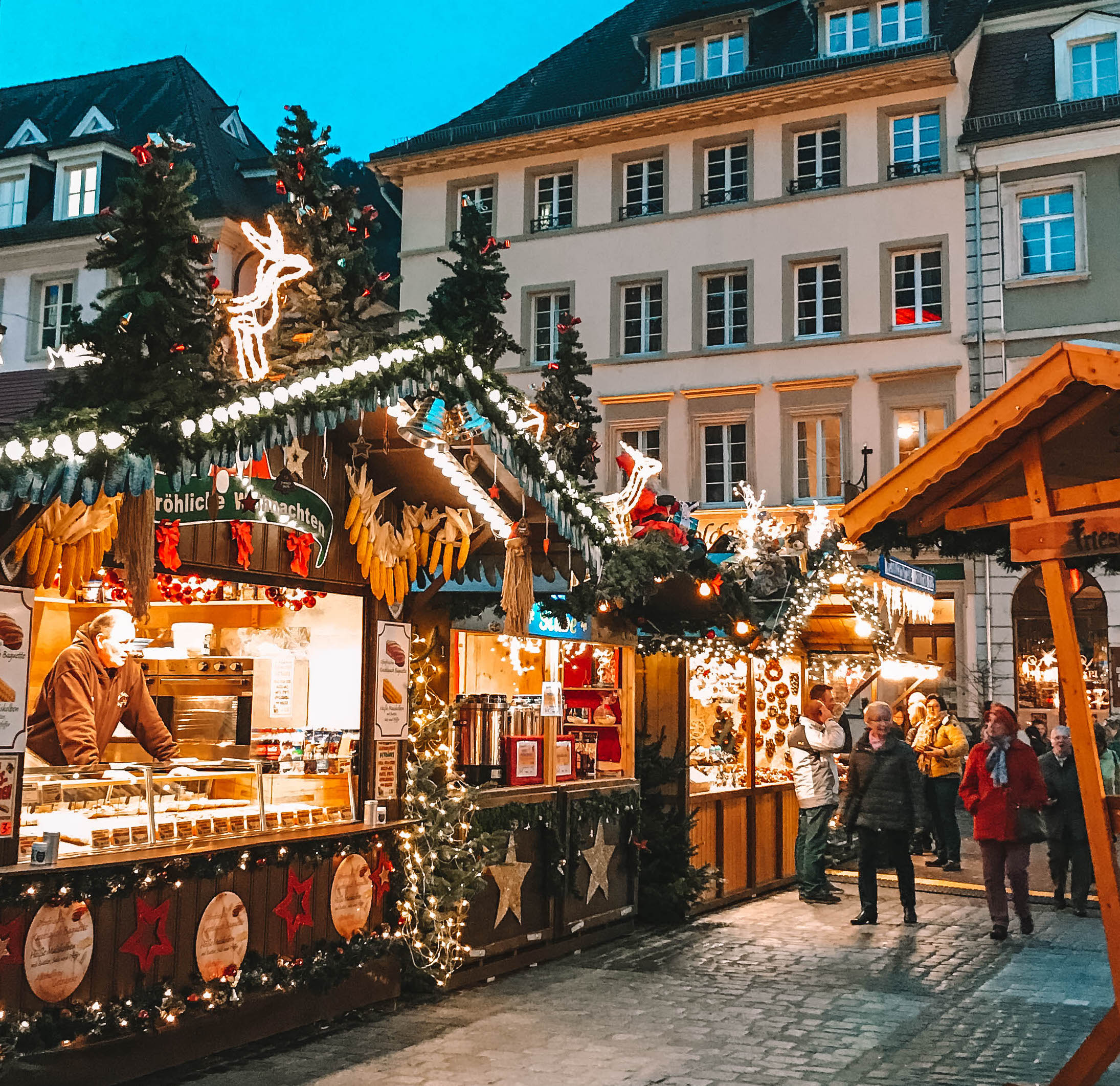
The Heidelberg Christmas market, known locally as the Weihnachtsmarkt, remains one of Germany’s most significant cultural touchstones, drawing thousands of international and domestic visitors annually to the Baden-Württemberg region. Spanning across the city’s historic Altstadt, the market is defined by its integration into the existing urban landscape, utilizing the medieval architecture and the iconic backdrop of Heidelberg Castle to create an immersive seasonal experience. For the 2026 season, the market is scheduled to operate from November 23 through December 22, 2026, with select areas extending their activities through New Year’s Day, January 1, 2027.

Historical Context and Cultural Significance
The tradition of the Christmas market in Germany dates back to the late Middle Ages, originally serving as a practical venue for citizens to stock up on supplies for the harsh winter months. Over the centuries, these gatherings evolved into festive hubs centered on local craftsmanship, regional gastronomy, and community cohesion. Heidelberg’s version of this tradition leverages the city’s status as a historic university town. By hosting stalls across five distinct public squares—Bismarckplatz, Anatomiegarten, Universitätsplatz, Marktplatz, and Kornmarkt—the city ensures that the economic and social impact of the event is distributed throughout the central pedestrian zone, Hauptstrasse.
Operational Logistics and 2026 Scheduling
City officials and event organizers have confirmed that the core market operations will maintain standard hours to facilitate tourism and local engagement. The official operating schedule is set for Sunday through Friday, from 11:00 AM to 9:00 PM, and Saturdays, from 11:00 AM to 10:00 PM.

A notable aspect of the 2026 programming is the "Winterwäldchen" (Winter Woods) at Kornmarkt, which serves as a secondary attraction alongside the market at Bismarckplatz. These specific locations are slated to remain operational until January 1, 2027. The extension of these sites is a strategic effort by the local tourism board to capitalize on post-holiday foot traffic, providing an alternative to the closure of primary markets immediately following Christmas Day. Visitors are advised, however, that operating hours for December 24 and December 25 are subject to local labor regulations and church-related mandates, necessitating verification closer to the dates.

Architectural and Structural Integration
The layout of the Heidelberg market is distinct due to its linear nature along the Hauptstrasse. Unlike centralized markets in larger metropolitan areas like Cologne or Munich, the Heidelberg market functions as a series of connected experiences. Each square offers a different theme or specialization. For instance, the ice rink at Karlsplatz, often described as one of the most picturesque in the country, sits directly beneath the ruins of the 17th-century castle.

The decision to relocate the market away from the immediate castle grounds in recent years was a result of ecological and heritage preservation efforts. Research indicated that the intensity of the market activities, particularly the noise and light pollution, negatively impacted the local bat populations and the structural integrity of the site. Consequently, the move to the town squares has been widely regarded as a successful compromise, maintaining the aesthetic appeal while protecting the historical monument.

Economic and Gastronomic Impact
The market is a significant economic driver for the city’s hospitality and retail sectors. Local merchants and independent artisans rely on the four-week period to bolster annual revenue. The offerings are strictly regulated to maintain the "traditional" standard, emphasizing regional products such as Lebkuchen (gingerbread), artisanal wooden ornaments, and locally sourced Glühwein.

From a data-driven perspective, the consumption of traditional food items like Bratwurst, Frikadella, and roasted nuts serves as a primary metric for local market success. The integration of "Feuerzangenbowle"—a traditional alcoholic drink involving a rum-soaked sugar loaf set on fire—has become a signature attraction at the Universitätsplatz location, drawing crowds interested in the performance-based nature of the service.

Strategic Infrastructure and Transportation
Heidelberg’s urban planning facilitates high-volume transit during the market season. The primary entry point for most visitors is Bismarckplatz, which acts as the main hub for the city’s extensive tram and bus network. By centralizing the arrival point, the city manages the influx of tourists effectively. The walkability of the Hauptstrasse is a key selling point for the local tourism department, which promotes the city as a "pedestrian-first" destination. This layout allows for a seamless transition between the various markets, reducing the reliance on private vehicles and minimizing traffic congestion within the historic center.

Regional Connectivity and Broader Market Trends
The strategic location of Heidelberg within the Rhine-Neckar Metropolitan Region allows it to serve as a gateway for travelers visiting broader European Christmas markets. Its proximity to transport links makes it a common stop for those moving between the French Alsace region (specifically Strasbourg and Colmar) and other major German hubs like Frankfurt or Stuttgart.

Industry analysis suggests that visitors to Heidelberg often engage in a "multi-market" itinerary. The availability of high-speed rail connections makes it feasible for tourists to visit the Stift Neuburg Market at the nearby monastery—a smaller, more intimate setting—before returning to the city center. This network effect reinforces the region’s status as a premier destination for European cultural tourism during the fourth quarter.

Official Guidelines and Visitor Recommendations
To maximize the visitor experience, local authorities emphasize the importance of early planning, particularly regarding accommodation. The Altstadt contains several historic hotels, such as the Hotel Ritter, which are highly sought after during the market season. Due to the high density of visitors, the city recommends utilizing public transportation over private parking, as space in the historic center is limited and strictly regulated.

For those interested in the artisanal aspects of the market, the Käthe Wohlfahrt store serves as a year-round fixture, though it experiences peak demand during the Christmas season. The store’s presence, alongside temporary stalls, provides a comprehensive retail experience that ranges from mass-produced souvenirs to authentic, hand-carved German folk art.

Socio-Cultural Implications
The endurance of the Heidelberg Christmas market reflects a broader societal trend in Germany toward the preservation of "Heimat" (homeland/identity) through traditional seasonal events. Despite the modernization of the retail sector and the rise of e-commerce, the physical market remains a vital site for social interaction. It acts as a public living room where residents and tourists converge, reinforcing the city’s identity as a cultural and intellectual hub.

Furthermore, the emphasis on local, non-industrialized production within the market stalls helps to preserve vanishing crafts. The presence of woodcarvers, glassblowers, and local food producers ensures that the event remains distinct from globalized holiday retail, maintaining the authenticity that is central to its appeal.

Conclusion and Future Outlook
As the 2026 season approaches, the focus for Heidelberg remains on balancing the demands of high-volume tourism with the preservation of its historical character. The city’s ability to sustain its market across five different squares while managing ecological and traffic concerns serves as a model for other historic European towns. Whether for the gastronomic offerings, the artisanal crafts, or the unique visual experience of the illuminated castle and cobbled streets, the Heidelberg Christmas market continues to be a central pillar of the region’s winter identity. Visitors are encouraged to monitor official city communications as the season nears for any specific updates regarding health, safety, or logistical adjustments.