Unveiling the Hidden Heart of Italy: E-Bike Tourism and Sustainable Development in the Lazio Region

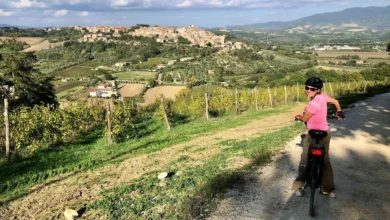
The Lazio region, long overshadowed by the immense global gravity of Rome, is currently undergoing a strategic transformation aimed at decentralizing tourism and promoting sustainable exploration. Supported by funding from the Lazio Regional government and executed through the Thybris River Experience project, a new series of guided e-bike itineraries has been developed to draw visitors toward the Tiber River valley, the Tuscia and Teverina districts, and the coastal fringes of Ostia Antica. This initiative represents a concerted effort to shift the economic benefits of tourism from the capital city into the surrounding rural municipalities, fostering a model of travel that emphasizes environmental preservation, local heritage, and community-led commerce.
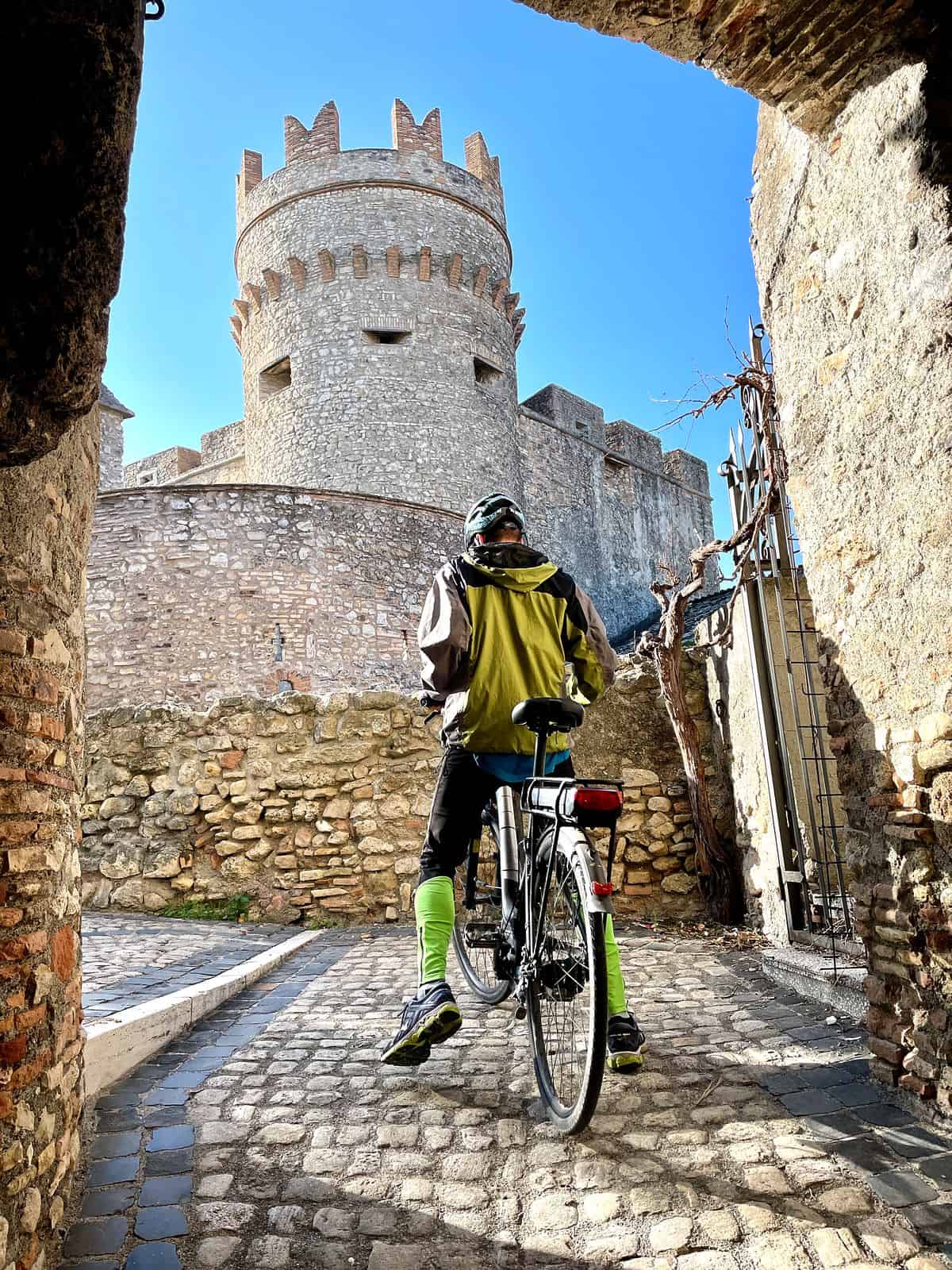
The geographical focus of these itineraries spans three distinct zones, all situated within an hour’s train ride from the center of Rome. By utilizing e-bikes as the primary mode of transport, the initiative aims to minimize the carbon footprint of regional tourism while allowing travelers to navigate the varied, often steep terrain of Italy’s central hill towns.
Historical Context and Regional Significance

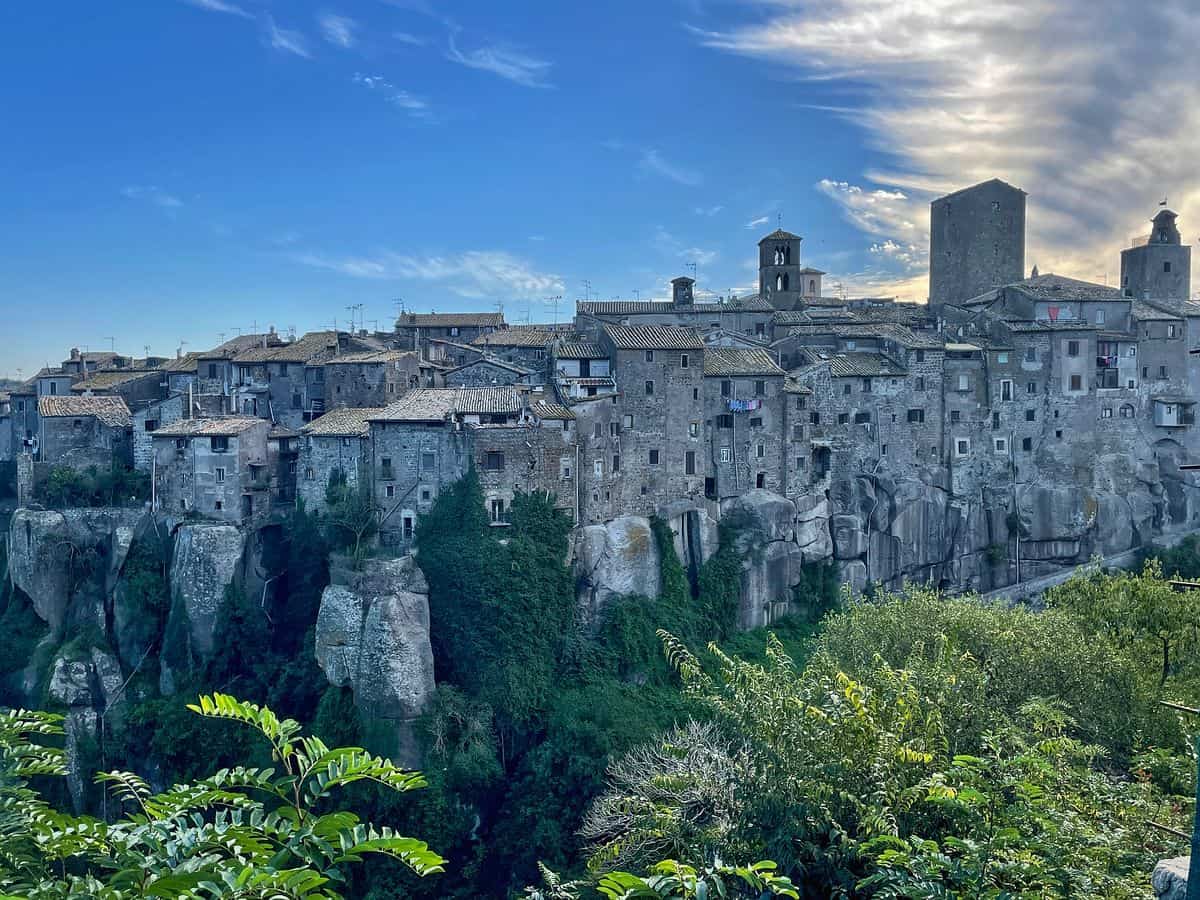
Lazio serves as a unique cultural bridge between the Etruscan-influenced landscapes of Tuscany to the north and the Bourbon-influenced provinces of the south. The etymological root of the region’s name, derived from the Latin latus or "wide," reflects its historical role as a sprawling, expansive territory surrounding the capital. Despite this, many of the region’s medieval hill towns—such as Vitorchiano, Civitella d’Agliano, and Nazzano—have remained largely untouched by the mass tourism that defines Florence or Venice.
The development of these routes began in 2022 as a collaborative effort involving professional guides, local artisans, and environmental conservationists. The goal is to create a "slow travel" infrastructure that supports the local economy. Statistics from the Italian National Institute of Statistics (ISTAT) have historically shown that tourism expenditure in Lazio is heavily concentrated in the Metropolitan City of Rome, with rural districts receiving only a fraction of this revenue. By creating multi-day, customizable itineraries, stakeholders hope to increase the average length of stay in these peripheral towns, thereby generating sustainable revenue for local vineyards, restored villas, and small-scale farms.

Tuscia and Teverina: The Intersection of History and Sustainability

The northern district of Tuscia provides a case study in integrating sustainable business practices with cultural tourism. At the Trebotti winery, for example, the operation serves as a prototype for modern environmental stewardship. The winery has implemented a self-regulating air circulation system to reduce energy consumption and exclusively utilizes indigenous grape varieties suited to the volcanic soil. This commitment to the land reflects a broader trend in Italian viticulture, where organic certification is increasingly viewed not as a niche marketing tactic, but as a long-term strategy for land preservation.

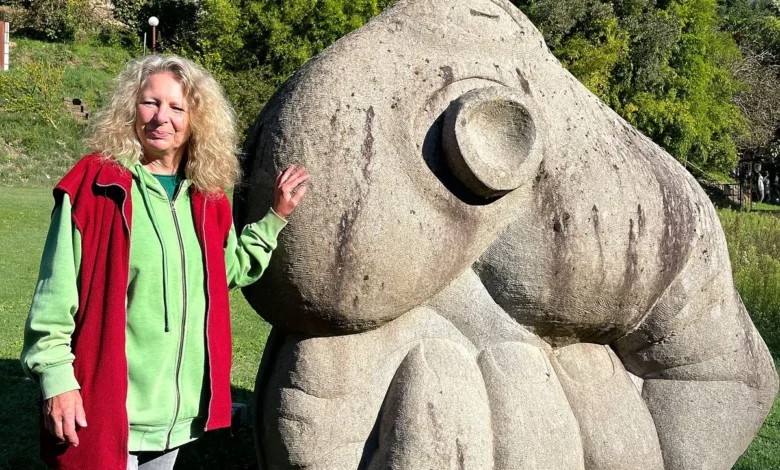
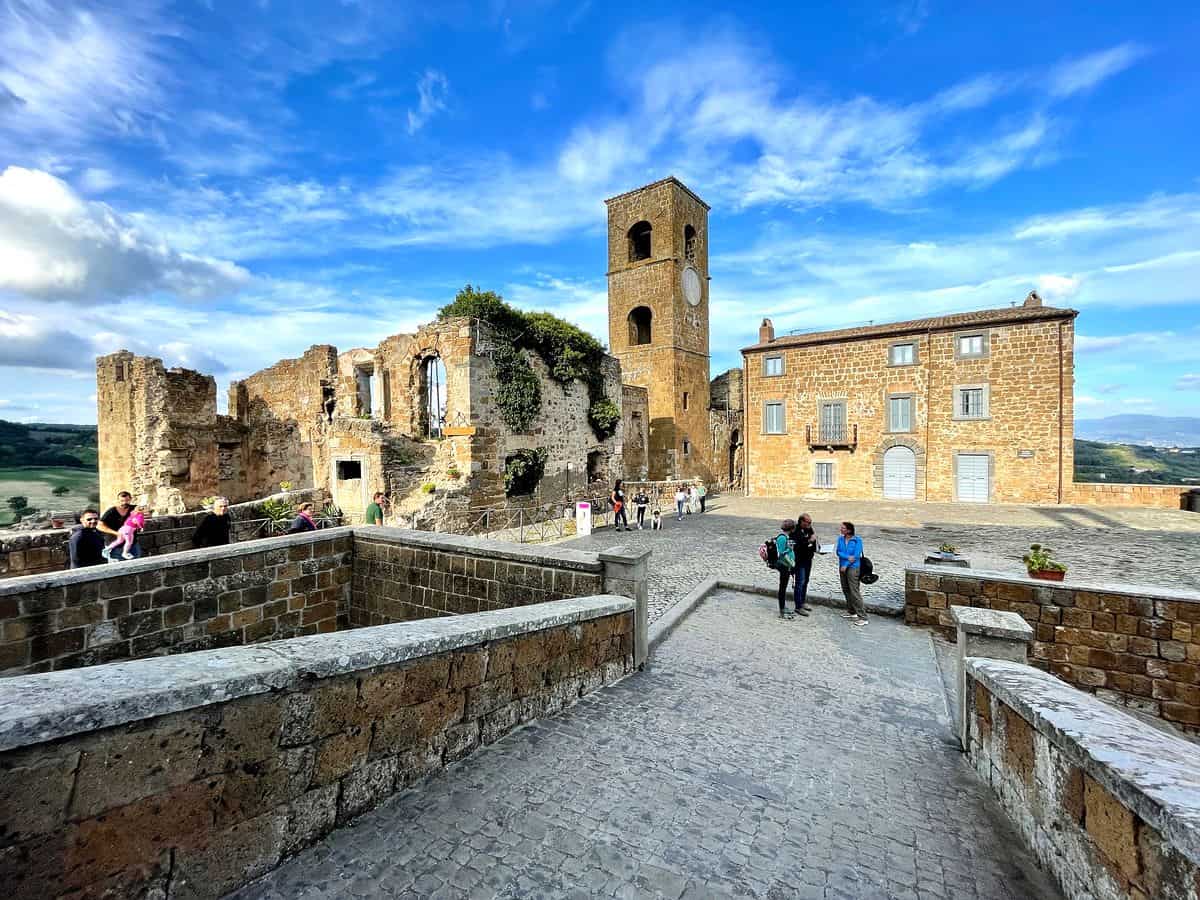
Nearby, the La Serpara sculpture garden and the historical exhibits in the "Ghost Town" of Celleno illustrate the region’s focus on cultural regeneration. Celleno, which was largely abandoned in the mid-20th century following seismic activity and landslides, has been repurposed as an open-air museum. The preservation of these sites serves a dual purpose: it protects the architectural integrity of medieval structures and provides an educational platform for understanding the history of the 20th-century Italian countryside.

Tevere-Farfa: Ecological Conservation and the Tiber River

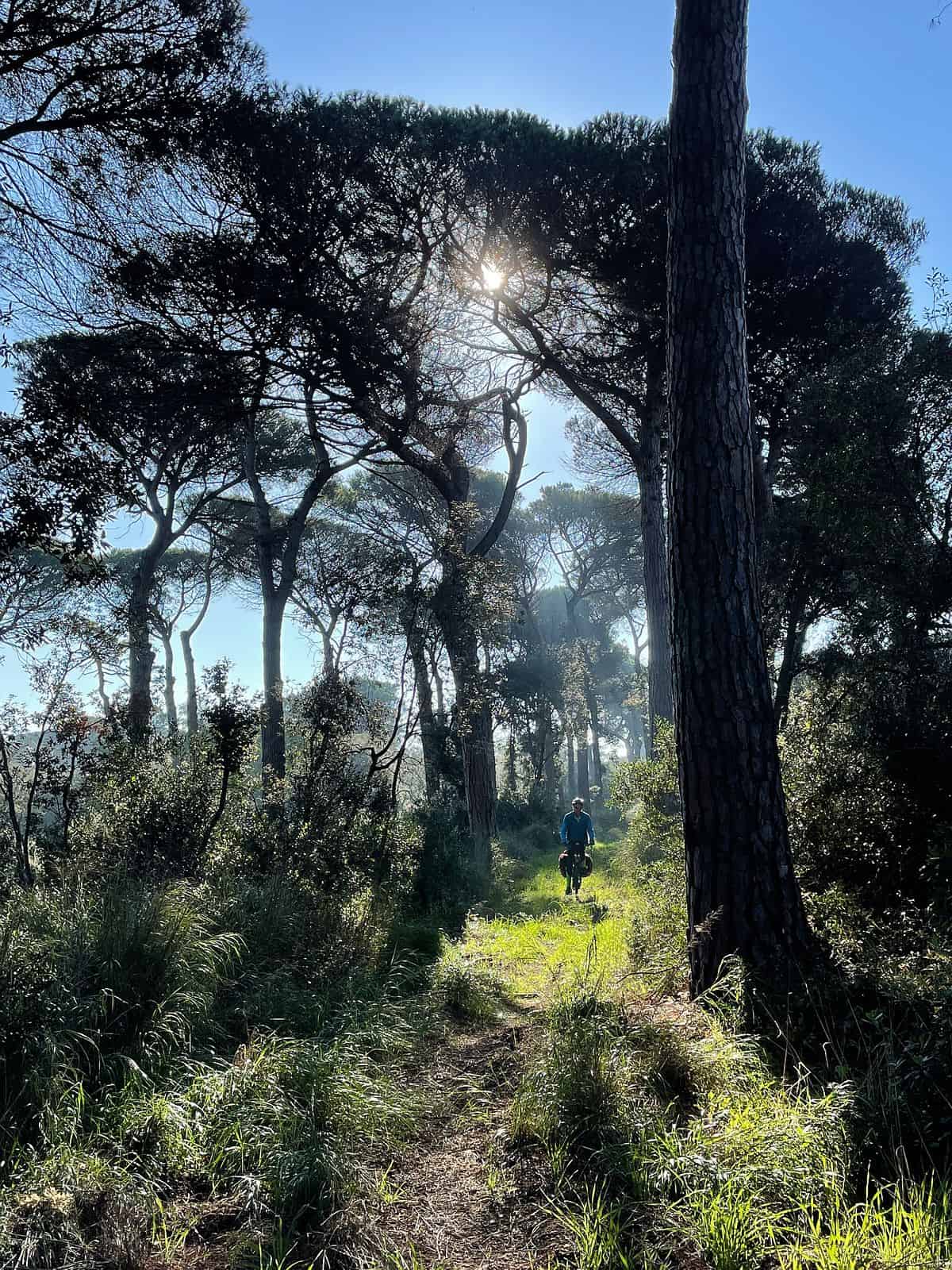
Further south, the Tevere-Farfa Natural Reserve represents the region’s commitment to biodiversity. Established as the first protected area in Lazio, the reserve plays a vital role in the migratory patterns of birds and the protection of riparian habitats. Recent data from local environmental groups suggests that controlled, low-impact tourism—such as kayaking and cycling—can coexist with ecological restoration efforts.

The inclusion of sites like the Bunker Soratte, a massive subterranean complex used during World War II and later as a Cold War nuclear fallout shelter, provides a sobering counterpoint to the pastoral nature of the river valley. The bunker’s history, from its construction by Mussolini’s engineers to its occupation by Nazi forces and its eventual role in NATO’s situation monitoring, offers a complex view of the 20th-century European experience. The preservation of this site allows for a nuanced historical education, distinct from the classical antiquity usually associated with the Rome region.

The Rome Peripheral: Ostia Antica and the Archaeological Gateway

The final segment of the development project focuses on the archaeological gateways of the Roman Empire: Ostia Antica and Portus. While the Colosseum and the Roman Forum receive millions of visitors annually, the archaeological site of Ostia Antica offers a rare, high-density view of daily life in the ancient world, including intact mosaics, street food stalls, and multi-story housing units known as insulae.

The nearby Imperial Harbours of Claudius and Trajan, now situated kilometers from the current coastline due to centuries of alluvial sedimentation, provide critical insight into Rome’s maritime supply chains. The preservation of the Necropolis of Portus serves to highlight the social stratification of the Roman Empire, as burial practices for the wealthy elite differed sharply from those of the laborers and tradesmen who serviced the port.
Implications and Future Projections

The shift toward organized, guided e-bike tourism in Lazio marks a significant pivot in Italian regional development policy. By framing these itineraries around the concepts of sustainability and "regenerative tourism," the Lazio Region is positioning itself to cater to an increasingly conscious demographic of travelers who seek to avoid the overcrowding of major hubs.

Local officials and project organizers, including members of the Thybris River Experience, argue that this model is replicable. The emphasis on local guides and community-owned accommodation ensures that the economic impact remains within the towns themselves. However, the success of these itineraries will depend on the continued maintenance of cycling infrastructure and the ability of these small communities to scale their hospitality services without losing the authentic, uncrowded character that currently defines the region.

The broader implications for Italian tourism are noteworthy. If successful, the Lazio model could influence other Italian regions to adopt similar decentralized strategies. As Italy faces the pressures of "over-tourism," the diversification of the travel experience into the peripheral zones of its major cities may prove to be the most viable solution for the long-term preservation of both its natural landscapes and its historical integrity. By connecting the dots between the Roman past and the sustainable future, the Lazio region is providing a blueprint for the evolution of the Italian tourism industry in the 21st century.