
eSIM Data Plans: Staying Connected Abroad

Navigating international travel in the modern era increasingly relies on uninterrupted digital connectivity. For decades, voyagers embarking on European adventures depended on traditional physical subscriber identity module (SIM) cards to secure mobile data. However, the telecommunications landscape has undergone a profound shift with the widespread adoption of embedded electronic SIMs, commonly known as eSIMs. This technology enables tourists to connect directly to European mobile networks digitally, bypassing the physical card slot entirely.
Understanding the mechanics, financial implications, and operational nuances of prepaid eSIM data plans has become essential for modern globetrotters. This comprehensive analysis explores the current market offerings, economic comparisons against domestic carrier plans, technical requirements, and strategic recommendations for maximizing mobile connectivity across the European continent.

The Imperative of Mobile Data in Modern Europe
The argument of whether international travelers require mobile data in Europe has shifted from a matter of convenience to a practical necessity. Contemporary European infrastructure relies heavily on digital integration. Essential travel functions—ranging from paperless train tickets and digital event passes to QR-code restaurant menus and real-time public transit tracking—demand reliable, high-speed internet access.

While public Wi-Fi networks exist in major metropolitan areas, relying on them presents significant security vulnerabilities and coverage gaps. Ridesharing applications like Uber, digital payment platforms at dining establishments, and interactive navigation tools all require continuous cellular data streams. Consequently, securing a robust mobile data plan prior to departure has transitioned into a fundamental step of travel preparation.
Economic Comparison: Third-Party eSIMs Versus Domestic Carriers
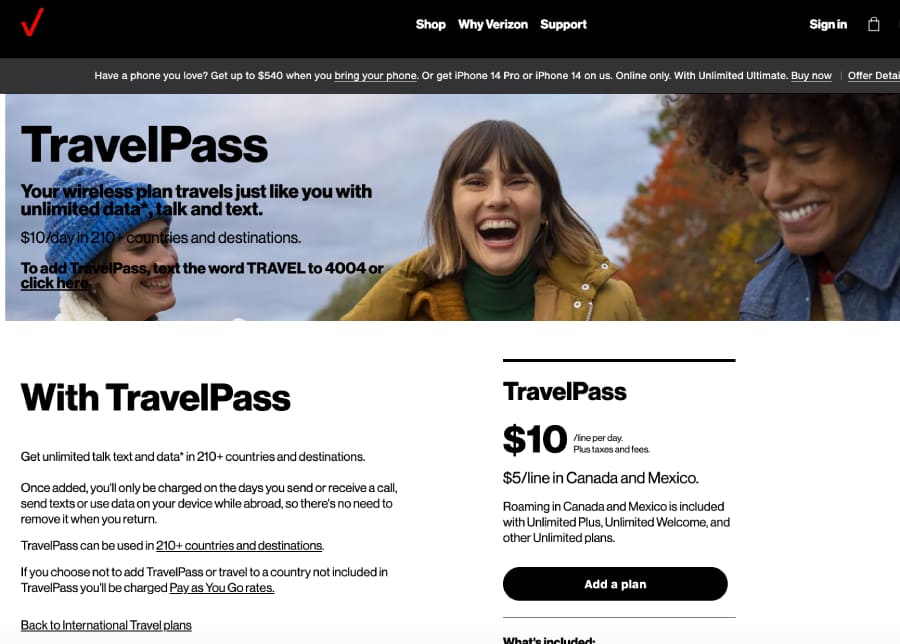
Travelers departing from North America, Australia, and other non-European regions frequently encounter domestic mobile providers offering international roaming packages. Major carriers such as AT&T, Verizon, and T-Mobile provide daily pass options or international add-ons, but these alternatives often introduce severe economic and performance drawbacks.
For example, US-based carriers typically charge standard daily rates of approximately $10 for international day passes, which can accumulate rapidly over a multi-week itinerary. Alternatively, monthly international plans often feature restrictive high-speed data caps—frequently limited to 2GB to 6GB—before imposing exorbitant overage fees or throttling connection speeds down to sluggish 2G networks. T-Mobile users often receive complimentary international data, but speeds are frequently restricted after a baseline threshold, making basic tasks like loading navigation maps or processing emails exceptionally difficult unless premium tiers are purchased.

In contrast, prepaid third-party eSIM data plans offered by specialized providers present a markedly more cost-effective alternative. These digital plans typically average between $2 and $5 per day, translating to savings of up to 80% compared to traditional domestic roaming fees while delivering unthrottled high-speed connectivity.
Leading European eSIM Providers and Data Packages
The European Union’s regulatory framework, which outlawed mobile data roaming fees within member states, allows travelers to purchase a single regional data plan and use it seamlessly across multiple borders. However, service quality depends heavily on the underlying network infrastructure. Industry experts recommend utilizing plans backed by major European telecommunications giants to ensure optimal network coverage and data speeds.
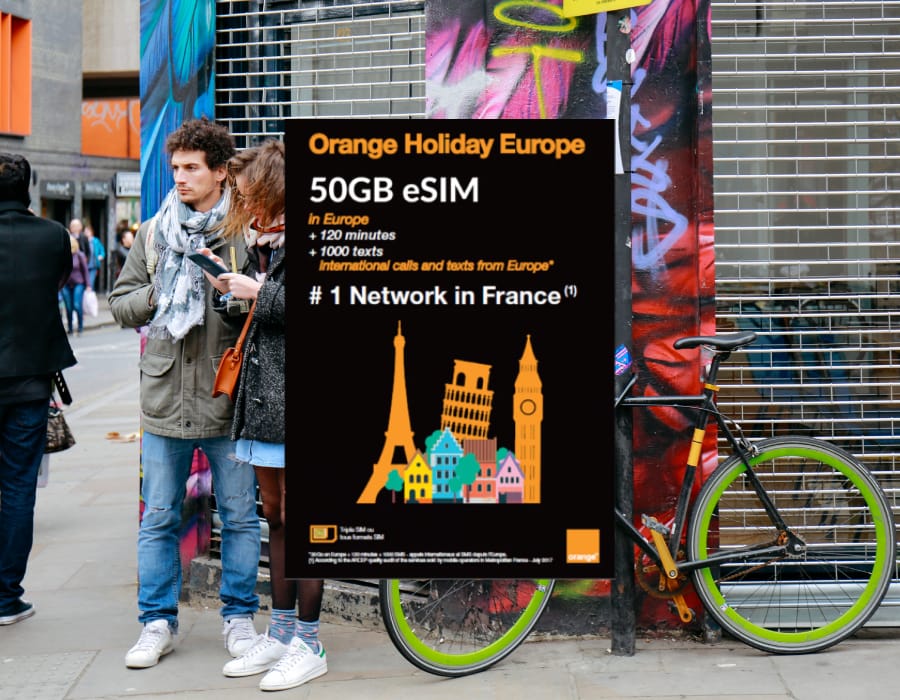
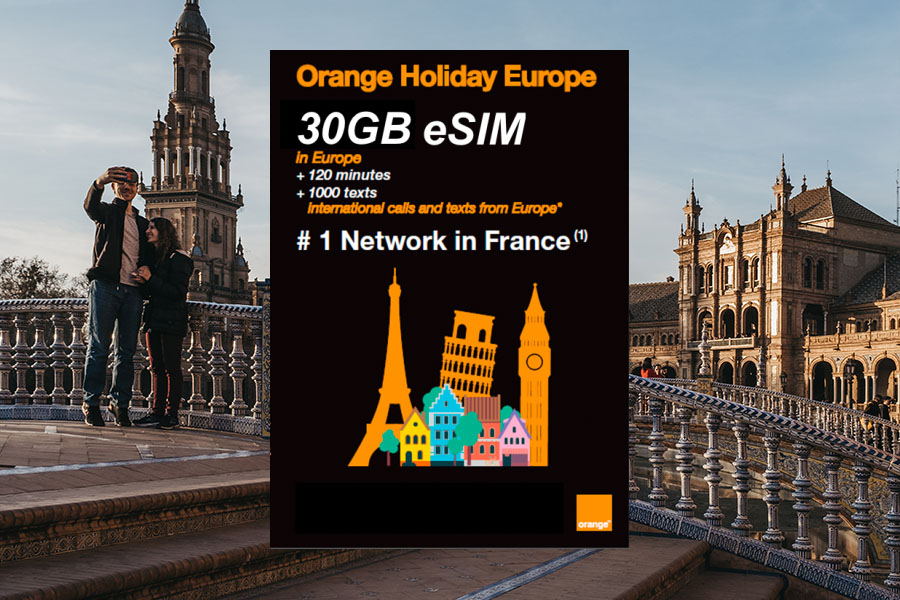
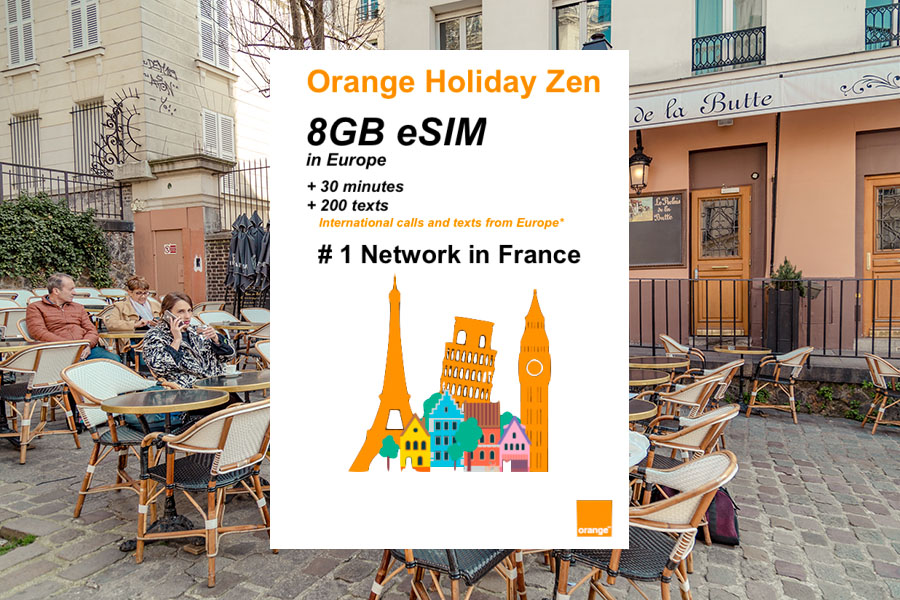
Orange Holiday Europe eSIM (30GB and 50GB Variants)
Operated by Orange, one of Europe’s largest telecommunications conglomerates, the Orange Holiday Europe eSIM series is widely regarded as a premier option for high-usage travelers. The 30GB plan, priced competitively, operates on a 14-day validity period and includes international voice calling and text capabilities via an assigned French phone number usable throughout Europe. For extended journeys or heavier data demands, the expanded 50GB and newer 70GB variants extend the validity window to 28 days while maintaining mobile hotspot capabilities and comprehensive European coverage.

Holafly Unlimited Data eSIM
For travelers prioritizing absolute data freedom without tracking consumption limits, Holafly offers customizable regional and country-specific eSIM plans ranging from 1 to 90 days. Operating on major local networks, Holafly plans feature unlimited high-speed data, eliminating the risk of unexpected overages. This makes it an attractive choice for digital nomads and heavy data consumers, though users should review specific terms regarding mobile hotspot sharing on unlimited plans.
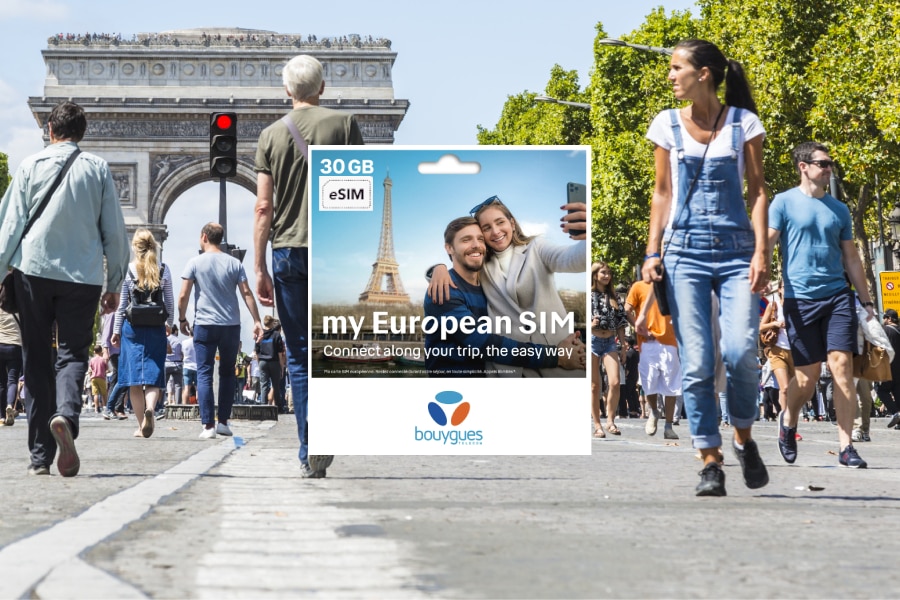
Bouygues My European eSIM
Bouygues Telecom, a major French telecommunications provider, offers a competitive prepaid eSIM package tailored for European travel. The plan provides 30GB of high-speed data coupled with unlimited calls within Europe, structured around a 30-day validity window. This extended timeline suits travelers undertaking longer itineraries across multiple European nations.
Smart Comfort X and Regional Alternatives
Budget-conscious travelers requiring modest data allocations often turn to international data-only eSIMs such as the Smart Comfort X plan. Providing a baseline data allowance without traditional voice minutes or SMS capabilities, these plans rely on partner networks across individual countries—such as Bouygues in France, O2 in Germany, and Telefónica in Spain. While economical, users must rely on internet-based messaging applications like WhatsApp or Apple iMessage for communication.
Technical Specifications: Compatibility and Dual-SIM Functionality
The transition toward digital SIM architecture has accelerated significantly. Apple’s removal of the physical SIM tray in United States iPhone models beginning with the iPhone 14 series underscores the industry-wide trajectory toward eSIM-only hardware. Virtually all mainstream smartphones manufactured since 2019—including recent iPhone, Google Pixel, and Samsung Galaxy iterations—support dual-SIM functionality.
This technological capability allows users to maintain their domestic physical SIM card active for incoming security texts, two-factor authentication prompts, and banking alerts, while simultaneously operating a digital eSIM for local European data. Furthermore, modern devices frequently permit the storage of multiple eSIM profiles simultaneously, streamlining transitions between different international regions.
Activation Protocol and Best Practices
Implementing an eSIM data plan involves a straightforward digital procedure:

- Acquisition: Purchase the desired data plan online prior to departure to ensure network access upon landing.
- Installation: Scan the QR code provided via email while connected to a stable internet connection, or utilize the carrier’s dedicated mobile application. For devices running recent operating systems such as iOS 17.4 and later, automatic installation features further simplify the setup process.
- Timing Activation: Refrain from fully activating the data validity countdown until arriving at the international destination, as most prepaid plans initiate their active window immediately upon connection to a foreign network.
- Device Readiness: Ensure the smartphone is officially unlocked by the domestic carrier prior to international travel, preventing software locks from interfering with foreign network recognition.
Geographic Considerations and Special Cases
While EU regulations ensure seamless cross-border data roaming, non-EU members require specific attention. Switzerland and the United Kingdom operate outside standard EU roaming mandates under certain carrier agreements. Travelers visiting Switzerland should verify whether specific budget eSIM plans include Swiss coverage, as select regional offerings exclude non-EU territories.

Conclusion
The evolution of mobile telecommunications has rendered physical SIM card acquisition largely obsolete for international tourists. By leveraging prepaid European eSIM data plans, travelers secure immediate, high-speed connectivity at a fraction of traditional carrier roaming costs. Through careful selection of reputable regional providers, verification of device compatibility, and adherence to proper activation timing, voyagers can ensure a seamless digital experience throughout their European travels.