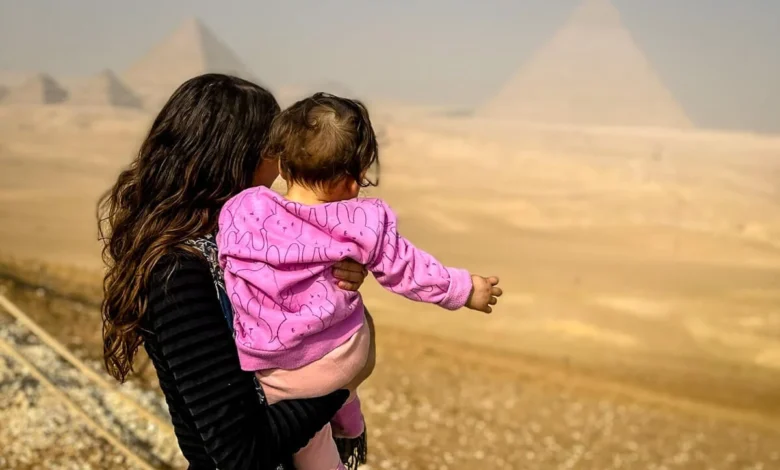
Exploring the cradle of civilization with an infant may initially strike many parents as an overwhelming logistical challenge. However, for adventurous families, Egypt offers a rich tapestry of history and culture that remains accessible with meticulous planning. A two-week itinerary through Cairo, Aswan, and Luxor provides a comprehensive look at the country’s ancient wonders while allowing for the necessary downtime required when traveling with a nine-month-old child.

Strategic Planning and Arrival Protocols
The cornerstone of a successful trip to Egypt with an infant is early preparation, particularly regarding entry requirements. Travelers from eligible nations, including the United States and most European countries, are advised to secure an e-Visa prior to departure to bypass the lengthy queues at Cairo International Airport. Upon arrival, the logistical reality of navigating a major metropolis with a baby begins with secure transportation.

While the airport is crowded with local drivers offering transport, industry experts and seasoned travelers recommend utilizing the official taxi desk located outside the baggage claim. These services provide pre-registered, fixed-price transfers, eliminating the need for high-pressure negotiations. For families prioritizing safety and convenience, pre-booked private transfer services are increasingly popular, offering the assurance of pre-installed, age-appropriate car seats—a critical consideration given that seatbelt compliance in local taxis is inconsistent.

Regional Accommodations and Family-Friendly Infrastructure
Choosing the right base of operations is essential for maintaining a stable routine. In Cairo, the Maadi district is frequently cited as a preferred location for families and expatriate residents due to its abundance of green spaces, quieter streets, and proximity to the Nile Corniche. While many apartments in this area are equipped with air conditioning, visitors should be aware that heating facilities are less common, requiring families to pack appropriate clothing for cooler winter evenings.

In the south, specifically in Aswan, the shift toward boutique guesthouses on Elephant Island offers a more immersive cultural experience. These properties, often family-run, provide a quieter environment compared to the bustling mainland. For those seeking the infrastructure of larger international chains, the Movenpick Resort or the historic Sofitel Legend Old Cataract provide higher levels of service, including baby-specific amenities like cribs and high chairs. Luxor follows a similar trend, where five-star resort properties such as the Steigenberger Resort Achti offer reliable standards of cleanliness and food safety, which is paramount when traveling with an infant.

Navigating the Historical Landscape
A well-structured itinerary is the key to balancing sightseeing with the needs of an infant. A standard two-week trip can be effectively partitioned into four days in Cairo, three in Aswan, three in Luxor, and two in Hurghada.

Cairo serves as the primary gateway, offering a mix of Islamic history and modern urban life. The Citadel of Saladin, with its panoramic views of the city, and the historic Muizz Street, provide a dense, educational experience. However, the bustling nature of the Khan el-Khalili bazaar necessitates the use of a robust baby carrier, as the uneven, crowded streets are largely incompatible with standard strollers.

For the Giza Plateau, the most comfortable experience for a family involves timing visits during the cooler morning hours. Reservations at the 9 Pyramids Lounge offer a vantage point that allows parents to enjoy the site without the physical strain of walking the expansive, dusty grounds with a baby. While the interiors of the pyramids are iconic, the narrow, poorly ventilated, and steep passages are generally discouraged for families with infants.

The Nile Valley and Cultural Immersion
Traveling from Cairo to Aswan by air minimizes the fatigue associated with long-distance bus or train travel. Aswan provides a more relaxed pace. The Philae Temple, situated on an island and accessible only by boat, stands as a testament to the sophistication of ancient Egyptian engineering. The Aswan High Dam and the Unfinished Obelisk represent the modern and ancient industrial capacity of the region, though the latter often proves less impressive to visitors than the temple sites.
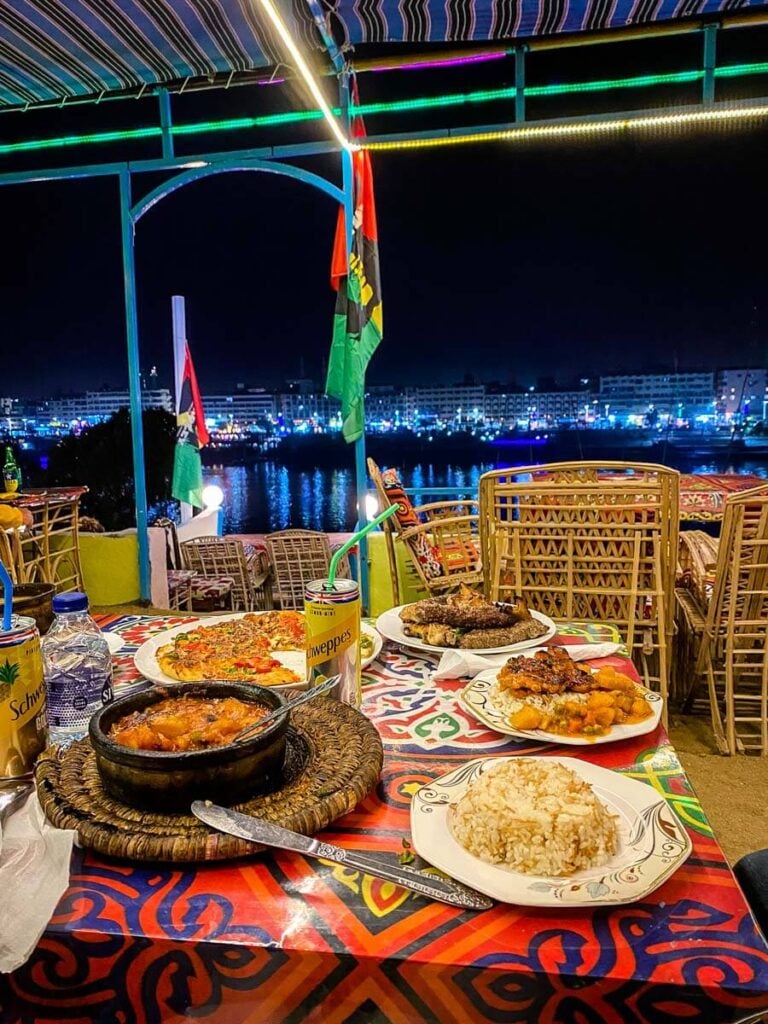
The journey north from Aswan to Luxor via private transfer allows for stops at the Temple of Kom Ombo and the Temple of Edfu. These sites are exceptionally well-preserved and provide a less crowded, more intimate viewing experience than the major sites in Giza.

In Luxor, the Valley of the Kings remains the highlight. While the heat can be intense, the tombs are a marvel of ancient artistry. Parents should note that while some sites are paved, others require navigating rocky paths, reinforcing the necessity of a high-quality, ergonomic baby carrier.

Safety, Health, and Logistics
The most critical safety advice for parents in Egypt involves water and food consumption. Adherence to the "boil it, cook it, peel it, or leave it" rule remains the industry standard for avoiding waterborne illnesses. In major cities, modern technology has simplified daily life; delivery applications like Talabat and grocery services like Breadfast provide rapid access to formula, diapers, and baby food, reducing the need to carry bulk supplies from home.

Traffic safety remains the most significant, albeit avoidable, hazard. It is common for local vehicles to lack functional rear seatbelts. It is therefore recommended that parents bring their own travel-ready car seat and insist on its proper installation. If a driver cannot provide a safe environment, travelers should feel empowered to reject the ride and seek an alternative.

Seasonal Considerations
The timing of the visit is a crucial variable in the overall success of the trip. The extreme heat of the Egyptian summer makes it unsuitable for infant travel. The ideal window for a family trip spans from mid-autumn to early spring. Travelers should also monitor the Islamic calendar, as the month of Ramadan can impact the availability of dining options outside of major hotels during daylight hours.

Broad Implications for Family Tourism
The trend of parents taking infants to historically significant but less traditional destinations reflects a broader shift in global tourism. Increased connectivity, better access to real-time local information, and the rise of remote work have allowed families to prioritize long-term, experiential travel over traditional, static resort vacations.

Egypt, with its deep historical roots and welcoming culture, has shown a significant capacity to accommodate this demographic. While the infrastructure in some areas is still developing to meet the needs of families, the warmth of the local population—who are often eager to interact with young children—complements the educational potential of the trip. By treating the logistics with the same rigor as an archaeological survey, families can successfully navigate the complexities of this ancient land, creating a foundation for a lifetime of exploration.

Summary of Recommendations
- Transportation: Prioritize private, pre-arranged transfers with verified, functional seatbelts.
- Gear: A high-quality baby carrier is essential; strollers are only functional in select modern malls and resorts.
- Health: Adhere strictly to bottled water for all consumption, including brushing teeth.
- Timing: Schedule site visits for early morning to avoid peak heat and to ensure the infant is well-rested.
- Accommodation: Opt for international hotel chains or highly-rated, family-friendly guesthouses to ensure consistent access to cribs and hygiene standards.
By maintaining a flexible schedule and prioritizing the infant’s routine, a family can experience the grandeur of the Pyramids and the serenity of the Nile without compromising on safety or comfort. The combination of ancient discovery and modern convenience ensures that Egypt remains a viable, albeit challenging, destination for the modern, adventurous family.