Navigating Global Travel Risk and Personal Responsibility in the Post-Pandemic Era

The decision to travel during a period of global health instability requires a departure from traditional vacation planning, shifting the focus from spontaneity to calculated risk management. As international borders fluctuate and health regulations evolve, the modern traveler must adopt a framework of informed decision-making, logistical flexibility, and heightened civic responsibility. Analyzing travel patterns from 2020 through the start of 2022 reveals that successful navigation of these challenges relies less on the elimination of all risk and more on the diligent assessment of regional health data, adherence to local mandates, and the implementation of adaptive itineraries.

Historical Context and the Shift in Travel Paradigms
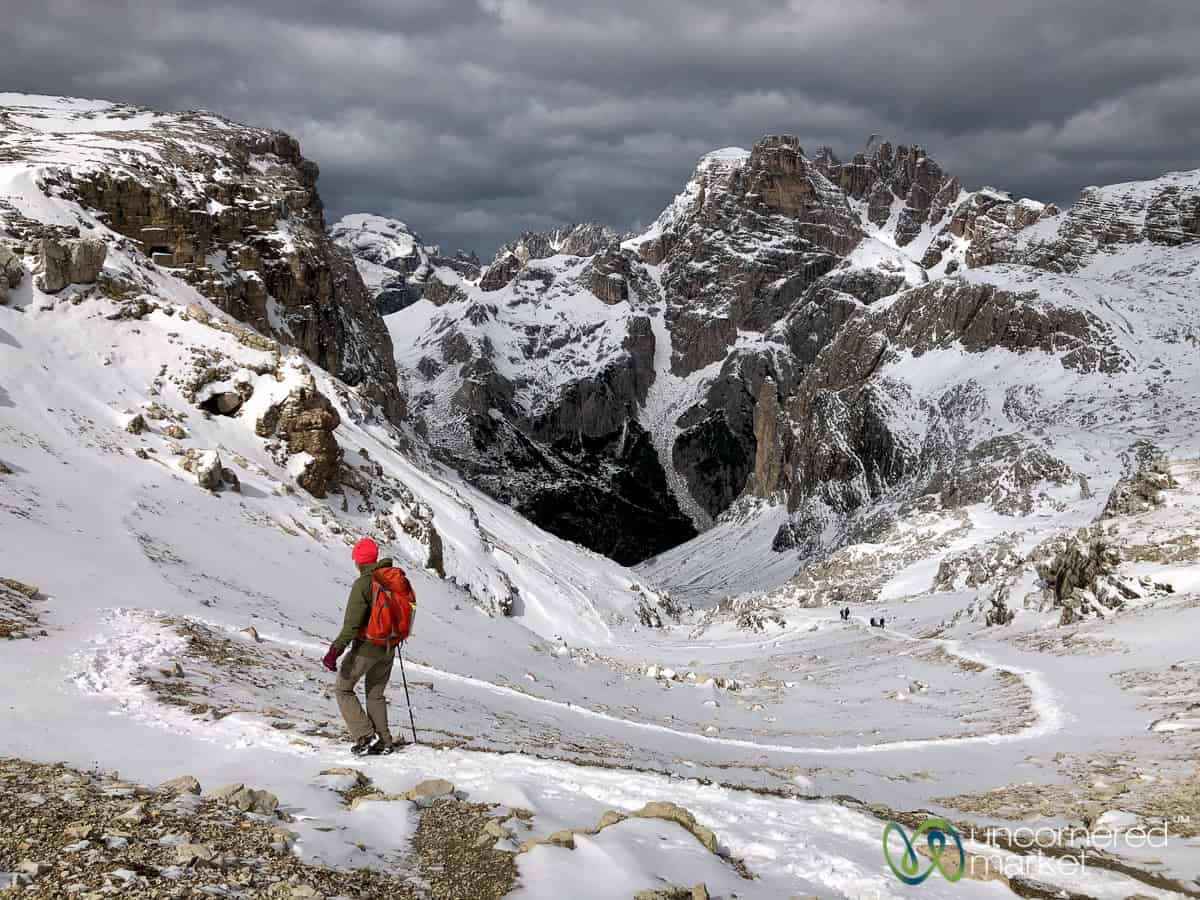
The onset of the COVID-19 pandemic in early 2020 forced a fundamental restructuring of the global tourism industry. Prior to the widespread availability of vaccines, travel was largely restricted, with many nations imposing mandatory 14-day quarantines and testing requirements. By late 2020, as some regions began to cautiously reopen, the focus for travelers shifted toward "low-density" tourism. This trend emphasized outdoor activities, rural exploration, and the prioritization of private over public transit.
Following the global rollout of vaccines in 2021, the landscape evolved again. The introduction of digital vaccination certificates and country-specific health passes—such as the EU Digital COVID Certificate—created a new layer of logistical complexity. Travelers were no longer just monitoring infection rates; they were required to navigate an array of rapidly changing entry requirements that varied not only by country but sometimes by province or state.

Strategic Planning and Risk Mitigation
Professional travel planning in the current climate involves a multi-tiered research approach. Travelers must consult official government portals, such as the U.S. State Department’s travel advisories or the European Centre for Disease Prevention and Control (ECDC), to assess the epidemiological status of a destination.
Data-driven travel planning includes three primary filters:

- Epidemiological Assessment: Analyzing local vaccination rates and the prevalence of active COVID-19 variants in the target destination.
- Regulatory Compliance: Understanding specific testing windows (e.g., PCR vs. antigen tests) and the validity period of vaccination records.
- Contingency Logistics: Securing flexible booking options that allow for cancellation or rescheduling without significant financial penalty.
The shift toward the "shoulder season"—the period between peak and off-peak travel times—has become a standard recommendation for risk-conscious travelers. By avoiding the high-volume crowds of mid-summer or major holidays, travelers minimize their exposure to enclosed indoor spaces and reduce the burden on local infrastructure, which may be operating with reduced staff due to health-related absences.
The Role of Localized Infrastructure and Transport
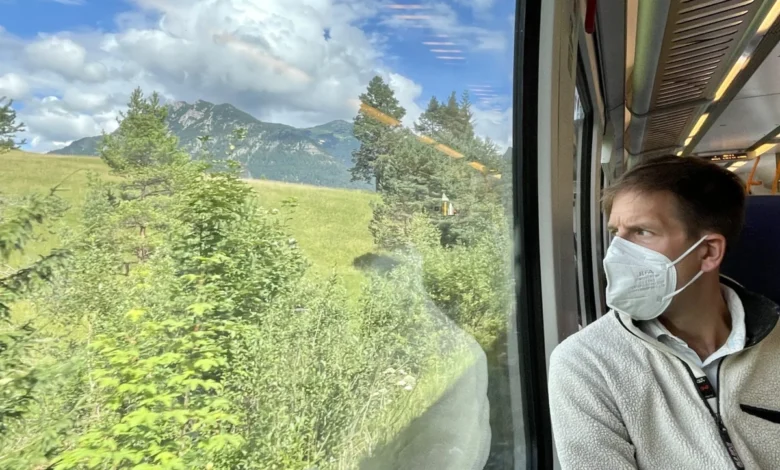
Transportation remains a critical factor in managing exposure. While public transit networks often mandate the use of medical-grade masks (such as FFP2 or N95 standards), the increased frequency of contact with varied groups of people creates a higher risk profile. Data suggests that private transportation, such as vehicle rentals, offers a higher degree of control over the traveler’s environment.
Furthermore, the economic impact of the pandemic on small, family-run enterprises cannot be overstated. Supporting local accommodations and independent businesses rather than large, multinational chains serves two purposes: it facilitates social distancing by avoiding crowded hotel lobbies and breakfast buffets, and it provides essential economic support to local communities that have been disproportionately affected by the decline in international tourism.
The Evolution of Hygiene Protocols
The concept of "hygiene theater"—the implementation of highly visible but potentially ineffective sanitation rituals—has been scrutinized by public health experts. While deep cleaning of surfaces is standard practice, current scientific consensus emphasizes that COVID-19 transmission is primarily airborne. Consequently, the most effective measures remain high-quality masking in indoor settings, adequate ventilation, and the avoidance of crowded, poorly ventilated environments.

Travelers are increasingly encouraged to adopt a "default to mask" policy. Even in jurisdictions where masking is no longer legally mandated, wearing a high-quality mask in airports, stations, and enclosed public spaces serves as a proactive defense. Furthermore, the practice of self-testing upon return from a trip has become a cornerstone of responsible travel, acting as a safeguard for the traveler’s home community.
Economic and Social Implications for the Tourism Sector
The tourism industry, which accounted for approximately 10.4% of global GDP in 2019, faced a contraction of nearly 50% in 2020, according to the World Travel & Tourism Council (WTTC). The implications of this downturn are still being felt. Small businesses in secondary cities and remote regions, which often lack the financial cushion of international conglomerates, have had to pivot their service models.

Many providers have moved toward direct booking systems to avoid the high commission rates charged by major online travel agencies (OTAs). This shift has a dual benefit: it allows for more direct communication between the host and the guest regarding current health protocols, and it ensures that a greater percentage of the traveler’s expenditure remains within the local economy.
Psychological Resilience and Managing Expectations
The unpredictable nature of pandemic-era travel requires a high level of psychological flexibility. The possibility of an itinerary being interrupted by local lockdowns, weather events, or sudden shifts in health policy is an inherent risk. Experienced travelers emphasize the importance of viewing these disruptions as part of the process rather than a failure of the trip.

A study on travel satisfaction during periods of high uncertainty suggests that those who enter a trip with a "flexible intent" report higher levels of satisfaction than those who maintain rigid expectations. This involves preparing for multiple scenarios—such as shifting from an urban-based itinerary to a rural one if infection rates spike—and maintaining a positive outlook even when external factors, such as weather or transit delays, impact the travel experience.
Final Assessment of Post-Pandemic Travel
Traveling in the wake of the COVID-19 pandemic is no longer a matter of simply purchasing a ticket and arriving at a destination. It is an exercise in resource management, civic duty, and informed risk assessment. The modern traveler must act as a steward of their own health and the health of the communities they visit.

By utilizing official data, prioritizing private and low-density activities, and maintaining a commitment to local support and ethical behavior, individuals can navigate the current global environment while minimizing risk. The long-term impact of these changes may well lead to a more sustainable and conscious form of tourism, where the emphasis is placed on the quality of the experience and the integrity of the interaction between the traveler and the host destination.
Ultimately, the primary lesson for travelers in this era is that flexibility is not merely a convenience—it is a prerequisite for travel. By acknowledging the limits of control and remaining committed to the safety of the collective, the travel sector can continue to facilitate cultural exchange even amidst the challenges posed by an evolving global health landscape. As the world continues to move through different phases of the pandemic, the integration of these responsible, research-based travel habits will likely remain the standard for the foreseeable future.
Related posts: