A Comprehensive Review of the White Elephant Nantucket: Redefining New England Autumn Hospitality

The shift in seasonal tourism across coastal New England has prompted a reevaluation of traditional summer destinations, with properties like the White Elephant on Nantucket leading a strategic pivot toward shoulder-season travel. Long celebrated as a quintessential warm-weather sanctuary, Nantucket is increasingly recognized for its October appeal, characterized by milder maritime weather, diminished visitor density, and a more deliberate pace of island life. Against this backdrop, the White Elephant Nantucket—a cornerstone of the island’s luxury hospitality sector operated by White Elephant Resorts—presents a compelling case study in how heritage properties can capture year-round clientele without compromising the classic architectural and cultural integrity that defines the region.
Main Facts and Property Overview
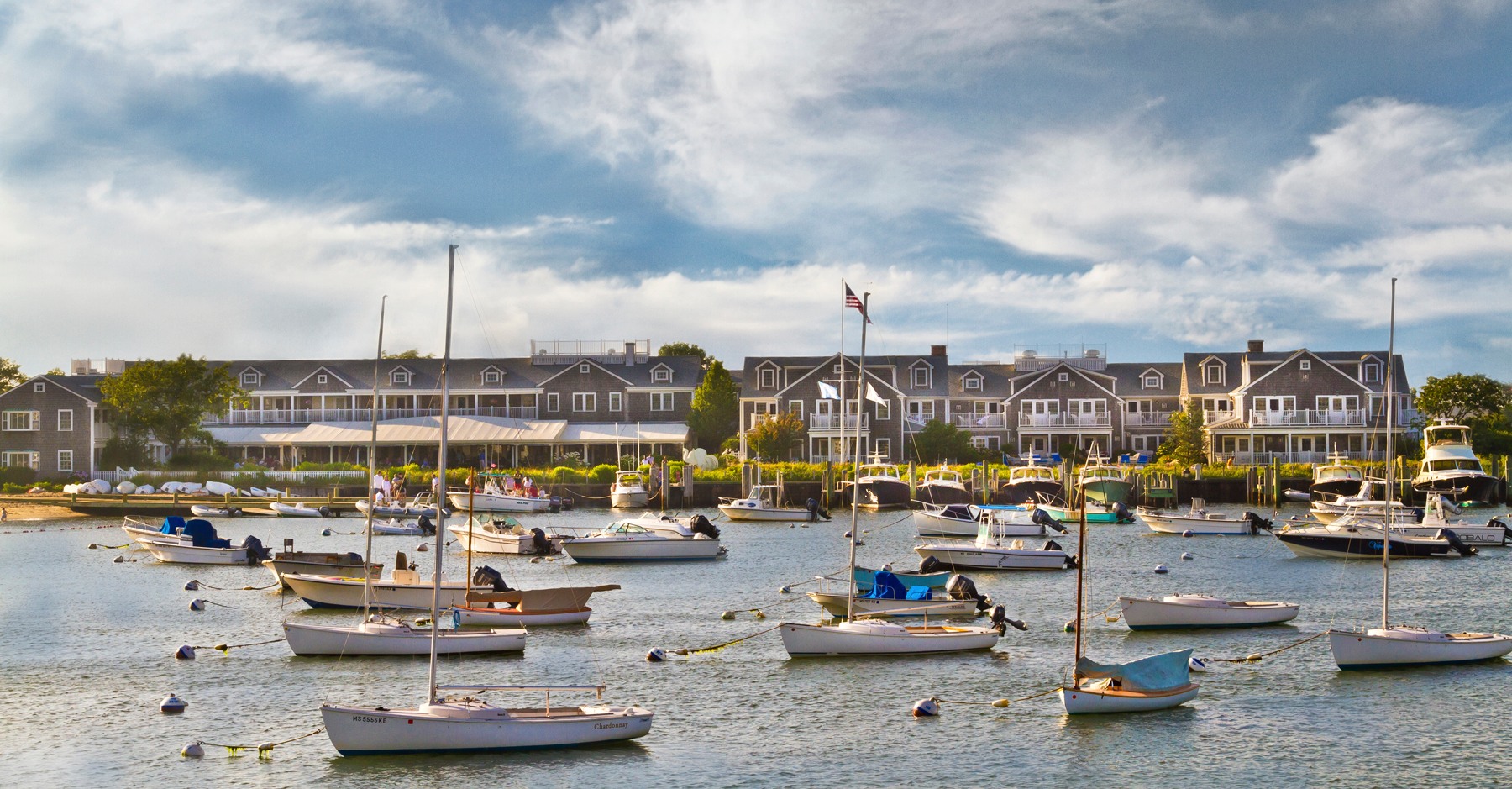
Situated directly along the protected waters of Nantucket Harbor, the White Elephant features 54 guest rooms within its main building alongside a collection of 11 independent multi-bedroom cottages, such as the Holly Cottage. The property balances proximity to the island’s historic commercial center—a five- to ten-minute walk away—with a secluded neighborhood atmosphere.
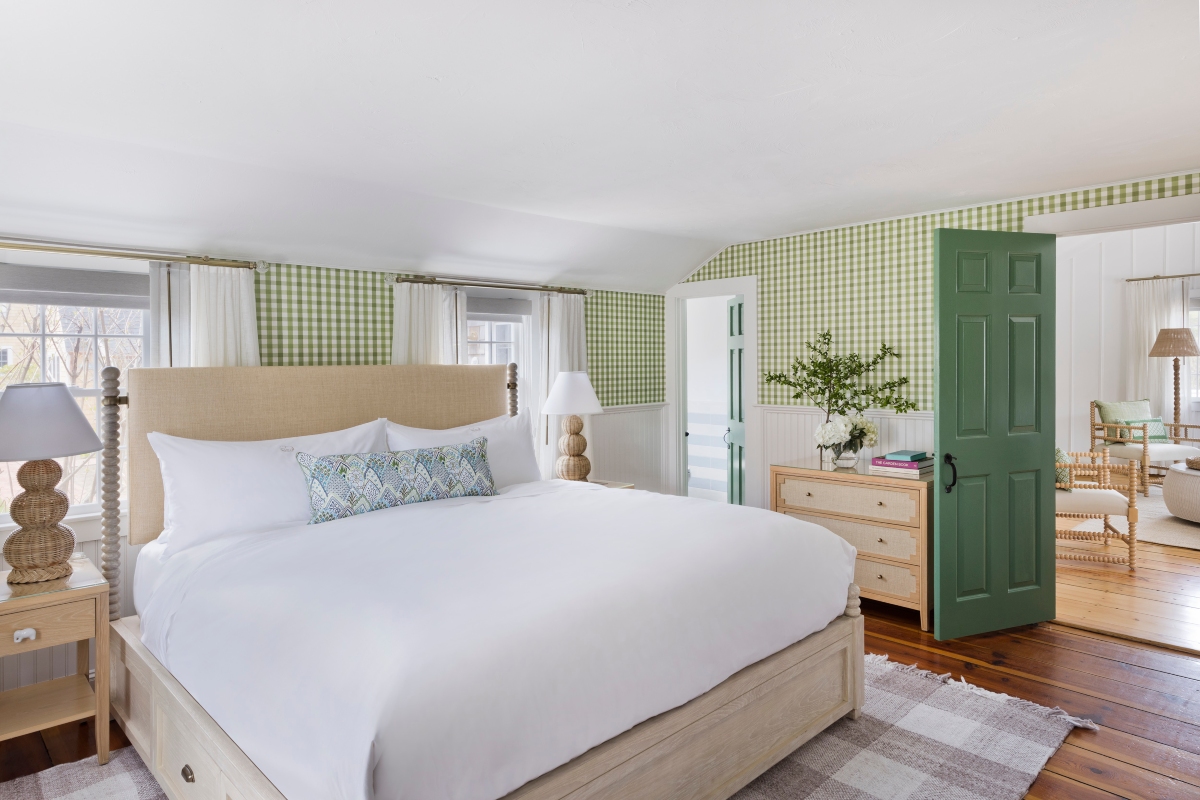
The resort’s accommodations are heavily anchored in classic New England coastal design aesthetics, utilizing natural wood flooring, nautical and floral motifs, and localized amenities. Beyond standard guest rooms, the inventory includes spacious suites equipped with modern luxury conveniences such as gas fireplaces, private balconies overlooking harbor traffic, and extensive marble-appointed bathrooms.
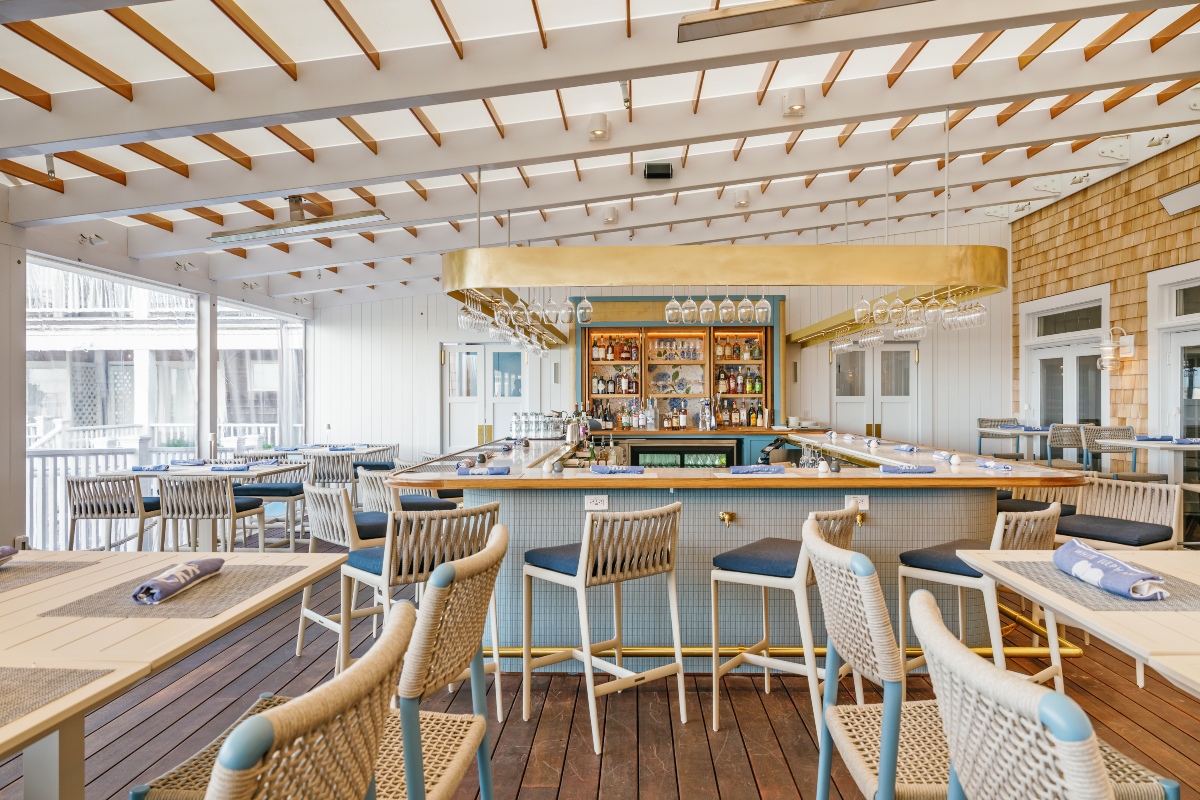
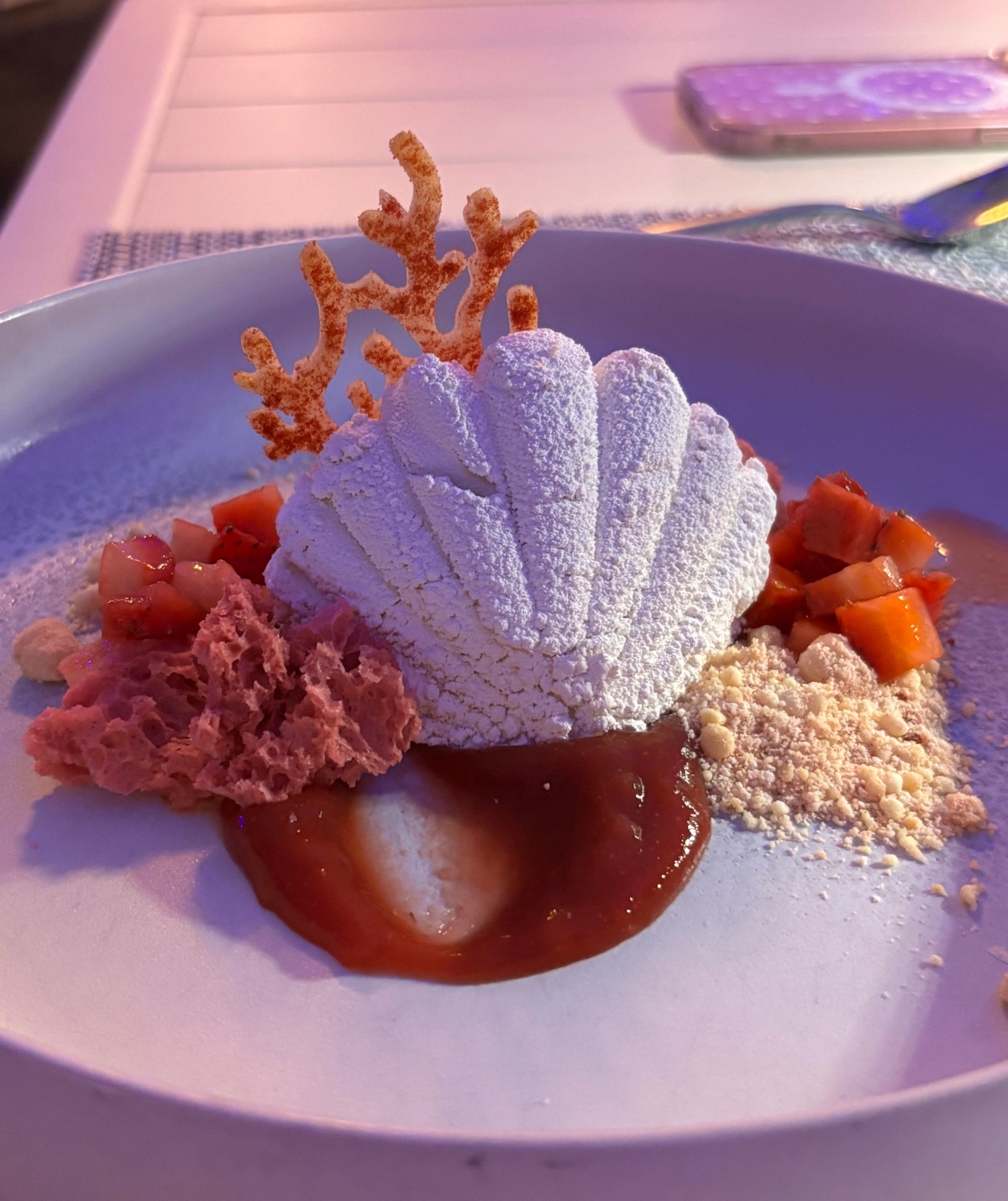
Gastronomy serves as a principal pillar of the guest experience, anchored by the Brant Point Grill. The on-site restaurant specializes in regional seafood sourcing, highlighted by signature dishes like the "Nantucket in a Bowl" featuring local lobster, scallops, shrimp, and clams. The culinary operations are supported by a dedicated sommelier program and extensive indoor-outdoor seating configurations designed to maximize harbor vistas. Additionally, the resort offers complimentary transportation logistics to its sister property, The Wauwinet, located on the northeastern shore of the island, where fine dining is offered at Topper’s.
Chronology of the Guest Experience and Island Logistics
A standard itinerary at the White Elephant reflects a carefully calibrated balance of structured hospitality and self-guided maritime exploration. The arrival sequence typically begins upon disembarking from the mainland ferry, where guests are greeted by private resort transfer services. Upon arrival at the property, visitors are traditionally welcomed with regional hospitality gestures, including regional sparkling wine service and personalized room preparations.
The subsequent daily timeline generally follows a measured cadence:
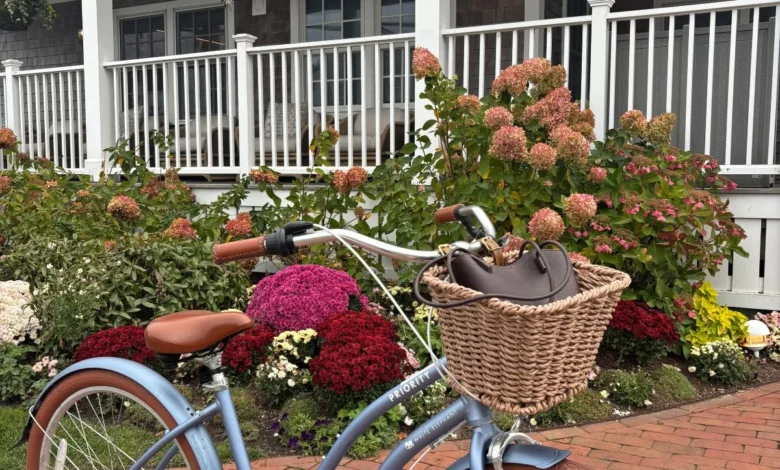
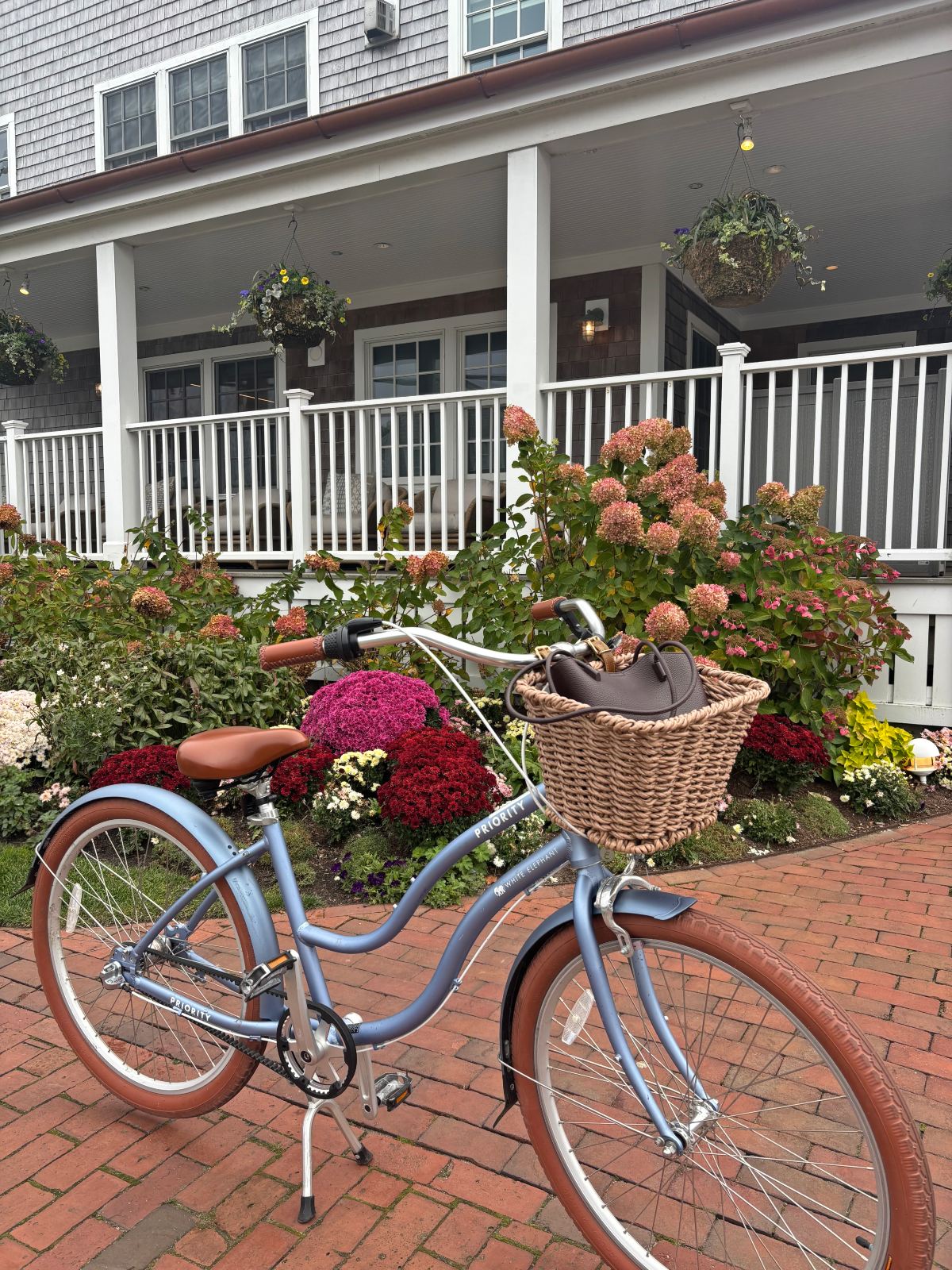
- Morning hours are frequently dedicated to pedestrian exploration of nearby cultural landmarks, including the historic Brant Point Lighthouse and Children’s Beach, or utilizing the resort’s fleet of complimentary cruiser bicycles.
- Afternoons often transition to structured resort amenities, such as the daily complimentary wine and cheese hour hosted in the resort’s library, or seasonal access to the heated outdoor saltwater pool and the on-site wellness spa facility.
- Through an ongoing corporate partnership with BMW, selected guests also have the opportunity to participate in a daily drawing for a four-hour vehicle loan, facilitating independent exploration of the island’s more remote conservation lands and historical villages.
- Evenings are reserved for curated dining experiences, alternating between the harbor-facing terrace of the Brant Point Grill and candlelit tasting menus at Topper’s.
Supporting Data and Hospitality Trends
The strategic push toward October and shoulder-season tourism in Nantucket aligns with broader economic trends observed across coastal Massachusetts. According to regional tourism boards, while July and August remain the peak volume months for ferry arrivals and lodging occupancy, September and October have experienced a steady incremental rise in visitor nights over the past five years. Travelers are increasingly motivated by lower comparative nightly room rates, greater availability at high-end dining establishments, and a desire to experience New England foliage without the logistical friction of peak summer crowds.
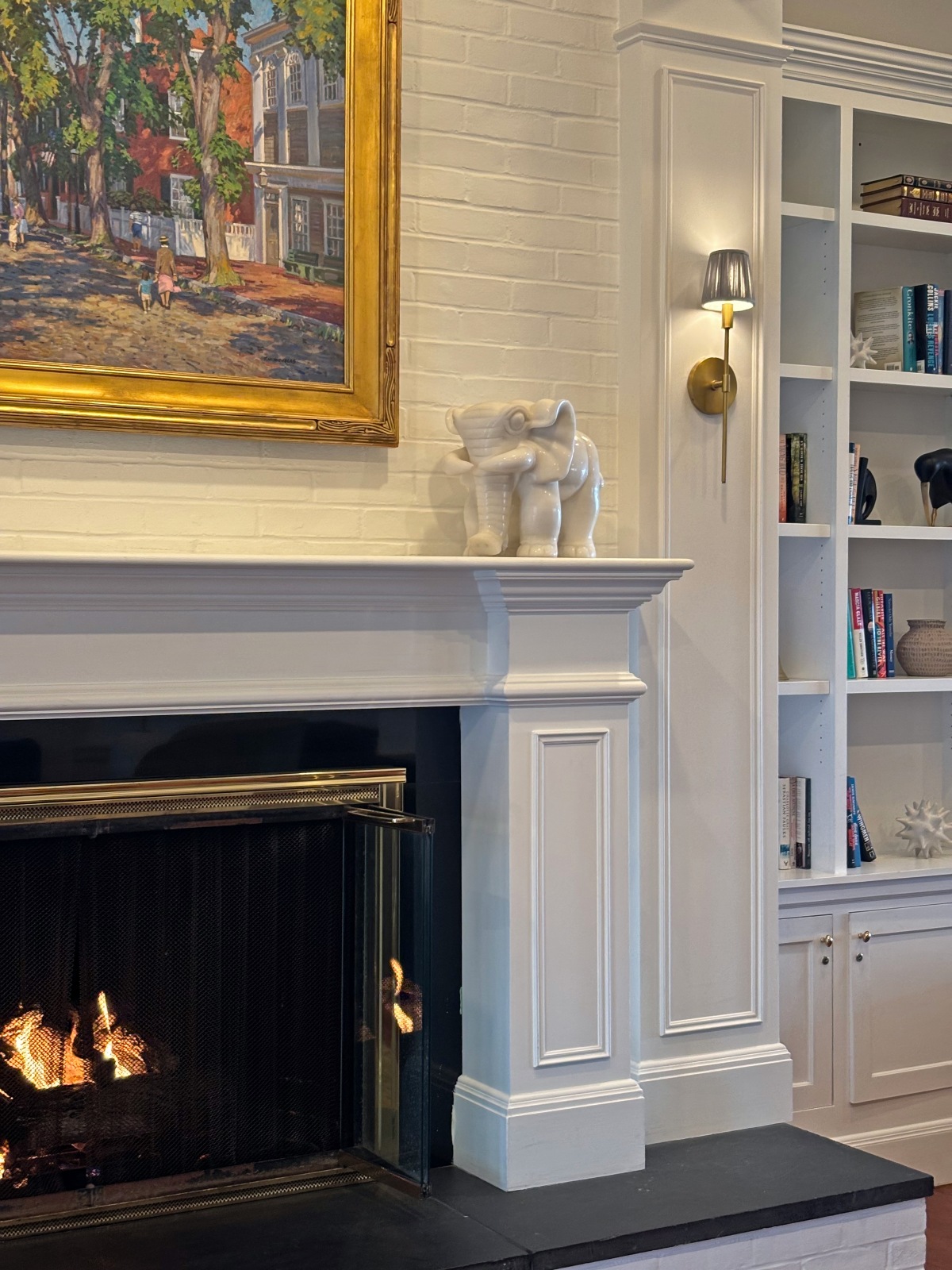
The White Elephant’s operational metrics reflect this shift. Industry analysts note that historic luxury properties that extend their operational calendars into late autumn are better positioned to retain skilled, year-round hospitality talent—a persistent challenge in isolated island economies. By offering amenities tailored to cooler weather—such as operational wood- and gas-burning fireplaces, heated outdoor pools, indoor game rooms, and robust spa programming—properties mitigate the seasonal revenue drop traditionally associated with New England coastal resorts.
Official Responses and Management Perspective
Hospitality executives within White Elephant Resorts have frequently emphasized that the longevity of island properties depends on cultivating a sense of place that transcends seasonal beach culture. Representatives for the brand note that guest feedback from autumn visitors consistently highlights the psychological benefit of uninterrupted downtime and personalized service interactions.
"The objective during the shoulder season is to strip away the frantic pace associated with mid-summer tourism and allow guests to engage with the natural and historical fabric of Nantucket on a deeper level," notes regional hospitality management literature associated with the property. "Whether through the integration of local artists’ work in the guest suites, tailored sommelier pairings, or community-integrated vehicle programs, the focus remains on hyper-local authenticity."
Broader Impact and Economic Implications
The evolution of Nantucket as an autumn destination carries significant economic implications for the island’s small business ecosystem. Historically, the period following Columbus Day marked a near-total cessation of commercial activity, with the vast majority of retail boutiques, galleries, and restaurants shuttering until the following May.
However, as anchor luxury properties like the White Elephant maintain operations further into the calendar year, adjacent businesses—including artisanal food producers, historical tour operators, and specialty retailers—have found economic viability in extending their operating hours. This shift not only stabilizes seasonal employment for the island’s workforce but also eases the infrastructure strain on municipal resources, such as waste management, ferry capacity, and road traffic, which routinely reach critical thresholds during July and August.
Ultimately, the successful integration of shoulder-season travel models in Nantucket serves as a template for other heritage coastal destinations seeking sustainable economic growth. By leveraging historic architecture, high-touch culinary programs, and weather-agnostic amenities, properties like the White Elephant demonstrate that the appeal of New England maritime culture is not tethered exclusively to the summer solstice.