Summer Travel Surge and Seasonal Trends: A June 2026 Review of Transatlantic Tourism and Cultural Engagement

The start of the 2026 summer season has been characterized by a notable surge in transatlantic travel, fueled by high-profile international sporting events and a return to pre-pandemic tourism volumes. As June concluded, data from the aviation and hospitality sectors indicates that travel between the United States and Europe has reached levels not seen in the post-2020 era, with major metropolitan hubs such as Boston and New York City serving as primary points of influx.
This month’s travel patterns were significantly influenced by the global interest surrounding the World Cup. Boston, in particular, experienced an unprecedented demographic shift as international supporters, notably the Scottish "Tartan Army," converged on the city. This influx provided a significant stimulus to the local economy, particularly within the hospitality, tourism, and food service sectors.

Chronology of a Busy Travel Month
The month began with a concentrated two-week tour of the American Northeast. For many travelers, the early weeks of June served as a window for family-oriented trips, though this year was distinct due to the convergence of cultural events.
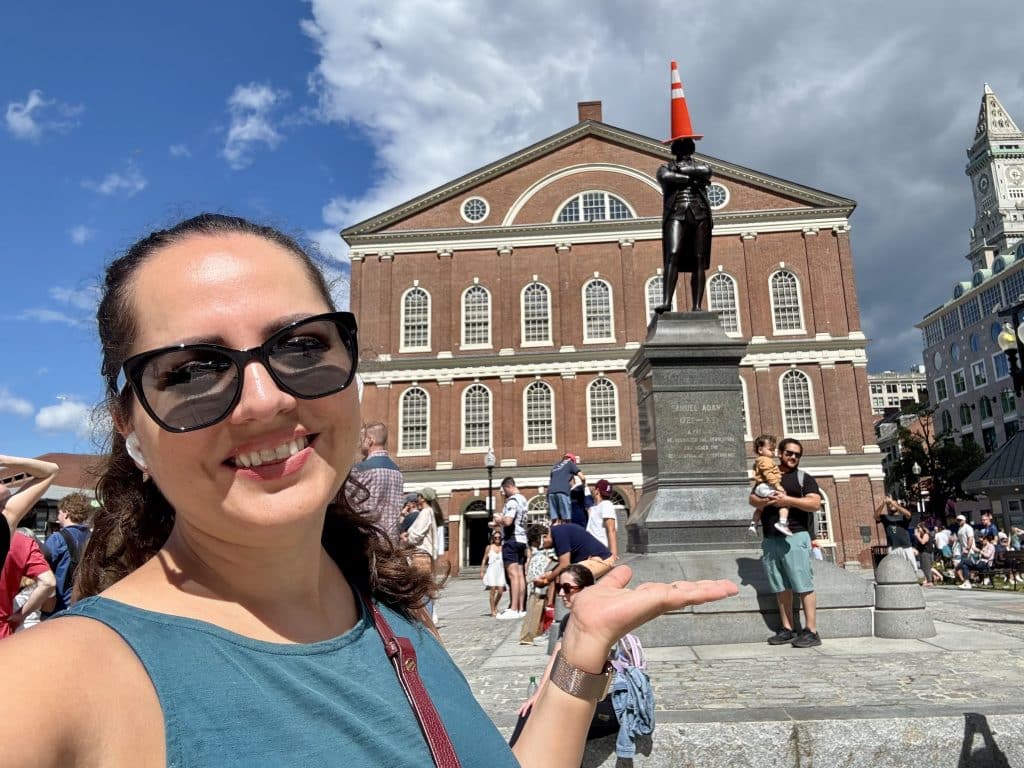
In Boston, the atmosphere was defined by the World Cup festivities. The city’s infrastructure faced a unique challenge as thousands of international visitors integrated into the local landscape. The "Tartan Army"—a collective of Scottish national team supporters—was observed throughout Massachusetts. Their presence, marked by traditional attire and public celebrations, transformed the atmosphere of iconic sites such as Faneuil Hall and Fenway Park.

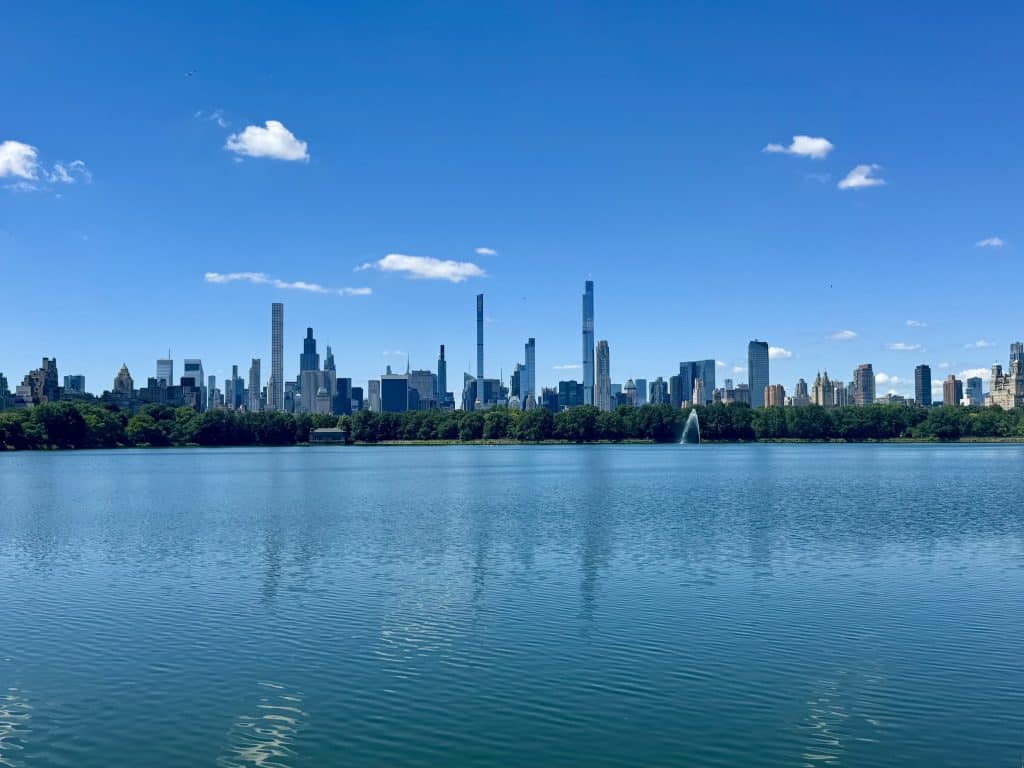
Following the Boston leg, the travel itinerary shifted to the New York City metropolitan area. A strategic highlight for travelers this month has been the increased utility of the Port Authority Bus Terminal at the George Washington Bridge (178th and Broadway). This transit hub has become a vital point of entry for those accessing Upper Manhattan, providing a more efficient alternative to the congested midtown terminals. This shift in logistics underscores a broader trend of decentralized transit usage, which helps alleviate the heavy pedestrian and vehicular traffic historically associated with central Manhattan.
Economic and Environmental Factors Impacting Travel
While tourism has flourished, the month was not without operational challenges. A severe, prolonged heat wave swept across Europe in June, creating significant hurdles for the travel and hospitality industries. The record-breaking temperatures tested the limits of European infrastructure, which historically relies less on aggressive air-conditioning systems than its North American counterparts.
This environmental stressor forced a shift in travel planning. Many residents and tourists were forced to seek refuge in climate-controlled environments, leading to a temporary increase in hotel bookings as individuals sought reprieve from residential heat. The impact was severe enough to affect the entertainment sector; notably, several indoor concert events were postponed or canceled, including a scheduled performance by artist Ricky Martin. Industry analysts suggest that these cancellations were not necessarily due to production failures, but rather precautionary measures in response to the intense heat and the difficulty of maintaining safe, cool environments for large-scale crowds.
The logistical risks of public transit during extreme weather were also highlighted this month. An incident involving a stranded tram in Prague—where passengers were briefly trapped due to automated security locks during a service outage—brought to light concerns regarding safety protocols during heat waves. Transportation authorities are now facing increased scrutiny over the necessity of manual override accessibility and the frequency of cabin checks during service transitions.
Cultural and Social Observations

The surge in travel has facilitated unique cultural exchanges, such as the blending of local American customs with international fan traditions. In Maine, for example, the intersection of local tourism and the traveling Scottish contingent provided a case study in cross-cultural social integration, with international visitors engaging in local pub culture.
On a broader scale, the travel experience in June 2026 reflected a shift toward "experience-based" tourism. Travelers are increasingly prioritizing long-distance urban walking—such as the 13.7-mile trek across Broadway in Manhattan or the navigation of the Emerald Necklace in Boston. These activities reflect a desire to engage with urban environments on a granular level, moving away from traditional sightseeing toward more immersive exploration.
Media and Cultural Consumption Trends
The digital media landscape during this period has been dominated by content that highlights community engagement. Viral social media campaigns, such as the "Open Letter to the Tartan Army," demonstrate the power of digital platforms to bridge the gap between visiting groups and host populations. Such content has fostered a sense of international goodwill, leading to invitations for reciprocal travel to Scotland.
Simultaneously, long-form media consumption remains a staple for travelers during transit. Current data on cultural consumption shows a marked interest in the canonization of popular music. The ongoing project of reviewing the "500 Greatest Albums of All Time," as curated by publications like Rolling Stone, has gained traction among demographics seeking structured, intellectual engagement during travel. This trend suggests that modern travelers are utilizing downtime to engage with historical cultural archives, seeking to contextualize contemporary music within the broader history of the 20th and 21st centuries.
Looking Ahead: Projections for July 2026
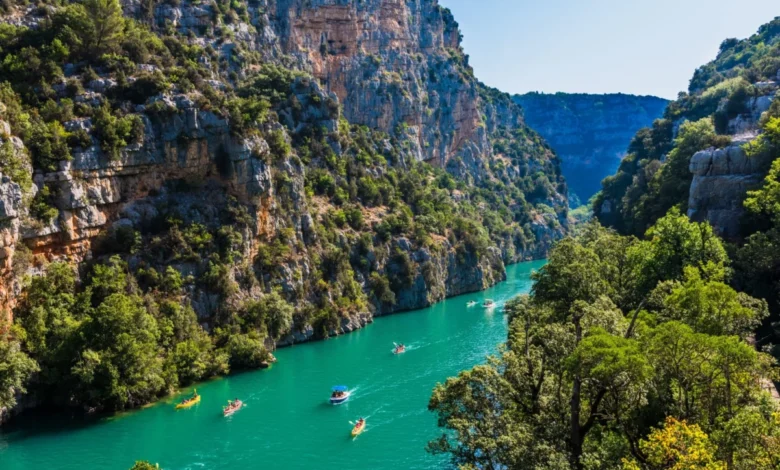
As the calendar turns to July, the travel sector anticipates a sustained period of activity. The focus is expected to pivot toward Southern Europe, with Provence, France, emerging as a major destination. The marriage of tourism and personal event hosting—such as destination weddings—is projected to remain a primary driver of European travel through the end of the summer.
Strategic planning for these upcoming trips involves a mix of transit-heavy road journeys and regional city-hopping. Switzerland and Liechtenstein remain high-interest destinations for those traversing Central Europe, as these areas offer cooler temperatures and historical significance that contrast with the heat-affected southern regions.
Furthermore, the late-summer schedule points toward a return to established leisure destinations, such as the island of Ischia in Italy. This cyclical return to favorite locations suggests that while travelers are eager for new cultural experiences, there is a strong inclination toward established, high-comfort destinations that provide a reliable baseline for vacationing.

Broader Implications
The events of June 2026 serve as a microcosm for the current state of global tourism: resilient, highly mobile, and increasingly influenced by external environmental factors. The industry’s ability to adapt to extreme weather, while simultaneously leveraging the economic benefits of large-scale sporting and cultural events, will be the defining characteristic of the 2026 season. As infrastructure projects continue to evolve—exemplified by the improved bus transit in New York—the ease of travel is expected to increase, further solidifying the trend of high-volume, cross-continental movement.
In summary, while the logistical challenges of transit and the physical impacts of climate change present hurdles, the appetite for travel remains robust. The summer of 2026 stands as a testament to the enduring human desire to traverse borders, participate in global community events, and engage in the cultural fabric of diverse international regions. Whether through the lens of a traveler walking the length of Manhattan or a tourist participating in a regional celebration in Provence, the movement of people continues to be the primary engine of modern cultural and economic growth.