For international and domestic travelers navigating Canada’s bustling aviation hubs, an extended airport layover is frequently viewed as an unavoidable inconvenience. However, for those passing through the country’s largest metropolitan center, a transit delay offers a prime opportunity to experience one of North America’s most culturally diverse and dynamic urban environments. Designed with insider perspective, this comprehensive guide provides travelers with actionable strategies to maximize a layover in Toronto, transforming a tedious waiting period into an enriching urban excursion.
Understanding Toronto’s Airport Infrastructure and Logistics
Navigating a successful layover in Toronto requires a clear understanding of the city’s dual-airport system. Toronto Pearson International Airport (YYZ), located northwest of the city center in Mississauga, handles the vast majority of international and long-haul flights. Conversely, Billy Bishop Toronto City Airport (YTZ) is situated on the Toronto Islands just off the downtown core, primarily serving regional and short-haul flights via Porter Airlines and Air Canada.

Travelers arriving at Pearson Airport must account for critical logistical buffers. Because international departures and arrivals mandate strict customs clearance, baggage retrieval, and security re-screening, aviation authorities generally recommend a minimum layover window of five hours to safely venture outside the terminal. Commuting from Pearson to downtown Toronto is streamlined via the Union Pearson (UP) Express, a dedicated rail link that transports passengers directly to Union Station in the heart of the financial district in just 25 minutes.
For travelers utilizing Billy Bishop Airport, the proximity to downtown is significantly closer. Passengers access the terminal via a pedestrian tunnel or a short underwater ferry ride. While the physical distance to the city center is minimal, transit logistics—such as navigating airport corridors and waiting for terminal shuttle services—still necessitate a planning buffer of approximately 45 minutes each way.
Strategic Time Management: The 5-Hour Rule and Overnight Options
Time management remains the single most important factor for a successful layover. Industry analysts and local tourism boards consistently advise against leaving the airport perimeter if a layover is under four hours, as unexpected transit delays or security queues can jeopardize onward travel. For layovers lasting five hours or more during daylight hours, a brief excursion into the downtown core becomes entirely feasible.

Passengers facing extended delays exceeding twelve hours, or those experiencing overnight layovers, are encouraged to convert their transit stop into an integrated travel experience. Toronto Pearson Airport features direct terminal integration with premium accommodations, such as the Sheraton Gateway Hotel located directly in Terminal 3, alongside numerous other properties nearby catering to every budgetary tier. For local residents departing from Pearson on early morning flights, utilizing these airport hotels the night prior has also become a popular strategy to eliminate pre-dawn transit stress while frequently securing complimentary extended parking perks.
Curated Itineraries for the Time-Constrained Traveler
To optimize a limited window, travelers should focus on localized clusters of attractions rather than attempting to traverse the entire sprawling municipality. Experienced urban planners recommend three distinct strategic itineraries based on available time frames:
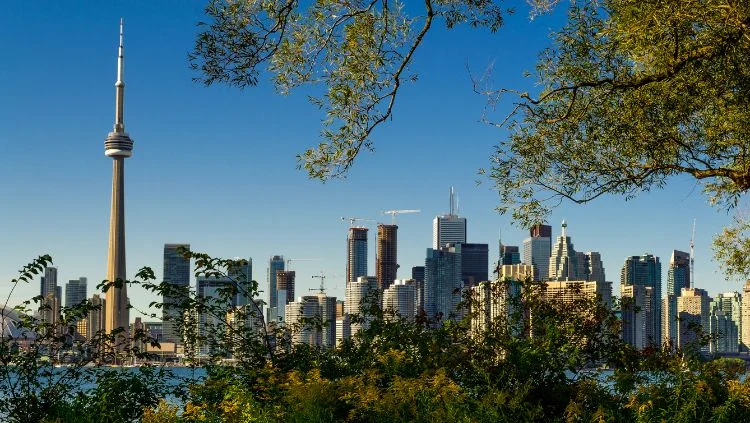
The Core Architectural and Cultural Circuit: Ideal for travelers with a robust 6-to-8-hour window, this itinerary centers on Union Station, the CN Tower, and the financial district. Visitors can quickly ascend the iconic tower for panoramic views of Lake Ontario before exploring the underground PATH network—a massive subterranean pedestrian walkway spanning over 30 kilometers of retail and dining spaces.

The Waterfront and Island Escape: For a breath of fresh air, travelers can head directly to the Jack Layton Ferry Terminal. A brief, scenic ferry ride transports visitors to the Toronto Islands, a vehicle-free park system offering unhindered vistas of the downtown skyline, tranquil lagoon pathways, and expansive sandy beaches.
The Multicultural Neighborhood Journey: Utilizing Toronto’s extensive and affordable streetcar network allows transit passengers to sample the city’s multicultural fabric firsthand. A ride along Queen Street or Dundas Street provides immediate access to vibrant enclaves such as Chinatown, Kensington Market, and Queen Street West, each boasting distinct architectural styles, independent boutiques, and globally inspired culinary traditions.
Leveraging City Passes and Tourist Discounts
Maximizing efficiency during a brief visit often involves leveraging standardized tourism infrastructure. City sightseeing passes, such as the Toronto CityPASS, aggregate admission tickets for primary cultural institutions—including the Royal Ontario Museum (ROM), the Art Gallery of Ontario (AGO), and Ripley’s Aquarium of Canada—at a substantially discounted rate. Furthermore, these bundled packages frequently incorporate skip-the-line privileges, a critical advantage for travelers operating on a strict schedule.

For those preferring a slower-paced, budget-friendly experience, exploring public spaces requires zero financial investment. Early morning walks along the Martin Goodman Trail or the boardwalk in The Beaches neighborhood offer serene views of Lake Ontario before the areas become populated with local commuters and recreational runners.
Local Culinary and Coffee Recommendations
No urban exploration is complete without sampling the regional culinary landscape. To provide an authentic taste of Toronto’s food scene, local culinary experts highlight several standout destinations for coffee and casual dining accessible from the city center:
For specialty caffeine infusions, coffee enthusiasts frequent independent roasters scattered throughout the downtown core and West End neighborhoods, known for ethically sourced beans and precise extraction methods. When it comes to sustenance, Toronto’s culinary identity is defined by its immigrant communities. Quick, high-quality, and affordable dining options range from authentic Jamaican beef patties in subterranean transit stations to world-class dumplings in Chinatown and traditional peameal bacon sandwiches at the historic St. Lawrence Market.

Economic and Broader Urban Implications
The facilitation of layover tourism represents a significant economic driver for municipal authorities and local businesses. By streamlining rail transit connections like the UP Express and promoting urban exploration packages, Toronto continues to position itself not merely as a transitional hub for international aviation, but as an engaging, accessible destination in its own right. For the global traveler, stepping beyond the secure confines of the airport terminal ultimately transforms a monotonous travel delay into a memorable chapter of an ongoing journey.