The Gold Coast Experience: A Comprehensive Guide to Australia’s Premier Coastal Destination

The Gold Coast, situated in Southeast Queensland, has solidified its reputation as one of Australia’s most vital tourism hubs, attracting millions of domestic and international visitors annually. Spanning approximately 50 kilometers of coastline, the region serves as a convergence point for high-density urban development, specialized surf culture, and significant ecological corridors, including the UNESCO World Heritage-listed Gondwana Rainforests nearby. For travelers, the region offers a multifaceted itinerary that balances the commercial infrastructure of cities like Surfers Paradise with the serene, protected landscapes of the hinterland.

Recent travel data indicates that the Gold Coast maintains a high rate of repeat visitation, largely due to its diverse topography. The area is anchored by the Brisbane airport, which serves as the primary international and domestic gateway for tourists, typically requiring a 60-to-90-minute transit to the coastal hubs. This accessibility has fueled a surge in localized tourism, particularly as travelers seek a blend of metropolitan convenience and natural immersion.
Visa Requirements and Regulatory Compliance for International Travelers

A critical component of planning a visit to the Australian Gold Coast involves strict adherence to national immigration policies. Under current Australian law, almost all foreign nationals—with the exception of New Zealand citizens who generally qualify for a Special Category Visa on arrival—must secure appropriate travel authorization prior to departure.
The Electronic Travel Authority (ETA) or the eVisitor visa are the standard pathways for short-term tourism. Regulatory bodies emphasize that these authorizations must be electronically linked to the specific passport used for travel. Failure to verify these documents prior to boarding often leads to immediate travel disruptions. Industry experts and travel service providers, such as iVisa, report that administrative errors, such as slight discrepancies in passport data, remain a leading cause of visa processing delays. With global travel systems becoming increasingly automated, the importance of pre-travel verification has escalated, as most airlines will deny boarding to passengers who lack valid, government-approved entry credentials.

Urban Development and Regional Zoning
The Gold Coast is characterized by a distinct demographic and architectural divide. Surfers Paradise, the city’s central business and tourism district, is defined by a vertical skyline and high-intensity commercial activity. Conversely, satellite suburbs such as Broadbeach, Mermaid Beach, and Burleigh Heads offer a more nuanced experience.

Broadbeach, in particular, has emerged as a preferred base for mid-to-long-term visitors. It provides a strategic middle ground, offering proximity to the high-rise attractions of the north while maintaining a pedestrian-friendly layout that prioritizes ease of access to public infrastructure, including the G:link light rail system. This connectivity has reduced the reliance on private vehicles within the urban strip, allowing for a more sustainable tourism model that encourages walking and the use of public transit.
Environmental Stewardship and the Hinterland Economy

Beyond the coastline, the Gold Coast’s economic and environmental footprint extends into the hinterland. Tamborine National Park and the surrounding Currumbin Valley represent critical zones for biodiversity. The management of these areas is a balancing act between accommodating tourism demand and preserving fragile ecosystems.
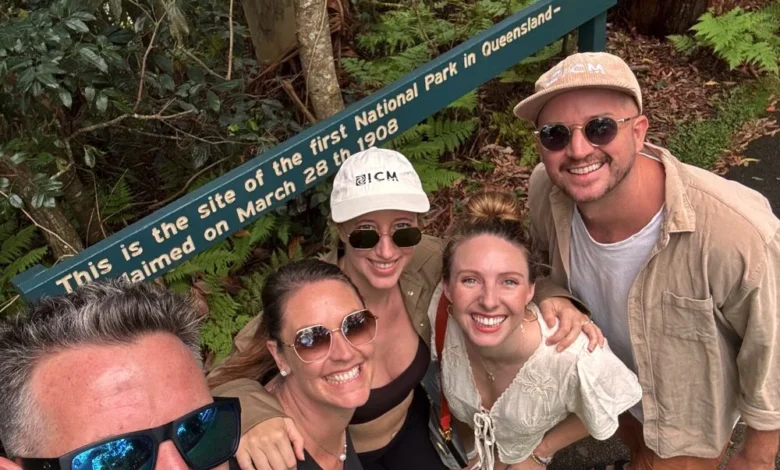
The Witches Falls section of the Tamborine National Park, which holds historical significance as Queensland’s first national park, serves as a primary example of successful conservation-based tourism. By providing structured walking trails and limited-access zones, local authorities are able to mitigate the impact of thousands of visitors on the forest floor while supporting the local economy through ecotourism. Data from local environmental departments suggests that foot traffic in these areas has increased by 15% over the past three years, prompting stricter guidelines on waste management and trail usage to prevent habitat degradation.

Surf Culture as a Socio-Economic Driver
The Gold Coast’s identity is intrinsically linked to the surf industry. The coastline, including globally recognized breaks at Snapper Rocks and Coolangatta, acts as an open-air sporting venue. The economic impact of this culture is profound; professional surfing events, such as those that attract high-profile athletes like Mick Fanning, inject millions of dollars into the local economy through hospitality and media exposure.

From a sociological perspective, the surf clubs found along the coast—such as the Rainbow Bay Surf Club—serve as the primary community hubs. These institutions perform a dual function: they are vital providers of public safety and emergency surf rescue services, and they are centers for community engagement. The integration of dining and retail within these clubs has created a unique hybrid space where tourists and residents interact, further stabilizing the local tourism market throughout the shoulder seasons.
Wellness Tourism and the Shift Toward Sustainable Lifestyles

A notable trend in the Gold Coast hospitality sector is the rise of the "wellness retreat" model. Bathhouses and specialized recovery centers have recently proliferated in areas like the Tallebudgera Valley. This development reflects a broader global shift in travel preferences, where visitors are moving away from high-energy entertainment toward restorative, health-oriented experiences.
Industry analysis suggests that this segment of the market is highly resilient to economic fluctuations. By offering services such as cold plunges, saunas, and organic, locally sourced plant-based dining, these establishments cater to a demographic that values physical and mental longevity. The integration of these facilities into the rural landscape, rather than the urban center, allows for a more tranquil experience that complements the high-intensity environment of the beach strips.

Strategic Planning for Extended Stays
For those planning a stay exceeding seven days, the recommended approach involves a geographic distribution of activities. A structured itinerary often prioritizes the following sequence to optimize travel time and exposure to the region’s diversity:

- Initial Orientation (Days 1-3): Establishing a base in a central, transit-accessible location such as Broadbeach to facilitate movement between the northern urban centers and the southern beach suburbs.
- Coastal Exploration (Days 4-6): Utilizing public transport to visit the surf-centric southern reaches, including the iconic points at Coolangatta and the quieter, residential-feeling stretches of Mermaid Beach.
- Hinterland Integration (Days 7-9): Transitioning to private transport to explore the Currumbin Valley and the elevated regions of Tamborine Mountain. This period is essential for accessing sites that are not serviced by regular public transit, such as local vineyards and secluded national park trailheads.
- Wellness and Reflection (Days 10-12): Engaging with the regional wellness economy, allowing for a slower pace of travel that enables visitors to fully integrate into the local rhythm of life.
The Role of Independent Transport
While the Gold Coast boasts a sophisticated light rail and bus network, the geographic dispersal of the region’s natural attractions necessitates the use of private vehicles for a comprehensive experience. Rental car services are critical for the regional tourism economy, as they allow for flexible access to the hinterland. This autonomy is particularly relevant for those seeking to observe wildlife or visit rural agricultural sites that operate outside of the central commercial hours.

The Future of Gold Coast Tourism
The long-term outlook for the Gold Coast remains positive, provided that urban planners and tourism boards continue to manage the intersection of rapid development and environmental protection. The city is currently navigating the challenges of population growth and the increasing demand for high-density housing, while simultaneously attempting to market its "green" credentials through the preservation of its valleys and national parks.

In summary, the Gold Coast is a study in contrasts. It is at once a high-energy, modern metropolis and a gateway to some of the most preserved, ancient rainforests in the world. For the visitor, the key to a successful experience lies in the recognition of these dual identities—spending time in the urban, high-rise environment while ensuring that equal weight is given to the quieter, more deliberate exploration of the inland valleys and the southern coastline. As the region continues to evolve, it remains a cornerstone of the Australian travel experience, reflecting the nation’s broader commitment to outdoor lifestyle, environmental awareness, and accessible, high-quality tourism.