Mantis Collection Navigates Gulf Expansion Amid Regional Geopolitical Volatility

Mantis Collection, the boutique hospitality group that has been 50 percent owned by the global hospitality giant Accor since 2018, is forging ahead with its ambitious Gulf Cooperation Council (GCC) expansion strategy. This commitment remains steadfast even as the ongoing U.S.-Iran geopolitical tensions have significantly recalibrated travel demand and operational stability across the group’s nascent Middle Eastern portfolio.
The luxury hospitality operator, known for its emphasis on conservation-led tourism and bespoke experiences, is currently balancing the operational realities of a volatile regional security environment with the long-term growth potential offered by Saudi Arabia’s Vision 2030 and the broader Gulf tourism push. While international visitation patterns have shifted in response to regional instability, the group is pivoting toward robust domestic and intra-regional demand to maintain occupancy levels.
A Chronology of Strategic Market Entry
The Mantis Collection’s foray into the Gulf region is a relatively recent, yet aggressive, chapter in its international growth story. The brand’s expansion began in earnest last year with the debut of the Hawar Resort by Mantis in Bahrain. This property, situated on the Hawar Islands, was designed to serve as a flagship for the brand’s eco-conscious philosophy. However, the property’s operational trajectory has mirrored the fluctuating tensions in the Persian Gulf.
Following the Bahrain entry, the company accelerated its Saudi Arabian footprint in 2024 with the launch of the Gamra Mountain Resort by Mantis, located in the mountainous Al Baha region. This project aligns with the Kingdom’s mandate to develop secondary cities and diverse geographical destinations beyond the traditional hubs of Riyadh and Jeddah.
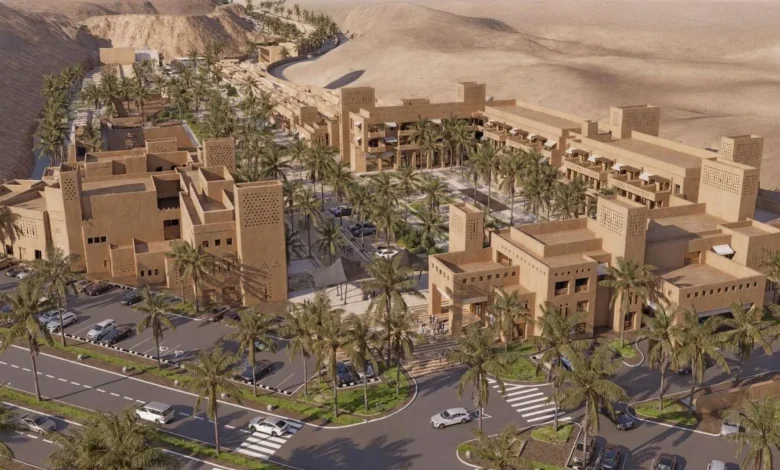
Looking ahead, the pipeline remains active despite logistical headwinds. Saij Mountain Lodge in Ras Al Khaimah, United Arab Emirates, and Basiqat by Mantis near Riyadh are the next milestones in the firm’s development schedule. These upcoming openings are critical, as they represent the brand’s intent to cement itself in both the luxury nature-retreat segment and the emerging high-end domestic tourism market within Saudi Arabia.
The Impact of Regional Conflict on Hospitality Operations
The U.S.-Iran conflict has introduced a layer of operational complexity that few hospitality brands in the region have been able to circumvent. Craig Erasmus, CEO of Mantis Collection, recently acknowledged the tangible impacts these tensions have had on the brand’s portfolio. "It would be naive to say the U.S.-Iran war hasn’t had an impact," Erasmus stated, providing a candid assessment of the current environment.
At the peak of recent escalations, the Hawar Resort in Bahrain experienced periods of complete closure. Such measures, while necessary for the safety and security of both staff and guests, underscore the fragility of the luxury leisure market during periods of heightened geopolitical alert. However, the resilience of the brand has been demonstrated by the swift recovery of the Bahrain property once the immediate threats subsided.
This pattern of disruption followed by rapid recovery has become a hallmark of the current hospitality landscape in the GCC. For operators like Mantis, the challenge is not merely managing the physical risks of conflict, but navigating the secondary impact: the evaporation of long-haul international tourism. Western travelers, who typically make up a significant portion of the luxury demographic, have shown increased sensitivity to regional security alerts, leading to a noticeable softening in forward bookings for international segments.
Pivot to Domestic Resilience
In the absence of a diverse, global guest mix, Mantis Collection has successfully pivoted to capture the burgeoning domestic market. The Gamra Mountain Resort in Al Baha provides a case study in this operational shift. According to company reports, the resort is currently trading in line with initial financial expectations, driven almost exclusively by domestic Saudi travelers.
This shift toward the domestic sector is not merely a defensive strategy; it is a structural realignment that mirrors broader trends in the Middle East. Saudi Arabia’s tourism sector has seen a massive influx of local spending as the government promotes domestic travel through programs like "Saudi Summer." By focusing on the Saudi national market—a demographic with high purchasing power and a growing interest in domestic, nature-based, and mountainous escapes—Mantis has insulated itself from the most severe downturns associated with international travel apprehension.
Procurement and Logistical Challenges
Beyond the geopolitical variables, the group is grappling with standard supply chain issues that have been exacerbated by the regional climate. Erasmus noted that while the openings of Saij Mountain Lodge and Basiqat by Mantis remain "on track," the projects have faced significant procurement setbacks.
In the specialized field of luxury boutique hospitality, where finishes, furniture, and sustainable building materials are often sourced globally, geopolitical friction has translated into shipping delays, increased insurance premiums for cargo moving through the region, and intermittent labor shortages. The ability of Mantis to maintain its construction timelines in this environment speaks to the efficacy of the partnership with Accor, which provides a global supply chain and procurement infrastructure that smaller independent brands would struggle to leverage.
Analytical Implications for the Luxury Sector
The situation facing Mantis Collection serves as a bellwether for the broader luxury hospitality industry in the Middle East. Analysts point to several key implications:
- The "Stability Premium": Luxury operators must now price in a "stability premium" for regional projects. Investors are increasingly looking for long-term lease structures that account for potential, albeit temporary, closures caused by geopolitical events.
- Geographic Diversification within the GCC: While the region is often treated as a monolith, operators are learning to distinguish between the risk profiles of coastal properties (more susceptible to naval tensions) and mountain/inland retreats, which are often shielded from regional maritime and air corridor disruptions.
- The Power of the Accor Synergy: The 50 percent stake held by Accor provides Mantis with a distinct competitive advantage. Access to Accor’s loyalty programs, global sales force, and crisis management protocols has allowed Mantis to maintain a level of institutional continuity that has bolstered its reputation among local stakeholders and property owners.
Looking Toward the Future
Despite the unpredictability of the regional security landscape, the outlook for Mantis Collection remains cautiously optimistic. The firm’s strategy—prioritizing regional, high-net-worth domestic travelers—appears to be a sound hedge against the volatility of international tourism.
"Although the trends are positive, you need stability to return for a more diverse guest mix to come back," Erasmus remarked. This sentiment captures the fundamental reality for all luxury operators in the region: growth is achievable, but true market maturity and the return of a truly global clientele remain contingent on a sustained period of regional de-escalation.
As the company prepares for the launch of its new properties in Ras Al Khaimah and Riyadh, the focus will likely remain on enhancing the guest experience for the local and regional visitor. By embedding itself into the fabric of the domestic market, Mantis is building a brand presence that is both resilient to the whims of international diplomacy and deeply aligned with the long-term vision of the Gulf states.
The successful navigation of this complex landscape will be a defining test for the Mantis Collection. If it can continue to maintain high occupancy and service standards while simultaneously managing the logistical and security challenges of the current era, it will likely serve as a blueprint for other boutique operators looking to navigate the high-reward, high-risk environment of the Middle Eastern hospitality sector. For now, the group remains a focused, adaptive player, committed to its regional expansion despite the headwinds of an uncertain global stage.