May in Review: Exploring Cultural Heritage and Gastronomic Landmarks in Prague and the United Kingdom

The month of May has served as a pivotal period for international travel and cultural engagement, characterized by a blend of urban exploration in the Czech Republic and a focused excursion through the historical and sporting landscapes of the United Kingdom. For many travelers, May represents the optimal window for European transit, offering moderate temperatures and the onset of peak seasonal events. This report chronicles the developments surrounding recent travel activities, including the Cooper’s Hill Cheese-Rolling and Pin Hill competition, regional culinary highlights in Bristol, and the continued integration of expatriate life within the historic city of Prague.

The Cooper’s Hill Cheese-Rolling: A Cultural Phenomenon
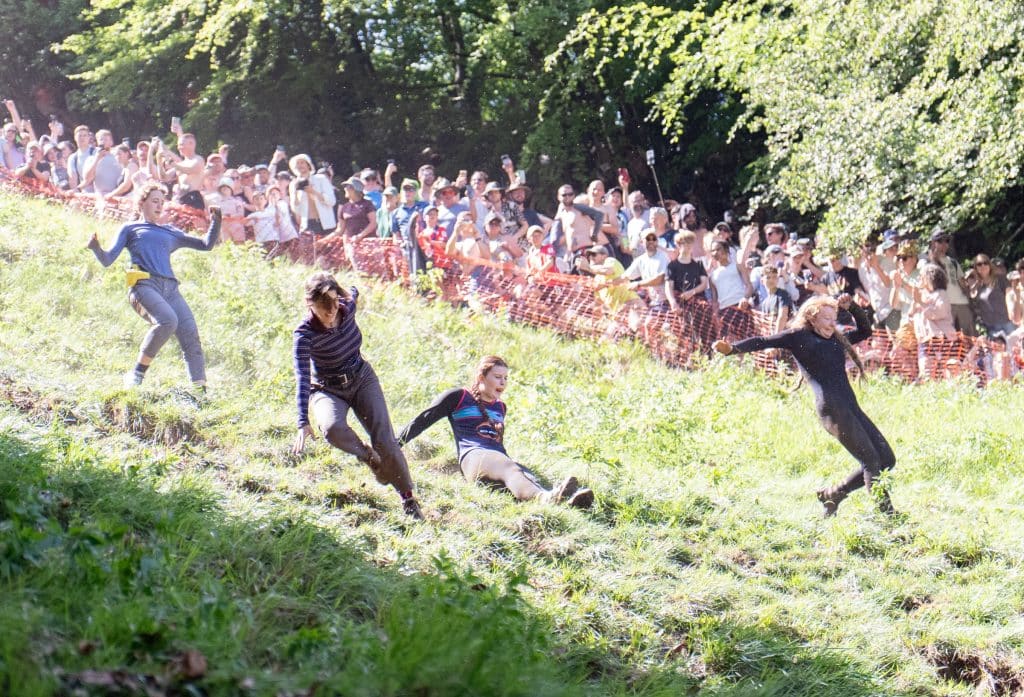
The Cooper’s Hill Cheese-Rolling and Wake, held annually in Brockworth, Gloucestershire, remains one of the most distinctive and historically significant traditions in the United Kingdom. Dating back several centuries—with some accounts tracing its origins to the early 19th century or even further to ancient pagan rituals—the event involves participants chasing a round of Double Gloucester cheese down a perilously steep incline.
In recent years, the event has transitioned from a localized custom to a global spectacle, drawing thousands of spectators and international participants. The inherent risks associated with the steep gradient of Cooper’s Hill have prompted ongoing discussions regarding public safety and the preservation of intangible cultural heritage. While the event operates as an unofficial gathering, it serves as a critical economic and cultural anchor for the region. Attendees this May noted the intense physical nature of the competition, which reinforces the event’s status as a test of endurance rather than a traditional athletic race. Observers often note the stark contrast between the rustic, rural nature of this tradition and the nearby urban centers of Cheltenham and Gloucester, which provide the necessary infrastructure to support the influx of visitors.

Gastronomy and Urban Development in Bristol
Beyond the spectacle of Cooper’s Hill, the southwest of England continues to evolve as a premier destination for high-end gastronomy. Bristol, a city characterized by its maritime history and vibrant academic community, has emerged as a focal point for culinary innovation. The city’s recent prominence is partly attributed to the recognition of establishments such as Wilson’s, a Michelin-starred venue that has gained acclaim for its commitment to hyper-seasonal, sustainable sourcing.
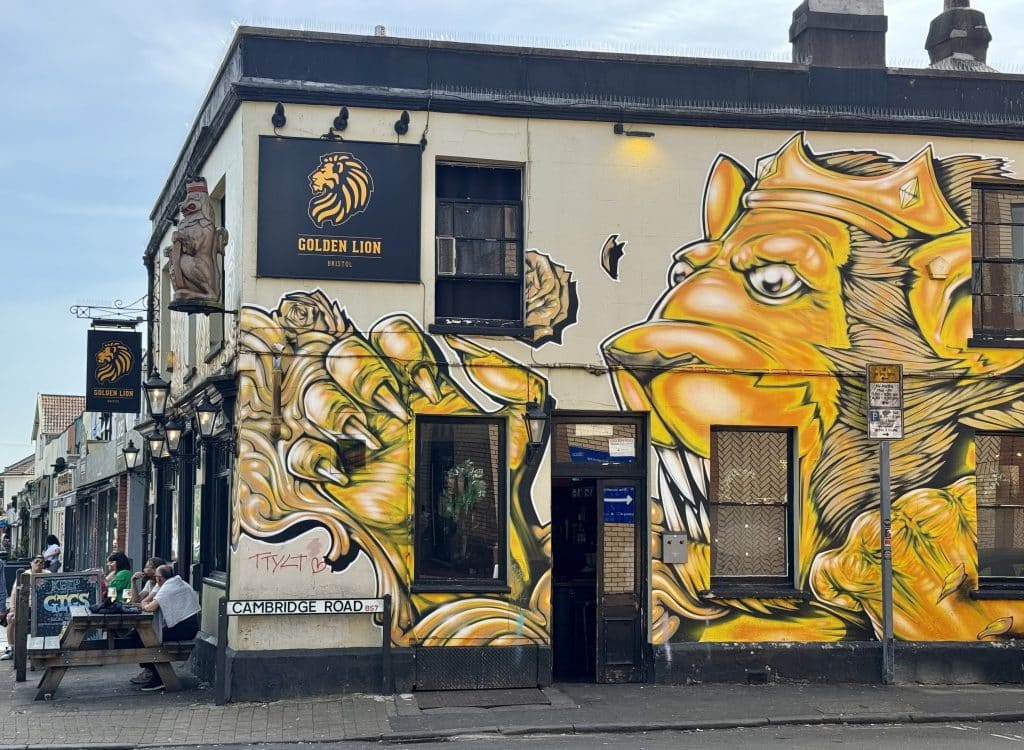
The integration of such high-caliber culinary experiences into the broader tourism strategy of the South West demonstrates a shift toward "experiential travel," where dining serves as the primary impetus for regional visitation. The economic impact of such establishments is significant, as they draw a demographic of culinary tourists who prioritize quality and provenance, thereby supporting local agricultural supply chains. Furthermore, Bristol’s reputation for public art and street culture provides a counterbalance to the traditionalist aesthetic of the nearby Cotswolds, creating a diversified travel itinerary for visitors.

Prague: A Hub for Central European Lifestyle and Expatriate Integration
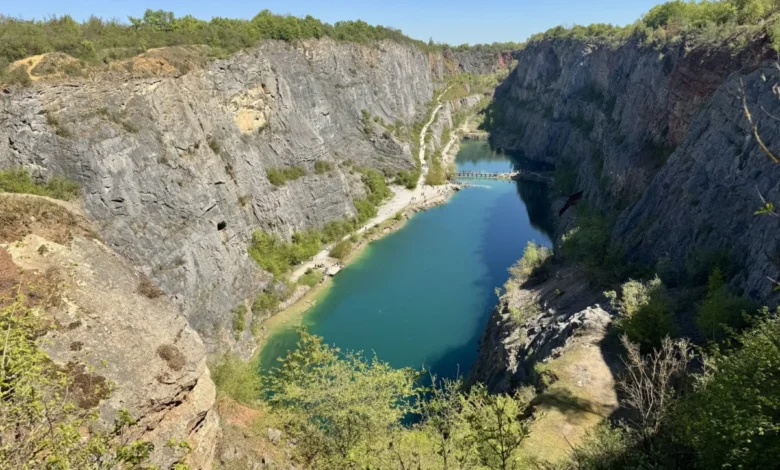
In the Czech Republic, the month of May showcased the city’s capacity for hosting diverse community-driven events. Prague’s geography—defined by its proximity to natural landmarks such as the Velká Amerika limestone quarry and the Šárka Valley—facilitates a high standard of living for both residents and expatriates.
Local events, such as the fermentation and artisanal food festivals in the Holešovice district, highlight the growth of the "slow food" movement in Central Europe. These festivals offer a platform for small-batch producers to interface with a sophisticated consumer base. Simultaneously, the city’s restaurant sector, exemplified by institutions like El Camino, continues to set high standards for international cuisine, specifically regarding the adaptation of Mediterranean tapas culture to the Central European market.
From an infrastructure perspective, the city has seen improvements in the accessibility of essential services for the international community. The emergence of 24/7 veterinary facilities with English-speaking staff in Prague represents a critical development in the city’s ability to support an increasingly mobile and international population. Such services mitigate the risks associated with language barriers in emergency situations, thereby enhancing the long-term viability of Prague as an expatriate hub.
Comparative Analysis of Regional Travel Dynamics
Travel patterns throughout May highlight a clear distinction between the "storybook" tourism of the Cotswolds and the urban, industrial-arts focus of cities like Bristol. The Cotswolds, with its protected architecture and status as an Area of Outstanding Natural Beauty (AONB), relies on the maintenance of its historical aesthetic to remain attractive to international visitors. Conversely, the "urban renewal" model observed in Bristol and the cultural vibrancy of Prague suggest that modern tourism is shifting toward a desire for authentic, lived experiences that extend beyond mere sightseeing.
This shift is further evidenced by the decline in popularity of traditional tourist hubs that fail to innovate. The city of Gloucester, for instance, has faced criticism from travelers who find its urban landscape less compelling than the neighboring Cheltenham. This underscores the necessity for municipal governments to invest in cultural programming and urban beautification to remain competitive in the global tourism market.
Media and Cultural Consumption Trends
The consumption of media—spanning literature, music, and digital content—continues to mirror broader social concerns regarding financial literacy and historical appreciation. The popularity of memoirs such as Strangers: A Memoir of Marriage by Belle Burden highlights an increasing public interest in the intersections of generational wealth, gender dynamics, and legal autonomy. Such narratives are not merely personal accounts; they serve as cautionary tales regarding the importance of financial literacy for women in high-net-worth households.

In the music industry, the ongoing project to review the Rolling Stone 500 Greatest Albums of All Time reflects a broader cultural trend of historical revisionism and rediscovery. By engaging with canonical works, listeners are able to contextualize contemporary music trends within the framework of the 20th-century evolution of rock, disco, and soul. The critical reception of these albums—including those by artists such as David Bowie, Kate Bush, and Pink Floyd—demonstrates that the value of musical heritage remains high, despite the rapid turnover of content in the streaming era.
Future Projections and Travel Planning
As the calendar turns toward June, travel sentiment appears to be shifting toward the United States, specifically the New England region. Boston and New York City remain focal points for domestic travel, with a growing emphasis on pedestrian-oriented urban exploration. Initiatives such as the Emerald Necklace in Boston—a 1,100-acre chain of parks linked by parkways and waterways—serve as a model for integrating nature into high-density urban environments.

For travelers, the coming month is expected to be marked by a focus on "slower" travel, characterized by long-form walking tours and local cultural immersion. The return of large-scale international concert tours to European capitals also signals a full restoration of the event-driven tourism economy. As urban centers in the U.S. and Europe continue to refine their cultural offerings, the reliance on high-quality, authentic local experiences will likely remain the primary driver for international mobility.
In summary, the events of May demonstrate that travel is no longer just a pursuit of leisure, but a complex navigation of local history, culinary evolution, and infrastructure support. Whether it is through the preservation of historic traditions like the cheese-rolling or the adaptation to the needs of a globalized, multilingual workforce in cities like Prague, the landscape of contemporary travel remains deeply connected to the social and economic shifts of the modern era. As we move into the summer months, the focus on sustainable, high-quality, and meaningful travel experiences is poised to become the dominant trend in the international tourism sector.