Scottsdale Holiday Guide 2026: A Comprehensive Overview of Winter Seasonal Events and Economic Impact

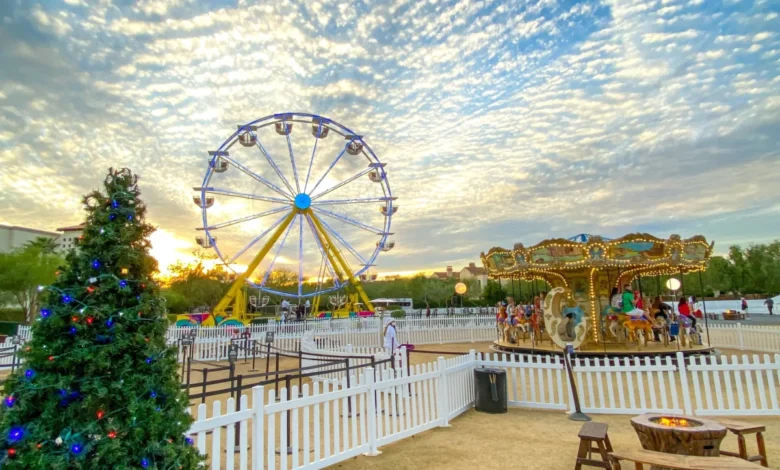
The Valley of the Sun transforms into a major regional hub for seasonal tourism as the 2026 winter holiday season approaches, with Scottsdale serving as the epicenter for a diverse array of cultural, entertainment, and retail activities. From late November through early January, the city will host more than 50 distinct events, ranging from large-scale light displays and theatrical performances to traditional Hanukkah celebrations and high-end retail experiences. This year’s festivities are particularly significant as they coincide with the 75th anniversary of Scottsdale’s incorporation, prompting local organizers to integrate commemorative elements into traditional programming.

Chronology of Major Holiday Kick-Offs
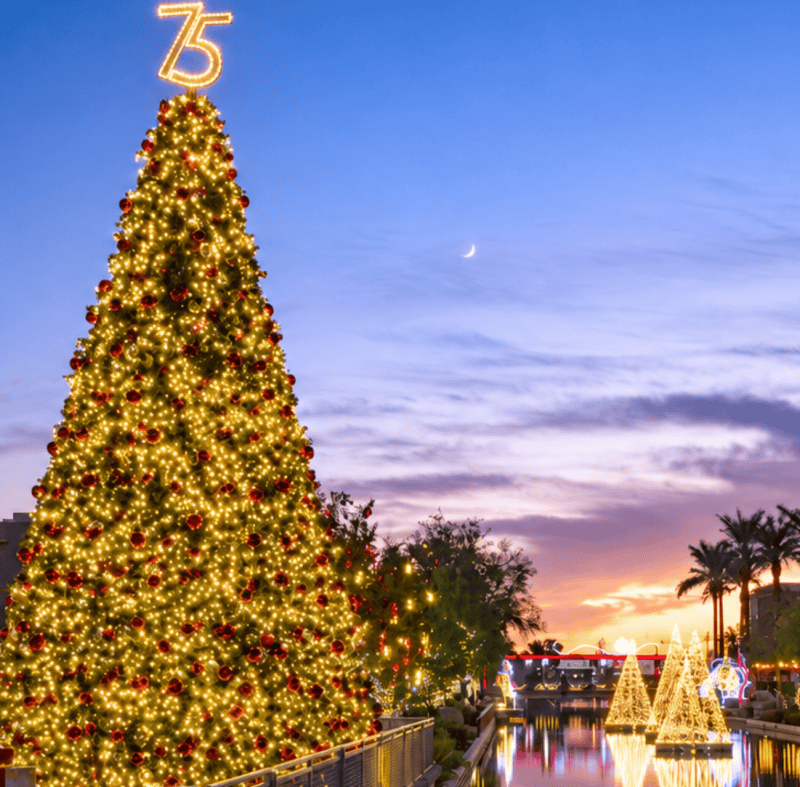
The official start of the season is marked by the Scottsdazzle Tree Lighting Spectacular on November 28, 2026. Held at the Scottsdale Waterfront, this event serves as the primary catalyst for the city’s holiday tourism. The event features a 36-foot-tall tree and a performance by the Phat Cat Swinger band, signaling the transition into the peak travel window.

Following this, major attractions maintain a staggered opening schedule to manage regional foot traffic. The Fairmont Scottsdale Princess, which operates its signature winter wonderland from November 20, 2026, through January 2, 2027, remains the highest-capacity attraction in the area. Other key dates include the opening of the McCormick-Stillman Railroad Park Holiday Lights on November 27, and the start of the Phoenix ZooLights on November 25. These staggered dates are part of a strategic effort by the local tourism bureau, Experience Scottsdale, to distribute visitor density across a six-week period.

Economic and Cultural Significance of Holiday Tourism

The holiday season acts as a critical economic driver for the Phoenix metropolitan area. Scottsdale’s retail landscape, led by Scottsdale Fashion Square and the outdoor districts of Kierland Commons and Scottsdale Quarter, experiences a predictable surge in consumer spending during this window. Data from previous years suggests that destination events—such as the Nutcracker ballet at Symphony Hall and the various pop-up holiday bars—contribute to increased overnight stays in the city’s luxury resort corridor.

The event programming also reflects a growing demographic shift in the region. The inclusion of extensive Hanukkah programming, such as the Annual Hanukkah Bazaar and the various Menorah lighting ceremonies across Scottsdale, Tempe, and Fountain Hills, indicates a broader effort to provide inclusive seasonal representation. Musical offerings, such as the Klezmatics concert at the Musical Instrument Museum and the Phoenix Symphony’s Handel’s Messiah, provide a cultural anchor that appeals to a diverse demographic beyond the typical tourist base.

Detailed Event Analysis and Operational Context

The Fairmont Scottsdale Princess remains the benchmark for integrated holiday programming. By utilizing a wristband system and VIP Express Lane access, the resort manages the logistical challenges of hosting thousands of visitors nightly. The shift from a standard train to the Ice Pass Express Train Ride and the integration of the Starlights: An Electric Symphony show demonstrate the necessity for large-scale venues to refresh their offerings annually to maintain repeat visitation.

Conversely, the Arizona Boardwalk entertainment center adopts a different model by leveraging its existing tenants—OdySea Aquarium and Butterfly Wonderland—to host themed events like the Winter Waterland and Glistening Gardens. This model minimizes infrastructure costs while maximizing visitor engagement through cross-promotional activities, such as the SeaTREK Santa underwater performance.

The retail sector’s involvement is equally structured. The Scottsdale Quarter’s Santa Social and the Merry Merchantile Market at the Scottsdale Civic Center focus on community-centric engagement. These events often double as philanthropic vehicles; for example, the raffle associated with the Scottsdale Quarter event supports the Phoenix Children’s Hospital, aligning corporate social responsibility with holiday festivities.

Analysis of Niche and Boutique Holiday Offerings

Beyond the large-scale events, a sub-sector of "holiday experience" tourism has emerged. The rise of pop-up holiday bars, such as the Feliz Navidad Cantina at Salt + Lime and Blitzen’s at the Omni Scottsdale Resort, highlights a demand for adult-oriented seasonal activities. These venues utilize immersive décor and specialized cocktail menus to drive traffic to restaurants during the typically slower mid-week periods.

Furthermore, the live theater circuit provides a consistent draw. The Don Bluth Front Row Theatre’s intimate 76-seat production of It’s a Wonderful Life offers a stark contrast to the mass-marketed productions at larger venues like the Herberger Theater or the Arizona Broadway Theatre. This diversification ensures that Scottsdale caters to a wide spectrum of preferences, from high-energy amusement park-style experiences to quiet, traditional performances.

Operational Challenges and Logistics

As the Valley of the Sun sees an increase in regional tourism, logistical management becomes a priority for local municipalities. The reliance on advanced ticket reservations for events like the McCormick-Stillman Railroad Park and the Phoenix ZooLights is a direct response to the need for crowd control. Local authorities have encouraged the use of ride-sharing services, such as Uber and Lyft, to mitigate parking congestion at the Fairmont and in Old Town Scottsdale.

For travelers, the strategy for navigating the 2026 season involves early booking. Many of the featured events, particularly those involving VIP packages or limited-capacity performances, reach peak occupancy well before the dates of the events.

Broader Implications for the 2026-2027 Season

The 2026 holiday season represents a maturation of Scottsdale’s tourism strategy. By moving beyond simple festive displays to create an integrated ecosystem of shopping, dining, and cultural performance, the city has successfully positioned itself as a premier winter destination. The collaboration between private enterprises, the municipal government, and local non-profits suggests a sustainable model for future holiday seasons.

As the city celebrates its 75th anniversary, the emphasis on local history—such as the events held at the Old Adobe Mission—serves to ground the modern, highly commercialized holiday offerings in the region’s cultural roots. This balance between contemporary spectacle and historical heritage is likely to remain the defining characteristic of Scottsdale’s approach to the winter holidays.

Future outlooks for the area suggest that as regional population growth continues, the demand for high-quality, local holiday events will likely increase. The current infrastructure, which successfully bridges the gap between massive resort attractions and intimate community gatherings, appears well-equipped to handle the projected visitor volume for the remainder of the 2026 season. Visitors are encouraged to monitor the official websites of the respective venues for real-time updates regarding weather-related schedule changes or capacity adjustments as the season progresses.