The evolution of outdoor culinary culture represents a significant departure from the historical reliance on scorched provisions and improvisational cooking methods. For generations, backcountry gastronomy was characterized by a distinct set of compromises: hot dogs dropped into open flames, instant coffee consumed from insulated mugs, and cast-iron skillets balanced precariously over unpredictable wood embers. While this rustic approach forged a certain resilience among early outdoor enthusiasts, contemporary demographics within the camping community have catalyzed a notable shift toward elevated campsite nutrition.
Modern campgrounds now resonate with the aromas of regionally inspired fajitas, freshly griddled breakfast items, and artisanal coffee preparations. This culinary transformation is not merely an exercise in outdoor luxury; rather, it reflects a broader convergence of technological innovation, shifting demographic preferences, and environmental adaptation. As outdoor recreation continues to surge globally, the apparatus supporting the wilderness experience has undergone a systematic redesign, prioritizing efficiency, sustainability, and gastronomic precision.

The Shift Toward Propane: Efficiency and Reliability in the Wilderness
At the core of this modern camp kitchen revolution is a pragmatic departure from traditional wood-gathering rituals. Following a demanding day of hiking, kayaking, cycling, or long-distance transit, contemporary travelers increasingly reject the time-consuming and often frustrating process of sourcing dry firewood and coaxing reluctant embers into stable combustion.
Consequently, liquefied petroleum gas—commonly known as propane—has emerged as the fuel of choice for a vast segment of the camping, RV, and overlanding communities. Market analyses within the outdoor recreation sector indicate a steady multi-year decline in sales of traditional heavy wood-gathering accessories, contrasted with a corresponding surge in compact, high-output gas appliances. Propane systems offer an immediate logistical advantage: instantaneous ignition via control valves, consistent thermal output regardless of altitude or ambient moisture, and precise temperature regulation.
This predictability transforms camp cooking from an exercise in damage control to an efficient domestic routine transposed to a natural setting. Campers can simultaneously simmer stocks, boil potable water, and fry proteins without calculating the thermal decay of a fading campfire. Furthermore, the standardization of fuel sources allows travelers to power stoves, lanterns, portable heaters, and fire pits using a unified energy supply, drastically reducing the physical bulk and weight of hauled equipment.

Evolution of the Camp Kitchen Ecosystem
The hardware of outdoor cooking has evolved in tandem with rising culinary expectations, yielding equipment that balances sophistication with utilitarian simplicity. Industry standards have gravitated toward the two-burner propane stove as the optimal configuration for diverse group sizes and meal complexities. These units allow users to execute multi-step recipes—such as searing proteins on one side while boiling water for hydration or hot beverages on the other—effectively bridging the gap between backcountry constraints and domestic culinary standards.
Concurrently, flat-top griddles have saturated the campground landscape. Originally popularized in commercial kitchens and residential patios, portable steel griddles have been adapted for outdoor modular use. Their expansive, uniform cooking surfaces accommodate high-volume meal preparation, ranging from morning pancakes to evening stir-fries, with minimal risk of food loss and straightforward cleanup protocols.
Beyond cooking surfaces, accessory infrastructure has also matured. Lightweight aluminum folding prep tables eliminate the ergonomic strain of ground-level food preparation, while integrated windscreen attachments ensure thermal efficiency in exposed alpine or coastal environments. Furthermore, the integration of analog and digital fuel gauges has mitigated the historically common mishap of unexpected fuel depletion during meal preparation.

Sustainability and the Refillable Cylinder Movement
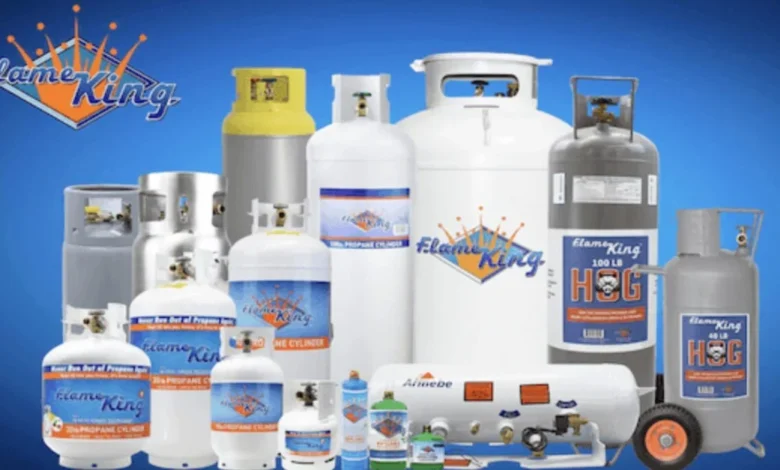
As environmental consciousness permeates outdoor recreation, the traditional method of fueling portable appliances is undergoing critical reassessment. For decades, the ubiquitous one-pound green disposable steel propane cylinder has served as a staple of North American camping culture. However, ecological metrics compiled by municipal waste authorities and conservation groups highlight a persistent challenge: millions of these pressurized single-use containers enter the waste stream annually, posing significant sorting, recycling, and environmental hazards when improperly discarded.
In response, federal, state, and private park authorities—alongside consumer advocacy groups—have encouraged a transition toward certified refillable one-pound steel and aluminum cylinders. Equipped with specialized overfill-prevention devices and safety valves, these reusable containers can be replenished either via direct connection to larger twenty-pound domestic propane tanks using certified adapters or through designated retail exchange programs.
Economic and environmental impact studies suggest that while the initial capital investment for a refillable cylinder kit exceeds that of a disposable counterpart, the long-term cost per trip decreases significantly for frequent campers. Furthermore, this shift aligns with broader "Leave No Trace" principles by substantially diminishing single-use metallic waste in remote ecosystems. Regulatory bodies across various jurisdictions have progressively updated their safety and transport guidelines to accommodate the safe handling and refilling of these portable containers, provided they meet Department of Transportation (DOT) certification standards.

The Traditional Wood Fire and the Rise of Propane Alternatives
While culinary methods have modernized, the cultural centerpiece of the campsite remains the gathering fire. However, the traditional open wood fire faces increasing regulatory and environmental constraints across North America. Persistent multi-year droughts, heightened wildfire risks, and strict seasonal fire bans implemented by forest management agencies have severely limited wood-burning privileges in numerous national parks, state forests, and Bureau of Land Management (BLM) territories.
Compounding these environmental factors are phytosanitary regulations designed to prevent the spread of invasive arboreal pests and pathogens, such as the emerald ash borer and spongy moth. These policies frequently prohibit the transport of firewood across county or state lines, compelling campers to purchase locally sourced wood, which is often expensive and occasionally unavailable.
In light of these restrictions, propane-fueled fire pits have gained widespread adoption. Initially met with skepticism by outdoor traditionalists who viewed gas flames as antithetical to the authentic wilderness experience, these appliances have won acceptance through practical utility. Propane fire pits provide immediate radiant heat and ambient illumination without particulate smoke emissions, flying embers, or the physical labor of wood procurement. Crucially, because they do not produce glowing sparks or require smoldering coals, many land management agencies permit their use during periods when open wood fires are strictly prohibited, though regulatory compliance varies dynamically by region and current fire danger ratings.

Safety Protocols and Regulatory Compliance
The increased adoption of pressurized gas systems and open-flame alternatives necessitates strict adherence to established safety protocols. Industry trade associations and emergency response agencies emphasize that while propane is exceptionally reliable when handled correctly, user error can lead to hazardous situations.
Key safety mandates include:
- Inspection and Maintenance: Regularly inspecting hoses, regulators, and cylinder threading for wear, corrosion, or structural damage prior to each excursion.
- Leak Detection: Utilizing soapy water solutions to verify connections are leak-free before ignition.
- Transportation Standards: Transporting propane cylinders exclusively in a secure, upright position within well-ventilated compartments of vehicles.
- Spatial Separation: Maintaining a mandatory safety perimeter, keeping all stoves, grills, and portable fire pits well away from tent fabric, synthetic shelters, and enclosed passenger vehicles to eliminate the risk of carbon monoxide accumulation and thermal ignition.
Broader Implications for Outdoor Recreation
The transformation of the backcountry kitchen is indicative of a broader philosophical shift in modern outdoor recreation. Rather than viewing wilderness travel as an endurance test defined by deprivation, contemporary participants increasingly define the outdoor experience through the lens of sustainable comfort and efficiency.

By adopting modular cooking gear, transitioning to refillable fuel sources, and embracing clean-burning thermal alternatives, campers are optimizing the logistical aspects of their trips. This modernization minimizes the time spent managing camp infrastructure—such as battling damp kindling or scrubbing encrusted cookware—and maximizes the time available for core recreational pursuits, whether that involves hiking, wildlife observation, or simply resting in a natural landscape.
Ultimately, the modernization of camp cooking does not dilute the inherent unpredictability of the outdoors; rather, it provides a reliable foundation upon which the traditional social rituals of sharing a meal around a fire can continue to thrive in an evolving environmental and technological landscape.