Best Hotels and Resorts Offering Immersive Halloween Packages and Seasonal Celebrations for 2026

As the crisp air of autumn settles across the United States, the hospitality industry is witnessing a significant surge in demand for themed seasonal experiences. For 2026, major luxury resorts and historic properties have curated specialized Halloween programming, ranging from immersive, adult-oriented masquerade balls to family-centric festivals. This trend reflects a broader shift in the travel sector, where "experiential tourism" is driving occupancy rates during the traditional shoulder season. According to hospitality industry analysts, themed events—particularly those offering all-inclusive packages—have become vital revenue drivers for properties aiming to maximize occupancy between the summer peak and the winter holiday season.
The Evolution of the Haunted Hospitality Market
Historically, the concept of a "haunted hotel" was limited to niche paranormal tourism. Today, however, these properties have professionalized their offerings, integrating high-production value events with luxury accommodation. By bundling lodging with exclusive access to balls, costume contests, and guided tours, resorts are successfully capturing a diverse demographic that seeks both comfort and high-thrill entertainment.
1. Salem, Massachusetts: The Hawthorne Hotel’s Paranormal Legacy
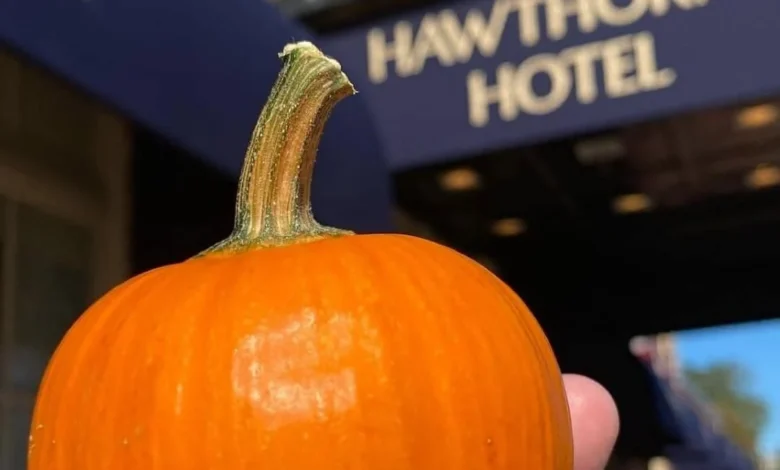
Salem remains the epicenter of American Halloween tourism. The Hawthorne Hotel, a landmark property with a history dating back to 1925, serves as the primary hub for those seeking an authentic encounter with the city’s colonial history. The hotel’s reputation for paranormal activity—supported by decades of guest testimonials regarding auditory phenomena and kinetic disturbances—provides a backdrop for its annual Halloween Ball.
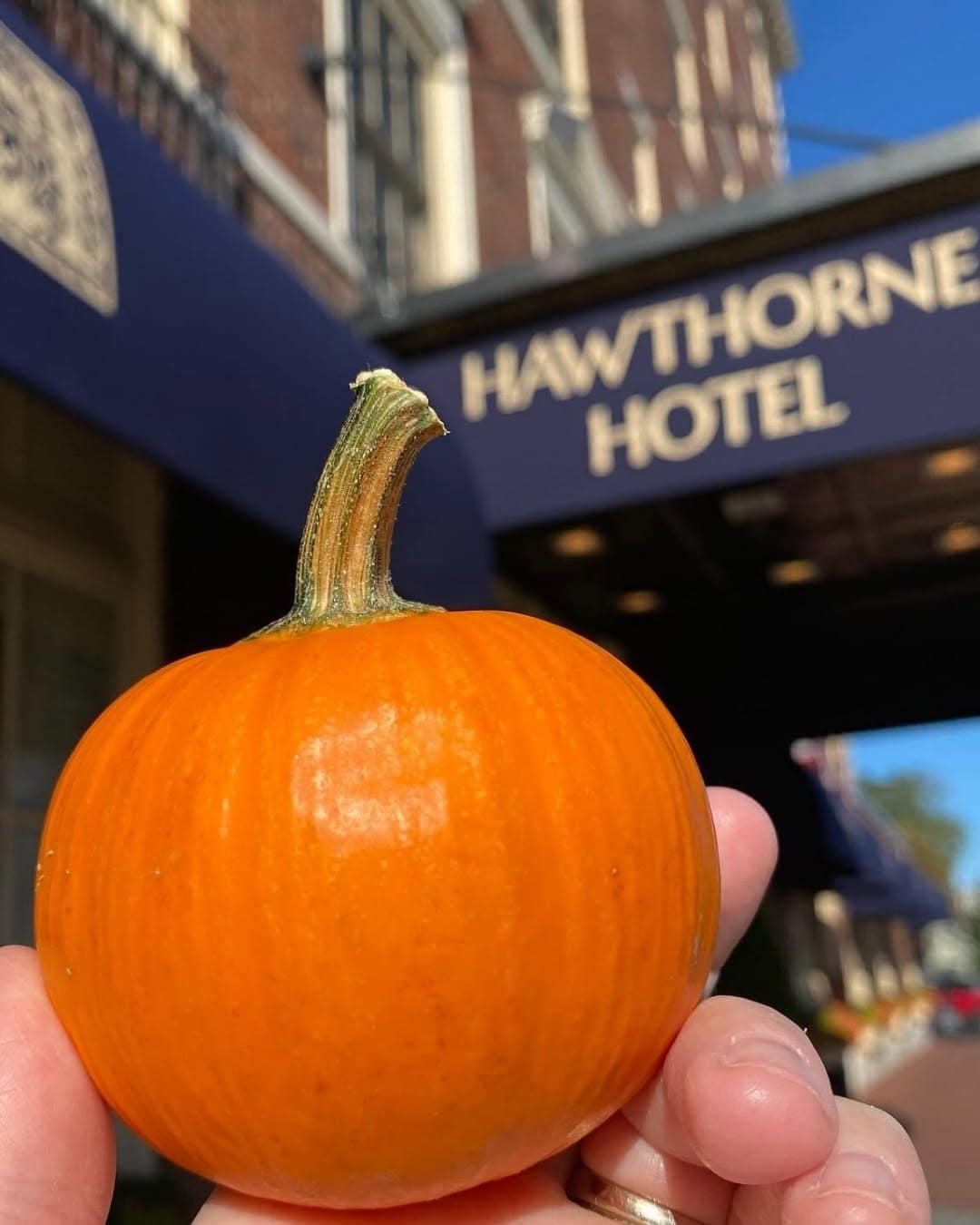
The 2026 iteration, scheduled for October 24, centers on the theme of "Phobia." This event is strictly limited to guests participating in a three-night residency package. Hotel management notes that this requirement is designed to ensure an immersive, crowd-controlled environment, a strategy that has consistently resulted in sell-out status months in advance. For families, the hotel provides a more subdued, educational approach through its year-round Hocus Pocus package, which aligns with the city’s status as the filming site for the 1993 cult classic.
2. Bretton Woods, New Hampshire: Omni Mount Washington Resort
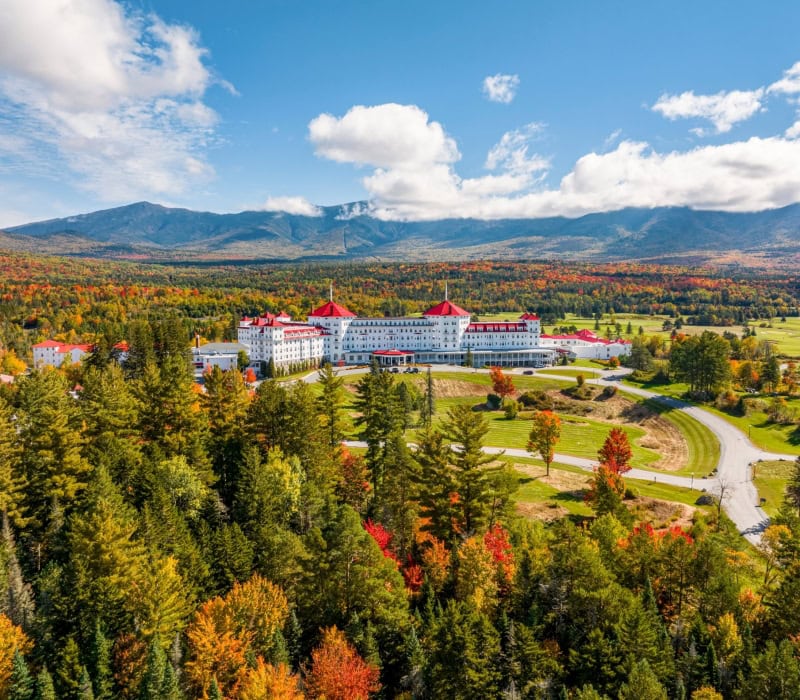
In the White Mountains, the Omni Mount Washington Resort utilizes its expansive grounds to host a multi-week fall transition. The programming begins in early October with an Oktoberfest celebration, marking the transition from summer outdoor recreation to autumn-themed festivities.
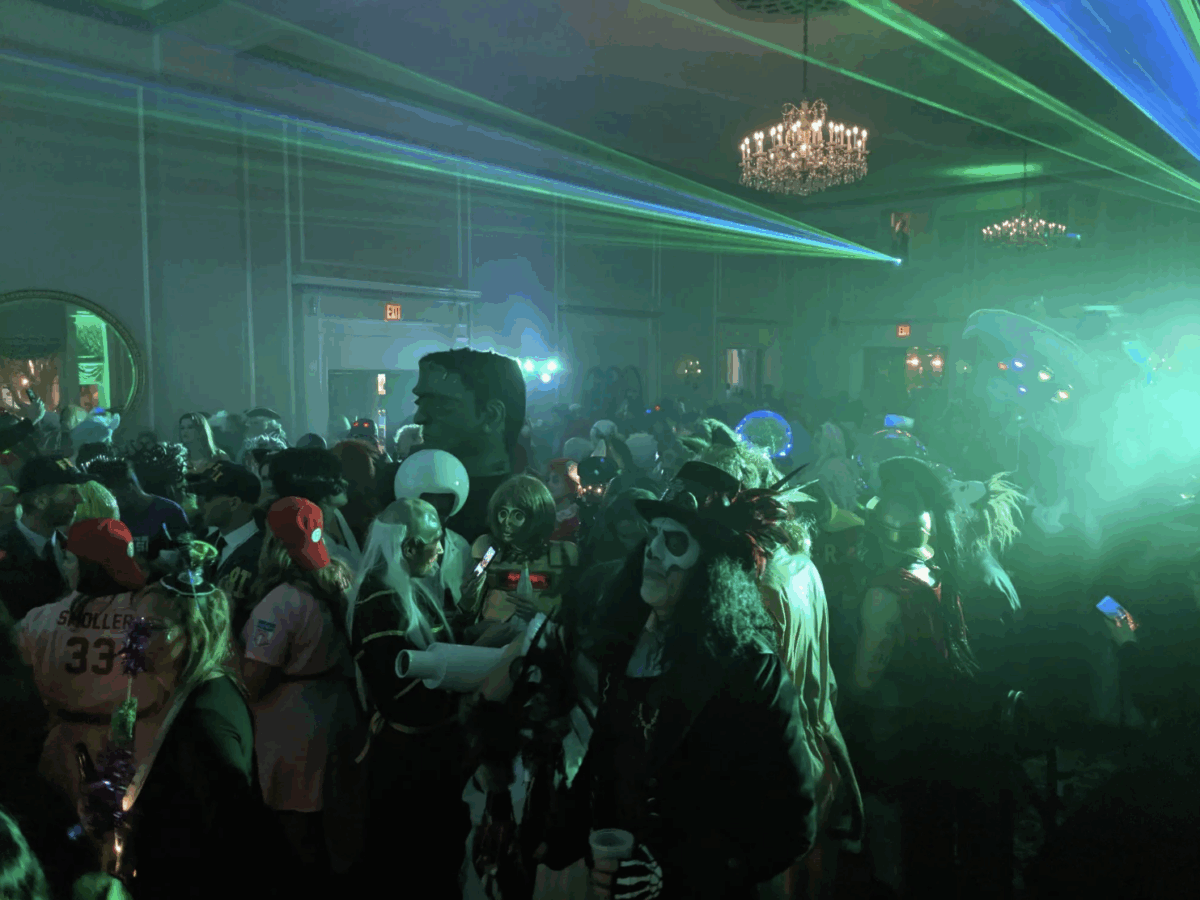
The resort’s "Halloweekend," held October 30–31, 2026, provides a granular look at how modern resorts cater to multi-generational travelers. By splitting programming into daytime educational and craft activities for children and the "Spirits After Dark" bash for adults, the resort manages a seamless transition of atmosphere. Data suggests that properties offering such dual-track programming experience higher customer retention, as parents are more likely to book stays that solve their own entertainment needs while providing safe, engaging environments for their children.
3. National Brand Integration: The Great Wolf Lodge Model
The Great Wolf Lodge brand represents the mass-market adoption of Halloween theming. By implementing the "Howl-O-Ween" program across 22 U.S. locations from September 24 through October 31, the company leverages its indoor water park infrastructure to create a consistent, weather-proof seasonal experience.
The inclusion of the "Trick-Or-Treat Trail" and "Monster Bash Dance Party" demonstrates a strategic focus on the family market. Industry experts observe that these activities allow the brand to command higher nightly rates during a period that might otherwise be slower for water-park-centric resorts. The addition of "Yoga Tails" and "Ghoulish Games" serves to keep guests on the property, thereby increasing ancillary spending at on-site dining and retail outlets.
4. Estes Park, Colorado: The Stanley Hotel and the Stephen King Legacy
The Stanley Hotel offers a unique case study in leveraging pop-culture heritage. As the primary inspiration for Stephen King’s The Shining, the property has successfully monetized its literary connection. The 2026 Shining Ball is not merely a party; it is a brand-reinforcement event that draws thousands of applications for limited ticket slots.
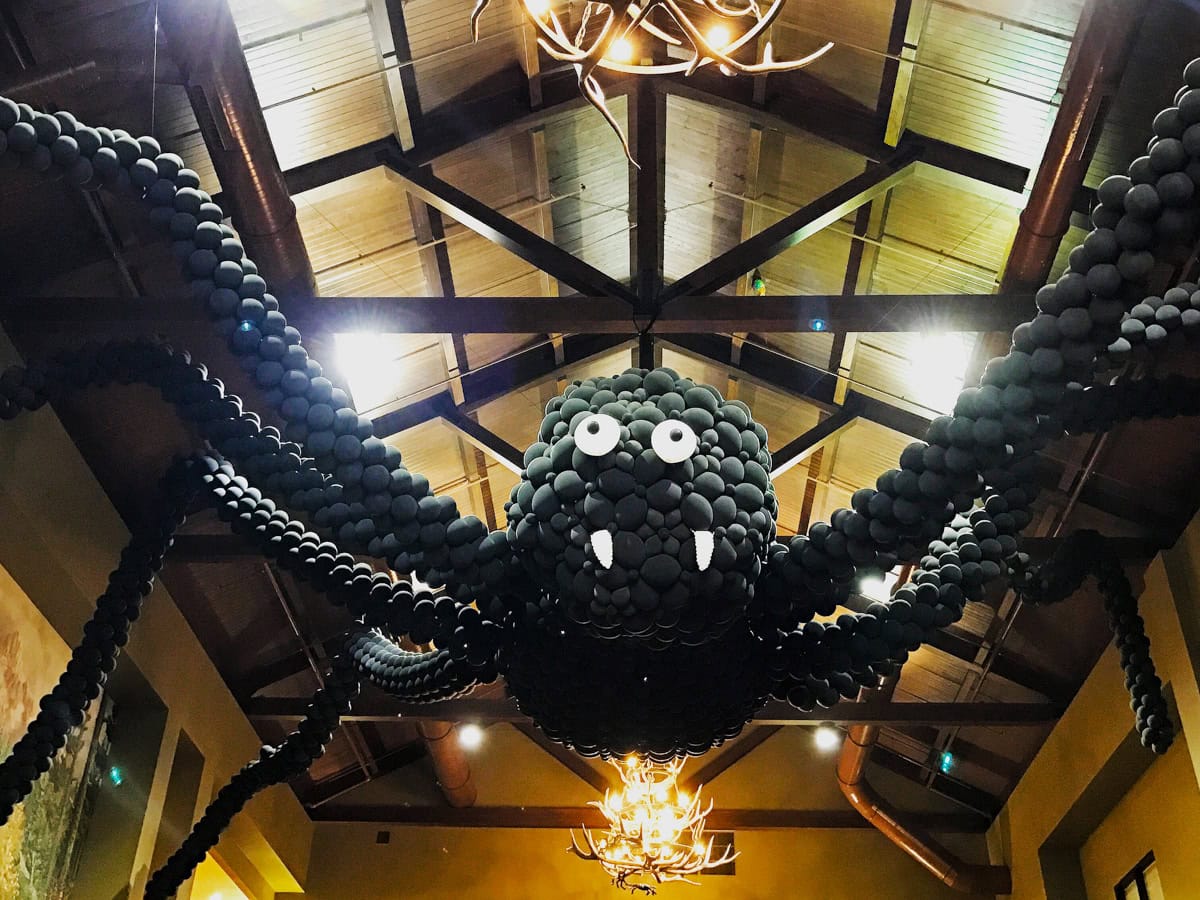
The hotel’s ability to host séances and ghost tours throughout the year provides a baseline of revenue that spikes significantly during October. The event’s emphasis on costume authenticity—specifically regarding the film’s iconic characters—indicates a high level of engagement among its core customer base. The financial implications are clear: the property effectively operates as a year-round destination, but the Halloween season functions as a high-margin promotional window that boosts the hotel’s global profile.
5. Hershey, Pennsylvania: Theme Park Synergy
The Hershey-based accommodations—The Hotel Hershey, Hershey Lodge, and the Hersheypark Camping Resort—demonstrate the efficacy of the "bundle" model. By partnering with Hersheypark’s "Dark Nights" haunt experience, these properties provide an integrated travel product.
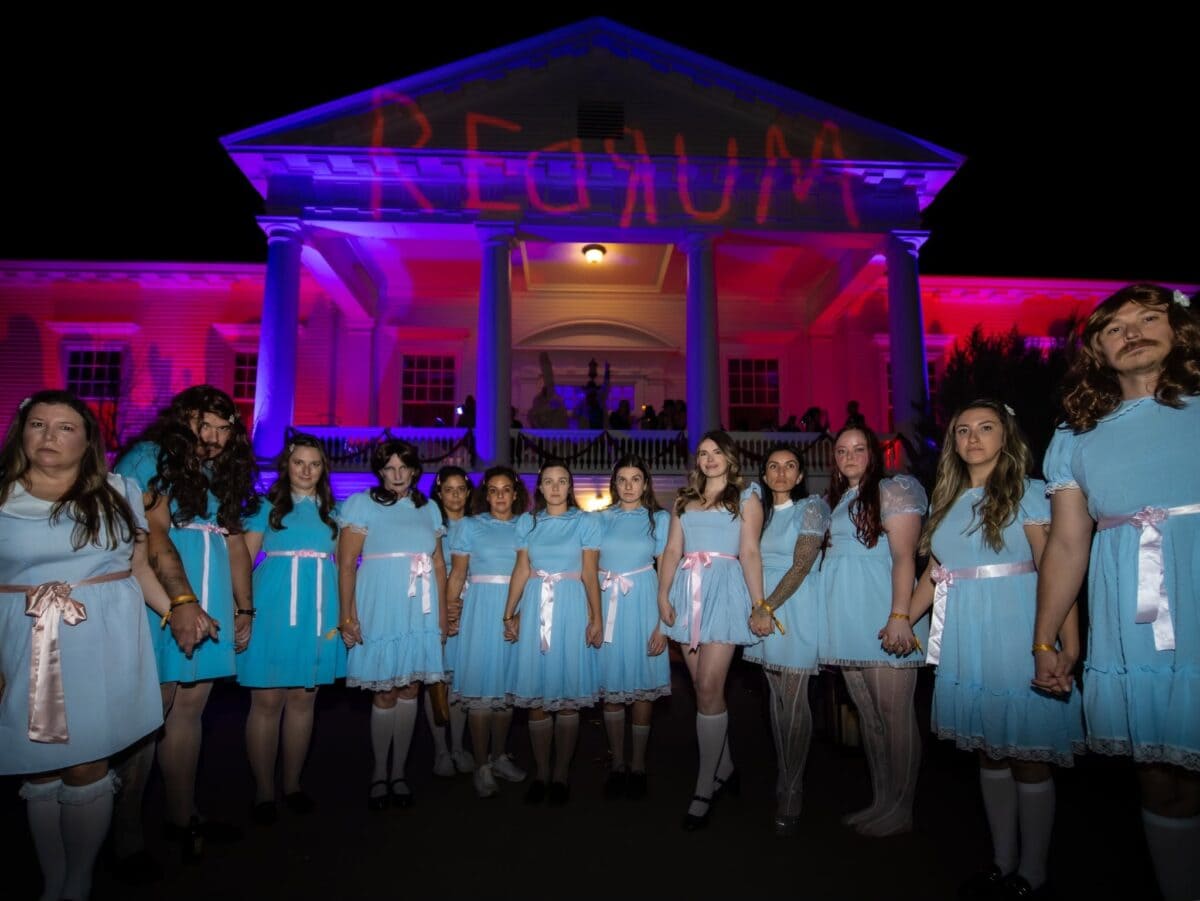
The 2026 package tiers, ranging from basic entry to "Fast Track" access for haunted houses, reflect a sophisticated understanding of consumer behavior. By segmenting the market into those seeking family-friendly activities and those seeking the intense, ticketed "Dark Nights" experience, the Hershey properties ensure that they capture the maximum possible share of the regional tourism market.
6. Orlando, Florida: The Grande Lakes Fall Festival
In Orlando, where the market is dominated by major theme park operators, the Grande Lakes resort complex (The Ritz-Carlton and JW Marriott) differentiates itself through a more refined, upscale festival model. The "Fall at Grande Lakes" (October 9–11, 2026) emphasizes traditional, outdoor-centric activities such as canoeing and archery, alongside seasonal culinary offerings.
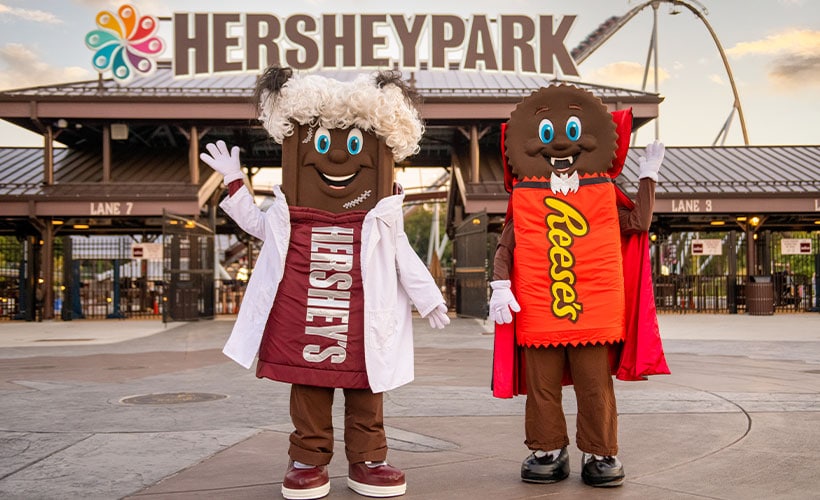
This approach targets a segment of the traveling public that desires the Halloween atmosphere without the high-intensity, "scare-zone" environment found at nearby competitors like Universal Orlando. By providing complimentary access to overnight guests, the resort creates an incentive for longer stays, reinforcing the value proposition of the luxury accommodation.
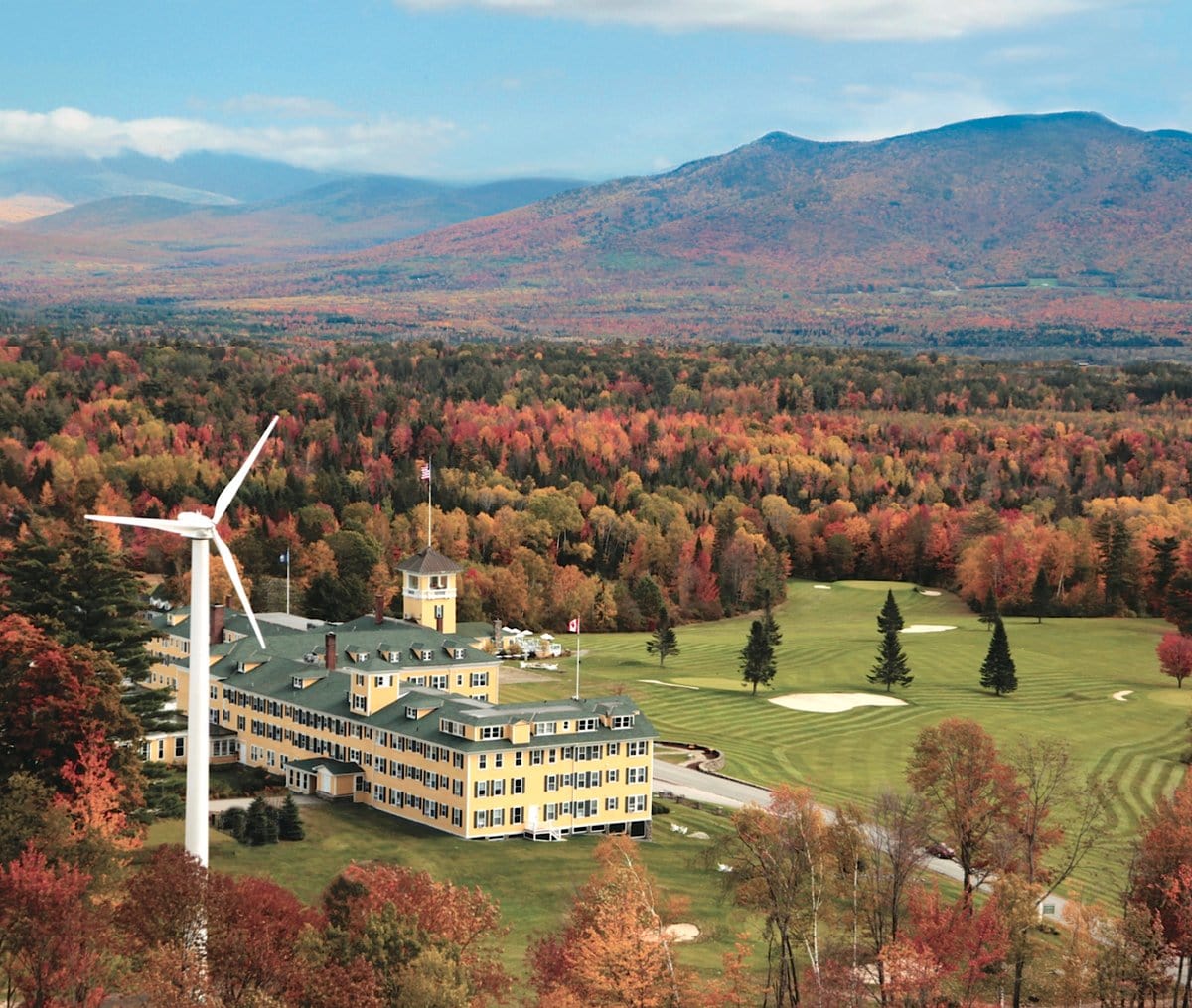
7. Whitefield, New Hampshire: Mountain View Grand Resort
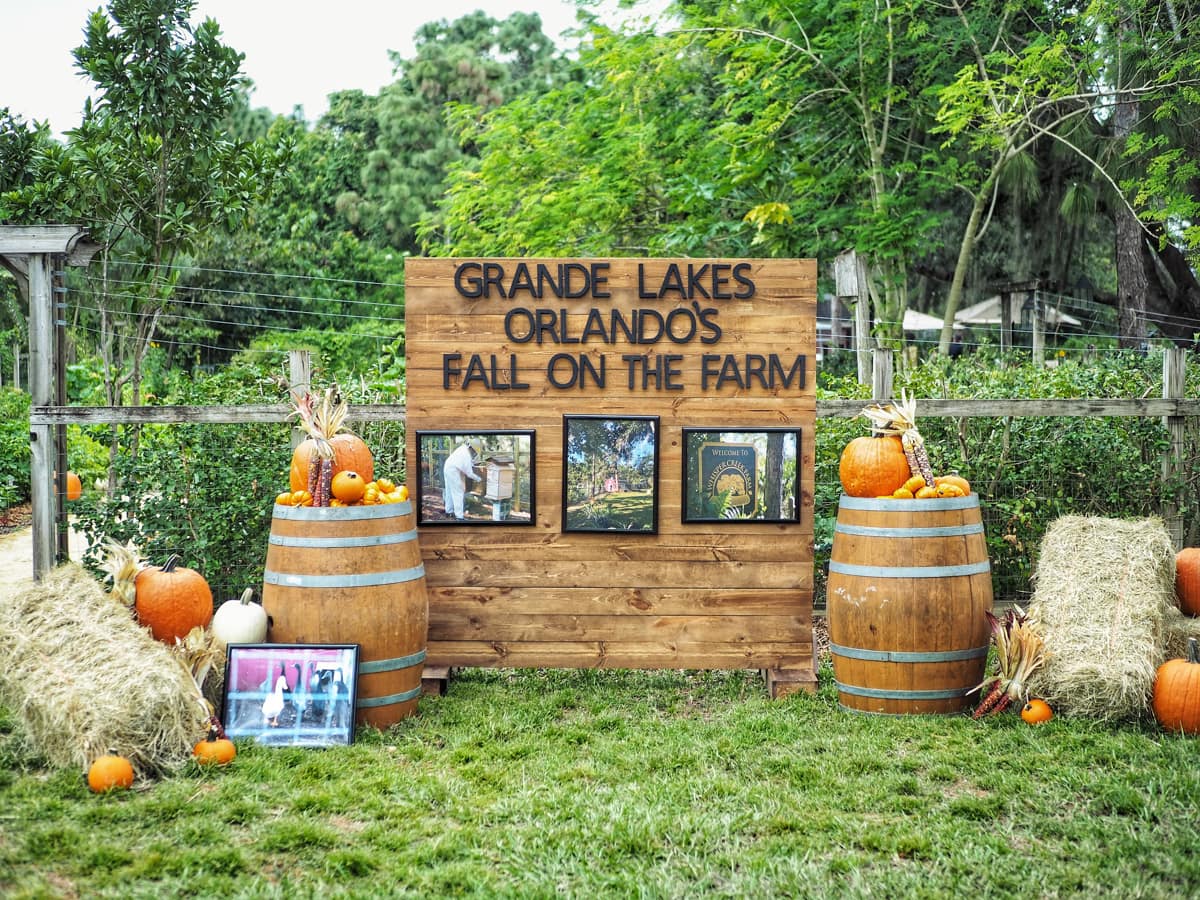
The Mountain View Grand Resort focuses on the intersection of agrarian tourism and luxury hospitality. The introduction of "The Grand Makers Camp: Fall Edition" (October 23–25, 2026) represents a targeted effort to attract the creative, adult demographic. By focusing on hands-on workshops and seasonal dining, the resort targets the "slow travel" movement, where guests prioritize skill acquisition and localized cultural experiences over high-octane thrills.
8. Scottsdale, Arizona: Fairmont Princess Halloween Bash
The Fairmont Princess provides an example of a property adapting its programming to changing consumer trends. Having moved away from large-scale public festivals, the resort now focuses on the "Nightmare on Princess Drive" adult bash. This strategic shift reflects a pivot toward higher-margin, adult-only evening events that require less physical infrastructure than daytime carnivals but generate significant revenue through beverage sales and ticketed entry.
9. Virginia Beach, Virginia: The Cavalier Resort’s "Yelloween"
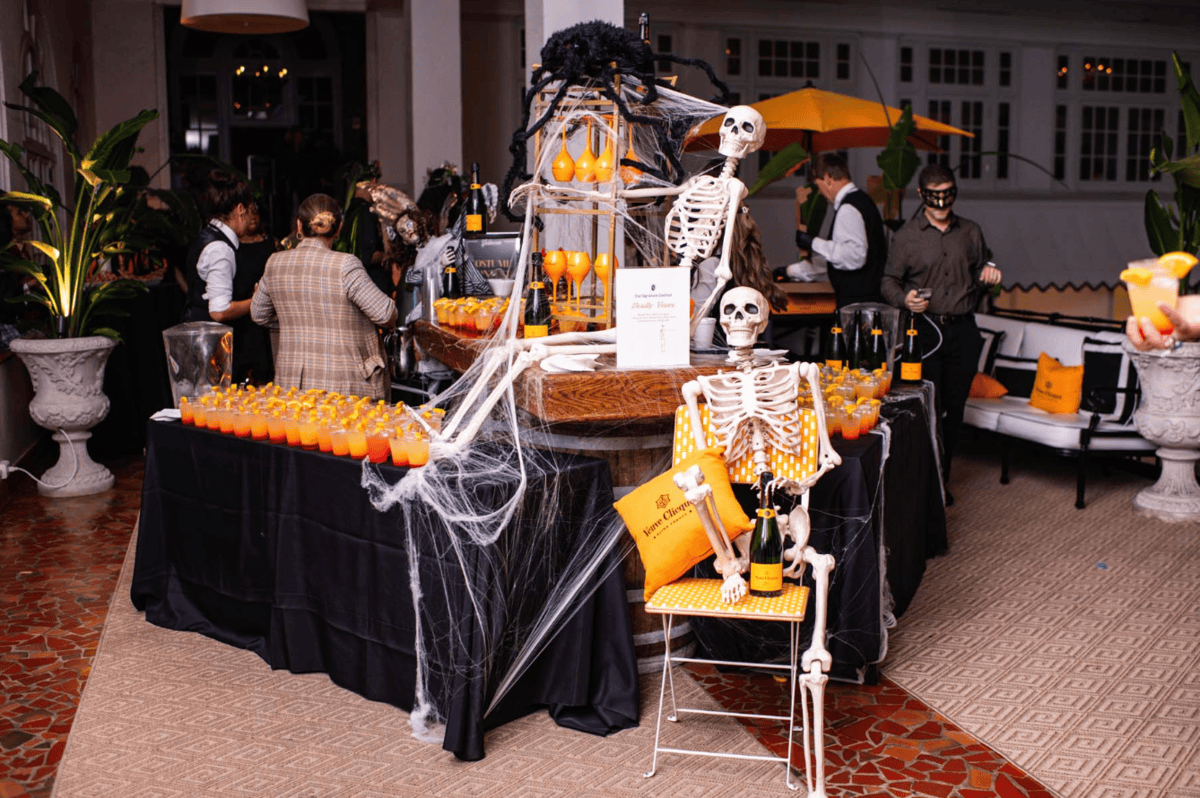
"Yelloween" at The Cavalier Resort represents the luxury tier of Halloween events. By partnering with Veuve Clicquot, the resort positions itself within the lifestyle-brand segment. This event is an example of "aspirational travel," where the Halloween theme acts as a marketing hook for a premium, champagne-focused social gathering. The provision of complimentary admission for hotel guests serves as a powerful conversion tool for room bookings.
10. Universal Orlando Resort: High-Volume Haunted Hospitality
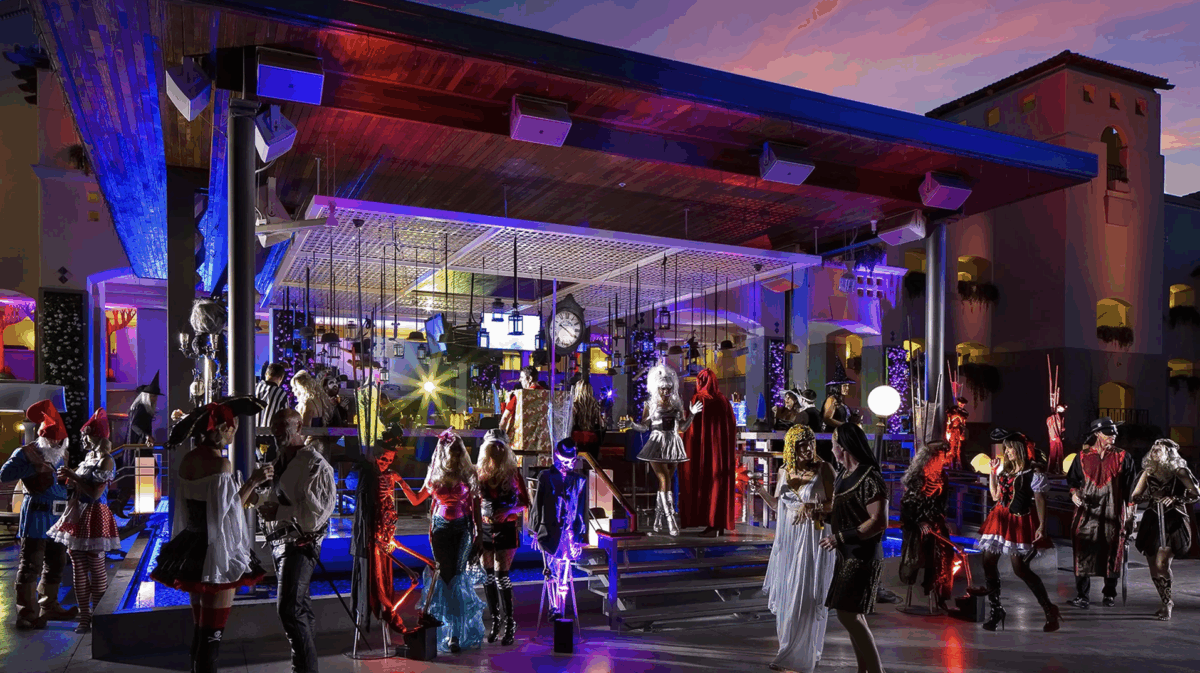
Universal Orlando’s strategy is arguably the most aggressive in the industry. By integrating its hotels directly with "Halloween Horror Nights," the company manages a massive volume of guest traffic. The financial model here is built on the $300-bundle incentive, which encourages guests to stay on-site for multiple days. This strategy ensures that guests are fully immersed in the Universal ecosystem, from the lobby décor to the park-wide scare zones, maximizing the return on the resort’s substantial investment in production design.
Broader Economic and Industry Implications
The trend toward hotel-based Halloween programming signifies a departure from the traditional "stay-only" hotel model. Properties that invest in curated events are better positioned to weather economic fluctuations by offering a "total experience" product.
Analysis of current booking trends for 2026 indicates that early-bird reservations are becoming the standard for these events. The implication for travelers is clear: the era of the spontaneous, last-minute Halloween getaway is diminishing in favor of pre-planned, package-based vacations. As these hotels continue to refine their offerings, the line between hospitality and entertainment continues to blur, establishing Halloween as one of the most commercially significant periods in the annual travel calendar. Whether through the lens of paranormal history, family-oriented trick-or-treating, or high-end nightlife, these resorts demonstrate that seasonal engagement is no longer an optional add-on, but a foundational component of modern hospitality success.
Related posts: