The historical narrative of Morocco has frequently been dominated by the imagery of sultans, pashas, and the rugged, nomadic figures of the Sahara. However, beneath the traditional chronicles lies a deep, rich history of female agency, intellectual leadership, and political power that has fundamentally shaped the North African nation. From the foundational era of the medieval empires to the modern legislative chambers of the 21st century, Moroccan women have consistently defied societal constraints to serve as architects of their country’s evolution. This report examines the lives and legacies of these figures, tracing a timeline of influence that spans over a millennium.
The Foundations of Power: Zaynab an-Nafzawiyya
In the 11th century, the Almoravid Empire emerged as a transformative force in the Maghreb. Central to its political consolidation was Zaynab an-Nafzawiyya, a woman of significant wealth and strategic acumen residing in the trading hub of Aghmat. Historical accounts, often recorded by medieval chroniclers, suggest that Zaynab was not merely a spouse to the Almoravid leader Yusuf ibn Tashfin, but a co-ruler who directed the empire’s trajectory.
Her influence peaked in 1072, a period of internal transition for the Almoravids. When the former leader Abu Bakr ibn Umar returned from the desert to reclaim power, it was Zaynab’s counsel that maintained the stability of the north. She advised Yusuf to meet his cousin with diplomatic grace and material gifts rather than military confrontation, a move that prevented a civil war and solidified the empire’s hold on the region. Historians frequently cite her role in the founding of Marrakech, effectively placing her at the epicenter of Moroccan urban and political history.
Maritime Sovereignty: The Legacy of Sayyida al-Hurra
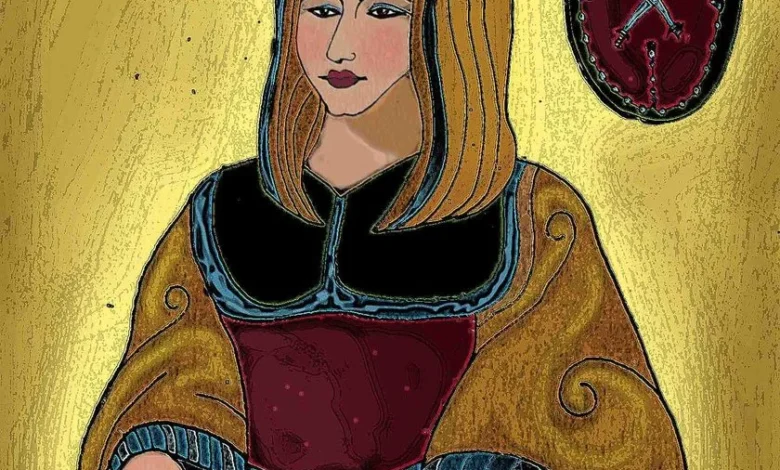
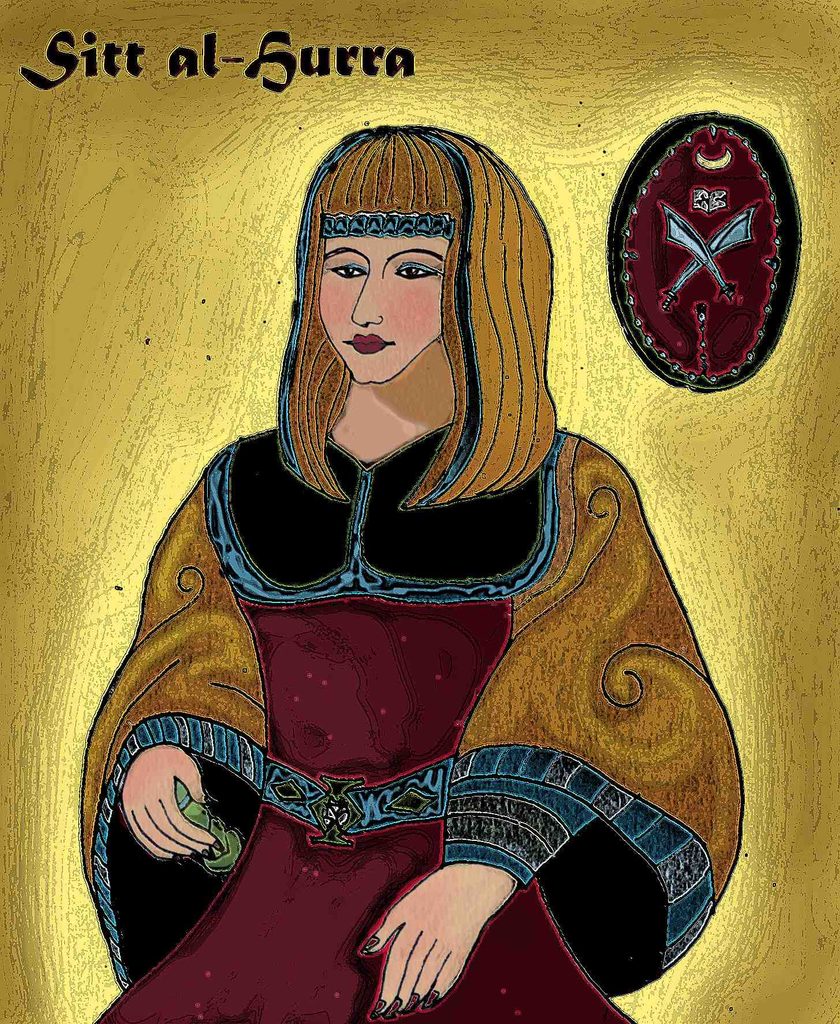
By the 16th century, the geopolitical landscape of the Mediterranean was defined by naval competition and territorial disputes. Sayyida al-Hurra, born in the late 1400s in the newly established city of Chefchaouen, emerged as a formidable maritime power. As the governor of Tetouan following the death of her husband, Sidi al-Mandri, in 1515, she exercised sovereign control over the western Mediterranean.
Her strategic alliance with the Ottoman corsair Barbarossa created a bipolar naval power structure, with the two leaders effectively partitioning control of the sea. Spanish and Portuguese archives from the period record formal negotiations between their governments and Sayyida al-Hurra, acknowledging her authority over maritime commerce and the exchange of prisoners. Her ability to secure her territory and negotiate on equal footing with European powers underscores a unique period of female-led statecraft in the early modern era.
Academic and Intellectual Bedrock: Fatima al-Fihri
The 9th century witnessed an act of philanthropy that would change the course of global education. Fatima al-Fihri, a migrant to the city of Fez, utilized her inheritance to establish the al-Qarawiyyin Mosque and its associated madrasa in 859 CE. Recognized by UNESCO and the Guinness World Records as the oldest existing, continually operating educational institution in the world, the university served as a crucible for scholars such as Ibn Khaldun and Leo Africanus.
The institutional longevity of al-Qarawiyyin is supported by its extensive library, which preserves rare 9th-century manuscripts and foundational texts on Islamic jurisprudence, mathematics, and medicine. Fatima al-Fihri’s contribution transcends regional borders; her vision for a center of academic excellence established a model for higher education that influenced subsequent institutions in Europe and the Middle East.
Modern Feminism and Sociological Critique: Fatema Mernissi
Moving into the 20th century, the discourse surrounding gender dynamics in Morocco was profoundly altered by the scholarship of Fatema Mernissi. Born in 1940, Mernissi emerged as a leading voice in Islamic feminist theory, challenging patriarchal interpretations of religious texts through rigorous historical analysis.
Her seminal work, "The Veil and the Male Elite," provided a groundbreaking investigation into the lives of the Prophet Muhammad’s wives, arguing that historical interpretations had often been manipulated to restrict female participation in public life. Despite facing censorship in various conservative nations, Mernissi’s writings gained international acclaim, earning her the Erasmus Prize in 2004. Her academic legacy continues to inform global debates on gender equality within Muslim-majority societies.
Advocacy and Social Reform: Aïcha Chenna
The latter half of the 20th century saw the rise of grassroots social advocacy, championed by Aïcha Chenna. Trained as a nurse, Chenna identified critical gaps in the Moroccan healthcare and social support systems, particularly concerning the rights of single mothers and victims of abuse. In 1985, she founded the Female Solidarity Association (Association Solidarité Féminine), a pioneering NGO dedicated to the economic and social rehabilitation of marginalized women.
Chenna’s work was characterized by a focus on public health education and the de-stigmatization of single motherhood. Her efforts garnered international recognition, including the Opus Prize, and forced a national conversation regarding the legal protections for women and children. Her death in 2022 marked the loss of one of Morocco’s most tenacious social reformers, whose impact continues through the ongoing operations of her organization.

Breaking Barriers in Sports: Nawal El Moutawakel
In 1984, the Los Angeles Olympic Games served as a global stage for a shift in perception regarding women in sports. Nawal El Moutawakel became the first woman from an Arab or Muslim-majority country to win an Olympic gold medal, triumphing in the 400-meter hurdles. This achievement shattered long-standing stereotypes regarding the physical capabilities and public roles of women in the region.
El Moutawakel’s influence extended beyond the track; she has served as a member of the International Olympic Committee and a tireless advocate for girls’ athletics. Her initiation of the "Fun Run" in Casablanca, which now draws tens of thousands of participants, serves as a testament to her commitment to fostering a culture of health and competitive opportunity for young Moroccan women.
Contemporary Leadership: Fatima Ezzahra El Mansouri
The evolution of female political participation reached a historic milestone in the 21st century with the rise of Fatima Ezzahra El Mansouri. Born in 1976 and trained in law, El Mansouri’s career began in municipal politics, where she served two terms as the mayor of Marrakech. Her ascent to the national stage was solidified by her leadership of the Authenticity and Modernity Party (PAM).

Following the legislative victory of her coalition in the September 2026 elections, El Mansouri was appointed as the first female Head of Government in Moroccan history. This appointment—the second such instance in the Arab world—is widely viewed by political analysts as a structural shift in the Moroccan political landscape. The formation of her cabinet, which includes seven female ministers, suggests a deliberate move toward gender-balanced governance.
Broader Implications and Future Outlook
The trajectories of these women reflect the broader, often non-linear, progress of Moroccan society. From the strategic councils of the 11th century to the prime ministerial office of the 21st, the role of women has evolved from informal influence to formal, constitutional leadership.
Data from the World Bank and local policy observatories indicates that increased female representation in government and the private sector is positively correlated with improved socioeconomic outcomes, including higher secondary education completion rates and increased female labor force participation. While challenges remain in addressing systemic gender gaps in rural areas and the professional workforce, the legislative and social milestones achieved by figures like El Mansouri and Mernissi provide a robust framework for future growth.

As Morocco continues to navigate the complexities of globalization and tradition, the legacy of these women serves as both a historical record and a contemporary roadmap. Their contributions demonstrate that the advancement of women is not merely a matter of social equity, but a fundamental component of the nation’s political stability and economic modernization. In the words of the late Fatema Mernissi, the dignity found in having a vision and a place in the world remains the driving force for the next generation of Moroccan leaders.