Decoding European Street Style: A Comprehensive Travel Fashion and Packing Guide for North American Visitors

The enduring global fascination with European street style—particularly the seemingly effortless elegance observed in fashion capitals like Paris, Milan, and Copenhagen—continues to captivate international travelers, who often find themselves studying local wardrobes with a mixture of admiration and bewilderment. After spending nearly two years residing in the French capital, observing mothers pushing strollers in heels and skirts down cobblestone residential streets, it becomes abundantly clear that everyday European fashion relies less on haute couture exclusivity and more on deliberate tailoring, timeless silhouettes, and an understated approach to personal presentation. For international visitors preparing for an upcoming journey across the Atlantic, mastering this aesthetic while managing the constraints of airline baggage allowances requires a strategic approach to packing versatile, high-quality, and comfortable garments.
Background Context and Evolution of European Street Aesthetics
The perception that European citizens possess an innate, effortless sense of style is deeply rooted in the cultural history of cities like Paris, London, and Rome, which have served as global epicenters of the textile and luxury goods industries for centuries. Historically, European urban planning—characterized by dense neighborhoods, pedestrianized thoroughfares, and extensive public transit systems—encourages daily walking as a primary mode of transportation. Consequently, clothing has traditionally been designed to withstand mobility while maintaining a polished, socially respectable appearance.
Sociologists and fashion historians note that post-war European consumer habits historically favored fewer, higher-quality garments over fast-fashion volume. Although modern globalization and multinational retailers like Zara, H&M, and Mango have democratized fashion access across the continent, regional styling philosophies continue to emphasize fit, fabric longevity, and restraint over conspicuous branding or overt trend-chasing. This cultural emphasis on looking put-together for everyday errands—whether purchasing morning pastries or commuting to an office—sets a distinct baseline that often contrasts with the more casual, comfort-oriented athleisure norms prevalent in North American suburban culture.
Core Principles of European Wardrobe Architecture
Contrary to popular tourist stereotypes, European wardrobes are not exclusively monochromatic, nor do locals confine their daily attire strictly to shades of black. Urban fashion districts showcase a vibrant spectrum of colors, seasonal prints, and dynamic textures. However, achieving the signature European look depends heavily on a few foundational styling rules that prioritize structure and proportion over complicated designs.
Fit and Tailoring as the Ultimate Priority
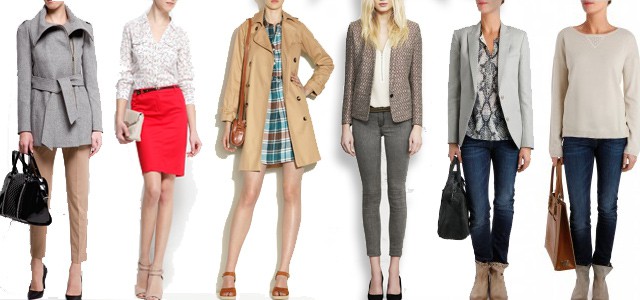
The single most significant differentiator in European street style is garment fit. While international travelers frequently assume that stylish urbanites maintain exclusive access to luxury designer labels, the reality is that everyday Europeans shop at the same accessible high-street retailers found globally. The distinction lies in the widespread cultural practice of garment tailoring. When off-the-rack clothing does not provide an ideal silhouette, local consumers routinely utilize neighborhood tailoring services to adjust hemlines, take in waistlines, or restructure shoulders. These subtle, inexpensive alterations elevate standard garments, ensuring a sharp, bespoke appearance that mass-market clothing rarely achieves on its own.
Proportion and the Rule of Contrast
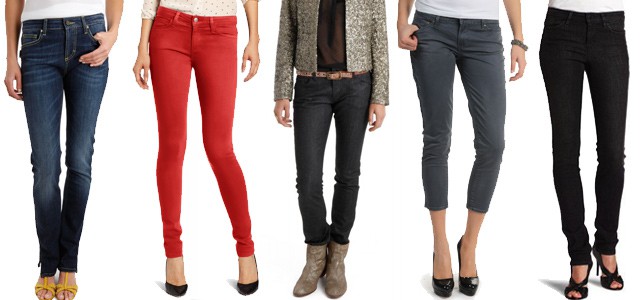
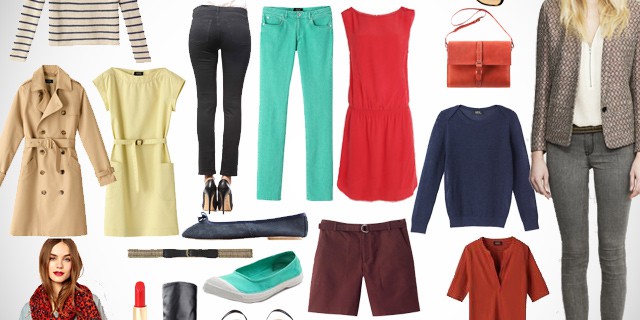
European fashion philosophy favors simplicity and classic, enduring silhouettes that avoid screaming for attention. To prevent simple outfits from appearing monotonous, stylists frequently employ contrasting proportions. A common street-style formula involves pairing a voluminous, chunky knit sweater with a sleek, tailored skirt or fitted slim trousers. This deliberate balancing act creates visual interest without relying on excessive graphics, loud logos, or complicated layering.
Footwear Strategy: Balancing Aesthetics with Cobblestone Practicality

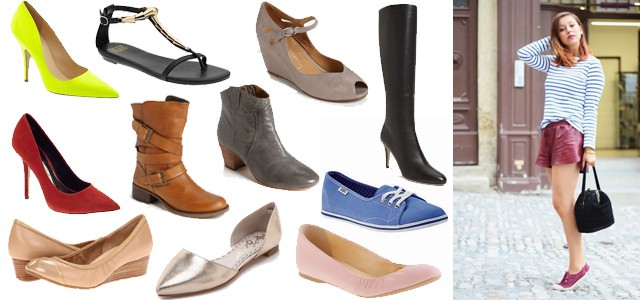
Navigating historic European cities requires careful consideration of footwear, given the prevalence of uneven cobblestone streets, ancient paving stones, and extensive walking requirements. While urban professionals often wear high heels or elegant stilettos for commuting or evening outings, visitors attempting to navigate historic centers in towering heels frequently encounter severe discomfort and foot injuries.
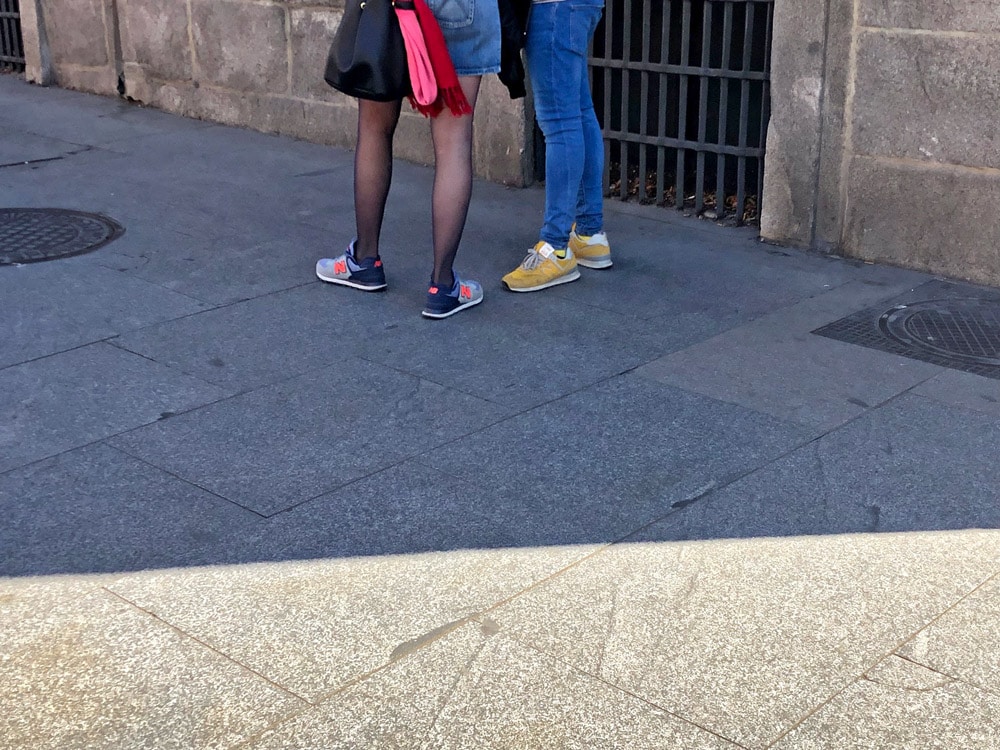
Wedges and block heels offer a practical compromise by providing a wider surface area for stability on uneven terrain. Furthermore, ankle boots remain a year-round staple across the continent, while tall leather boots dominate winter wardrobes. For daytime sightseeing, minimalist leather sneakers, classic loafers, and strappy flats are widely worn by local residents. Traditional, overly bulky athletic running shoes are generally avoided by locals for everyday urban wear, though fashionable, low-profile athletic footwear from brands like Adidas, New Balance, and Veja are commonplace. Travelers are strongly advised to limit their shoe selections to two or three versatile, well-broken-in pairs equipped with quality orthotic insoles, such as Superfeet, to prevent travel-ruining blisters.
Signature Accessories: Scarves, Outerwear, and Handbags
Accessories serve as the functional anchor of European travel wardrobes, providing both practical utility against shifting weather and an easy mechanism for adding color or texture to neutral base layers.
The Ubiquitous Scarf
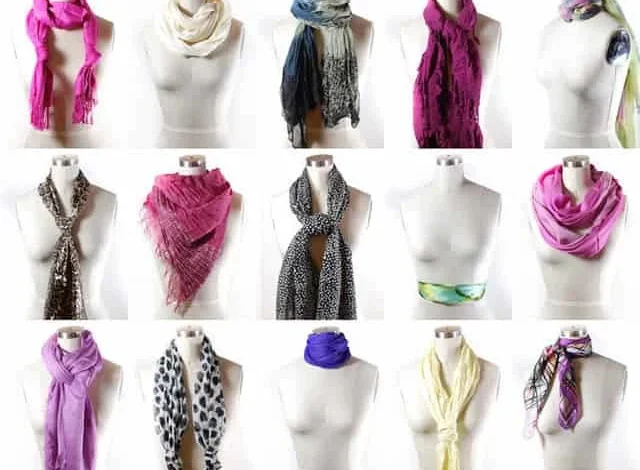
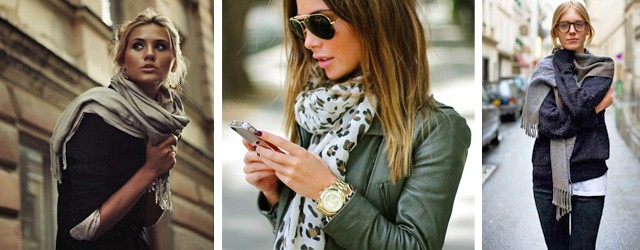
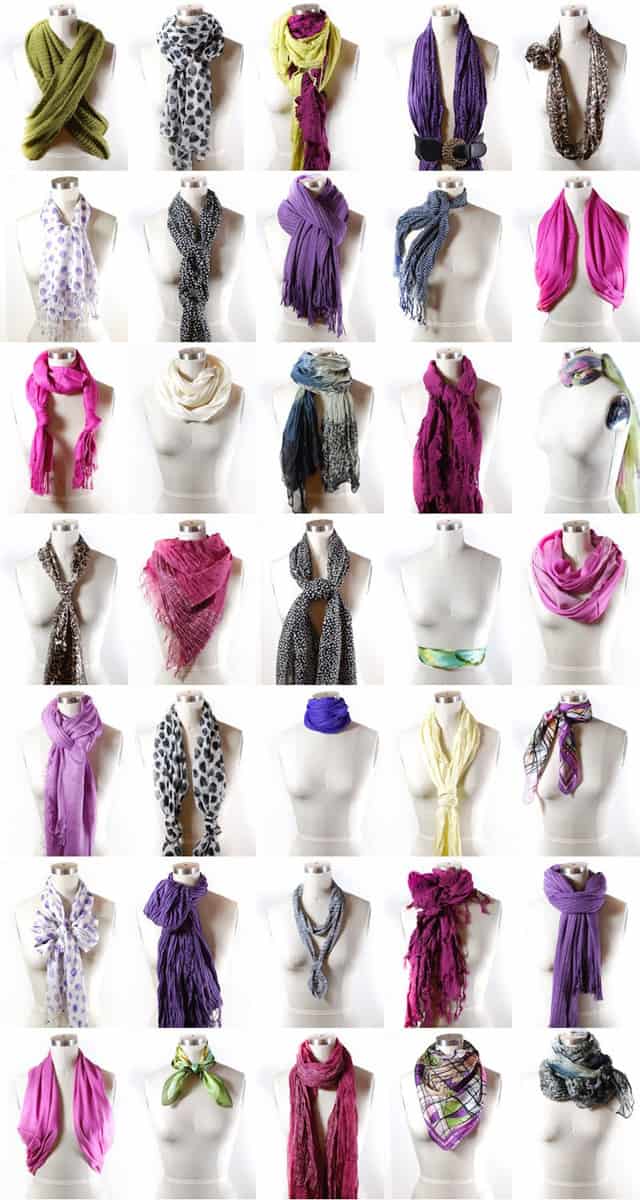
Few items are as universally associated with European style as the scarf. Functioning as a warm, protective layer against harsh winter winds or a lightweight silk accent during summer evenings, scarves instantly pull disparate pieces of an outfit together. Mastering basic scarf-tying techniques allows travelers to maximize the versatility of a minimal clothing selection.
Tailored Outerwear
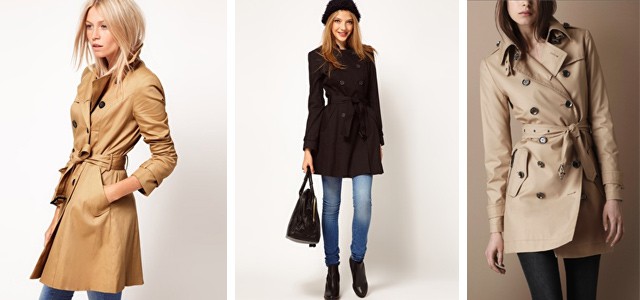
Classic trench coats and structured wool overcoats are standard seasonal investments across European capitals. These garments provide essential weather protection during cold and rainy months while maintaining an inherently sophisticated profile.
Secure and Stylish Handbags
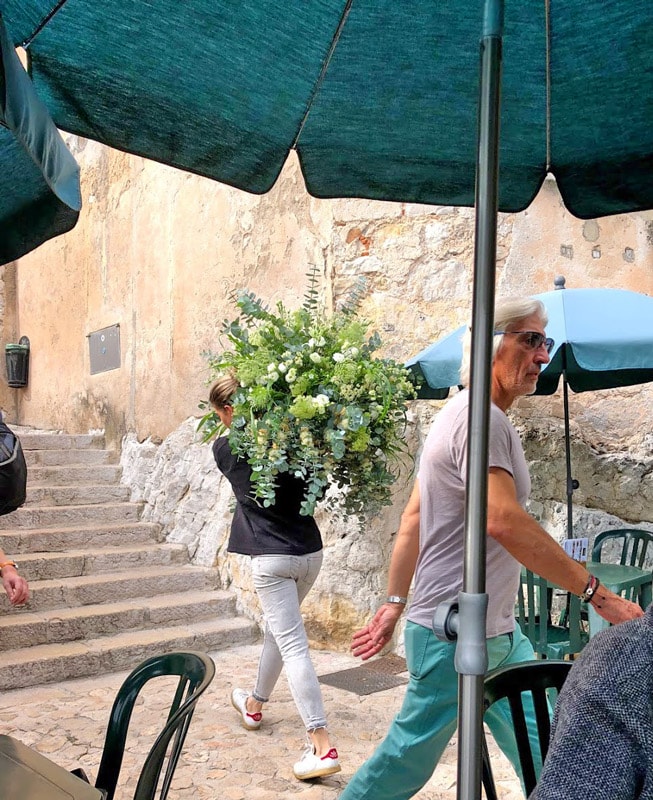
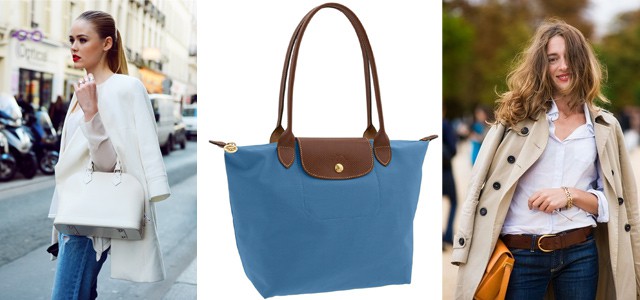
Urban mobility necessitates a reliable bag, whether structured tote, cross-body purse, or messenger bag. Beyond aesthetic considerations, practical security is paramount in crowded tourist zones. Travel safety experts consistently advise selecting bags equipped with secure zippers and wearing them across the front of the body to deter professional pickpockets operating in major transit hubs and tourist attractions.
Beauty and Grooming Standards: The Minimalist Approach
In alignment with their approach to apparel, European grooming standards generally favor an understated, natural aesthetic. Heavy foundation, elaborate contouring, and overly sculpted cosmetics are largely replaced by minimalist skincare routines, tinted moisturizers, and groomed brows. The notable exception is the signature use of bold lipstick—particularly classic red hues—which serves as a hallmark of Parisian beauty culture, allowing individuals to project a polished appearance with minimal time investment. Similarly, hair styling emphasizes natural texture and effortless movement, frequently styled into relaxed high ponytails or loose buns rather than rigidly styled blowouts.
Practical Packing Strategies for International Travel
Packing for an extended European vacation while maintaining a high standard of personal style presents a logistical challenge due to airline baggage weight limits and the physical demands of handling luggage across stairs, trains, and cobblestone pathways. Experienced travel analysts recommend adopting a capsule wardrobe methodology centered around neutral color palettes. By selecting items in shades of black, navy, grey, camel, and white, every top effortlessly coordinates with every bottom, exponentially increasing the number of possible outfit combinations without multiplying the total number of packed garments.
The implementation of compression packing cubes is widely recognized as an essential strategy for maximizing luggage capacity, organizing clothing categories, and minimizing wrinkles during transit. Travelers should prioritize wrinkle-resistant fabrics—such as merino wool, high-grade synthetics, and treated cotton blends—that offer moisture-wicking and odor-resistant properties, reducing the frequency of required laundering during extended trips.
Recommended Travel Clothing Brands and Industry Analysis
To address the demand for functional travel attire that bridges the gap between rugged outdoor gear and urban fashion, several specialized apparel brands have emerged in the global marketplace.
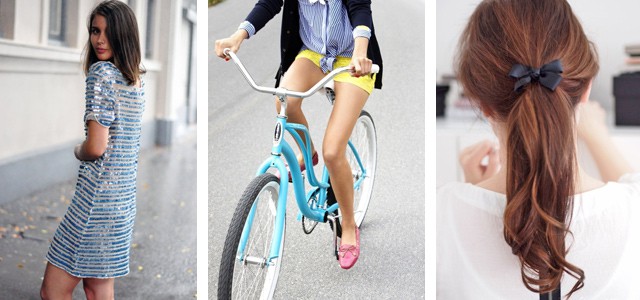
Top and Bottoms Innovations
Brands such as Anatomie, Athleta, and Prana design travel-specific trousers, dresses, and blouses utilizing technical fabrics that resist wrinkling, dry rapidly, and maintain a tailored silhouette suitable for urban dining and museum visits. While these garments may not replicate the exact luxury feel of high-end French couture houses, they successfully eliminate the overtly "outdoorsy" or athletic aesthetic that immediately identifies a traveler as a tourist.
Specialized Travel Footwear
For footwear that bridges comfort and European design sensibilities, market data highlights several key manufacturers. Allbirds utilizes lightweight, odor-resistant merino wool for breathable walking shoes suitable for sockless wear. Ecco manufactures supportive lifestyle sneakers, such as the Soft VII series, engineered for long-distance walking without sacrificing aesthetic appeal. Classic canvas options like Bensimon, Superga, and Keds mirror the casual footwear frequently observed on European city streets during warmer months.
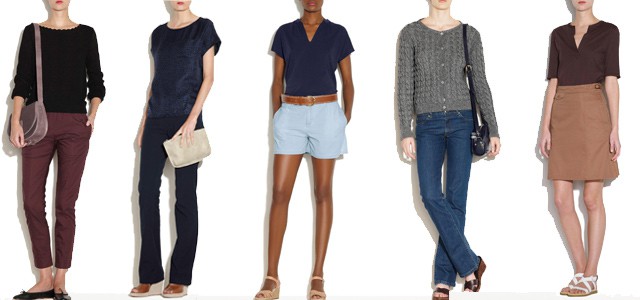
Implications and Economic Impact of the Travel Fashion Sector
The intersection of travel and fashion represents a multi-billion-dollar global market segment. Luggage manufacturers, technical apparel brands, and footwear companies continually invest in research and development to create lighter, more durable, and aesthetically versatile products designed for the modern mobile consumer. As international tourism rebounds to pre-pandemic levels, urban centers across Europe continue to influence global retail trends, encouraging consumers worldwide to adopt more sustainable, curated, and enduring wardrobe habits inspired by European metropolitan street culture.